Machu Picchu stands as a marvel of Inca engineering. Its construction is a testament to the ingenuity of its builders.
Central to this achievement are the quarries that supply its stones. These quarries provided the raw materials essential for the site’s creation.
Understanding these sources offers insights into Inca architecture. It reveals the strategic choices made by the Incas.
The stones of Machu Picchu were not randomly selected. Each type of stone served a specific purpose in the construction.
Identifying local and regional quarries helps us trace the origins of these stones. It also highlights the logistical challenges the Incas faced.
Transporting massive stones across rugged terrain required advanced planning. The Incas developed sophisticated methods to overcome these challenges.
The labor organization played a crucial role in this process. The social structure of the Inca Empire facilitated large-scale construction projects.
Quarry sources matter because they reflect the Inca’s architectural priorities. They also demonstrate their engineering prowess.
Modern research continues to uncover new details about these quarry sources. Scientific analysis enhances our understanding of Inca construction techniques.

machu picchu quarry sources
The legacy of Machu Picchu’s quarry sources endures, inspiring awe and admiration.
Quarry sources play a pivotal role in understanding Inca architecture. They influence the availability and choice of construction materials.
The Incas selected stones based on their properties and proximity to the construction site. This influenced the architectural styles they developed.
Access to various types of stone allowed for diversified construction techniques. Some stones were suited for structural stability, while others were for aesthetic appeal.
Quarries provided resources that were integral to the Incas’ building strategies. They enabled the creation of structures that could withstand natural challenges.
Several factors affected quarry selection. These included the terrain, stone quality, and logistical considerations.
Inca architecture also reflects a deep respect for the environment. Quarrying methods minimized ecological disruption, showcasing sustainable practices.
The choice of quarry sources reveals a balance between practicality and cultural significance. This approach is evident in the precision and durability of Inca structures.
Key aspects of quarry sources in Inca architecture:

Quarry sources inform us about the Inca’s architectural innovations. They also highlight the sophisticated planning behind their construction projects.
By studying these sources, we gain insight into the Inca civilization’s resource management. Their ability to integrate local materials into monumental structures remains inspiring.
Determining the origins of Machu Picchu’s stone is crucial. It provides insight into the Incas’ construction processes.
Local quarries were likely the primary sources of stone. Proximity reduced transportation challenges and expedited construction efforts.
However, regional quarries contributed unique materials not found locally. These might have been chosen for special parts of the structure.
Identifying these sources requires extensive archaeological and geological studies. Each stone type can reveal the journey from quarry to site.
Geological surveys help determine which quarries supplied specific stones. Different stone types indicate varied and widespread quarry use.
Two primary types of investigations include:
Archaeological evidence at Machu Picchu shows strategic material selection. This involved comparing stone qualities from different quarries.
Certain stones, such as andesite, are exclusively sourced from distant quarries. Their presence signifies a sophisticated network for stone acquisition.
Inca engineers were adept at integrating materials from distinct locations. Their work displayed mastery of both local and remote resources.
Regional variations in stone types underscore the complexity of construction. They offer clues about the logistics of moving these heavy materials.
The identification process of quarry sources involves:
These studies broaden our understanding of Inca engineering. They underscore the significant planning required to build Machu Picchu.
Machu Picchu’s geological context is diverse. The site is surrounded by mountains rich in different rock types.
The primary stone used at Machu Picchu is granite. This stone is abundant in the nearby Vilcanota range.
Granite’s durability made it perfect for the citadel’s foundation and structural walls. Its abundance enabled consistent building quality.
Another essential material is andesite. Though sourced from further away, it played a crucial role in construction.
Both limestone and sandstone are present, though rarer. These stones might have been used for specific architectural features.
Various rock types’ availability influenced construction techniques:

machu picchu archaeological tours 5 days
The geological variety of Machu Picchu made it a masterpiece of stone engineering. By using available materials, the Incas showed resourceful craftsmanship.
Geomorphology around Machu Picchu helped direct stone sourcing. Engineers exploited the region’s rich geology to suit their architectural needs.
Mapping quarries is essential for understanding the sources of Machu Picchu’s stones. This involves both traditional and modern techniques.
Researchers use a combination of fieldwork and technological tools. These techniques identify and confirm quarry locations and their usage periods.
Advanced tools like GIS mapping and drone surveys provide precise data. These technologies create detailed maps of potential quarry sites.
Field methods include:
Discoveries have confirmed old quarry sites and uncovered new ones. These findings refine our knowledge of ancient stone procurement systems.
Mapping has revealed surprising insights, like long-distance stone transport. This suggests highly organized and efficient logistic networks.
Recent studies confirm that the Incas coordinated complex networks for the delivery of stone. These efforts required intricate planning and labor distribution.
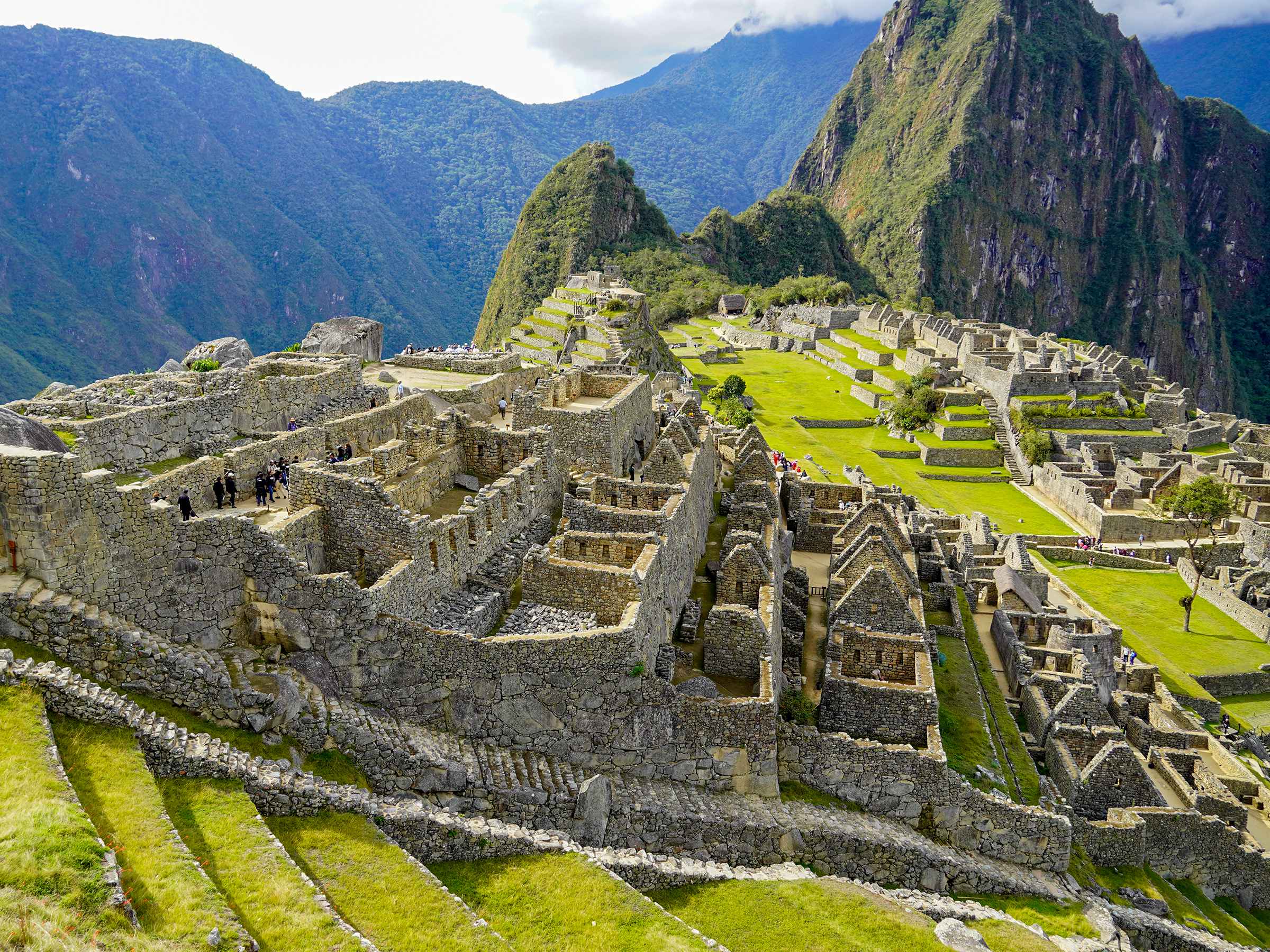
Innovations in mapping offer:
These discoveries continue to shape our perspectives on Inca construction prowess. They highlight the depth of knowledge and organization that the Incas employed.
Machu Picchu is renowned for its diverse stone masonry. Different types of stone contributed to its enduring architecture.
Granite dominates the construction of the citadel. Its availability and strength made it the preferred material.
Granite’s hardness required specialized quarrying techniques. The Incas mastered these to create their iconic structures.
Andesite is another stone used, known for its aesthetic appeal. Used carefully, it added variety to Machu Picchu’s appearance.
Limestone and sandstone appear in select features. They provided contrasting textures and colors.
Each stone type served distinct roles:
Machu Picchu’s stone variety not only met practical needs but also showed an artistic sensibility. The different stones intertwined seamlessly.
This stone diversity underscores the Inca’s adaptability to local resources. They achieved a functional and visually striking landscape.
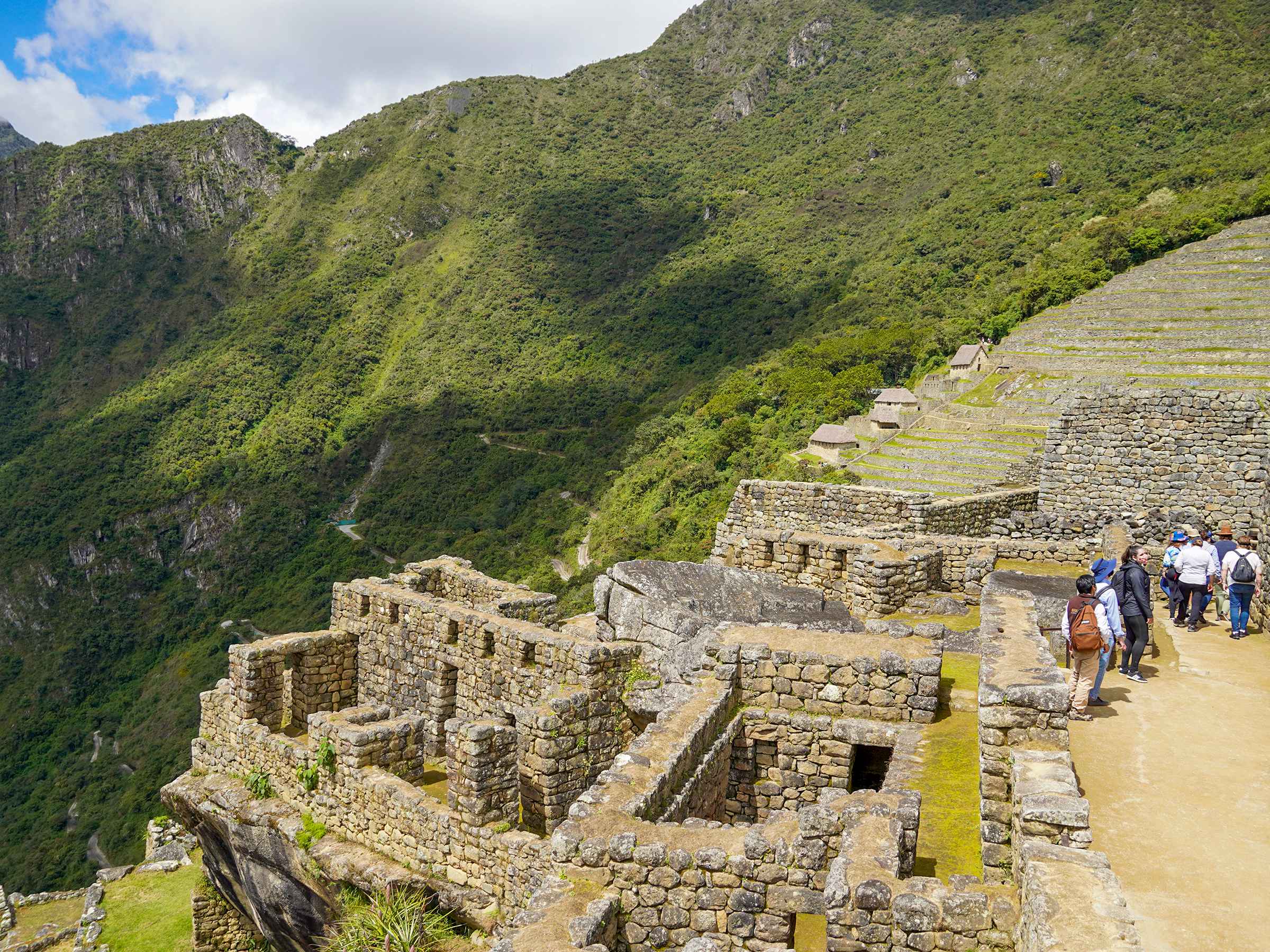
Granite played a crucial role in Machu Picchu’s construction. Known for its durability, it sustained the structure’s longevity.
The local Vilcanota mountain range supplied ample granite. This proximity reduced the challenge of transporting massive stones.
Granite was used in the construction of walls, terraces, and foundations. Its robust nature made it ideal for creating long-lasting structures.
To extract granite, the Incas employed advanced techniques. They used tools made from harder stones to chip and shape it.
Efficient quarrying and shaping methods were essential. These techniques allowed the Incas to construct efficiently.
The quarrying process included:
Granite’s widespread use exemplifies the Incas’ resourcefulness. Their skills ensured each stone fitted seamlessly, enhancing stability.

Despite granite’s challenges, the Incas optimized its use. Their engineering ensured enduring strength and aesthetic charm.
While granite dominated, other stones, such as andesite, enhanced the citadel’s beauty. Its smooth surface allowed intricate carvings.
Andesite added contrast and elegance to the architecture. This stone was often sourced from more distant locations, indicating elaborate planning.
Limestone was employed in areas demanding precision and detail. Its softer texture was useful for decorative purposes.
These additional materials included:

machu picchu maras salt mines palccoyo 3 days
Using these stones required distinct techniques. Each stone type brought a unique quality to Machu Picchu.
The variety of stones reflects the Inca’s artistic vision. Their work turned practical engineering into an art form.
The blending of these materials resulted in a harmonious architectural marvel. It stands as a testament to Inca innovation and artistry.
The Incas demonstrated remarkable ingenuity in stone extraction. Their methods were both efficient and sustainable.
Quarrying requires skill and planning. The Incas developed techniques for carving and transporting large stones effectively.
Key aspects of their quarrying practice included:

Control over the quarrying process was essential. Each step was meticulously planned to ensure quality and uniformity.
The Incas used specific tools for stone extraction. They relied heavily on harder rocks to shape softer stones.
Their sustainable approach minimized environmental disruption. They avoided over-extraction and maintained the balance with nature.
Stone extraction wasn’t just a physical task. It was intertwined with cultural and spiritual beliefs. Stones had significance in Inca cosmology.
By integrating spiritual practices into quarrying, they honored their deities. This approach created a harmonious balance between humans and the environment.
The Incas’ ability to manage resources was essential. It ensured the enduring legacy of Machu Picchu’s architecture.

The Incas employed a variety of tools to aid their craftsmanship. They created specialized tools for working with different stone types.
Tools were typically crafted from harder materials. These included stones like obsidian and metal alloys, which were more effective.
Their methods for stone extraction were innovative. The following tools and techniques highlight their approach:
The use of such tools required considerable skill. Inca craftsmen were trained in these techniques from a young age.
Their precision in stone shaping was crucial. It ensured flawless fits and structural stability in construction.
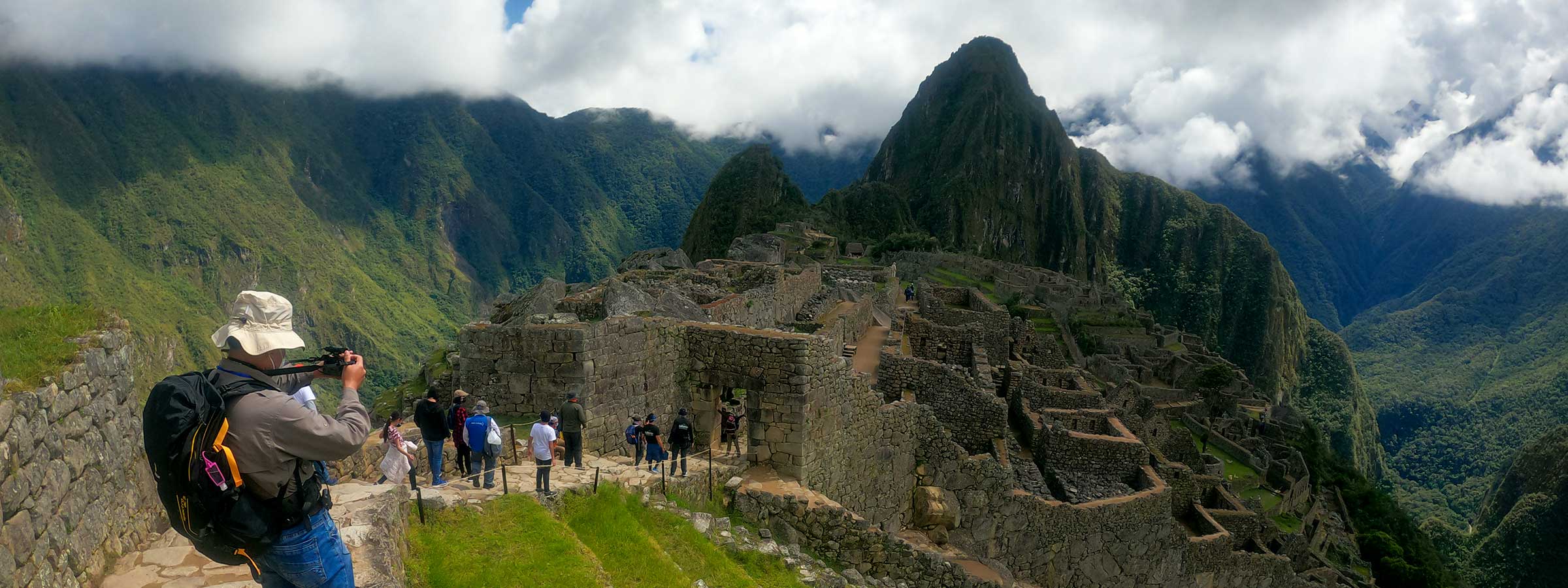
The Incas’ methods reflected their understanding of stone properties. They knew how to work with a range of densities and textures.
This knowledge enabled them to achieve seamless architectural finishes. Their skills ensured durability and aesthetic beauty for centuries.
The Incas’ quarrying practices reflected their respect for nature. They considered environmental impacts deeply.
A sustainable approach guided their extraction methods. This involved assessing the ecological consequences of removing large stones.
Their cultural values emphasized harmony with nature. This belief influenced their meticulous quarrying techniques.
Key environmental practices included:

By following these principles, they ensured the land remained fertile. This respect for their environment is reflected in their work.
Cultural beliefs played a central role in their architectural endeavors. It was not just about construction but about integrating nature.
Their legacy of mindful engineering lives on. It provides a model for sustainable practices today.
Transporting stones from the quarries was no small feat. The Incas mastered logistics, combining engineering with meticulous planning.
The rugged Andean terrain presented significant challenges. Yet, they developed efficient systems to move massive stones to Machu Picchu.
Critical to their success was the use of human labor. Inca workers, organized into groups, transported stones with remarkable precision.
Key logistical strategies included:
The Incas used different methods for different terrains. For more challenging routes, they engineered sophisticated solutions.
They often utilized rolling logs or sledges. Such techniques reduced friction, making movement easier.
The leadership ensured every step was carefully monitored. This precision avoided delays and conserved energy.
Their logistics also factored in resting and regrouping points. This maximized efficiency and limited fatigue among laborers.
Selecting the right path was crucial. The Incas meticulously analyzed terrains before choosing a route.
Their roads are marvels of ancient engineering. Careful planning meant optimal paths between quarries and construction sites.
They favored routes that used natural slopes. These facilitated downhill transport, decreasing the effort required.
Techniques to create pathways included:
These paths were not only functional. They were works of art reflecting Inca craftsmanship.

A visual guide to the Machu Picchu New Year’s tour, highlighting the festive seasonal experience, scenic travel route, and main viewpoints explored inside the Inca citadel.
In ensuring safe passage, stone ramps were built. These made it easier to maneuver large blocks.
The coordination between labor teams was flawless. Everyone knew their role in the process, ensuring smooth operations.
The Andes presented unique transport challenges. However, Inca ingenuity knew no bounds.
Mountainous terrains demanded creativity. The Incas engineered solutions to handle these hurdles effectively.
Key strategies to overcome terrains included:
Their routes took advantage of geological features. They cleverly integrated natural elements into transportation methods.
By focusing on terrain specifics, they minimized disruptions. This adaptability was vital for efficient stone transport.
The labor force’s ability was also pivotal. Their understanding of the landscape allowed for seamless interactions with the environment.
The Inca Empire thrived due to its sophisticated social structure. Central to this was efficient labor organization, crucial for massive projects like Machu Picchu.
Labor was not only a means to an end. It was a way to reinforce Inca social fabric and political power.
At the heart of labor organization was the concept of reciprocity. People provided labor in exchange for state protection and resources.
Key aspects of their labor system included:
Inca society was remarkably stratified. Each person had a role, fostering a sense of belonging and purpose.
Labor groups were organized at various levels, including regions and villages. These groups, known as “ayllus,” formed the backbone of Inca society.
Labor assignments were carefully planned. The state provided the necessary tools and food, encouraging productivity.
Cultural cohesion was crucial. The labor system not only advanced construction but also ensured social harmony.
The ayllus were the basic units of Inca society. They were extended family groups working together on various tasks.
Ayllus was responsible for building infrastructure. They were central to communal activities, including stone transport.
Each ayllu had a leader who coordinated tasks. This ensured that members’ efforts aligned with the state’s objectives.
The Mitmaqkuna were another component. They were resettled groups assisting in expanding and consolidating Inca territories.
Roles of ayllus and Mitmaqkuna included:
Mitmaqkuna were skilled laborers often resettled in areas of need. They played an essential role in integrating diverse groups.
This blending of communities ensured cultural and political unity.
Collective labor was critical in the Inca Empire. It was part of a system called “minka” or “minga,” meaning communal work.
The Inca administration was adept at organizing this work. It streamlined efforts towards large-scale projects and agricultural productivity.
Key administrative roles included:
Collective work was more than a necessity. It was a method for fostering loyalty and unity within the empire.
Through administrative oversight, tasks were efficiently managed. This maintained the Inca’s reputation for astounding engineering feats.
The choice of quarry sources was pivotal in Inca architecture. It shaped not only the structure but also the functionality of their buildings.
Selecting the right stone was an art for the Incas. It required deep knowledge of geological contexts and material properties.
By understanding quarry locations, we appreciate the engineering prowess of the Incas. They adapted their building techniques to the stone types available.
Their architectural achievements included:
Choosing local quarries minimized transport challenges. This decision allowed for more efficient construction processes.
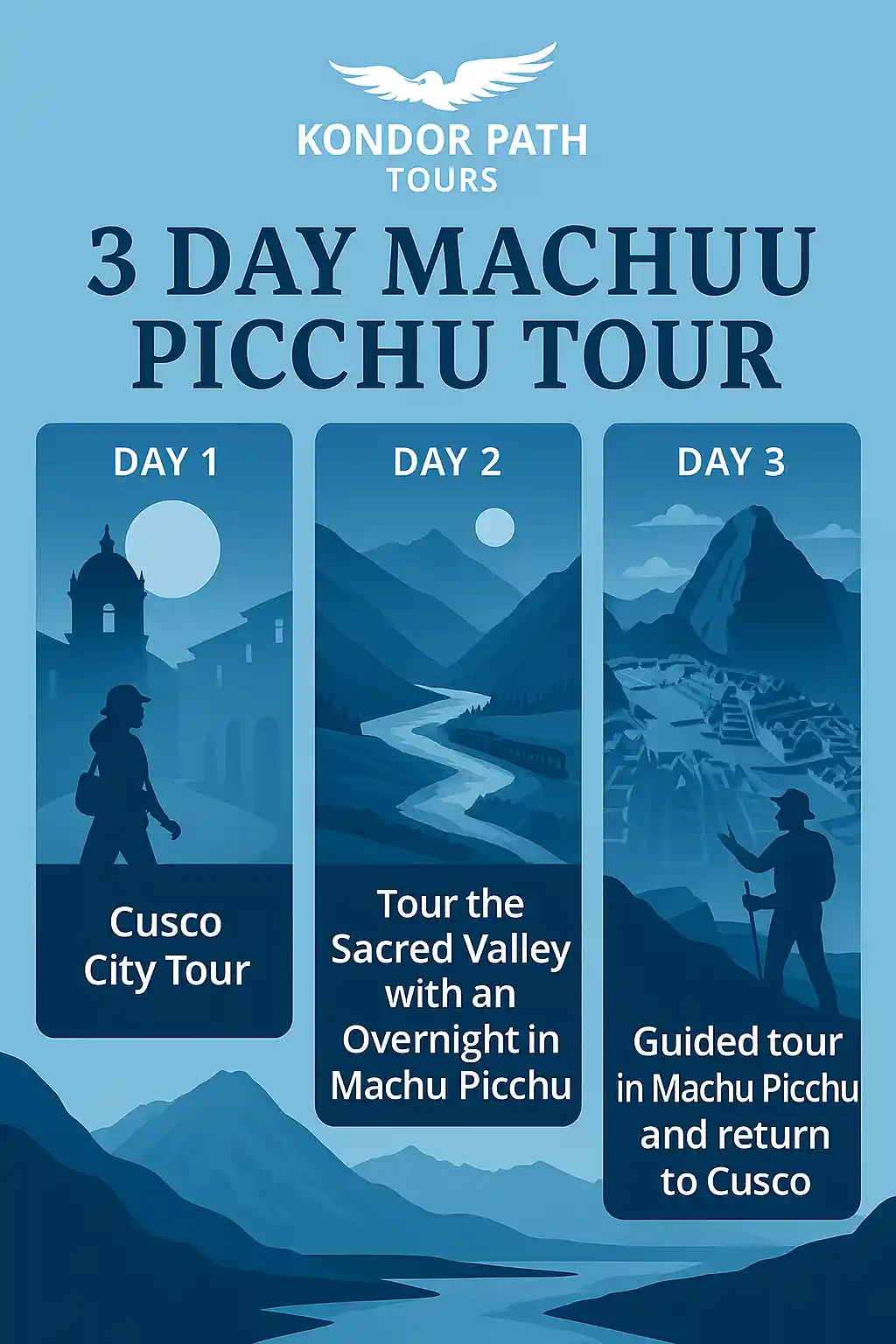
A visual overview of the 3-day trip to Machu Picchu shows the route. It starts in Cusco, goes through the Sacred Valley, and ends at the citadel.
Regional quarries provided diverse stone types. This variety offered flexibility in design and structural planning.
Using local materials also demonstrated respect for local ecosystems. It showed an awareness of sustainable building practices.
Moreover, quarry sources reveal the trade networks of the Incas. They often acquired stones from distant regions, illustrating a vast reach.
The significance of quarry sites is manifold:
Quarry sources were more than mere locations. They were integral to Incan innovations and sustainability in architecture.
Today, studying these sites enriches our understanding of Incan civilization. It highlights the sophisticated interplay of engineering and cultural values.
The Inca’s stone sourcing practices provide insight into their advanced engineering techniques. Stone selection was a calculated process tailored to architectural needs.
Engineers of the Inca Empire were master planners. They carefully matched stone types to specific structural functions.
Analyzing stone sources uncovers the complexity behind Inca engineering. Their civilization sought durable materials to resist environmental forces.
During their construction projects, Incas relied heavily on local resources. This choice ensured quick access to essential building materials.
Moreover, they demonstrated a keen understanding of geology and terrain. This knowledge enabled them to design structures resilient to earthquakes.
Exploring stone sourcing helps us appreciate Inca ingenuity. They utilized:
Such methods promoted stability in their buildings. Inca structures still marvel us today due to their endurance and precision.
Stone sourcing illuminates the Incas’ logistical skills too. Transporting massive stones across challenging landscapes required innovation.
The sourcing strategies also highlight Inca societal organization. Efficient labor distribution and coordinated efforts were crucial.
In summary, stone sourcing is a window into the Incas’ engineering prowess. Their ability to harness local materials speaks to their architectural brilliance.
This approach ensured the lasting legacy of their stonework, demonstrating both practicality and advanced understanding. The stones tell a story of the Inca people, their landscapes, and their impressive craftsmanship.
Modern research continues to enhance our understanding of Machu Picchu’s quarry sources. Technology plays a significant role in these discoveries.
Researchers employ techniques such as remote sensing and chemical analysis. These methods provide detailed insights into ancient practices.
Advanced imaging reveals previously unnoticed quarry sites. This technology helps historians piece together the logistics of stone transport.
Scientific studies also focus on the compositions of building stones. Analyzing mineral content aids in identifying stone origins.
Notably, radio-carbon dating aligns construction phases with quarrying activities. Such studies bridge history with modern science.
Key areas of scientific research include:
These efforts collectively contribute to a comprehensive understanding of Inca engineering.
Modern research does not only aim to uncover the past. It also assesses the impact of tourism and preservation efforts on these ancient sites.
The collaboration between archaeologists, historians, and scientists enriches our knowledge. Together, they shed light on the Inca empire’s architectural genius.
Recent years have witnessed remarkable advances in archaeological methods. These advancements deepen our appreciation of Inca heritage.
Technological innovations offer more precise data collection. For instance, LiDAR has transformed the mapping of ancient sites.

1 Day Inca Trail Hike to Machu Picchu – Route Overview, Key Stops, and Trek Highlights
Modern techniques include:
Each breakthrough enables more accurate reconstructions of Inca life.
Beyond technology, interdisciplinary research aids understanding. Collaborations between archaeologists and scientists yield richer insights into quarry sources.
These advancements collectively illuminate the sophistication of Inca architecture. They help preserve cultural legacy for future generations.
Despite extensive research, some debates persist about quarry usage. Scholars discuss the logistical feasibility of transporting massive stones.
Future studies aim to resolve these debates through comprehensive analysis. They explore new interpretations of available data.
Key ongoing topics include:
These debates shape future research trajectories. They invite further exploration of ancient engineering marvels.
The quest for understanding continues to inspire specialists. They remain committed to unlocking the mysteries of Inca construction.
Future directions also focus on enhancing site preservation. Increased awareness ensures that Machu Picchu’s wonders endure for upcoming generations.
The quarry sources of Machu Picchu reveal much about the Inca empire’s vision and artistry. They represent a fusion of natural resource management and human ingenuity.
Understanding these sources enlightens us on the economic and cultural priorities of the Incas. Their choice of stone and quarry locations reflected strategic decisions vital to their civilization’s resilience and aesthetic.

by Deb Dowd (https://unsplash.com/@fin777)
The legacy of these quarry sources extends into modern times. They not only unravel aspects of Inca construction but also teach us about sustainable resource utilization.
As scholars delve deeper, they continue to unveil an intricate portrait of historical craftsmanship and innovation. This legacy invites us to respect and preserve one of humanity’s great achievements. It stands as a testament to human potential in harmony with nature.

Machu Picchu and Hiram Bingham’s Legacy: Rediscovery, Debate, and Historical Impact Machu Picchu, a marvel of Inca engineering,…
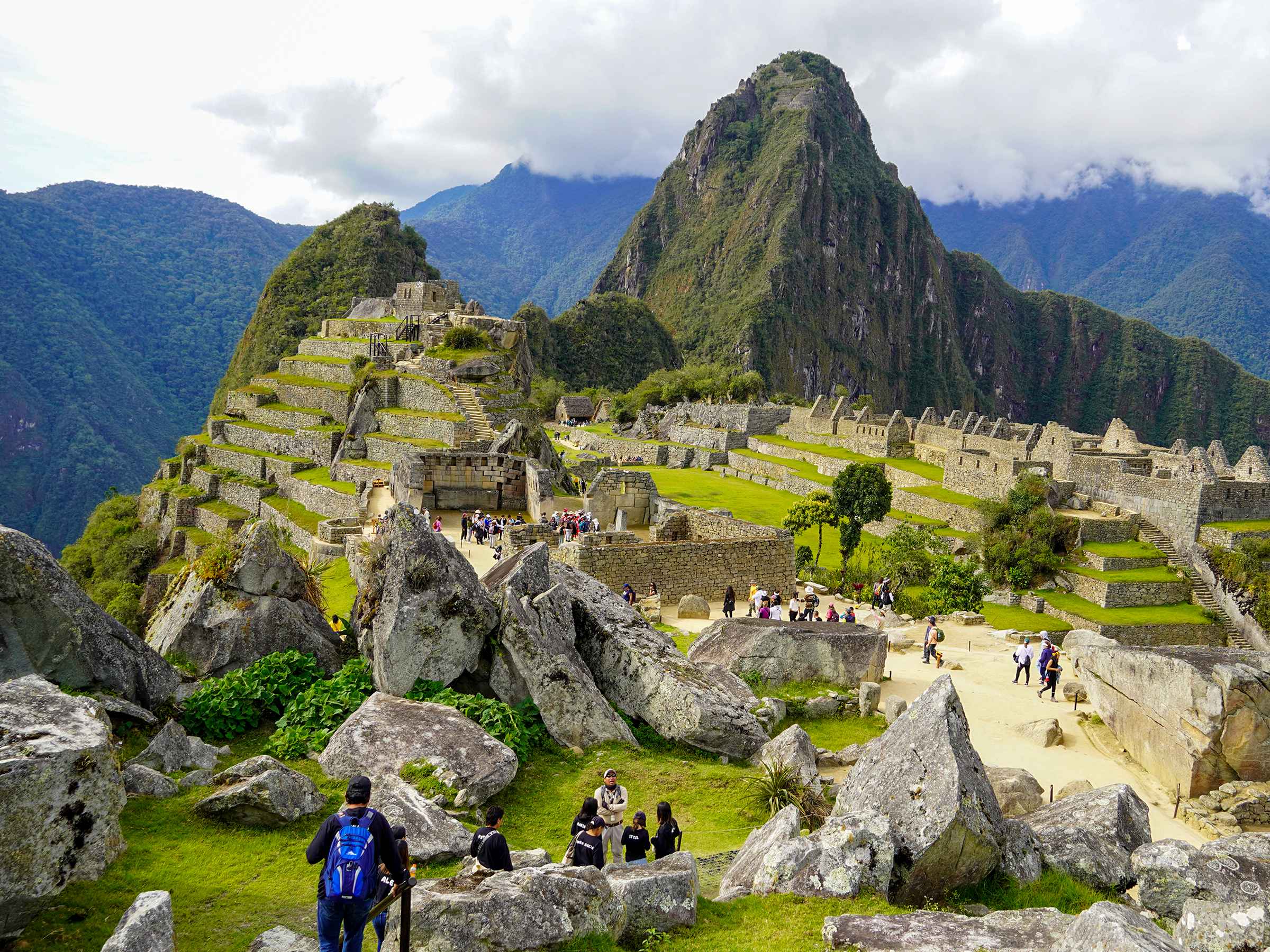
Machu Picchu Seismic Design: How Inca Engineering Defied Earthquakes Machu Picchu stands as a marvel of ancient engineering.…

Machu Picchu Terrace Engineering: How the Incas Mastered Mountain Agriculture Machu Picchu stands as a marvel of ancient…

Machu Picchu Sacred Mountains Guide: Spiritual Meaning of the Andean Landscape Machu Picchu, the renowned 15th-century Incan citadel,…
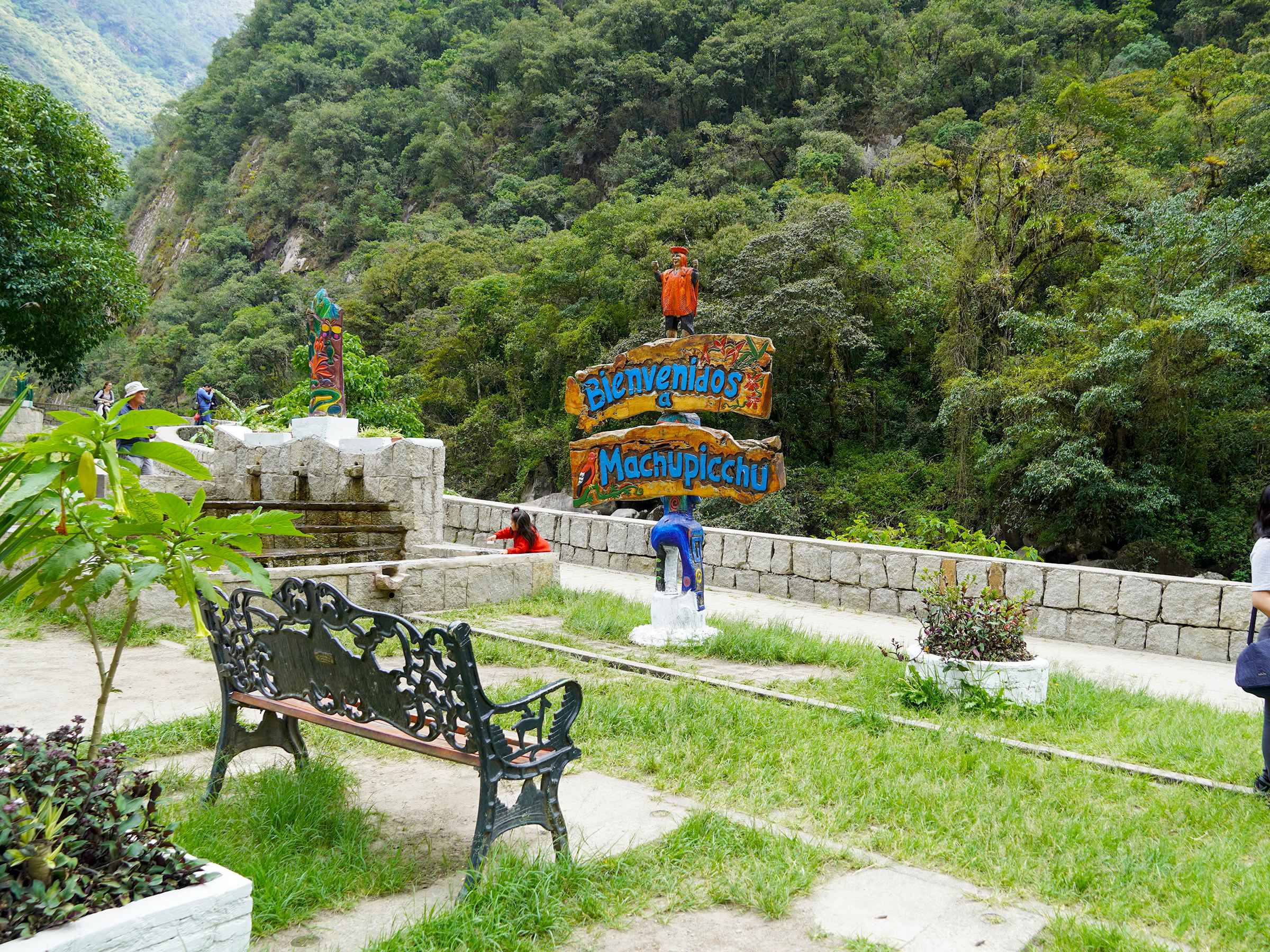
Aguas Calientes Town: The Charming Gateway to Machu Picchu Nestled in the heart of the Andes, Aguas Calientes…

Peru Altitude Guide Peru is a land of breathtaking landscapes and rich cultural heritage. Its diverse geography includes…

Machu Picchu Climb Machu Picchu is a dream destination for many travelers. Nestled high in the Andes, it…

Discover the Amazing Sacred Valley Cusco Nestled in the heart of the Andes, the Sacred Valley of Cusco…

Best time to go to Machu Picchu Machu Picchu is a dream destination for many travelers. Nestled in…

Cusco Altitude Cusco, a city nestled in the Andes, is renowned for its breathtaking altitude. At 11,152 feet…
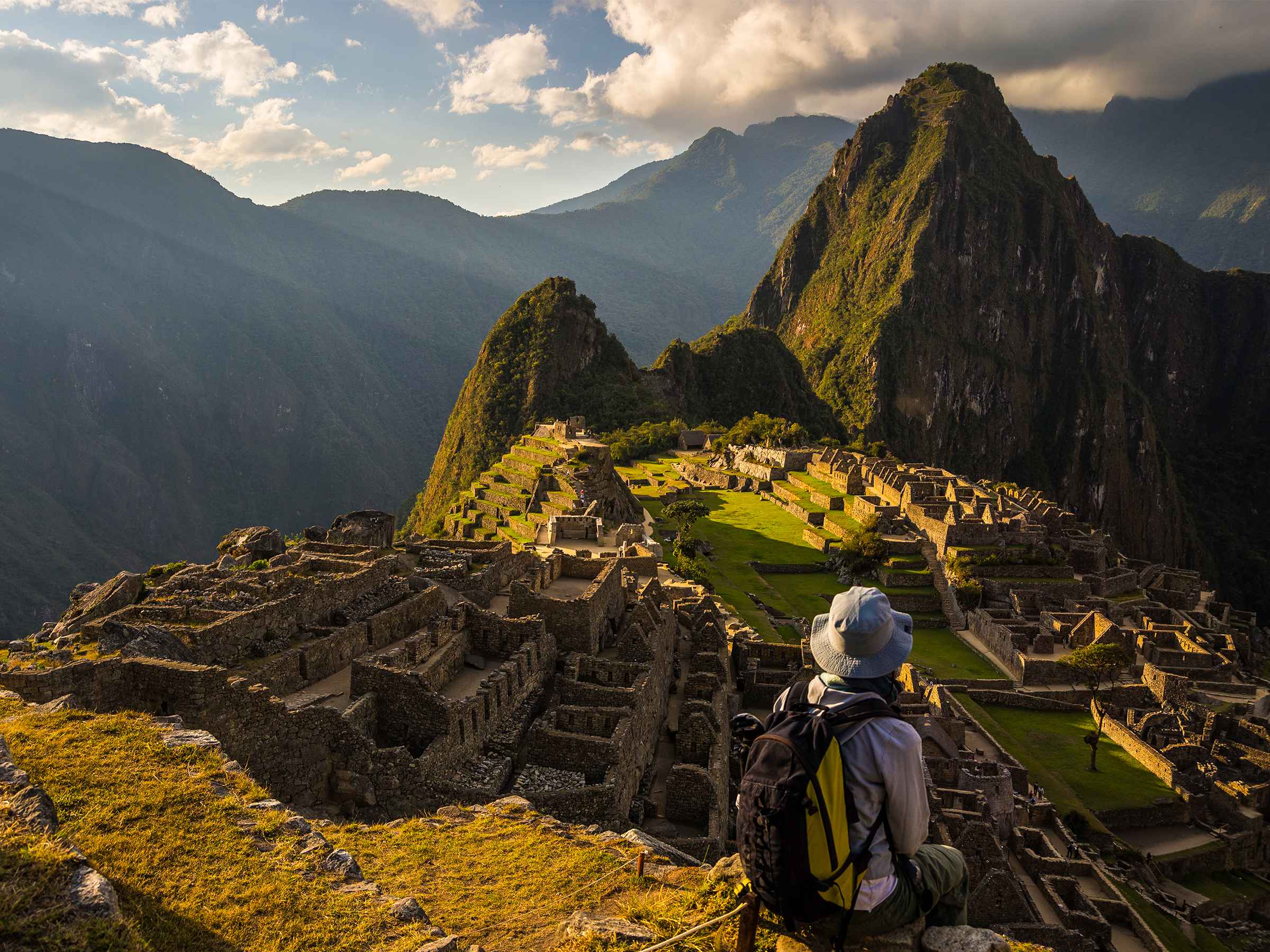
Where is Machu Machu Picchu is a name that sparks curiosity and wonder. Nestled high in the Andes…

River rafting stands out in Peru as a must-do for adventure seekers. What Makes Peru Stand Out for…