Peru is a land of breathtaking landscapes and rich cultural heritage. Its diverse geography includes towering mountains and lush valleys.
Travelers flock to Peru for its stunning scenery and historical sites. However, the country’s high altitudes can pose challenges.
Altitude sickness is a common concern for visitors. It can affect anyone, regardless of fitness level or age.
Understanding Peru’s altitudes is crucial for a safe and enjoyable trip. Lima, the capital, sits at a modest elevation.
In contrast, Cusco and Machu Picchu are at much higher altitudes. These popular destinations require careful planning.
Symptoms of altitude sickness include headaches and nausea. They can disrupt travel plans if not appropriately managed.
Fortunately, there are ways to prevent and treat altitude sickness. Acclimatization and hydration are key strategies.
This guide will help you navigate Peru’s altitudes. Prepare well, and enjoy your adventure in this beautiful country.

cusco half day city tour
Peru’s geography is diverse, with dramatic shifts in altitude and landscape. Spanning from the Pacific coast to the towering Andes, Peru offers a range of elevations. This diversity defines the country’s unique climate and culture.
The Andes Mountains dominate much of Peru’s landscape. These majestic peaks are home to some of the world’s highest elevations. Travelers encounter a range of environments, from tropical to arid, as they journey through the country.
Peru’s altitudes vary significantly by location. While Lima is near sea level, other areas like Cusco are much higher. This range of altitudes affects climate, wildlife, and plant diversity throughout the region.
Navigating these varied altitudes is crucial for visitors. It’s essential to understand the altitude differences between destinations. Planning helps adapt to and enjoy these unique environments.
Key geographical features in Peru include:
Understanding how altitude affects travel plans is essential. Higher altitudes can lead to slower acclimatization and increased energy requirements. But with preparation, travelers can safely experience all that Peru offers.
Connecting with local guides provides insight into Peru’s geography. They offer valuable knowledge about navigating high altitudes. This understanding enriches travel experiences, allowing visitors to appreciate both Peru’s landscapes and cultures.
[trustindex no-registration=tripadvisor]
Read our Kondor Path TripAdvisor Reviews
Peru’s landscapes showcase a fascinating interplay of altitudes and attractions. Each destination offers unique experiences influenced by its elevation. Understanding these altitudes helps in planning a comfortable visit to Peru.
Lima, the capital, lies almost at sea level. Here, visitors can enjoy a mild climate year-round. Lima serves as an excellent starting point for acclimatizing before ascending higher.
Cusco, nestled in the Andes, sits at a much higher altitude. This ancient city requires acclimatization for most travelers. Its elevation brings a cooler climate and richer cultural experiences.
The renowned site of Machu Picchu is set at a manageable altitude. Visitors find its elevation less challenging than Cusco. Nearby, the Sacred Valley also offers lower elevations for gentle acclimatization.
High peaks like Huascarán typify Peru’s extreme altitudes. These grand heights attract adventurous mountaineers. Such areas demand meticulous preparation and acclimatization.
To navigate these varied altitudes successfully, consider these key locations:
These diverse altitudes influence the experiences Peru offers. From city tours to mountain expeditions, each location adds depth and variety to any itinerary in Peru.
Lima, Peru’s bustling capital, lies comfortably near sea level. Its mild elevation of around 154 meters (505 feet) offers a gentle climate. Travelers find Lima an excellent starting point for exploring Peru.
While altitude sickness isn’t a concern here, Lima’s elevation provides a transition. It prepares visitors for the higher altitudes found elsewhere. The city’s elevation is manageable for most travelers worldwide.
Cultural attractions thrive in Lima’s lower elevation. From historical museums to vibrant nightlife, the city buzzes with life. Visitors can explore without the strain of altitude adjustment.
Essential Lima highlights include:
Despite its lower altitude, Lima’s cultural and natural diversity captivates travelers. This makes it an indispensable and inviting part of any Peru journey.
Cusco stands as the starting point for Andean adventures. At an elevation of 3,399 meters (11,152 feet), it requires visitors to be prepared. This former capital of the Inca Empire is rich in history and altitude challenges.
The high altitude of Cusco means adjusting becomes crucial. Many travelers experience initial discomfort, but symptoms subside with acclimatization. Monitoring one’s condition is essential, as Cusco’s charm lies not only in its history but also in its elevation.
Cusco’s high vantage point offers breathtaking views and cultural immersion. Its proximity to other iconic sites also makes it a pivotal stop. The city’s altitude adds to its allure but demands respect and preparation.
Key landmarks in Cusco include:
These sites showcase Cusco’s blend of altitude, history, and culture. Navigating them requires planning for both the altitudes and the awe-inspiring attractions they host.
 BEST SELLING TOUR
📍 Cusco City Tour, Pisac, Ollantaytambo, Machupicchu Pueblo, Machu Picchu Ruins, Vinicunca Rainbow Mountain
4-Day / from: USD 499
The Ultimate 4-Day Peru Express Experience The most comprehensive Express Machu Picchu 4 Day Tour experience: Peru bucket-list travelers face a familiar challenge: how to see Cusco City + Sacred…
 BEST SELLING TOUR
📍 Taray, Pisac, Ollantaytambo, Machupicchu Pueblo, Machu Picchu Ruins
2-Day / from: USD 366
Why Choose this 2-Day Tour? The Sacred Valley + Machu Picchu 2-Day Tour takes a different approach entirely: a full Sacred Valley day, a relaxed 8:30 AM start, an overnight…
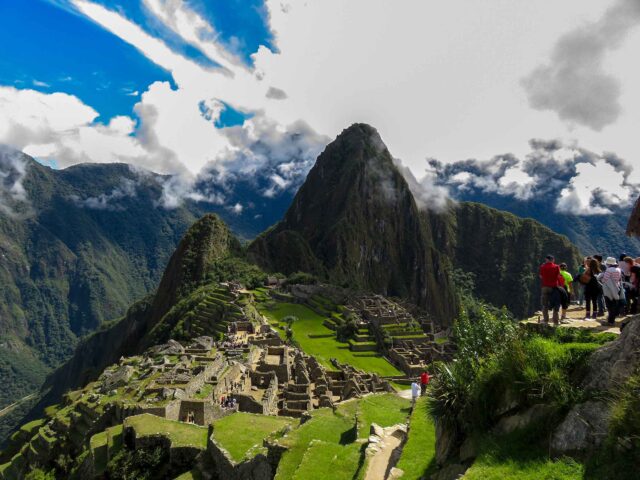
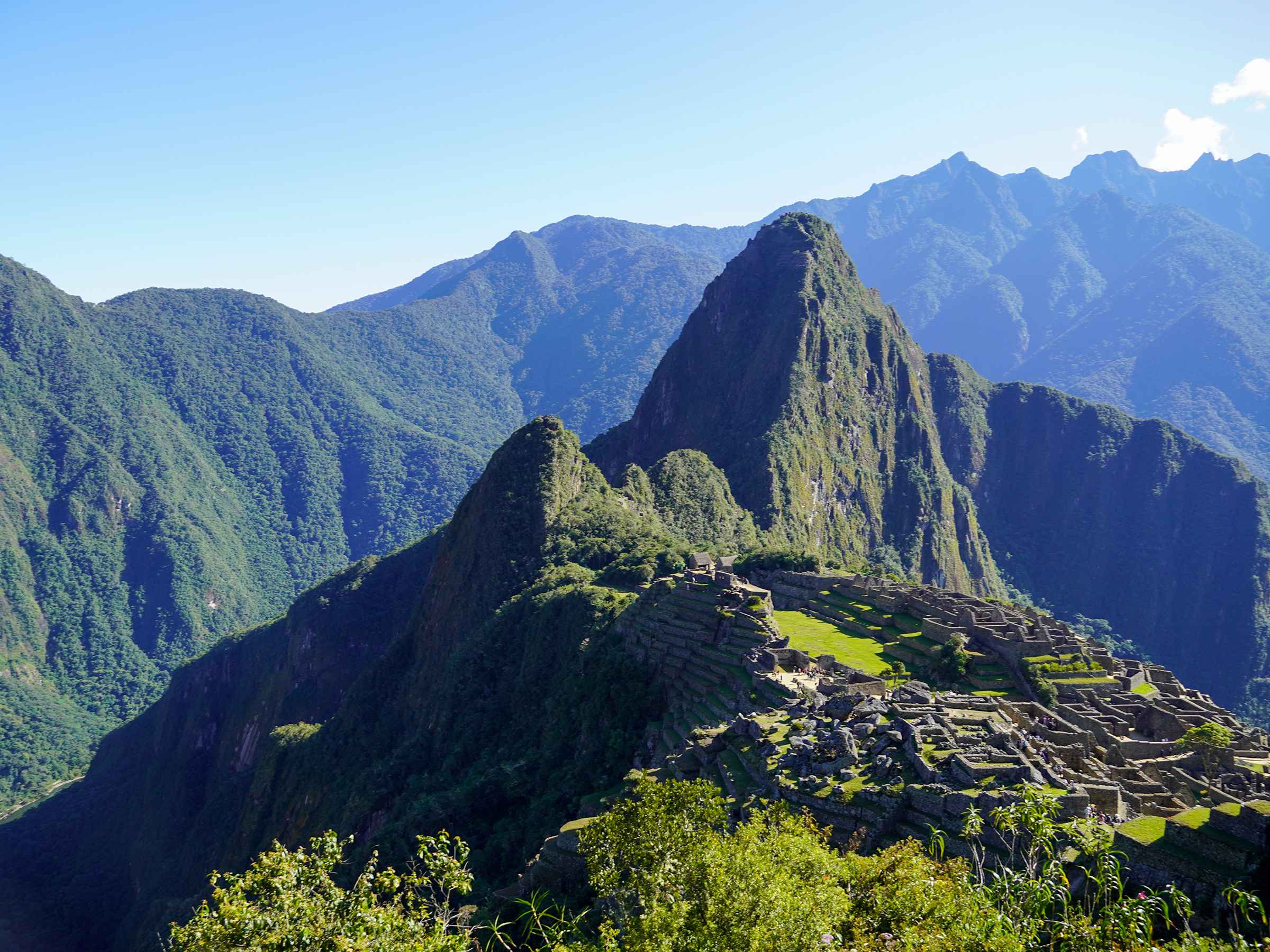
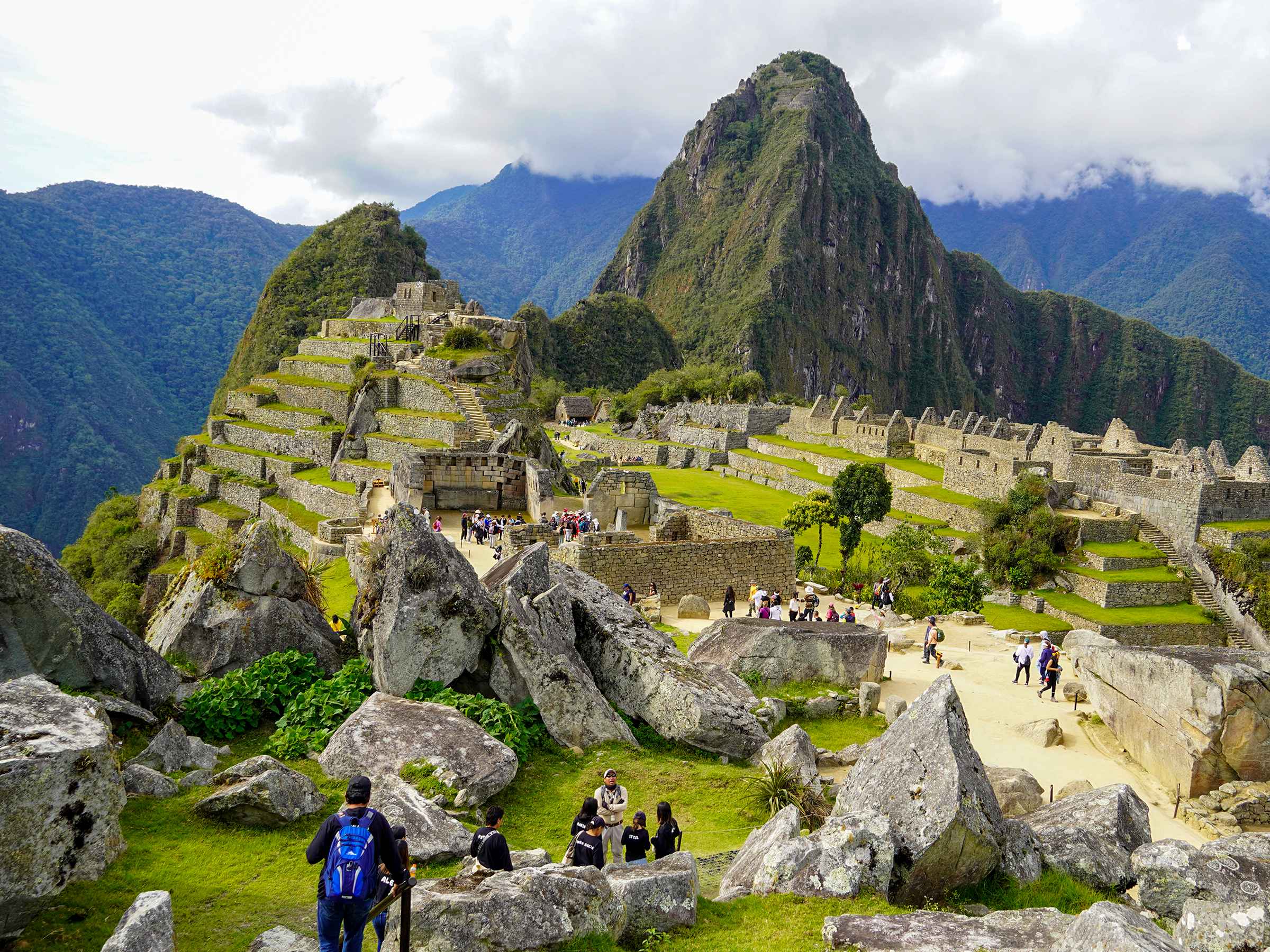
Machu Picchu, a cornerstone of Peru’s attractions, resides at 2,430 meters (7,970 feet). This ancient Incan city offers striking vistas without excessive altitude challenges. Its manageable height makes it easier for most visitors to acclimatize.
The journey to Machu Picchu often begins in Cusco. However, the Sacred Valley provides a lower-altitude stopover. This strategic pause enhances acclimatization, easing the ascent to Machu Picchu.
The Sacred Valley, with its lower elevation, serves as both a cultural and physical transition space. Visitors can immerse themselves in its rich history while adjusting to higher elevations. Its landscape, dotted with Incan ruins and agricultural terraces, enriches any journey.
Must-see elements in this region include:
These sites reveal the region’s blend of natural beauty and historical depth. Combined with optimal altitudes, they offer varied experiences tailored to explorers seeking both adventure and comfort.
Peru’s highest altitudes allure adventurers with their extreme and breathtaking landscapes. Huascarán, the nation’s highest peak, reaches 6,768 meters (22,205 feet). This towering summit epitomizes the thrilling altitudinal challenges Peru offers.
Venturing to such heights demands rigorous acclimatization. Altitude sickness risks increase significantly in these regions. Yet for those prepared, the rewards include unmatched vistas and the thrill of high-altitude exploration.
Huascarán is part of the larger Cordillera Blanca range. This section of the Andes hosts numerous peaks over 6,000 meters. Such altitudes define Peru’s diverse topography and appeal to seasoned mountaineers.
Other notable high-altitude spots include:
These locations highlight Peru’s varied geography, from high peaks to sprawling valleys. Proper preparation allows adventurers to explore these altitudes safely and enjoyably.
Altitude sickness, or acute mountain sickness (AMS), occurs when travelers ascend to high elevations too quickly. In Peru, the risk generally emerges above 2,500 meters (8,200 feet). As altitude rises, the air’s oxygen level decreases, causing the body to react negatively if adjustments aren’t made.
The body’s response to altitude includes struggling to get enough oxygen. This leads to symptoms that range from mild to severe, affecting overall well-being. While many visitors experience only mild discomfort, understanding these effects is crucial for safe travel to high-altitude destinations like Cusco and Machu Picchu.
Common symptoms include:
Recognizing and addressing these symptoms promptly is vital. Ignoring them can lead to more serious conditions, such as High Altitude Pulmonary Edema (HAPE) or High Altitude Cerebral Edema (HACE). These severe issues require immediate medical intervention. By understanding altitude sickness, travelers can take proactive measures to prevent it, ensuring a safe and enjoyable visit to Peru’s high-altitude wonders.
 BEST SELLING TOUR
📍 Cusco, Sacsayhuaman, Qenqo, Puca Pucara, Tambomachay
3.5 hours / from: USD 23
A Half-Day Introduction to Cusco’s Inca Ruins The Cusco Half Day City Tour is built for travelers with limited time in Cusco — not multi-day Machu Picchu travelers who already…
 BEST SELLING TOUR
📍 Cusco, Taray, Pisac, Inca Salt Mines, Maras, Moray, Ollantaytambo
1 Day / from: USD 79
The most comprehensive Sacred Valley experience in a single day Most Sacred Valley tours force a trade-off: see the classic anchors (Pisac, Ollantaytambo, Chinchero) or see the iconic Maras Salt…
When visiting Peru’s high-altitude regions, be aware of the symptoms of altitude sickness. These symptoms can appear within hours of ascending. They vary in intensity depending on elevation and individual health.
Common initial symptoms include a throbbing headache and persistent nausea. You might also feel unusually tired or dizzy. These early signs are clues that your body is struggling to adjust.
Watch for more severe symptoms as well. These might include confusion or difficulty walking in a straight line. The presence of these symptoms indicates a need for immediate medical attention. Staying informed about these symptoms can help you take appropriate actions if they arise. Recognizing and responding to these warning signs promptly is the best way to ensure a safe experience as you explore Peru’s breathtaking landscapes.
Altitude sickness does not discriminate; anyone can be affected regardless of fitness level. However, some factors increase risk. Understanding these can help you prepare better for your Peru adventure.
Key risk factors include ascending too quickly and lacking prior altitude exposure. If you’ve never been to high altitudes, take extra precautions. Your body may need more time to adjust if you’re unaccustomed.
Other factors to consider:
Identifying these factors gives you an advantage in planning your trip. Tailor your acclimatization plans to address these risks effectively. This foresight contributes significantly to a safer, more enjoyable visit to Peru’s mountainous regions.
Preventing altitude sickness in Peru requires careful planning and consideration. Acclimatization is a crucial component. Spend a few days at intermediate altitudes before ascending to high-altitude cities like Cusco.
Another key prevention strategy involves staying well-hydrated. Drink more water than usual, as dehydration can worsen symptoms. Alcohol and caffeine can dehydrate, so limit these before and during your ascent.
Consider taking it easy physically. Avoid strenuous activities for at least a day or two after arriving at high elevations. Gentle walks can help, but don’t overexert yourself.
A good diet also supports your body’s adaptation to higher altitudes. Stick to light meals that include carbohydrates to aid energy and oxygen circulation.
Lists of what to focus on:
Awareness and preparation are essential for preventing altitude sickness. Always listen to your body and prioritize rest, especially as you adjust.
Acclimatization is vital. Give your body time to adjust to the new heights gradually. One successful strategy is to spend nights at lower elevations after daytime excursions to higher sites.
Start your journey in regions with moderate altitudes, progressively making your way to higher elevations. This cautious approach limits exposure to sudden elevation changes, reducing risks.
If possible, spend your first few days in lower valleys or cities before moving to higher altitudes, such as Cusco. This allows your body to adapt slowly.
Here’s how to acclimatize effectively:
Following these methods helps your body adapt to the demands of high altitude, significantly reducing the likelihood of altitude sickness.
Hydration plays a significant role in preventing altitude sickness. Drinking enough water aids oxygen transport in your body. Increase your water intake to stay hydrated.
Reduce your alcohol and caffeine consumption. Both can lead to dehydration, which exacerbates altitude sickness symptoms.
Adopt a nutritious diet full of carbohydrates. These are energy-dense and support improved oxygen circulation, key at higher elevations.
Lifestyle tips to practice:
Incorporating these habits ensures you’re better equipped to face the challenges of high-altitude Peru.
Coca tea is a traditional remedy trusted by locals for centuries to combat altitude sickness. You can find it widely available in Peru.
Simply sipping tea can help ease symptoms such as headaches and fatigue. Chewing coca leaves is another standard method, though it may not suit everyone.
Besides coca, ginger tea, and ginkgo biloba supplements are believed to aid altitude acclimatization. Always try a small amount first to ensure you’re comfortable with it.
Traditional remedies include:
These options offer natural alternatives to ease altitude discomfort, providing relief as you adjust to Peru’s elevations.
When natural remedies aren’t enough, altitude medications can be a viable solution. Prescription drugs such as acetazolamide (Diamox) are used to manage altitude sickness. They help the body acclimatize faster by influencing breathing and reducing symptoms.
Before using any medication, consult with a healthcare professional. A doctor can provide insights into potential side effects and proper dosage for your travel plans. Acetazolamide is usually taken a day before ascending to high altitudes and continued for a few days after reaching high altitudes.
For those with severe reactions to altitude, dexamethasone might be prescribed. This medication acts as an anti-inflammatory and can alleviate severe symptoms. However, it is not a long-term solution and should be used cautiously.
Essential medical options include:
Opting for these medications can significantly enhance your comfort at high altitudes, making your Peruvian adventure more enjoyable. Always prioritize guidance from your healthcare provider when considering medication.
Experiencing altitude sickness can be unpleasant but manageable. The first step is recognizing the symptoms, such as headache, nausea, or dizziness. When symptoms arise, it’s crucial to descend quickly to a lower altitude. Sometimes, moving just a few hundred meters lower can make a significant difference.
Rest is essential to recovery. Allow your body time to adjust and avoid overexertion. Staying hydrated is also critical; drink water regularly to prevent dehydration. When possible, consume foods high in carbohydrates for energy and avoid alcohol and sleeping pills.
If symptoms persist or worsen, seek medical help immediately. Some severe cases might require oxygen therapy or medication. Prompt action is vital for your safety and well-being.
Key steps to manage altitude sickness in Peru:

A visual breakdown of the 5-day journey to Machu Picchu, showing how the route moves through Cusco, the Sacred Valley, and the final visit to the Inca citadel.
When planning your trip to Peru, consider your body’s need to acclimate. Starting your journey at lower altitudes is highly advisable. Lima, with its low elevation, is a great first stop in Peru. Spend a couple of days exploring the vibrant city before heading to higher altitudes.
Next, visiting the Sacred Valley is an excellent idea as it lies at a moderate elevation. This step offers a buffer before reaching high-altitude destinations such as Cusco. Give yourself at least two days to explore and adapt while enjoying the valley’s rich cultural sites.
Finally, gradually ascend to Cusco and, eventually, Machu Picchu. Allow your body to adjust without rushing. Here’s a sample itinerary for acclimatization:
Such pacing helps minimize the risk of altitude sickness.
What is the average elevation of Peru? Peru’s altitude varies widely. The Andes reach above 3,000 meters, while parts like the Amazon are close to sea level.
How can I prevent altitude sickness in Peru? Prevention involves gradual acclimatization, staying hydrated, and considering medication if necessary. Being physically fit helps too.
Is Lima at a high elevation? No, Lima sits at about 154 meters (505 feet) above sea level. It’s ideal for starting your acclimatization.
What are common symptoms of altitude sickness? Altitude sickness can present as headaches, dizziness, fatigue, and nausea. It’s crucial to recognize and address these symptoms promptly.
Important Tips:
Exploring Peru’s diverse landscapes offers a rewarding adventure. Whether you’re in the low-lying capital of Lima or the high peaks of Cusco, preparation is key.
By understanding the altitudes and managing potential challenges, your trip will be smoother. Respect the height of the Andes, and take measures to prevent altitude sickness. With careful planning, you can fully enjoy the wonder of Peru’s remarkable altitudes.

Complete guide to visiting the last Inca rope bridge in Peru from Cusco. Planning to visit the Q’eswachaka…

Planning to attend Inti Raymi 2026 in Cusco? This complete travel guide covers everything you need to know…
Last-Minute Machu Picchu: How Travelers Still Visit Without Tickets from Cusco The Reality of Last-Minute Travel in Cusco…

Machu Picchu and Hiram Bingham’s Legacy: Rediscovery, Debate, and Historical Impact Machu Picchu continues to fascinate travelers, historians,…
Machu Picchu is not only one of the most iconic archaeological sites in the world — it is…

The terraces of Machu Picchu are one of the most impressive features of the site. Built into the…

Machu Picchu is one of the greatest examples of ancient engineering in the world. One of its most…

Machu Picchu is not only an archaeological wonder—it is also a deeply spiritual place. Surrounded by sacred mountains…
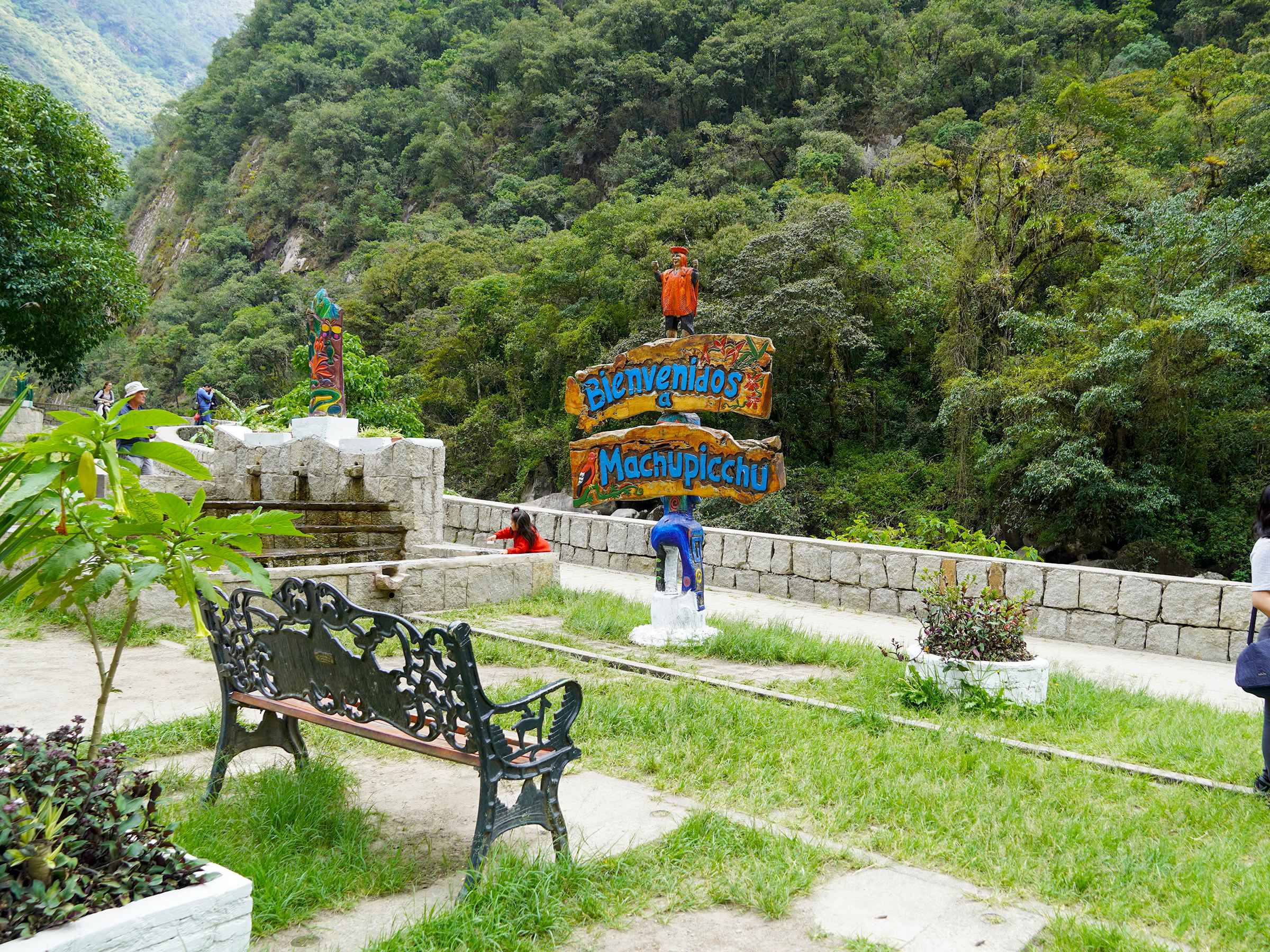
Aguas Calientes: The Gateway to Machu Picchu Aguas Calientes, also known as Machu Picchu Pueblo, is the main…

Planning a Machu Picchu climb? There is more than one way to reach the citadel — from multi-day…

The Sacred Valley of Cusco is not just a stop on the way to Machu Picchu—it’s one of…

The best time to visit Machu Picchu in Peru depends on what matters most to you: weather, crowds,…