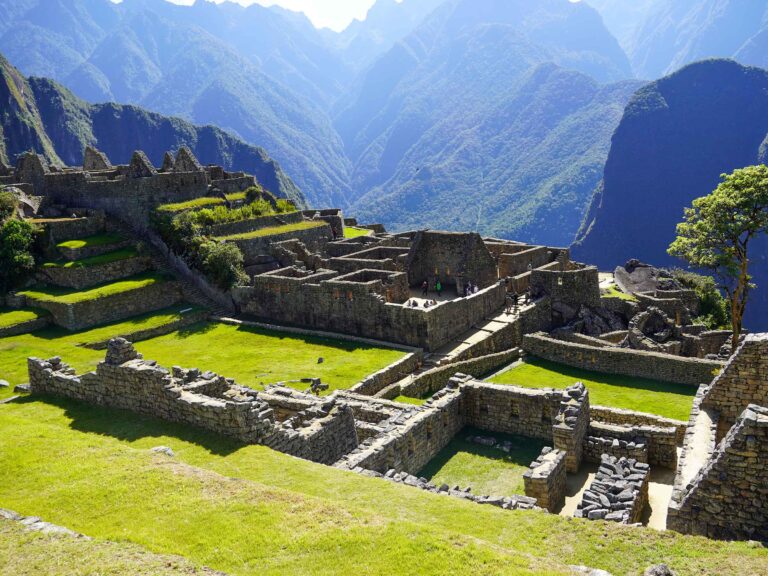

Machu Picchu Seismic Design

Machu Picchu Seismic Design


Machu Picchu Seismic Design: How Inca Engineering Defied Earthquakes

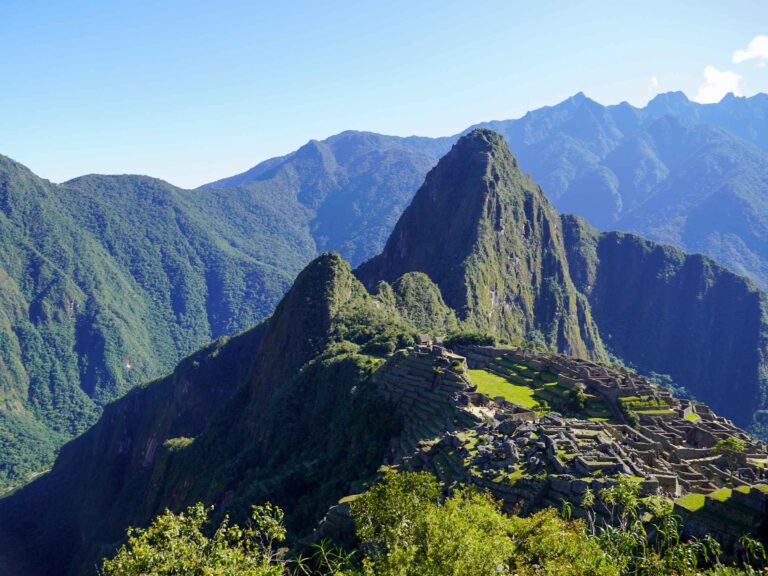
  • Machu Picchu stands as a marvel of ancient engineering. Nestled high in the Andes, it defies time and nature.
  • This iconic site is not just a testament to Inca ingenuity. It is also a lesson in seismic design.
  • The Incas built Machu Picchu in a seismically active region. Earthquakes were a constant threat in the Andes.
  • Yet, the city has withstood the test of time. Its structures remain stable and resilient.
  • How did the Incas achieve this feat? They used advanced techniques that modern engineers still study today.
  • Stonework flexibility and structural stability were key. The Incas crafted stones to fit perfectly without mortar.
Machu Picchu Seismic Design

Machu Picchu Seismic Design

Foundations were meticulously designed for drainage and ground control. This prevented water damage and landslides.

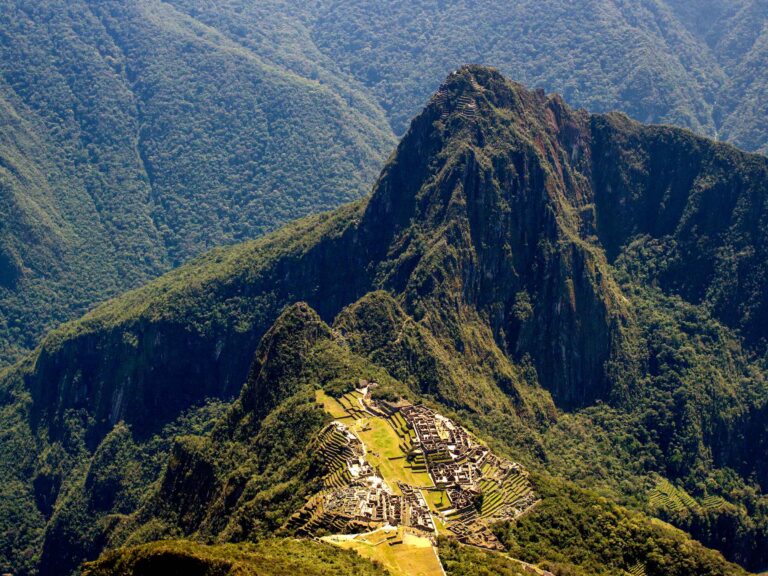
Machu Picchu’s design reflects a deep understanding of the environment. It integrates architecture with nature seamlessly.

The lessons from Machu Picchu are timeless. They inspire sustainable and resilient building practices even now.

Understanding its seismic design offers insights into ancient engineering. It also provides guidance for future construction.

Machu Picchu is more than a historical site. It is a beacon of architectural wisdom and innovation.

The Seismic Landscape of the Andes: Why Earthquake Resistance Mattered

The Andes Mountains stretch across South America, forming one of the longest mountain ranges in the world. This region is geologically active, with frequent earthquakes.

The seismic activity in the Andes results from the movement of tectonic plates. The Nazca and South American plates collide constantly, causing tremors.

Living in the Andes required the Incas to adapt. Earthquake resistance was not a choice but a necessity. Structures had to withstand seismic shocks.

Inca engineers took the challenge seriously. They developed sophisticated techniques to combat the earth’s violent shakes. Stability and resilience became their focus.

Seismic design in the Andes meant preventing collapse. The Incas prioritized safety and durability in their structures. They understood the terrain’s demands.

Key reasons why earthquake resistance mattered in the Andes include:

  • Frequent and intense seismic activity
  • The preservation of life and property
  • The need for long-lasting infrastructure
  • The promotion of societal development
  • The respect for nature’s power

The Incas learned to work with the environment, not against it. Their buildings demonstrated harmony between human endeavors and natural forces.

Earthquake-resistant construction in the Andes was vital. It ensured prosperity and continuity for the Inca civilization.

The lessons from the Incas continue to inspire modern architecture. Embracing seismic design principles remains essential, especially in earthquake-prone areas.

The incredible landscapes and harsh conditions of the Andes taught valuable lessons. The Incas harnessed this knowledge to create a lasting legacy.

By studying the Andes’ seismic landscape, one gains appreciation. The genius of Inca engineering becomes clear, showcasing their foresight and wisdom.

The seismic landscape of the Andes not only shaped the physical terrain. It also shaped the innovative minds of those who lived there, as seen in Machu Picchu.

The Inca Approach: Core Principles of Inca Seismic Design

The Incas faced significant seismic challenges in constructing Machu Picchu. They developed unique methods to address these challenges, demonstrating remarkable ingenuity. Understanding their core principles sheds light on their success.

One such principle was precision. The Incas used stones cut with extreme accuracy. This allowed them to fit tightly without the need for mortar, increasing flexibility during tremors.

Ashlar masonry was central to their design strategy. It involved arranging stones of various sizes carefully, creating stability and strength. This method increased the building’s resilience to earthquakes.

The Incas also employed the trapezoidal form in doors and windows. These shapes enhanced structural stability, redistributing stress during an earthquake and preventing collapse.

Foundation design was another key element. The Incas built on bedrock when possible, ensuring a solid base. If unavailable, they employed sophisticated ground control techniques.

Drainage systems played a vital role in their seismic strategy. The Incas understood water’s power to destabilize during heavy rains. They incorporated drainage channels to maintain the structure’s integrity.

Key core principles of Inca seismic design include:

  • Precision stone-cutting and ashlar masonry
  • Use of trapezoidal shapes for added stability
  • Strategic foundation choices for enhanced support
  • Sophisticated drainage systems to prevent erosion

Moreover, the Incas utilized natural features in their construction. By integrating the surrounding landscape into their design, they harnessed its inherent stability.

The holistic approach of the Incas extended beyond individual structures. They considered the entire site, adjusting their designs in response to environmental factors.

The mastery of Inca engineering lies in their adaptability. They developed techniques that leveraged available resources while respecting nature’s challenges.

Their seismic design principles were deeply intertwined with their cultural values. The Incas appreciated the balance between human needs and environmental limitations.

By studying the Inca methods, modern engineers can learn to enhance structures against seismic threats. The Inca approach exemplifies practical wisdom and timeless resilience.

Understanding these core principles helps us appreciate how Machu Picchu endures. The site serves as a testament to the visionary engineering of its creators and inspires today’s sustainable practices.

Stonework Flexibility and Structural Stability: The Genius of Inca Masonry

The stonework of Machu Picchu represents a pinnacle of Inca engineering. Its flexibility and stability are testaments to the ingenuity of Inca masonry techniques.

The Incas mastered stone cutting without modern tools. They used hard stones like granite, shaping them with precision to interlock perfectly. This technique eliminated the need for mortar, allowing structures to withstand seismic waves.

Key to their method was the fitting of stones. Each stone was carved to create a tight, interlocking fit with its neighbors. This unity added immense strength and reduced the potential for collapse during earthquakes.

Flexibility was paramount in their designs. The dry-stone construction allowed the stones to move slightly during tremors. This minor movement absorbed shocks, maintaining structural integrity.

Another aspect of Inca masonry was the variety of stone sizes. Larger stones formed the base, with smaller stones higher up. This gradient helped distribute weight and provided additional stability.

The trapezoidal form used in openings complemented stonework techniques, enhancing the overall resilience of the buildings. This design choice reduced the risk of structural failure under stress.

Inca builders demonstrated an acute understanding of structural dynamics. They focused on:

  • Precision stone cutting with natural materials
  • Interlocking stones for strong, mortar-free joints
  • Designing flexibility to absorb seismic movements
  • Incorporating size variations to optimize stability

The commitment to detail in stone placement was exceptional. Cornerstones were especially important, often larger to anchor and stabilize entire sections of walls.

Water played a crucial role in the construction process. Builders used water to identify imperfections in stone surfaces, ensuring a flawless fit. This meticulous approach was critical for enduring strength.

The skill and knowledge of the Inca artisans elevated their constructions. Their stonework not only served practical purposes but also reflected cultural artistry.

Modern engineers study these methods to draw lessons in seismic design. The interplay between flexibility and stability in Inca masonry offers insights for contemporary construction.

Machu Picchu stands today as a witness to the brilliance of Inca masonry techniques. Its enduring presence highlights the lasting impact of thoughtful and sustainable engineering practices.

These ancient techniques remind us that understanding local conditions and material properties can lead to incredible architectural achievements, even without modern technology. The principles guiding Inca builders continue to inspire solutions for today’s seismic challenges.

Foundations, Drainage, and Ground Control: Building on Unstable Ground

The foundations of Machu Picchu are a marvel of ancient engineering. The site lies on steep terrain that is prone to landslides, demanding innovative approaches to ensure stability and durability.

Inca engineers laid foundations that adapted to the site’s topography. They used a variety of techniques to anchor structures firmly to the bedrock, minimizing the risk of displacement during seismic events.

One core technique was the construction of deep foundations. They reached stable layers of soil, preventing settling that could undermine building integrity. These foundations incorporated a mix of materials including stone and gravel.

Drainage was critical to the site’s longevity. Inca builders designed intricate drainage systems to manage water flow efficiently, avoiding erosion and waterlogging. Channels lined with stones directed rainwater away from foundations.

Control of ground moisture was essential. To achieve this, engineers installed layers of gravel beneath structures. This stratification acted as a filter, redirecting excess water and reducing hydrostatic pressure.

Key components in their strategy included:

  • Deep foundations anchored to solid bedrock
  • Layered gravel for effective water filtration
  • Stone-lined channels for superior drainage
  • Retaining walls to support terraced landscapes

Retaining walls were another innovation. They supported terraces, transforming steep slopes into stable platforms for construction and agriculture, further securing the landscape.

Ground control extended to predictive maintenance. The Incas closely monitored water flow and land shifts, adjusting structures as necessary. This proactive care ensured the continued safety and functionality of the site.

Their holistic approach included understanding seasonal weather patterns. They ensured that the rainy season’s downpours were managed safely, preventing destructive water accumulation.

The Inca builders’ methods were not just about immediate construction needs. They reflected long-term planning, always considering how structures would interact with the environment over time.

In modern terms, these ancient practices offer lessons in sustainable design. They demonstrate the impact of careful site analysis, strategic material use, and detailed planning in overcoming challenging natural settings.

The ingenuity of Machu Picchu’s foundations and drainage systems continues to inspire contemporary civil engineering. These age-old solutions prove that respecting and working with natural landscapes can lead to remarkably resilient structures, enduring for centuries amidst the rigors of time and nature.

Terraces and Slope Stabilization: Integrating Architecture with Nature

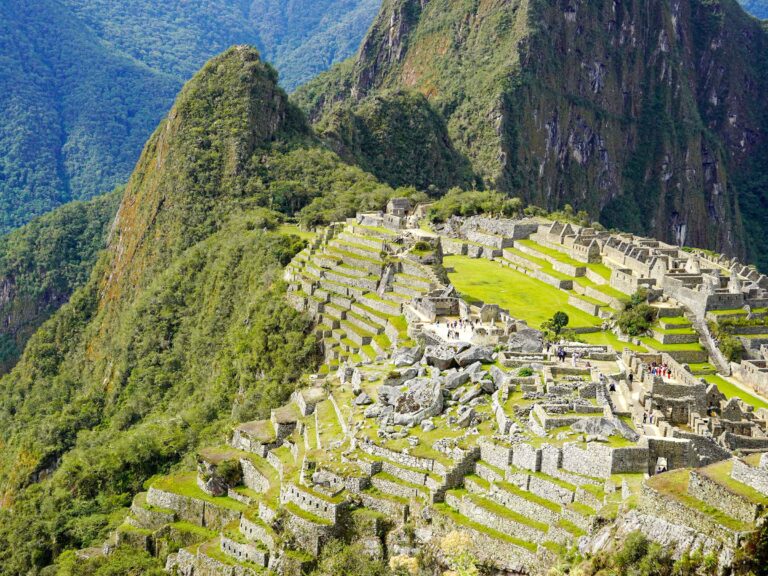
Machu Picchu’s terraces are an outstanding example of how the Incas ingeniously integrated architecture with nature. These terraces served multiple purposes beyond their aesthetic beauty.

Primarily, terraces helped stabilize the steep mountain slopes. By converting steep inclines into a series of flat platforms, the Incas reduced the risk of landslides, a constant threat in the seismic Andes region.

Terraces also allowed for efficient water management. The gradient and construction of each terrace enabled proper rainwater distribution, which prevented soil erosion and maintained structural integrity.

The terraces consisted of several layers of materials. Typically, they included a top layer of fertile soil for agriculture, underlain by sand and gravel for effective drainage. This composition enhanced their functionality and longevity.

Key features of Inca terraces:

  • Multi-layered construction for stability and drainage
  • Designed to prevent landslides and soil erosion
  • Enabled farming on steep terrain
  • Blended harmoniously with the environment

These terraces also allowed the Incas to cultivate crops on otherwise unusable land. By doing so, they ensured a stable food supply, vital for the city’s sustainability.

Through careful planning, each terrace level was supported by robust stone retaining walls. These walls were crafted with precision, allowing the terraces to hold vast amounts of weight and withstand seismic activity.

The aesthetic integration of terraces with the landscape reflects the Incan philosophy. The builders respected natural shapes, working alongside them rather than imposing invasive structures.

This approach also fostered biodiversity. Terraces created diverse microclimates, supporting a variety of crops and plants, which were essential for the community’s nutrition and medicinal needs.

Today, the terraces of Machu Picchu serve as a lesson in sustainable land use. They prove that with thoughtful planning and respect for nature, humans can create symbiotic relationships with their surroundings.

In essence, the terraces are not just agricultural or structural feats. They are a testament to the Incas’ profound understanding of environmental harmony and their innovative spirit in the face of natural challenges.

Surviving Centuries: Evidence of Machu Picchu’s Seismic Resilience

Machu Picchu stands as an enduring marvel of seismic resilience. The site has withstood countless earthquakes over the centuries, a testament to Inca engineering prowess.

This resilience is no accident. The Incas expertly employed construction techniques designed to endure seismic shocks. Through meticulous design and innovation, they created structures that could flex and adapt when the earth trembled.

A critical aspect of this durability is the use of ashlar masonry. Stones were cut to interlock precisely, allowing them to slide over each other without collapsing. This feature provided both flexibility and strength, essential for surviving earthquakes.

Evidence of Machu Picchu’s seismic success:

  • Hundreds of years of survival in an earthquake-prone region
  • Minimal damage despite numerous seismic events
  • Durable stonework that remains intact
  • Original structures still standing with few modern interventions

The trapezoidal shapes of doors and windows also contribute significantly to seismic resilience. These shapes naturally distribute stress, reducing the likelihood of structural failure.

Additionally, the foundations of these structures play a vital role. Constructed with gravel and larger stones, they help absorb and dissipate seismic energy efficiently.

Another key feature is the attention to drainage, which prevents water accumulation that could weaken the foundations. By maintaining dry, stable bases, the buildings are less prone to slide or collapse during an earthquake.

Even today, Machu Picchu provides valuable insights into ancient engineering techniques. Its ability to remain largely intact offers modern engineers a blueprint for designing sustainable, resilient structures.

In summary, Machu Picchu is not just a historical site; it is a living lesson in architectural endurance. Its success in resisting seismic forces continues to inspire and educate builders across the globe.

What Modern Engineers Learn from Machu Picchu

Modern engineers draw several important lessons from Machu Picchu’s construction. This ancient city offers insights into building resilience and sustainability without contemporary technology. Its techniques remain relevant today, particularly in regions prone to seismic activity.

One critical element is the use of local materials. The Incas utilized stones from nearby, reducing the need for transportation and maintaining harmony with the environment. This approach aligns with modern sustainable practices emphasizing local sourcing.

Engineers also study the precision of Inca stonework. Stones are cut to fit without mortar, providing flexibility. This adaptability is crucial in seismic zones, allowing structures to absorb shock without breaking apart.

Key takeaways from Machu Picchu’s construction:

  • Use of locally sourced materials reduces environmental impact.
  • Precision in construction enhances structural integrity.
  • Design adaptability is vital for seismic resilience.

The Incas’ integration of architecture with the natural landscape is another point of interest. Structures follow the contours of the land, minimizing the disruption of the natural environment. This approach offers a model for eco-friendly design in modern architecture.

Moreover, the terraces of Machu Picchu serve multiple functions. They prevent soil erosion, provide agricultural space, and stabilize slopes. Engineers today can learn from this multifunctional approach, combining utility with environmental stewardship.

Drainage systems at Machu Picchu are also noteworthy. Effective drainage prevents water accumulation, which can lead to soil instability and increased seismic vulnerability. This principle is vital in modern construction to maintain the longevity and safety of buildings.

In addition, Machu Picchu’s durability over centuries teaches the value of long-term planning in design. Structures built for endurance emphasize foresight, reducing the need for frequent repairs or reconstructions, an economically and environmentally beneficial practice.

By examining Machu Picchu, engineers can develop a more holistic approach to construction. This entails considering the interaction of structures with their environment and the importance of adaptability. Through such ancient wisdom, we can enhance the resilience and sustainability of our modern edifices, turning lessons from the past into advancements for the future.

Lessons for the Future: Sustainable and Resilient Design Inspired by the Incas

Machu Picchu’s design holds valuable lessons for future construction. The integration of architecture with nature offers insights into creating sustainable communities. By learning from the Incas, modern builders can enhance resilience in their designs.

One important lesson involves considering the local environment. The Incas built their structures in harmony with nature, using locally sourced materials. This approach reduces the carbon footprint and complements natural landscapes, inspiring future eco-friendly designs.

Another key aspect is adaptability. Inca engineers designed their buildings to adapt to seismic activity. Creating structures that accommodate environmental changes is vital for long-term resilience.

Lessons derived from Inca ingenuity:

  • Embrace local materials and techniques.
  • Consider environmental harmony in design.
  • Focus on structural adaptability to conditions.

Resilient designs require multidisciplinary thinking. The Incas combined knowledge of geology, architecture, and agriculture in their construction techniques. This holistic approach ensures durability and functionality, setting a standard for future architectural innovations.

Sustainable building practices from ancient times are increasingly relevant today. By adopting these methods, modern architects can create structures that endure, reduce environmental impacts, and withstand natural challenges, leaving a sustainable footprint for generations to come.

Conclusion: Machu Picchu’s Enduring Legacy in Seismic Design

Machu Picchu stands as a testament to ancient ingenuity. Its design principles continue to inspire modern engineering. The Incas’ ability to create earthquake-resistant structures without advanced tools is remarkable.

The lessons from Machu Picchu underscore the importance of adapting architecture to the environment. The Incas’ respect for nature is evident in their harmonious designs. Today, sustainability and resilience are more crucial than ever.

By examining Machu Picchu, engineers gain valuable insights into durable construction. Its survival over centuries demonstrates the effectiveness of thoughtful seismic design. Machu Picchu remains a model for resilient architecture in seismic zones.

The legacy of Machu Picchu extends beyond its architectural marvels. It represents a successful blend of culture, environment, and engineering. This enduring site continues to educate and inspire future generations worldwide.

Inquire Now

Contact form footer
Need help? Speak with us