Wachuma Ceremony in Cusco, Peru – Safe & Guided San Pedro Experience


San Pedro Ceremony Experience: Join us on a journey to experience the powerful energy of a San Pedro ceremony in the remarkable natural beauty of Peru’s highlands. Explore and learn!
San Pedro, or Wachuma, is a powerful teacher plant that helps us reconnect with ourselves. In its native habitat, it grows at altitudes of 6,600–9,800 feet. The ceremony enables a profound inner journey that can greatly benefit your life.
Have an awe-inspiring spiritual journey with a traditional San Pedro ceremony in the majestic Peruvian Highlands. Discover the power of nature and transcendence in this unforgettable experience!
This ancient plant medicine has been used for centuries to heal the mind, body, and spirit, and can offer a powerful journey of self-discovery and growth. Discover the benefits of a San Pedro retreat and how it can help you heal and transform. Experience a unique ceremonial vibrational plant essence: San Pedro Cactus in the Cusco Highlands! Let an accomplished shaman guide you on an unforgettable spiritual journey with original effects.





San Pedro Retreat Peru: If you’re seeking a transformative experience that can lead to spiritual awakening, a San Pedro retreat in Cusco may be just what you need.
The Wachuma ceremony, also known as the San Pedro ceremony, is a traditional Andean practice centered on connection, clarity, and inner balance. Unlike more intense nighttime ceremonies, Wachuma is typically experienced during the day, allowing you to remain present and connected with nature throughout the journey.
This experience takes place in a peaceful outdoor setting, often surrounded by mountains, open landscapes, and sacred sites. Guided by experienced facilitators, the ceremony is conducted with respect for ancestral traditions and a strong focus on safety and intention.
It is not just about the ceremony itself, but about creating space to reflect, reconnect, and gain a deeper understanding of yourself in a natural and supportive environment.
Your journey begins early in the day, as you leave the city behind and move into a quieter, more natural setting. This transition helps you slow down and prepare mentally for the experience ahead.
Throughout the ceremony, you may feel a heightened sense of awareness, a deeper connection with your surroundings, and a gentle openness to your thoughts and emotions. Unlike more intense plant medicine experiences, Wachuma is often described as grounding, expansive, and heart-centered.
Time is given for walking, reflection, and quiet observation. Many participants find that being outdoors plays a key role, allowing them to connect not only with themselves but also with the natural world around them.
Each experience is unique. Some people gain clarity on personal questions, while others simply enjoy a sense of peace and presence.
Preparing for the Wachuma ceremony is an important step that can influence the quality of your experience. Taking time to prepare both mentally and physically allows you to approach the ceremony with greater balance, openness, and awareness.
These guidelines are simple but effective, helping you create the right conditions before your arrival.
Before the ceremony, it is helpful to take time to reflect on your intentions. You do not need to have everything figured out, but having a general sense of what you would like to explore can help guide your experience.
Practices such as meditation, journaling, or spending time in silence can support mental clarity. The goal is to approach the ceremony with openness, without trying to control what may arise.
Trusting the process and allowing the experience to unfold naturally is an important part of the journey.
In the days before the ceremony, it is recommended to keep your diet light and balanced. Avoid alcohol, heavy meals, and highly processed foods. Simple meals based on fruits, vegetables, and grains are ideal.
Staying hydrated and getting enough rest will also support your body during the experience.
Physical activity should be moderate. Gentle walks or light movement are recommended, while intense exercise should be avoided.
The Wachuma ceremony is not suitable for everyone, and safety should always come first.
People with serious medical conditions, particularly heart-related issues or certain mental health conditions, should consult a professional before participating. It is also important to inform the organizers about any medications you may be taking.
A responsible experience always prioritizes your well-being and will help determine whether this ceremony is appropriate for you.
The effects of Wachuma are often described as gentle yet deeply meaningful. Many participants experience a sense of calm, emotional openness, and a stronger connection with nature.
You may notice increased clarity in your thoughts, a different perspective on personal situations, or a deeper awareness of your surroundings. Some moments may feel introspective, while others can feel expansive and uplifting.
Unlike more intense ceremonies, Wachuma tends to guide you more gently, allowing you to remain present and engaged throughout the experience.
Each journey is personal, and the effects can vary depending on your mindset, environment, and intention.
The ceremony takes place in a natural outdoor setting, carefully chosen to support the experience. Participants are guided step by step by experienced facilitators who create a safe and respectful space.
The process begins with an introduction and intention-setting, followed by the ceremony itself. Throughout the day, there may be moments of walking, reflection, and quiet observation.
Traditional elements such as music, natural rituals, and guided practices are used to support the flow of the experience. The environment remains calm and structured, allowing each participant to engage with the process in their own way.
Support is always present, ensuring that you feel comfortable and guided from beginning to end.


It is a cactus native to the Andes, between the deserts and mountains.
Some Andes-Inca ceramics made between 1300 and 500 B.C. show the cactus associated with the deer. On the southern coast of the Andes, large ceramic urns of the Nazca society, dated 100 B.C.–A.D. 500, show the symbolism of Wachuma.
The Wachuma stems are light to dark green, sometimes glaucous, with a 5–30 cm diameter and 6–8 ribs. The whitish areolas may produce up to seven yellow-to-brown spines, each 2 cm long; the plant is sometimes spineless. Trichocereus pachanoi is usually 1–6 m (3–20 ft.), taller, and has multiple branches, generally extending from the base. The flowers are large, around 15–25 cm long, with a diameter of up to 20 cm. There are black hairs along the length of the tube leading to the flower.
Let’s look at the ancient San Pedro Inca ceremony as it is practiced today in Cusco, from its spiritual roots to modern interpretations. Dive into an informative journey!
Journey with us to Cusco, Peru, as we explore the cultural evolution and practice of the San Pedro ceremony, past and present. Learn what makes this ancient ritual so sacred and powerful.

Moderate
Wachuma, also known as San Pedro, is a sacred cactus used for centuries in Andean traditions for spiritual and healing purposes.
It is traditionally associated with connection to nature, to oneself, and to a deeper sense of awareness. Unlike other plant medicines, Wachuma is often described as a gentler, more accessible experience, allowing participants to remain present and engaged.
Today, it continues to be used in guided ceremonies that respect its cultural origins and provide a safe, meaningful experience for those who feel called to explore it.
Best Wachuma Ceremony Cusco
Journey with us to Cusco, Peru, as we explore the cultural evolution and practice of the San Pedro ceremony, past and present. Learn what makes this ancient ritual so sacred and powerful.
San Pedro, also known as Wachuma, is a powerful teacher plant native to the Andes. It is a cactus that grows at altitudes between 6,600 and 9,800 feet. The plant has been used for centuries for its healing properties and ability to facilitate profound inner journeys.
A San Pedro ceremony offers a transformative and spiritual experience. It is a guided journey led by an experienced shaman, where participants consume the San Pedro cactus to connect with themselves on a deep level. The ceremony can help in self-discovery, healing, and personal growth.
A San Pedro retreat in Cusco can lead to spiritual awakening and profound transformation. Ancient plant medicine has been used for centuries to heal the mind, body, and spirit. The retreat provides a safe and supportive environment to explore your inner self and gain insights into your life.
A San Pedro ceremony in Cusco allows you to explore the ancient spiritual practice and its intricate rituals. It provides an opportunity to learn about the ceremony’s history, traditions, and spiritual aspects. You will be guided by an experienced shaman who will help facilitate your journey.
The San Pedro ceremony is generally considered safe when conducted in a safe and supportive environment with an experienced shaman. However, it is essential to approach plant medicine ceremonies with respect and follow the shaman’s guidance. Disclosing any medical conditions or medications to the facilitators is recommended beforehand.
Preparation for a San Pedro ceremony may involve dietary restrictions and abstaining from certain substances. Following the guidelines provided by the retreat organizers or the shaman leading the ceremony is essential. Additionally, it is advisable to approach the ceremony with an open mind and a willingness to surrender to the experience.
Various retreat centers and tour operators in Peru, particularly Cusco and the Sacred Valley, offer San Pedro ceremonies. Research reputable retreats or tour operators that have experienced shamans and positive reviews from previous participants.
While San Pedro ceremonies are open to most individuals, it is essential to note that they may not be suitable for everyone. Pregnant women, individuals with certain medical conditions, or those on specific medications may be advised against participating. It is best to consult with a healthcare professional or the ceremony facilitators if you have any concerns.
The legal status of the San Pedro ceremony varies from country to country. In Peru, where the tradition is deeply rooted in the indigenous culture, it is generally considered legal and culturally protected. However, it is essential to understand the legal and cultural context of the location where you plan to participate in the ceremony.
The duration of a San Pedro ceremony or retreat can vary depending on the specific program or retreat center. It can range from a few hours for a single tradition to several days for a comprehensive retreat. Inquiring about the duration and schedule before booking with the organizers or retreat centers is advisable.
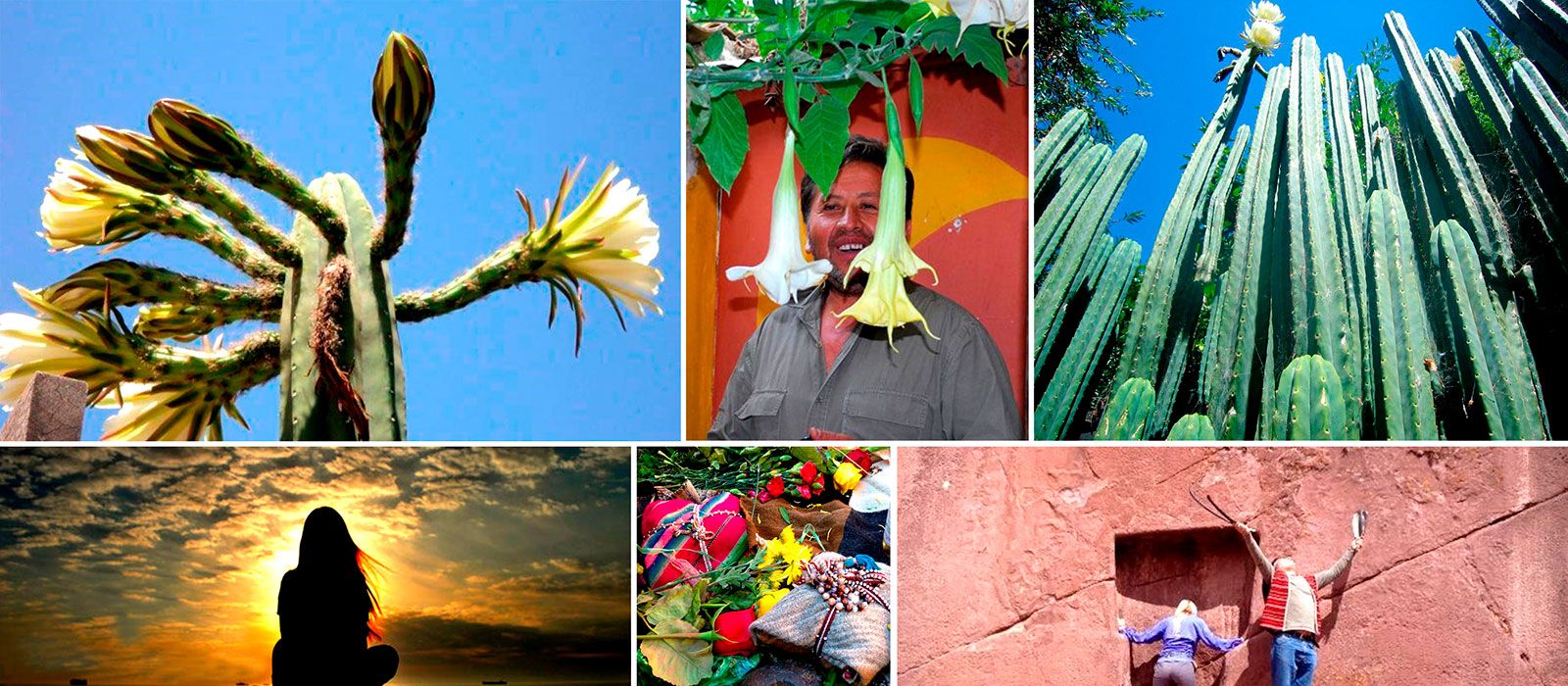
Photos from the Wachuma ceremony experience in Cusco.