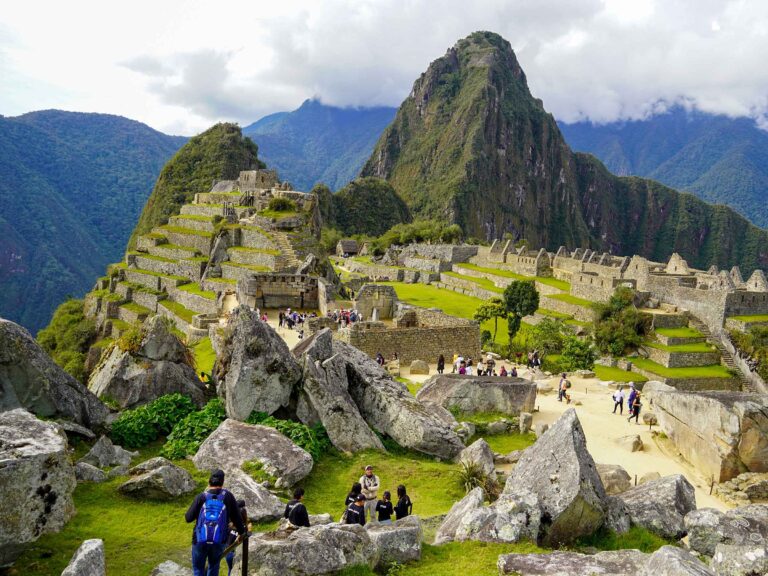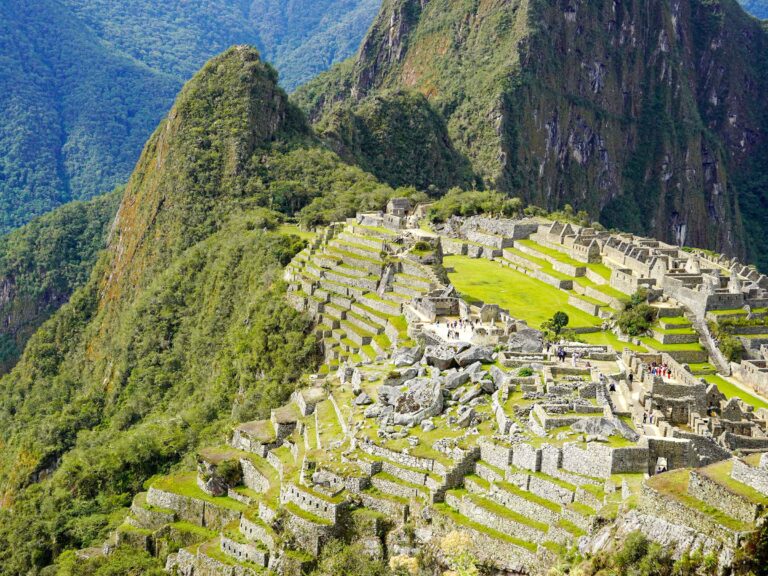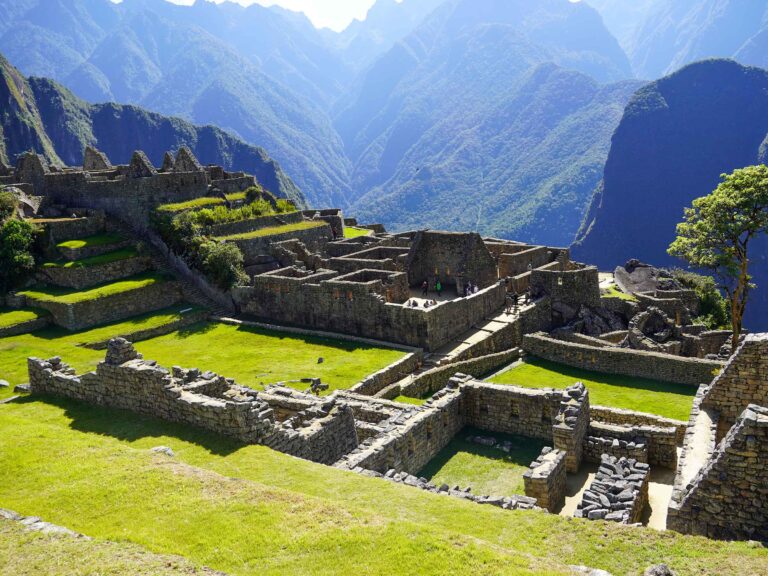

Machu Picchu is not only an archaeological wonder—it is also a deeply spiritual place. Surrounded by sacred mountains known as “apus,” the site reflects the Inca belief in the powerful connection between nature, energy, and human life.
With over 12 years of experience guiding travelers through Machu Picchu, we have seen how the surrounding mountains shape not only the landscape but also the site’s overall energy and experience.
If you’re planning your visit, explore our Machu Picchu tours to experience this unique destination with expert guidance.
For a complete travel overview, you can also read our Machu Picchu travel guide.
What Are the Apus?
In Andean culture, apus are considered living mountain spirits. They are believed to protect the land, influence natural forces, and guide local communities.
This belief continues today, making the mountains around Machu Picchu not only scenic but also spiritually significant.
The Sacred Mountains Around Machu Picchu
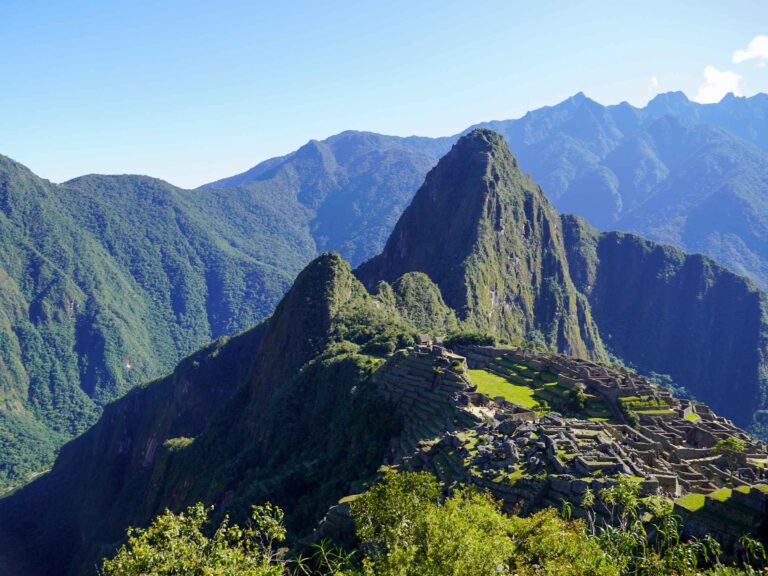
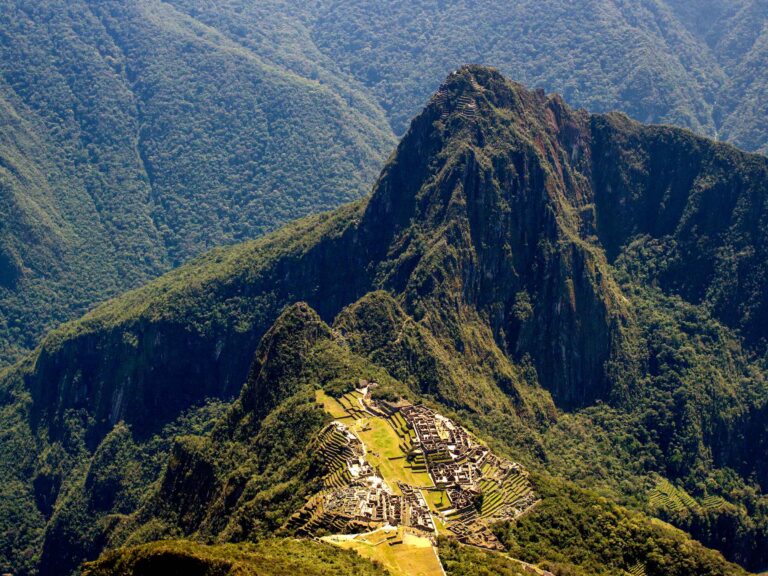
Machu Picchu is surrounded by several important peaks that shape its landscape and spiritual meaning.
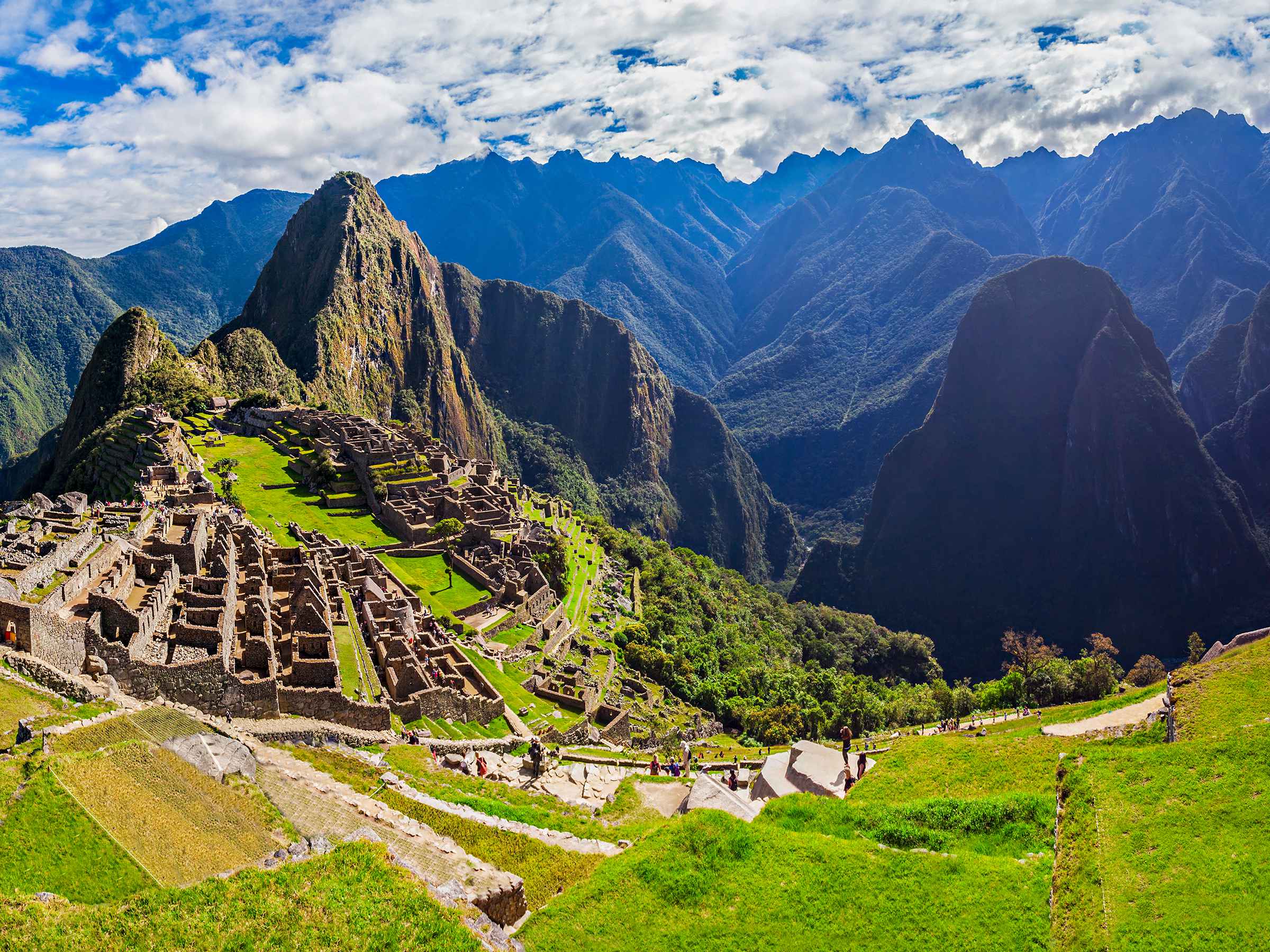
- Huayna Picchu: the iconic mountain behind the citadel, symbolizing vision and perspective
- Putucusi: a lesser-known peak associated with growth and natural energy
- Salkantay: one of the most powerful mountains in the region, representing strength and protection
These mountains create a natural amphitheater that enhances the site’s mystical atmosphere.
Why Machu Picchu Was Built in This Location
The Incas carefully selected this location not only for strategic reasons but also for its spiritual importance. The alignment between the citadel and the surrounding mountains reflects a deep understanding of nature and cosmic balance.
This connection between architecture and landscape is one of the defining features of Machu Picchu.

The Spiritual Experience of Visiting Machu Picchu
Many travelers describe Machu Picchu as more than a historical site. The surrounding mountains, the silence, and the scale of the landscape create a unique atmosphere that feels both powerful and peaceful.
This is one of the reasons why Machu Picchu continues to attract visitors from around the world.
Choosing the right time and route to visit can enhance this experience even more, especially when combined with a well-organized tour.
Explore the best options here:
View Machu Picchu tours
Respecting Sacred Mountains Today
The sacred mountains are still important to local communities. Visitors are encouraged to respect the environment, follow guidelines, and appreciate the region’s cultural significance.
Responsible tourism helps preserve both the natural landscape and the spiritual traditions connected to it.
Plan Your Machu Picchu Experience
Understanding the spiritual meaning of Machu Picchu adds a deeper dimension to your visit, transforming it into a more meaningful and memorable experience.
Ready to explore Machu Picchu?
Compare all available Machu Picchu tours and choose the experience that best fits your travel style.