
Wondering about the Inca Trail elevation and altitude? This guide explains how high the trail goes, how altitude affects your body, and offers essential tips for preparing to hike to Machu Picchu.
The Inca Trail reaches elevations of over 4,200 meters (13,780 ft), making altitude one of the biggest challenges for hikers. Understanding these conditions is key to a successful trek.
This guide is essential for travelers preparing for the 4-day Inca Trail to Machu Picchu.
Understanding the Inca Trail Elevation Challenges
The Inca Trail is one of the most famous trekking routes in the world, leading hikers through stunning Andean landscapes to Machu Picchu. One of the main challenges is altitude, which can significantly affect your performance and overall experience.
The trail spans approximately 42 km (26 miles), with elevations ranging from about 2,600 meters (8,530 ft) to over 4,200 meters (13,780 ft).
How High Is the Inca Trail?
The highest point of the Inca Trail is Dead Woman’s Pass (Warmiwañusqa), which reaches approximately 4,215 meters (13,780 ft). This is the most physically demanding section of the trek.
How Altitude Affects Your Body
At high altitudes, oxygen levels decrease, which can cause symptoms such as fatigue, shortness of breath, headaches, and dizziness. These effects are normal but should be monitored carefully.
Inca Trail Elevation by Day
- Day 1: Moderate ascent, starting around 2,600 m
- Day 2: Steep climb to 4,215 m (hardest day)
- Day 3: Descents and cloud forest sections
- Day 4: Descent to Machu Picchu (~2,430 m)
Is the Inca Trail Altitude Difficult?
Yes — the Inca Trail altitude is one of the biggest challenges, especially above 4,000 meters.
How to Prepare for Altitude
- Spend 2–3 days acclimatizing in Cusco
- Stay hydrated
- Avoid alcohol
- Walk at a steady pace
- Eat carbohydrate-rich meals
If you’re planning to hike the Inca Trail with expert guides:
Book your Inca Trail trek here →
Altitude Sickness Symptoms
Common symptoms include headaches, nausea, dizziness, fatigue, and difficulty sleeping. Severe cases require immediate descent.
Key Campsite Elevations
- Wayllabamba: 2,987 m
- Paqaymayu: 3,500 m
- Wiñay Wayna: 2,650 m
Preparing for the Altitude on Your 4-Day Trek
Understanding altitude changes is crucial for a successful trek. Preparation includes acclimatization, hydration, and pacing yourself properly.
Understanding the Elevation
The Inca Trail starts at approximately 2,600 meters and reaches over 4,200 meters before descending to Machu Picchu.

Inca Trail Elevation
Effects of High Altitude
The air is thinner at high elevations, reducing oxygen availability. This can lead to altitude sickness regardless of fitness level.

Preparing for the Altitude
Acclimatization
Spend time in Cusco (3,400 m) before starting your trek.

Cusco Preparation
Hydration
Drink plenty of water to avoid dehydration and altitude symptoms.
Pace Yourself
Walk slowly and consistently to help your body adapt.

Nutrition
Eat carbohydrate-rich meals for sustained energy.
Training
Prepare physically with cardio and hiking before your trip.
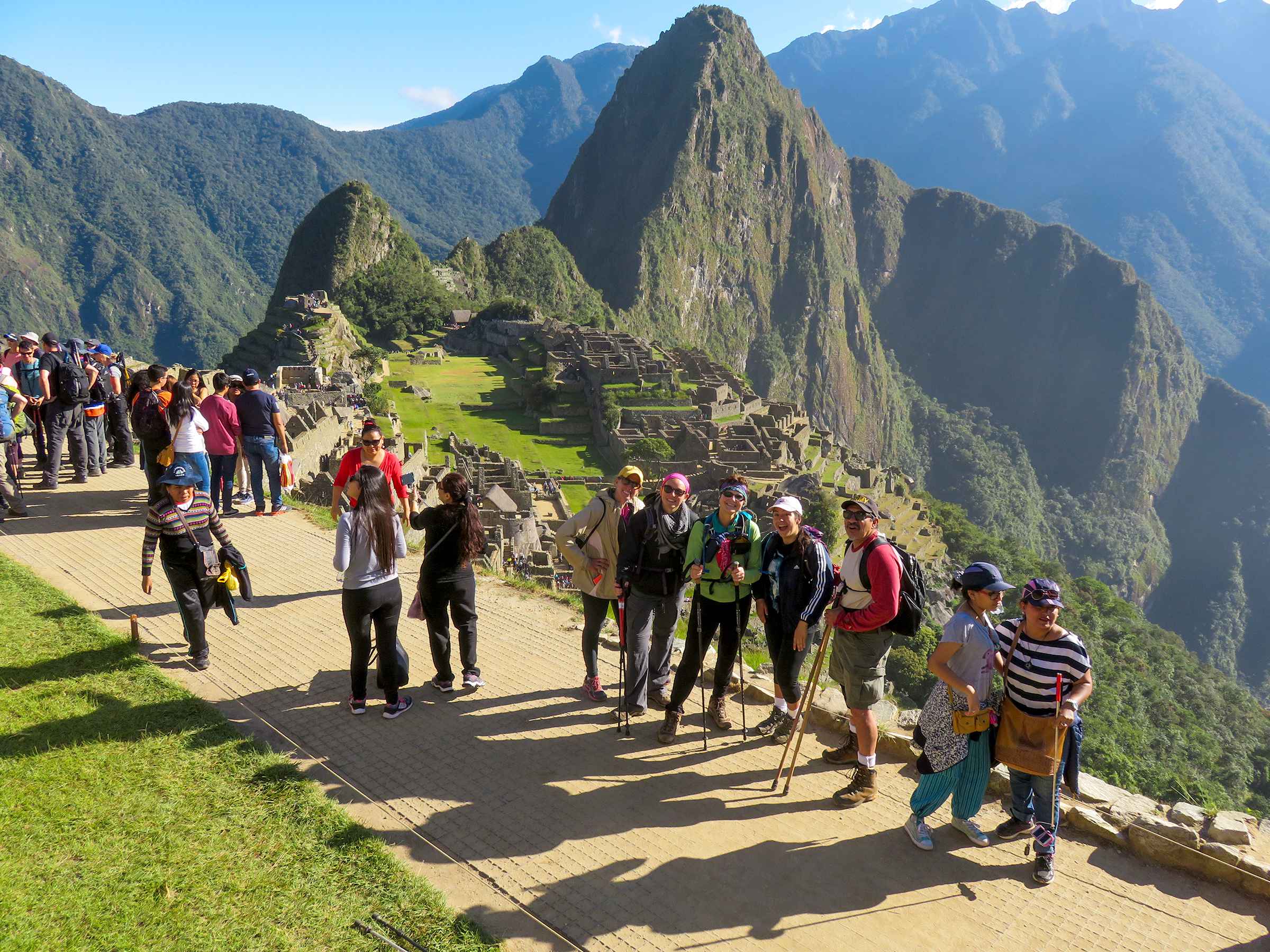
Inca Trail Trek
Trek Comparison in Peru
| Trek | Max Altitude | Distance | Difficulty | Duration |
|---|---|---|---|---|
| Inca Trail | 4,215 m | 42 km | High | 4 days |
| Salkantay Trek | 4,630 m | 72 km | Very High | 5 days |
| Ausangate Trek | 5,200 m | 70 km | Very High | 5 days |
Is the Inca Trail Safe at High Altitude?
Yes, the Inca Trail is safe for most travelers if they properly acclimatize. Taking time to adjust in Cusco and hiking at a steady pace greatly reduces risks.
Inca Trail Elevation FAQs
What is the highest point of the Inca Trail?
Dead Woman’s Pass at 4,215 meters.
Is altitude a problem on the Inca Trail?
Yes, it is one of the main challenges.
Do you need acclimatization?
Yes, 2–3 days in Cusco is recommended.
Ready to Hike the Inca Trail?
Prepare for one of the world’s most iconic treks with expert local guides.