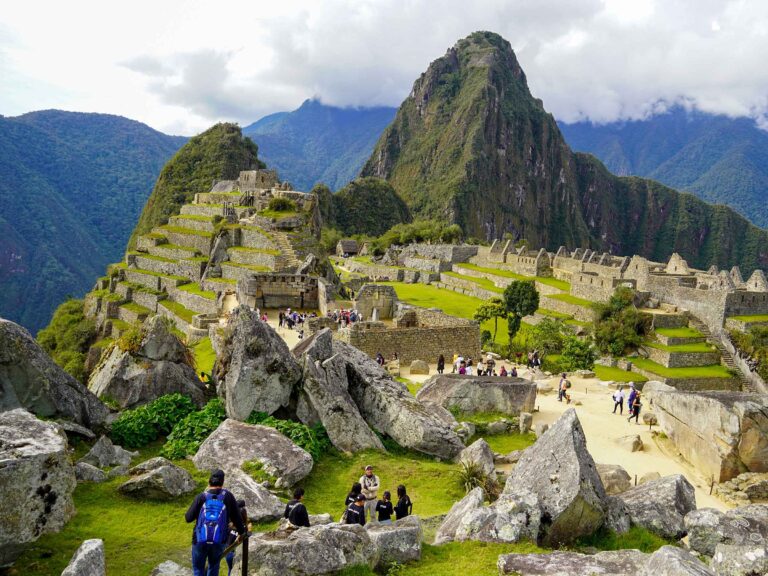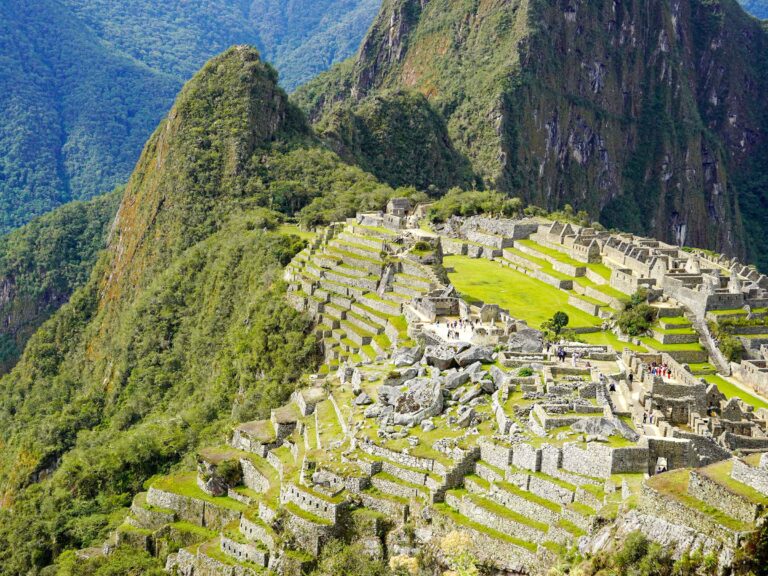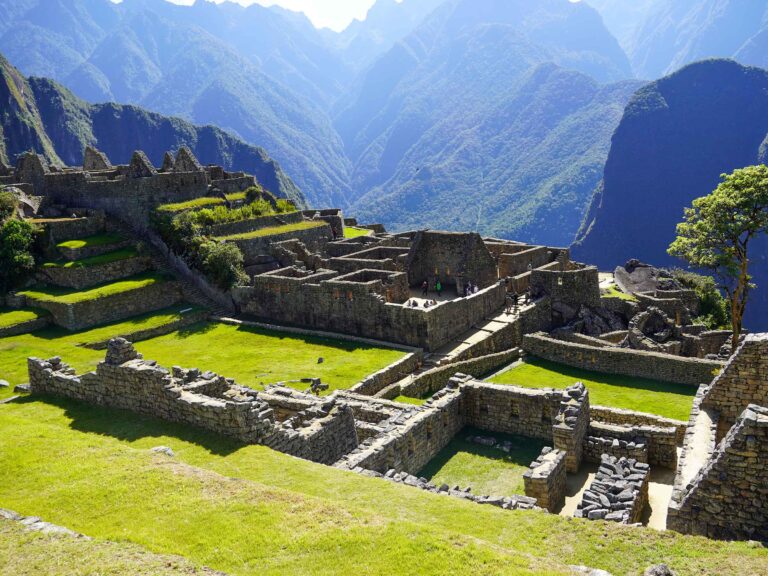

Machu Picchu is a 15th-century Inca citadel in the Peruvian Andes, near Cusco, and is considered one of the most important archaeological sites in the world.
Machu Picchu is one of the most iconic destinations in the world, located high in the Peruvian Andes. This ancient Inca site combines history, architecture, and breathtaking landscapes, making it one of the most unforgettable places to visit.
This complete Machu Picchu travel guide covers everything you need to know, including its location, history, how to get there, and what to expect when visiting.
Where Is Machu Picchu Located?
Machu Picchu is located in the Cusco region of southern Peru, approximately 80 kilometers (50 miles) northwest of Cusco city. It sits at an altitude of 2,430 meters (7,970 feet) above sea level, surrounded by steep mountains and cloud forest.
For a detailed breakdown of its location, read our full guide:
Where Is Machu Picchu Located?
What Is Machu Picchu?
Machu Picchu is a 15th-century Inca citadel built during the reign of Emperor Pachacuti. It is considered one of the greatest examples of Inca engineering and architecture.
The site includes temples, terraces, plazas, and residential areas, all built using precisely cut stone without mortar.

The History of Machu Picchu
Machu Picchu was constructed in the mid-1400s and is believed to have served as a royal estate or ceremonial center for the Inca elite.
It was abandoned during the Spanish conquest in the 16th century and remained largely unknown to the outside world until its rediscovery by Hiram Bingham in 1911.
- Built in the 15th century
- Abandoned during the Spanish conquest
- Rediscovered in 1911
- Declared a UNESCO World Heritage Site
Why Was Machu Picchu Built?
The Incas chose this location for strategic, agricultural, and spiritual reasons.
- Natural protection: Surrounded by mountains
- Water access: Natural springs
- Agriculture: Terraced farming systems
- Spiritual significance: Alignment with sacred mountains
The Geography and Setting of Machu Picchu
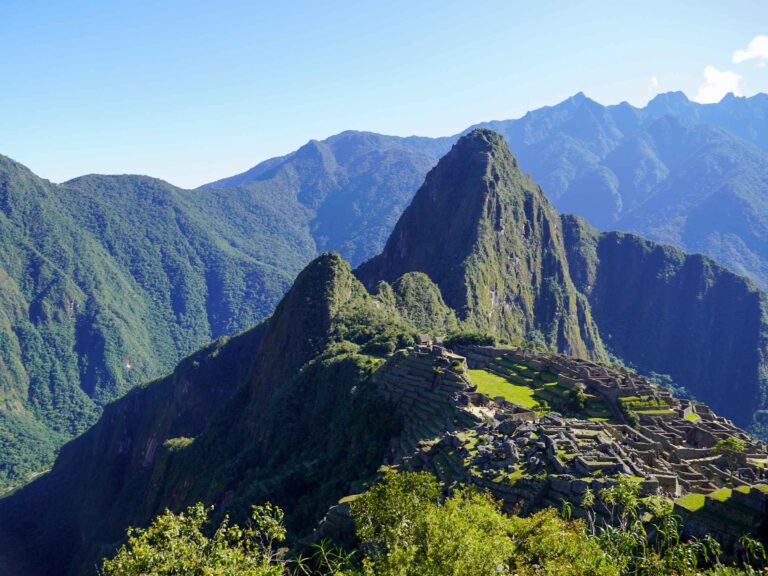
Machu Picchu is set above the Urubamba River in a region where the Andes meet the Amazon basin. This unique location creates a mix of mountain and jungle ecosystems.
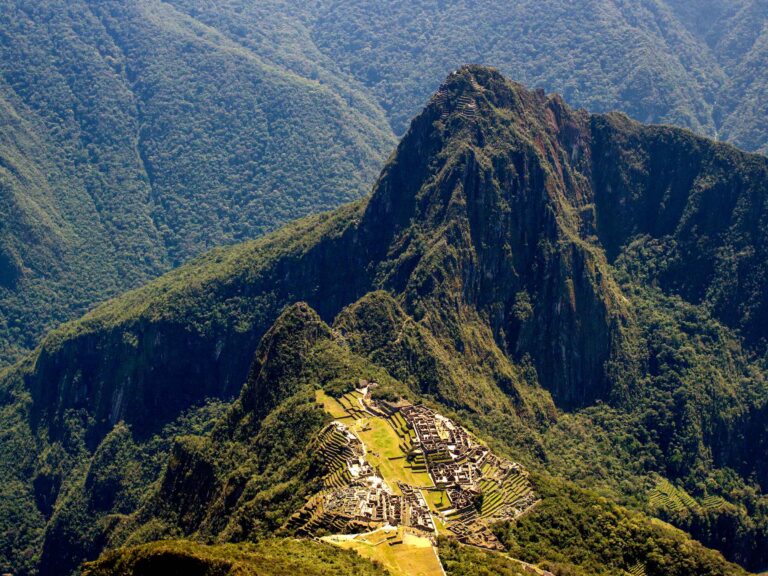
The site is surrounded by iconic peaks such as Huayna Picchu and Machu Picchu Mountain, offering dramatic views in every direction.
What Does Machu Picchu Look Like?
The site is divided into agricultural terraces and urban sectors, including temples, plazas, and residential zones.
- Stone structures built without mortar
- Terraced hillsides for farming
- Religious and ceremonial spaces
- Advanced water channels
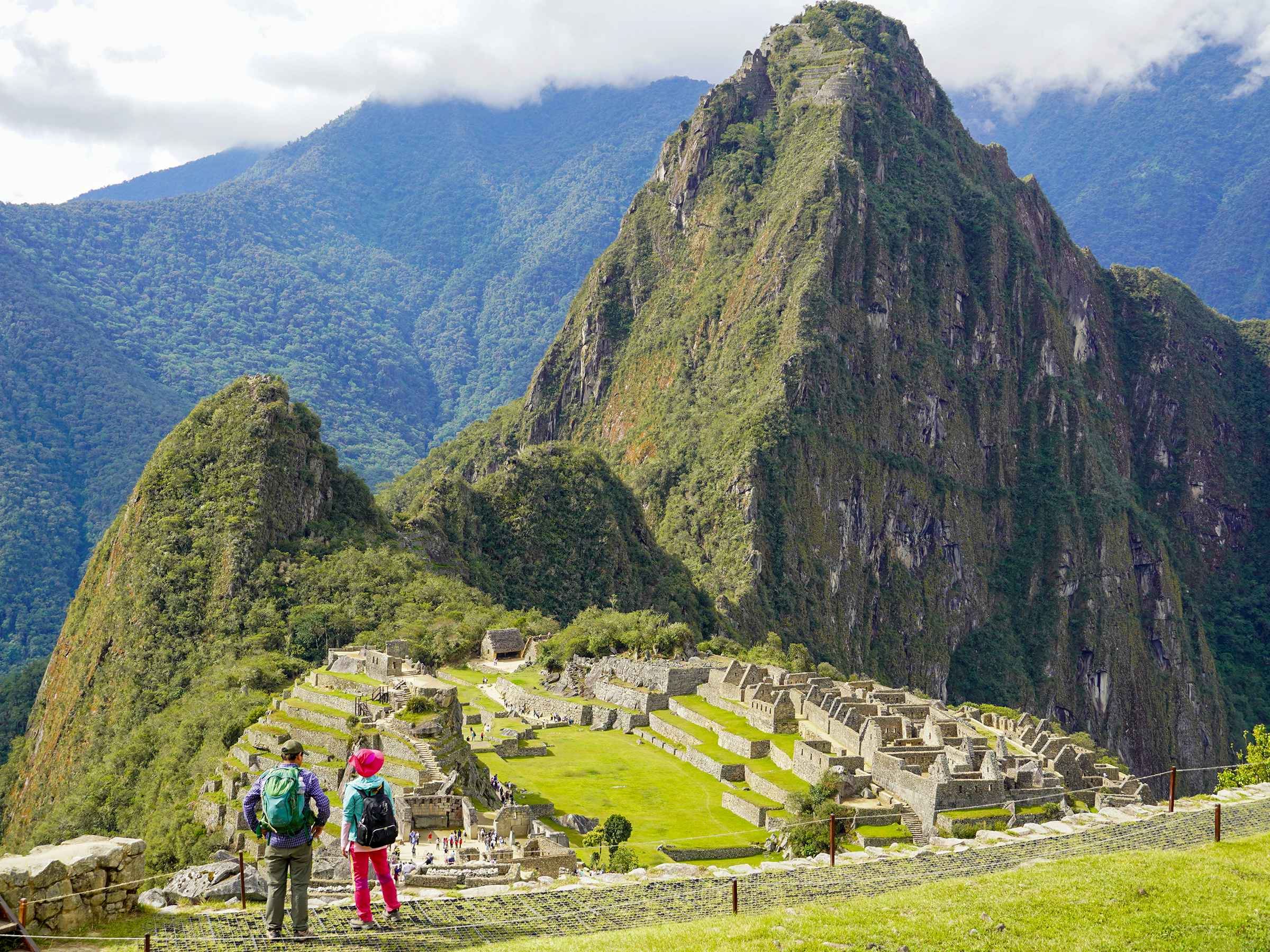
How to Get to Machu Picchu
Due to its remote location, reaching Machu Picchu requires multiple steps.
- Fly from Lima to Cusco
- Travel from Cusco to Ollantaytambo
- Take the train or hike to Aguas Calientes
- Bus or hike to the Machu Picchu entrance
For a full guide, visit:
How to Get to Machu Picchu
Best Time to Visit Machu Picchu
- Dry season (May–September): Best weather, more crowds
- Wet season (October–April): Fewer visitors, more rain
The best months are May and September for a balance of weather and crowds.
What Most Travelers Don’t Know About Machu Picchu
Many travelers focus only on reaching Machu Picchu, but the experience depends heavily on planning.
Choosing the right route, timing, and tour can completely change your visit — from rushed to unforgettable.
Why Machu Picchu Is One of the Most Important Sites in the World
Machu Picchu is not only a historical site — it is recognized as one of the New Seven Wonders of the World and a UNESCO World Heritage Site.
Its combination of engineering, location, and cultural significance makes it one of the most unique destinations on the planet.
Machu Picchu Tours
Explore our most popular Machu Picchu tours:
- Machu Picchu Full Day Tour
- 2 Day Sacred Valley & Machu Picchu Tour
- 3 Day Machu Picchu Experience
- Luxury Train to Machu Picchu
Final Thoughts
Machu Picchu is more than just a destination — it is a once-in-a-lifetime experience that deserves proper planning to be truly enjoyed.
Understanding its location, history, and how to visit will help you make the most of your journey to one of the world’s most remarkable places.