
Inca Trail Treks Machu Picchu Guided Hikes
The Inca Trail is not just a path; it’s a journey through time. This iconic trek leads you through diverse terrains, from lush cloud forests to high mountain passes. The trail is a testament to the Inca civilization’s engineering prowess, winding its way to the awe-inspiring ruins of Machu Picchu. The classic route spans approximately 26 miles, typically completed over four days and three nights. This trek offers a mix of breathtaking views, archaeological sites, and the thrill of reaching the Sun Gate, where you’ll catch your first glimpse of Machu Picchu.
The route is meticulously planned to maximize your experience, allowing you to witness the gradual transition from vibrant forests to the stark beauty of high-altitude passes. Each day presents a new challenge and reward, making the journey as fulfilling as the destination itself. Moreover, the classic trail is steeped in history. As you walk the same paths that Inca messengers once tread, you’ll feel a connection to the past. The ancient stones have borne witness to centuries of history, and each step brings you closer to the heart of the Inca civilization. The sense of anticipation builds as you approach the Sun Gate, where the grandeur of Machu Picchu unfolds before you.
The camaraderie that develops among trekkers on this journey is another highlight. Sharing stories and experiences with fellow adventurers from around the world adds a layer of richness to the trek. The shared goal of reaching Machu Picchu creates bonds that last long after the journey ends. For those seeking a different experience, there are alternative routes like the Salkantay or Lares treks.
These paths offer unique perspectives of the Andes and can be less crowded than the traditional route. The Salkantay trek, for example, takes you through dramatic landscapes, from snow-capped peaks to tropical rainforests, offering a diverse range of environments to explore. The Lares trek, on the other hand, is renowned for its cultural immersion. As you pass through traditional Andean villages, you’ll have the opportunity to interact with local communities and learn about their way of life. This route offers a deeper understanding of the region’s cultural heritage, making it an enriching alternative to the classic trail. Both alternative routes are less frequented, allowing for a more solitary and introspective journey. The tranquility of these paths can be a refreshing contrast to the busier classic route, providing a sense of serenity and connection with nature. Whether you choose the Salkantay, Lares, or another route, each offers its own set of challenges and rewards, ensuring a memorable adventure.
The Inca Trail is a testament to the engineering marvels of the Inca civilization. The intricate network of trails, known as Qhapaq Ñan, spanned vast distances, connecting remote corners of the empire. The construction of the trail showcases the Incas’ advanced understanding of architecture and their ability to harmonize with the natural landscape. As you trek along the Inca Trail, you’ll encounter remnants of this sophisticated civilization, including agricultural terraces, water management systems, and stone structures.
Each of these elements reflects the ingenuity and adaptability of the Incas, who thrived in the challenging Andean environment. The trail itself is a living museum, offering insights into the daily life and spiritual beliefs of this remarkable culture. The legacy of the Incas is not only visible in the physical remnants along the trail but also in the cultural practices that have endured through the centuries. The descendants of the Incas continue to honor their traditions, and as a trekker, you’ll have the opportunity to witness and learn from their rich cultural heritage.
Hiking the Inca Trail is a physically demanding adventure. Preparing your body is crucial to fully enjoy the experience. Regular cardio exercises, strength training, and hiking practice can help you build endurance and resilience. Cardiovascular workouts such as running, cycling, or swimming are particularly beneficial for improving stamina, allowing you to handle the trek’s demanding inclines and long distances.
Incorporating strength training into your routine is equally important. Focus on exercises that target your core, legs, and back to enhance your stability and prevent injuries. Squats, lunges, and planks can be effective in building the necessary muscle strength. Additionally, practicing hikes on varying terrains will help you get accustomed to the trail conditions and boost your confidence.
It’s also essential to pace yourself and listen to your body during your training regimen. Gradually increase the intensity and duration of your workouts to avoid overexertion. Proper rest and recovery are vital components of any training plan, ensuring that you’re physically prepared and mentally ready for the adventure ahead. Packing wisely is essential. Key items include sturdy hiking boots, a quality backpack, water-resistant clothing, a hat, sunscreen, and a refillable water bottle.
Remember to pack light; every ounce counts when you’re on the trail. Opt for moisture-wicking and quick-drying fabrics to stay comfortable in varying weather conditions. Layering is key, as temperatures can fluctuate significantly throughout the day. In addition to clothing, consider packing trekking poles to provide stability on uneven terrain and reduce strain on your joints. A reliable sleeping bag suited for cold temperatures is also crucial, as nights can be chilly at higher altitudes. Don’t forget essentials like a first-aid kit, blister treatment, and personal hygiene products to ensure your well-being during the trek.
Organizing your gear efficiently in your backpack can make a big difference. Use compression bags or packing cubes to maximize space and keep your items organized. Prioritize accessibility by placing frequently used items, such as snacks and a rain jacket, in easily reachable pockets. Proper packing can enhance your comfort and ensure a smooth trekking experience.
Altitude sickness is a common concern for trekkers. Spending a few days in Cusco before your hike can help your body adjust to the elevation. Staying hydrated and avoiding strenuous activities during this period is advisable. Acclimatization is a gradual process, and allowing your body time to adapt can significantly reduce the risk of altitude-related symptoms.
It’s important to recognize the signs of altitude sickness, which can include headaches, nausea, and dizziness. If symptoms persist, descending to a lower altitude and seeking medical attention may be necessary.
To aid acclimatization, consider incorporating coca tea or altitude sickness medication into your routine, as these can help alleviate symptoms. During your acclimatization period, take the opportunity to explore Cusco and its surroundings. Visiting local attractions and engaging in light activities can enhance your cultural experience while allowing your body to adjust to the higher elevation. By taking the necessary precautions and listening to your body, you can enjoy a safer and more comfortable trek on the Inca Trail. Both private and group tours offer unique advantages.
Private tours provide a personalized experience, allowing for a flexible itinerary and more intimate exploration. This option is ideal for those seeking a tailor-made adventure, with the ability to set your own pace and focus on specific interests. Private tours often include a dedicated guide who can offer in-depth insights and cater to your preferences, creating a truly customized journey.
Group tours, on the other hand, offer social interaction and can be more cost-effective. Traveling with a group provides an opportunity to meet fellow adventurers from around the world, fostering a sense of camaraderie and shared experiences. Group dynamics can add an element of fun and support, making the trek a more enjoyable and communal experience. When choosing between private and group tours, consider your personal preferences, budget, and the type of experience you seek.
Both options have their merits, and selecting the right tour can enhance your overall enjoyment of the Inca Trail. Researching reputable tour companies is vital. Look for those with positive reviews, knowledgeable guides, and a commitment to sustainable tourism practices. Companies that prioritize safety and environmental conservation can enhance your trekking experience. Reading customer testimonials and seeking recommendations from fellow travelers can provide valuable insights into the quality of service offered by different operators.
In addition to reputation, consider the inclusivity of the tour packages. Some companies offer comprehensive packages that cover permits, transportation, meals, and accommodation, while others may require additional expenses. Ensure that the tour company you choose aligns with your expectations and budget, providing a seamless and worry-free experience.
Sustainability is a crucial factor when selecting a tour company. Opt for operators that support local communities and contribute to the preservation of cultural and natural heritage.
Responsible tourism practices not only protect the environment but also enrich your experience by fostering a deeper connection with the region and its people. When evaluating tour options, it’s important to understand what is included and excluded in the package. Common inclusions may cover permits, entrance fees, guides, porters, meals, and camping equipment.
Some tours may also provide additional services such as airport transfers, pre-trek accommodation, and cultural excursions in Cusco. Exclusions often encompass personal expenses, travel insurance, and tips for guides and porters. Be sure to clarify any potential additional costs to avoid surprises during your journey. Understanding the full scope of the tour package will help you budget effectively and ensure that all your needs are met.
Before booking, communicate with the tour company to address any specific requirements or preferences you may have. Whether it’s dietary restrictions, special equipment needs, or customized itinerary requests, clear communication can enhance your trekking experience and ensure a smooth and enjoyable adventure.
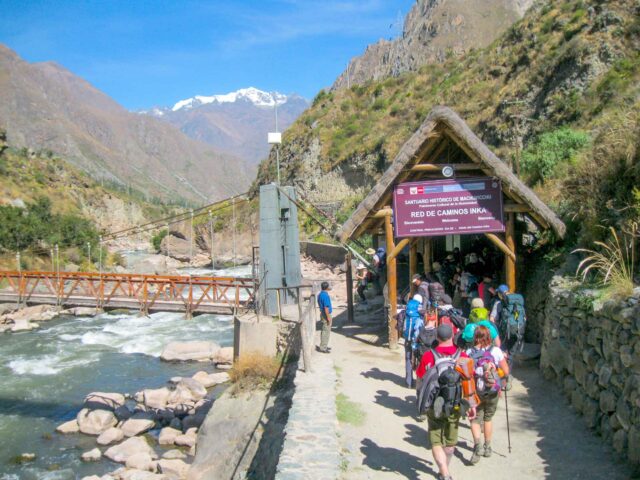
- Day 1: Begin your journey at kilometer 82, passing through lush valleys and ancient ruins. The trail starts off gently, allowing you to acclimate to the terrain and take in the stunning
- surroundings. As you trek alongside the roaring Urubamba River, you’ll encounter the first of many archaeological sites, providing a glimpse into the Inca civilization’s rich history.
- Day 2: Tackle the challenging ascent to Dead Woman’s Pass, the highest point of the trek. This day is considered the most strenuous, as you ascend to an altitude of over 4,200 meters (13,780 feet). The sense of achievement upon reaching the pass is unparalleled, and the panoramic views of the surrounding mountains are a reward in themselves.
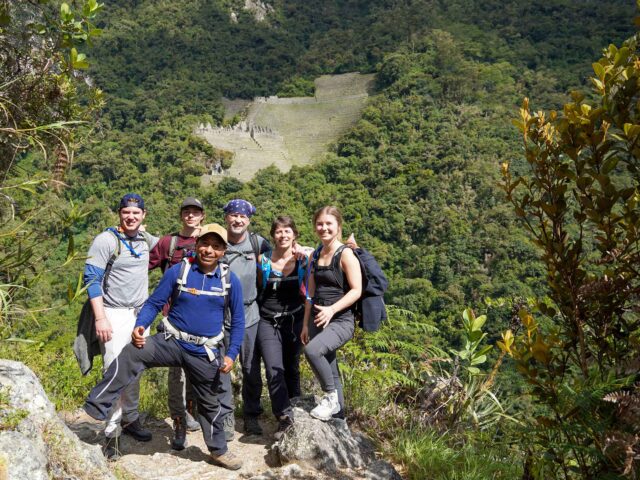
- Day 3: Explore fascinating archaeological sites and enjoy panoramic views. This day is a cultural and scenic highlight, with visits to Inca ruins such as Runkurakay, Sayacmarca, and Phuyupatamarca. The trail winds through diverse ecosystems, offering breathtaking vistas of the Andes and the chance to spot unique flora and fauna.
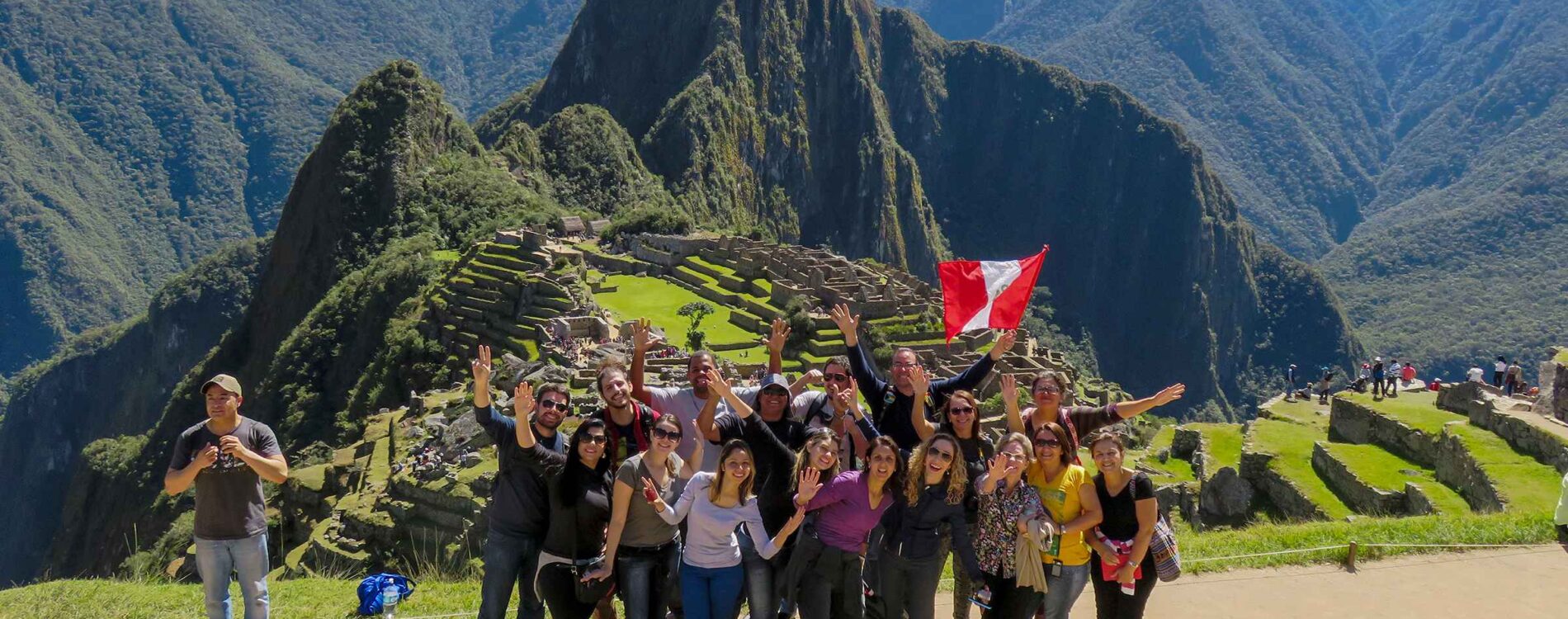
- Day 4: Arrive at the Sun Gate for a breathtaking sunrise over Machu Picchu. The early morning trek to Inti Punku, or the Sun Gate, is a moment of anticipation and excitement. As the first rays of sunlight illuminate the ancient city of Machu Picchu, you’ll experience a profound sense of wonder and accomplishment. Spend the day exploring the iconic ruins, guided by knowledgeable experts who bring the history and significance of this UNESCO World Heritage Site to life.
Along the trail, you’ll encounter remnants of the Inca civilization, including terraces, temples, and settlements. Guides often share stories and insights into the history and culture of the Incas, enriching your journey with knowledge and appreciation. The trail itself is a living museum, and your guides are storytellers who bring the past to life through captivating narratives and historical context. The architectural marvels along the trail are a testament to the ingenuity and skill of the Incas. The precision with which stones were cut and fitted together without mortar is a reflection of their advanced engineering techniques.
As you explore these sites, you’ll gain a deeper understanding of the spiritual and practical significance of the structures, from ceremonial temples to agricultural terraces. Cultural insights extend beyond the physical remnants of the Inca civilization. Your journey is enriched by interactions with local communities, who continue to uphold traditional customs and practices. Engaging with these communities provides a glimpse into the vibrant cultural tapestry of the Andes, fostering a deeper appreciation for the region’s heritage and way of life.
The Inca Trail is a corridor of biodiversity, home to a wide variety of flora and fauna. The trail passes through diverse ecosystems, from cloud forests to alpine tundra, each supporting unique species. Birdwatchers will delight in spotting Andean condors, hummingbirds, and a myriad of other avian species that inhabit the region. The lush vegetation along the trail includes orchids, bromeliads, and ferns, adding bursts of color to the verdant landscape.
The trail’s diverse plant life provides a habitat for numerous animal species, including spectacled bears, llamas, and elusive pumas. The chance to observe these creatures in their natural environment adds an element of wonder to the trek. Natural wonders along the trail are as captivating as its cultural and historical sites. From cascading waterfalls to towering peaks, the dramatic landscapes inspire awe and reflection.
Each step on the trail reveals new vistas and hidden gems, reminding trekkers of the beauty and majesty of the natural world. Arriving at Machu Picchu is a moment of triumph and wonder. This UNESCO World Heritage Site captivates visitors with its mystical allure and architectural brilliance. Spend time exploring the stone structures and terraces, and take in the panoramic views of the surrounding mountains. The site’s strategic location, perched high above the Sacred Valley, adds to its enigmatic charm and breathtaking beauty.
The intricate stonework and alignment with astronomical events reflect the Incas’ advanced understanding of astronomy and engineering. As you wander through the site’s various sectors, including the Intihuatana Stone, the Temple of the Sun, and the Room of the Three Windows, you’ll gain insight into the spiritual and ceremonial significance of Machu Picchu. The site’s enduring mystery continues to fascinate historians and archaeologists.
Theories abound about its purpose, from a royal estate to a religious sanctuary. As you explore the site, you’ll be drawn into the intrigue and wonder of this ancient city, pondering the secrets it holds and the legacy of the civilization that built it. For those with extra energy, consider additional hikes like Huayna Picchu or Machu Picchu Mountain. These trails offer unique vantage points and are well worth the effort for the adventurous spirit.
The hike up Huayna Picchu is steep and challenging, but the reward is a breathtaking view of Machu Picchu from above, providing a different perspective of the site. Machu Picchu Mountain, the higher of the two peaks, offers a longer but less crowded hike. The panoramic views from the summit encompass the entire archaeological complex and the surrounding valleys, creating a sense of awe and accomplishment. Both hikes require separate permits, so be sure to plan ahead and secure your spot in advance.
These additional hikes are an opportunity to extend your adventure and connect with the natural beauty of the region. Whether you choose to tackle one or both, the experience is sure to be a memorable highlight of your visit to Machu Picchu. Machu Picchu offers countless opportunities for photography, from sweeping landscapes to intricate architectural details. To capture the best shots, consider visiting during the early morning or late afternoon when the lighting is softer and the crowds are thinner.
The golden hour provides a magical quality to your images, enhancing the dramatic setting of the site. Experiment with different angles and perspectives to capture the essence of Machu Picchu. Wide-angle shots can convey the grandeur of the site, while close-ups of stone carvings and structures highlight the craftsmanship of the Incas. Don’t forget to include elements of the surrounding natural beauty, such as the lush mountains and vibrant flora. Be mindful of the environment and respectful of the site’s regulations while taking photographs. Use a tripod sparingly, as they may be restricted in certain areas.
By capturing the beauty of Machu Picchu thoughtfully and creatively, you’ll preserve memories of this iconic destination to cherish for years to come. Preserving the natural beauty and cultural heritage of the Inca Trail is crucial. Choose tour operators that adhere to sustainable practices, such as minimizing waste and respecting local communities. As a trekker, follow Leave No Trace principles to protect this incredible environment for future generations. This includes packing out all trash, staying on designated trails, and being mindful of your environmental impact.
Support operators that engage in eco-friendly practices, such as using biodegradable products and reducing single-use plastics. By choosing responsible tour companies, you contribute to the conservation of the trail’s unique ecosystems and cultural sites. Responsible trekking ensures that the Inca Trail remains a pristine and accessible destination for future adventurers. Educate yourself about the environmental challenges facing the region and how your actions can make a positive difference.
By adopting sustainable practices and supporting initiatives that promote conservation and community well-being, you play a vital role in preserving the legacy of the Inca Trail. Engaging with local communities along the trail can enrich your experience. Purchase handicrafts, support local businesses, and learn about the customs and traditions of the Andean people. Interacting with community members provides insights into their daily lives, fostering cultural exchange and mutual understanding. Participate in community-based tourism initiatives that empower local residents and promote sustainable development.
These programs offer opportunities to learn traditional crafts, participate in agricultural activities, and gain firsthand knowledge of Andean culture. By supporting these initiatives, you contribute to the economic well-being of the communities and help preserve their cultural heritage. Respect for local customs and traditions is essential when engaging with communities. Approach interactions with an open mind and a willingness to learn, showing appreciation for the unique cultural practices and perspectives of the Andean people. By fostering positive relationships, you contribute to a more meaningful and respectful travel experience.
The Inca Trail and Machu Picchu are part of a fragile ecosystem that requires careful management and conservation efforts. Support organizations and initiatives dedicated to protecting the region’s biodiversity and cultural heritage. These efforts may include reforestation projects, wildlife conservation programs, and initiatives to preserve archaeological sites.
Participate in volunteer opportunities that contribute to environmental conservation, such as trail maintenance and habitat restoration projects. These hands-on experiences offer a deeper connection to the region and a chance to give back to the environment that provides such unforgettable experiences.
Stay informed about the environmental challenges facing the region, such as climate change, deforestation, and over-tourism. By advocating for sustainable practices and responsible tourism, you become an ambassador for the protection and preservation of this remarkable destination. The Inca Trail to Machu Picchu is more than just a hike; it’s an adventure that combines natural beauty, history, and personal achievement. Whether you’re trekking with a private guide or joining a group tour, the journey offers a chance to connect with nature and history on a profound level. Prepare well, choose a responsible tour operator, and embrace the experience of a lifetime on this remarkable path to Machu Picchu.
The memories you create on the Inca Trail will stay with you long after you’ve returned home. The friendships forged, the challenges overcome, and the awe-inspiring sights witnessed all contribute to the transformative nature of this journey. As you reflect on your adventure, you’ll find that the Inca Trail has left an indelible mark on your spirit, inspiring a deeper appreciation for the world’s natural and cultural wonders.
By embarking on this trek with respect for the environment and the communities you encounter, you contribute to the preservation of the Inca Trail’s legacy. The choices you make and the actions you take can help ensure that this iconic journey remains accessible and awe-inspiring for generations to come. The Inca Trail is not just a path to Machu Picchu; it’s a gateway to discovery, reflection, and a profound connection with the past and present.