
Machu Picchu and Hiram Bingham’s Legacy: Rediscovery, Debate, and Historical Impact
Machu Picchu continues to fascinate travelers, historians, and archaeologists from around the world. Its global fame is closely linked to Hiram Bingham, the American explorer who brought the site to international attention in 1911. Yet the story is more complex than a simple tale of discovery.
Understanding Hiram Bingham’s legacy means looking beyond the traditional narrative. His expedition helped introduce Machu Picchu to the world, but local Indigenous knowledge and the guidance of Andean residents were essential to that process.
If you’re planning to visit this extraordinary site, you can explore the best travel options here:
Machu Picchu tours from Cusco
Why This Story Matters for Your Visit
Learning about Hiram Bingham’s role adds depth to the Machu Picchu experience. It helps visitors understand not only how the site became world-famous, but also why its story is still debated today.
Seeing Machu Picchu with this historical context allows you to connect more meaningfully with its cultural importance, its rediscovery narrative, and the people who helped preserve its legacy.

Machu Picchu Hiram Bingham Legacy
Who Was Hiram Bingham?
Hiram Bingham was an American academic, explorer, and historian born in 1875. He studied at Yale, Harvard, and the University of California, Berkeley, and developed a strong interest in South American history and the Inca civilization.
His expeditions to Peru in the early 20th century were supported by Yale University and the National Geographic Society. These institutions provided funding and international visibility, helping turn his journey into a global event.
Bingham’s ambition and determination made him a significant figure in the history of exploration. At the same time, modern perspectives recognize that his narrative often emphasized his personal role while downplaying the contributions of local people who already knew the region well.

The 1911 Expedition and the Rediscovery Narrative
The 1911 expedition remains the most famous chapter in the story of Machu Picchu’s rediscovery. Backed by major institutions, Bingham traveled through the Andes with a team that included researchers, assistants, and local guides.
One of the most important figures in this story was Melchor Arteaga, a local guide who helped lead Bingham to the site. Without the residents’ knowledge, the expedition would not have unfolded as it did.
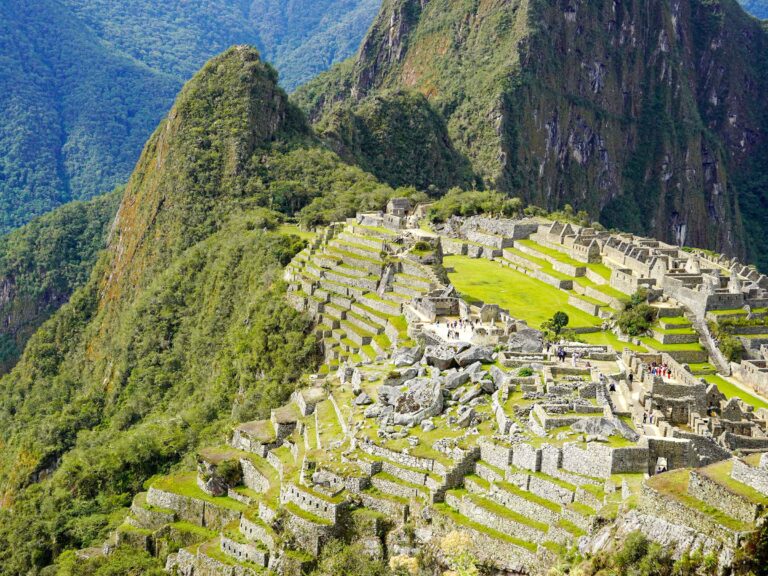
When Bingham arrived, he was struck by the scale and beauty of the ruins. His later writings and public presentations helped shape the image of Machu Picchu as a mysterious “lost city,” although local communities had never truly lost knowledge of the place.
This rediscovery narrative became famous worldwide, but it also simplified a more complex reality. Today, historians and archaeologists continue to reassess the story to include the local and Indigenous perspectives that were long overlooked.
If you’re planning how to experience Machu Picchu, including trekking routes and travel styles, read:
how to hike Machu Picchu


Indigenous Knowledge and Local Guides
A more complete understanding of Machu Picchu’s rediscovery must recognize the role of Indigenous knowledge and local guidance. The surrounding communities knew the terrain, the pathways, and the area’s cultural significance long before Western explorers arrived.
Local guides were not merely assistants. They provided direction, logistical support, historical context, and a connection to the landscape that outsiders lacked. Their contribution was central to the success of Bingham’s expedition.
For many years, these voices were overshadowed by the heroic narrative of a foreign discoverer. Today, there is growing recognition that Machu Picchu’s story belongs not only to explorers and institutions, but also to the local people whose knowledge preserved it across generations.
- They guided the expedition through difficult Andean terrain
- They provided local historical and cultural context
- They helped interpret the landscape and nearby communities
- They played a key role in the expedition’s success
Archaeology, Fame, and Global Attention
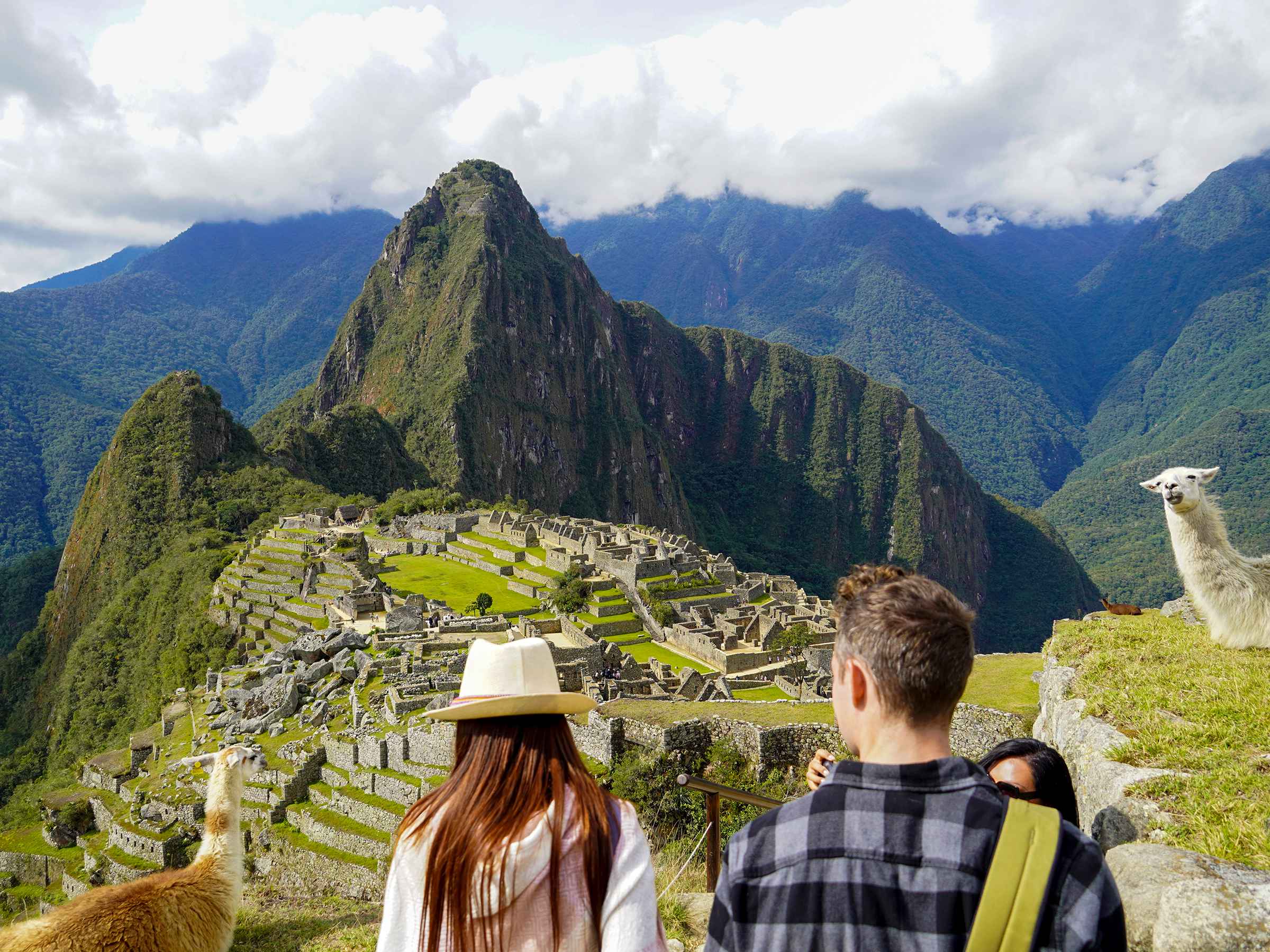
Hiram Bingham’s publications and lectures helped transform Machu Picchu into an international symbol of Inca civilization. National Geographic played a major role in this process by sharing photographs and stories that captured the imagination of readers around the world.
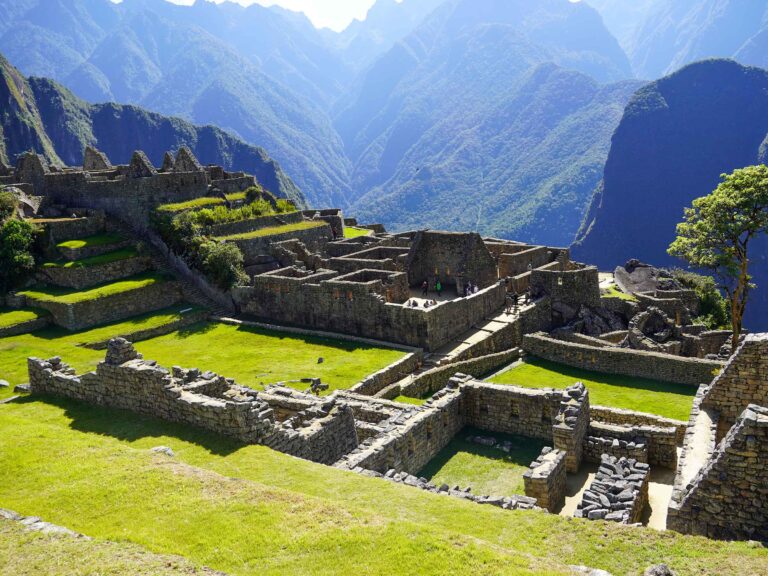
As Machu Picchu gained global fame, it also became one of Peru’s most important cultural icons. Scholars began to study its architecture, terraces, water systems, and ceremonial spaces, while travelers increasingly added it to their bucket lists.
This fame brought benefits, including academic research and tourism growth, but it also reinforced a Western-centered narrative that often failed to reflect the full complexity of the site’s history.
- Global media turned Machu Picchu into a world-famous destination
- Archaeologists expanded research into Inca engineering and planning
- The site strongly shaped Peru’s identity and tourism sector
- Early narratives often prioritized Western exploration over local knowledge

Vacation in Peru Machu Picchu
The Controversy: Artifacts, Ownership, and Ethics
One of the most debated aspects of Bingham’s legacy is the removal of artifacts from Machu Picchu. During his expeditions, items such as pottery, tools, and human remains were taken to Yale University for research and preservation.
This led to a long-running dispute between Peru and Yale regarding ownership and repatriation. Peru argued that these objects were part of its national heritage and should be returned.
The controversy raised larger ethical questions about archaeology, cultural property, and the rights of nations and communities over their own heritage. In recent years, the return of many artifacts to Peru has become an important part of this ongoing reassessment.
- The removal of artifacts sparked international debate
- Peru sought the return of objects taken abroad
- The case raised questions about ethics in archaeology
- Modern discussions emphasize collaboration and cultural respect
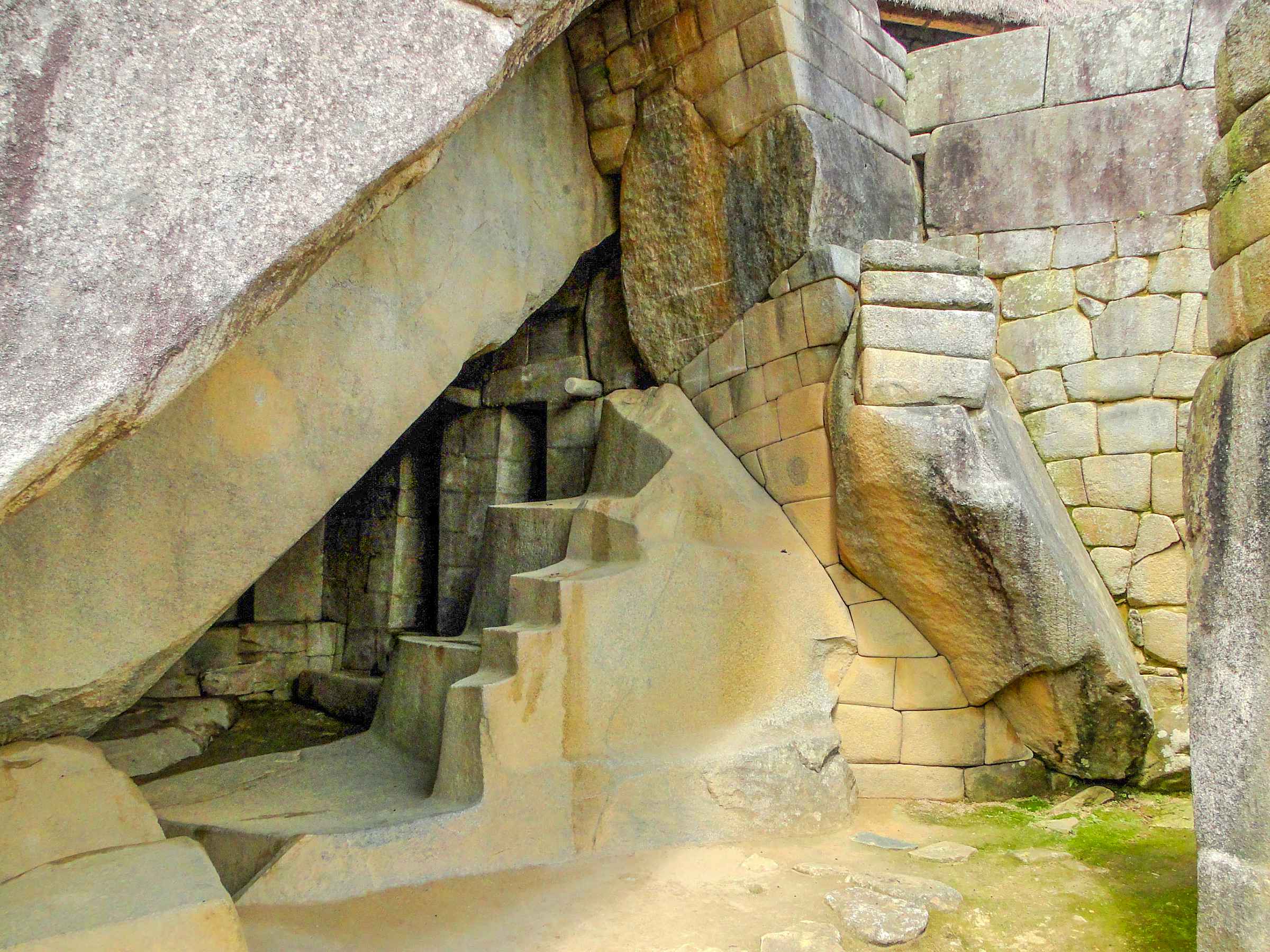
Reassessing Hiram Bingham’s Legacy Today
Today, Hiram Bingham’s legacy is viewed with greater nuance. He remains an important figure because his work introduced Machu Picchu to a global audience, but his story is no longer seen as complete on its own.
Modern scholarship emphasizes that rediscovery is rarely the work of a single individual. In the case of Machu Picchu, it was the result of exploration, local guidance, Indigenous knowledge, and international publication all working together in different ways.
Reassessing Bingham’s legacy does not mean erasing his role. Instead, it means placing it within a broader and more honest historical framework that gives space to all contributors.
- His work increased international awareness of Machu Picchu
- Local and Indigenous contributions deserve equal recognition
- Ethical questions remain relevant to modern archaeology
- The story continues to evolve through new research and perspectives
Experience Machu Picchu with Context
A visit to Machu Picchu becomes more meaningful when you understand the stories behind it. The site is not only an architectural wonder but also a place shaped by memory, exploration, debate, and cultural identity.
If you want to experience Machu Picchu with expert guidance and a deeper appreciation of its history, explore the best options here:
Machu Picchu tours from Cusco
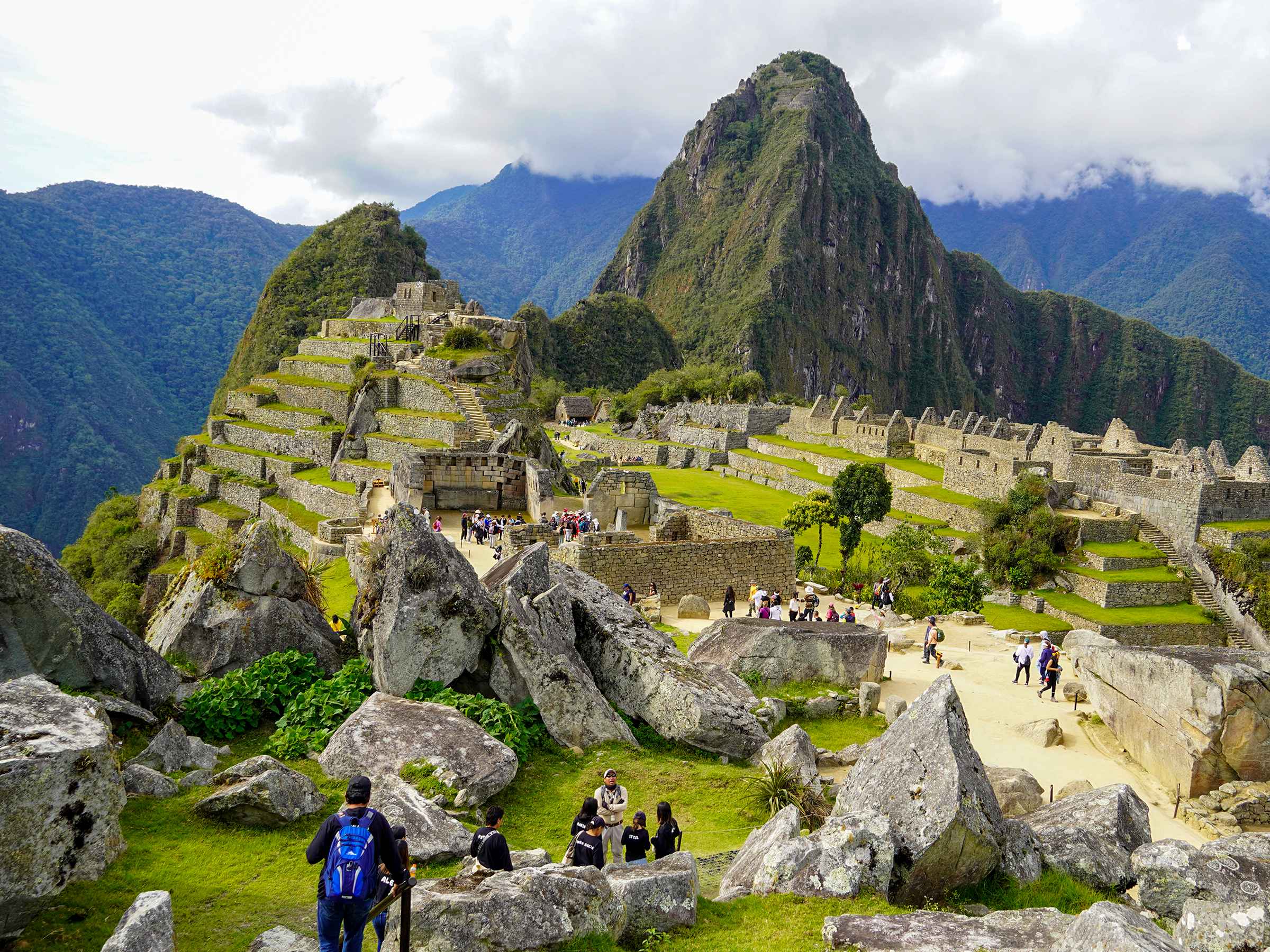
Machu Picchu’s Enduring Impact and Modern Significance
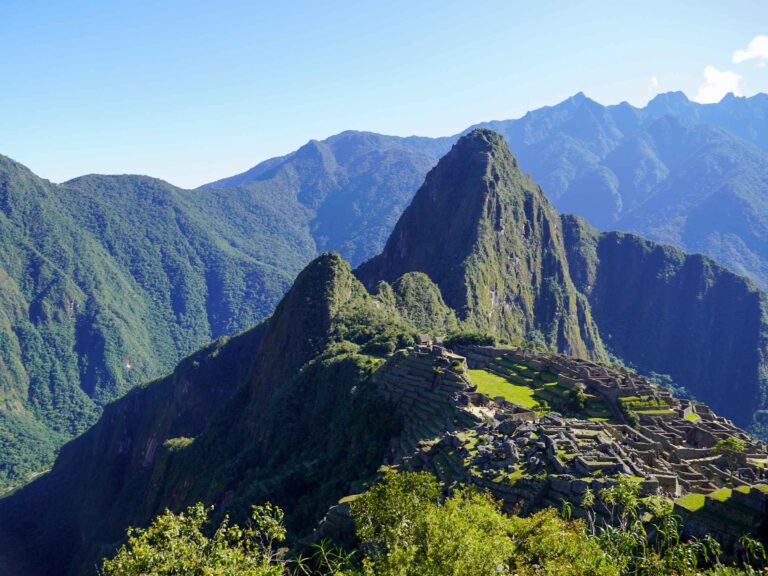
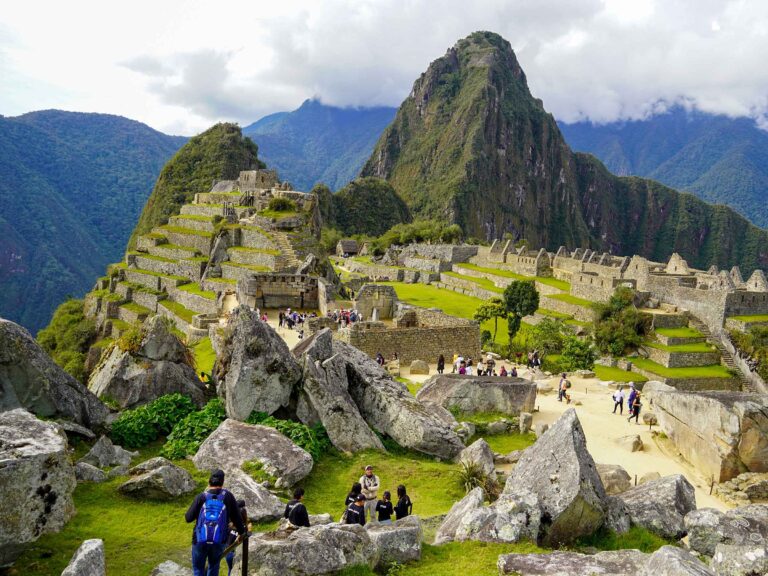
Machu Picchu remains one of the most extraordinary cultural landmarks in the world. Its appeal goes far beyond its dramatic location. It symbolizes Inca ingenuity, spiritual meaning, and the enduring strength of Andean heritage.
For a complete overview of planning your visit, read our detailed guide:
Machu Picchu travel guide
The site also plays a major role in Peru’s modern identity. It supports tourism, promotes cultural pride, and inspires continuing research into the history of the Inca civilization.
At the same time, Machu Picchu reminds us of the importance of preservation. Sustainable tourism, conservation efforts, and respectful interpretation are essential to protect its legacy for future generations.
- Machu Picchu is a global symbol of ancient culture
- It strengthens Peru’s cultural identity and economy
- It inspires continued research and historical reassessment
- Its preservation requires responsible tourism and stewardship

Discover Machu Picchu Beyond the Story
The legacy of Hiram Bingham is only one part of Machu Picchu’s larger story. Today, the site invites visitors to look more deeply—beyond the rediscovery narrative—and to appreciate the cultural, historical, and human layers that make it so remarkable.
If you’re ready to experience Machu Picchu with expert guidance and meaningful context, compare your options here:
Explore Machu Picchu tours
Read our Kondor Path TripAdvisor Reviews