- Machu Picchu
Machu Picchu Tours
- Machu Picchu Full Day Tour
- 2 Day Tour Machu Picchu Sacred Valley
- Machu Picchu Tour + Maras Salt Mines – 2 Days
- Machu Picchu Tour + Sacred Valley Tour – 3 Days Valley
- Machu Picchu Tour – 4 Days
- Machu Picchu Tour – 5 Days
- Machu Picchu Tour – 6 Days
- Machu Picchu Photo Tour – 6 Days
- Machu Picchu by Belmond Hiram Bingham Train
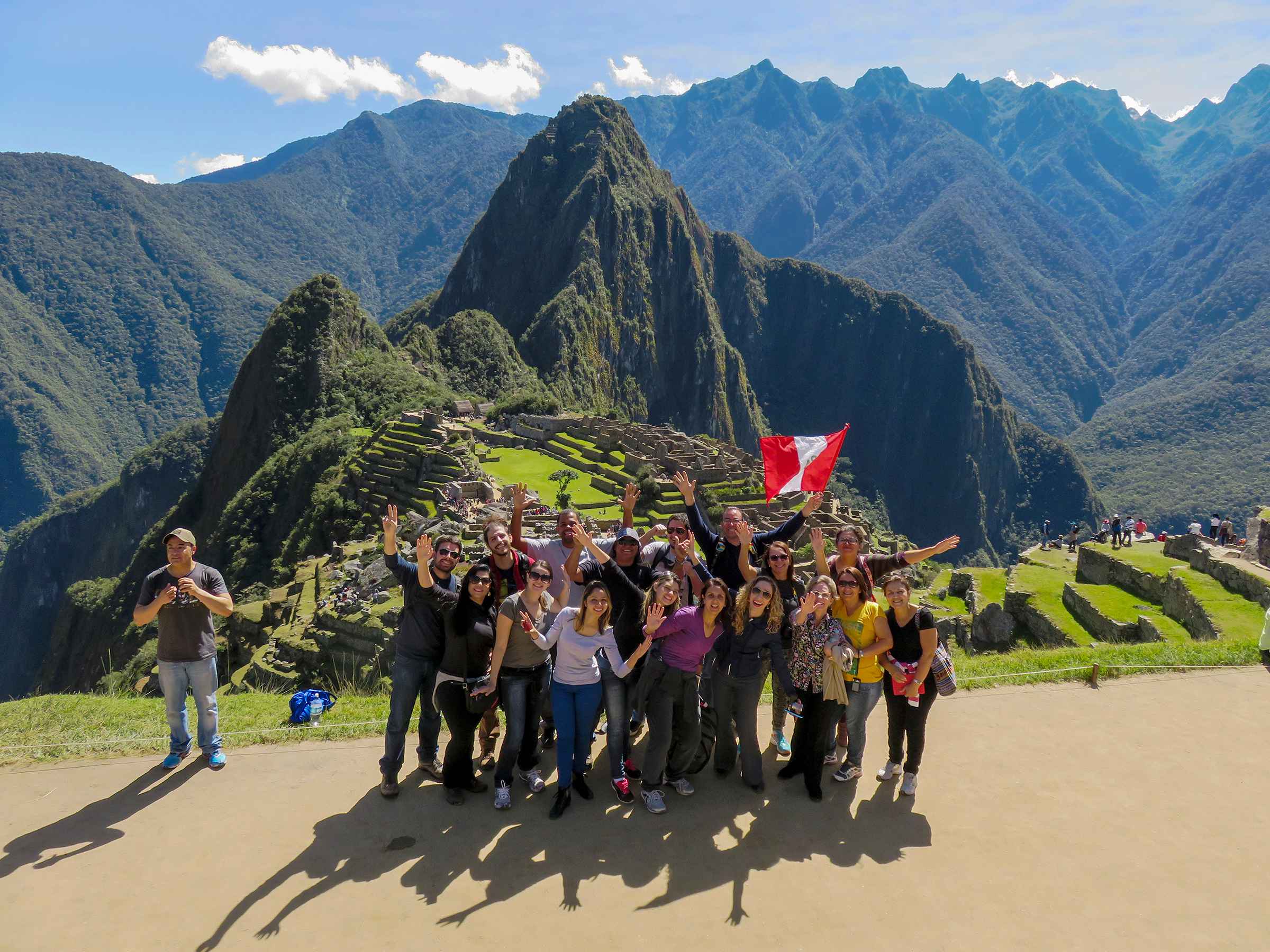
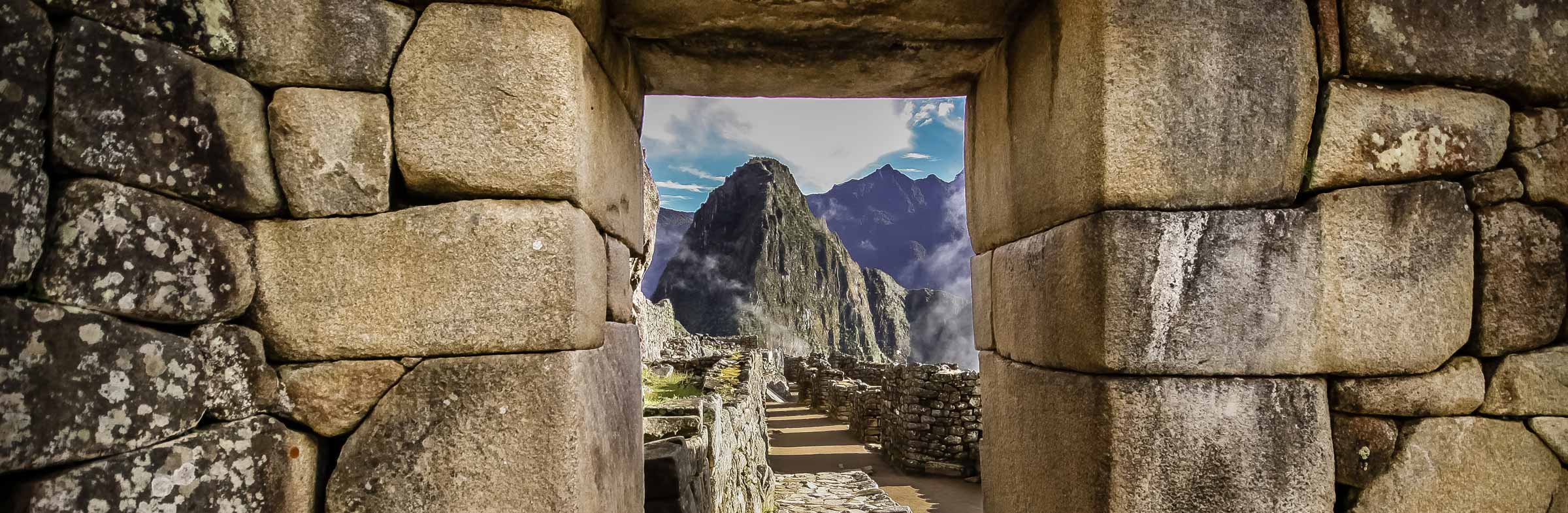
Machu Picchu the Lost City of the Incas
Visit this wonder of the world on these tours to Machu Picchu.
The tourist packages to Machu Picchu are one of the best decisions to travel through the Andes of Machu Picchu and the outstanding tourist circuits of the Cusco region, with extensions to other tourist destinations like Puno and Arequipa. Outdoor tours among Inca ruins, archeological parks, and short nature walks in the Andes are the perfect vacation for your next travel destination in Peru, South America.
- Rainbow Mountain
Rainbow Mountain Treks
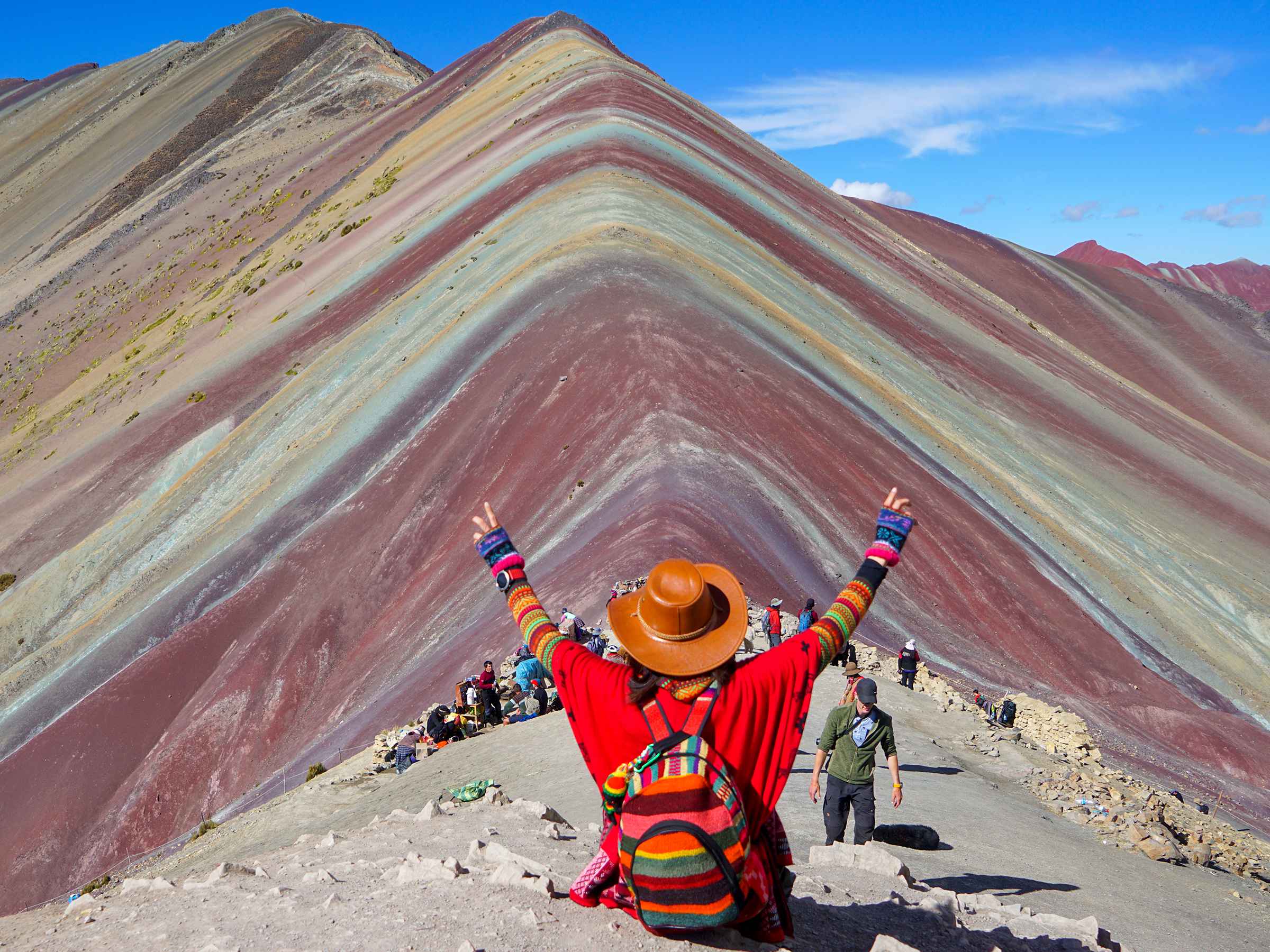
In the Andes Mountains, Rainbow Mountain, often called Vinicunca Mountain, soars 5,200 meters (17,100 feet) above Cusco. The mountain is well known for its vivid colors, which are brought on by various minerals. Red, yellow, orange, and green represent the hues that create a truly captivating display.
The Rainbow Mountain Trek is a once-in-a-lifetime trip. The views from the mountain’s peak make the challenging walk up there worthwhile. The views of the surrounding mountains, valleys, and glaciers are visible from the summit.
Our journeys include lunch, a professional guide, and transportation. Also, we provide a range of departure times to work with your schedule.
A breathtaking view of this incredible mountain
- Cusco Tours
- Sacred Valley
Peru’s Best Sacred Valley Tours
- Sacred Valley Private Tour, Full Day Tour
- Super Sacred Valley Full-Day Tour
- Sacred Valley Trip from Ollantaytambo
- Sacred Valley Tour from Urubamba
- Full-Day Tour Ancasmarca Ruins
- Ñaupa Iglesia Tour Choquequilla
- Full-Day Moonstone Tour
- Pisac Ruins Hike 01-Day
- Maras Moray Hike – Sightseeing views from Snow Mountains
Custom Sacred Valley Tours
- Potato Park Pisac
- Sacsayhuaman Megalithic Tour
- Chinchero Ruins Full-Day Tour
- Alternative Tour Ollantaytambo Full-Day
- Day Trip to Pisac + Textiles + Traditional Market
- Sacred Valley ATV Tour – Full Day
- Chinchero textile Experience & Easy hike
- Hike to Urquillos, 1-day hike in the Sacred Valley
- Pumamarca Ruins Hike
- Inca Trails
Inca Trail Enhanced Packages
- Trek The Sacred Valley & Short Inca Trail
- Short Inca Trail + Rainbow Mountain 3 Days
- Salkantay Trek with Short Inca Trail – 5 Days
- Salkantay Trek with Classic Inca Trail – 6 Days
- Choquequirao Trek + Short Inca Trail – 7 Days
- Ancascocha Trek with Short Inca Trail – 5 Days
- Lares Trek + Short Inca Trail + Vinicunca 4 Days
- Alternative Treks
- Spiritual Sessions
Spiritual Experiences in Cusco Tours
If you are interested in learning more about Andean cosmology and traditions or looking for a spiritual experience, then a spiritual tour in Cusco is a great option. Many different experiences are available, so you can find one that fits your interests and needs.
During these spiritual sessions, individuals may engage in various activities and ceremonies to establish a connection with the spiritual realm and foster personal growth and healing. These practices often draw inspiration from the natural elements, mountains, lakes, and other sacred sites that hold significance in the Andean culture.
- Amazon
The Amazon of Peru is a unique and mysterious place. The diversity and fantastic flora of the Amazon rainforest have long drawn us in, and our photographer’s hearts have yearned to capture stunning images of the abundant wildlife there. Visiting the Amazon Rainforest in Peru is one of the best travel experiences, “it has something to offer everyone,” whether you’re exploring it from a lodge or on a boat.
Enjoy the diversity of nature while exploring trails, looking for caiman and river otters, and standing on platforms in the thick canopy of the Amazon rainforest.
After spending the day exploring the most biodiverse region on earth, our Amazon vacation packages include transfers, knowledgeable local guides, and a cozy jungle lodge to unwind in.
- Peru Tours
Peru and Machu Picchu Packages
- Peru Highlights Tour 10-Day
- Peru Vacation Package 12-Day
- Christmas in Machu Picchu 2025
- New Year’s in Machupicchu 2025
- Archaeological & Ancient Civilizations
- Machupicchu Women Only Tours
- Machupicchu Senior Travel
- Family Trip to Machu Picchu
- Helicopter Charters – Inca land flights
- Travel Programs for Students in Peru
- Accessible Machupicchu Tour (Wheelchair)
Titicaca and Puno Tours
- Cusco to Puno by Car
- Aramu Muru Portal “Gate of the Gods”
- Taquile Island Lake Titicaca One Day
- Lake Titicaca Uros Floating Islands
- Amantani Island Tour, Two Days
- Lake Titicaca Extension 4 Days
- Tour Temple of Fertility Peru
- Cutimbo Inca Ruins Tour
- Sillustani Tour
- Tiwanaku Tour Bolivia From Puno
- Belmond Andean Explorer Lake Titicaca
- Blog

Machu Picchu Tours
- BEST Machu Picchu 1 Day Tour | Full Day Tour
- 2 Day Tour Machu Picchu Sacred Valley
- Machu Picchu + Maras Salt Mines 2-Day
- NEW Machu Picchu 3 Days Tour with Sacred Valley
- Machu Picchu 4 Day Tour
- Machu Picchu Tour 5-Days
- Machu Picchu Tour 6 Days
- Photography Tours & Photo Travel Peru
- Belmond Hiram Bingham Train to Machu Picchu
Best Rainbow Mountain Tours | Vinicunca Hike from Cusco
Cusco Tours
- Cusco City Tour – Half Day
- Cusco City Tour Full Day & Surroundings
- Moray Maras Salt Mines Tour – Half Day
- Full-Day Moray Private Tour
- South Valley Tour Cusco
- Full-Day Tour Tipon, Pisac, Sacsayhuaman
- Tour Inti Raymi 2026, Festival of the Sun Festival of the Sun
- Q’eswachaka Inca Rope bridge tour: Full Day Tour
- Waqrapukara Trek Full Day Tour
- Humantay Lake Full Day Tour
- Condor Sightings Near Cusco
- Sunrise at Tres Cruces Paucartambo
- Moray & Maras Bike Tour – Full Day
- Pachar and Ollantaytambo Bike Tour
- Lares Downhill Mountain Bike Tour
Private Sacred Valley Tours from Cusco | Exclusive Peru
- Sacred Valley Private Tour – Full Day from Cusco
- Super Sacred Valley Tour Full-Day
- Sacred Valley Trip from Ollantaytambo
- Sacred Valley Tour from Urubamba 1-Day
- Full-Day Ancasmarca Ruins Tour
- Naupa Iglesia Cusco Day Trip
- Full-Day Moonstone Tour
- Pisac Hike Full Day
- Maras Moray Hike – Sightseeing views from Snow Mountains
- Potato Park Pisac 1 Day
- Megalithic Sites Sacsayhuaman
- Chinchero Ruins Full-Day Tour
- Alternative Tour Ollantaytambo Full-Day
- Day Trip to Pisac + Textiles + Traditional Market
- Sacred Valley ATV Tour - Full Day
- Chinchero textile Experience & Easy hike
- Chinchero to Urquillos Hike 1-day
- Pumamarca Ruins Hike
Inca Trails
- 2 Day Inca Trail Hike
- 2 Day Private Inca Trail
- 4 Day Private Inca Trail
- 4 Day Inca Trail 2026
- 4 Day Luxury Inca Trail
- 5 Day Inca Trail Hike
- Inca Trail 3 Days to Machu Picchu
- 1 Day Inca Trail Hike
- Trek Sacred Valley and Short Inca Trail
- Short Inca Trail + Rainbow Mountain Trek – 3 Days
- Salkantay Trek + Classic Inca Trail – 6 Days
- Salkantay Trek + Short Inca Trail Machu Picchu – 5 Days
- Choquequirao Trek + Short Inca Trail & Machu Picchu – 7 Days Trek
- Ancascocha Trek + Short Inca Trail & Machu Picchu – 5 Days
- Lares Trek + Short Inca Trail + Rainbow Mountain 4 Days
- Inca Jungle Trek 2 Days
- Inca Jungle Trek 3 Days
- Inca Jungle Trek 4 Days
- Inca Jungle Trek Short Inca Trail 4-Day
Alternative Treks
- Salkantay Trek 3 Days
- Salkantay Trek 4 Days
- Salkantay Trek to Machu Picchu 5 Days
- Salkantay Trek + Short Inca Trail Machu Picchu – 5 Days
- Salkantay Trek + Classic Inca Trail – 6 Days
- 2 Day Salkantay Trek With Machu Picchu
- 2 Day Humantay Lake Tour With Machu Picchu
- Choquequirao Trek 3 Days
- Choquequirao Trek 4 Days
- Choquequirao Trek 5 Days
- Choquequirao + Short Inca Trail & Machu Picchu – 7 Days Trek
- Choquequirao Trek 8 Days
- Choquequirao Trek 9 Days
- Choquequirao 4-day trek in Lodge
- Lares Trek Full Day – Inspiration Trek
- BEST Lares Trek 2 Days
- Lares Trek 3 Days
- 4-Day Lares Trek to Machu Picchu – Ultimate Andean Adventure
- 4 Days Lares Trek + Short Inca Trail
- Ancascocha Trek 3 Days
- Ancascocha Trek 4 Days
- Ancascocha Trek – 5 Days
- Ancascocha Trek + Short Inca Trail & Machu Picchu – 5 Days
- Moonstone Trek to Machu Picchu 5 Days
- Inca Quarry Trek – 4 Days
- Huchuy Qosqo Trek Full-Day Tour
- Huchuy Qosqo Hike from Lamay
- Huchuy Qosqo Trek 2 Days
- Huchuy Qosqo Trek 3 Days
- 7 Lakes of Ausangate Full Day Trek
- Ausangate Trek 5 Days
- Ausangate Trek 6 Days
Spiritual Sessions
Peru Tours
- Amazon Rainforest Peru 8-Day
- Peru Highlights Tour 10-Day
- Peru Vacation Package 12-Day
- 5 Days Christmas in Cusco and Machu Picchu, Perú 2026
- New Year’s in Machu Picchu 2024
- Archaeological & Ancient Civilizations Tours 5 Days
- Machu Picchu Tours Only Women
- Machupicchu Senior Travel
- Family Trip to Machu Picchu
- Belmond Andean Explorer Lake Titicaca Train
- Belmond Andean Explorer Lake Titicaca Train
- Helicopter Charters – Inca Land flight Experience
- Travel Programs for Students in Peru
- Accessible Peru Tours (Wheelchair)
- Colca Canyon Tour 1 Day in Arequipa
- Colca Canyon 2 Day Tour
- Arequipa Salt Flats Full-Day
- City Tour Arequipa
- Arequipa Sillar Route
- Colca Canyon 3 Day Trek
- Colca Canyon 2 Day Trek
- Nazca Lines Flight from Pisco
- Nazca Lines from Lima
- Nazca Lines Flight from Ica
- Nazca Lines Tour 2 Days
- Nazca Lines Tour from Cusco
- Nazca Lines Flight
- Flight Over Palpa Lines
- Ballestas Islands Tour
- Paracas National Reserve
- Huacachina Sand Buggy
- Cusco to Puno Bus Tour Full Day
- Aramu Muru Portal “Gate of the Gods”
- Uros, Taquile Island Tour Full Day
- Lake Titicaca Uros Floating Islands
- Amantani Island Tour, Two Days (by speedboat)
- Lake Titicaca Extension 4 Days
- Chucuito Temple of Fertility Tour
- Cutimbo Inca Ruins Tour
- Sillustani Tour Half Day tour from Puno
- Tiwanaku Tour Bolivia From Puno