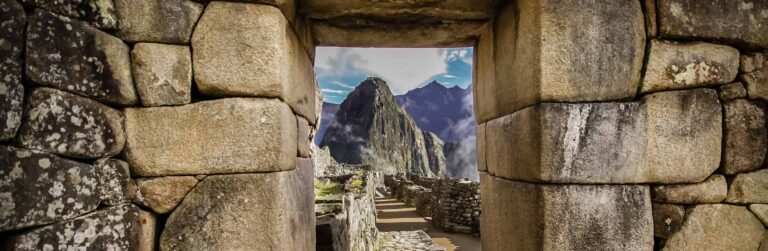

Machu Picchu, a UNESCO World Heritage site, is not only a marvel of ancient engineering but also a place of deep spiritual significance. Perched high in the Andes Mountains, this ancient city invites visitors to explore its mysteries and connect with the spiritual energy that permeates its structures and landscapes. Its unique combination of historical grandeur and mystical aura makes it a compelling destination for those seeking both adventure and introspection.
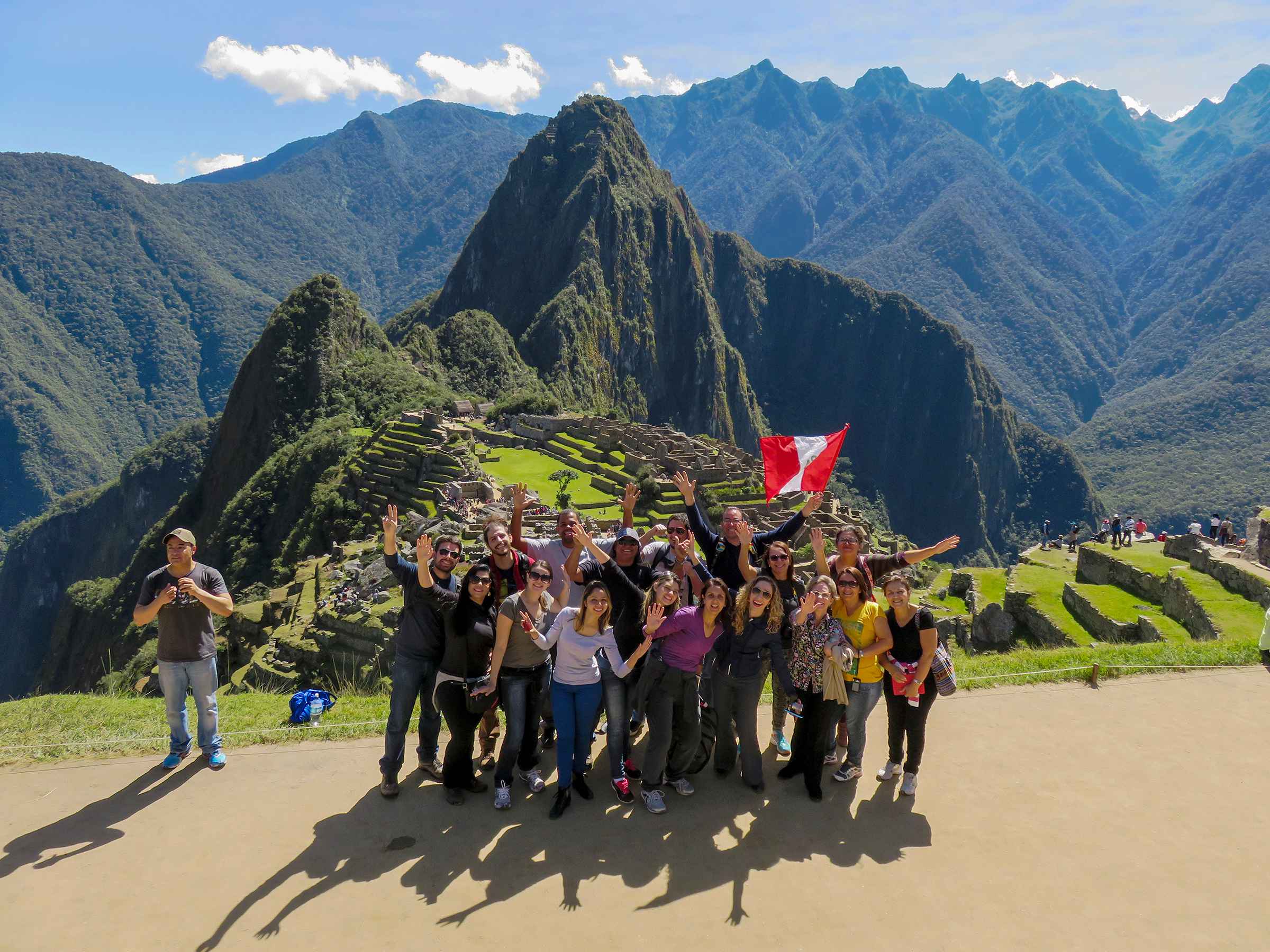
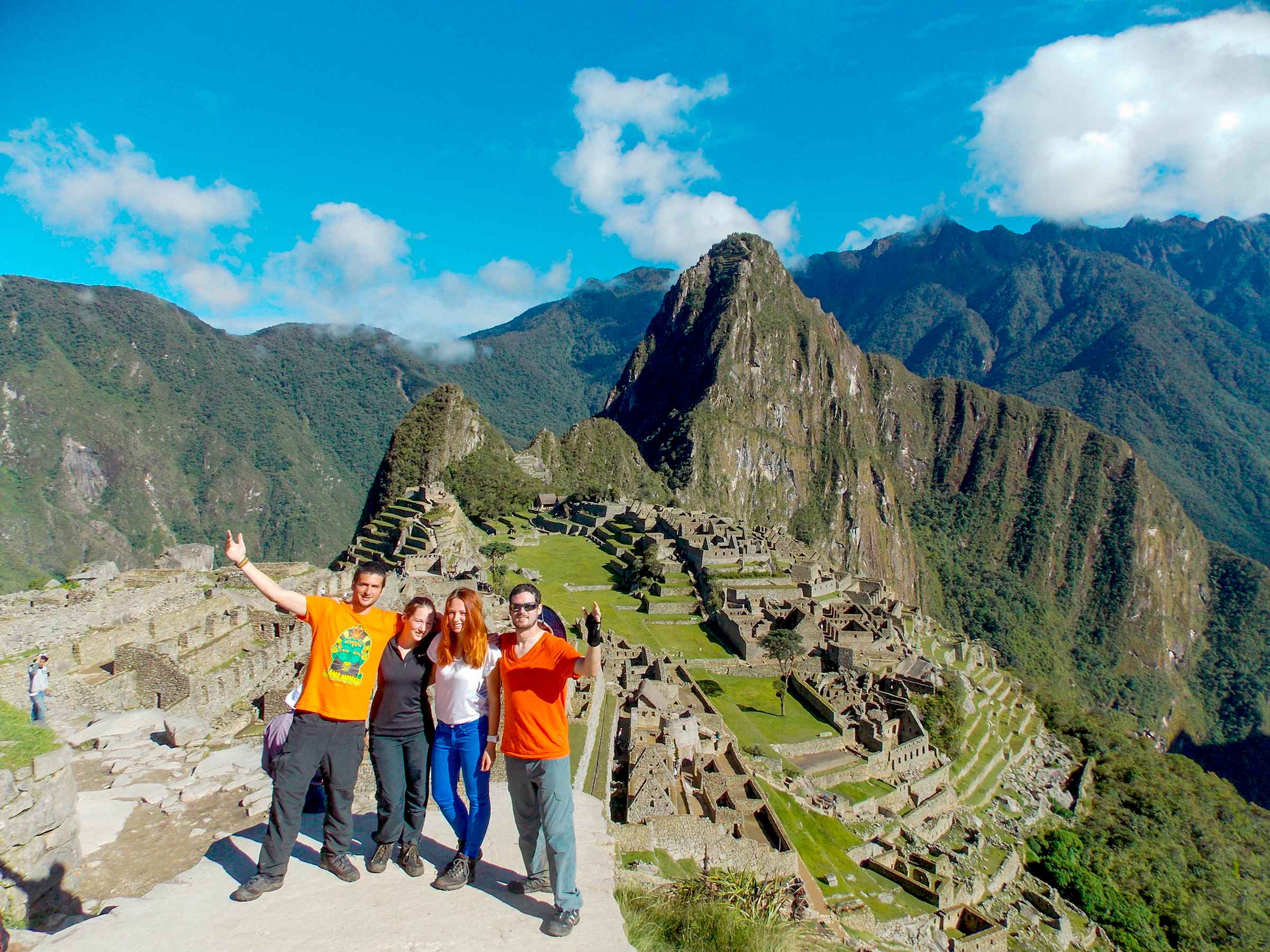
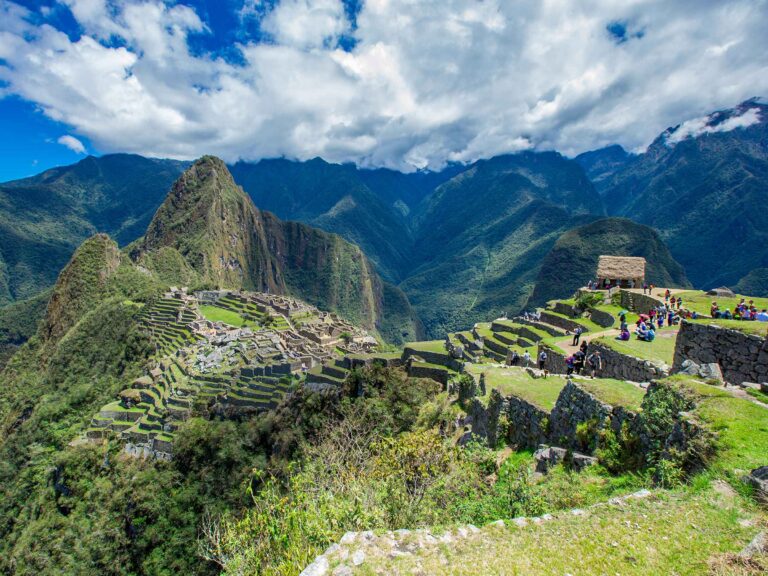
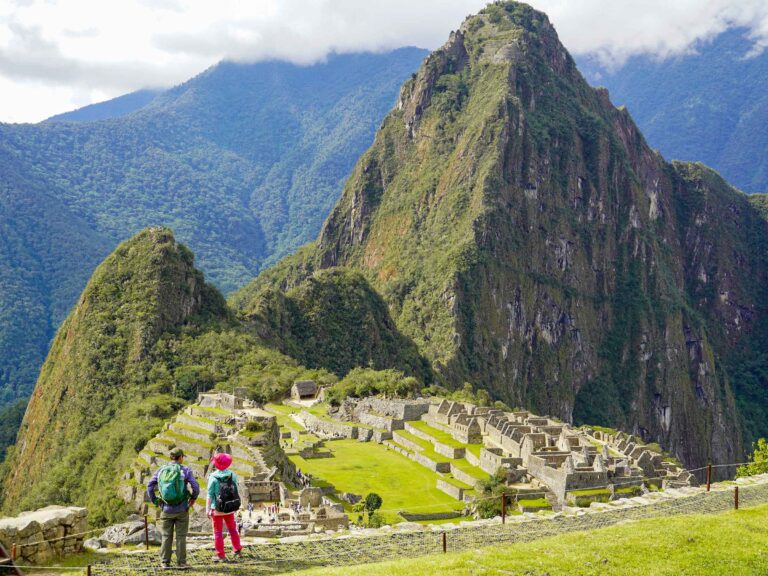
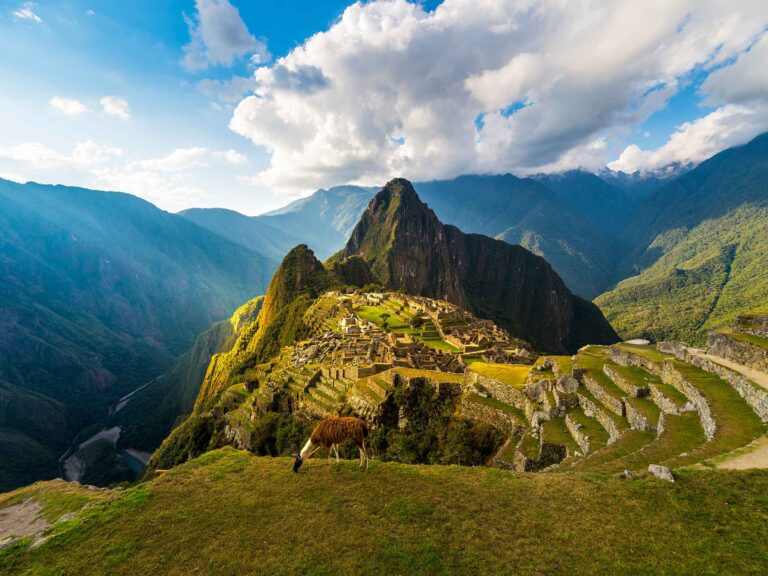
Machu Picchu is considered a spiritual place due to its history, architecture, and location. The Incas believed in the sacredness of the natural world and carefully selected the site for Machu Picchu. The choice of location was no accident; it is nestled between two mountain peaks, Huayna Picchu and Machu Picchu Mountain, which the Incas believed were sacred and imbued with potent energies.
Machu Picchu, the ancient Incan citadel perched high in the Andes Mountains of Peru, is a marvel of engineering and a profound spiritual and cultural experience.
A visit to this UNESCO World Heritage site is a journey into the heart of the Incan empire, offering insights into their advanced civilization and deep reverence for nature. In this blog post, we’ll explore the spiritual and cultural aspects of Machu Picchu tours to help you plan an enriching, unforgettable trip.

Spiritual Experience in Machu Picchu
The historical significance of Machu Picchu contributes to its spiritual aura. Built in the 15th century by Emperor Pachacuti, it served as a royal estate and religious retreat. The site was abandoned during the Spanish Conquest, preserving its mysteries and spiritual significance. Its rediscovery in 1911 by Hiram Bingham added to its allure, as people became fascinated by its enigmatic past and spiritual depth.
Machu Picchu is believed to have been of great spiritual importance to the Incas. The site’s alignment with celestial bodies, the presence of sacred temples, and its location amid majestic mountains suggest it was a place of worship and a site of connection with the divine.

Spiritual Experience in Machu Picchu
Machu Picchu is a testament to the ingenuity and craftsmanship of the Incan people. The precision of its stonework, the sophistication of its agricultural terraces, and the harmony of its architecture with the natural environment all reflect the rich cultural heritage of the Incas.
Machu Picchu’s architecture is a testament to the Incas’ spiritual beliefs. The city is meticulously aligned with astronomical events, showcasing the Incas’ advanced understanding of celestial phenomena. Structures such as the Sun Gate, Intihuatana Stone, and Temple of the Sun are designed to harmonize with their environments. This architectural harmony reflects the Andean belief in a universe where everything is interconnected.
The surrounding landscape plays a crucial role in Machu Picchu’s spiritual significance. The lush, verdant mountains create a natural amphitheater that enhances the site’s mystical feel. The Incas revered natural features like rivers, mountains, and caves, considering them sacred. The site’s position at the meeting point of the Andes and the Amazon Basin enhances its spiritual energy, making it a powerful place for reflection and connection.
The Incas performed rituals to honor their gods and the natural world, and Machu Picchu was a focal point for these spiritual practices. These rituals were deeply intertwined with the rhythms of nature and the cosmos, reflecting a worldview that saw the divine in all aspects of life.
Inca rituals often centered around the sun, moon, and other celestial bodies, emphasizing their importance in Inca cosmology. The Incas believed that these celestial bodies were deities that influenced human affairs. They built observatories and ceremonial sites to honor them, aligning structures with celestial events to ensure harmony and balance in their lives.
The Intihuatana Stone, also known as the “Hitching Post of the Sun,” is a prime example of this connection. It was used during the winter solstice to mark the sun’s position and was believed to hold the sun in place, ensuring the return of longer days. This ritual symbolized the Inca’s control over time and their relationship with the divine forces governing the universe.
These rituals were deeply rooted in gratitude and respect for the natural world, a perspective that visitors can still appreciate today. The Incas expressed gratitude to Pachamama, the Earth Mother, through offerings and ceremonies. This gratitude was not just a spiritual practice but a way of life, ensuring that the community lived in harmony with nature.
To truly connect with the spiritual essence of Machu Picchu, it’s essential to approach your visit with mindfulness and respect. By doing so, visitors can honor the site’s spiritual significance and gain a deeper appreciation for its historical and cultural context.
Take time to slow down and appreciate the beauty and energy of Machu Picchu. Allow yourself to be fully present, taking in the sights, sounds, and feelings that arise as you explore the ancient city. Engage all your senses and let the experience wash over you, creating space for introspection and connection.
Consider participating in a guided meditation at Machu Picchu. Many visitors find that meditating in this sacred space enhances their connection to the site and provides a deeper understanding of its spiritual significance. Meditation can help quiet the mind, allowing you to feel the site’s energy and fostering a sense of peace and clarity.
Remember that Machu Picchu is not just a tourist destination but a sacred site. Treat the environment and the structures with respect, and be mindful of your actions and their impact on the site and fellow visitors. Avoid loud noises and stay on designated paths to preserve the site’s integrity and honor its spiritual importance.
Before your visit, take time to learn about the Andean beliefs and the sacred landscape of Machu Picchu. Understanding the cultural and spiritual context of the site will enrich your experience and deepen your appreciation for its significance. Explore the stories of the Inca gods and goddesses, and familiarize yourself with the symbolism in the site’s architecture.
Engage with local guides who can provide insights into the spiritual and historical aspects of Machu Picchu. Their knowledge and stories can offer a more profound understanding of the site’s significance. Local guides often have a deep connection to the land and can share unique perspectives on its spiritual essence.
For many, visiting Machu Picchu is an emotional and personal journey. The site has a way of awakening a sense of wonder and introspection, inviting visitors to reflect on their own lives and connection to the world. Each step along the ancient pathways can evoke emotions ranging from awe to serenity.
The journey to Machu Picchu, whether by train or the Inca Trail, is a pilgrimage in itself. As you ascend the mountains and catch your first glimpse of the ancient city, you may feel a profound sense of awe and gratitude for the opportunity to experience such a remarkable place. This pilgrimage often becomes a journey of self-discovery, revealing insights about your own life and path.
Visitors often report feeling a deep connection to the site’s energy, as well as a sense of peace and clarity that lingers long after their visit. The natural beauty of the surroundings, combined with the site’s historical significance, creates an atmosphere of tranquility and reflection. This connection to nature can inspire a renewed appreciation for the environment and a commitment to preserving it.
Machu Picchu offers a space for personal reflection and growth. The experience of standing amidst the ruins, surrounded by majestic mountains, can lead to profound introspection. Many visitors find that the site’s spiritual energy encourages them to reflect on their lives, relationships, and aspirations, leading to personal growth and transformation.
The architecture of Machu Picchu is rich with spiritual symbolism, reflecting the Incas’ deep connection to the cosmos and the natural world. Each stone and structure tells a story of the Incas’ reverence for the divine and their sophisticated understanding of the universe.
The Sun Temple, with its semi-circular design and strategic placement, was used for ceremonies honoring the sun god Inti. Its windows align with the sunrise during the winter solstice, filling the temple with light and marking an important event in the Inca calendar. This alignment underscores the Incas’ belief in the cyclical nature of time and their relationship with the sun as a life-giving force.
As mentioned earlier, the Intihuatana Stone is a key example of the Incas’ astronomical knowledge and spiritual beliefs. Positioned to mark solstices and equinoxes, it served as both a ceremonial and practical tool for the Incas. Its precise alignment with celestial events highlights the Incas’ mastery of astronomy and their use of it to guide agricultural and ceremonial practices.
The terraces of Machu Picchu are not only an engineering marvel but also a testament to the Incas’ respect for the land. They enabled sustainable agriculture in rugged mountain terrain and symbolized the harmony between the Incas and their environment. These terraces reflect the Incas’ understanding of ecology and their commitment to living in balance with nature.
Machu Picchu’s sophisticated water management systems also carry spiritual significance. The Incas designed intricate channels and fountains to distribute water throughout the city. Water was considered sacred, symbolizing life and purity, and the careful management of this resource demonstrates the Incas’ reverence for it and their desire to live in harmony with natural forces.
The use of sacred geometry in Machu Picchu’s design further emphasizes its spiritual symbolism. The Incas incorporated geometric patterns and alignments that mirrored celestial formations and natural landscapes. This use of geometry was not only an aesthetic choice but also a spiritual practice, reflecting their belief in the interconnectedness of all things.
Select a tour that aligns with your interests, whether you’re drawn to the site’s spiritual aspects, cultural heritage, or natural beauty. Many tours offer a combination of these elements, providing a well-rounded experience.
The best time to visit Machu Picchu is during the dry season, from May to October. However, this is also the busiest period, so consider staying in the shoulder months (April or November) for a quieter experience.
Machu Picchu is a place where history, spirituality, and nature converge, offering visitors a unique opportunity to connect with the ancient wisdom of the Incas. By approaching your visit with mindfulness and respect, you can experience the spiritual essence of Machu Picchu and carry its lessons with you long after you leave. This sacred site encourages us to reflect on our own lives and the world around us, fostering a sense of connection and understanding.
Whether you are drawn to the ancient Inca rituals, the mindful and respectful ways to experience Machu Picchu, or the emotional and personal journey it offers, this sacred site has something to offer everyone. Embrace the spiritual experience in Machu Picchu, and let it inspire your journey of self-discovery and connection to the world around you. As you depart, carry with you the insights and peace gained from this remarkable place, allowing them to influence your daily life and future explorations.
Machu Picchu tours offer a unique opportunity to connect with the spiritual and cultural heritage of the Incan empire. The site’s breathtaking beauty and rich history make it a must-visit destination for anyone seeking a deeper understanding of the Andean civilization. Whether you’re exploring its ancient temples, marveling at its architectural wonders, or simply soaking in the serene energy of the mountains, a visit to Machu Picchu is an experience that will stay with you for a lifetime.
Peru Travel Packages Peru is a land of wonders waiting to be explored. From ancient ruins to vibrant…
Peru is home to two of the most iconic landmarks in the world: the Sacred Valley and Machu…
Peru is a country of diverse landscapes and rich cultural heritage, boasting two of the most iconic landmarks…
Machu Picchu, the iconic Lost City of the Incas, has captivated the imagination of travelers and historians alike…
Machu Picchu, the ancient Inca citadel nestled in the Andes Mountains of Peru, is a UNESCO World Heritage…
Planning a trip to Machu Picchu, the iconic Inca citadel in Peru, is an exciting and rewarding experience.…
How to Get to Machu Picchu Peru Machu Picchu is a dream destination for many travelers. Nestled in…
Essential Tips for Hiking the Inca Trail Hiking the Inca Trail is an unforgettable adventure that combines stunning…
Capturing the Magic: A Complete Guide to Stunning Machu Picchu Photography Machu Picchu, the ancient Incan citadel perched…
Understanding the Inca Trail Elevation Challenges The Inca Trail is one of the most famous trekking routes in…
Machu Picchu Tours a Cultural and Historical Odyssey Machu Picchu, the enigmatic ancient city set amidst the breathtaking…
Short Inca Trail Recommendations: What Travelers Should Know Embarking on the Short Inca Trail is an exhilarating adventure…