
Short Inca Trail Peru Machu Picchu: The Essential Guide (Andes)
The Inca Trail is a legendary trek that leads adventurous travelers through the majestic Andes Mountains to the ancient citadel of Machu Picchu. While many embark on the full four-day journey, there’s a shorter, equally captivating route known as the Short Inca Trail. This path offers a remarkable journey through history, culture, and breathtaking landscapes. Let’s delve into the details of the Short Inca Trail, exploring its significance and the experience it offers.
The Inca Trail is part of the Qhapaq Ñan, an extensive road system that once connected the vast Inca Empire. Spanning over 23,000 kilometers, the Qhapaq Ñan linked distant corners of the empire, facilitating communication, trade, and governance. The trail to Machu Picchu is just one segment of this impressive network, showcasing the engineering prowess and strategic planning of the Incas.
The construction of the Inca Trail is a testament to the Incas’ engineering skills. The trail traverses diverse terrains, including steep mountain slopes, dense forests, and arid plains. The Incas used locally sourced materials and ingenious construction techniques to ensure the trail’s durability. Stone steps, drainage systems, and retaining walls are some examples of their sophisticated engineering that allowed safe passage through challenging landscapes.
Short Inca Trail Peru Machu Picchu
The strategic significance of the Inca Trail cannot be understated. It served as a backbone for the empire’s expansion, allowing the Incas to exert control over vast territories. The trail’s strategic location facilitated the quick mobilization of troops and efficient communication between regions, which were crucial for maintaining order and stability within the empire. This network also enabled the exchange of goods, ideas, and cultural practices across the empire’s diverse regions.
The Inca Trail was more than just a physical infrastructure; it was imbued with cultural and religious importance. Various segments of the trail were considered sacred, serving as pilgrimage routes for religious ceremonies and rituals. The Incas believed that these routes connected the earthly realm with the spiritual, providing a path for worshippers to communicate with the gods. The trail’s alignment with celestial events further emphasized its spiritual significance.
The Short Inca Trail offers a condensed yet enriching journey to Machu Picchu. Spanning approximately 10 kilometers, this trail can be completed in a single day, making it an ideal choice for those with limited time or seeking a less strenuous trek. Despite its shorter length, the trail encompasses diverse landscapes and captivating historical sites, providing a glimpse into the grandeur of the Inca civilization.
For the more adventurous travelers, the trek to the ancient citadel of Machu Picchu is the highlight of their trip. There are several hiking options to reach this historic sanctuary, but the Short Inca Trail is the most sought-after route through the Peruvian Andes and the high jungle.
The Short Inca Trail was a network that connected the Tahuantinsuyo Empire during Inca times, along which the Incas built administrative, military, and religious centers to rest. It extended 30,000 km and crossed Colombia, Ecuador, Peru, Chile, Bolivia, and Argentina.
Currently, the best-preserved part of this ancient road is the trail to Machu Picchu, which starts at km 82 of the Inca Trail. This adventure takes four days to complete and is considered a challenging hike.
As we mentioned, the Incas built structures to ensure access to these places, and most remained hidden until their rediscovery in 1911. Luckily, while the Incas escaped the Spanish conquerors, they avoided persecution and protected their village and holy places.
Today, the Short Inca Trail remains one of the most popular activities in the Cusco region. Therefore, if you dare to embark on this adventure, we have listed recommendations and answered frequently asked questions to help you organize your trip.
An Accessible Adventure
The Short Inca Trail is perfect for those looking for an accessible adventure without committing to the full trek. Unlike the longer route, which requires multiple days and camping, this shorter journey can be completed in one day. It attracts a wide range of travelers, from families with children to older adults, offering a taste of the Inca Trail without the same level of physical endurance required for the full trek.
Diverse Ecosystems
Hikers on the Short Inca Trail experience a variety of ecosystems, ranging from lush cloud forests to open mountain vistas. This diversity is one of the trail’s highlights, as it allows trekkers to witness the rich biodiversity of the Andes. Along the way, hikers may encounter unique flora and fauna, including orchids, bromeliads, and even the elusive Andean condor. Each ecosystem offers a different perspective on the region’s natural beauty.
Cultural Landmarks
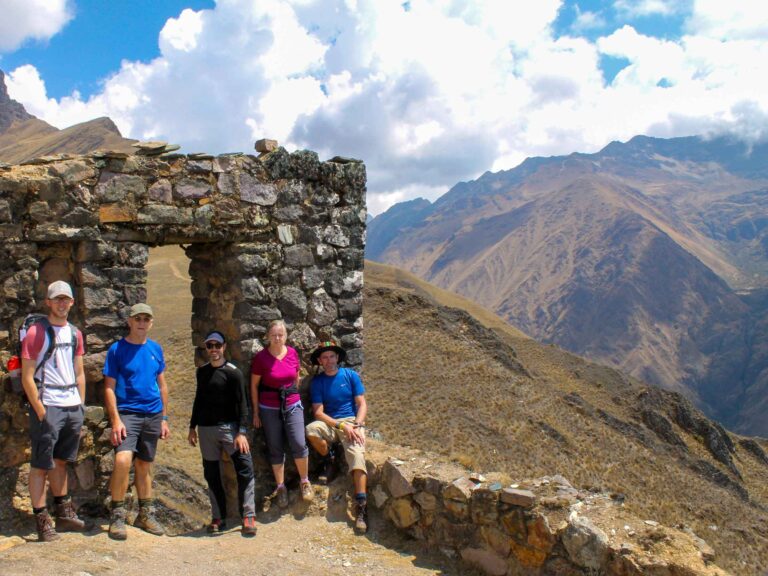
Although shorter, the trail is rich in cultural landmarks that reflect the legacy of the Inca civilization. From the ceremonial site of Chachabamba to the terraced ruins of Wiñay Wayna, each location tells a story of the Incas’ architectural prowess and cultural practices. These sites are often accompanied by breathtaking views, providing both a historical and aesthetic journey for those who walk the trail.
The Cultural Significance of the Inca Pilgrimage Routes
The Inca pilgrimage routes, including the Inca Trail, held profound cultural and spiritual significance. These paths were more than mere transit routes; they were sacred journeys that connected the physical and spiritual realms. Pilgrims embarked on these routes to honor deities, seek blessings, and participate in religious ceremonies.
A Spiritual Journey
For the Incas, the pilgrimage routes were spiritual journeys that symbolized personal and communal transformations. Pilgrims often traveled these routes to perform sacred rituals and ceremonies, believing the journey itself was a form of worship. The paths were designed to lead worshippers through landscapes that mirrored their spiritual ascent, culminating at sacred sites where they could commune with the divine.
Symbolism and Rituals
The routes were rich with symbolism, with each step representing a deeper connection to the cosmos. Rituals performed along the way included offerings to the earth mother, Pachamama, and the sun god, Inti. These rituals were believed to ensure the community’s fertility, prosperity, and protection. Pilgrims carried offerings such as coca leaves, chicha (corn beer), and textiles, which were left at sacred sites as tributes to the gods.
Modern-Day Reflections
Today, the Inca pilgrimage routes still resonate with spiritual seekers and travelers. Modern pilgrims often reflect on the historical and spiritual significance of the paths as they walk along them. The journey offers an opportunity for introspection and connection with nature, allowing travelers to experience a sense of peace and fulfillment. This enduring legacy of spiritual exploration continues to draw people from around the world to the Inca Trail.
Preparing for the Short Inca Trail
 Embarking on the Short Inca Trail requires preparation and planning. Here are some essential tips to ensure a smooth and enjoyable trek:
Securing Permits
Due to its popularity, the Inca Trail is regulated, and permits are required for entry. It’s essential to book your trek well in advance to secure your spot, as permits are limited and can sell out quickly. Working with a licensed tour operator can help streamline the process, ensuring you have all necessary documentation in place before your departure.
Building Physical Endurance
While the Short Inca Trail is less demanding than the full trek, it still requires a reasonable level of fitness. Engaging in regular cardiovascular exercises, such as walking, jogging, or cycling, can help build the stamina needed for the hike. Incorporating uphill climbs and interval training can also prepare your body for the varied terrain you’ll encounter on the trail.
Packing Smartly
Packing for the Short Inca Trail involves balancing essentials with the need to travel light. Sturdy hiking boots are a must for navigating rocky paths, while weather-appropriate clothing will keep you comfortable in changing conditions. Don’t forget a hat, sunscreen, insect repellent, and a refillable water bottle. A camera is also crucial to capture the stunning vistas and cultural landmarks along the way.
Acclimatization Strategies
Spending a few days in Cusco or the Sacred Valley to acclimate to the high altitude is highly recommended. This will help prevent altitude sickness, which can affect even the fittest travelers. Staying hydrated, eating light meals, and avoiding alcohol can also aid in acclimatization. By giving your body time to adjust, you’ll enhance your overall experience on the trail.
The Enchantment of Machu Picchu
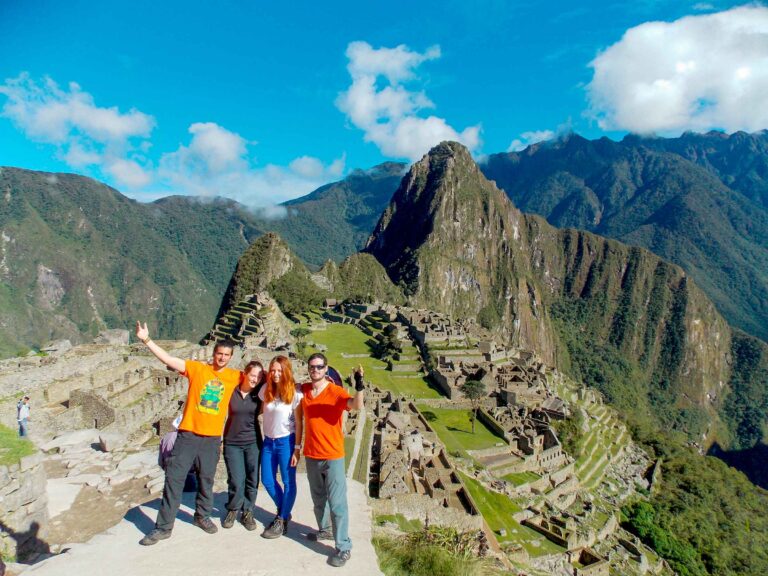
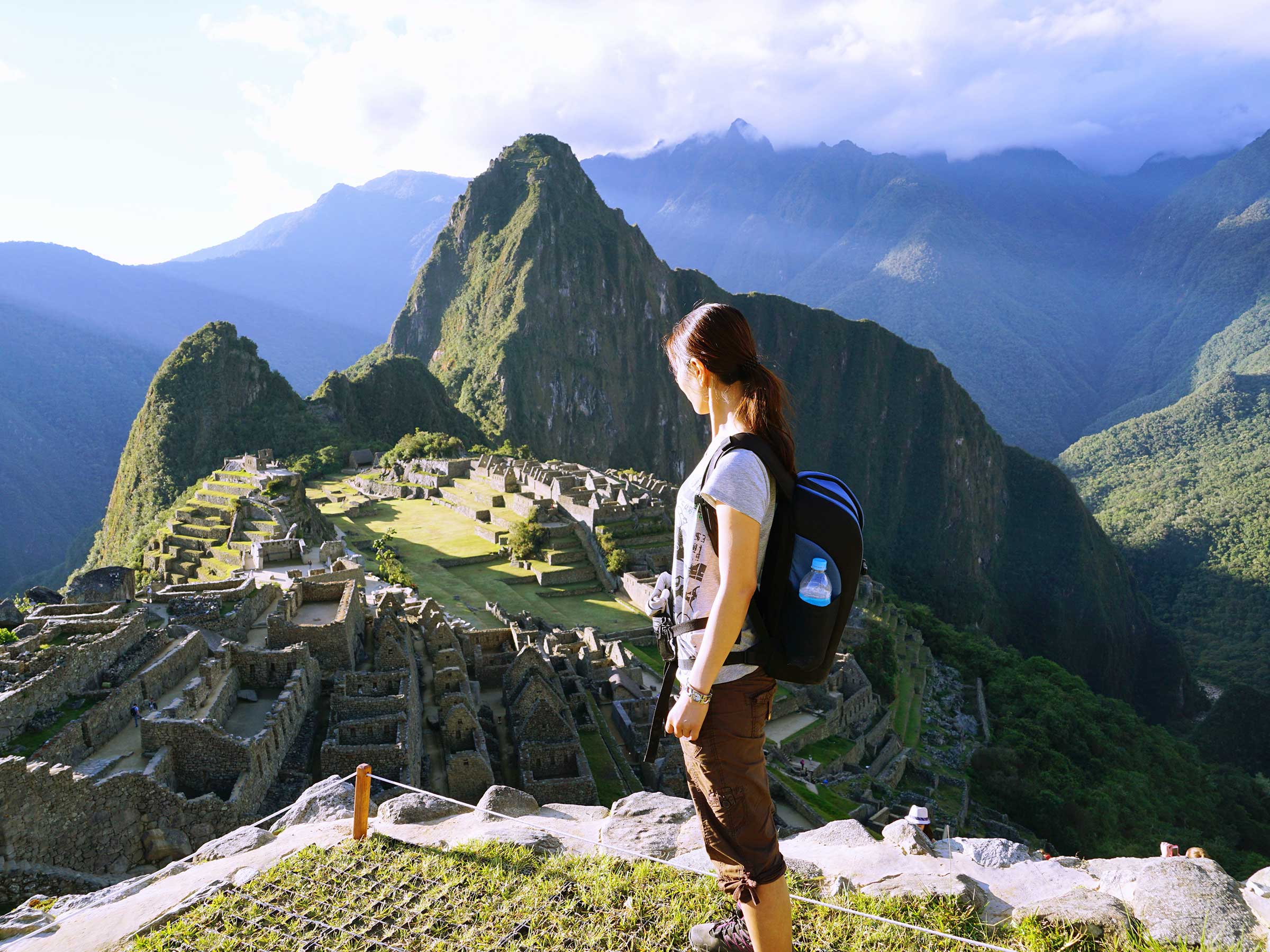
Reaching Machu Picchu is the ultimate reward for those who traverse the Short Inca Trail. This UNESCO World Heritage Site is a testament to the ingenuity and artistry of the Inca civilization. As you explore its intricate stone structures, terraces, and temples, you’ll be transported back in time, gaining a deeper appreciation for the achievements of the Incas.
Architectural Wonders
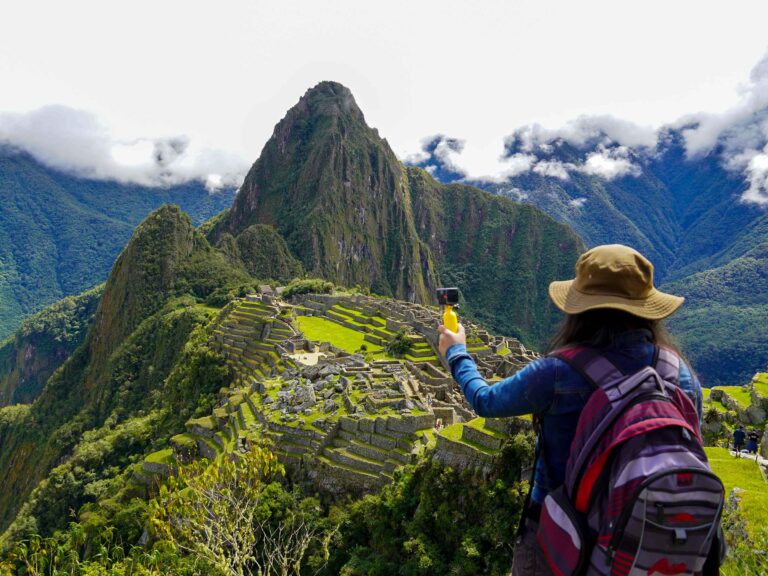
Machu Picchu’s architecture is a marvel of precision and creativity. The citadel is built with finely cut stones that fit together without mortar, showcasing the Incas’ mastery of stone construction. The site includes temples, residences, and agricultural terraces, each with a specific purpose and design. Exploring these structures provides insight into the Inca’s advanced understanding of urban planning and construction.
The Natural Setting
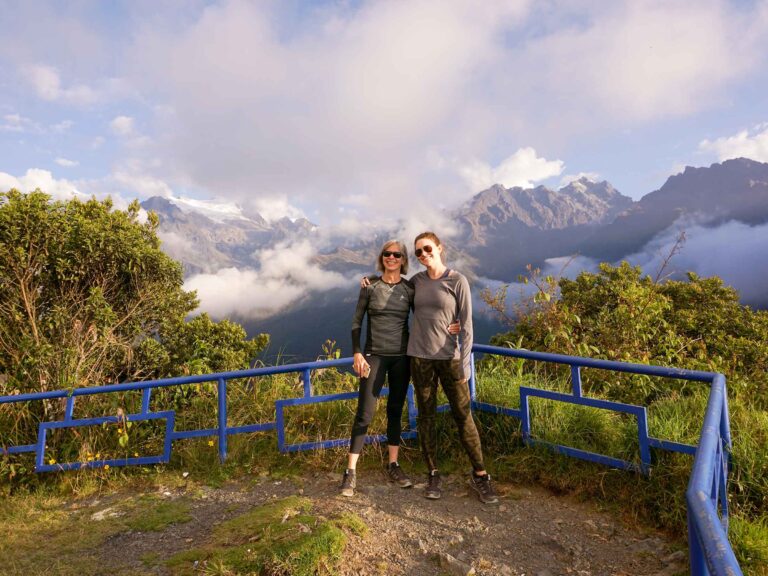
The natural setting of Machu Picchu adds to its enchantment. Nestled between towering mountains and surrounded by lush greenery, the site offers breathtaking views of the Andes. The location is not only visually stunning but also strategically chosen for its defensive advantages and spiritual alignments. The interplay between natural and man-made elements creates a sense of harmony and balance.
Sustainable Tourism
Preserving Machu Picchu for future generations is a shared responsibility. Sustainable tourism practices are essential to protect the site from environmental degradation and the impacts of mass tourism. Visitors are encouraged to follow guidelines that minimize their footprint, such as sticking to designated paths, carrying out all trash, and respecting cultural protocols. By doing so, travelers help conserve this iconic heritage site.
For the Short Inca Trail, what should I bring?
The excitement of finally booking the Short Inca Trail Trek is unparalleled, but planning the packing list isn’t much fun. However, this trek will be much easier if you know what to take and leave behind.
All companies include porter services, but you will still need to carry a small backpack for the essentials for the day’s route. Packing cleverly means not overpacking but knowing what you need for this hike.

Based on our experience as travelers and as a travel agency, we have prepared the best packing list so you can start making your own based on your preferences. Remember that the porter carries your extra bag, where you will store your clothes and other supplies; they will have the bags at each campsite and pick them up the following day.
With that being said, we are going to start our Short Inca Trail essential packing list with the most important things you should take with you at all costs:
- Regarding the passport, we regret to inform you that bringing a copy will prevent you from passing the initial inspection. You must show your passport and the Short Inca Trail Permit to enter the Short Inca Trail, and you will also need it to enter Machu Picchu.
Continuing with our essentials, this is the list of clothes that you must take for the walk:
- Rainponcho or waterproof jacket with hood. Whether you travel during the rainy or dry season, remember that you will be immersed in the cloud forest, and the weather here can be pretty drastic. Therefore, taking a waterproof jacket with you would be the most suitable option for this trek.
- Trekking t-shirts. Consider bringing at least three of them.
- A lightweight pair of hiking pants
- Lightweight shorts for the walk
- Light fleece jacket.
- Caps for cold mornings and nights, and hats for the sun in the afternoon
- Thermal layers for the nights. Remember that temperatures are lower during the dry winter in the Andes.
- Mountain socks.
- Waterproof mountain boots.
- Bring light shoes to relax your feet when you get to the camp.
When it comes to camping gear, most companies include everything. However, sleeping bags are not usually included in the package price; you can rent them at a store in Cusco or from the same company you are traveling with. Also, you may want to get a headlamp for nighttime walks.

Trekking poles can be helpful on this adventure; they help distribute your weight and can indeed prevent knee pain after the trek. We highly recommend carrying lightweight trekking poles; if they are retractable, they will be easier to store.
Are there showers and toilets on the route?
Yes, there are toilets and showers at each campsite. However, the bathrooms are a bit rudimentary, not to mention somewhat precarious, and the batteries are cold, although some camps offer hot water for an extra cost.
How do I prepare for the Short Inca Trail?
- The Short Inca Trail is not a challenging trek, but its steep ascents and descents make it feel difficult. The primary key to preparing for this hike is to acclimate your body before taking it on.
- Even if you are an experienced hiker, we advise you to spend 2-3 days in Cusco to get used to the altitude. In addition, this ancient path will take you to places higher than 4,200 meters above sea level.
- Exercising before coming to Peru would be best if you want to be in your best physical condition. Remember that your group will include many walkers with different fitness levels, so don’t see it as a competition and take your time to enjoy it.
How do you prevent altitude sickness?
Due to the high altitude, some travelers may experience dizziness, fatigue, headaches, and shortness of breath. These are the signs and symptoms of altitude sickness, also known as soroche.

This condition affects most travelers above 2,500 meters in altitude, regardless of whether they have lived at higher altitudes or at sea level. However, we are not here to scare you; we want to clarify things and make things easier.
- Drink a lot of water. Staying hydrated is key to avoiding illness.
- Avoid alcohol and tobacco at all costs. Alcohol is a dehydrator, and smoking can cause or worsen shortness of breath.
- Take it easy the first few days. If you’re traveling to high-altitude locations, avoid strenuous activities for the first 2 days.
- Drink coca tea or chew coca leaves. This medicinal plant is known for its healing properties and for helping acclimatization.
Some medications help relieve the symptoms of altitude sickness; Diamox or Soroche Pills can be found in almost any pharmacy in Peru. However, it is highly recommended that you consult a doctor before taking any of them.
What’s the duration needed to finish the Machu Picchu Short Inca Trail?
Walking this ancient route to the citadel can take up to four days. Along the way, you will pass through the most remote Inca settlements, which offer a glimpse of what life was like in Inca times.
How challenging is the Short Inca Trail?
As mentioned above, a high level of fitness or hiking experience is not required to complete it. However, achieving acclimatization a few days before starting this trip is vital to avoiding inconvenience.
Can you make the Short Inca Trail on your own?
Unfortunately, you cannot trek the Short Inca Trail alone, as the permits can only be purchased through a certified tour company. The minimum group size is two passengers, plus guides and possibly porters.
How far in advance do you have to book the Short Inca Trail?
The Peruvian government has limited daily entry to 500 people to reduce human impact on the trail. This includes hikers, porters, cooks, and guides. Therefore, if you dare to embark on this adventure, we recommend booking the excursion six months in advance.
It is worth mentioning that the Short Inca Trail permit is not transferable and is closed for maintenance during the rainy month of the year (February).
What is the best time to travel the Short Inca Trail?
This region experiences a dry winter and a rainy summer, typical of the Andean region of Peru. However, due to its location, little rainfall is expected even during the dry season.
- Rainy Season: It starts in December and ends around April. However, heavy downpours are expected between January and March. Temperatures range between 15°C and 5°C.
- Dry Season: Although it is substantially warmer during the day, this is considered the coldest year. However, temperatures are significantly more relaxed in the early morning and evening hours.
We want to mention that the cloud forest has a different climatic condition, and even though you are traveling during the dry season, you may experience occasional rain. Check out this guide and learn everything about the weather in Peru.
What is the difference between the Classic and Short Inca Trail 2 Days?
The Short Inca Trail lasts only two days and one night. It starts at Ollantaytambo railway road, kilometer 104, and goes through Chachabamba and Wiñay Wayna ancient sites. After reaching Intipunku (Sun Gate), where there is a breathtaking view of the Inca Citadel, the route descends to Aguas Calientes for a rest stop. Tomorrow is the day that we will visit Machu Picchu.
On the other hand, the Classic Inca Trail 4 Days travels through several archaeological sites and the most breathtaking natural settings over four days and three nights. Remember that this hike is challenging, with sections above 4,000 meters.
Nearly all visitors have the Inca Trail on their bucket list, as it is the most stunning trail in South America and has great historical significance. Take on the renowned walk and explore the mysteries of the Inca civilization. While you’re here, don’t forget to look at our Peru vacation packages!
Conclusion
The Short Inca Trail offers a unique opportunity to immerse yourself in the history, culture, and natural beauty of the Andes. As you walk in the footsteps of the ancient Incas, you’ll gain a profound understanding of their civilization and the enduring legacy they left behind. Whether you’re drawn by the allure of Machu Picchu or the spiritual significance of the pilgrimage routes, the Short Inca Trail promises an unforgettable journey through time and nature.