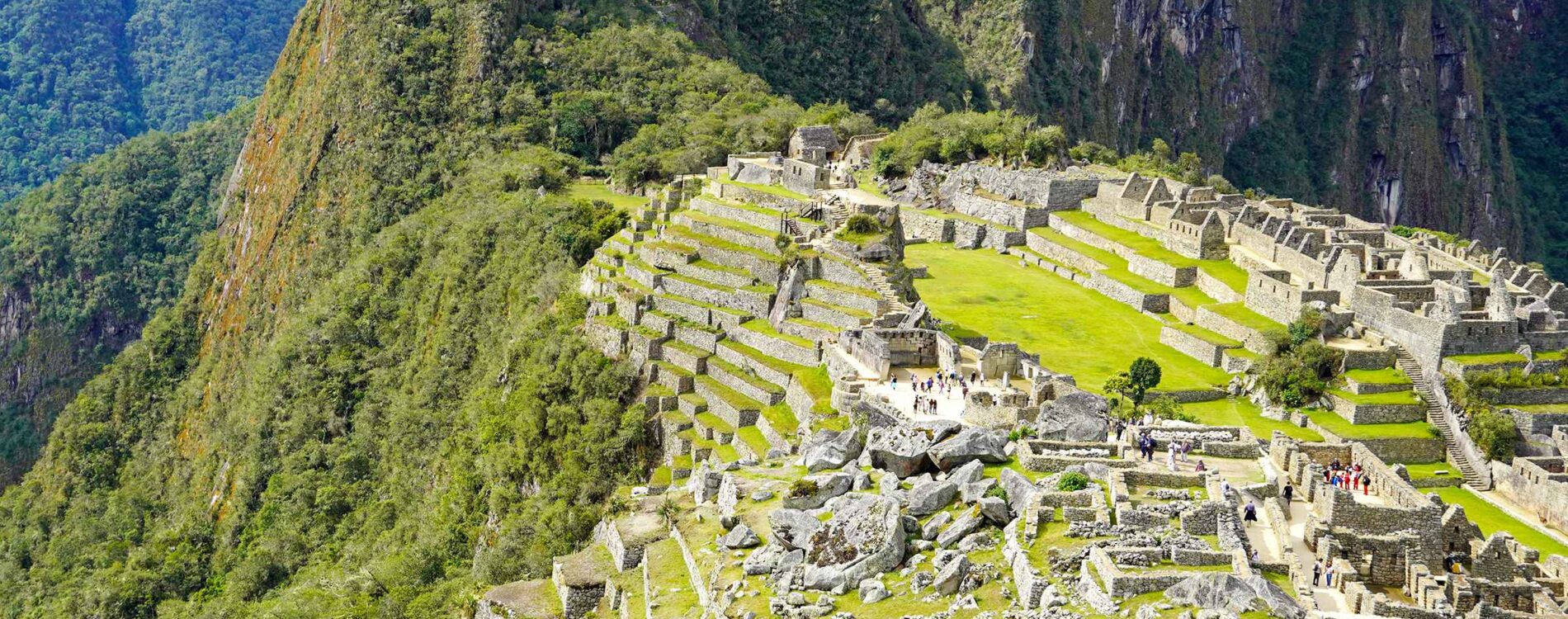
Machu Picchu stands as a marvel of ancient engineering. Its terraces are a testament to Inca ingenuity. These terraces are not just for show. They played a crucial role in the site’s sustainability.
The Inca civilization mastered the art of terrace engineering. This allowed them to thrive in the challenging Andean environment. The terraces at Machu Picchu are a prime example of this expertise.
Each terrace was carefully constructed. Layers of soil, sand, and gravel ensured proper drainage. This prevented erosion and maintained soil fertility.

machu picchu terrace engineering
The terraces also created microclimates. These microclimates were essential for diverse agricultural production. They allowed the Inca to grow a variety of crops at high altitudes.
Modern engineers study these terraces. They seek to learn from the Inca’s sustainable practices. The terraces offer insights into effective land use and water management.
Machu Picchu’s terraces are more than just agricultural tools. They are integral to the site’s architecture. They blend seamlessly with the natural landscape, reflecting a deep connection with nature.
The Inca’s terrace engineering is a legacy of innovation. It continues to inspire sustainable practices today. Their achievements in engineering and agriculture remain relevant and admired.
Machu Picchu was built in the 15th century. It was a retreat for Inca nobility. Its remote location made it a mysterious marvel.
The site’s discovery in 1911 by Hiram Bingham sparked global interest. The terraces, however, date back centuries. They reflect advanced engineering skills.
The Inca Empire spanned a vast region. This included diverse climates and topographies. Mastering terrace farming was crucial for them.
Terracing allowed the Incas to cultivate steep slopes. It was essential for supporting their large populations. This ingenuity was key to their success.
The terraces were part of a self-sustaining community. They ensured food production even in harsh conditions. Their design showcased the Inca’s resourcefulness.
Key aspects of the terraces include:
Understanding Machu Picchu’s history enhances appreciation of its terraces. These structures demonstrate the Inca’s sophisticated civilization. They are a testament to their legacy.

Terraces at Machu Picchu were not just architectural features. They were essential to sustain the population. The terraces improved agriculture and provided stability.
The steep Andean slopes posed significant challenges. Erosion was a constant threat. Without terraces, cultivating these slopes would have been impossible.
The terraces prevented soil erosion. They acted as a buffer, holding the soil together. This system protected the integrity of the mountainous terrain.
Water management was another crucial aspect. The Incas devised a sophisticated drainage system. This prevented landslides and retained moisture for crops.
Terraces also created optimal growing conditions. They effectively managed water runoff. Each terrace layer helped in water drainage and distribution.
Agricultural productivity was significantly increased. The terraces allowed the Incas to grow various crops. This diversity was crucial for food security.
Here are the primary reasons terraces were essential:
The terraces demonstrate how the Incas harnessed their landscape for survival. Their ingenuity in agriculture and engineering is a lasting legacy. These practices continue to inspire sustainable agricultural techniques today.
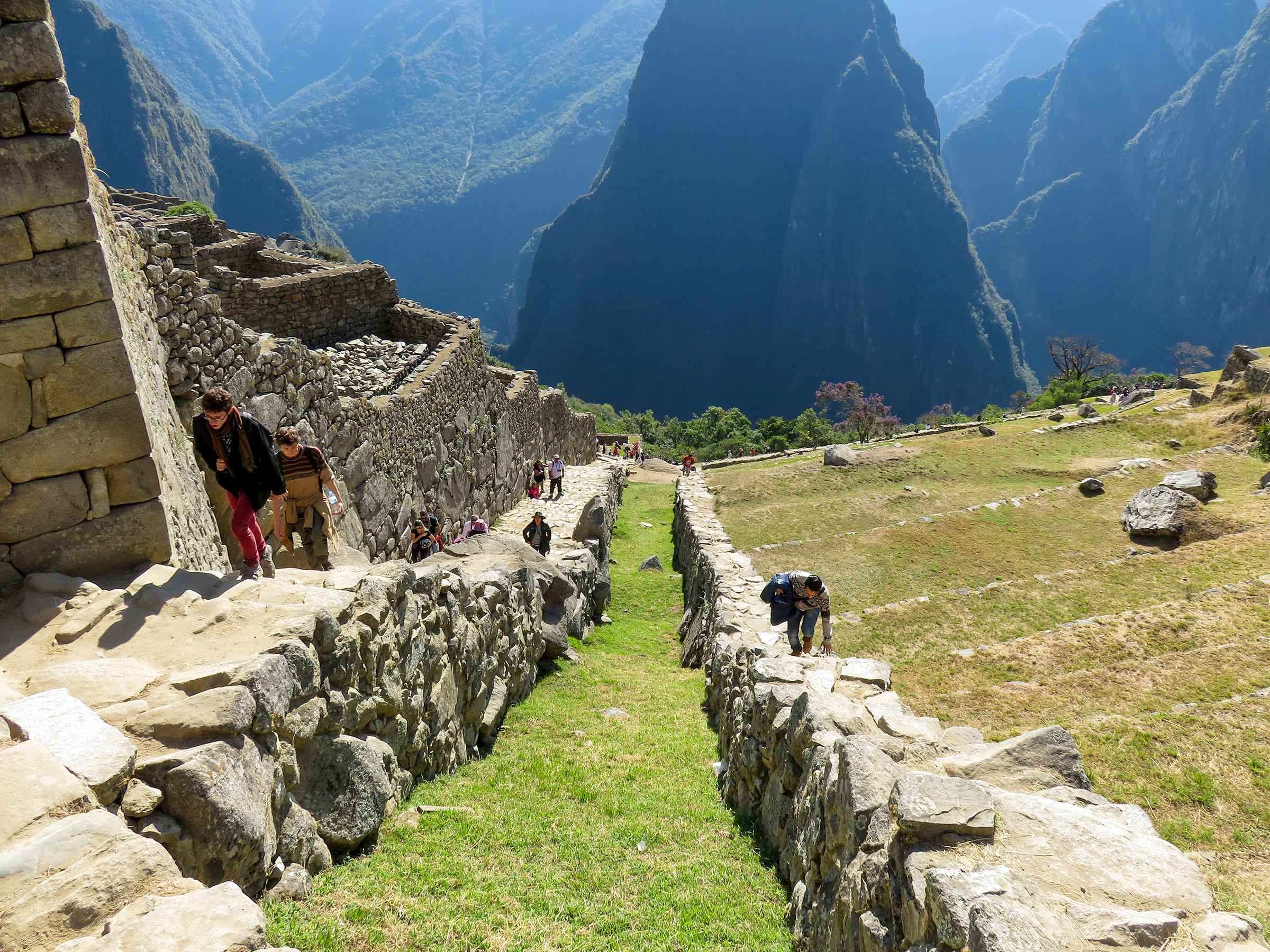
The design of terraces at Machu Picchu showcases advanced engineering. It highlights the Inca’s understanding of their environment. Their mastery allowed them to turn rugged terrain into arable land.
The Incas employed precise stone-cutting techniques. The stones were cut and fitted without mortar. This method ensured durability and stability over centuries.
Each terrace layer served a unique function. These layers included topsoil, sand, and gravel. They worked together for optimal drainage and soil fertility.
Stone foundations were critical for terraces. These solid bases prevented water logging. Water easily flowed through, minimizing erosion risks.
The Incas understood geology and hydrology deeply. They placed terraces strategically based on these insights. This understanding helped manage water flow and soil conditions.
Terrace walls inclined slightly inward. This design enhanced their strength. It also demonstrated an awareness of gravitational impacts and natural forces.
Key engineering principles included:
The innovative construction methods extended beyond functionality. They ensured that terraces blended with the natural landscape. This harmony between architecture and nature is a lasting testament to Inca ingenuity.
The terraces reflected the Incas’ holistic approach. They integrated agriculture, architecture, and the environment. Today, they inspire sustainable engineering and agricultural practices globally.
Understanding these principles provides a window into Inca civilization. It highlights their sophisticated approach to problem-solving. Modern engineers often study these techniques for insights into sustainable land use.
The Inca’s construction of the terraces at Machu Picchu reveals their deep ingenuity. They carefully selected local materials. This ensured the terraces were both strong and durable.
The primary material used was stone. Incas used granite from the surrounding mountains. Each stone was manually shaped and fitted into place.
Labor played a crucial role in this engineering feat. The construction required a large workforce. It involved skilled laborers and knowledge of the landscape.
Workers employed simple, yet effective tools. These included stone hammers and wooden wedges. Such tools were essential for carving and shaping granite blocks.
Inca engineers coordinated the entire process meticulously. They integrated natural slopes and existing terrain. This minimized the need for altering the landscape dramatically.

machu picchu archaeological tours 5 days
Key construction techniques included:
Their methods reveal a resourceful adaptation to the environment. Terraces were an innovative response to high-altitude agricultural challenges. This adaptation maximized the use of limited arable land.
Their skills in stone craftsmanship are evident today. Despite the passage of time, these terraces maintain their resilience. This enduring feature stands as a testimony to Inca engineering.
The construction process went beyond mere functionality. Each terrace was a blend of practicality and aesthetic appeal. This marriage of form and function continues to inspire contemporary engineers.
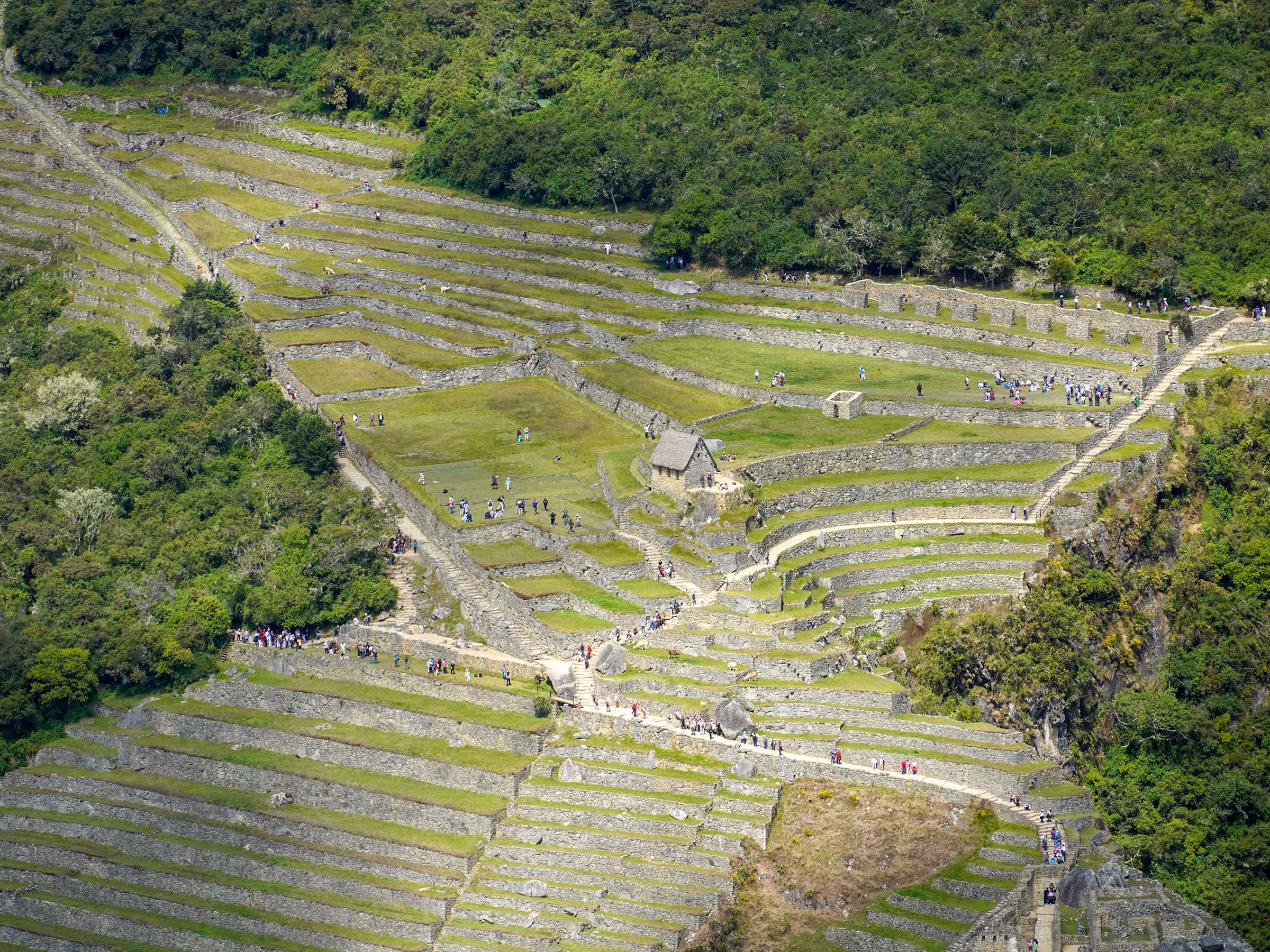
The engineering prowess of the Inca civilization truly shines in their terrace design. Machu Picchu’s terraces demonstrate remarkable attention to drainage and stability. This was crucial for preventing landslides in the steep Andean terrain.
Each terrace was constructed with a layered soil system. At the base, large stones provided stability. Above these, layers of gravel and sand allowed for effective drainage.
These drainage systems were designed to handle immense rainfall. The Andes, with its unpredictable climate, could easily have washed away less well-engineered terraces. The system ensured water was distributed evenly and efficiently.
Above the gravel, a layer of rich, fertile soil allowed crops to thrive. This topsoil layer was crucial for the agriculture that supported Machu Picchu’s inhabitants. It provided the nutrients necessary for diverse crop cultivation.
The slope stability of the terraces was reinforced by the precise stonework. The Inca meticulously crafted these stones to fit together without mortar, increasing their strength and durability. This careful construction prevented soil erosion and landslides.
Key features of the drainage and slope system include:
This well-thought-out system shows the Inca’s deep understanding of hydrology and geology. Their knowledge allowed them to adapt to the demands of high-altitude agriculture, ensuring sustainability and productivity.
The combination of solid engineering and natural resource understanding ensured the terraces’ longevity. Today, these terraces continue to inspire with their ecological design. Engineers and agriculturists learn from Inca methods for sustainable land use.
Machu Picchu’s terraces are more than historical artifacts. They embody ancient wisdom in environmental management, demonstrating a harmony between agriculture, engineering, and natural landscapes.

The terraces at Machu Picchu were marvels of agricultural engineering. The Inca created distinct microclimates across these terraces. These microclimates allowed for the cultivation of a variety of crops. Each level provided unique temperature and humidity conditions suited to different plants.
The precise positioning of terraces maximized exposure to sunlight. This was essential for optimizing growing conditions. As a result, the Inca could cultivate crops at various altitudes, depending on their specific needs.
The variation in altitude among the terraces also created diverse ecological niches. This diversity permitted the Inca to grow crops such as maize, potatoes, and quinoa. These crops were vital for sustaining the population of Machu Picchu.
Moreover, these microclimates enhanced food security. By cultivating multiple crops, the Inca reduced their reliance on a single food source. This diversity guarded against potential crop failures due to pests or weather changes.
Key agricultural practices include:
Terracing also addressed water scarcity by improving water retention. Water management was integral to maintaining these productive microclimates. The strategic layout ensured efficient irrigation, preventing waste and runoff.
Today, the understanding and application of microclimates at Machu Picchu remain relevant. Modern agriculture continues to learn from these practices to sustain productivity. The Inca’s methods in terrace engineering underline their innovative approach to environmental adaptation.
Machu Picchu’s terraces seamlessly blend with its breathtaking architecture. This integration showcases the Inca’s respect for the natural landscape. The terraces are not just functional; they complement the site’s aesthetic beauty.
The alignment of terraces with Machu Picchu’s structures reflects intentional design. The Inca incorporated natural features like rock formations and contours. This approach minimized environmental disturbance while maximizing utility.
Terraces followed the mountain’s natural slope, enhancing stability. This strategic placement reduced erosion risks and preserved the site’s integrity. The terraces’ tiered design also harmonized with the surrounding Andes’ peaks.
Key elements of integration include:
These architectural relationships extended beyond functionality. The Inca valued harmony between human creations and nature. Machu Picchu’s terraces exemplify this connection, merging purpose with beauty.
Today, the terraces remain a testament to thoughtful engineering. Their integration with architecture and the environment continues to inspire. They remind us of the importance of sustainable design in modern constructions.
Modern engineers find valuable insights from the ancient Inca terraces. These structures exemplify sustainable practices crucial for today’s challenges. Key lessons focus on environmental harmony and efficient resource use.
Terraces demonstrate the importance of adapting to natural conditions. By working with the landscape, the Inca created resilient agricultural systems. Engineers today recognize the value in designing with, not against, the environment.
Water management in the terraces also offers vital lessons. The Inca utilized drainage systems that maximized water retention and minimized flooding. This knowledge is applicable in modern water-scarce regions facing drought challenges.
In modern engineering, the terraces inspire sustainable agricultural models. Their multi-functional design supports both food production and environmental stability. These ancient methods can lead to innovative farming solutions worldwide.
Key takeaways for engineers include:
Studying these ancient techniques provides insights into climate resilience. The terraces show how ancient societies thrived in harsh conditions, lessons applicable to modern climate challenges.
These ancient practices instill a sense of responsible engineering. Integrating traditional wisdom with modern technology could revolutionize sustainable infrastructure. The Inca terraces continue to be a profound source of inspiration.
The terraces of Machu Picchu stand as a testament to Inca ingenuity. Their preservation is vital for cultural heritage and education. Efforts to maintain these structures ensure they endure for future generations.
Research on these terraces continues to uncover insights. Scholars study their construction and ecological impact. This research enriches our understanding of ancient Andean civilizations.
Preservation involves protecting the terraces from environmental and human threats. Balancing tourism and conservation is a delicate task. Successful preservation efforts require collaboration between experts and local communities.
The terraces inspire modern innovations in sustainable agriculture and architecture. They prove that ancient techniques hold valuable lessons for today. Their design principles continue to influence contemporary infrastructure projects.
Key areas of focus in the legacy of these terraces include:
Appreciation for these terraces goes beyond their functional use. They reflect a society in harmony with nature, inspiring awe and respect. The terraces of Machu Picchu remain a powerful symbol of enduring human achievement.
The terraces at Machu Picchu served many purposes, primarily agriculture. They allowed for food production in the Andean highlands by creating arable land in steep areas. Besides farming, they helped control water flow and prevent erosion.
Inca engineers used local materials, such as stone, sand, and gravel. They layered these carefully to ensure stability and drainage. This construction technique showcases their understanding of environmental engineering.
The steep slopes and heavy rains posed significant challenges. Engineers had to manage water properly and ensure slope stability. Their solutions remain a marvel of landscape engineering.
Modern engineers gain insights into sustainable practices from the Inca terraces. Lessons in effective water management and soil conservation are particularly valuable. These structures highlight the importance of harmonizing with the natural environment.
Here is a quick summary of frequent inquiries:
Exploring these frequently asked questions enhances our appreciation and understanding of these remarkable structures.
The engineering feats at Machu Picchu continue to inspire us today. The terraces reflect advanced understanding of environmental harmony and resource management. Engineers and architects worldwide find lessons in these ancient structures’ sustainability and resilience.
The Inca’s use of local materials and innovative techniques is particularly noteworthy. Their practices reduced environmental impact while ensuring long-lasting construction. This approach highlights the importance of working with, rather than against, nature.
Modern technologies can integrate these historical lessons for enhanced design. By studying Inca engineering, we can develop strategies to address current challenges like land degradation and climate change. These ancient innovations point toward sustainable solutions for future urban and agricultural planning.
Machu Picchu’s terraces are more than relics of a distant past. They are blueprints for building in balance with our surroundings. As we face growing environmental challenges, the wisdom embedded in these terraces is invaluable for guiding future generations.

Machu Picchu and Hiram Bingham’s Legacy: Rediscovery, Debate, and Historical Impact Machu Picchu, a marvel of Inca engineering,…
Machu Picchu Seismic Design: How Inca Engineering Defied Earthquakes Machu Picchu stands as a marvel of ancient engineering.…

Machu Picchu Quarry Sources: Where the Incas Obtained Their Building Stone Machu Picchu stands as a marvel of…

Machu Picchu Sacred Mountains Guide: Spiritual Meaning of the Andean Landscape Machu Picchu, the renowned 15th-century Incan citadel,…
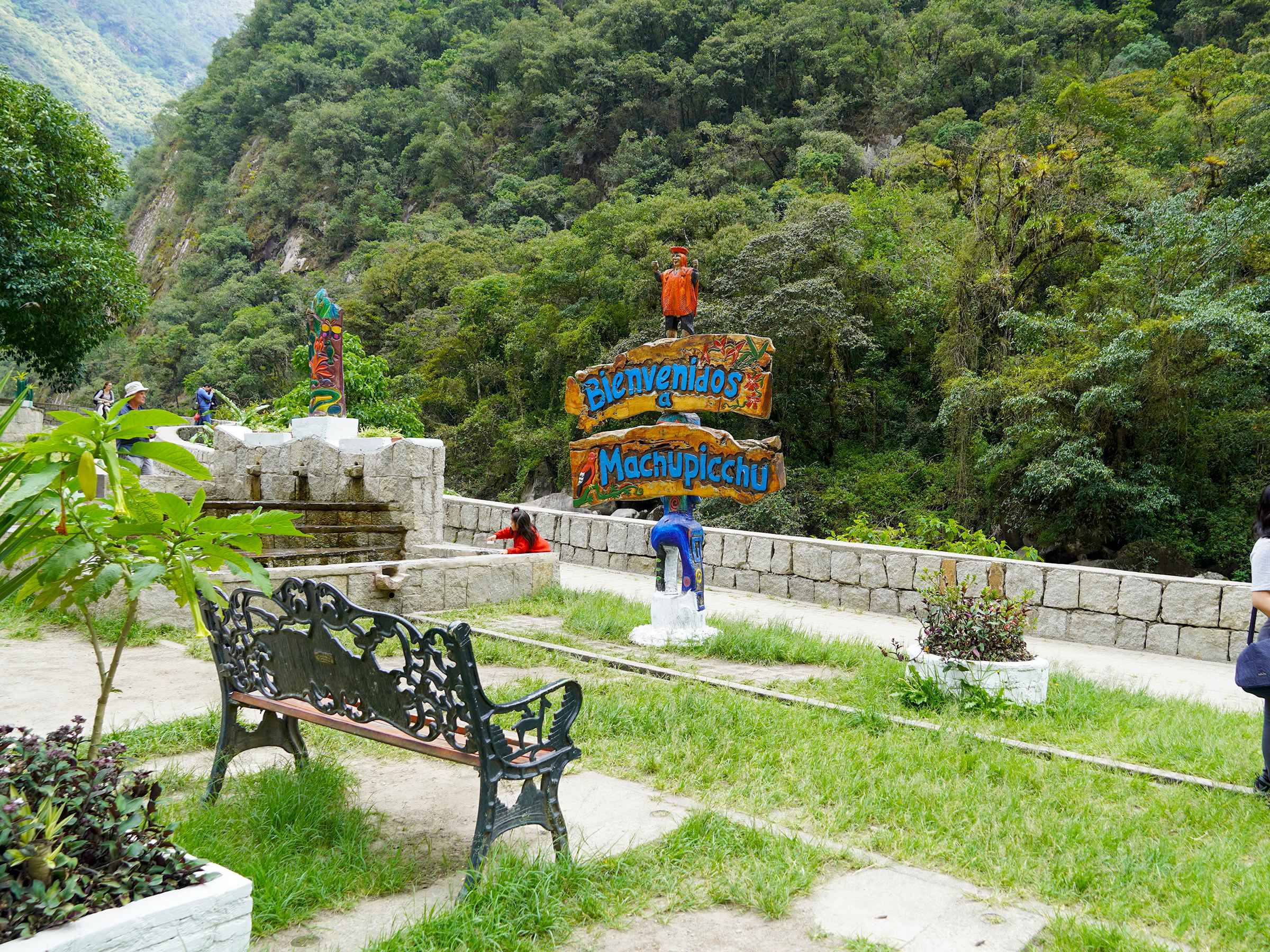
Aguas Calientes Town: The Charming Gateway to Machu Picchu Nestled in the heart of the Andes, Aguas Calientes…

Peru Altitude Guide Peru is a land of breathtaking landscapes and rich cultural heritage. Its diverse geography includes…

Machu Picchu Climb Machu Picchu is a dream destination for many travelers. Nestled high in the Andes, it…

Discover the Amazing Sacred Valley Cusco Nestled in the heart of the Andes, the Sacred Valley of Cusco…

Best time to go to Machu Picchu Machu Picchu is a dream destination for many travelers. Nestled in…

Cusco Altitude Cusco, a city nestled in the Andes, is renowned for its breathtaking altitude. At 11,152 feet…
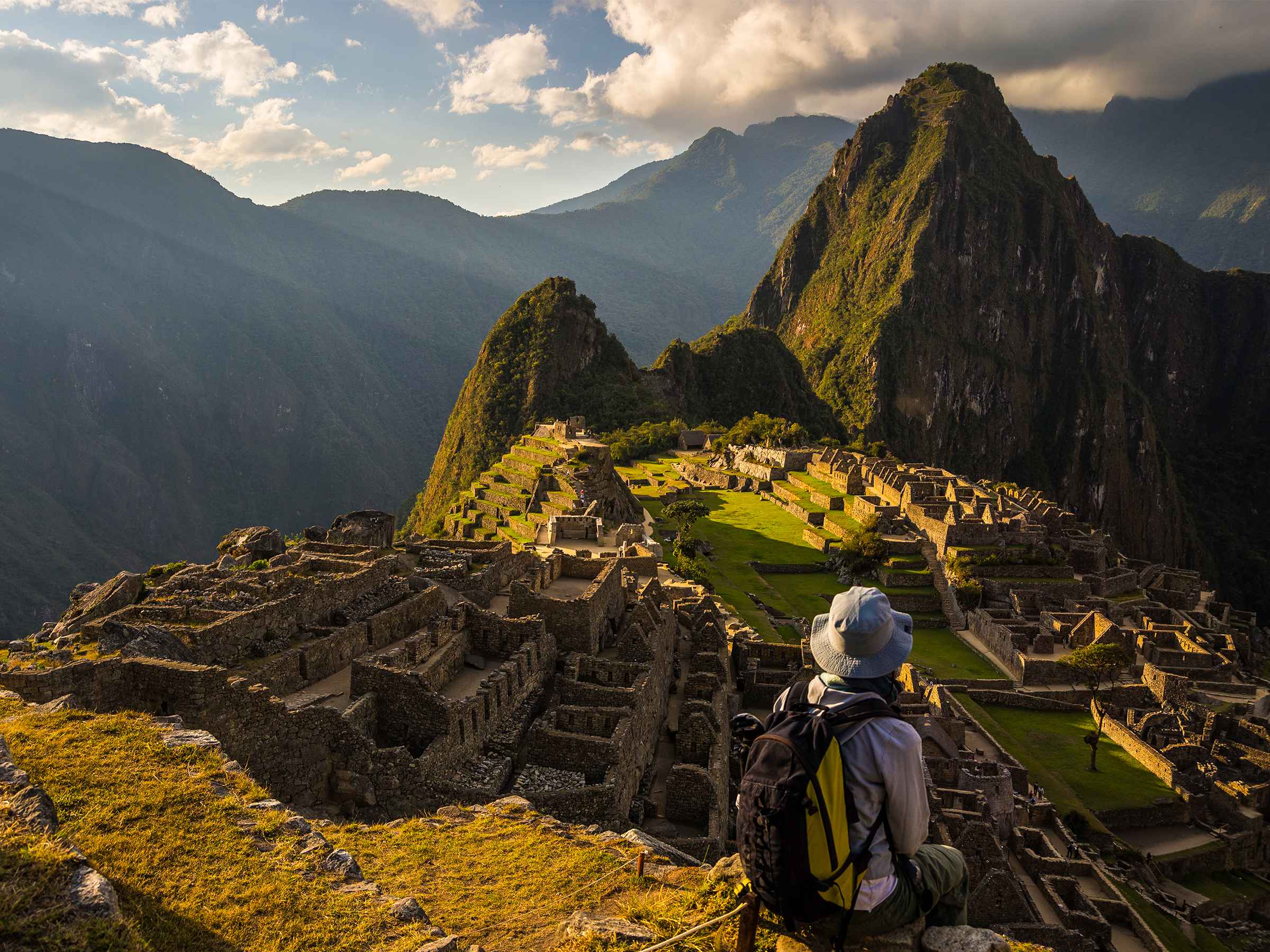
Where is Machu Machu Picchu is a name that sparks curiosity and wonder. Nestled high in the Andes…

River rafting stands out in Peru as a must-do for adventure seekers. What Makes Peru Stand Out for…