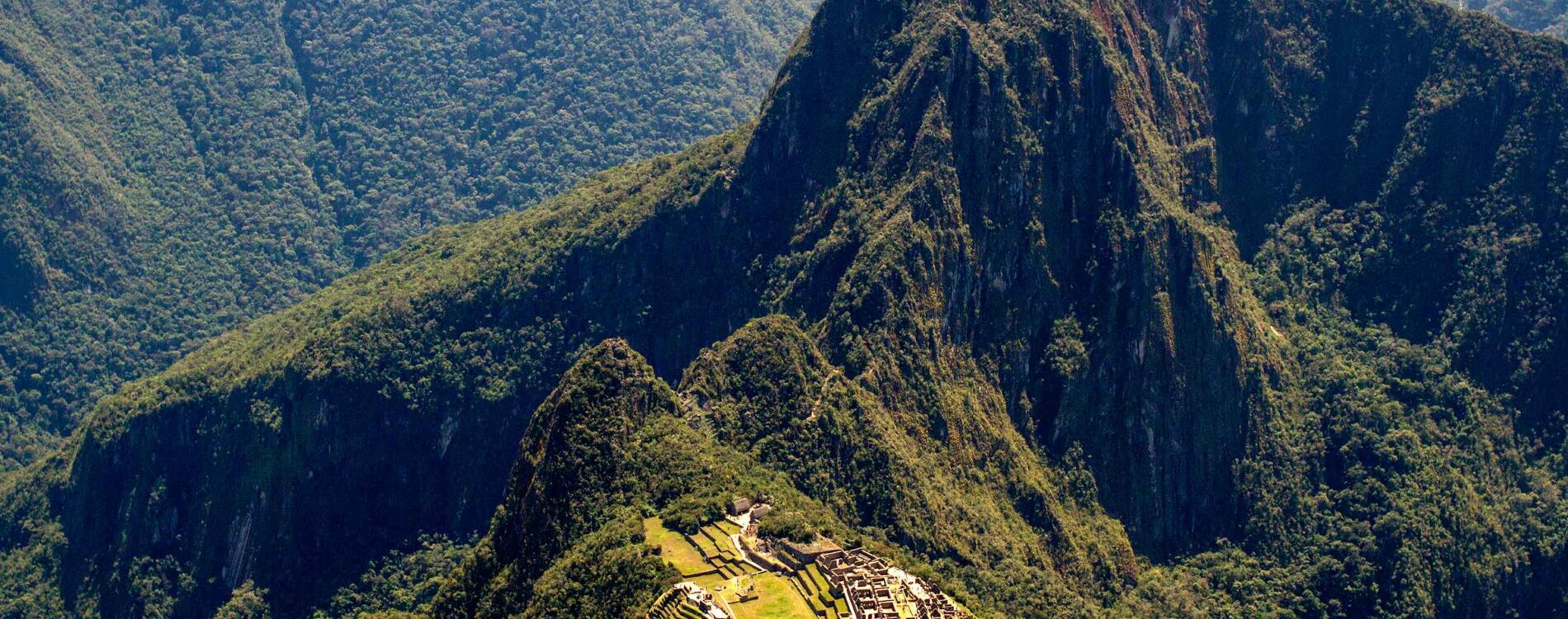
Machu Picchu, a marvel of Inca engineering, captivates millions with its mystery and beauty. Its rediscovery in 1911 by Hiram Bingham brought it global fame.
Bingham, an American explorer, is often credited with bringing this ancient site to the world’s attention. His journey was not a solo endeavor.
Local Indigenous guides played a crucial role in leading him to Machu Picchu. Their knowledge was instrumental in the expedition’s success.
Despite this, Bingham’s narrative often overshadowed their contributions. The story of Machu Picchu’s rediscovery is complex and multifaceted.
Bingham’s legacy is both celebrated and critiqued. His work sparked significant interest and debate in the field of archaeology.
The artifacts he collected led to disputes over ownership and ethics. These issues remain relevant today.
Reassessing Bingham’s legacy involves acknowledging Indigenous contributions and ethical considerations. This narrative highlights broader themes in archaeology and exploration.
Machu Picchu’s impact on Peru’s cultural heritage and tourism is profound. It remains a symbol of ancient ingenuity and modern intrigue.

Machu Picchu Hiram Bingham Legacy
Hiram Bingham, born in 1875, was an American explorer and academic. His fascination with history and exploration drove him to pursue studies at prestigious institutions such as Yale, Harvard, and the University of California, Berkeley.
Bingham’s academic pursuits laid the groundwork for his future explorations. His interest in South American history and Inca civilization was pivotal in his career.
He first ventured to South America in the early 1900s. These travels were part of a broader series of expeditions in the Andes, fueled by curiosity and ambition.
In 1911, Bingham’s expeditions were sponsored by Yale University and the National Geographic Society. These institutions provided the financial backing and legitimacy needed for his ventures.
Bingham’s personality and drive made him a polarizing figure. His determination to achieve fame in exploration was evident throughout his life.
However, his narrative was often centered on his achievements, sometimes neglecting the significance of local knowledge and guidance. This has led to ongoing debates over the fairness of his legacy.
In understanding Hiram Bingham, several key aspects of his life stand out:
Bingham’s impact on Machu Picchu and archaeology remains significant. His publications and lectures drew the world’s attention to the ancient site.
Despite controversies, his expeditions have made lasting contributions to our understanding of Inca civilization. It serves as a reminder of the multifaceted nature of historical narratives.

The 1911 expedition is central to the story of Machu Picchu’s rediscovery. Bingham, financed by prestigious institutions, embarked on this pivotal journey.
His team included historians, scientists, and local guides. This diverse mix was vital to navigating the Andean terrain and understanding local histories.
Local guide Melchor Arteaga played an indispensable role. He is often credited with leading Bingham to the ancient citadel. Without Arteaga, Bingham might have missed Machu Picchu entirely.
Bingham’s narrative portrayed Machu Picchu as “lost” until his discovery, a perspective that neglected prior local awareness. Many Indigenous communities already knew of Machu Picchu’s existence.
Upon reaching the site, Bingham was overwhelmed by its magnificence. The monumental stone structures nestled in the mountains captured his imagination. This marked the beginning of Machu Picchu’s global fame.
Despite its grandeur, Bingham initially misconceived the site as the “Lost City of the Incas.” Modern archaeology has since disputed this, suggesting Machu Picchu had different historical roles.
Bingham’s expeditions collected artifacts, which were later transported to Yale University. These artifacts sparked debates over their rightful ownership and repatriation.
The 1911 rediscovery narrative often highlighted Western exploration while minimizing Indigenous contributions. This skewed perspective influenced public perceptions for decades.
Key elements from the expedition include:
The media coverage, particularly from National Geographic, propelled Bingham to international stardom. Articles and photographs captivated audiences, cementing Machu Picchu in popular imagination.
Through publications and lectures, Bingham’s vision of Machu Picchu reached a global audience. These efforts played a significant role in sparking widespread interest in Inca history and archaeology.
Bingham’s narrative continues to be reassessed as historians and archaeologists seek to recognize and integrate Indigenous perspectives and local knowledge.


Indigenous knowledge and local guides were crucial to the Machu Picchu expedition. Their understanding of the land provided direction and insight that Bingham lacked.
These guides, like Melchor Arteaga, had intimate knowledge of the terrain. Their expertise in navigating the rugged Andean landscape was unmatched.
The notion that Machu Picchu was a “lost” city arises primarily from Western narratives. Yet, it was never truly lost to the local Indigenous people who lived nearby.
Arteaga and others like him knew the land well. They had their own stories and histories about the site long before Western explorers arrived.
Bingham relied heavily on his guides for logistical support and local context. Their contribution was fundamental to the expedition’s success.
The Indigenous people’s role extended beyond mere guidance. They provided cultural interpretations and historical context often overlooked by outsiders.
This local knowledge offered a richer, more nuanced understanding of Machu Picchu’s significance. It highlighted connections to regional history and Inca civilization.
A list of key contributions includes:
Despite their vital role, many local contributions were marginalized in official reports. Western publications emphasized Bingham as the sole hero of the rediscovery narrative.
Revisiting this dynamic is important for comprehensive historical accuracy. It acknowledges those whose voices were historically sidelined.
The legacy of Indigenous guides enriches the Machu Picchu narrative. Their role is critical in reassessing the story of the site’s rediscovery.
A deeper appreciation for Indigenous input fosters a fuller understanding of Machu Picchu. It encourages diverse perspectives and honors the intertwined nature of global and local histories.
Ultimately, recognizing Indigenous contributions paints a more balanced picture of Machu Picchu’s story. It recognizes the importance of local knowledge in archaeological discoveries.
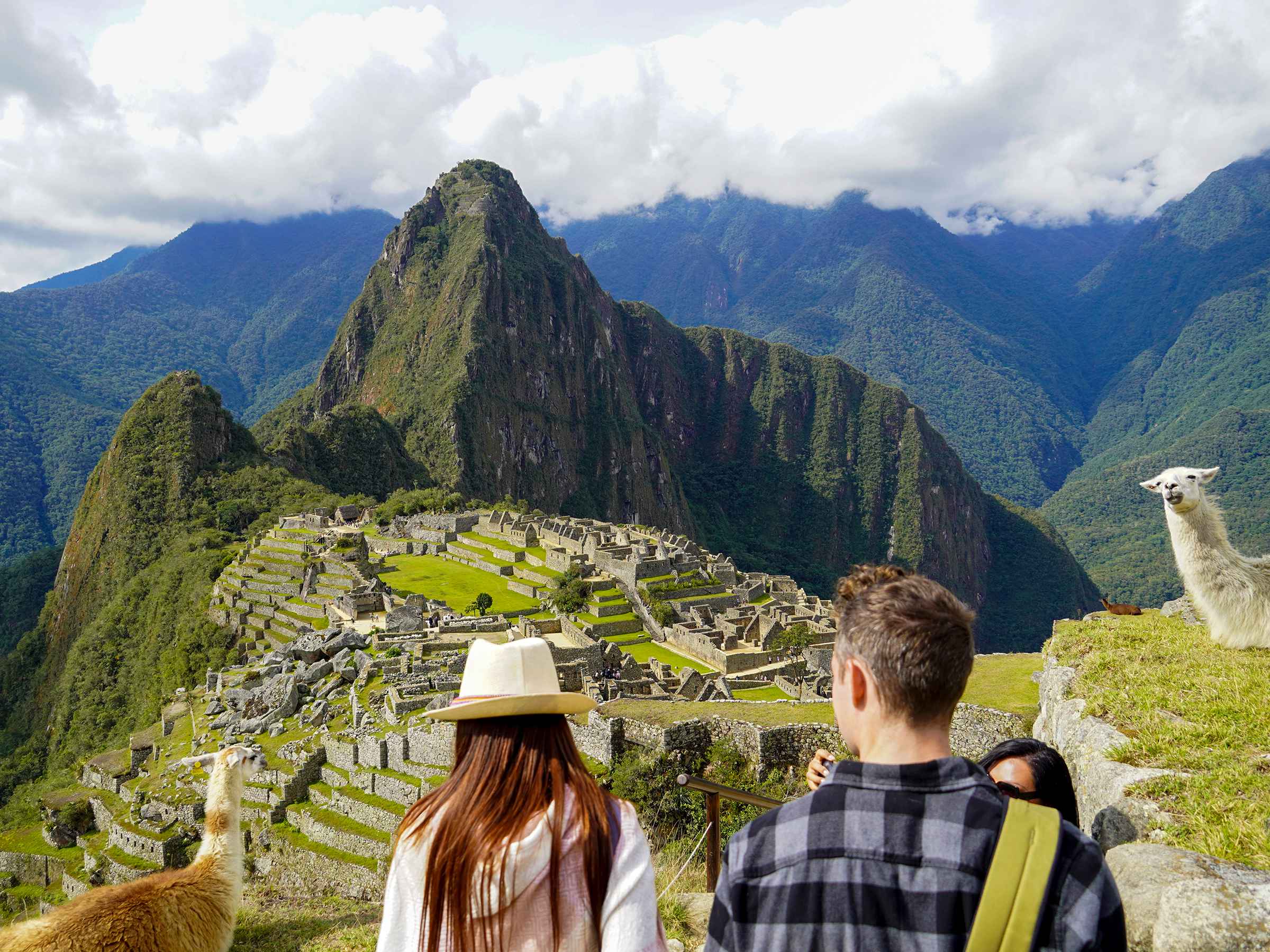
Hiram Bingham’s 1911 discovery of Machu Picchu propelled the site into the international spotlight. The allure of an ancient Inca city captured public imagination and academic interest.
The announcement of the “discovery” was followed by detailed reports. Articles in renowned publications such as National Geographic elevated Machu Picchu from obscurity to worldwide fame.
This newfound attention sparked considerable archaeological interest. Scholars and explorers rushed to study the architectural and cultural significance of the Inca ruins.
Machu Picchu became a focal point for understanding Inca civilization. Researchers analyzed its sophisticated masonry, terracing, and water management systems.
Bingham’s work, despite its controversies, contributed to the foundational understanding of the site. His documentation provided invaluable insights into its construction and possible uses.
This exposure also made Machu Picchu a symbol of Peruvian cultural heritage. It brought global attention not only to the site but to Peru’s rich history and diverse cultures.
However, this fame was a double-edged sword. The narrative often overshadowed Indigenous histories in favor of Western interpretations and achievements.
The media portrayed Bingham as a heroic discoverer. This oversimplified story overlooked the layers of existing knowledge held by local communities.
Key aspects of fame include:
This increased interest amplified debates on heritage and ownership. The fame led to ongoing discussions about ethical archaeological practices and cultural respect.
Today, Machu Picchu remains a site of academic study. Its enduring allure invites further exploration and reassessment of past understandings.
Acknowledging the broader context of its fame helps rectify one-dimensional narratives. It emphasizes the importance of inclusive archaeological dialogue that respects all contributors.
In Bingham’s time, the site’s fame was both a personal achievement and a global cultural milestone. Today, its legacy is a reminder to balance fame with ethical responsibility.
Machu Picchu’s story is more than a rediscovery; it is an evolving tapestry. Ongoing research and increasing awareness of local histories continue to enrich its narrative.

Christmas in Machu Picchu 5 Day
The discovery of Machu Picchu by Hiram Bingham was not without its controversies. Central to these issues were the artifacts excavated from the site.
Bingham took numerous artifacts back to Yale University for study. These included pottery, tools, and skeletal remains, which he argued needed detailed examination.
However, the removal of these items sparked a heated debate over rightful ownership. The Peruvian government later demanded their return, asserting they were national heritage.
The controversy highlighted broader ethical concerns about archaeological expeditions. It questioned who has the right to access and control cultural artifacts.
At the heart of these debates were questions about consent and collaboration. Did the local communities have a say in how their cultural heritage was treated?
These ethical dilemmas extend beyond physical artifacts. They encapsulate the challenges in balancing scholarly research with respect for cultural legacies.
Key issues regarding this controversy include:
Efforts have been made in recent years to address some of these concerns. In 2010, a significant number of artifacts were returned to Peru under an agreement.
This reconciliation, while important, underscored the need for clearer ethical frameworks. Discussions continue about the best practices for preserving and interpreting cultural sites.
Lessons from these controversies inform current archaeological methodologies. They stress the importance of collaboration and transparent dialogue with Indigenous communities.
Acknowledging the complexities of ownership and ethics is vital. It ensures that future explorations honor not only academic pursuits but also cultural sensitivities.
This ethical reassessment does not diminish the value of Bingham’s contributions. Instead, it encourages a more inclusive and responsible approach to cultural heritage.
The Machu Picchu case serves as a pivotal example. It reminds us of the intricate ties between discovery, stewardship, and respect for the past.
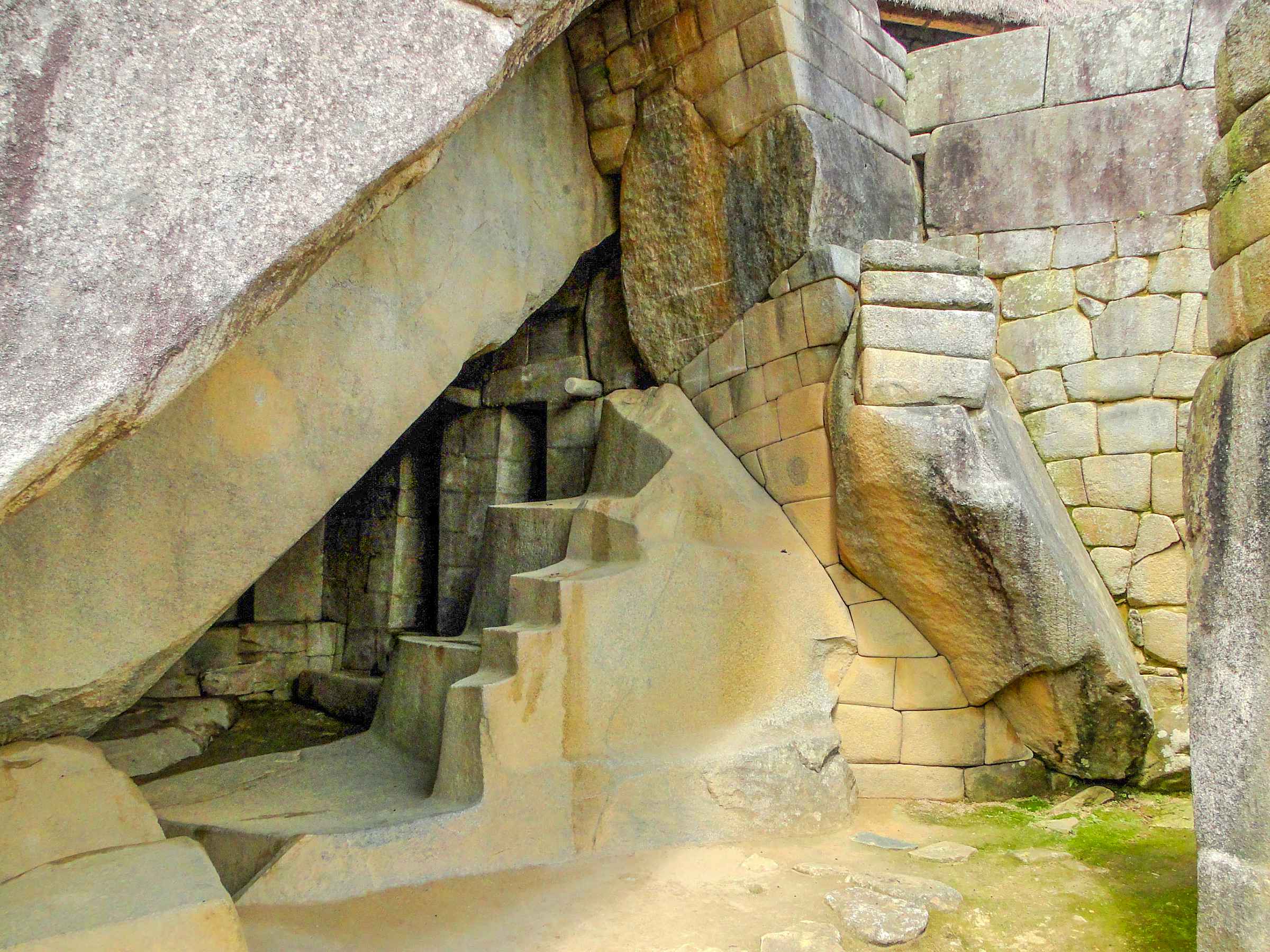
Hiram Bingham’s legacy is a tapestry woven with threads of adventure, controversy, and enlightenment. Today, his contributions to archaeology and exploration are reconsidered with greater nuance.
Bingham’s 1911 discovery of Machu Picchu was initially celebrated as a singular achievement. However, modern perspectives push us to examine this legacy with more complex lenses.
Critics argue that his initial narrative overshadowed Indigenous contributions. Bingham’s tale positioned him as the primary discoverer, often marginalizing local knowledge.
Modern reassessments of Bingham’s legacy involve acknowledging these local voices. Indigenous guides played a vital role in guiding Bingham to the ancient city.
Understanding this requires reframing the narrative around Machu Picchu’s rediscovery. It’s about recognizing collaborative efforts rather than individual triumphs.
The impact of his work on Peru is immense. His publications, especially through National Geographic, spurred global interest in the site.
Despite these achievements, modern historians critique Bingham’s methods and claims. Ethical considerations surround his artifact collection practices and original interpretations.
Key considerations when reassessing Bingham’s legacy include:
As exploration narratives evolve, reassessment fosters a more inclusive understanding. It invites dialogue about the complex interplay between discovery and cultural legacy.
Despite controversies, Bingham’s work brought Machu Picchu into the world’s consciousness. Today, it is a UNESCO World Heritage Site, drawing countless visitors each year.
Contemporary views encourage an appreciation of both historical and Indigenous narratives. Balancing these perspectives is essential in honoring the full breadth of Machu Picchu’s history.
Reassessing Bingham’s legacy today is not about diminishing his contributions. Instead, it aims to enrich our understanding by integrating multiple voices and stories.
In doing so, we craft a legacy that respects both past achievements and present insights. This broader understanding offers a more inclusive view of history and archaeology.
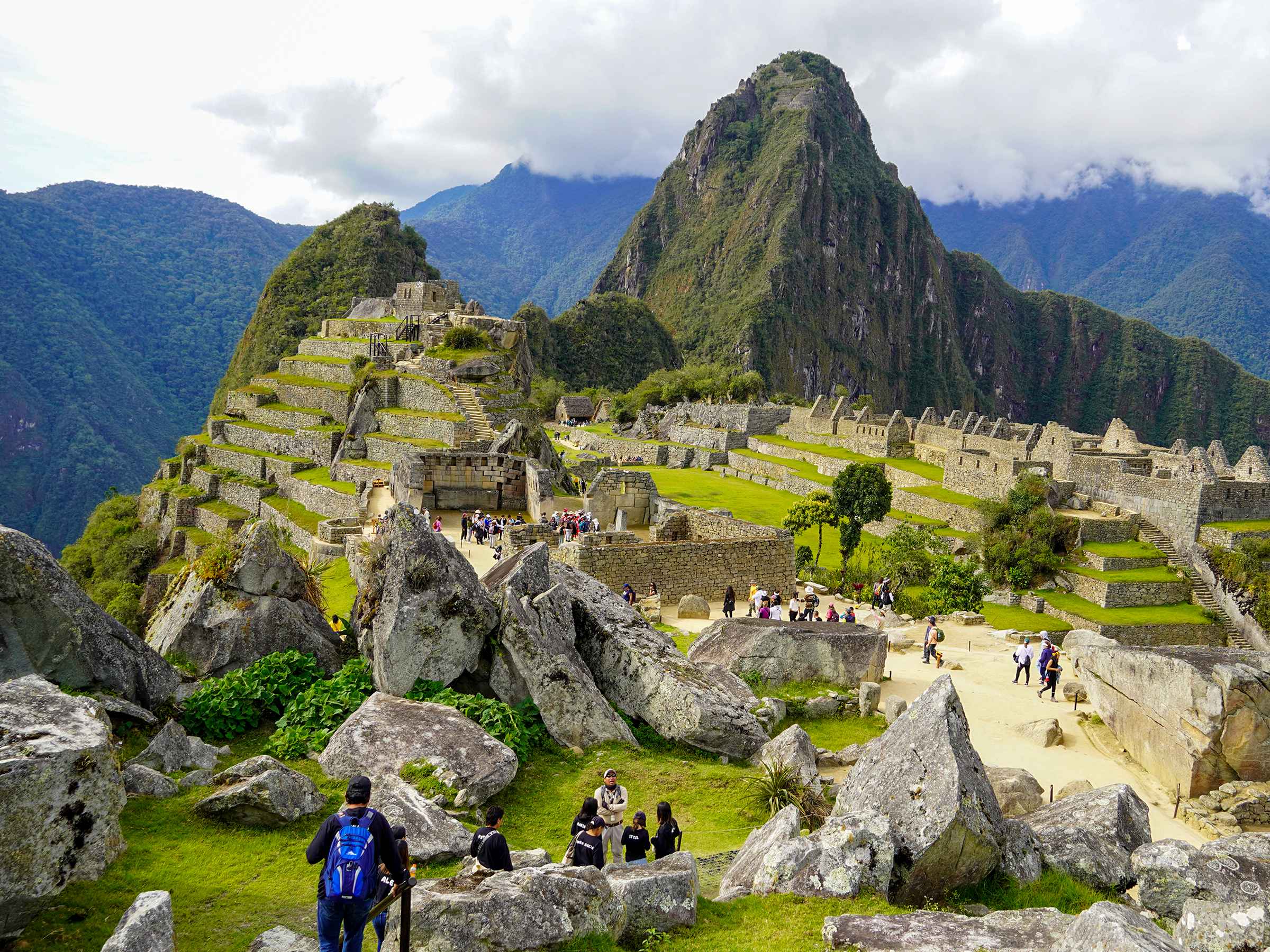
Machu Picchu’s allure transcends its stones and terraces. It’s a symbol of Inca ingenuity and resilience.
The site captivates millions and serves as a testament to ancient engineering. Its construction atop rugged terrain defies modern understanding.
As one of the New Seven Wonders, Machu Picchu draws global attention. Its natural and historic beauty continues to astonish visitors.
The impact extends beyond awe. Machu Picchu bolsters Peru’s economy through tourism, supporting local communities and preserving cultural heritage.
This site is central to both national pride and international interest. It showcases Peru’s rich history and invites people from all over the globe.
Machu Picchu also inspires conversations about conservation and sustainable tourism. Protecting its delicate ecosystems and cultural artifacts remains a priority.
To grasp its modern significance, consider:
The site is more than a tourist attraction. It represents historical depth, bridging past and present through its timeless majesty.
Machu Picchu’s modern significance reflects our desire to connect with history. It informs cultural understanding and fosters appreciation of heritage.
Today, Machu Picchu stands resilient. It invites us to explore its mysteries and treasure its legacy as a marvel of human achievement.
Efforts to protect and study Machu Picchu ensure its influence endures for future generations. It remains a vibrant link to a fascinating past.

Hiram Bingham’s journey to Machu Picchu is a tale of discovery and complexity. It reflects both the excitement of exploration and the need for nuanced historical narratives.
We learn from Bingham’s legacy the importance of acknowledging all contributors. Indigenous knowledge and local guides are crucial to the full story of Machu Picchu’s rediscovery.
Today, this legacy urges us to approach history with depth and respect for cultural heritage. Understanding involves examining differing perspectives and ethical considerations.
The lessons from Machu Picchu remind us to value diversity in knowledge contributions. It challenges us to think critically about exploration, discovery, and the narratives that shape our history.
Machu Picchu Seismic Design: How Inca Engineering Defied Earthquakes Machu Picchu stands as a marvel of ancient engineering.…

Machu Picchu Terrace Engineering: How the Incas Mastered Mountain Agriculture Machu Picchu stands as a marvel of ancient…

Machu Picchu Quarry Sources: Where the Incas Obtained Their Building Stone Machu Picchu stands as a marvel of…

Machu Picchu Sacred Mountains Guide: Spiritual Meaning of the Andean Landscape Machu Picchu, the renowned 15th-century Incan citadel,…
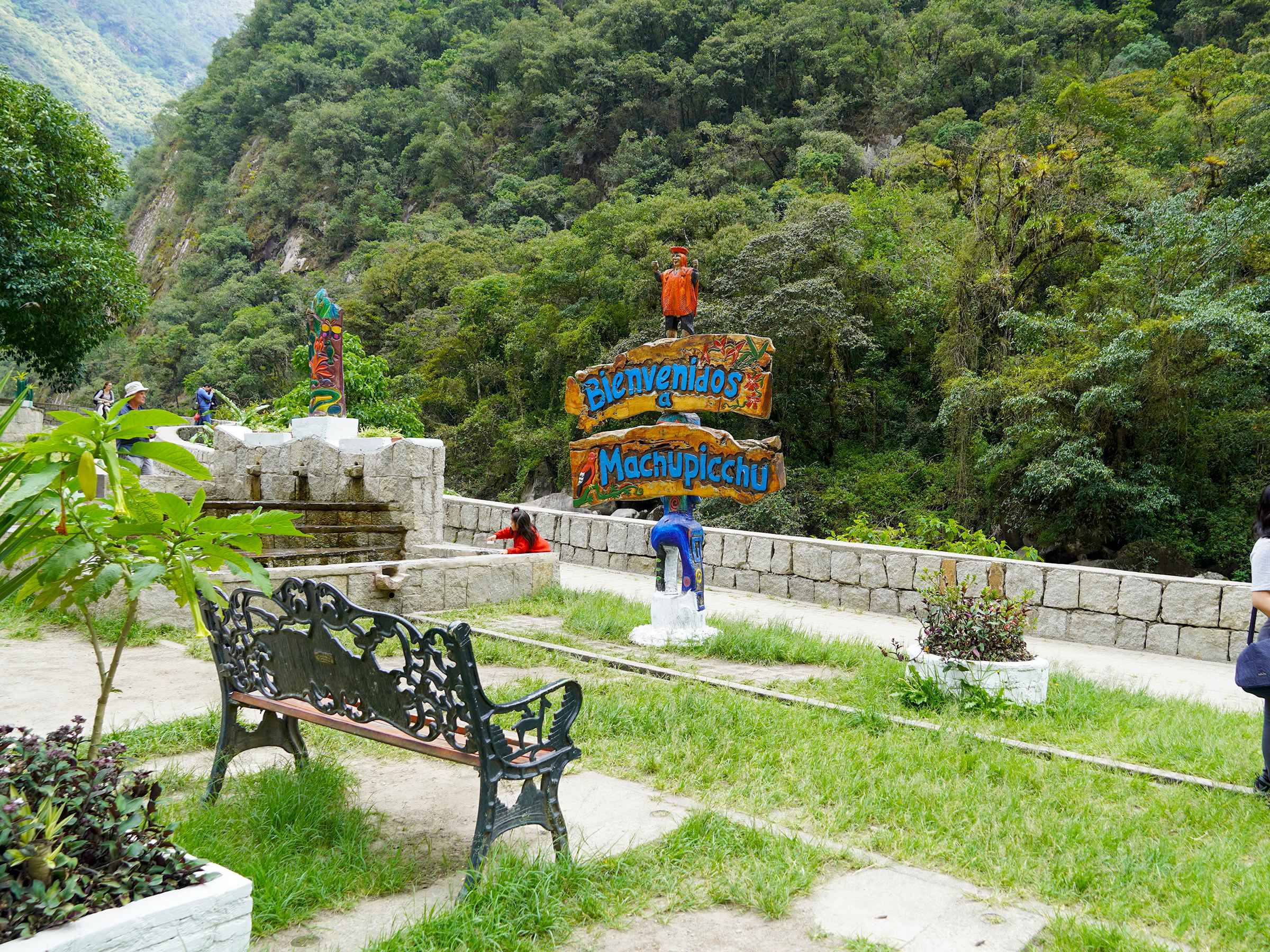
Aguas Calientes Town: The Charming Gateway to Machu Picchu Nestled in the heart of the Andes, Aguas Calientes…

Peru Altitude Guide Peru is a land of breathtaking landscapes and rich cultural heritage. Its diverse geography includes…

Machu Picchu Climb Machu Picchu is a dream destination for many travelers. Nestled high in the Andes, it…

Discover the Amazing Sacred Valley Cusco Nestled in the heart of the Andes, the Sacred Valley of Cusco…
Best time to go to Machu Picchu Machu Picchu is a dream destination for many travelers. Nestled in…

Cusco Altitude Cusco, a city nestled in the Andes, is renowned for its breathtaking altitude. At 11,152 feet…
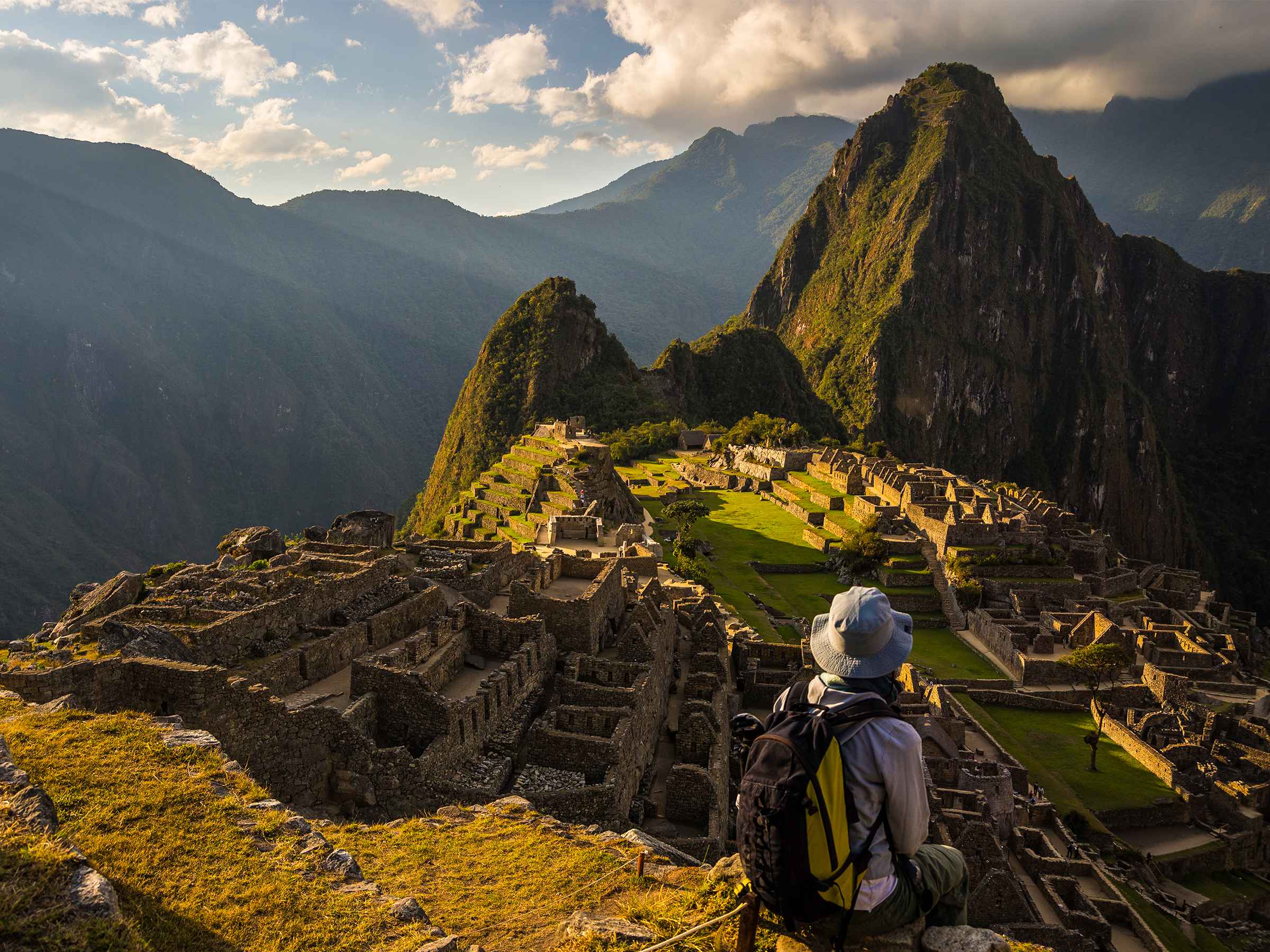
Where is Machu Machu Picchu is a name that sparks curiosity and wonder. Nestled high in the Andes…

River rafting stands out in Peru as a must-do for adventure seekers. What Makes Peru Stand Out for…