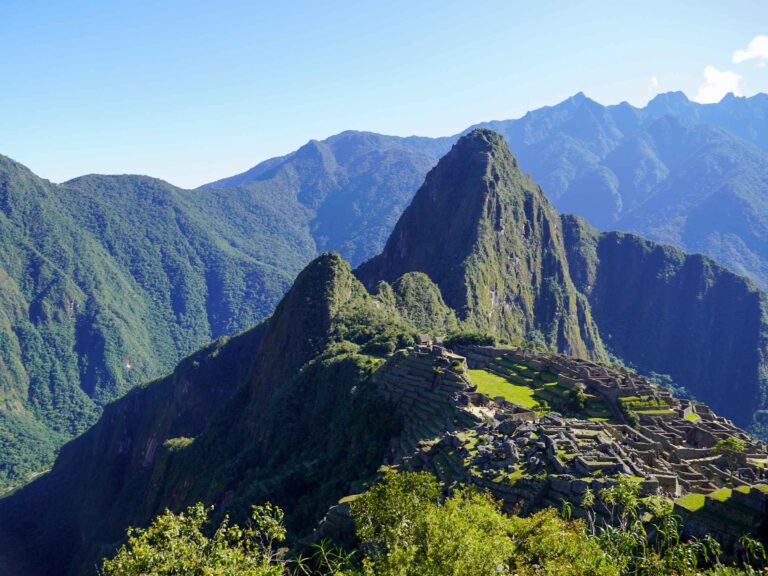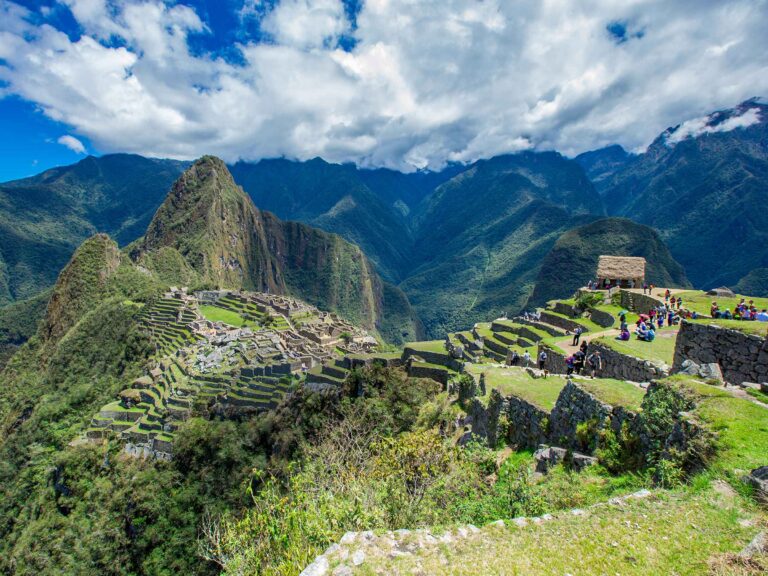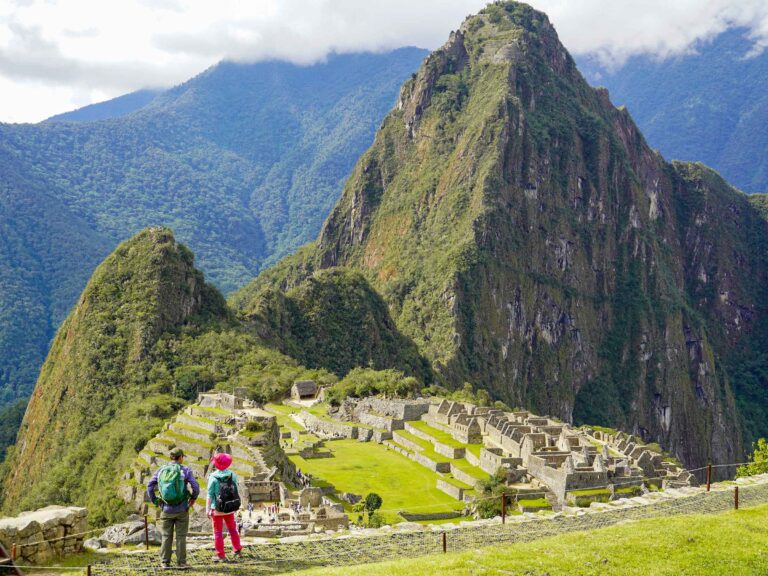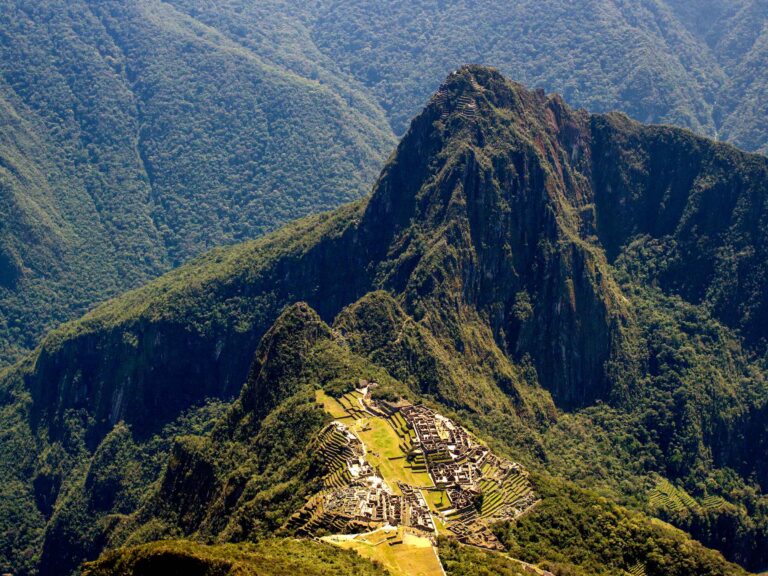

Ancient ruins located high in the Andes, majestic landscapes, and a rich tapestry of culture await you at Machu Picchu. This iconic destination, often dubbed the “Lost City of the Incas,” offers a magical journey that transcends a mere vacation — it’s a pilgrimage to one of the most breathtaking sites on Earth. Imagine exploring the intricately crafted stone structures, taking in panoramic views that stretch beyond the horizon, and immersing yourself in the vibrant history and traditions of the Inca civilization. In this ultimate guide, we will unveil the wonders of Machu Picchu, from the best times to visit and how to navigate the enchanting trails, to tips for experiencing the site’s awe-inspiring beauty to the fullest. Whether you’re a seasoned traveler or a first-time adventurer, prepare to embark on a transformative journey that will awaken your spirit and create unforgettable memories. Let’s dive into the adventure of a lifetime!
Timing is crucial when planning your visit to Machu Picchu. The Peruvian Andes, where this ancient marvel is located, has distinct wet and dry seasons that greatly influence the experience. The dry season, spanning from May to September, is widely considered the best time to visit. During these months, you can expect clear skies, mild temperatures, and perfect conditions for trekking. This period also coincides with the peak tourist season, meaning you’ll encounter more visitors, but the site’s unparalleled beauty under a brilliant blue sky makes it worthwhile.
If you prefer fewer crowds and are prepared to handle a bit of rain, the shoulder months of April and October offer a great alternative. These months often provide a balance of decent weather and lower tourist numbers. The lush vegetation and blooming flowers during these times can add a vibrant touch to your photographs. Keep in mind that the weather can be unpredictable, so packing for a range of conditions is essential.
The wet season, from November to March, sees the fewest visitors due to frequent rainfall and muddy trails. However, if you’re an adventurous soul willing to brave the elements, you might find the mist and solitude enchanting. The Inca Trail is often closed in February for maintenance, so alternative routes like the Salkantay or Lares Trek might be your best bet if you decide to visit during these months. Ultimately, the best time to visit depends on your preferences for weather and crowd levels.
Reaching Machu Picchu is an adventure in itself, with various transportation options to suit different preferences and budgets. The most popular gateway to Machu Picchu is the charming city of Cusco, which is well-connected by air and bus from major Peruvian cities like Lima. From Cusco, you can embark on a scenic train journey or take a challenging yet rewarding trek.
For those who prefer a more leisurely route, the train ride from Cusco to Aguas Calientes (the town at the base of Machu Picchu) is an experience not to be missed. Companies like PeruRail and IncaRail offer comfortable, scenic rides through the Sacred Valley, offering stunning views of the Andean landscape. The journey typically takes about 3.5 hours and provides a range of classes of service, from budget-friendly options to luxurious experiences.
Alternatively, adventurous travelers might opt for the classic Inca Trail or one of the many alternative treks, such as the Salkantay, Lares, or Inca Jungle Trek. These routes vary in length and difficulty, but all promise breathtaking scenery and a deep sense of accomplishment upon arrival. Remember that permits for the Inca Trail are limited and sell out quickly, so advanced booking is essential. Regardless of how you choose to get there, the journey to Machu Picchu is bound to be as memorable as the destination itself.
Machu Picchu is a site brimming with historical and architectural marvels, so planning your itinerary ensures you don’t miss any highlights. Start your exploration with the iconic Sun Gate (Inti Punku), which offers your first breathtaking view of the entire citadel. This is the traditional endpoint of the Inca Trail and provides a stunning vantage point, especially at sunrise when the first rays illuminate the ruins.
Next, make your way to the Temple of the Sun, a remarkable structure believed to have been used for astronomical and ceremonial purposes. The temple’s precise stonework and its alignment with the solstice sun are testaments to the Incas’ advanced understanding of astronomy. Nearby, you’ll find the Royal Tomb, an intricately carved cave that houses the remains of Inca royalty.
Don’t miss the opportunity to climb Huayna Picchu or Machu Picchu Mountain for panoramic views of the site and surrounding valleys. These hikes require separate tickets and are limited to a certain number of visitors each day, so plan and book ahead. Other must-see spots include the Intihuatana Stone, the Principal Temple, and the Sacred Plaza. Each of these sites offers a glimpse into the sophisticated and spiritual world of the Inca civilization.
Trekking to Machu Picchu is a bucket-list experience that offers a deep connection to the region’s landscape and history. The classic Inca Trail is the most famous route, known for its stunning scenery, challenging terrain, and the sense of accomplishment upon reaching the Sun Gate. This 4-day trek covers about 26 miles and passes through diverse ecosystems, from cloud forests to alpine tundra. Due to its popularity, permits are limited and sell out quickly, so booking several months in advance is recommended.
For those seeking a less crowded, equally rewarding experience, several alternative routes offer unique perspectives on the Andes. The Salkantay Trek is a popular choice, known for its dramatic mountain scenery and the chance to pass through remote Andean villages. This trek can be completed in 4 to 6 days and offers a more flexible, less regulated experience than the Inca Trail.
Another excellent option is the Lares Trek, which immerses you in the traditional culture of the Peruvian highlands. This route passes through small villages where you can interact with local Quechua people and learn about their way of life. The Inca Jungle Trek offers a mix of hiking, biking, and even zip-lining, making it an excellent choice for adventure enthusiasts. Each route has its own unique charm and challenges, so choose the one that best aligns with your interests and fitness level.
Packing wisely is crucial for a successful and comfortable trip to Machu Picchu. The Andean weather can be unpredictable, so preparing for various conditions is essential. Start with a good-quality backpack that is comfortable and large enough to carry all your essentials. A daypack is also useful for holding items you’ll need during daily excursions.
Layered clothing is key to staying comfortable as temperatures change. Include moisture-wicking base layers, insulating mid-layers, and a waterproof outer shell. A good pair of hiking boots with ankle support is a must, as the terrain can be uneven and challenging. Don’t forget to pack several pairs of moisture-wicking socks to keep your feet dry and blister-free.
Other essential items include a hat, sunglasses, sunscreen, and insect repellent. A reusable water bottle and water purification tablets or a filter will help you stay hydrated and safe. Trekking poles can provide additional support on steep or uneven trails. Lastly, remember to bring your camera or smartphone to capture the stunning landscapes and unforgettable moments of your adventure.
To make the most of your visit to Machu Picchu, a few tips can enhance your experience. First and foremost, consider hiring a knowledgeable guide. While you can explore the site independently, a guide can provide valuable insights into the history, architecture, and culture of the Inca civilization, enriching your understanding and appreciation of the site.
Arriving early is another way to ensure a memorable visit. The site opens at 6 AM, and arriving early lets you experience the tranquility and beauty of Machu Picchu before the crowds arrive. Watching the sunrise over the ruins is a magical experience not to be missed. If you’re not a morning person, consider visiting in the late afternoon when many day-trippers have left, and the site is quieter.
Respect the site’s rules and regulations to preserve its integrity for future generations. Stay on designated paths, do not climb on the ruins, and carry out all trash. Taking the time to sit quietly and absorb the atmosphere of Machu Picchu can be a profound experience. Allow yourself to be present in the moment and appreciate the incredible achievement of the Inca people.
Immersing yourself in the local culture and cuisine is an integral part of the Machu Picchu experience. The region around Machu Picchu is home to the Quechua people, descendants of the Incas, who have preserved many aspects of their traditional way of life. Engaging with the local communities can provide a deeper understanding of their customs, beliefs, and daily activities.
Cusco and the Sacred Valley are great places to experience traditional Andean culture. Markets like the one in Pisac offer a wealth of handcrafted goods, textiles, and local produce. These markets are excellent places to purchase souvenirs and support local artisans. Participating in traditional ceremonies, such as those led by local shamans, can offer unique insight into the region’s spiritual practices.
Peruvian cuisine is diverse and flavorful, influenced by indigenous, Spanish, African, and Asian cultures. In Cusco and Aguas Calientes, you’ll find a variety of restaurants serving traditional dishes such as ceviche, lomo saltado (stir-fried beef), and alpaca steak. Don’t miss trying cuy (guinea pig), a conventional Andean delicacy. Quinoa and potatoes, which originate from the Andes, are staples in many dishes. Exploring the local cuisine is a delicious way to connect with the region’s culture and history.
Safety is a paramount concern when traveling to Machu Picchu. Being well-prepared and aware of potential risks can help ensure a smooth and enjoyable trip. Altitude sickness is a common issue for travelers arriving in Cusco, which sits at over 11,000 feet above sea level. Symptoms can include headaches, nausea, and shortness of breath. To acclimate, spend a few days in Cusco before heading to Machu Picchu, stay hydrated, and avoid alcohol.
When trekking or exploring the site, pay attention to your surroundings and follow safety guidelines. The terrain can be steep and uneven, so sturdy footwear with good grip is essential. Be cautious near edges and cliffs, and use trekking poles for added stability. If you’re hiking Huayna Picchu or Machu Picchu Mountain, be prepared for narrow and sometimes slippery paths.
Lastly, protect your belongings by keeping valuables secure and being vigilant in crowded areas. Petty theft can occur in tourist hotspots, so use a money belt or a secure bag to keep your passport, money, and other important items safe. Travel insurance is highly recommended to cover any unexpected medical or travel issues. By taking these precautions, you can focus on enjoying the incredible experience of visiting Machu Picchu.
A trip to Machu Picchu is more than just a vacation; it’s a journey into the heart of one of the world’s most fascinating civilizations. By carefully planning your visit, choosing the best time to go, and preparing for the adventure, you can ensure a rewarding and unforgettable experience. Whether you’re trekking the Inca Trail, exploring the ruins at sunrise, or savoring local cuisine, every moment at Machu Picchu is an opportunity to connect with the rich history and culture of the Incas.
Remember to respect the site and its significance, engage with the local communities, and take the time to reflect on the incredible achievements of the Inca people. The memories you create at Machu Picchu will stay with you long after you’ve returned home, inspiring a deeper appreciation for history, culture, and the natural beauty of our world.
So, pack your bags, lace up your hiking boots, and get ready to unveil the wonders of Machu Picchu. This ultimate guide has equipped you with the knowledge and tips you need for an extraordinary adventure. Embrace the journey, and let Machu Picchu’s magic awaken your spirit and ignite your passion for exploration.
Usually, you will not need it if you are Latin American, North American, or European. In exceptional cases, you will need a valid passport and a visa from a non-Mercosur country.
You will need to spend time with your parents if you are underage. If you are a parent traveling with your child, you will need a marriage certificate and the child’s birth certificate.
No vaccine is mandatory, but the Peruvian Ministry of Health “recommends” vaccination against Yellow Fever in certain jungle regions. Usually, nobody does it, so it’s up to you whether it’s worth the risk. In several countries, this vaccine is free; when it costs, it is not expensive.
We do not suggest carrying tents. In this place, you will practically not need it. Peru is one of the cheapest countries in South America to get rooms at meager prices.
Always wear a coat. You typically feel the heat in areas with sun and in hard shade. The sun is radiant, and the site’s climate can damage your skin. Take sunscreen or buy cocoa paste pills at the pharmacies, which are very cheap and helpful.
You may have never experienced a lack of oxygen. Your digestion will be slower, and your sleep will be dense and deep. The idea is to stay calm on the first day to acclimatize. It is very typical for all pharmacies to sell pills for altitude sickness.
Hiking the “Inca Trail” is not mandatory to visit Machu Picchu. There are two- and four-day treks, and it is indispensable to have excellent physical condition.
All the roads are excellent, full of incredible nature, and have almost the same landscapes. Cusco is full of authentic roads that form the Inca Red Road.
Avoid walking alone in the night markets or too far from the center, especially around valuable and tourist attractions. Stay tuned to your pockets at trade shows or areas where you are very close to people. In one of the most touristy cities in the world, it is to be expected that petty theft and scams occur. Do not leave your valuables alone or trust free things to avoid this. Do not rely on the excesses of unwarranted kindness from strangers who always want something from you.
Hygiene is crucial to maintaining health. It is common for tourists to get stomach problems from trying everything. To be prudent, avoid foods sold on buses and by street vendors, especially cakes and handmade cheeses, as they may contain dangerous bacteria. Long walks on stony ground can make you easy prey for dislocations or similar injuries.
If you are a student, you should get an ISIC (International Student Identity Card) to get discounts on some tours.
From Machu Picchu Pueblo (Aguas Calientes), you can climb to the ruins of Machu Picchu. Two ways:
Must-Do: Take a hike. If you came by train, you have indeed not passed by. If you came on foot from Ollantaytambo, you would come from Santa Teresa via the Salkantay trek or Choquequirao hike; these are good alternative trekking options to consider.