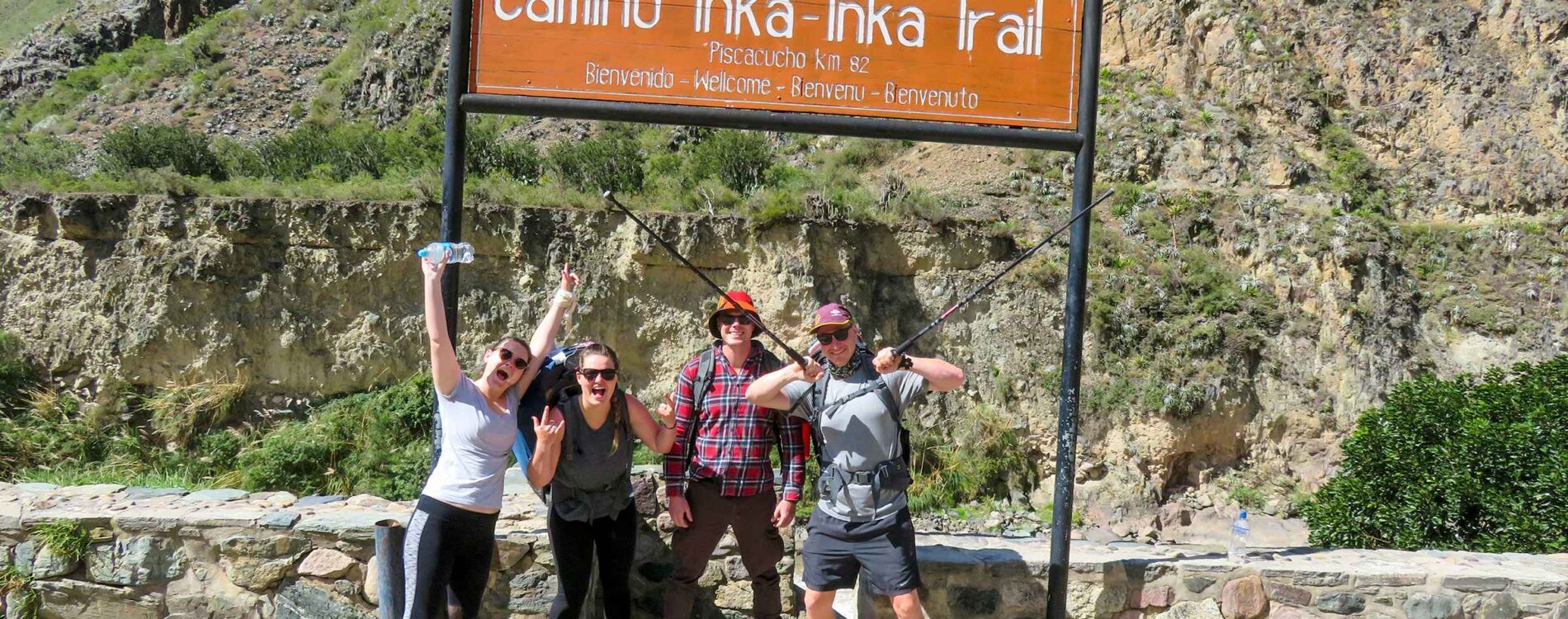
Machu Picchu is a dream destination for many travelers. Nestled high in the Andes, it offers breathtaking views and rich history.
The journey to this ancient site is as iconic as the destination itself. The Inca Trail is the most famous path to Machu Picchu.
This trail blends natural beauty and historical significance. It winds through cloud forests and past ancient ruins.
Hiking the Inca Trail is a challenging yet rewarding experience. It requires preparation and a sense of adventure.
The trail spans approximately 26 miles and takes about four days to complete. Each step brings you closer to the awe-inspiring Machu Picchu.
Permits are required and limited, so planning is essential. The best time to hike is during the dry season, from May to September.
Costs can vary, but the experience is priceless. Whether you choose the classic Inca Trail or an alternative route, the journey is unforgettable.
Prepare for altitude, pack wisely, and embrace the adventure. Machu Picchu awaits those who seek its wonders.

5 day inca trail hike
Machu Picchu is not just any archaeological site; it’s a marvel of Incan engineering. Built in the 15th century, it remains a symbol of the Incan Empire’s prowess.
Hidden amidst the Andes, Machu Picchu was unknown to the outside world until its rediscovery in 1911. Its exact purpose still baffles historians, which only adds to its allure.
Some believe it was a royal estate for Inca leaders. Others suggest it was a religious site. Its remote location protected it from Spanish invaders, preserving its state.
Machu Picchu’s grandeur lies in its construction. Stone structures blend seamlessly with the natural landscape. The site showcases advanced agricultural and irrigation techniques.
Listed as a UNESCO World Heritage Site, Machu Picchu attracts millions of visitors each year. Its status as one of the New Seven Wonders of the World reinforces its global significance.
Why is Machu Picchu significant? Consider these points:
Exploring Machu Picchu offers a window into a sophisticated past. It provides insights into Inca society, innovation, and spirituality. It’s more than a destination; it’s an experience of discovery.
Machu Picchu Climb
The Inca Trail is nestled within the heart of the Peruvian Andes. Spanning a course from the Sacred Valley, it leads directly to the ancient city of Machu Picchu.
The trail begins near Cusco, a city rich in Incan history. Cusco serves as the main access point for visitors eager to embark on this iconic trek.
Hikers traverse diverse landscapes, from lush cloud forests to rugged mountain passes. It’s a remarkable journey through varying altitudes and terrains.
Reaching the trail involves coordination. Here’s a brief guide:
Navigating to the Inca Trail requires careful planning. Only a limited number of trekkers are granted access daily, underscoring the need for early reservations.
While trekking, you will be immersed in a landscape where history and nature converge. It’s a path that tells a story—a passage through time.
Read our Kondor Path TripAdvisor Reviews

Embarking on the journey to Machu Picchu invites adventurers to choose from several distinguished routes. Each trail offers a unique experience, tailored to diverse preferences and levels of challenge.
The most renowned path, the Classic Inca Trail, captivates many with its blend of history and natural beauty. However, other perspectives offer distinct views of this epic journey.
Numerous trekkers opt for alternative routes for various reasons, such as permit availability, trail closures, or to explore lesser-known paths. These alternatives provide enriching experiences without the constraints often associated with the Classic Inca Trail.
Some of these routes traverse equally stunning landscapes, often offering additional solitude. This can enhance the sense of adventure and connection to the majestic surroundings.
Here are the main routes to consider:
While the Classic Inca Trail demands permits, alternative routes often have fewer restrictions. This can simplify planning and provide more flexible scheduling options.
Each route culminates at the breathtaking Machu Picchu, delivering an unforgettable climax to your adventure. No matter the path chosen, the reward is an experience that resonates deeply.
The Classic Inca Trail remains a bucket-list trek for many adventurers. Its appeal lies in the blend of natural wonders and archaeological sites encountered along the way.
Spanning approximately 26 miles, this trail challenges and rewards hikers with its diverse terrains and elevations. The journey typically unfolds over four days, offering an immersive trekking experience.
As you make your way along the trail, you’ll encounter numerous Incan ruins—each with its own story to tell. These remnants of the past provide a glimpse into the engineering marvels of the Incan civilization.
When considering the Classic Inca Trail:
The allure of this trail lies in its unmatched scenic beauty, combined with historical exploration. It offers a unique way to reach Machu Picchu, with a sense of accomplishment that resonates through history.
For trekkers seeking a less trodden path, Salkantay and Lares present intriguing options. These routes offer their own flavors of adventure and cultural discovery.
The Salkantay Trek is renowned for its dramatic landscapes, featuring snow-capped peaks and high mountain passes. It is a popular alternative often chosen when Classic Inca Trail permits are unavailable.
The Lares Trek, however, provides cultural encounters, weaving through villages and delivering insights into traditional Andean life.
Consider these routes for a unique perspective:
Alternative treks offer equal portions of beauty and wonder, ensuring an unforgettable journey to Machu Picchu. No matter the trail, the destination promises a timeless adventure filled with discovery and awe.

The Inca Trail is a masterful blend of history and adventure. Spanning 26 miles, the trail weaves through striking Andean landscapes and ancient Incan ruins.
This trek typically takes about 4 days, allowing hikers to pace themselves and absorb the rich environment. A detailed itinerary ensures that trekkers experience the trail’s highlights.
Understanding the trail’s intricacies helps prepare, contributing to a more enjoyable experience. Permits for this iconic route are essential and should be secured well in advance due to high demand.
With varied elevations, the trail introduces hikers to cloud forests, high mountain passes, and lush valleys. Each step deepens the connection to the region’s natural beauty and cultural heritage.
When planning your trek, consider:
The challenge of the trail is balanced by the sense of achievement felt upon reaching Machu Picchu. Each day on the trail offers unique vistas and historical sites.
Preparation should focus on physical fitness and altitude acclimatization to ensure a smoother journey.
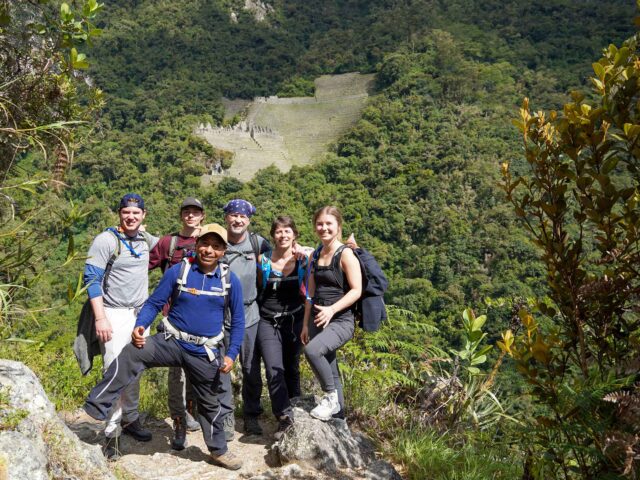 BEST SELLING TOUR
📍 Cusco, Ollantaytambo, Km 104, Chachabamba, Wiñaywayna, Machu Picchu Ruins
2 Days / from: USD 414
Short Inca Trail 2 Days The 2 Day Inca Trail Hike is an incredible way to explore the ruins of Machu Picchu. On this two-day trek, you will enjoy a…
 BEST SELLING TOUR
📍 Private Classic Inca Trail Trek to Machu Picchu 4 Days
4-Day / from: USD 790
Inca Trail Expedition: 4 Day Trekking Inca Trail Discover the adventure of a lifetime with our 4 Day Private Inca Trail, a journey that takes you through the heart of…
The Inca Trail spans approximately 26 miles (42 kilometers). This length encompasses a variety of terrains from sub-tropical jungle to mountain passes.
The trail’s moderate length makes it accessible but still challenging for those with a reasonable level of fitness. Hikers should prepare for the varying altitudes and weather conditions along the way.
The classic trek to Machu Picchu along the Inca Trail typically requires four days. This duration allows for a well-paced journey that accommodates altitude acclimatization.
A typical schedule might include:
Planning your days with rest periods is crucial to enjoying and staying safe on this iconic trail.
Each day on the Inca Trail offers a blend of challenge and discovery. A well-structured itinerary maximizes both experience and safety.
The first day often covers the shortest distance, allowing hikers to ease into the trek. The second day includes the ascent to the trek’s highest point, Dead Woman’s Pass.
Day-by-day breakdown:
This breakdown guides trekkers in pacing themselves and appreciating each moment on the trail. The experience culminates in the awe-inspiring view of Machu Picchu, a reward for the hard days of hiking.
Hiking the Inca Trail requires a permit to secure your place on this renowned path. These permits are highly coveted due to daily limitations.
Each day, only 500 permits are granted, which include hikers, guides, and porters. It’s crucial to book well in advance, especially during peak seasons.
Booking is done through a licensed tour operator, so direct bookings are not an option. Selecting a reputable company ensures compliance with regulations and a smooth experience.
Permits cannot be transferred or refunded, so firm travel plans are required before purchase. Keep in mind that the trail closes every February for maintenance.
When planning your trek, consider the following steps:
In addition to booking, familiarize yourself with the trail’s regulations. These rules protect the trail’s integrity and maintain its pristine condition.
Essential regulations include:
Understanding these permits and regulations ensures a respectful and rewarding experience on the Inca Trail. Proper planning and adherence to rules create an opportunity for an unforgettable journey through this iconic landscape.
Understanding the costs involved in trekking to Machu Picchu prepares you for a hassle-free adventure. Expenses can vary by season and the services you select.
Typically, the overall cost for hiking the Inca Trail ranges from $500 to $1,000. This variation depends on factors like the tour operator, inclusions, and the type of package you choose.
Most packages cover essential services such as permits, guides, meals, and camping gear. However, it’s crucial to clarify what’s included when booking.
Flights and personal expenses are generally not included in the package, so allocate your budget accordingly. Additionally, tipping guides and porters is customary, usually at the end of the trek.
Here’s a general breakdown of what your trail cost might cover:
Consider some of these optional additions for a more comfortable journey:
Discuss potential extra costs upfront with your tour provider to avoid surprises. Understanding the Machu Picchu trail cost helps in budgeting, ensuring a smooth, memorable trek.
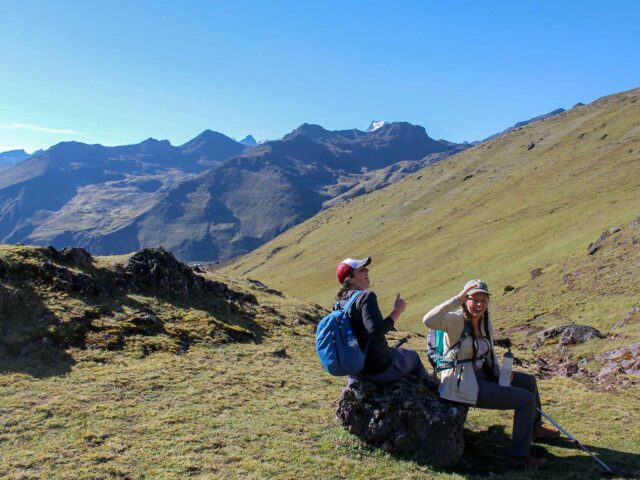 BEST SELLING TOUR
📍 Cusco, Kiswarani, Condor Pass, Huaran, Machu Picchu Ruins
4-Days / from: USD 719
Lares Trek to Machu Picchu—A 4-Day Adventure Through Culture, Nature, and Andean Traditions Embark on the Lares Trek to Machu Picchu 4 Days. One of the best alternative treks to…
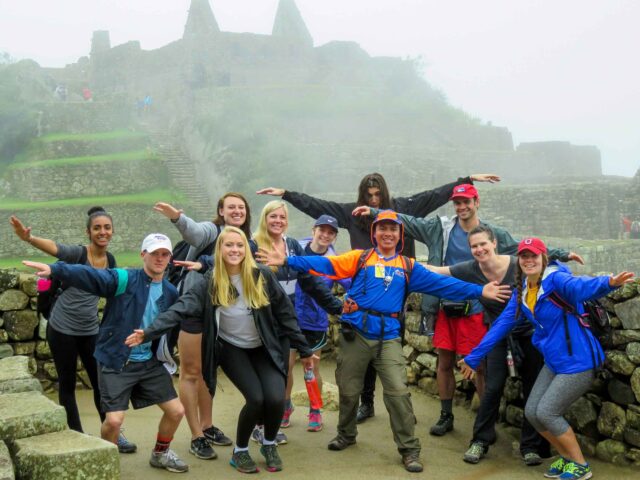 BEST SELLING TOUR
📍 Cusco, Km 82, Llulluchapampa, Dead Woman's Pass, Runkuracay Pass, Phuyupatamarca Pass, Sun Gate, Machu Picchu Ruins
3-Days / from: USD 724
Adventure of 3 Day 2 Night Inca Trail to Machu Picchu For 22026, no Inca Trail operator can offer the three-day hiking circuit, and there is “no camping area. Allowed…
Breaking down the Inca Trail cost helps with planning and decision-making. The price you’ll pay varies depending on the tour operator.
A typical price includes the essentials: permits, guides, meals, and camping gear. It’s important to inquire about extras like sleeping bags or personal porters.
Here’s a standard price breakdown:
These figures provide a baseline to help you gauge what’s fair and reasonable. Always compare offers from different operators before deciding.
When setting your budget, account for more than just the trek package. There are additional costs involved when hiking to Machu Picchu.
Transport from Cusco to the trailhead isn’t typically part of your package. Likewise, keep aside funds for accommodation in Cusco before and after the hike.
Common additional expenses include:
These added costs, while variable, are part of most hikers’ experience. Consider these as you plan to enjoy your Machu Picchu adventure fully.
Choosing the best time to hike the Inca Trail is essential for a successful journey—the climate changes throughout the year, affecting the trail conditions.
The dry season, stretching from May to September, is ideal for trekking. Clear skies and moderate temperatures prevail during these months, providing spectacular views.
However, these months coincide with the peak tourist season. Consequently, permits are in high demand, and booking in advance is crucial.
The wet season, from November to March, brings heavier rainfall. Trails become muddy and more challenging, possibly affecting the experience.
Key points to consider when planning your hike:
Regardless of timing, always prepare for variable weather conditions. The trail’s elevation can bring unexpected changes, even within the same day.
Taking these factors into account will help you pick the most favorable time for your Inca Trail adventure.
Hiking the Inca Trail is a rewarding yet challenging endeavor. The combination of steep ascents, rugged terrain, and high altitudes demands physical readiness.
The trek’s elevation can surpass 13,000 feet. These elevations increase the difficulty and the likelihood of altitude sickness. Preparation is key to overcoming these hurdles and enjoying your journey.
A moderate level of fitness is recommended for the Machu Picchu climb. Trekkers should be comfortable with daily hikes lasting several hours.
Ascending and descending irregular stone steps requires good balance and stamina. Cardio workouts and leg-strengthening exercises can enhance endurance.
Carrying a loaded daypack adds to the challenge. Practicing with a similar weight on hikes before your trip can help acclimate your body.
Two key areas of preparation to focus on:
In addition to physical training, mental preparation is crucial. Understanding that the trek is as much a test of mental endurance as it is of physical endurance can significantly enhance your experience.
Knowing what to expect and preparing accordingly will significantly improve your chances of success on the Inca Trail.
Altitude sickness is a concern when trekking at high altitudes, such as those on the Inca Trail. The body needs time to acclimate to thinner air.
Symptoms often include headache, nausea, and dizziness. It’s essential to listen to your body and rest if needed.
To mitigate these effects, gradual acclimatization is recommended. Spending a few days in Cusco before starting the trek can be very helpful.
Essential acclimatization tips to follow:
Preparation and awareness are your best defenses against altitude sickness, helping ensure a safer, more enjoyable hike.
Preparing physically for the Machu Picchu hike is essential for a rewarding experience. A well-rounded fitness regimen will strengthen your muscles and improve your endurance.
Start training several months in advance. Consistent efforts will condition your body and prevent injuries.
Integrate exercises that target muscle groups crucial for hiking. Focus on legs, core, and cardiovascular strength.
Consider the following training plan elements:
Incorporate flexibility exercises to improve the range of motion. Yoga or regular stretching can reduce muscle tightness and enhance mobility.
Remember to gradually increase workout intensity to simulate trail conditions. This approach will prepare you for the physical demands of the Inca Trail.
Packing correctly can make a huge difference in your trekking experience. Packing light, yet being well-prepared, is essential for the Inca Trail.
Begin with the essentials. These are the core items that will help you comfortably get through the trek.
Weather on the trail can change rapidly. Layering helps you adjust to varying temperatures.
Must-pack clothing items:
Your feet will bear the journey’s brunt. Investing in quality footwear is crucial.
Essential footwear and gear:
In addition to clothes and gear, pack health and safety items. These will keep you healthy and secure along the trail.
Include sunscreen, a hat, and insect repellent to protect against sunburn and bites. Small hygiene products and a basic first aid kit can handle minor issues.
Bringing snacks rich in energy, like nuts or dried fruit, will help maintain stamina. Water purification tablets or a filter ensure safe drinking water.
Planning your pack smartly makes for an enjoyable, stress-free trek to Machu Picchu.
Choosing between a guided tour and independent trekking affects your Inca Trail experience. Each option has its merits and challenges.
Guided trekking is mandatory on the Inca Trail. Licensed guides provide invaluable support and information about the path.
Guides handle logistics, making the trek smoother and more enjoyable. They ensure your safety and offer enriching insights.
Independent trekking can be more adventurous on alternative routes like the Salkantay Trek. However, it requires more planning.
In-depth preparation is essential for independent trekkers. Though more freedom is allowed, self-navigation can be challenging.
Ultimately, both choices offer unique experiences on the path to Machu Picchu. Consider your comfort level and experience to decide what suits you best.
Arriving at Machu Picchu after your trek is a moment of triumph. The anticipation builds as you catch your first glimpse of the ancient site.
Prepare for awe as you step through the Sun Gate. Machu Picchu’s stunning panoramas unfold before your eyes.
Exploration begins with a guided tour of the citadel. Guides enrich your experience with historical anecdotes and architectural insights.
Visitors can freely roam after the tour. Wander through sacred temples, watchtowers, and terraced fields at your pace.
Capture these iconic landmarks with your camera. Early mornings or late afternoons provide the best lighting and fewer crowds.
Exploration offers more than just historical wonders. Witness the natural beauty that surrounds these ancient ruins.
Take in the towering Andes and lush vegetation that cradle Machu Picchu. A visit here not only fulfills a trekker’s dream but also leaves an indelible impression of nature’s majesty combined with human ingenuity.
Climbing Machu Picchu Mountain offers a stunning vantage point. This mountain towers above the site, providing panoramic views of the area. The trail is longer but less steep than Huayna Picchu, making it ideal for those seeking a gentler climb.
Huayna Picchu is the more famous peak, often seen in iconic photographs of Machu Picchu. It is a steeper, shorter climb and more exhilarating. The narrow path can be challenging but rewards with breathtaking vistas.
Both mountains require separate permits, which are limited and sell out quickly. It’s essential to plan and book well in advance. Each climb offers unique perspectives and photography opportunities, appealing to adventurous spirits.
Safety is crucial on both mountains due to their steep and rugged paths. Strong footwear and caution on these trails ensure a safe experience. Climbing either peak promises a unique part of your Machu Picchu adventure, offering unforgettable views and an exhilarating experience that complements the historical exploration below.
Responsible trekking in Machu Picchu is vital. The area is fragile and needs careful handling to protect its beauty and history. Tourists must follow guidelines to minimize their impact on this magnificent site.
Supporting local communities is also essential. Hiring local guides and choosing tour operators that employ local staff boosts the local economy. This support helps maintain cultural heritage and provides sustainable livelihoods.
Additionally, engaging with local communities enriches the experience. Travelers can learn about the rich traditions that surround Machu Picchu. This interaction fosters cultural understanding and appreciation.
By focusing on conservation and supporting local initiatives, trekkers help ensure Machu Picchu remains a remarkable destination for future generations. This conscious approach enhances the trek for everyone involved.
Climbing Machu Picchu raises many questions for first-time trekkers. Here are answers to the most common inquiries to help you plan your adventure.
One frequent question is about permits. Yes, a permit is necessary to hike the Inca Trail. Booking in advance is essential due to limited availability.
Understanding these details ensures a smooth and enjoyable trek. Preparing in advance enhances your experience and prevents surprises along the way.
Finishing your trek to Machu Picchu requires more than just physical readiness. Mental preparation is also key to enjoying the journey.
Staying healthy on the trail is crucial. Hydration helps combat altitude effects and keeps you energized.
These strategies will make your trek more enjoyable and less stressful. Remember to savor each moment and appreciate the stunning beauty around you. With preparation and a positive outlook, your Machu Picchu climb will be a memorable adventure.

Machu Picchu and Hiram Bingham’s Legacy: Rediscovery, Debate, and Historical Impact Machu Picchu, a marvel of Inca engineering,…
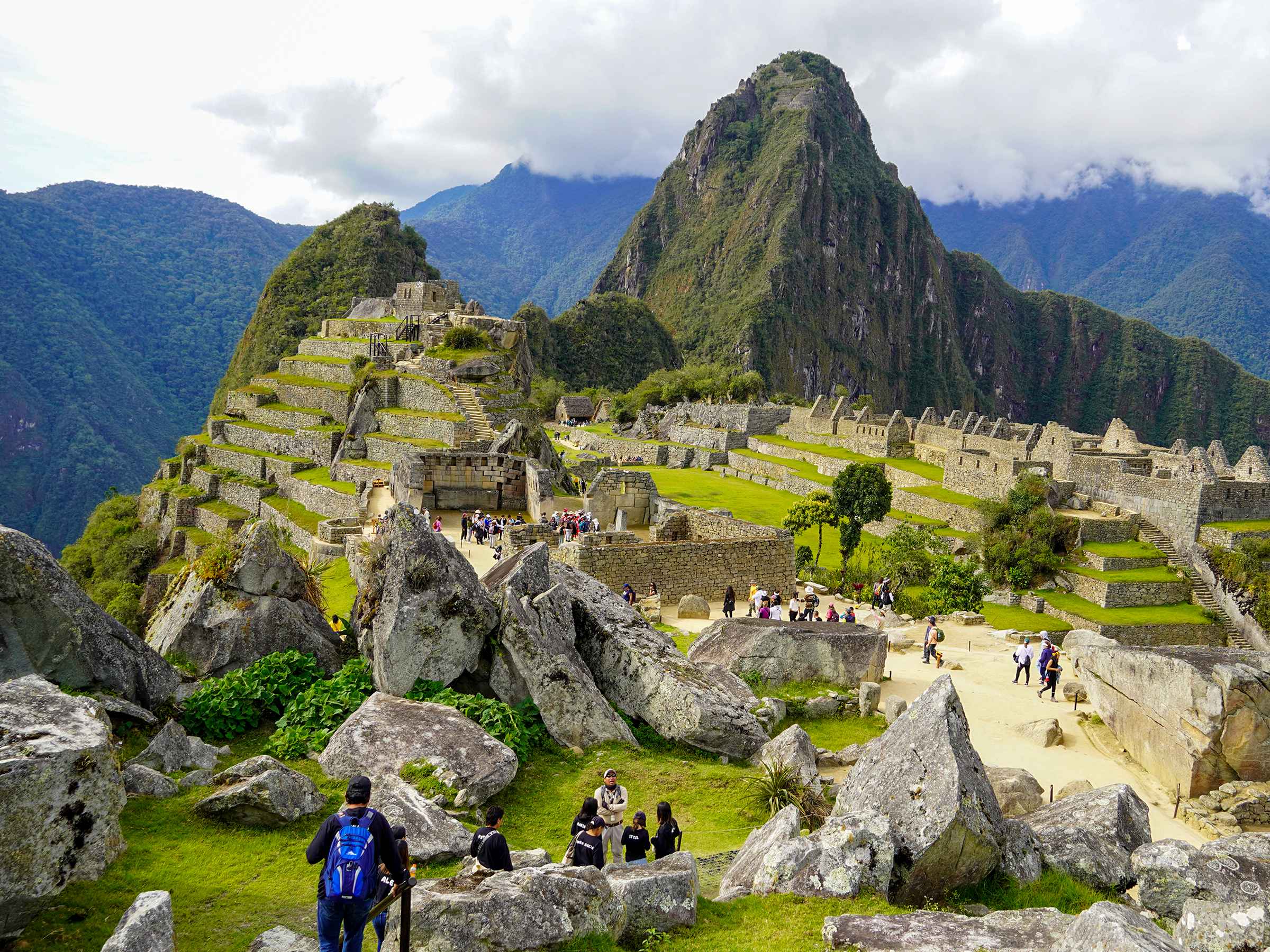
Machu Picchu Seismic Design: How Inca Engineering Defied Earthquakes Machu Picchu stands as a marvel of ancient engineering.…

Machu Picchu Terrace Engineering: How the Incas Mastered Mountain Agriculture Machu Picchu stands as a marvel of ancient…

Machu Picchu Quarry Sources: Where the Incas Obtained Their Building Stone Machu Picchu stands as a marvel of…

Machu Picchu Sacred Mountains Guide: Spiritual Meaning of the Andean Landscape Machu Picchu, the renowned 15th-century Incan citadel,…
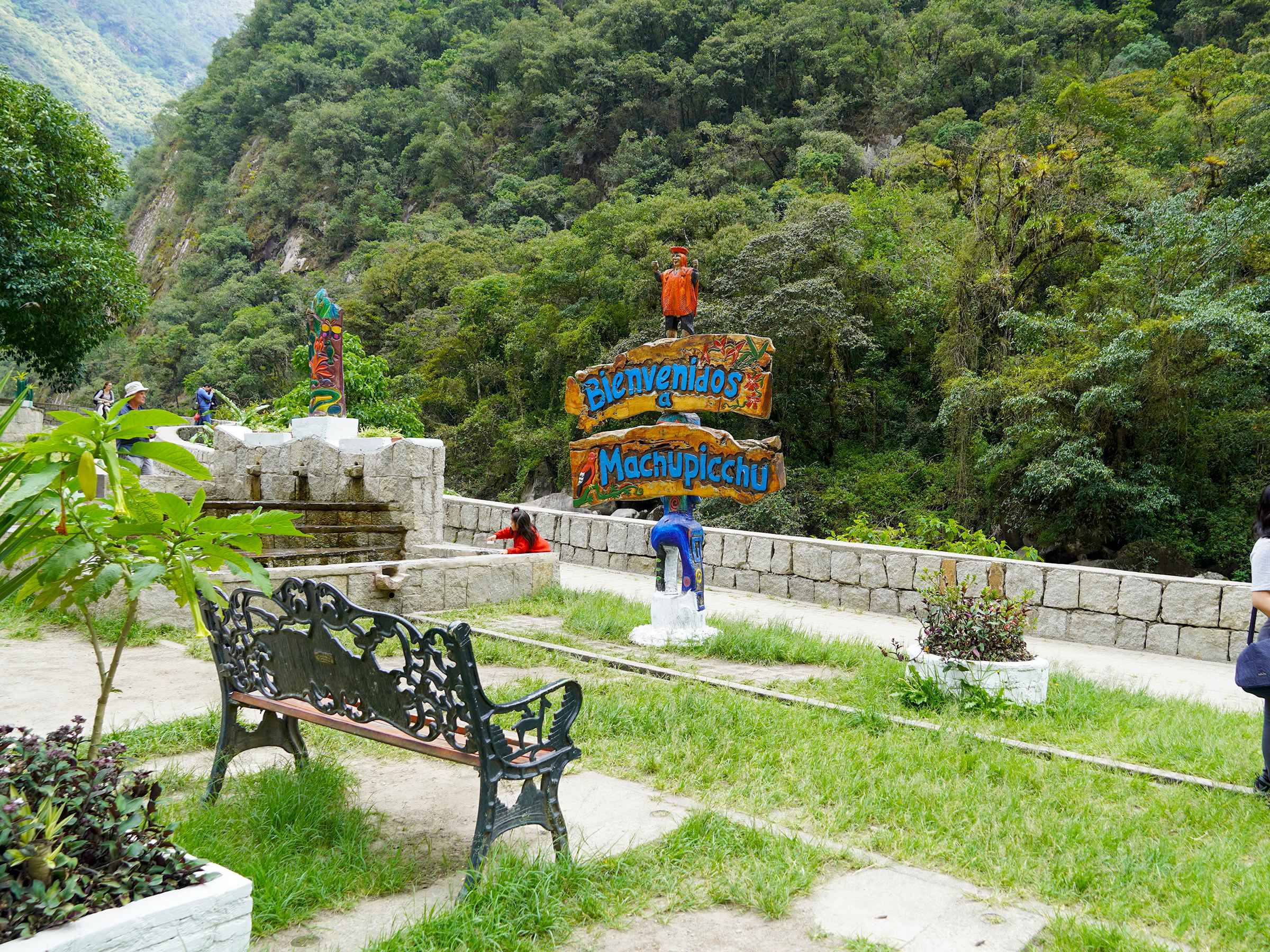
Aguas Calientes Town: The Charming Gateway to Machu Picchu Nestled in the heart of the Andes, Aguas Calientes…

Peru Altitude Guide Peru is a land of breathtaking landscapes and rich cultural heritage. Its diverse geography includes…

Discover the Amazing Sacred Valley Cusco Nestled in the heart of the Andes, the Sacred Valley of Cusco…

Best time to go to Machu Picchu Machu Picchu is a dream destination for many travelers. Nestled in…

Cusco Altitude Cusco, a city nestled in the Andes, is renowned for its breathtaking altitude. At 11,152 feet…
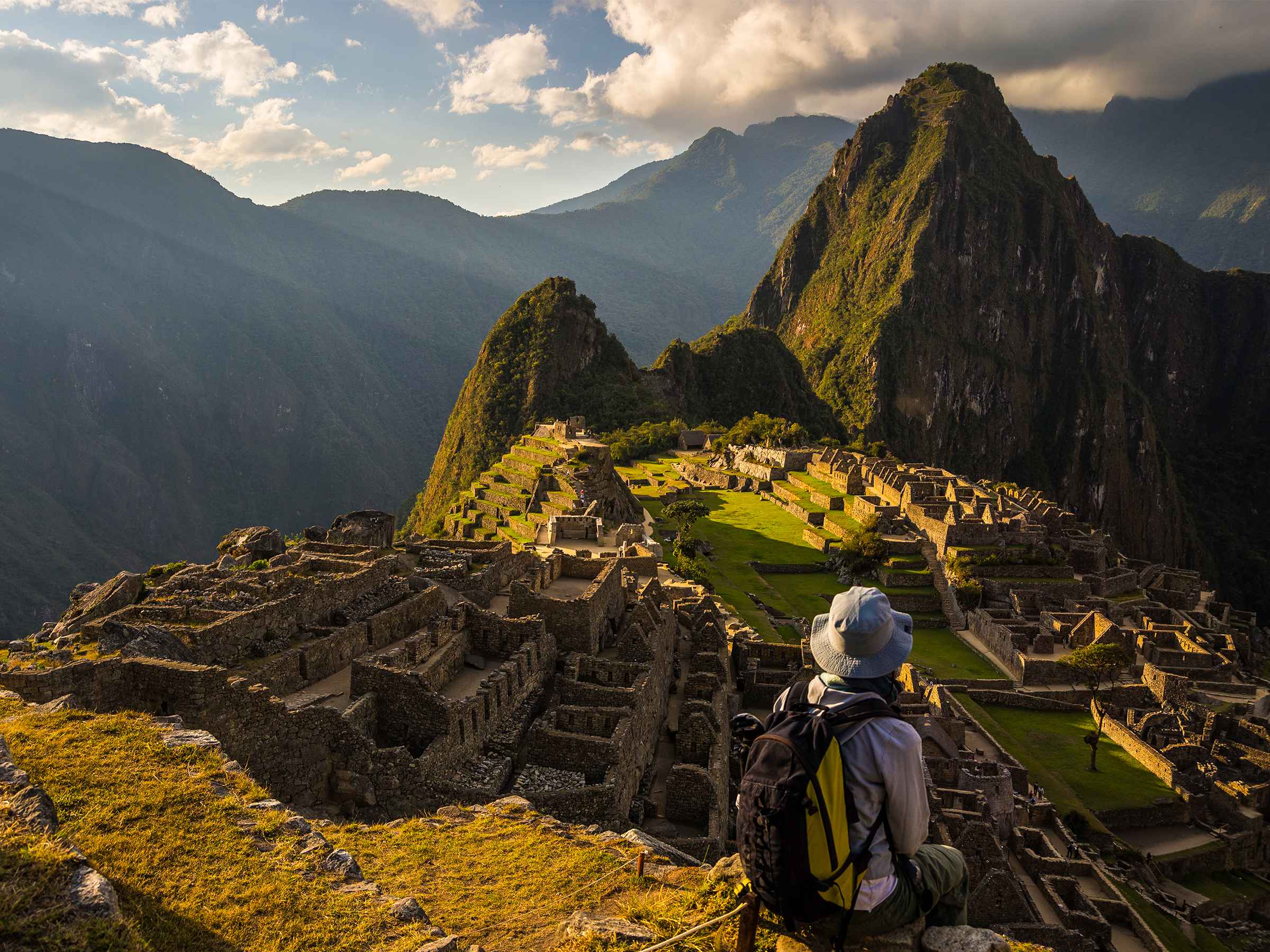
Where is Machu Machu Picchu is a name that sparks curiosity and wonder. Nestled high in the Andes…

River rafting stands out in Peru as a must-do for adventure seekers. What Makes Peru Stand Out for…