Hiking the Best Inca Trails to Machu Picchu
Machu Picchu, the ancient Incan citadel nestled in the Andes Mountains, is a bucket-list destination for many adventurers and history enthusiasts. The journey to this iconic site is as breathtaking as the destination itself, offering stunning views, rich cultural experiences, and a sense of accomplishment. There are several trails leading to Machu Picchu, each offering a unique perspective on this historic journey. In this guide, we explore the best Inca trails to Machu Picchu to help you plan your unforgettable adventure.
The Classic Inca Trail is perhaps the most famous route to Machu Picchu.
Known for its stunning scenery and well-preserved Incan ruins along the way, this trail offers a perfect blend of history and nature. The allure of the Classic Inca Trail lies not just in its destination but in the journey itself, steeped in the rich history of the Incan Empire. Every step on this trail is like a step back in time, with the ancient stones whispering tales of the past.
The trail begins at the sacred site of Kilometer 82, a starting point for an adventure that is both physically challenging and spiritually enriching. As you trek through the diverse landscapes, you’ll be enveloped in the natural beauty of the Andes, with every turn offering a new, breathtaking vista. The journey culminates at the Sun Gate, Inti Punku, where you’ll catch your first awe-inspiring glimpse of Machu Picchu as the sun rises over the mountains.
The Classic Inca Trail is a four-day, three-night trek covering approximately 26 miles.
Hikers will traverse diverse landscapes, from lush cloud forests to high-altitude passes. Along the way, you’ll encounter ancient ruins such as Wiñay Wayna and Phuyupatamarca, offering glimpses into the past. Each day on the trail presents its own set of challenges and rewards, as you ascend and descend through the rugged terrain of the Andes.
On the first day, you will ease into the trek with a moderate hike that sets the tone for the days ahead. By the second day, you will face the infamous Dead Woman’s Pass, the highest point on the trail, which tests both your stamina and resolve. The third day is a descent into the subtropical forest, where orchids and exotic birds become your companions. The final day begins before dawn, as you make your way to the Sun Gate to witness the sunrise over Machu Picchu, a moment that makes every step worthwhile.
While the Classic Inca Trail is manageable for most fit hikers, it does require preparation due to its elevation and length. It’s important to acclimate to the altitude and be prepared for steep climbs and descents. Hiring a reputable guide is recommended to ensure safety and enrich your experience with historical insights. Preparing for the Inca Trail involves more than physical training; it requires mental fortitude and a willingness to embrace the unknown.
Acclimatization is key to overcoming the challenges of high altitude.
Spending a few days in Cusco before your trek can help your body adjust to the thinner air. In addition to physical conditioning, packing the right gear is essential. Waterproof clothing, sturdy hiking boots, and a reliable backpack are must-haves. Proper nutrition and hydration are also crucial, as the demanding trail requires sustained energy levels. Lastly, a positive mindset and a sense of adventure will carry you through the toughest parts of the trek.
For those seeking a more challenging adventure, the Salkantay Trek is an excellent alternative to the Classic Inca Trail. This route takes you through remote Andean landscapes, offering breathtaking views of snow-capped peaks and verdant valleys. The Salkantay Trek is a journey of extremes, where the rugged beauty of the high Andes meets the lushness of the cloud forest, creating a dramatic contrast that captivates the soul.
The trek begins in the small village of Mollepata and quickly ascends into the heart of the Andes. Here, the imposing presence of Salkantay Mountain, one of the highest peaks in the region, serves as both a challenge and a guide. The trail winds through diverse ecosystems, offering a glimpse into the untouched wilderness of Peru. As you trek through this remote landscape, you will experience the solitude and grandeur of nature in its purest form.
The Salkantay Trek spans approximately 46 miles and usually takes five days to complete. The trail leads you past the majestic Salkantay Mountain, one of the highest peaks in the region, before descending into the lush cloud forest. You’ll have the opportunity to soak in natural hot springs and explore lesser-known Incan sites. Each day on the Salkantay Trek presents a new landscape and a new adventure, from the barren beauty of the high passes to the verdant valleys below.
The first day sets the stage with a gentle ascent through the picturesque Mollepata Valley. By the second day, you will face the challenge of the Salkantay Pass, the highest point on the trek at over 15,000 feet. This is a day of both physical exertion and awe-inspiring beauty, as you stand before the towering glaciers of Salkantay. The descent into the cloud forest brings a change in scenery and climate, with the warmth and humidity of the lower elevations offering a welcome respite. As you make your way through the lush vegetation, you’ll encounter small villages and ancient ruins, each with its own story to tell.
The Salkantay Trek is considered more challenging than the Classic Inca Trail due to its higher altitudes and longer distances. Proper acclimatization and physical fitness are essential. This trek is ideal for experienced hikers seeking a less crowded path to Machu Picchu. Preparation for the Salkantay Trek involves not only physical training but also mental readiness for the isolation and self-reliance required on this remote route.
Acclimatization is critical, as the high altitudes can pose significant challenges to those unprepared. Spending time in Cusco or other high-altitude areas can help your body adjust. Equally important is preparing your gear for the diverse conditions you’ll encounter, from the cold winds of the high passes to the humid warmth of the cloud forest. Packing layers of clothing, a good sleeping bag, and waterproof equipment is crucial for comfort and safety. A positive attitude and a willingness to embrace the solitude of the mountains will enrich your journey and allow you to fully appreciate the beauty of the Salkantay Trek.
The Lares Trek offers a cultural immersion into the lives of the local Andean communities. This route is less crowded and provides an opportunity to connect with the indigenous people of the region while enjoying picturesque landscapes. The Lares Trek is not just a physical journey, but a cultural one, offering insights into the traditional way of life that has endured for centuries in the Peruvian Andes.
Starting in the town of Lares, the trek takes you through a landscape dotted with small villages and farms, where the rhythm of life is dictated by the seasons and the land. The people you meet along the way are the true keepers of the Andean culture, and their warmth and hospitality make the Lares Trek a uniquely enriching experience. As you traverse the high passes and verdant valleys, you’ll gain a deeper understanding of the connection between the land and its people.
Typically, the Lares Trek lasts three to four days and covers around 22 miles. As you hike through the Lares Valley, you’ll pass traditional villages, where you can learn about local customs and crafts. The trek culminates with a train ride to Aguas Calientes, the gateway to Machu Picchu. Each day on the Lares Trek is an opportunity to immerse yourself in the culture and history of the Andes, with the stunning landscapes serving as a backdrop to your journey.
The trek begins with a visit to the natural hot springs of Lares, where you can relax and prepare for the days ahead. As you make your way through the valley, you’ll encounter communities of weavers and farmers, each with their own unique traditions. The high passes offer panoramic views of the surrounding mountains, while the lower valleys are lush and verdant. The final leg of the journey takes you to the town of Ollantaytambo, where you’ll board a train to Aguas Calientes, the perfect ending to your cultural adventure.
The Lares Trek is considered moderate in difficulty, making it accessible to most hikers. While the trail doesn’t reach the same high altitudes as other routes, it’s still important to be prepared for changing weather conditions and varying terrain. Engaging with local guides can enhance your cultural experience. Preparation for the Lares Trek involves not only physical readiness but also an openness to experiencing the rich cultural heritage of the Andes.
While the trek is less demanding than other routes, it’s important to be prepared for the unpredictable weather of the mountains. Packing layers of clothing and a rain jacket is essential for comfort. Engaging with local guides can provide valuable insights into the region’s history and culture, enriching your experience and deepening your connection to the land and its people. A willingness to learn and engage with the local communities will enhance your journey and leave you with lasting memories of the Lares Trek.
For those seeking an adrenaline-fueled adventure, the Inca Jungle Trek combines hiking with activities like mountain biking and zip-lining. This unique route offers a more dynamic approach to reaching Machu Picchu. The Inca Jungle Trek is a fusion of adventure sports and cultural exploration, providing a unique perspective on the journey to Machu Picchu.
The trek begins with a thrilling mountain bike descent from the heights of the Andes into the lush jungle below. This exhilarating start sets the tone for the rest of the journey, which includes hiking, zip-lining, and hot springs. The Inca Jungle Trek offers a diverse and exciting experience, allowing you to explore Peru’s varied landscapes in a truly adventurous way.
The Inca Jungle Trek is a four-day journey that begins with a scenic mountain bike descent from the Andes into the lush jungle. Along the way, you’ll have the option to zip-line through the canopy and soak in hot springs. The trek concludes with a hike to Machu Picchu. Each day on the Inca Jungle Trek is filled with excitement and adventure, as you explore the diverse landscapes and activities that make this route unique.
The first day kicks off with a heart-pounding mountain bike ride, where you’ll descend from the high Andes into the warmth of the jungle. The second day offers a mix of hiking and optional zip-lining, providing a bird’s-eye view of the lush canopy below. The third day includes a visit to the hot springs of Cocalmayo, where you can relax and rejuvenate before the final push to Machu Picchu. The trek concludes with a hike along the Inca Trail, culminating in the awe-inspiring sight of the ancient citadel.
The Inca Jungle Trek is perfect for thrill-seekers who enjoy a mix of outdoor activities. While the hiking portions are moderate, the added adventures require a sense of adventure and a willingness to try new things. Proper gear and a spirit of exploration are key. Preparation for the Inca Jungle Trek involves more than just physical readiness; it requires an adventurous spirit and a willingness to embrace new experiences.
While the trek is less demanding for hiking, the additional activities require a certain level of physical fitness and a sense of adventure. Packing the right gear, including a helmet and protective clothing, is essential for safety while mountain biking. A positive attitude and a willingness to embrace the unknown will enhance your experience and make the Inca Jungle Trek a truly memorable adventure.
When selecting the best Inca Trail to Machu Picchu, consider your fitness level, time availability, and personal interests. Each trail offers a unique experience, from the historical richness of the Classic Inca Trail to the cultural immersion of the Lares Trek. Choosing the right trail is about more than just the physical journey; it’s about finding the path that resonates with your sense of adventure and exploration.
It’s important to note that permits are required for the Classic Inca Trail, and they sell out quickly.
Planning your trek well in advance is crucial to securing your spot. Other routes, such as the Salkantay, Lares, and Inca Jungle Treks, do not require permits, offering greater planning flexibility. Understanding the permit system and planning accordingly can ensure a smooth and stress-free journey to Machu Picchu.
The best time to hike to Machu Picchu is during the dry season, which runs from May to September. During these months, you can expect clear skies and comfortable hiking conditions. However, it’s also the busiest time, so booking accommodations and guides early is recommended. Choosing the right time to hike involves balancing the desire for favorable weather with the potential for crowds, and planning ahead can help you make the most of your adventure.
When choosing your trail, consider what you hope to gain from the experience. Are you seeking a physical challenge, a cultural immersion, or an adrenaline-fueled adventure? Each trail offers its own rewards, and understanding your personal preferences and goals can help you choose the path that is right for you. Whether you’re drawn to the historical significance of the Classic Inca Trail or the solitude of the Salkantay Trek, there’s a trail that will fulfill your sense of adventure and exploration.
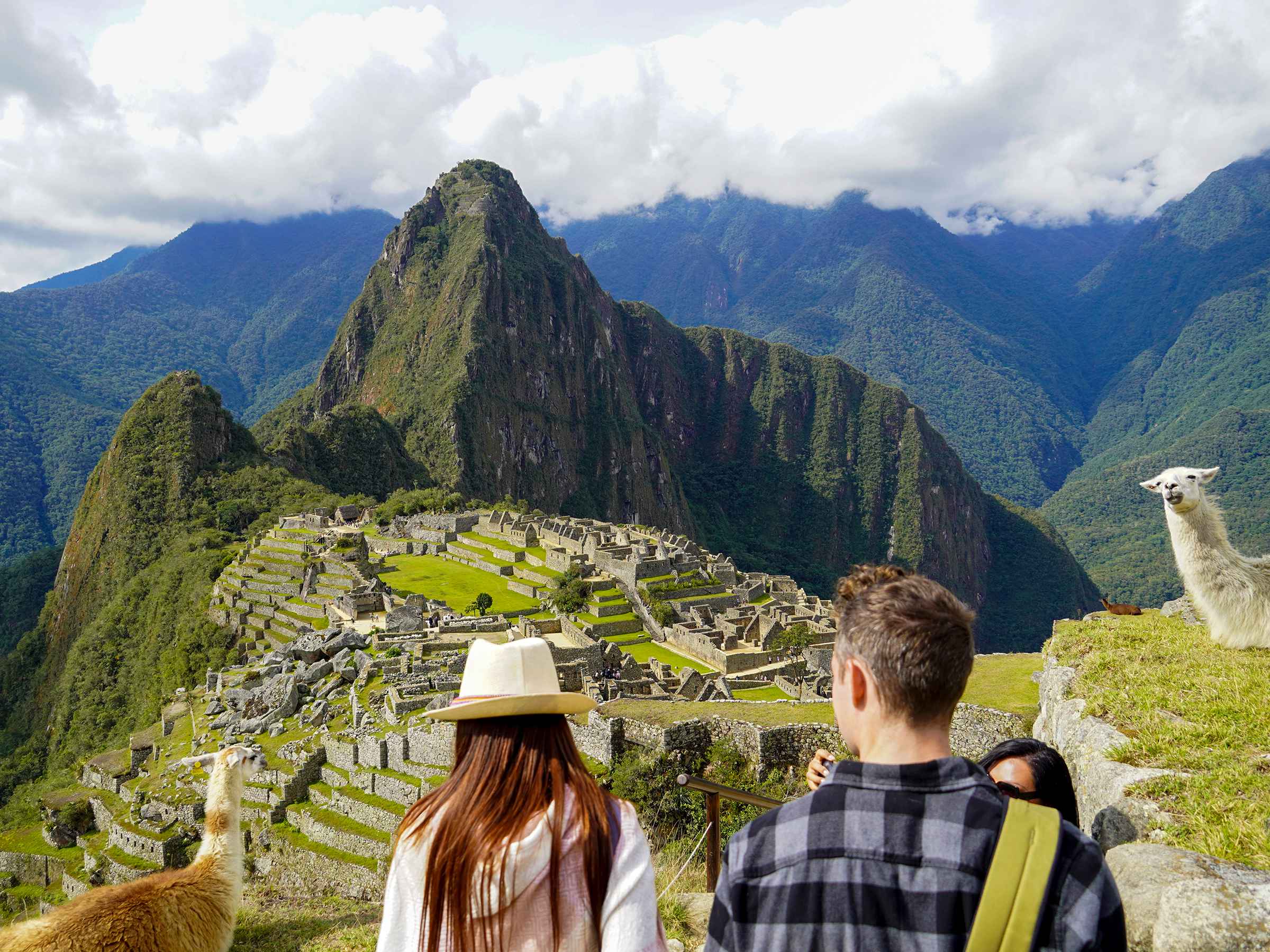
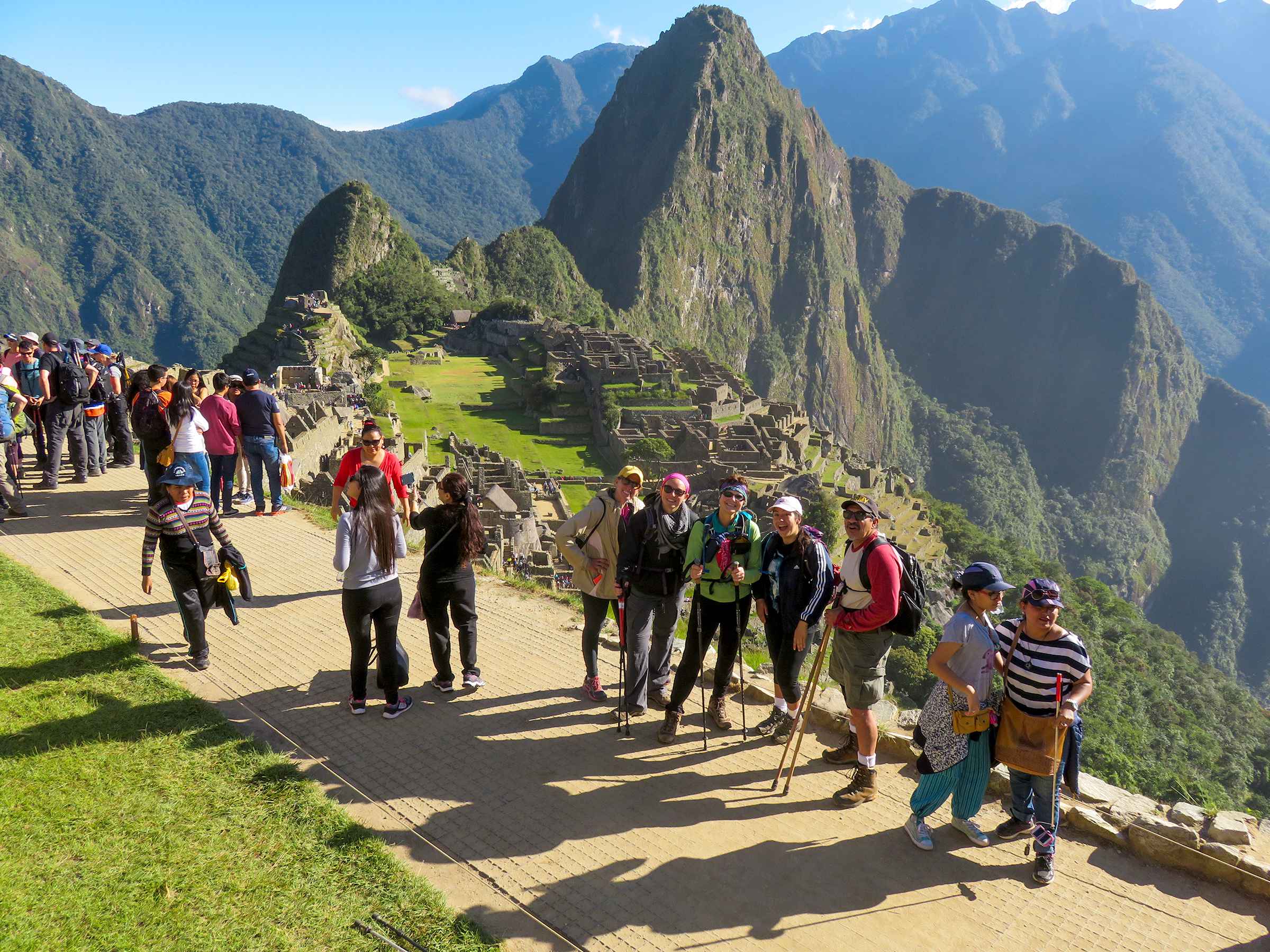
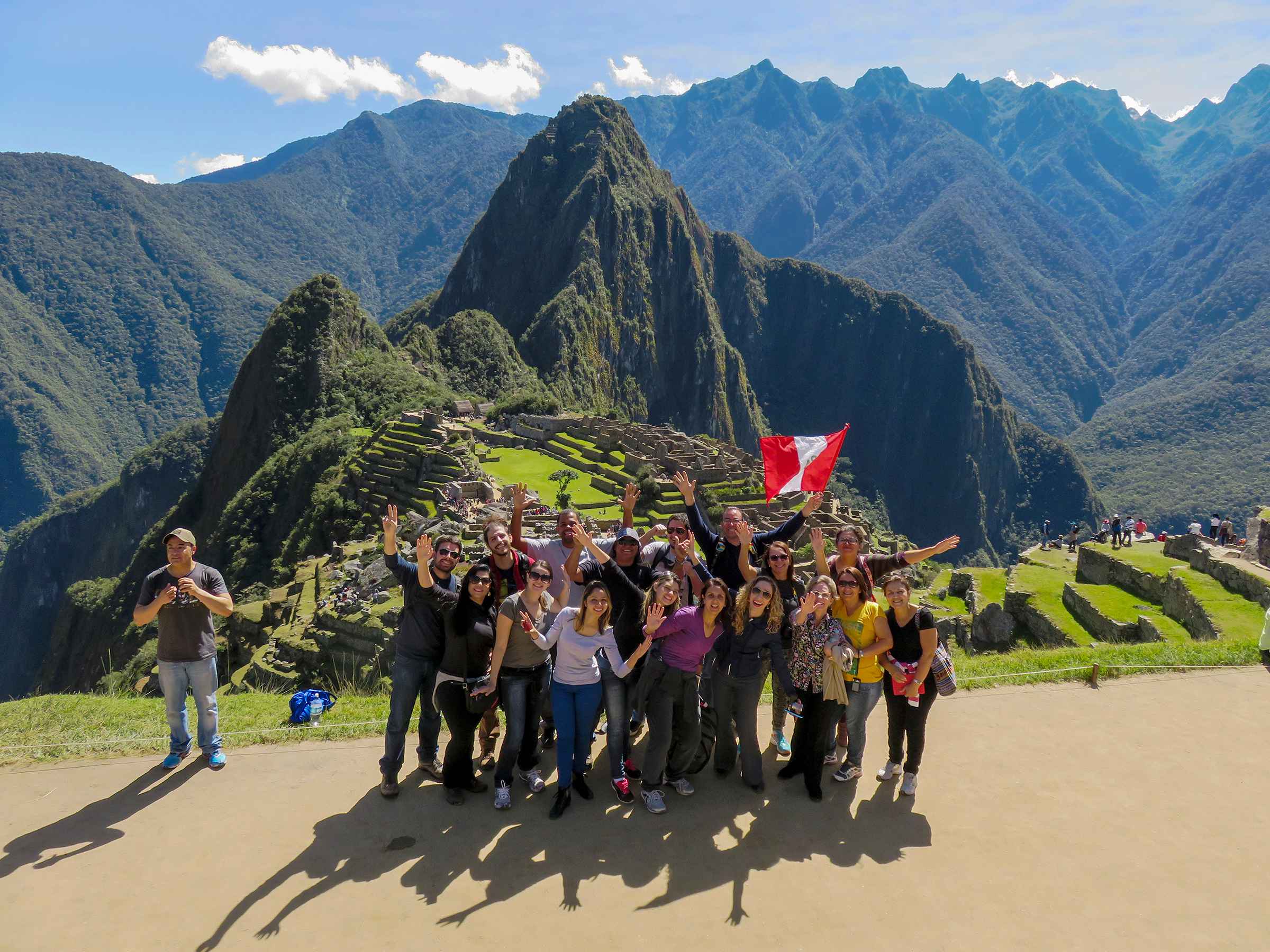
Framed by spectacular Andean peaks and surrounded by verdant jungle, Machu Picchu is an enticing tribute to man in harmony with nature. Located high above the clouds, the city’s streets, temples, and staircases stretch along a jungle-like mountain range that eventually pl. We don’t need any work at this time.
Unge’s more than 300 meters into the treacherous waters of the Urubamba River. Everything within this city, from the intricate terraces and peaceful gardens to the complex system of aqueducts, was designed to promote and preserve the sacred relationship between man and nature.

Natural phenomena, such as the sun, moon, water, and earth, were sacred to the Incas and inspired much of the city’s design.
In addition to its impressive architecture and spiritual atmosphere, a fascinating aspect of Machu Picchu is its relative historical ambiguity. Since it was first introduced to the modern world in 1911 by Yale archaeologist Hiram Bingham, this mountainous city has yet to reveal its origins.
Some theories have circulated in intellectual circles, suggesting that a boarding school brainwashed the children of those conquered by the Incas.

Hiking the Best Inca Trails to Machu Picchu
Despite its enigmatic nature, Machu Picchu has become one of the most popular destinations in South America, drawing almost 5,000 people a day to its ancient grounds, high above the Sacred Valley.
What can Machu Picchu Tours organize in Cusco? The ticket office is next to the ruins entrance, where you will also find a luggage room, toilets, a shop, and a place to hire guides. The ruins are notorious for sandflies during the dry season, so pack bug spray and wear long sleeves and pants.
When to Go to Machu Picchu
To avoid the sprawling package tours and hordes of independent travelers descending on the ruins, you should avoid the peak months of June through August and instead opt to travel April through May or September through October.
Also, try to avoid the Peruvian holidays from July 28 to August 10, as well as the days around Cusco’s Inti Raymi festival, which begins on June 24. In general, Sundays are the least busy because this is the day that most tour packages visit the Pisac and Chinchero markets.

You may also find fewer crowds on Tuesday, Wednesday, or Thursday. Another way to avoid the public is to spend the night in Aguas Calientes and arrive early, before the train crowds arrive around 10 a.m. When Machu Picchu is busiest at noon, explore other attractions like Huayna Picchu, the Temple of the Moon, or the Inca Bridge.
Ways to reach Machu Picchu
There are only two ways to get to Machu Picchu: The train and the Inca Trail. If hiking isn’t your style, you can take a train from Cusco (4 hours), Urubamba (2 hours and 10 minutes), or Ollantaytambo (1 hour and 15 minutes). The parade will take you to the Machu Picchu Pueblo station (also known as Aguas Calientes), where you can catch a bus to the ruins.
Characterized by steep ascents offering magnificent views of the Andean landscape and trails that wind through the cloud forest and past ancient archaeological sites, the Inca Trail is perhaps the most outstanding South American experience. While other courses in the Sacred Valley and around Cusco offer the same spectacular scenery, only the Inca Trail leads to the great gates of Machu Picchu, the highlight of any trekking experience.
This world-famous trail is part of the Historic Sanctuary of Machu Picchu, an area of more than 32,000 hectares set aside by the Peruvian state to protect the vast flora and fauna that flourish here. In 2001, the Peruvian government established new regulations requiring all Inca Trail hikers to be accompanied by a licensed guide to restrict the number of hikers and damage to the trail.
Currently, 500 hikers are allowed on the trail per day. The regulations for obtaining trekking permits on the Inca Trail have recently changed. Please note: To secure your ticket, you must provide your passport information at least 90 days before departure. So, plan, book early, and avoid the added stress. Please direct any questions regarding a tour company to KONDOR PATH TOURS.
When to Go to the Inca Trail
The most crucial factor in planning your Inca Trail experience is giving yourself enough time to acclimatize to the high altitude before attempting the physically demanding trail. The best way to avoid soroche, or altitude sickness, is to spend a few days at a slightly lower altitude in the Sacred Valley.
The first two days of the climb involve arduous ascents, so don’t attempt them if you’re not feeling well. In most cases, four days will ensure a comfortable trip, and you should set aside an extra day to see Machu Picchu after recovering from the hike.
The best month to make the Inca Trail is May, when the weather is good and the sky is clear. The trail is a busy stretch of the mountainside from June to September, with people worldwide flocking to its rugged peaks and lush valleys. It is less crowded during the rainy season from October to April, but it is more humid for apparent reasons. Note: the trail is closed every February for cleaning and repair. For a truly unique experience on the Inca Trail, try to set off two or three days before the full moon.
What to Bring
The trail involves rugged ascents and unpredictable weather, so be prepared with the proper gear. Pack sturdy, waterproof shoes and warm clothing, food, water (no plastic water bottles, canteens only), water purification, insect repellent, plastic bags, a flashlight, and a durable sleeping bag; your tour operator will provide you with tents and cooking equipment.
What to Expect
The popular four-day trek takes you along the ancient stone Inca Road, passing dozens of archaeological sites, rushing rivers, countless views of cloud forest, and captivating mountain scenery.
Along this 43-kilometer trek, you’ll traverse three formidable mountain passes and cruise to a maximum altitude of 4,200 meters. The hike begins in Corihuayrachina near Ollantaytambo, often known as Km—Eighty-two of the Cusco railway.
Another slightly less intense version of the classic four-day trek is also gaining popularity. The two-day version of the Sacred Inca Trail, or “Sacred Trail,” is a good alternative for people pressed for time or with physical deficiencies. You’ll reach a maximum altitude of 2,750 meters along this journey, which involves less arduous ascents but still leads to the beautiful mountain mecca of Machu Picchu.
This mini-hike begins at Km. 104, just 14 kilometers from the ruins, and groups spend the night near the Wiñay Wayna ruins before leaving at dawn for the gates of Machu Picchu. There are also limited permits for this trail, costing $100 per person, so reservations are required, like the 4-day Inca Trail.
However, the four-day trek is your best option if you are looking for divine mountain scenery, as most of the best views and ruins are not included in the two-day hike.

We’ve compiled a brief day-by-day summary of the trip to give you a better sense of the four-day trek.
Day 1 Total Distance:
10 to 11 kilometers. Arrive by bus at Km. 82. From the station, cross the pedestrian bridge that crosses the Urubamba River and begin the gentle ascent to the Inca ruins of Llactapata, where Bingham and his team first camped on their way to Machu Picchu. Then the trail ascends along the Cusichaca River, reaching Huayllabamba. To get to this small town, the only one on the road still inhabited, you must climb for three hours. Most groups spend the night here preparing for the arduous journey up Dead Woman’s Pass.
Day 2 Total Distance:
Eleven kilometers. Although the same as the first day in terms of distance, day 2 is perhaps the most challenging day of the trip. From Huayllabamba, a steep hour-long climb awaits you to the ruins of Llulluchayoc (3,800 meters). Catch your breath and get ready for another 90-minute to 2-hour steep ascent through cloud forest to Llulluchapampa, an isolated village on a flat mountain meadow.
Spectacular views of the valley below will keep your mind off the steep ascent. From Llulluchapampa, climb the quadruple incline to the Abra de Warmiwañusca (Dead Woman’s Pass), the trek’s first pass and the highest point (4,200 meters). The two ½-hour climbs are a mental and physical challenge, subjecting hikers to the killer sun on the way up, thin air, and bitterly cold winds at the top.
Don’t be surprised if snow or freezing rain greets you at the gathering. However, the mind-blowing views will inevitably distract you from the cold, physically demanding ascent, which will numb your body. Be sure to shelter from the wind as you gaze out over the valley below. Between Huayllabamba and Warmiwañusca, there are three places to camp if you need to rest.
The most popular among these is Three White Stones. The trail descends steeply down stone steps towards the Pacaymayo Valley (3,600 meters). This area also offers a great place to camp, and if you’re lucky, you might catch a glimpse of the ever-playful spectacled bears.
Day 3 Total Distance:
Fifteen kilometers. About an hour’s walk to the next pass, Abra de Runkuracay, you will come across the intriguing ruins of Runkuracay. The name means “basket-shaped” and is a fitting title for the unique circular ruins found along the way. It is a steep climb of 45 minutes to an hour to the second pass (3,900 meters) from the ruins. On the summit is another camp, where you will find magnificent views of the Vilcabamba mountain range.
Follow the trail through a naturally formed tunnel and up a spectacular stone staircase to the ruins of Sayacmarca (3,500 meters). These beautiful ruins include ritual baths and terraced viewpoints overlooking the Aobamba Valley. It is believed that this quiet area was once a resting place for ancient travelers traversing the Inca Trail. You can camp near the remains of an aqueduct that once supplied the old settlement with water.
From Sayacmarca, the trail descends through a remarkably well-preserved Inca trail into a thick cloud forest. You will be amazed by exotic flora such as orchids and bromeliads, as well as unique bird species. The trail meanders towards Conchamarca, another rest stop for the weary. Go through another Inca tunnel and follow the path up a gentle two-hour climb to the third pass and the ruins of Phuyupatamarca (3,800 meters).
This section of the trail, whose name translates to “Town Above the Clouds,” offers spectacular views of the Urubamba Valley to the east and the snow-capped peaks of Salcantay (Wild Mountain) to the west. The ruins include six small baths.
They are full of fresh water during the rainy season, which runs constantly. There is a great camping spot where you can watch wild deer feed. Also, watch for the massive rear of Machu Picchu Peak. From the ruins, the trail forks, and you have two options.
Follow the 2,250 knee-bending stone steps to the terraces of Intipata, or head to the impressive Wiñay Wayna ruins. Discovered in 1941, the ruins of this ancient citadel, named “Forever Young” for the perpetually blooming orchids that flourish here, include spectacular stone agricultural terraces and ritual baths.
Day 4 Total Distance:
Seven kilometers, the final stretch of this trip is about reaching Intipunku (Puerta del Sol) and Machu Picchu. Be prepared to wake up early as most groups leave camp at 4 a.m. to arrive at the ruins at 6:30 a.m.—a vertical ascent to the ruins of Intipunku.
The descent to Machu Picchu takes about 45 minutes. Upon arrival at the ruins, hikers must deposit their backpacks at the entrance gate and stamp their entrance passes. You can bask in the glory of completing the challenging journey to one of the world’s most fantastic attractions.
Machu Picchu
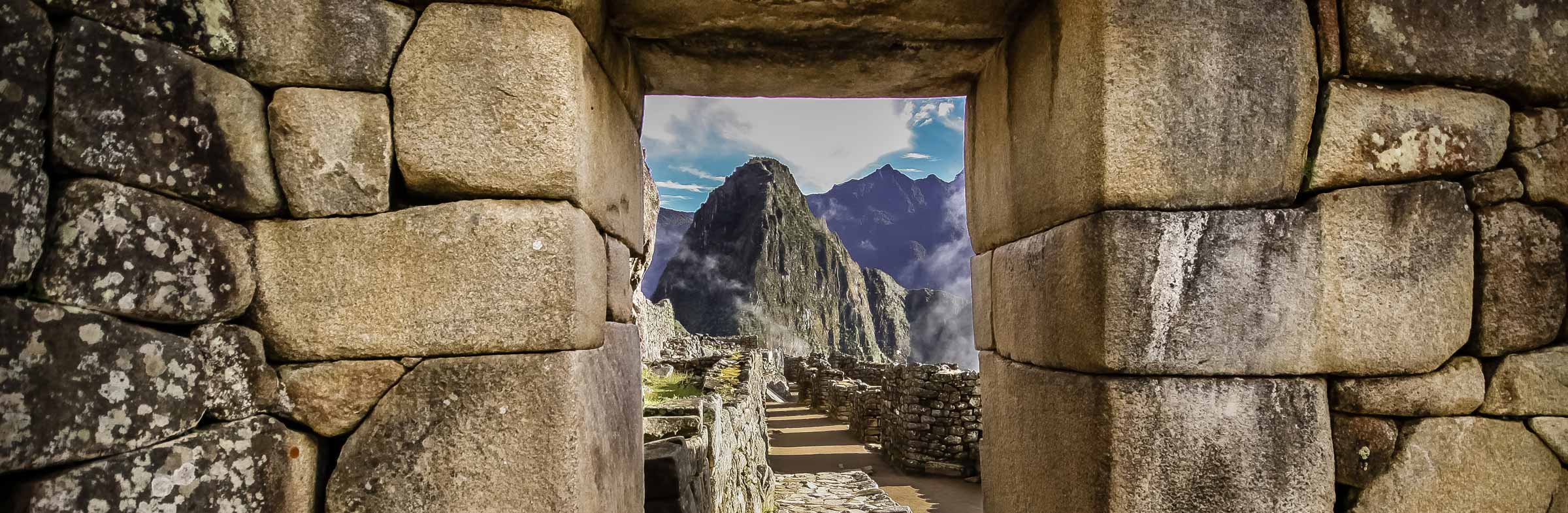
Despite the peace and tranquility its stunning natural beauty evokes, Machu Picchu is a fervently protected place, inhabited by numerous guards who noisily herd unsuspecting travelers who have strayed from the main path. The best option to explore the ruins in peace is to hire a guide or buy a map of the routes. Enter the ruins at 6 am and watch the sunrise over the Andes. You will enter the south side of Machu Picchu from the ticket office through the Cuartel de la Guardia, now the modern entrance. From here, there are several ways to explore the ruins, all offering stunning views of intricate Inca architecture, Andean mountains, and terraced stairways.
Some of Machu Picchu’s must-see attractions include the Temple of the Sun, the Royal Tomb, the Temple of the Three Windows, the Princess Chamber, the Main Temple, Intihuatana, Huayna Picchu, the Temple of the Moon, and Intipunku.
Huayna Picchu
Just down the steps of Intihuatana and across the Sacred Plaza is the Sacred Rock, a massive piece of granite in the curious shape of the Inca’s sacred mountain of Putucusi, looming on the eastern horizon. This rock is little known, except that it serves as the gateway to Huayna Picchu—guardian-controlled access to the sacred summit from a kiosk behind the Sacred Rock.
The steep hike to the summit takes 1 to 2 hours and includes a 20-meter climb up a rock slab using a ladder and rope. (Those afraid of heights may want to pass on this climb.) However, your physical labor will be rewarded with a spectacular panoramic view of the Machu Picchu complex and the Andean mountains and forests cradling it.
Temple of the Moon
Located about 400 meters below the pinnacle of Huayna Picchu (about a 45-minute walk) is the Temple of the Moon, another spectacular example of Inca stonework. The temple is a large natural cave with five niches carved into a solid white granite wall. Towards the center of the cave is a rock carved like a throne; next are five steps leading to darker corners where even more carved stones and stone walls are visible.
The temple’s name derives from its radiating moonlight at night, but many archaeologists believe it was also symbolically aligned with the surrounding mountains. Steps on either side of the small plaza in front of the temple lead to more buildings and fascinating stone shrines below.
You can take the other trail from the guardian’s kiosk behind the Sacred Rock for incredible views of Machu Picchu and Huayna Picchu. The thirty-minute climb to Intipunku, the main entrance to Machu Picchu from the Inca Trail, is slightly less demanding and a good option for anyone short on time or energy.
Intipunku
Suppose you don’t have the time or energy to climb Huayna Picchu and the Temple of the Moon. You may prefer to take the trail from the guardian’s kiosk behind the Sacred Stone to Intipunku, the Inca Trail’s main entrance to Machu Picchu.
Intipunku, also known as the Puerta del Sol, consists of two large stones corresponding to the winter and summer solstices, and on these dates, the doors are illuminated with beams of light similar to a laser. In addition to their symbolic importance, the gates provide remarkable views of Machu Picchu and Huayna Picchu.
Wiñay Wayna
A challenging two- to three-hour descent from the Phuyupatamarca ruins, located on the Inca Trail, will take you to the spectacular Wiñay Wayna ruins. Originally a companion site to Machu Picchu, these ruins perched high above the Urubamba River likely served as a ceremonial and agricultural center. Like today, they may also have served as a rest stop for weary travelers on their way to the great gates of Machu Picchu.
The complex consists of two architectural sections: temples at the top and more rustic structures at the bottom. Up to 19 springs bring water to various baths along the characteristic Inca terraces. If you want to walk more (about 2 hours), you can take the well-marked trail from the ruins to Intipunku, the gateway to Machu Picchu, via the SHORT INCA TRAIL.
Conclusion
Hiking to Machu Picchu is an unforgettable experience that combines natural beauty, cultural richness, and a sense of adventure. Whether you choose the Classic Inca Trail, the remote Salkantay Trek, the culturally immersive Lares Trek, or the adventurous Inca Jungle Trek, each path offers its own rewards. With proper preparation and an open mind, your journey to Machu Picchu will be a cherished memory for years to come. Happy hiking!
Each step on the trail is a step toward understanding the enduring legacy of the Incan civilization and the breathtaking landscapes of the Andes. The journey to Machu Picchu is more than just a physical challenge; it’s a journey of discovery and personal growth. No matter which trail you choose, the experience will leave you with a deeper appreciation for the beauty and history of this remarkable region. Embrace the adventure, and let the spirit of the Andes guide you on your journey to Machu Picchu.