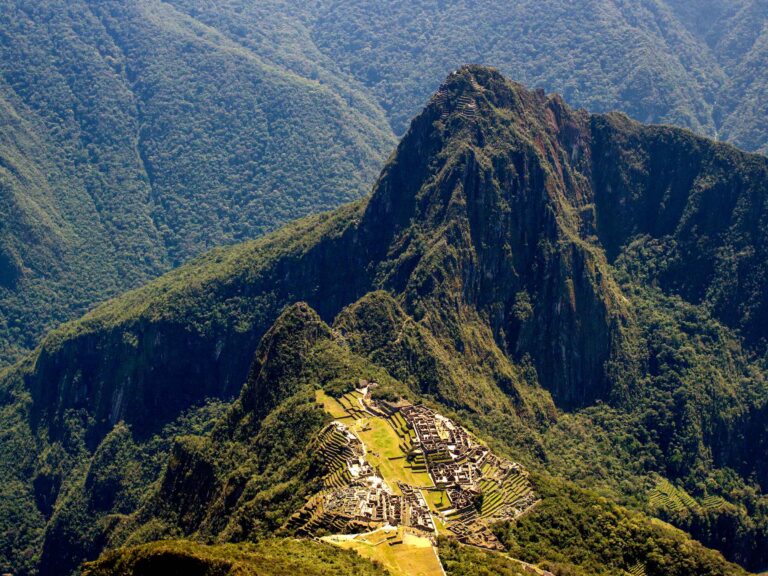

Preparation For the Inca Trail Trek
Embarking on the Inca Trail Trek is a thrilling adventure that combines breathtaking landscapes, ancient history, and a sense of accomplishment like no other. However, to fully enjoy this experience, you need to be adequately prepared both mentally and physically. In this guide, we’ll cover everything you need to know to get ready for the trek, including fitness requirements, packing essentials, and altitude preparation. Let’s dive in!
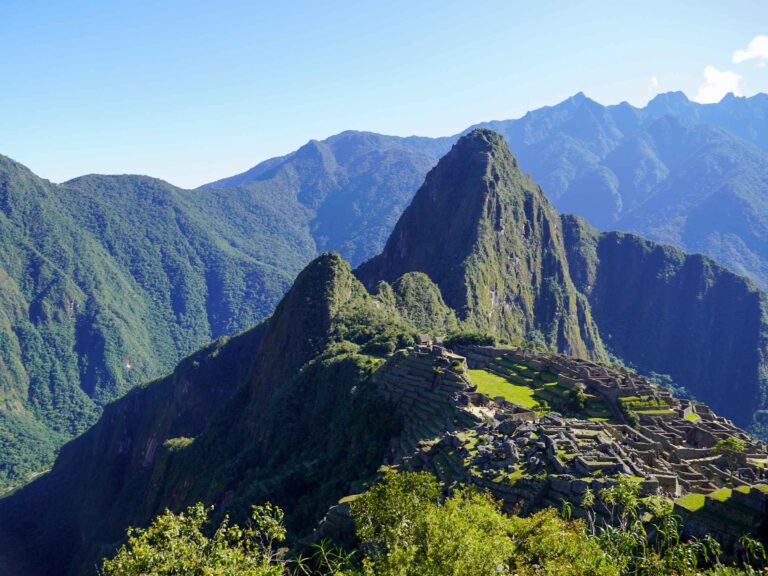
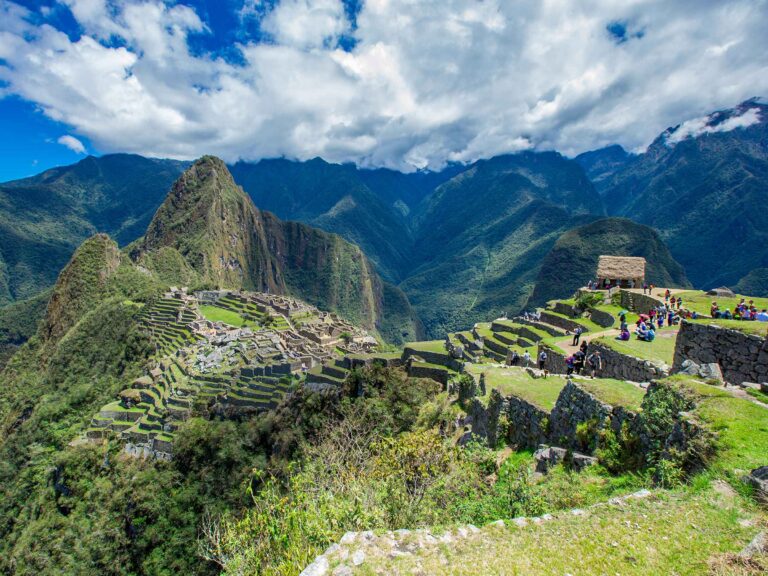
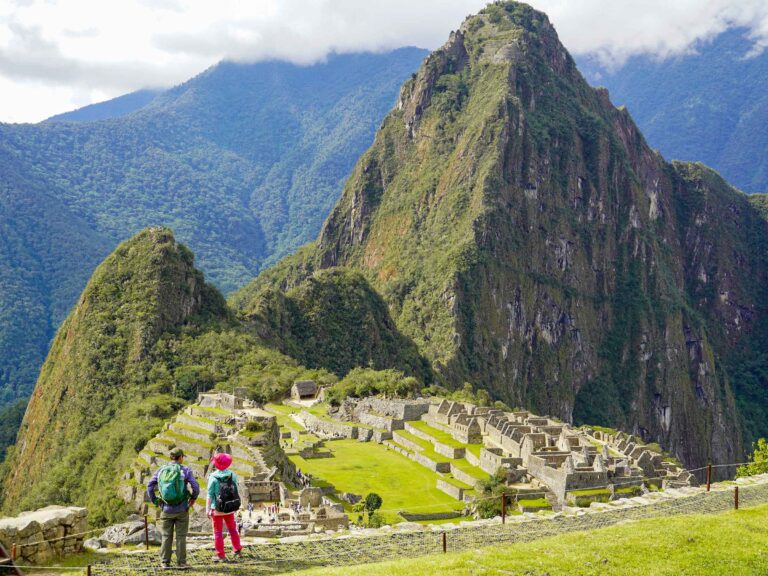
We are happy that you have decided to fulfill one of your dreams, which few hikers worldwide achieve: to make that legendary journey, walking the Inca Trail for four days to the Inca citadel of Machu Picchu.
Kondor Path Tours offers these five tips before doing the Inca Trail. We think it should be an unforgettable experience for all the good things you will do. Therefore, we want to leave you with these simple, practical tips so nothing interferes with your goal.

Preparation For the Inca Trail Trek
How Fit Do You Need to Be for the Inca Trail?
The Inca Trail is not a walk in the park. It spans approximately 26 miles and involves navigating steep ascents and descents, often at high altitudes. To enjoy the trek and minimize the risk of injury, a good level of fitness is essential. Here’s a simple guideline to assess your fitness level:
- Cardiovascular Endurance: You should be comfortable with long walks and have the stamina for activities like jogging, cycling, or swimming. Regular cardiovascular workouts will ensure your heart and lungs are prepared for the high-altitude exertion. Aim for sessions that last at least 30 minutes, three to four times a week.
- Strength Training: Focus on building leg and core strength. Exercises like squats, lunges, and planks can be beneficial. Incorporate resistance training into your routine to enhance muscle endurance. This will help you tackle the rugged terrain with confidence and reduce the risk of muscle fatigue.
- Flexibility and Balance: Incorporate yoga or stretching routines to improve flexibility and balance, which can help prevent injuries on uneven terrain. Balance exercises can be as simple as standing on one leg or using a balance board. Flexibility routines should focus on the lower body, especially the calves, hamstrings, and hip flexors.
Mental Preparation
Mental toughness is just as important as physical fitness. Prepare yourself for the challenging days ahead by setting realistic expectations. Visualize the trek, focusing on the rewarding views and the sense of achievement you’ll feel upon reaching Machu Picchu. Meditation and mindfulness practices can also help in building mental resilience.
- Visualization Techniques: Spend a few minutes each day imagining yourself on the trail, overcoming obstacles, and reaching the summit. This mental rehearsal can boost confidence and reduce anxiety.
- Mindfulness Practices: Incorporate mindfulness into your daily routine. Techniques such as deep breathing, body scans, and mindful walking can help you stay present and focused during the trek.
- Setting Realistic Goals: Break the trek into manageable sections and set achievable goals for each day. This approach can prevent feeling overwhelmed and keep motivation high.
Common Preparation Mistakes to Avoid
Underestimating the Altitude
Altitude sickness can affect anyone, regardless of fitness level. Acclimatizing properly is crucial. Spend a few days in Cusco before the trek to adjust to the higher altitude. Stay hydrated and avoid alcohol, which can exacerbate altitude sickness symptoms.
- Pre-Trek Acclimatization: Plan to arrive in Cusco at least 48-72 hours before your trek to allow your body to adjust. Use this time to explore nearby attractions while giving your body the chance to adapt.
- Hydration Strategies: Drink water consistently throughout the day, aiming for at least 2-3 liters. Herbal teas like coca tea can also aid in acclimatization.
- Avoiding Alcohol and Caffeine: Both substances can dehydrate your body, making altitude sickness more likely. Stick to water and herbal teas in the days leading up to and during the trek.
Overpacking or Underpacking
Packing the right gear is essential for a comfortable trek. Overpacking can weigh you down, while underpacking can leave you without essentials. Carefully plan your packing list, focusing on multi-purpose and lightweight items.
- Creating a Packing Checklist: Start by listing essential items, then add secondary items only if space and weight allow. Cross-check your list with recommendations from experienced trekkers.
- Testing Your Gear: Try on your backpack fully loaded to ensure it’s comfortable and properly balanced. Adjust straps and compartments as needed.
- Choosing Multi-Purpose Items: Opt for clothing and gear that serve multiple functions, such as convertible pants or a jacket with removable layers.
Ignoring Footwear
Your choice of footwear can make or break your trek. Invest in a good pair of hiking boots and break them in well before the journey. Blisters and discomfort can derail your experience, so ensure your boots fit well and offer good ankle support.
- Selecting the Right Boots: Look for boots with good traction, waterproofing, and ankle support. Consider visiting a specialty store to get fitted by a professional.
- Breaking in Your Boots: Wear your boots during training hikes and around the house to soften them up and prevent blisters. Gradually increase the duration and intensity of wear.
- Caring for Your Feet: Invest in quality hiking socks, and consider using blister prevention products like moleskin or specialized blister pads.
What to Pack and How to Prepare
Essential Gear
- Hiking Boots: As mentioned, prioritize comfort and support. Your boots are your foundation on the trail, so choose wisely and ensure they are up to the task.
- Clothing: Layering is key. Pack moisture-wicking base layers, insulating mid-layers, and a waterproof outer layer. This system allows you to adapt to changing weather conditions and stay comfortable throughout the day.
- Backpack: A comfortable, well-fitted backpack with a capacity of 30-40 liters should suffice. Look for features like padded straps, a waist belt, and multiple compartments for organization.
- Sleeping Bag: Choose one suitable for cold nights, with a comfort rating of at least -10°C. Consider the weight and packability, as you’ll need to carry it with you.
- Trekking Poles: These can help reduce strain on your knees and improve stability. Adjustable poles are ideal, allowing you to customize length based on the terrain.
Personal Items
- Sunscreen and Sunglasses: The sun at high altitudes can be intense. High-SPF sunscreen and UV-protection sunglasses are essential to protect your skin and eyes.
- First Aid Kit: Include basics like band-aids, antiseptic wipes, and any personal medications. Customize your kit based on your needs, considering items like blister pads and altitude sickness medication.
- Reusable Water Bottle: Staying hydrated is crucial, so a sturdy water bottle is a must. Consider a bottle with a built-in filter or purification tablets for safe drinking water.
- Snacks: Energy bars and trail mix can keep you fueled between meals. Pack a variety of snacks to keep your energy levels steady and satisfy different taste preferences.
Altitude Preparation Before the Inca Trail
Acclimatization Tips
- Stay Hydrated: Drink plenty of water to help your body adjust to the altitude. Hydration aids in oxygen transport and supports overall bodily functions.
- Gradual Ascent: If possible, plan to ascend gradually to give your body time to adjust. Avoid rapid altitude changes and take your time during the trek.
- Diet: Eat a high-carbohydrate diet to maintain energy levels. Carbohydrates are a quick source of energy and can help prevent fatigue during high-altitude activities.
- Rest: Ensure you get plenty of rest before the trek to help your body recover and adapt. Quality sleep is vital for physical recovery and mental well-being.
Recognizing Altitude Sickness
Be aware of the symptoms of altitude sickness, which include headaches, nausea, dizziness, and fatigue. If you experience severe symptoms, it’s essential to descend to a lower altitude and seek medical attention if necessary.
- Understanding Symptoms: Mild symptoms can be managed with rest and hydration, but persistent or severe symptoms require immediate attention.
- Monitoring Your Health: Regularly check in with yourself and your trekking companions regarding how you’re feeling. Early detection is key to preventing serious complications.
- Seeking Medical Help: Be prepared to descend if symptoms worsen, and don’t hesitate to seek professional medical advice or assistance.

Acclimatization for the Inca Trail
You will be at a high altitude above sea level for several days; your body must acclimate slowly to avoid annoying altitude sickness.
To acclimatize appropriately, staying in Cusco for at least two days before the trek is advisable. The start date of the Inca Trail cannot be changed, and absences are not refundable, so you must take precautions to be in the place indicated on the start date.
The weather in the Andean zone can suffer abrupt changes. The sun can be intense, but the temperature can drop once it hides behind a cloud. Bringing a coat for the night is essential, as the cold can be harmful.

It is vital to wear the shoes you will use for the hike, covering your ankles to maintain better stability. Your boots must withstand 8 hours of walking a day, and the terrain is often tricky and slippery. Another essential tip is not to wear new shoes, as they can cause foot injuries because they do not adapt to your feet. After a few days of use, they will be better adapted to your foot.
Inca Trail regulations

Final Thoughts
Preparation is key to a successful and enjoyable Inca Trail Trek. By focusing on both mental and physical readiness, avoiding common preparation mistakes, packing wisely, and taking steps to acclimatize, you’ll set yourself up for an unforgettable adventure. Remember, the journey is just as important as the destination, so take your time, enjoy the stunning landscapes, and immerse yourself in the rich history of the Inca civilization. Happy trekking!