

machu picchu sacred mountains guide
Machu Picchu, the renowned 15th-century Incan citadel, is a marvel of ancient engineering and spiritual significance. Nestled in the Peruvian Andes, this UNESCO World Heritage site is not merely a testament to the ingenuity of the Inca civilization but also a reflection of their profound spiritual connection with the natural world. The sacred mountains, or “apus,” surrounding Machu Picchu played a crucial role in Inca cosmology and are still revered today. This guide will explore the living mountain spirits of Machu Picchu, why this iconic site was constructed among these holy peaks, and the enduring significance of sacred mountains in contemporary understanding.
In the Incan belief system, apus are considered living spirits or deities residing within mountains. These spirits are perceived as protectors of the people, offering guidance and strength. Each apu is believed to possess unique powers, influencing everything from weather patterns to the fertility of the land. The reverence for apus is deeply embedded in Andean culture, forming a bridge between the physical and spiritual realms.
The apus are not merely passive entities; they are dynamic forces that actively participate in the lives of the people. In this way, the mountains are seen as both guardians and providers, embodying a divine presence that watches over the Andean communities. The belief in apus encourages a reciprocal relationship, where humans must respect and honor the mountains to receive their blessings.
Furthermore, apus are central to the Andean worldview, which emphasizes the interconnectedness of all things. This belief system fosters a sense of harmony between humans and nature, promoting a lifestyle that is sustainable and respectful of the environment. The concept of apus thus serves as a reminder of the delicate balance that must be maintained between human activities and the natural world.
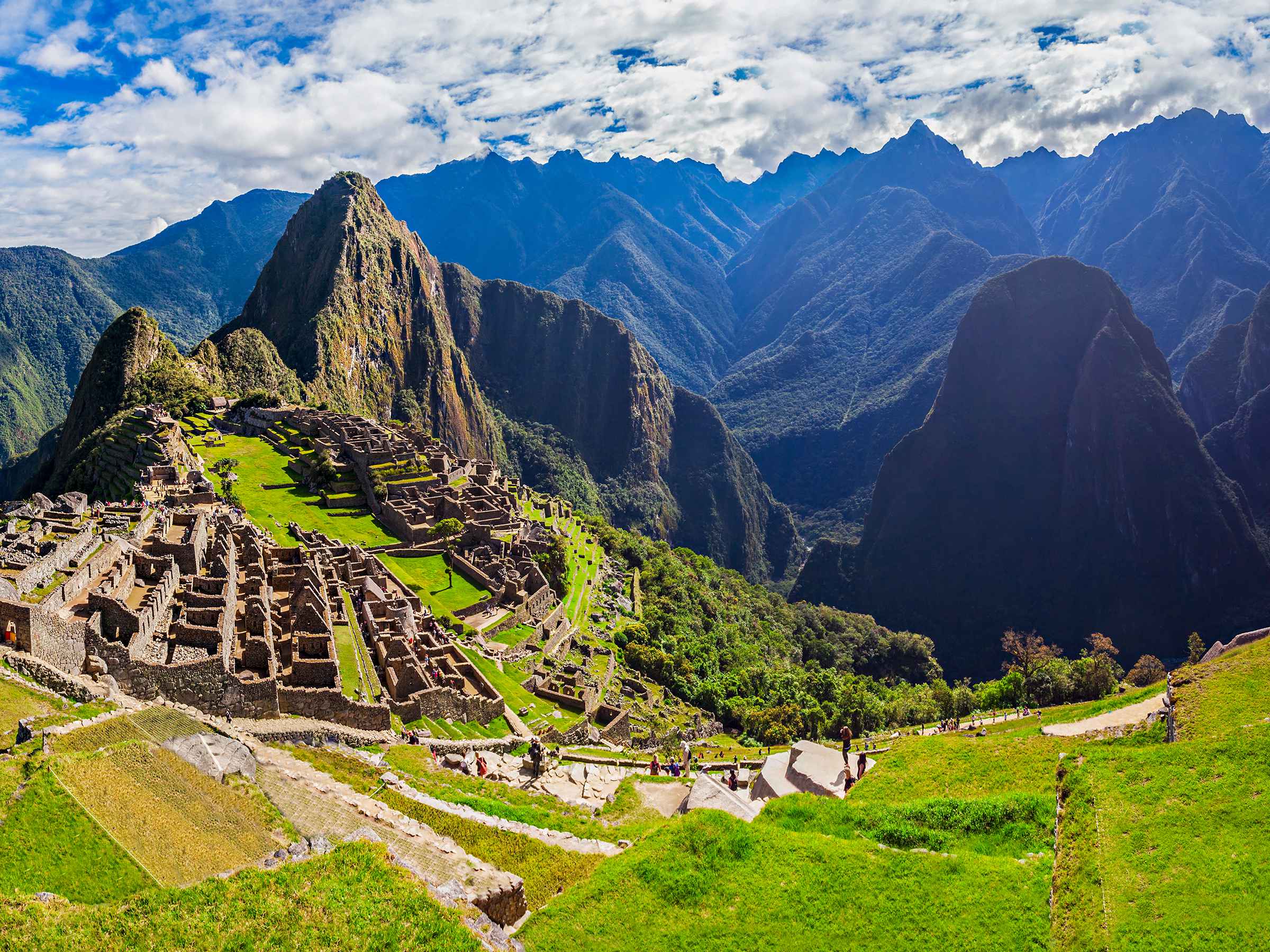
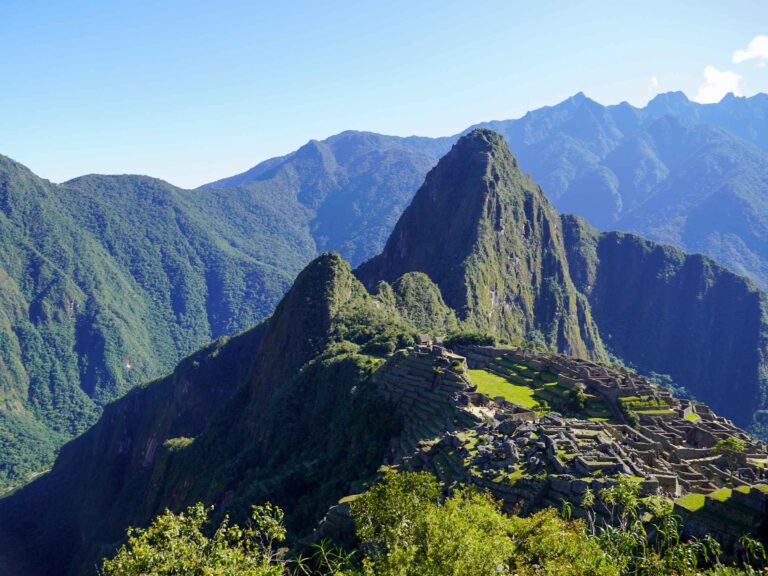
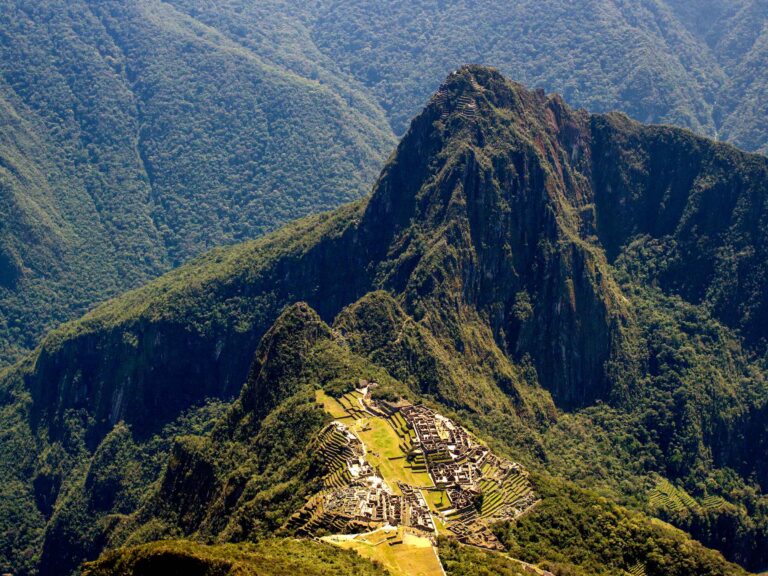
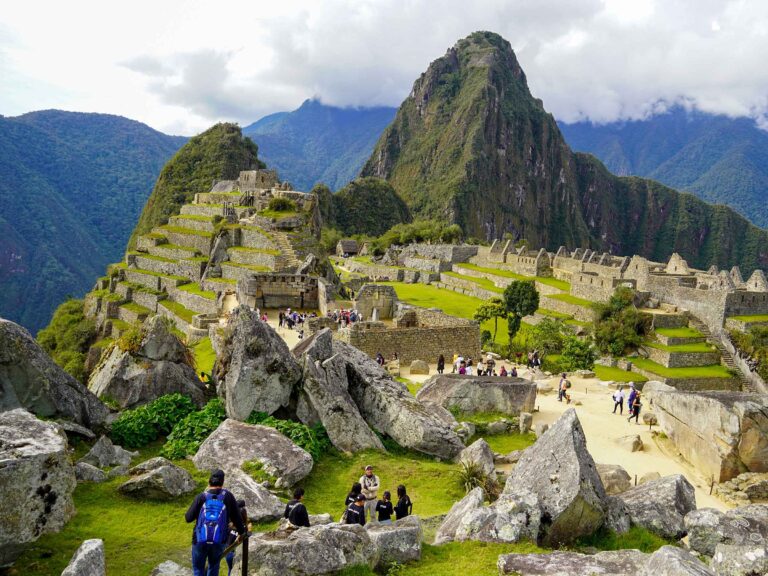
Machu Picchu is enveloped by several significant apus, each contributing to the site’s sacred geography. Among these are Huayna Picchu, Putucusi, and Salcantay. Huayna Picchu, the towering peak that forms the iconic backdrop of Machu Picchu, is often associated with the concept of foresight and vision. Putucusi, known for its lush greenery, symbolizes growth and prosperity. Salcantay, one of the highest peaks in the region, is revered for its power and majesty, embodying the strength of the natural world.
These mountains are not only significant for their spiritual attributes but also for their physical presence, which dominates the landscape. The towering peaks and rugged terrain create a dramatic setting that enhances the mystical allure of Machu Picchu. The interplay of light and shadow on these mountains adds to the site’s enigmatic beauty, captivating the imagination of all who visit.
Each apu surrounding Machu Picchu holds its own set of myths and legends, adding layers of meaning to the landscape. Local folklore often includes stories of the apus interacting with humans, guiding them through challenges or blessing them with abundance. These narratives reinforce the spiritual connection between the people and the mountains, serving as a cultural repository of wisdom and tradition.
The reverence for these mountains is not confined to the past; it persists in the present day. Pilgrims and tourists alike are drawn to the sacred peaks, seeking to experience the energy and tranquility that emanates from these ancient guardians. The apus continue to inspire awe and reverence, reminding us of the enduring power of nature and the spiritual depth of the Andean world.
The selection of Machu Picchu’s location was no accident. The Inca were masterful architects and astronomers who meticulously chose this site for both its strategic advantages and spiritual significance. The alignment of the citadel with the surrounding apus was intended to harness their protective and nurturing energies. This alignment was not only a reflection of the Inca’s reverence for nature but also a practical strategy for ensuring the citadel’s prosperity and security.
The strategic positioning of Machu Picchu also served a defensive purpose. The natural fortifications provided by the mountains made the site difficult to access, offering protection against potential invaders. This combination of spiritual and practical considerations illustrates the Inca’s holistic approach to site selection and urban planning.
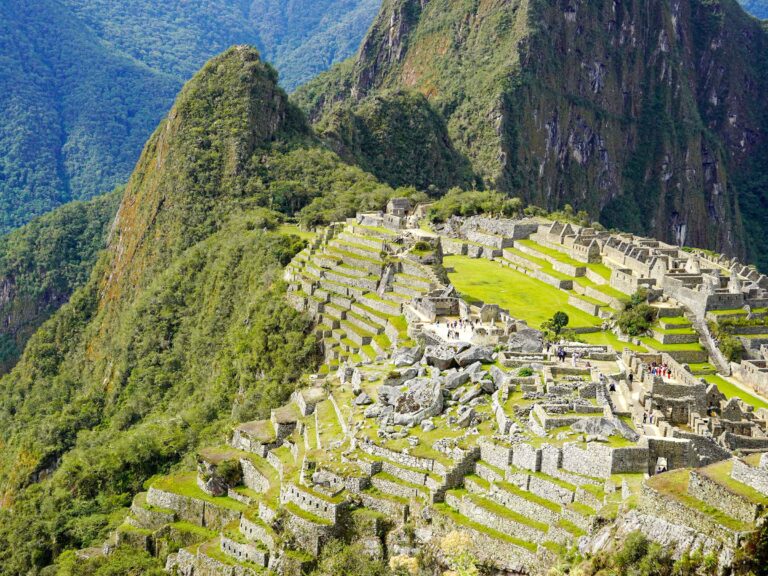
Moreover, the location of Machu Picchu allowed the Inca to create a microclimate that was ideal for agriculture. The terraces that encircle the citadel were ingeniously designed to capture sunlight and retain moisture, enabling the cultivation of crops in an otherwise challenging environment. This agricultural success was attributed to the blessings of the apus, who were believed to ensure the fertility of the land.
The spiritual aspects of the location are further highlighted by the astronomical alignments of Machu Picchu. The citadel was designed to align with celestial events such as solstices and equinoxes, reflecting the Inca’s sophisticated understanding of astronomy. These alignments were believed to enhance the site’s spiritual power, enabling the Inca to communicate with the gods and receive their guidance.
The architectural design of Machu Picchu demonstrates a harmonious integration with its natural environment. The terraces, temples, and stone structures were constructed to complement the contours of the mountains. This seamless blend of human ingenuity and natural beauty underscores the Inca philosophy of living in harmony with the earth and its spiritual entities.
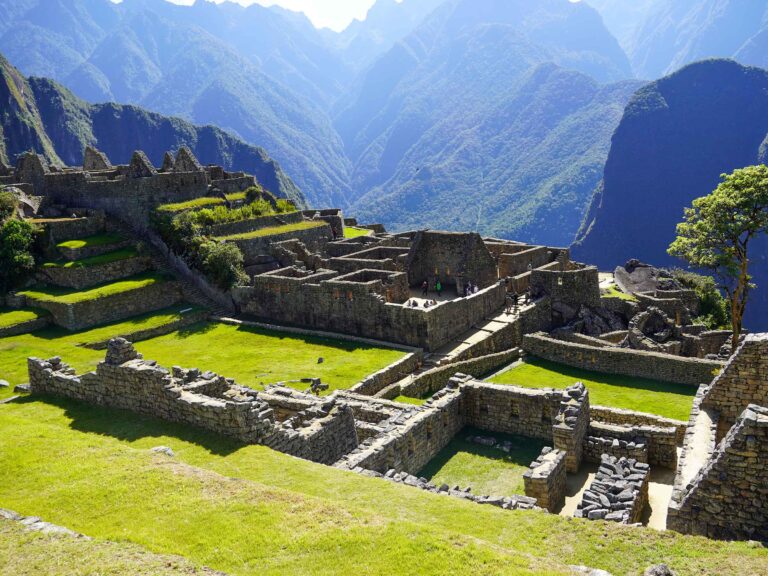
The Inca’s architectural mastery is evident in the precision of their stonework, which required no mortar and has withstood the test of time. The stones were carefully shaped and fitted together, creating structures that are both functional and aesthetically pleasing. This meticulous craftsmanship reflects the Inca’s deep respect for the mountains, as they sought to enhance rather than dominate the landscape.
In addition to their architectural achievements, the Inca incorporated natural features into their designs. Caves, springs, and rock formations were often integrated into the layout of the citadel, enhancing its spiritual significance. These natural elements were seen as manifestations of the apus’ presence, further strengthening the connection between the citadel and the surrounding mountains.
The harmony between Machu Picchu and its environment is not only an aesthetic achievement but also a spiritual one. The Inca believed that by living in balance with nature, they could maintain the favor of the apus and ensure the prosperity of their civilization. This philosophy continues to resonate today, reminding us of the importance of preserving the natural world and respecting its inherent wisdom.
In Inca mythology, mountains were seen as divine connectors between the heavens and the earth. The apus served as intermediaries, facilitating communication with the gods. This belief is evident in the construction of ceremonial sites and temples on mountain summits, where rituals were performed to honor the apus and seek their blessings.
These mountain-top temples were not only places of worship but also centers of astronomical observation. The Inca used the high vantage points to study the stars and celestial events, which were integral to their religious practices. The alignment of these sites with astronomical phenomena reinforced the idea that mountains were bridges to the divine.
The spiritual significance of mountains as connectors extended beyond the physical realm. The Inca believed that the apus had the power to influence events on earth, acting as mediators between humans and the gods. This belief system encouraged the people to live in harmony with the mountains, acknowledging their role in maintaining cosmic balance.
The reverence for mountains as divine connectors is reflected in the Inca’s rituals and ceremonies. Pilgrimages to mountain summits were common, as people sought to draw closer to the apus and receive their guidance. These journeys were seen as both physical and spiritual endeavors, offering participants the opportunity to connect with the divine and gain a deeper understanding of their place in the universe.
Rituals involving offerings to the apus were an integral part of Inca religious practice. These offerings, known as “apachetas,” typically consisted of coca leaves, chicha (a fermented corn drink), and other symbolic items. The purpose of these offerings was to express gratitude, seek favor, and maintain a harmonious relationship with the mountain spirits.
The process of making offerings was a deeply spiritual practice, involving prayer, meditation, and reflection. Participants would often fast or purify themselves before the ceremony, preparing to communicate with the apus. The act of offering was seen as a form of reciprocity, acknowledging the benefits received from the mountains and expressing a desire to maintain a balanced relationship.
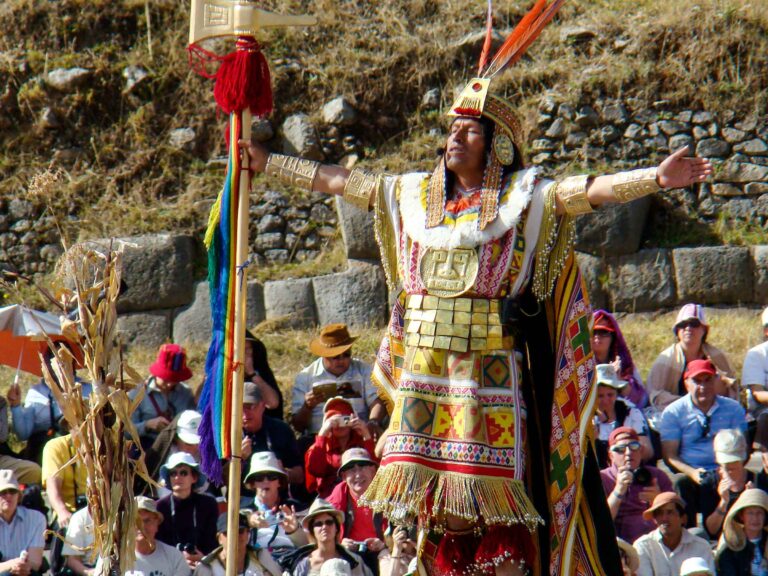
In addition to individual offerings, communal ceremonies were held to honor the apus. These gatherings brought together members of the community to celebrate the mountains and seek their blessings for collective well-being. Such rituals reinforced social cohesion and cultural identity, strengthening the bond between the people and their environment.
The legacy of these rituals continues to influence modern practices, as many Andean communities maintain the tradition of offering to the apus. These ceremonies are seen as a way to preserve cultural heritage and maintain a connection to the spiritual wisdom of the past. By honoring the apus, contemporary practitioners express their respect for the mountains and acknowledge their enduring significance in Andean life.

A visual guide to the 3-day Sacred Valley and Short Inca Trail tour, highlighting selected valley sites, a guided trek to Machu Picchu, and the scenic blend of culture and adventure.
Despite the passage of centuries, the reverence for sacred mountains endures among the indigenous communities of the Andes. Traditional ceremonies and pilgrimages continue to be held, preserving the spiritual legacy of the apus. These practices are a testament to the resilience of Andean culture and its deep-rooted connection to the natural world.
The continuity of these traditions is evident in the vibrant cultural expressions found throughout the Andes. Music, dance, and art often incorporate themes related to the apus, reflecting their ongoing importance in daily life. These cultural expressions serve as a living testament to the enduring presence of the apus in Andean society.
In addition to traditional practices, new forms of spiritual engagement with the mountains have emerged. Ecotourism and adventure travel offer opportunities for people to explore the sacred peaks and connect with their spiritual essence. These experiences provide a modern context for engaging with the apus, fostering a deeper appreciation for their cultural and spiritual significance.
The preservation of these traditions is supported by indigenous leaders and organizations, who advocate for the protection of sacred sites and the recognition of indigenous rights. By promoting awareness and understanding of the apus, these efforts help to ensure that the spiritual heritage of the Andes is preserved for future generations.

In contemporary times, the concept of sacred mountains has gained global recognition, with many people acknowledging their cultural and spiritual significance. However, this recognition also brings challenges, such as balancing tourism with the preservation of sacred sites and respecting indigenous traditions. Efforts to protect these cultural treasures are vital for ensuring that their spiritual and historical value is not diminished.
One of the primary challenges is managing the impact of tourism on sacred sites. As interest in Machu Picchu and its surrounding apus grows, the influx of visitors can threaten the integrity of these places. Overcrowding, environmental degradation, and cultural insensitivity are concerns that must be addressed to ensure the long-term preservation of these treasures.
To mitigate these challenges, sustainable tourism practices are being implemented. These initiatives prioritize environmental conservation, cultural education, and community involvement, ensuring that tourism benefits both visitors and local communities. By fostering a respectful and informed approach to visiting sacred sites, these efforts contribute to the protection of the apus’ spiritual and cultural significance.
Additionally, modern interpretations of sacred mountains are expanding beyond traditional boundaries. Artists, writers, and spiritual seekers from around the world are drawn to the apus, finding inspiration in their beauty and power. This global interest highlights the universal appeal of sacred mountains, offering new perspectives on their role in human spirituality and cultural identity.
Visitors to Machu Picchu have the opportunity to explore the sacred peaks that surround the citadel. Each peak offers a unique perspective on the landscape and a chance to connect with the spiritual essence of the apus. Huayna Picchu is a popular hike, providing breathtaking views of the citadel and the Urubamba River. For those seeking a less-trodden path, Putucusi offers a challenging yet rewarding ascent, with panoramic vistas of the Sacred Valley.
The journey to these peaks is as much a spiritual pilgrimage as it is a physical endeavor. Hikers often find themselves contemplating the majesty of the mountains and the ancient wisdom they embody. The experience of climbing these sacred heights can be transformative, offering insights into the interconnectedness of nature and humanity.
For those interested in a deeper exploration of the apus, guided tours and cultural experiences are available. These programs provide insight into the spiritual significance of the mountains, offering participants an opportunity to engage with Andean traditions and perspectives. By participating in these activities, visitors can gain a greater appreciation for the cultural heritage of the region and the spiritual depth of the apus.
The exploration of these peaks also offers an opportunity for personal reflection and growth. The challenges of the hike, the beauty of the landscape, and the spiritual energy of the apus combine to create a powerful experience that resonates long after the journey has ended.
As interest in Machu Picchu and its sacred mountains continues to grow, it is essential to approach these sites with respect and mindfulness. Conservation efforts are crucial for preserving the natural beauty and cultural heritage of the region. By fostering a deeper understanding of the spiritual significance of the apus, we can ensure that future generations appreciate and honor these sacred mountains.
Respect for the apus begins with acknowledging their cultural and spiritual importance. Visitors are encouraged to learn about the history and traditions of the Andean people, approaching the mountains with reverence and humility. By understanding the significance of the apus, visitors can contribute to the preservation of their cultural and spiritual legacy.
Conservation initiatives are also critical in protecting the natural environment of the sacred mountains. Efforts to reduce waste, minimize environmental impact, and promote sustainable practices are essential for maintaining the ecological balance of the region. These initiatives help to ensure that the beauty and integrity of the apus are preserved for future generations to enjoy.
Collaboration between local communities, governments, and international organizations is key to the successful conservation of sacred sites. By working together, stakeholders can develop strategies that balance the needs of tourism with the preservation of cultural and natural resources. This collaborative approach ensures that the apus remain a source of inspiration and spiritual connection for all who visit.
The sacred mountains of Machu Picchu stand as eternal witnesses to the profound spirituality and ingenuity of the Inca civilization. These apus, with their enduring presence, continue to inspire awe and reverence among those who visit the citadel. As we explore the sacred peaks and delve into their historical and spiritual significance, we gain a greater appreciation for the intricate tapestry of beliefs and traditions that define the Andean worldview. By respecting and preserving these sacred sites, we honor not only the legacy of the Inca but also the enduring spirit of the apus that watch over Machu Picchu.
As we reflect on the lessons of the apus, we are reminded of the importance of living in harmony with nature and respecting the wisdom of the past. The sacred mountains of Machu Picchu offer a timeless reminder of the interconnectedness of all things, encouraging us to seek balance in our own lives. Through our efforts to preserve these sacred sites, we contribute to a legacy of stewardship and reverence that will endure for generations to come.
The enduring spirit of the apus calls us to action, urging us to protect and honor the natural and cultural treasures of our world. By embracing the teachings of the sacred mountains, we can foster a deeper understanding of our place in the universe and our responsibility to the earth and its inhabitants. The apus of Machu Picchu stand as a testament to the power of nature and the resilience of the human spirit, offering inspiration and guidance for all who seek to connect with the divine.
Machu Picchu and Hiram Bingham’s Legacy: Rediscovery, Debate, and Historical Impact Machu Picchu, a marvel of Inca engineering,…
Machu Picchu Seismic Design: How Inca Engineering Defied Earthquakes Machu Picchu stands as a marvel of ancient engineering.…
Machu Picchu Terrace Engineering: How the Incas Mastered Mountain Agriculture Machu Picchu stands as a marvel of ancient…
Machu Picchu Quarry Sources: Where the Incas Obtained Their Building Stone Machu Picchu stands as a marvel of…
Aguas Calientes Town: The Charming Gateway to Machu Picchu Nestled in the heart of the Andes, Aguas Calientes…
Peru Altitude Guide Peru is a land of breathtaking landscapes and rich cultural heritage. Its diverse geography includes…
Machu Picchu Climb Machu Picchu is a dream destination for many travelers. Nestled high in the Andes, it…
Discover the Amazing Sacred Valley Cusco Nestled in the heart of the Andes, the Sacred Valley of Cusco…
Best time to go to Machu Picchu Machu Picchu is a dream destination for many travelers. Nestled in…
Cusco Altitude Cusco, a city nestled in the Andes, is renowned for its breathtaking altitude. At 11,152 feet…
Where is Machu Machu Picchu is a name that sparks curiosity and wonder. Nestled high in the Andes…
River rafting stands out in Peru as a must-do for adventure seekers. What Makes Peru Stand Out for…