
Where Is Machu Picchu? Exploring Peru’s Iconic Inca Site

Where Is Machu Picchu? Exploring Peru’s Iconic Inca Site


Where is Machu

Machu Picchu is a name that sparks curiosity and wonder. Nestled high in the Andes Mountains, it captivates travelers and historians alike. But where exactly is Machu Picchu?

This ancient Inca site is located in Peru, a country rich in history and culture. It sits above the Urubamba River valley, surrounded by lush greenery and towering peaks.

Machu Picchu is not just a location; it’s a symbol of the Inca Empire’s architectural genius. Built in the 15th century, it remains a marvel of engineering and design.

The site was abandoned during the Spanish Conquest, leaving behind mysteries and legends. Rediscovered in 1911 by Hiram Bingham, it has since become a UNESCO World Heritage Site.

Today, Machu Picchu attracts millions of visitors each year. Its breathtaking views and historical significance make it a must-see destination.

Whether you’re a travel enthusiast or a history buff, Machu Picchu offers something for everyone. Join us as we explore its location, history, and enduring legacy.

Where is Machu Picchu

Where is Machu Picchu

Where is Machu Picchu Located?

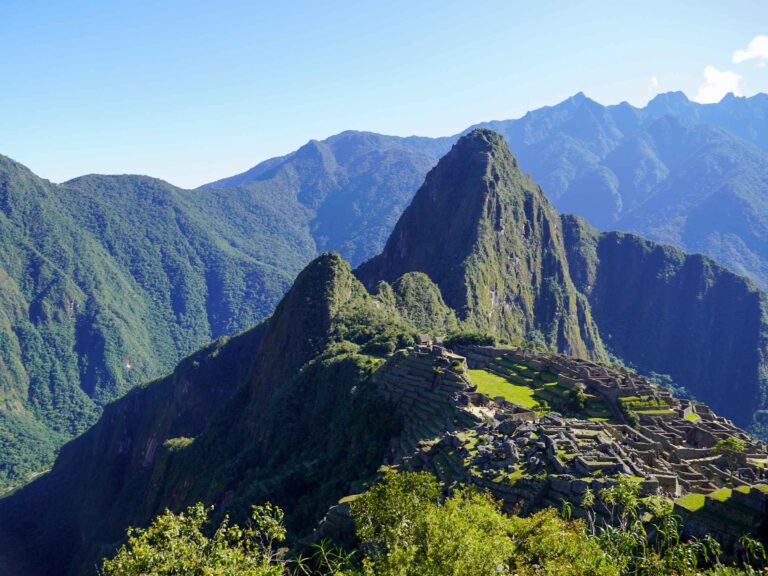
Machu Picchu is perched on a mountain ridge in southern Peru. Located in the Andes, it offers a glimpse into Inca civilization. The site stands at an elevation of approximately 2,430 meters (7,970 feet).

Specifically, Machu Picchu is in the Cusco Region, within the province of Urubamba. It’s situated above the Urubamba River, which winds through a lush valley below. This picturesque setting enhances its mythical allure.

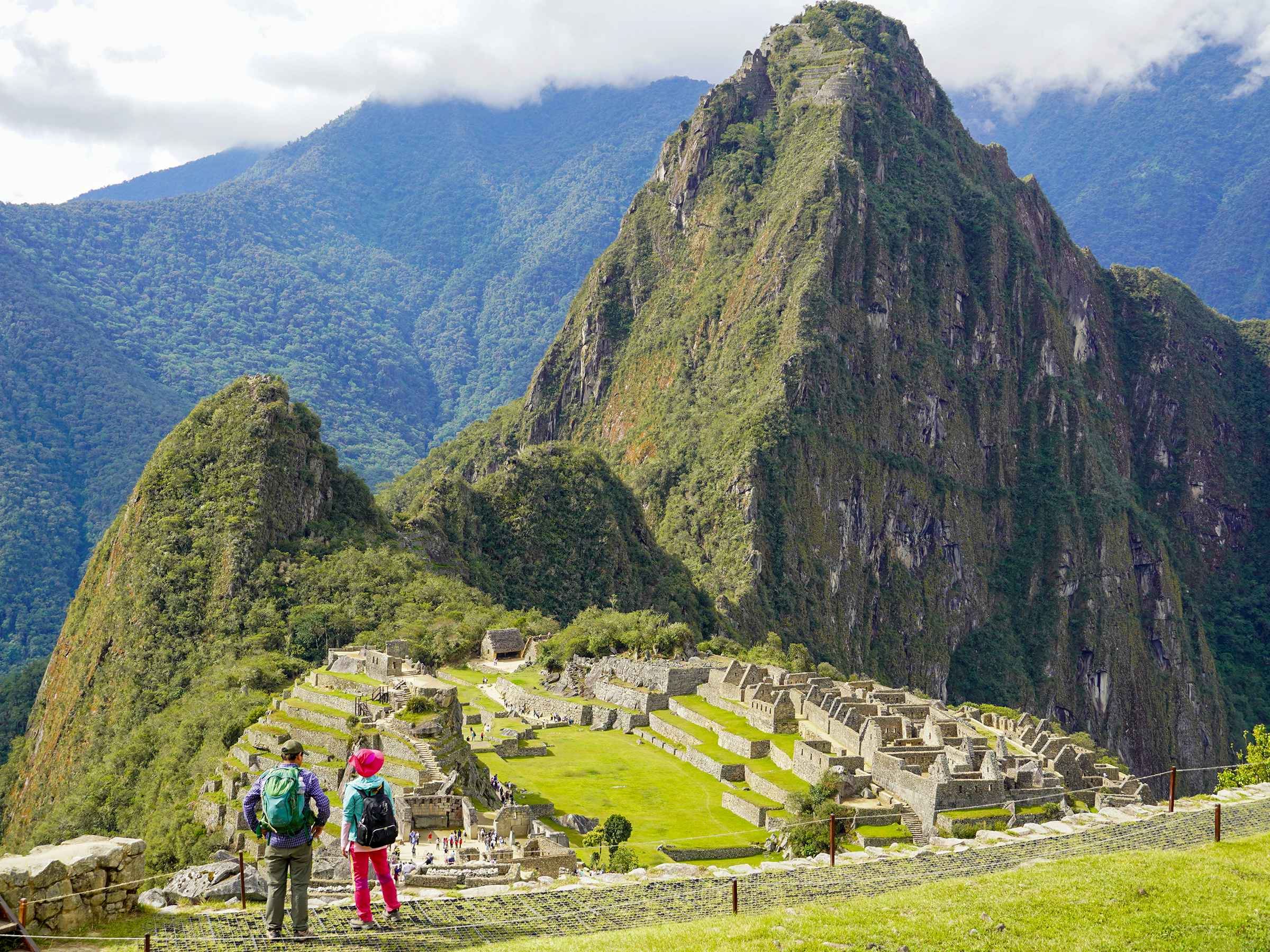
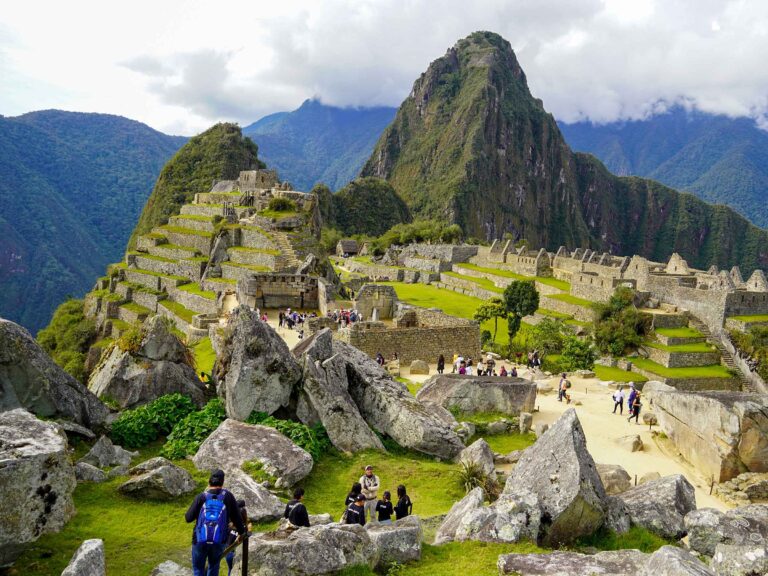
The city is surrounded by stunning landscapes and dramatic peaks. Huayna Picchu, the iconic mountain, towers nearby, offering breathtaking views of the ruins and surrounding valleys.

To fully understand its position:

  • Country: Peru
  • Region: Cusco
  • Province: Urubamba
  • Nearby town: Aguas Calientes

Aguas Calientes, also known as Machu Picchu Pueblo, is the nearest town. Most travelers stay here before visiting the site. From Aguas Calientes, a short bus ride or hike can take you directly to the entrance of Machu Picchu.

Due to its remote location, reaching Machu Picchu requires careful planning. However, the journey rewards visitors with awe-inspiring scenery and a sense of stepping back in time.

Understanding where Machu Picchu is located can enrich your experience. It invites you to explore not only an ancient city but also the culture and beauty that surrounds it.

Read our Kondor Path TripAdvisor Reviews

Machu Picchu: The Country and Region

Machu Picchu is a jewel in Peru’s historical crown. Nestled within the Cusco Region, it’s a testament to the country’s rich Inca heritage.

Peru, a land of incredible diversity, is known for its rugged mountains and lush jungles. It’s a country where ancient traditions blend with modern life, creating a vibrant cultural tapestry.

The Cusco Region is a hub of historical significance. Once the heart of the Inca Empire, Cusco city now thrives with colonial architecture and lively markets. It’s the gateway to many Incan sites, with Machu Picchu being the most renowned.

Exploring the Cusco Region offers insights into indigenous cultures and natural wonders. The area is peppered with ruins and landscapes that inspire awe. The locals, steeped in tradition, maintain a deep connection to their ancestral roots.

Key highlights of the region:

  • Cusco City: The former capital of the Inca Empire
  • Sacred Valley: Known for its fertile land and ancient sites
  • Aguas Calientes: The town closest to Machu Picchu

This region plays a crucial role in Peru’s identity. For travelers, it provides a unique blend of nature, history, and culture that sets the stage for adventures in and around Machu Picchu. As you explore, you’ll uncover the layers of history that define this remarkable corner of the world.

The Geography and Setting of Machu Picchu

Machu Picchu’s geography is both dramatic and stunning. Perched high in the Andes Mountains, this ancient site commands majestic views.

The site sits above the Urubamba River valley. Its steep slopes are lush with dense cloud forests, teeming with unique wildlife. This combination creates a distinct environment that enchants visitors.

Located at an altitude of 2,430 meters (7,970 feet), Machu Picchu offers a cool, refreshing climate. The air is thin, which can take some adjustment for those not accustomed to high altitudes.

Machu Picchu is surrounded by towering peaks. These mountains provided a natural fortress, protecting the site from potential invaders in the past. Their presence adds to the location’s mystery and intrigue.

Key geographic features include:

  • Andes Mountains: Rugged terrain offering spectacular vistas
  • Cloud Forests: Habitats rich in biodiversity
  • Urubamba River: Enhances the beauty of the landscape

The strategic positioning of Machu Picchu allowed the Incas to enjoy both seclusion and security. The mountainous terrain was not only a defense mechanism but also a source of inspiration.

This unique setting contributes significantly to the site’s allure, making it one of the most photographed places in the world. Machu Picchu’s geography offers an unforgettable backdrop for exploring the mysteries of the Inca civilization.

Machu Picchu Tour 6 Days BEST SELLING TOUR

Machu Picchu Tour 6 Days

📍 Cusco City Tour, Pisac, Ollantaytambo, Machupicchu Pueblo, Machu Picchu Ruins, Huayna Picchu, Vinicunca Rainbow Mountain, Maras Salt Mines, Moray

6-Day / from: USD 642

📊 Challenging
⛺ Campsite
★★★★★ (300)

Awe-inspiring 6-Day Machu Picchu Holiday Packages 2026 Machu Picchu 6 Day Tour Package: Explore the Andes of Cusco and the area around the Inca citadel. Visit amazing Inca sites and…

2 Day Inca Trail Hike BEST SELLING TOUR

2 Day Inca Trail Hike

📍 Cusco, Ollantaytambo, Km 104, Chachabamba, Wiñaywayna, Machu Picchu Ruins

2 Days / from: USD 414

📊 Challenging
⛺ Campsite
★★★★★ (300)

Short Inca Trail 2 Days The 2 Day Inca Trail Hike is an incredible way to explore the ruins of Machu Picchu. On this two-day trek, you will enjoy a…

How to Get to Machu Picchu

Reaching Machu Picchu involves a series of well-planned steps, each offering a unique view of Peru. The journey begins in Lima, Peru’s bustling capital.

Travelers first fly to Cusco, the ancient capital of the Inca Empire. From Cusco, there are several options to continue towards Machu Picchu. Train travel provides scenic views, winding through the Sacred Valley and lush greenery.

From Aguas Calientes, also known as Machu Picchu Pueblo, buses transport visitors to the site’s entrance. This bus ride is quick yet thrilling, zigzagging up the mountain.

Booking tickets in advance for trains and entry to the site is crucial. High demand and restricted visitor numbers require careful planning, especially during peak seasons.

Key travel routes include:

  • Lima to Cusco: Usually by air
  • Cusco to Aguas Calientes: Train or hike
  • Aguas Calientes to Machu Picchu: Bus ride

Different travel experiences are available for diverse preferences. Whether taking the scenic Vistadome train or hiking the famous Inca Trail, each route offers its own allure.

Plan your route based on time, budget, and sense of adventure. Each step of the journey is part of the unforgettable experience of visiting Machu Picchu.

From Lima to Machu Picchu

The journey to Machu Picchu starts with a flight from Lima to Cusco. Several airlines offer frequent flights on this route, making it convenient for travelers.

Flying is the quickest way to cover the distance between the two cities. Flights take about an hour and a half, offering aerial views of Peru’s diverse landscape.

Arriving in Cusco, travelers often spend a night acclimatizing to the altitude. This helps prevent altitude sickness and allows time to enjoy Cusco’s historical charm.

From Cusco to Machu Picchu

From Cusco, options include traveling by train or trekking the renowned Inca Trail. The train is the most popular choice, providing comfort and beautiful vistas.

The train journey to Aguas Calientes varies in time, typically around three to four hours. Several train services cater to different budgets and preferences.

Alternatively, adventurous travelers may opt to hike. The Inca Trail is a famous option, offering an immersive experience steeped in history and nature.

From Aguas Calientes to Machu Picchu

Upon arriving in Aguas Calientes, travelers are just a short ride away from Machu Picchu. Buses shuttle frequently between the town and the archaeological site.

This shuttle ride provides breathtaking views as it ascends the steep switchbacks. The ride lasts about 20 minutes, climbing through scenic mountain terrain.

For those who prefer hiking, a challenging hike leads from Aguas Calientes to the entrance. This trek is steeper than the bus route, but it is rewarded with beautiful vistas and a sense of accomplishment.

Machu Picchu Trips

  • Machu Picchu Full Day Tour – A comprehensive one-day tour exploring the iconic Inca city of Machu Picchu, including its main archaeological sites and historical significance.
  • 2 Day Tour Machu Picchu Sacred Valley – This two-day tour covers the Sacred Valley’s highlights and Machu Picchu, providing a blend of cultural and historical experiences with guided tours and visits to local landmarks.
  • Machu Picchu Tour + Maras Salt Mines – 2 Days – Explore Machu Picchu and the Maras Salt Mines over two days, including guided tours of these fascinating sites and insights into their cultural and historical importance.
  • Machu Picchu Tour + Sacred Valley Tour – 3 Days Valley – A three-day immersive experience that combines a tour of Machu Picchu with a comprehensive exploration of the Sacred Valley, including cultural insights and visits to key sites.
  • Machu Picchu Tour – 4 Days – A four-day tour providing additional time to explore Machu Picchu and its surroundings, with options for extended hikes and deeper exploration of the area’s natural beauty.
  • Machu Picchu Tour – 5 Days – An extended five-day adventure that includes Machu Picchu along with extra hikes, cultural experiences, and the chance to explore additional Incan sites and trails.
  • Machu Picchu Tour – 6 Days – A six-day comprehensive package offering an in-depth tour of Machu Picchu, including additional excursions and experiences in the Cusco region, providing a thorough exploration of the area’s heritage and beauty.
  • Machu Picchu Photo Tour – 6 Days – A six-day tour focused on capturing stunning photographs of Machu Picchu and its surroundings, with guided photography sessions and advice from experts to help you get the best shots.
  • Machu Picchu by Belmond Hiram Bingham Train – A luxury experience traveling to Machu Picchu aboard the Belmond Hiram Bingham train, featuring elegant dining, exclusive service, and a scenic journey through the Peruvian countryside.

The History of Machu Picchu

Machu Picchu is an iconic symbol of the Inca Empire, reflecting its rich history and culture. Built in the 15th century, it stands as a testament to the Incas’ architectural prowess.

The site is believed to have been commissioned by the Inca emperor Pachacuti. It served as a royal estate or religious retreat, showcasing the empire’s grandeur.

Machu Picchu was strategically located in the Andes Mountains. Its construction utilized the natural topography to enhance defense and provide awe-inspiring views.

However, the Spanish Conquest in the 16th century led to the site’s abandonment. As the Inca Empire fell, Machu Picchu slipped into obscurity and nature reclaimed it.

Rediscovered by American historian Hiram Bingham in 1911, Machu Picchu gained global attention. Bingham’s expedition revealed the site’s breathtaking beauty and historical significance.

Machu Picchu’s rediscovery renewed interest in Inca civilization. It sparked worldwide fascination and scholarly research, revealing the empire’s sophisticated culture.

Key historical notes include:

  • Built in the 15th century
  • Abandoned during the Spanish Conquest
  • Rediscovered by Hiram Bingham in 1911
  • Initially served as a royal estate or religious site

Despite its abandonment, Machu Picchu remained remarkably intact. Its rediscovery prompted preservation efforts, ensuring the site’s legacy endures.

Today, Machu Picchu is a UNESCO World Heritage Site. It is celebrated for its historical importance and breathtaking beauty, attracting millions of visitors each year.

The site’s history is a tale of discovery, ingenuity, and mystery. Each stone and stairway holds secrets of the past, inviting exploration and admiration.

Machu Picchu stands as a bridge between past and present, inspiring curiosity and wonder. Its history continues to captivate scholars, travelers, and dreamers alike.

Who Built Machu Picchu and Why?

Machu Picchu, a marvel of ancient architecture, was built by the Incas. This civilization thrived in South America, particularly in what is now Peru.

The primary figure behind its construction was Pachacuti Inca Yupanqui. He was the ninth ruler of the Inca Empire, often credited with its expansion and prosperity.

Pachacuti envisioned Machu Picchu as a royal estate and spiritual retreat. It was designed to reflect the empire’s power and its connection to nature.

The site’s construction began in the mid-1400s. It required meticulous planning and skilled labor to carve the settlement into the steep mountainside.

Machu Picchu served multiple purposes. It was likely a ceremonial center, agricultural hub, and a retreat for the Incan elite.

Key motivations for building Machu Picchu include:

  • Demonstrating architectural prowess and imperial power
  • Creating a spiritual center aligned with celestial events
  • Utilizing the fertile land for agriculture

The Incas built Machu Picchu using a unique dry-stone method. Stones were precisely cut to fit together tightly without mortar, showcasing their engineering skills.

Strategically placed, Machu Picchu was nearly invisible from below, providing added security. It reflected the Incas’ understanding of defense and their desire for seclusion.

Beyond its practical uses, Machu Picchu was a testament to the Inca’s spirituality. Its alignment with solstices and sacred landmarks highlights the builders’ reverence for the cosmos.

The construction of Machu Picchu is a story of ambition and vision. It represents the Incas’ profound connection with the earth and the heavens.

Amazon Rainforest Peru 8-Day BEST SELLING TOUR

Amazon Rainforest Peru 8-Day

📍 Puerto Maldonado Airport, Sandoval Lake, Caiman Safari, Parakeet’s Clay Lick, Cusco Tour, Sacred Valley, Machu Picchu Ruins, Vinicunca Rainbow Mountain

8-Day / from: USD 10

📊 Challenging
⛺ Campsite
★★★★★ (300)

Adorable Amazon Jungle Peru 8 Day Amazon Rainforest Peru 8-Day: Explore the Amazon Jungle plus Machu Picchu, two incredible jewels of southern Peru, with great excursions through the most outstanding…

Pilgrimages to Awakening Ways of Consciousness 13 Day BEST SELLING TOUR

Pilgrimages to Awakening Ways of Consciousness 13 Day

📍 Cusco, Alchemist Route, Sacsayhuaman to X zone, Uno Urco, Huchuy Qosqo, Machupicchu Pueblo, Machu Picchu’s spiritual access, Moon temple, Chinchero, Pisaq, Tipon, Palccoyo Rainbow Mountain, Sillustani, Amaru Muro, Amantani

13-Days / from: USD 1470

📊 Challenging
⛺ Campsite
★★★★★ (300)

Discover Peru Spiritual Awakening: Peru Sacred Tours 2025 Peru Spiritual Journey: The spiritual walker will know our ancestral priests’ routes, enclosures, and temples, inviting them and directing them to perceive…

What Did Machu Picchu Look Like?

Machu Picchu, with its dramatic stone architecture, is both majestic and mysterious. Nestled high in the Andes, its layout consists of terraces, temples, and plazas.

The urban sector is meticulously arranged. Here, you find the Temple of the Sun and the Intihuatana stone, both of which are thought to be astronomical observatories.

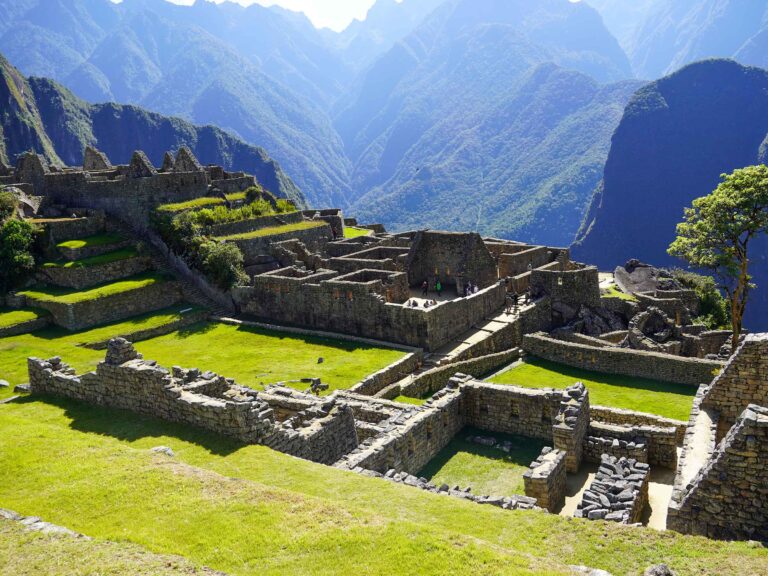
Homes and communal areas are constructed with granite blocks. These are intricately cut to fit together perfectly without mortar, displaying the Inca’s engineering prowess.

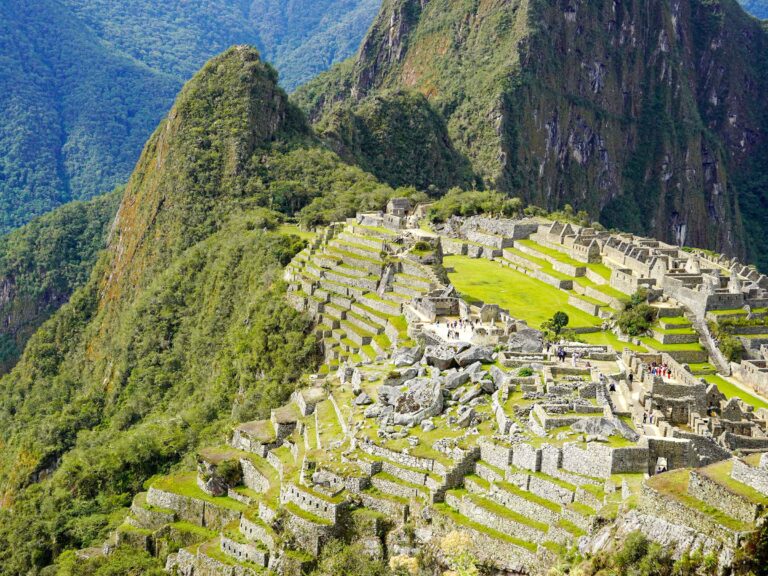
Surrounding the urban expanse are agricultural terraces. These terraces were strategically designed to reduce erosion and maximize the fertile land available for crops.

Key features of Machu Picchu include:

  • Terraced hillsides for agriculture
  • Residential and religious areas
  • Stone-built structures with trapezoidal doors
  • Advanced water management systems

The residential areas housed temples and storage facilities, hinting at the site’s ceremonial significance. Stone paths interconnect these structures, guiding visitors through this ancient city.

The seamless integration with the natural landscape is awe-inspiring. Machu Picchu stands as a testament to the Inca’s harmony with their environment, with each stone thoughtfully placed.

The Architecture and Engineering of Machu Picchu

Machu Picchu is a marvel of ancient engineering. The Incas’ architectural and construction skills are evident throughout the site. They utilized an impressive dry-stone method, carving each rock to fit seamlessly with its neighbors. This technique has withstood earthquakes over centuries, showcasing the Incas’ foresight and craftsmanship.

One of the most remarkable features is the terracing system. These terraces served dual purposes: they provided stable ground for agriculture and helped manage rainwater to prevent erosion. This shows the Incas’ keen understanding of sustainable farming in harsh environments.

The site’s buildings are positioned with precision. Structures like the Temple of the Sun align with astronomical events, reflecting the Incas’ deep connection to celestial phenomena. This alignment indicates their knowledge of the cosmos and its influence on daily life.

Machu Picchu’s architects also mastered water management. There is a network of canals and fountains throughout the city, designed to transport fresh mountain water efficiently. This system provided essential resources to its inhabitants year-round.

Key architectural elements include:

  • Intricately cut stone blocks
  • Alignments with solstices
  • Advanced irrigation channels
  • Use of natural topography for defense

The strategic placement of buildings was vital. Many structures offer sweeping views of the surrounding mountains, and strategic locations defend against potential threats. The integration of natural elements into Machu Picchu’s design emphasizes not only the Incas’ ingenuity but also their reverence for nature. This enduring monument highlights their advanced engineering skills and deep understanding of environmental harmony.

Machu Picchu Facts and Mysteries

Machu Picchu, often called the “Lost City of the Incas,” is steeped in mystery. This ancient site in Peru continues to intrigue archaeologists and historians alike. Built in the 15th century, its exact purpose remains largely speculative, adding to its allure.

There are various theories about Machu Picchu’s original function. Some suggest it was a royal estate for the Inca emperor Pachacuti. Others believe it served as a religious retreat or ceremonial site, given its many temples and shrines.

Although the Spaniards never discovered it during their conquest, Machu Picchu was mysteriously abandoned in the 16th century. Its reasons for abandonment are unclear, but it’s thought that disease or warfare might have been factors. Rediscovered by Hiram Bingham in 1911, the site remains a testament to Inca ingenuity.

Fascinating facts and unsolved mysteries of Machu Picchu include:

  • Precision stonework that doesn’t use mortar
  • Astronomical alignments and their significance
  • Unknown true purpose and function
  • Advanced water management systems
  • Theories of its abandonment and rediscovery

The precise stonework defies modern understanding. Rocks fit so tightly that not even a knife blade fits between them. This skillful construction has baffled historians and architects for years, contributing to the site’s mystical aura.

Machu Picchu continues to captivate the imaginations of visitors and researchers. The balance of its stunning beauty and enigmatic history ensures that its mysteries endure, luring future generations to explore its secrets.

Why is Machu Picchu Important?

Machu Picchu holds a revered spot in world heritage. This site represents the pinnacle of the Inca civilization’s architectural and engineering accomplishments. Its importance stems not just from its beauty, but from its historical and cultural significance.

The site’s design demonstrates advanced knowledge. It reflects the Inca’s deep connection with astronomy and agriculture, highlighting their harmonious relationship with the environment. The sophisticated terraces and water channels reveal their understanding of sustainability.

Machu Picchu’s value extends to modern times. It’s a UNESCO World Heritage Site that draws over a million visitors each year. This influx underscores its role in Peruvian tourism and economy, turning it into a symbol of national identity and pride.

Key reasons Machu Picchu is significant include:

  • Representation of Inca engineering achievements
  • Cultural and historical importance of Peru
  • Contribution to Peru’s tourism and economy
  • Architectural marvel with astronomical alignments
  • UNESCO World Heritage Site status

The preservation of Machu Picchu is crucial for future generations. It remains a testament to human creativity and persistence, inspiring awe and wonder across cultures worldwide.

Flora and Fauna of Machu Picchu

Machu Picchu is a treasure trove of diverse wildlife and plant life. The site is nestled within a lush cloud forest, providing a unique habitat. This environment supports a wide range of species.

The flora includes many vibrant orchids and bromeliads. These plants add splashes of color to the green landscape. Besides these, the dense forests house a variety of ferns and trees, creating a rich tapestry of vegetation.

Wildlife at Machu Picchu is equally fascinating. Key species include the elusive spectacled bear and various colorful bird species. Visitors might even spot hummingbirds darting among the flowers.

Some remarkable flora and fauna at Machu Picchu are:

  • Various species of orchids and bromeliads
  • The endangered spectacled bear
  • A multitude of vibrant birds and hummingbirds
  • Diverse insect and butterfly species

Machu Picchu’s flora and fauna enhance its mystical charm, making every visit an unforgettable experience. Exploring its natural beauty is part of understanding the site’s complete essence.

The Climate and Best Time to Visit Machu Picchu

Machu Picchu experiences a subtropical highland climate. This means the weather varies between wet and dry periods. Despite its altitude, temperatures remain fairly consistent year-round.

The dry season spans from May to September, offering clear skies and comfortable trekking conditions. These months attract many visitors eager for ideal hiking experiences. Conversely, the rainy season lasts from October to April, with frequent showers.

When planning a visit, consider these seasonal changes:

  • Dry season (May to September): Best for clear views and hiking.
  • Wet season (October to April): Expect lush landscapes but potential rain.

For those seeking fewer crowds, try visiting in late April or early October. This period offers a balance of mild weather and smaller crowds. Each season at Machu Picchu brings its unique beauty and challenges.

Hiking and Exploring Machu Picchu

Exploring Machu Picchu offers a chance to connect with its rich history and stunning vistas. Numerous trails exist, offering varied experiences for all fitness levels and interests. Each path unveils unique aspects of the site.

Hiking trails are popular due to their scenic beauty and historical significance. These paths cater to both seasoned trekkers and casual explorers. As you traverse, you’ll encounter breathtaking landscapes and ancient Inca engineering.

While exploring, consider these highlights:

  • Intihuatana Stone: An ancient ritual stone related to astronomy.
  • Temple of the Sun: A structure honoring the Sun God.
  • Agricultural Terraces: Stunning examples of ancient farming techniques.

To prepare for a visit, ensure you have proper gear and physical readiness. Conditions can be challenging, so plan for a full day of exploration. Always follow guidelines to help preserve the site’s beauty for future generations. Whether seeking adventure or tranquility, Machu Picchu offers an unforgettable experience.

The Inca Trail and Other Routes

The Inca Trail is the most famous route leading to Machu Picchu. This trek spans approximately four days and requires careful planning. Permits are limited, so early booking is essential.

Other trails offer diverse experiences:

  • Salkantay Trek: A five-day journey through stunning mountain views.
  • Lares Trek: Known for cultural encounters with local communities.
  • Choquequirao Trek: Leads to another Incan site, often less crowded.

Each route boasts unique features, from varied landscapes to historical insights. If seeking a quieter path, consider a less traveled trail. These alternatives provide equally rewarding experiences. Embarking on any trek requires preparation and respect for local traditions.

Climbing Machu Picchu Mountain and Huayna Picchu

For adventurous visitors, climbing Machu Picchu Mountain or Huayna Picchu is a must. Each climb offers distinct perspectives and challenges. Both peaks require separate tickets from site entrance fees.

Machu Picchu Mountain is the higher of the two, providing sweeping views. The trail is longer but less steep, ideal for those seeking a challenging hike. Huayna Picchu is known for its dramatic ascent and ancient structures.

Here are some highlights:

  • Machu Picchu Mountain: Known for panoramic vistas and less crowding.
  • Huayna Picchu: Features the Moon Temple and spectacular views.
  • Popularity: Due to demand, book tickets well in advance.

Remember, both climbs are physically demanding and time-consuming. They reward hikers with breathtaking views and a deeper appreciation of Inca ingenuity. Preparing well ensures a safe and enjoyable adventure.

The View from Machu Picchu Mountain

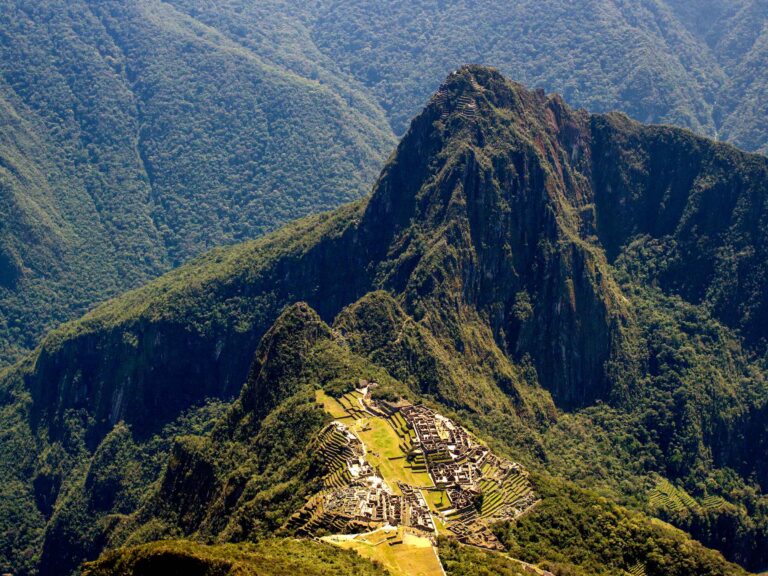
Ascending Machu Picchu Mountain rewards hikers with awe-inspiring views. From its peak, the vastness of the Andean landscape unfolds. The site and its surroundings appear in stunning panoramas. The Urubamba River carves through the valleys below, adding to the scene’s majesty.

Peering across this ancient land, one can appreciate the vision of the Inca architects. The intricate layout of terraces and temples is visible from above. Each angle reveals the harmony between nature and human ingenuity. Standing atop the mountain, visitors experience a unique perspective on a timeless masterpiece.

What Happened to Machu Picchu? Abandonment and Rediscovery

Machu Picchu’s story took a mysterious turn with its sudden abandonment. The Inca site was left behind in the 16th century. Possible reasons include the Spanish Conquest or a disease outbreak.

For centuries, Machu Picchu lay hidden in the dense Peruvian forest. Local Indigenous peoples knew of its presence, but it remained largely unseen by outsiders. This changed in 1911 when Hiram Bingham, a historian from Yale, rediscovered it.

Bingham’s discovery brought Machu Picchu into international focus, sparking interest and research. His findings highlighted its architectural brilliance and cultural importance.

The site’s rediscovery sparked debates about rightful ownership and preservation. This has led to ongoing efforts to protect and study Machu Picchu, ensuring its survival for future generations. The journey of Machu Picchu—from a mysterious abandonment to a celebrated wonder—continues to intrigue and inspire.

Preserving Machu Picchu for the Future

Preservation of Machu Picchu is crucial due to its global significance. The site faces several threats, including tourism pressure and environmental changes. Concerted efforts are needed to safeguard its unique heritage.

Collaborations between the Peruvian government and international organizations play a significant role. These partnerships focus on sustainable tourism practices and conservation strategies. Public awareness campaigns also highlight the importance of protecting this World Heritage Site.

Key preservation strategies include:

  • Implementing visitor limits to reduce wear and tear.
  • Establishing strict guidelines for site access and usage.
  • Conducting ongoing research to inform preservation techniques.

These measures ensure that Machu Picchu remains a marvel for future generations. The challenge is balancing the influx of visitors with the site’s fragile condition. Continuous efforts are vital to maintaining its beauty and historical legacy.

Frequently Asked Questions about Machu Picchu

Curious about Machu Picchu? Here are answers to some common questions. This section provides quick insights into visiting this iconic site.

Is Machu Picchu open year-round? Yes, it is open all year, but the rainy season can affect visiting conditions. The peak tourist season typically runs from May to September.

How can visitors get to Machu Picchu? Most travel via train from Cusco or Ollantaytambo to Aguas Calientes. Buses shuttle visitors from Aguas Calientes to the entrance.

Are permits required to visit Machu Picchu? Yes, a permit is needed, especially for the Inca Trail. It’s advisable to book these well in advance due to high demand.

Key Points:

  • Machu Picchu is open all year.
  • Trains and buses provide access.
  • Permits are necessary, particularly for popular trails.

These FAQs help plan a visit effectively, ensuring a memorable experience. Enjoy exploring this ancient wonder with ease.

Conclusion: The Enduring Legacy of Machu Picchu

Machu Picchu stands as a testament to the ingenuity of the Inca civilization. Its blend of natural beauty and architectural brilliance continues to captivate millions.

The site’s historical and cultural significance transcends time. Machu Picchu remains an emblem of human creativity and resilience, inspiring visitors worldwide. As we preserve it for future generations, Machu Picchu teaches us the importance of safeguarding our heritage. Through these efforts, its legacy as a world wonder endures, bridging past and present.

Inquire Now

Contact form footer
Need help? Speak with us