Nestled in the arid desert plains of southern Peru, the Nazca Lines are one of the world’s most intriguing archaeological wonders. These enormous geoglyphs, etched into the surface of the earth, have captured the imagination of historians, archaeologists, and travelers alike. In this article, we will delve into the mystery surrounding the Nazca Lines, exploring their origins, significance, and the theories that attempt to explain their existence.
The Nazca Lines are a collection of massive geoglyphs, which are large designs or motifs created on the ground using natural elements like stones and earth. These geoglyphs stretch across nearly 50 square kilometers of the Nazca Desert in Peru. The lines form various shapes, including animals, plants, and geometric patterns. Some of the most famous figures include a monkey, a hummingbird, a spider, and a condor.
The Nazca culture, which flourished from around 200 BCE to 600 CE, is credited with creating these lines. They were a pre-Incan civilization known for their advanced skills in ceramics, textiles, and architecture. Their society was structured around agriculture and religion, both of which likely played a role in the creation of the geoglyphs. The region’s harsh environment demanded innovative solutions for water management, which may have influenced their artistic expressions.
Its arid climate and minimal vegetation make it an ideal canvas for such large-scale ground art. The desert’s flat plains and stable weather conditions have helped preserve the geoglyphs for centuries. The light-colored soil beneath the surface contrasts sharply with the darker oxidized pebbles on top, making the lines visible even from afar.
Among the various shapes, some figures stand out due to their size and complexity. The hummingbird, for instance, measures about 93 meters in length, while the condor spans 130 meters. These figures are not just visually striking; they also hold cultural significance. Animals depicted in the lines, such as the monkey and the spider, are often associated with water, fertility, and prosperity in ancient Andean cultures.
The Nazca Lines were created by the Nazca culture, which flourished in the region from around 200 BCE to 600 CE. The Nazca people removed the reddish-brown iron oxide-coated pebbles that cover the desert surface to reveal the lighter-colored earth beneath. This contrast between the darker rocks and the lighter soil creates the lines and shapes that we see today.
The Nazca people used simple tools like wooden stakes and ropes to design and map out the geoglyphs. They started by outlining the shapes and then cleared the top layer of pebbles to expose the lighter soil underneath. This process demanded precision and a deep understanding of geometry and proportion.
Interestingly, the geoglyphs have remained largely intact for over a millennium, thanks to the region’s dry climate and minimal wind and rain, which help preserve the lines from erosion. The stability of the Nazca Desert’s environment has ensured that the lines have suffered little from natural wear. However, human activities and climate change pose significant threats to their continued preservation.
The lack of written records from the Nazca culture leaves archaeologists relying on physical evidence and comparisons with other Andean civilizations. The lines’ sheer scale and the effort required for their creation suggest that they held great importance, but their exact meaning is still open to interpretation.
The purpose and significance of the Nazca Lines have been the subject of much debate and speculation. Over the years, several theories have emerged, each attempting to explain why these grand designs were created.
One of the earliest theories suggested that the Nazca Lines functioned as an astronomical calendar. According to this idea, the lines and figures align with celestial bodies and events, marking important dates or aiding in agricultural activities. This theory posits that the Nazca people used the lines to track solstices, equinoxes, and other significant celestial occurrences. However, further studies have shown that many of the geoglyphs do not align with any significant astronomical events, casting doubt on this theory.
Another prevalent theory is that the Nazca Lines had religious or ceremonial significance. Some researchers believe that the geoglyphs were created as offerings to deities, particularly those associated with water, a vital resource in the arid desert environment. This idea is supported by the fact that many of the figures are animals and plants that are associated with water or fertility. The concept of sacred landscapes, where natural features are imbued with spiritual meaning, is common in Andean cultures, lending credence to this interpretation.
Some scholars propose that the lines served as ceremonial pathways. The Nazca people might have walked along these lines during religious rituals or ceremonies. This theory suggests that the process of creating and walking the lines was more important than the images themselves. It implies a form of pilgrimage or meditative journey, where the act of traversing the lines connected the Nazca people with their gods or the natural world around them.
There is also a theory that the Nazca Lines were a form of social or political expression. They may have been used to demarcate territories, display power, or assert dominance over the landscape. This interpretation considers the lines as symbols of community identity and unity, reflecting the societal structure and values of the Nazca people.
Perhaps the most sensational theory is that the Nazca Lines were created or inspired by extraterrestrial beings. This idea gained popularity in the 1960s when Swiss author Erich von Däniken suggested in his book “Chariots of the Gods?” that the lines were landing strips for alien spacecraft. While this theory captures the public’s imagination, it lacks substantial evidence and is generally dismissed by archaeologists. Nonetheless, it continues to fuel popular culture and media portrayals of the Nazca Lines.
Today, the Nazca Lines are a UNESCO World Heritage Site and a popular tourist attraction. Visitors can view these incredible creations from both the ground and the air.
The town of Nazca, located about 400 kilometers south of Lima, serves as the main base for exploring the Nazca Lines. From Nazca, you can take a short flight over the desert to get an aerial view of the geoglyphs. Several companies offer these flights, providing a unique perspective on the sheer size and detail of the lines. The experience of seeing the lines from the air is often described as breathtaking, as it reveals the full complexity and scale of the geoglyphs.
For those who prefer to stay grounded, there are observation towers along the Pan-American Highway that offer a glimpse of some of the lines. While the view from the towers does not compare to the aerial perspective, it still provides an opportunity to appreciate the scale of the geoglyphs. These towers are strategically placed to offer views of specific figures, allowing visitors to connect with the landscape in a more intimate manner.
Many tour operators offer guided tours that provide historical and cultural insights into the Nazca Lines. These tours often include visits to local museums, where artifacts and exhibits offer context about the Nazca culture and their impressive achievements. Such tours enrich the visitor experience by blending visual appreciation with educational content, deepening one’s understanding of this ancient civilization.
The best time to visit the Nazca Lines is during the cooler months from May to October. The weather is more pleasant, making it easier to explore the area. Additionally, the skies are usually clear, providing better visibility for flights over the lines. This period coincides with the dry season, reducing the risk of rain and ensuring optimal conditions for both aerial and ground viewing.
Preserving the Nazca Lines is a critical concern. The delicate nature of the geoglyphs, combined with increasing tourism and the threat of climate change, poses challenges to their conservation. Efforts are underway to protect these ancient treasures, including restricting access to the lines and promoting sustainable tourism practices.
The Nazca Lines face several threats, including vandalism, unauthorized vehicle access, and the impact of illegal mining activities. Climate change, with its potential to alter weather patterns, also poses a risk by increasing the frequency of heavy rains, which could erode the geoglyphs. These factors make the preservation of the lines a complex and urgent task.
To safeguard the Nazca Lines, various strategies are being implemented. These include establishing protective boundaries, enhancing surveillance to prevent unauthorized access, and conducting regular maintenance to repair any damage. Additionally, educational campaigns aim to raise awareness among locals and tourists about the importance of preserving these cultural landmarks.
Advancements in technology are playing a crucial role in the preservation efforts. Drones, satellite imagery, and 3D modeling are used to monitor the condition of the geoglyphs and detect any signs of deterioration. These tools provide valuable data that inform conservation strategies and help ensure that the lines remain intact for future generations.
Preserving the Nazca Lines is not only about protecting a cultural heritage site but also about maintaining a link to the past. These geoglyphs offer a unique window into the lives and beliefs of the Nazca people, allowing us to connect with a civilization that thrived long before our time. By understanding their significance, we can appreciate the shared human heritage they represent and the insights they offer into ancient cultures.
The Nazca Lines remain an enigma, sparking curiosity and wonder among those who encounter them. Whether they served as astronomical markers, religious symbols, or even as pathways for ancient rituals, the Nazca Lines continue to captivate us with their beauty and mystery.
As we explore these ancient geoglyphs, we are reminded of the ingenuity and creativity of the Nazca people. By preserving the Nazca Lines, we ensure that future generations can appreciate and ponder the mysteries of these incredible works of art etched into the Peruvian desert. This ongoing fascination with the lines underscores the universal human desire to understand the past and the ways in which it shapes our present and future.

Exploring the Nazca Lines
The Nazca Lines are a series of giant ancient geoglyphs that stretch across the desert sands. Created by the Nazca people between 500 BCE and 500 CE, these lines form various shapes, including animals, plants, and geometric figures, some of which span over 200 meters (660 feet). The purpose of these lines remains a mystery, with theories ranging from astronomical calendars to religious symbols.


The anticipation builds as you take off from the Nazca or Pisco airport. Once you reach the desert plains, the lines and figures come into view. From the hummingbird and monkey to the spider and astronaut, each geoglyph is a marvel to behold from above. The flight typically lasts around 30 minutes, giving you ample time to soak in the sights and ponder the mysteries of these ancient creations.


While the Nazca Lines are the main attraction, the region has more to offer:

Flying over the Nazca Lines is an unforgettable experience that offers a unique perspective on one of history’s greatest mysteries. As you glide above these ancient geoglyphs, you’ll be transported back in time, pondering the ingenuity and purpose behind these enigmatic creations. Whether you’re an archaeology enthusiast, a history buff, or a curious traveler, the Nazca Lines of Peru will leave a lasting impression on your heart and mind.

Machu Picchu and Hiram Bingham’s Legacy: Rediscovery, Debate, and Historical Impact Machu Picchu, a marvel of Inca engineering,…
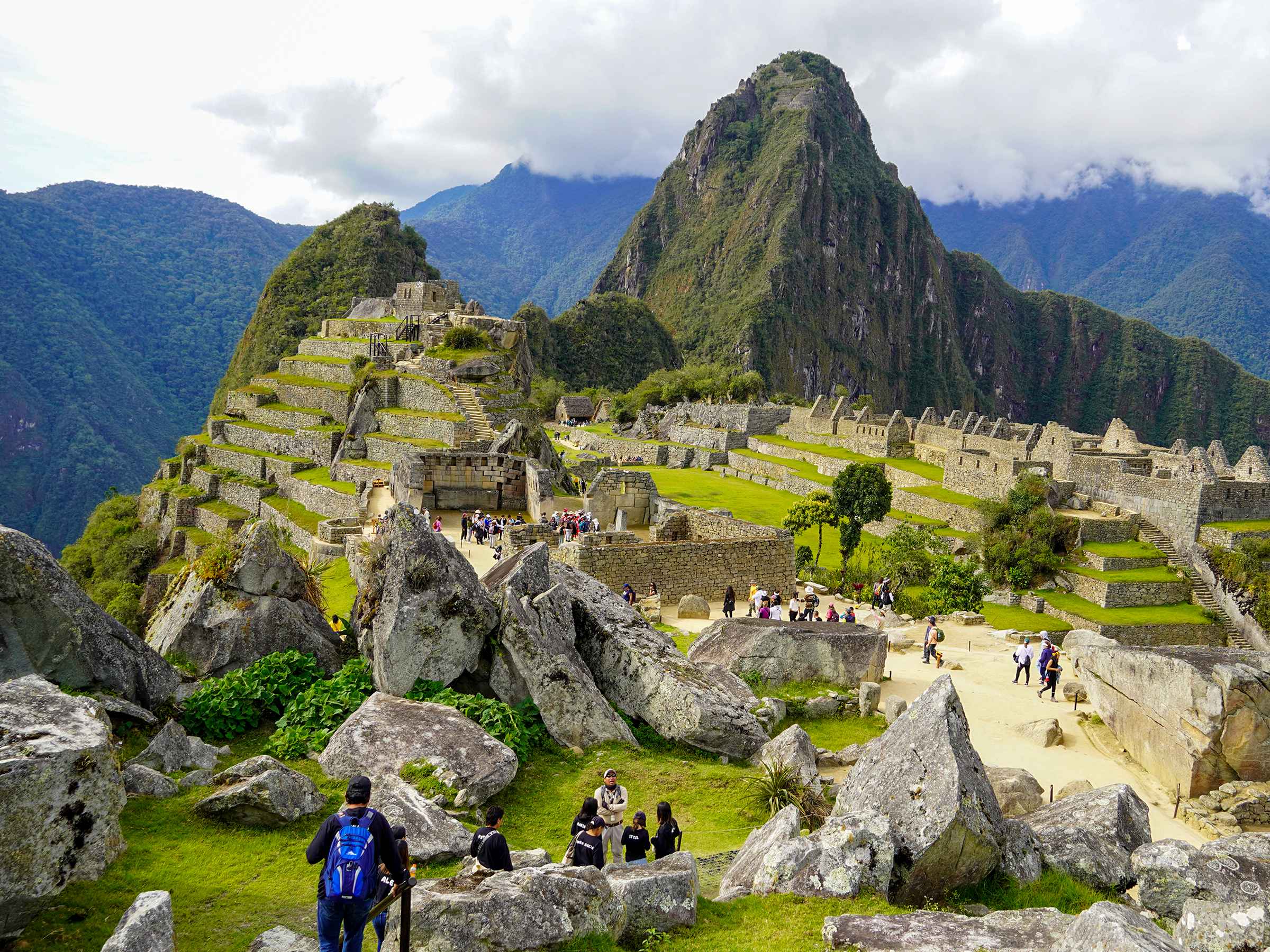
Machu Picchu Seismic Design: How Inca Engineering Defied Earthquakes Machu Picchu stands as a marvel of ancient engineering.…

Machu Picchu Terrace Engineering: How the Incas Mastered Mountain Agriculture Machu Picchu stands as a marvel of ancient…

Machu Picchu Quarry Sources: Where the Incas Obtained Their Building Stone Machu Picchu stands as a marvel of…

Machu Picchu Sacred Mountains Guide: Spiritual Meaning of the Andean Landscape Machu Picchu, the renowned 15th-century Incan citadel,…
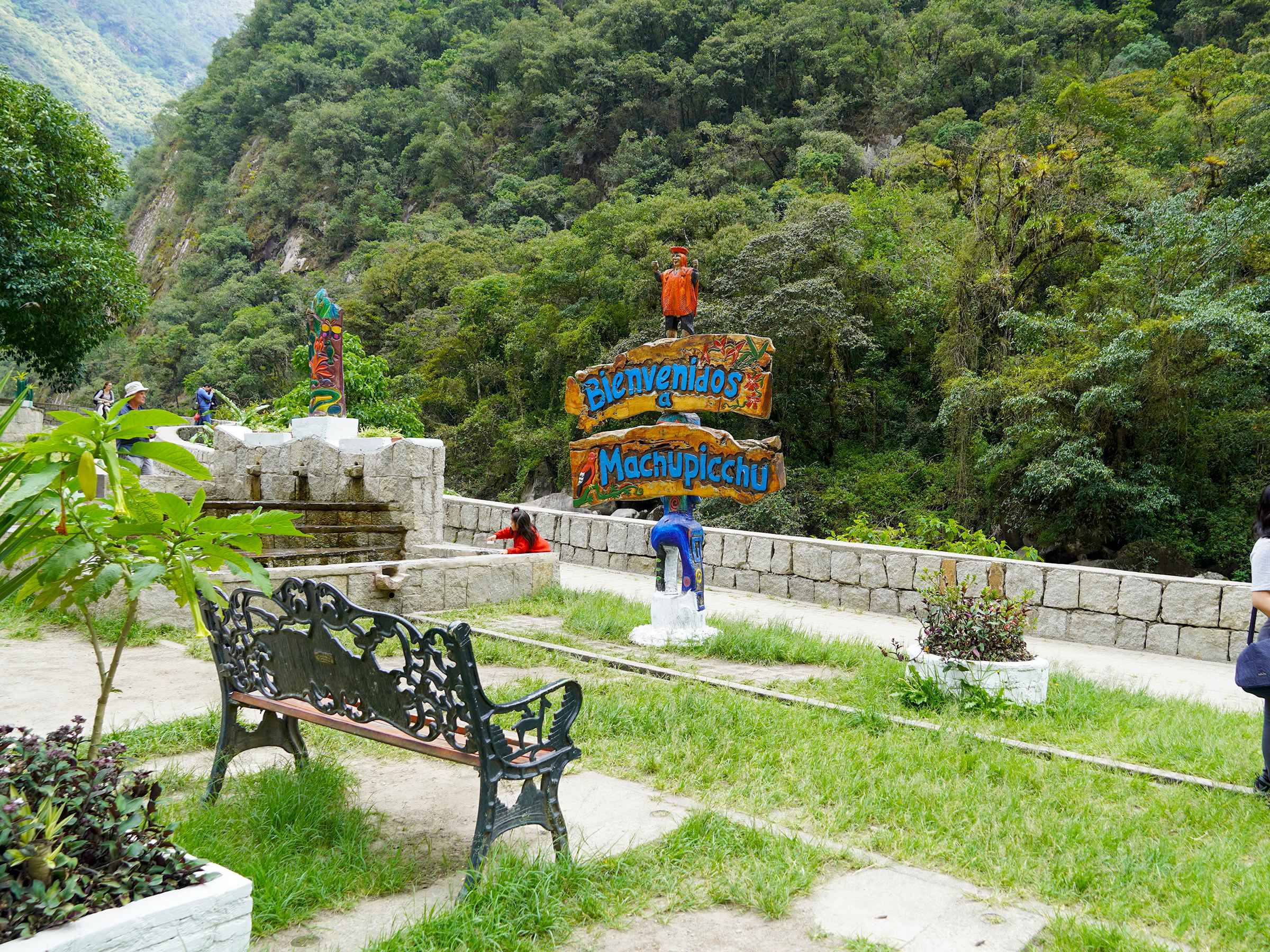
Aguas Calientes Town: The Charming Gateway to Machu Picchu Nestled in the heart of the Andes, Aguas Calientes…

Peru Altitude Guide Peru is a land of breathtaking landscapes and rich cultural heritage. Its diverse geography includes…

Machu Picchu Climb Machu Picchu is a dream destination for many travelers. Nestled high in the Andes, it…

Discover the Amazing Sacred Valley Cusco Nestled in the heart of the Andes, the Sacred Valley of Cusco…

Best time to go to Machu Picchu Machu Picchu is a dream destination for many travelers. Nestled in…

Cusco Altitude Cusco, a city nestled in the Andes, is renowned for its breathtaking altitude. At 11,152 feet…
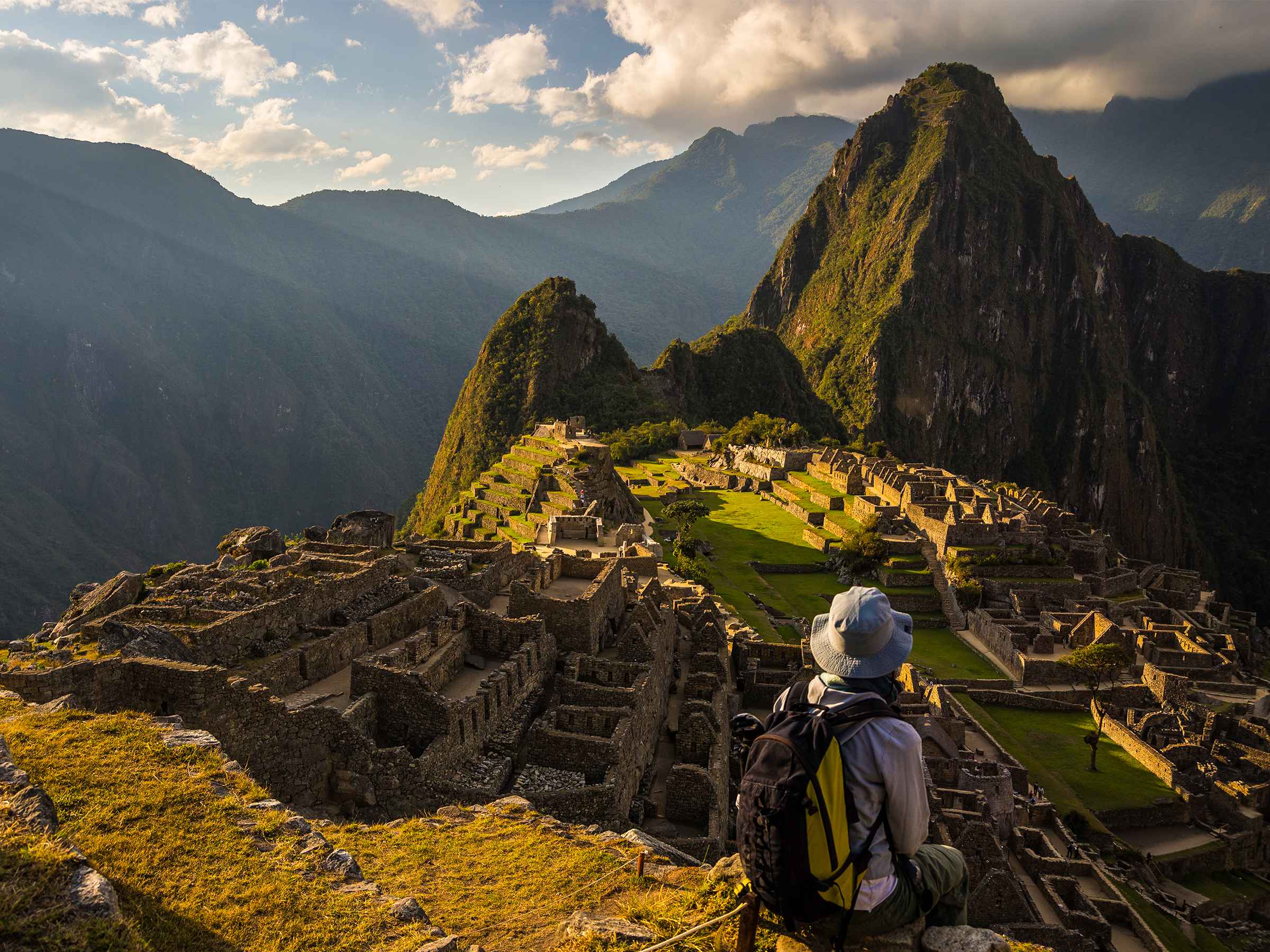
Where is Machu Machu Picchu is a name that sparks curiosity and wonder. Nestled high in the Andes…