The breathtaking landscapes of Cusco, Machu Picchu, and the Sacred Valley have captivated travelers and historians alike. Nestled in the Andes Mountains, these iconic locations hold rich history and cultural significance. Understanding the relationship among Cusco, Machu Picchu, and the Sacred Valley helps us appreciate why the Incas built their cities in this region and why this area is a must-visit for travelers.
Cusco, once the capital of the Inca Empire, stands as a testament to the Incas’ engineering prowess and cultural sophistication. The city’s streets are a tapestry of Incan stonework and colonial architecture, reflecting a rich history of resilience and adaptation. The Qorikancha temple, once covered in gold, and the nearby Sacsayhuamán fortress are just a few examples of the city’s historical treasures.
The city’s role as a cultural and spiritual hub made it a focal point for rituals and ceremonies that continue to influence local traditions today. Every year, Cusco hosts the Inti Raymi festival, a vibrant celebration of the winter solstice and a homage to the Sun God, Inti, that draws visitors from around the world to participate in this historical reenactment.
Cusco sits at an altitude of approximately 3,400 meters (11,150 feet), which results in a unique high-altitude climate. The air is thinner here, which can impact visitors not accustomed to such heights, often requiring a period of acclimatization. The climate is generally mild, with two primary seasons: the dry season from May to September and the wet season from October to April.
This elevation also offers spectacular views of the surrounding Andes, with clear skies often revealing snow-capped peaks in the distance. The distinct climate and elevation contribute to the region’s unique biodiversity, supporting a range of flora and fauna adapted to these conditions.
Cusco is strategically located; it connects to various Inca trails that lead to other significant sites, including Machu Picchu. This connectivity played a crucial role in the empire’s administration and communication. Modern infrastructure has enhanced this connectivity, making Cusco a gateway for travelers exploring the Sacred Valley and beyond.
The Alejandro Velasco Astete International Airport in Cusco facilitates domestic and limited international flights, making it accessible for global travelers. Additionally, the city is well-connected by a network of roads and railways, offering multiple options for reaching surrounding attractions. This infrastructure supports tourism, a vital part of Cusco’s economy that provides livelihoods for many residents.
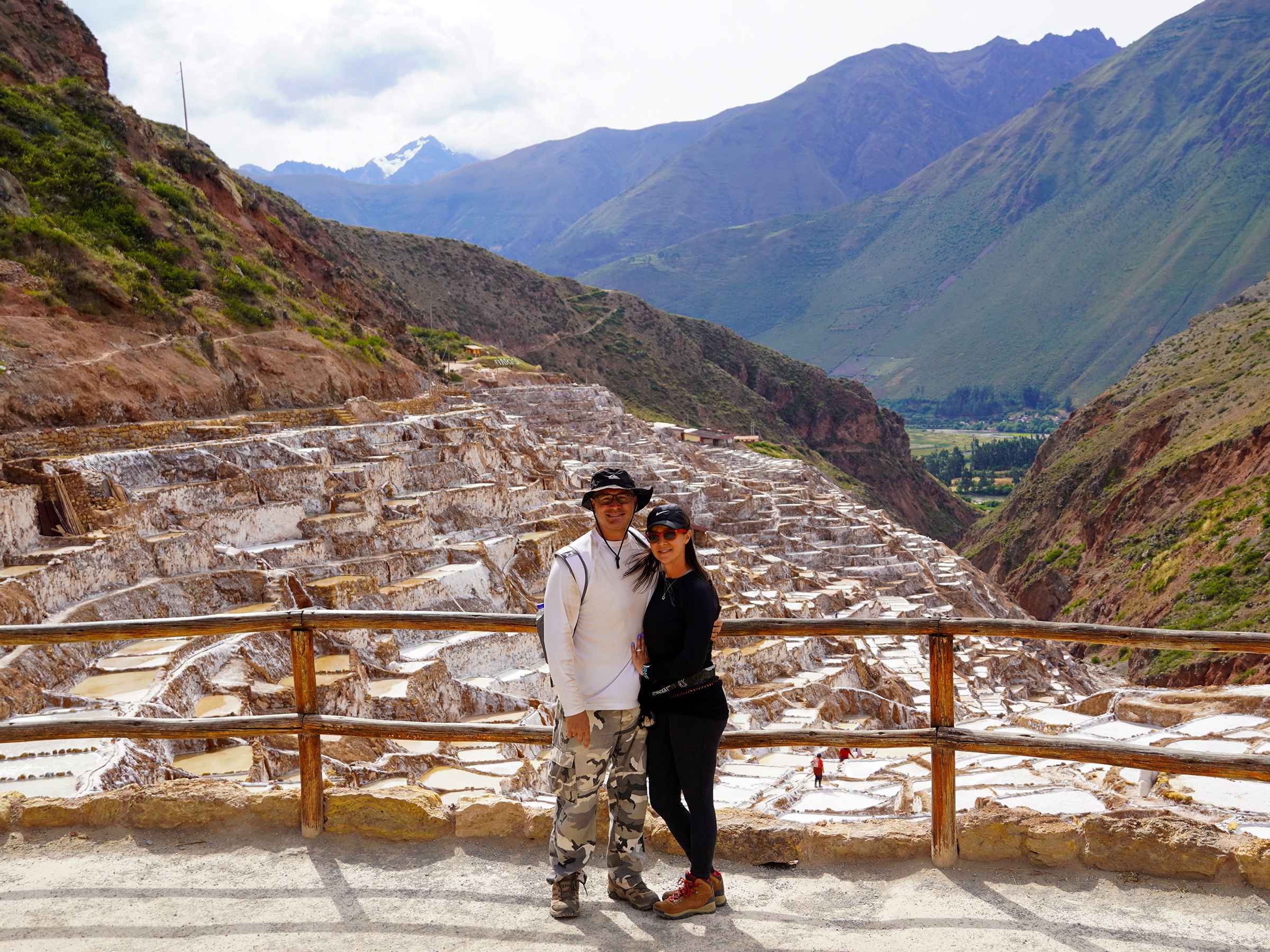
It stretches roughly 60 kilometers (37 miles) and follows the Urubamba River. The valley boasts a mild climate and fertile lands, making it an agricultural hub for the Incas. The region’s unique microclimates allowed the Incas to cultivate a wide variety of crops, including maize, potatoes, quinoa, and various legumes, which were staples of their diet.
Terracing techniques were employed to maximize arable land and improve crop yields, a practice still evident today. These terraces, or “andenes,” not only supported agriculture but also prevented soil erosion, demonstrating the Incas’ advanced understanding of sustainable farming practices. This agricultural richness continues to be celebrated in local festivals, where the bounty of the land is showcased through traditional dishes and communal feasts.
The Incas built cities in the Sacred Valley due to its strategic and fertile location. The valley provided the perfect environment for agriculture, and the river supplied irrigation water, essential for sustaining large populations. Additionally, the valley’s location made it a crucial area for trade and defense. Positioned between Cusco and Machu Picchu, it served as a central point for the movement of goods and people.
The Sacred Valley was part of the extensive Inca road system, known as the Qhapaq Ñan, which facilitated trade and military mobilization across the empire. Fortresses like Ollantaytambo served as both military strongholds and administrative centers, reflecting the valley’s importance in maintaining the empire’s cohesion. Today, the valley’s strategic location continues to attract visitors, drawn by its historical significance and natural beauty.
Beyond its agricultural and strategic significance, the Sacred Valley holds profound cultural and spiritual importance. Many of the valley’s sites, such as Pisac and Moray, are believed to have had ceremonial and astronomical functions, reflecting the Incas’ profound connection to the cosmos. This connection is evident in the valley’s orientation and the alignment of its structures with celestial events.
The valley’s spiritual significance is celebrated in local customs and traditions, many of which have been preserved and passed down through generations. Festivals, music, and dance are integral to the valley’s cultural identity, offering visitors a glimpse into the living heritage of the Andean people. Engaging with the local communities provides an enriching experience, allowing travelers to connect with the valley’s past and present.
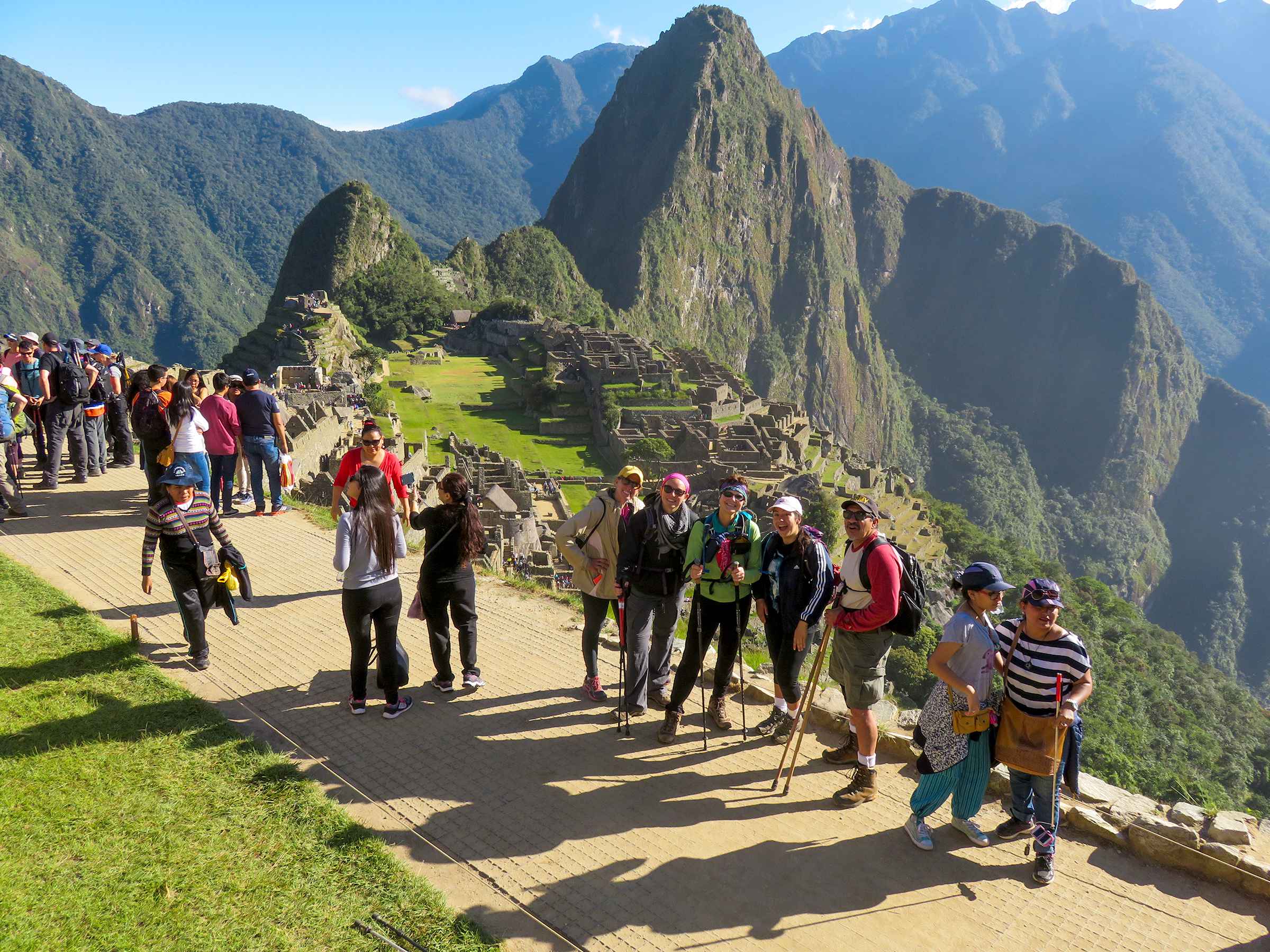
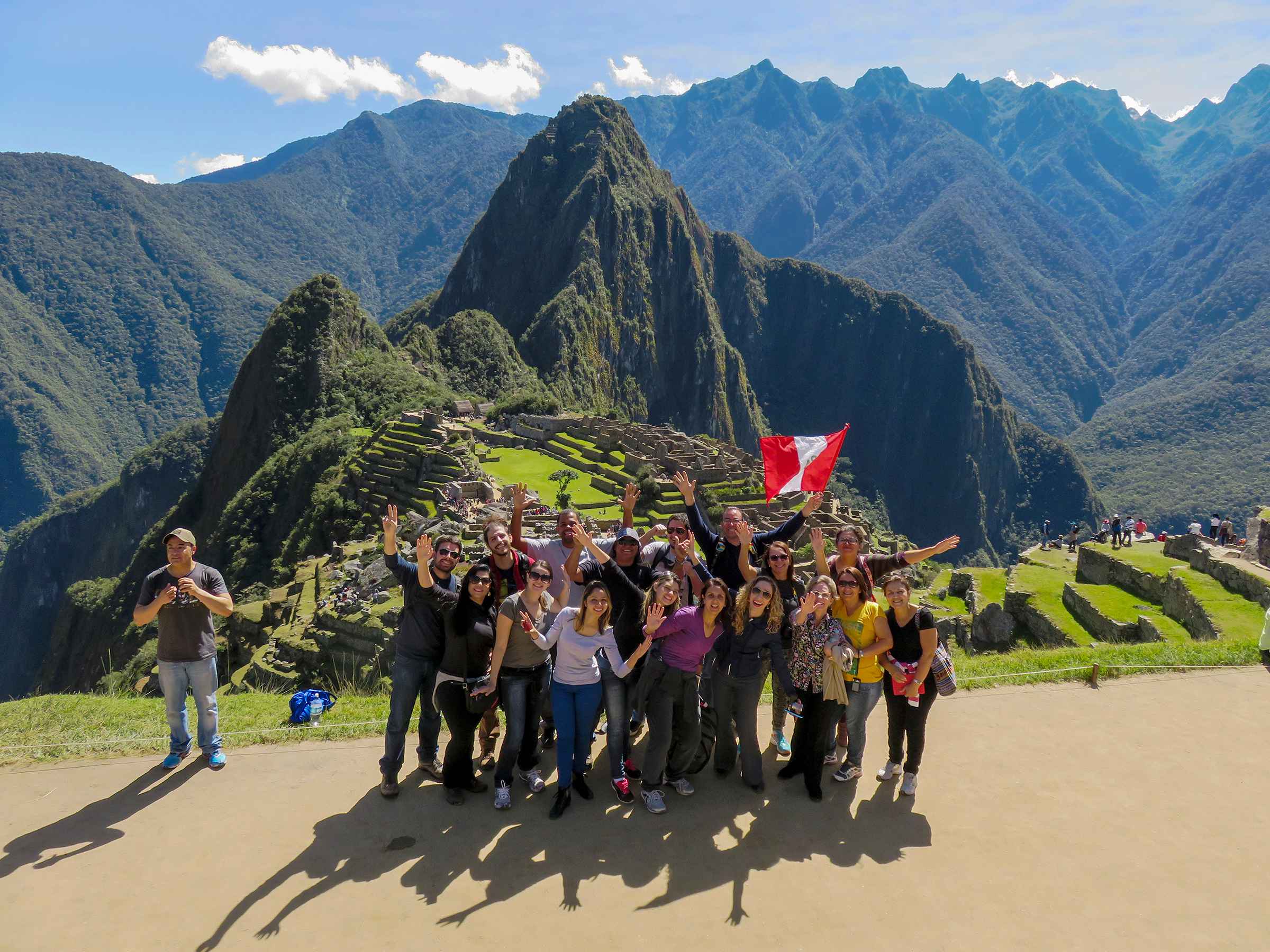
Machu Picchu is perhaps the most famous Incan site, often called the “Lost City of the Incas.” It is located about 80 kilometers (50 miles) northwest of Cusco, nestled between the peaks of Machu Picchu and Huayna Picchu. The site is renowned for its architectural marvels and engineering feats that have stood the test of time.
The precision of the stonework, often without mortar, is a testament to the Incas’ advanced engineering skills. The site’s terraces, temples, and residential areas are interconnected by a series of staircases and pathways, showcasing the Incas’ ability to harmonize their constructions with the surrounding landscape. The Intihuatana stone, a ritual stone associated with astronomical observations, reflects the Incas’ deep understanding of astronomy and its influence on their daily lives.
The purpose of Machu Picchu remains a subject of debate among historians and archaeologists. While some theories suggest it was a royal estate or retreat for Inca nobility, others propose it served as a religious site or ceremonial center. Its strategic location and alignment with the solstices and other astronomical events support the idea of its spiritual significance.
Recent research also suggests that Machu Picchu may have been an educational hub, where the Incas trained elite members of their society. The site’s layout and design reflect a deep connection to nature and spirituality, with many of its structures aligned with the surrounding mountains and celestial bodies. This connection continues to intrigue and inspire visitors, drawing them into the mysteries of the Inca civilization.
Machu Picchu’s designation as a UNESCO World Heritage Site highlights its global importance and the need for preservation. Efforts to protect the site have included limiting daily visitor numbers and implementing sustainable tourism practices. These measures aim to preserve the site’s integrity while allowing travelers to experience its wonders.
The impact of tourism on Machu Picchu is a delicate balance, as the influx of visitors provides economic benefits to the region but also poses challenges to its preservation. Initiatives to promote responsible tourism, including educational programs and community involvement, are essential to ensuring the site’s longevity. By fostering a sense of stewardship among visitors, Machu Picchu can remain a source of inspiration and wonder for future generations.
Travelers can reach Machu Picchu from Cusco by train or by hiking the Inca Trail. The train journey offers stunning views and takes about 3.5 hours to reach Aguas Calientes, the town at the base of Machu Picchu. From there, a short bus ride brings you to the entrance of the site. The train services, such as PeruRail and IncaRail, offer varying levels of comfort and luxury, catering to different preferences and budgets.
For the more adventurous, the Inca Trail is a popular trekking route that takes about four days to complete, offering a more immersive experience. This trek provides an opportunity to walk in the footsteps of the Incas, passing through diverse landscapes and historical sites along the way. Alternative treks, like the Salkantay or Lares, offer different perspectives and are ideal for those seeking less crowded paths.
The best time to visit Cusco, Machu Picchu, and the Sacred Valley is during the dry season, from May to September. During this time, the weather is more predictable, with clear skies and less chance of rain, making it ideal for trekking and exploring. These months coincide with the peak tourist season, so planning ahead is recommended to secure accommodations and permits.
Visiting during the wet season, from October to April, offers a different experience, with lush green landscapes and fewer crowds. However, travelers should be prepared for rain and potential travel disruptions. Each season presents its unique charms, allowing visitors to choose the timing that best suits their interests and preferences.
It’s important to acclimate by taking it easy on the first few days, staying hydrated, and avoiding alcohol. Coca tea, a traditional remedy, can also help alleviate symptoms. Many hotels in Cusco offer oxygen and coca leaves to assist with acclimatization.
Gradually ascending to higher altitudes and spending time in Cusco before heading to Machu Picchu can also help the body adjust. Listening to one’s body and seeking medical advice if symptoms persist is crucial for a safe and enjoyable experience. With proper acclimatization, travelers can fully appreciate the region’s beauty and history without discomfort.
The distances between Cusco, the Sacred Valley, and Machu Picchu are relatively short, but the journey can be challenging due to the mountainous terrain. The winding roads and elevation changes require careful planning and consideration, especially for those not accustomed to such landscapes. Travelers often hire local guides or drivers familiar with the area to enhance their experience and ensure safety.
The scenic routes offer breathtaking views of the Andes, with opportunities to stop and explore lesser-known sites along the way. This journey is as much about the experience as it is about the destination, providing insights into the region’s natural beauty and cultural heritage.
Researching transportation options, booking tickets in advance, and understanding the travel logistics can enhance the overall experience. Flexibility is also necessary, as weather conditions and other factors may impact travel plans.
Packing appropriately for the climate and terrain, including layers for varying temperatures and sturdy footwear, ensures comfort and safety. Engaging with local guides can provide valuable insights and enrich the travel experience, offering a deeper understanding of the region’s history and culture. With careful planning and an open mind, travelers can embark on a memorable adventure through this captivating region.
Visitors to the Sacred Valley can explore several archaeological sites, including Ollantaytambo and Pisac. These sites offer insight into Inca architecture and agriculture. Ollantaytambo, with its impressive terraces and fortress, provides a glimpse into the strategic and ceremonial importance of the valley. Pisac, known for its vibrant market and hilltop ruins, showcases the Incas’ agricultural ingenuity and spiritual connection to the land.
Each site tells a unique story, reflecting the diversity and complexity of Inca society. Guided tours can enhance the experience by providing historical context and highlighting the cultural significance of these ancient sites. Exploring the Sacred Valley is a journey through time, revealing the legacy of the Incas and their enduring influence on the region.
Machu Picchu, with its mysterious ruins and stunning vistas, remains a highlight for many travelers. The site’s layout, with its temples, plazas, and terraces, invites exploration and contemplation. Hiring a guide can enhance the experience, providing historical context and uncovering the secrets of this ancient city.
The Sun Gate, Intihuatana, and the Temple of the Condor are just a few of the site’s notable features, each offering insights into the Incas’ spiritual and astronomical practices. The awe-inspiring views from the site’s peaks, including Huayna Picchu and Machu Picchu Mountain, provide a sense of the grandeur and majesty of the Andean landscape. Visitors leave with a deeper appreciation for the ingenuity and vision of the Inca civilization.
Exploring the Sacred Valley and Machu Picchu is not only about witnessing ancient ruins but also about engaging with the vibrant local culture. The region’s communities offer a warm welcome to travelers, sharing their traditions, crafts, and culinary delights. Participating in local festivals, workshops, and markets provides a deeper understanding of the region’s living heritage.
The art of weaving, music, and dance are integral to the cultural identity of the Andean people, offering visitors a rich tapestry of experiences. By supporting local artisans and businesses, travelers help preserve cultural traditions and sustainably develop the region. This cultural exchange enriches the travel experience, fostering connections and memories that last a lifetime.
Cusco, Machu Picchu, and the Sacred Valley are interconnected locations that together tell the story of the Inca Empire. From the fertile lands of the Sacred Valley to the spiritual heights of Machu Picchu, this region offers a unique glimpse into the history and culture of the Incas. Whether you’re drawn by the allure of ancient mysteries or the natural beauty of the Andes, these destinations promise an unforgettable journey.


The best time to visit Cusco is from April to October, when the days are hot and dry. However, temperatures drop drastically at night and can freeze even in the dry season. November to April sees some rainfall and lower temperatures during the wet season. From September to May, during the rainy season. The number of tourists falls, as do prices. Cusco fills up with Peruvians and foreigners during the main festivities, so book early. What should also warn travelers is that the Inca Trail closes for maintenance throughout February. Cusco is the center of much festive activity, so check the festival calendar before planning your route.

Embarking on this exploration not only enriches one’s understanding of a bygone civilization but also fosters a deeper appreciation for the remarkable achievements of the Inca people. The legacy of the Incas is alive in the landscapes, traditions, and communities of this region, inviting travelers to discover its wonders and secrets. As you journey through Cusco, Machu Picchu, and the Sacred Valley, you’ll find a profound connection to the past and an enduring inspiration for the future.


Peru Travel Packages Peru is a land of wonders waiting to be explored. From ancient ruins to vibrant…
Peru is home to two of the most iconic landmarks in the world: the Sacred Valley and Machu…
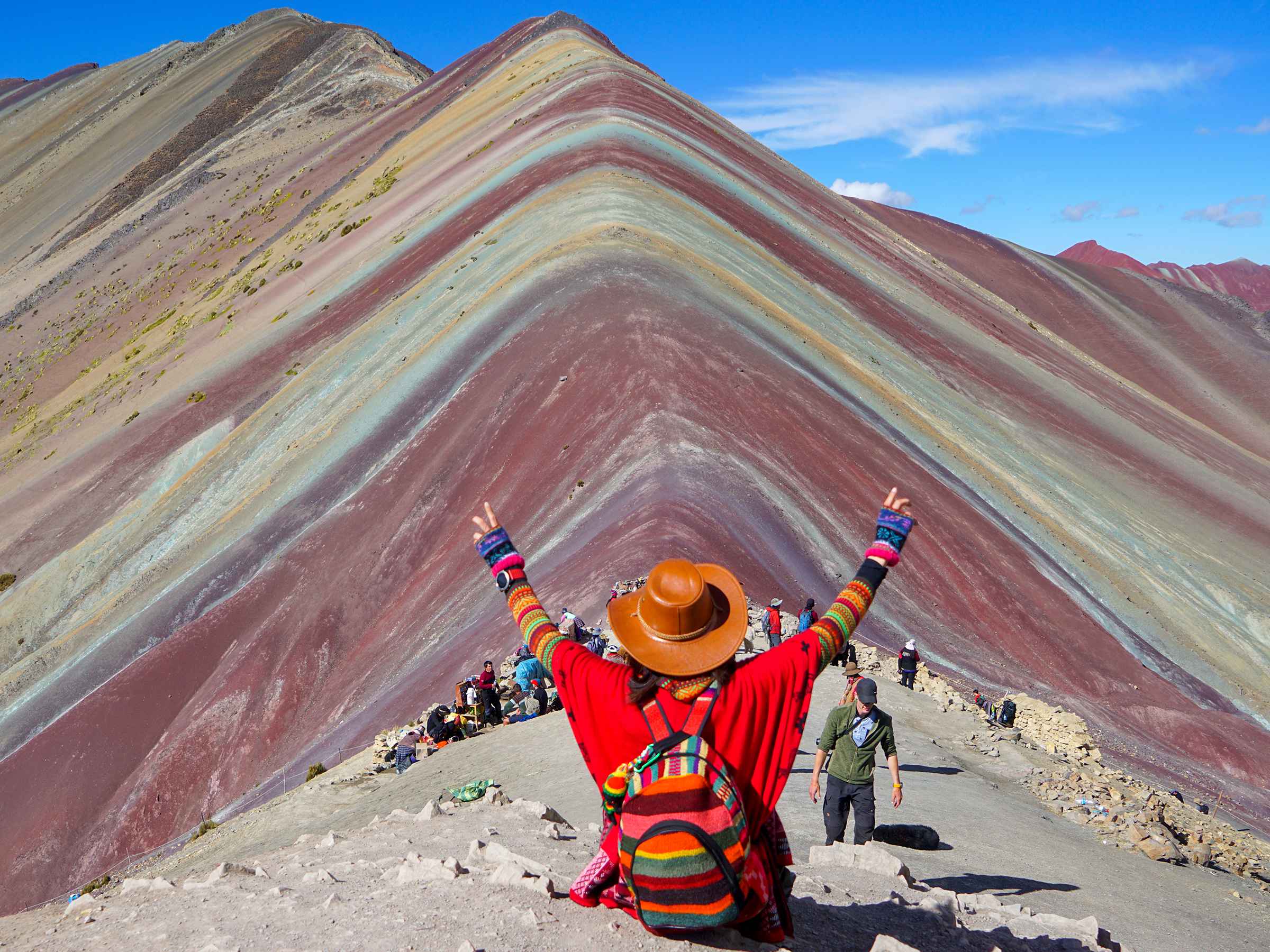
Peru is a country of diverse landscapes and rich cultural heritage, boasting two of the most iconic landmarks…

Machu Picchu, the iconic Lost City of the Incas, has captivated the imagination of travelers and historians alike…
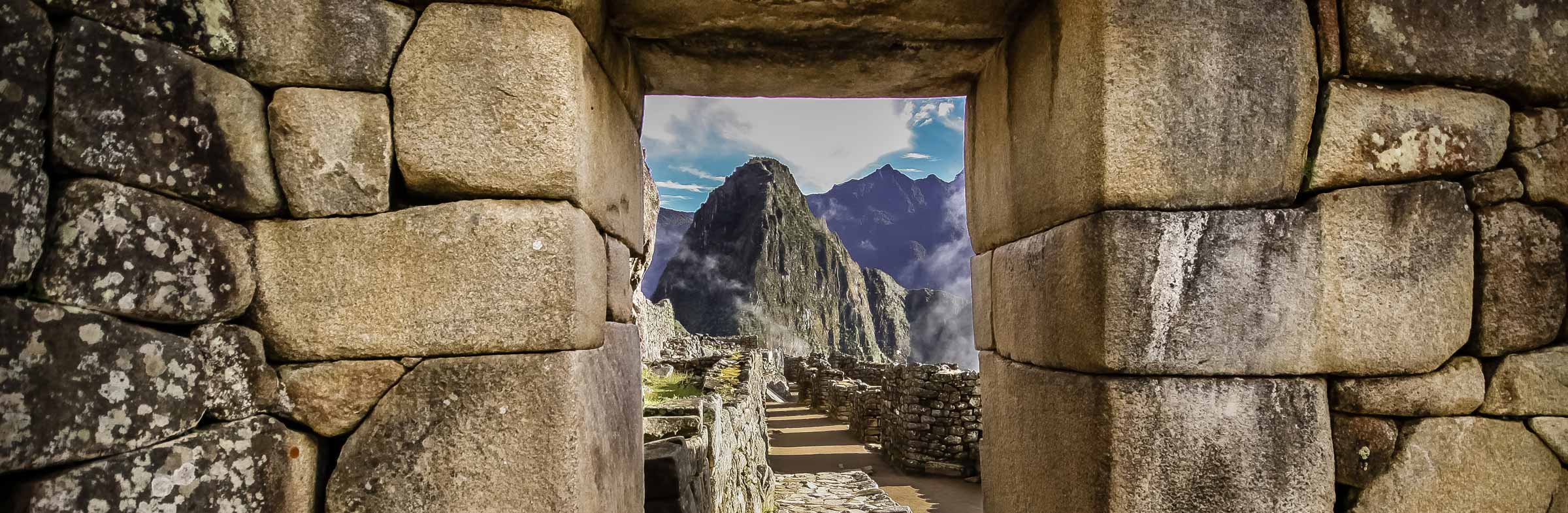
Machu Picchu, the ancient Inca citadel nestled in the Andes Mountains of Peru, is a UNESCO World Heritage…
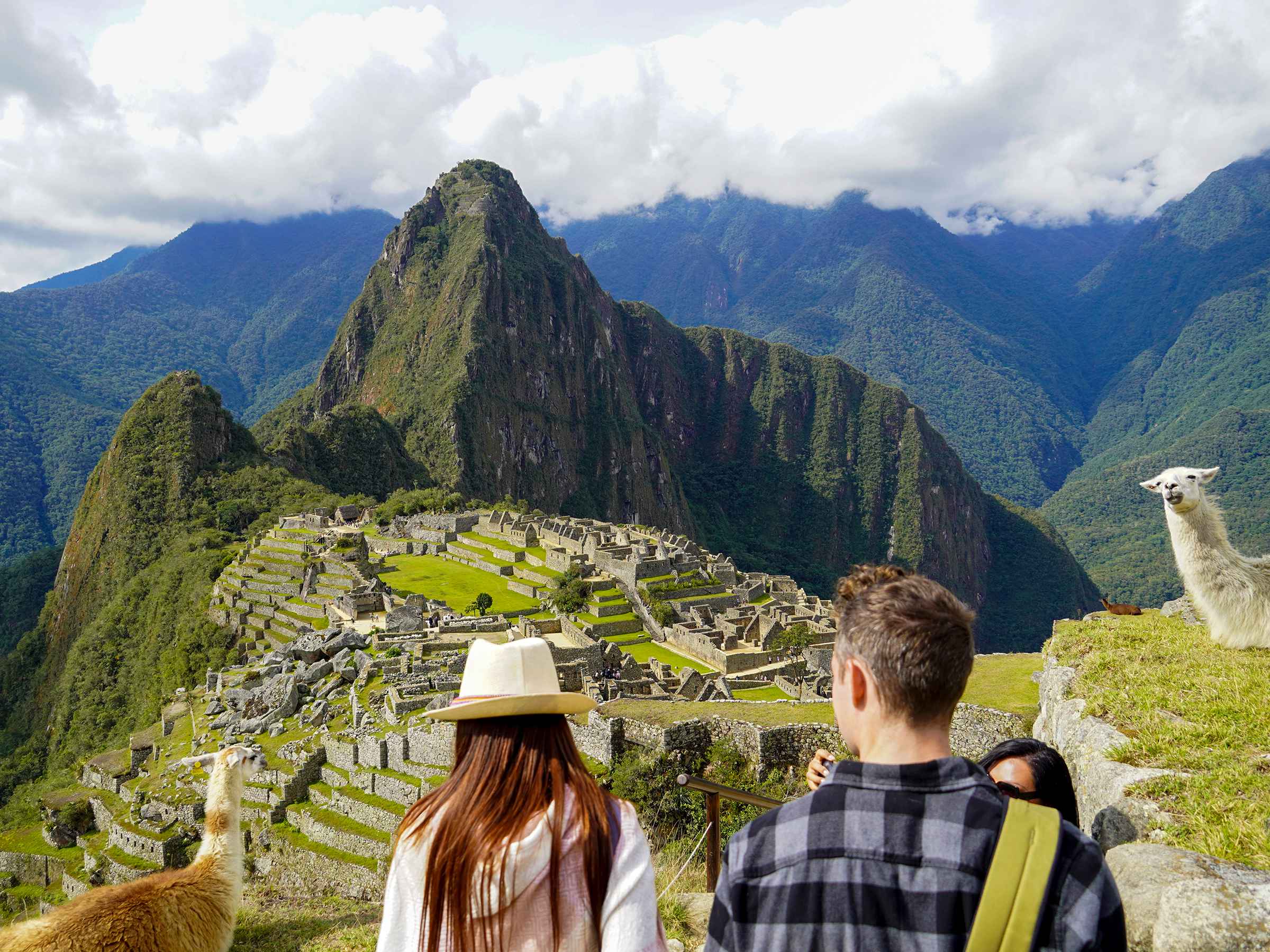
Planning a trip to Machu Picchu, the iconic Inca citadel in Peru, is an exciting and rewarding experience.…

How to Get to Machu Picchu Peru Machu Picchu is a dream destination for many travelers. Nestled in…
Essential Tips for Hiking the Inca Trail Hiking the Inca Trail is an unforgettable adventure that combines stunning…
Spiritual Experience in Machu Picchu: Beyond the Ruins Machu Picchu, a UNESCO World Heritage site, is not only…

Capturing the Magic: A Complete Guide to Stunning Machu Picchu Photography Machu Picchu, the ancient Incan citadel perched…
Understanding the Inca Trail Elevation Challenges The Inca Trail is one of the most famous trekking routes in…

Machu Picchu Tours a Cultural and Historical Odyssey Machu Picchu, the enigmatic ancient city set amidst the breathtaking…