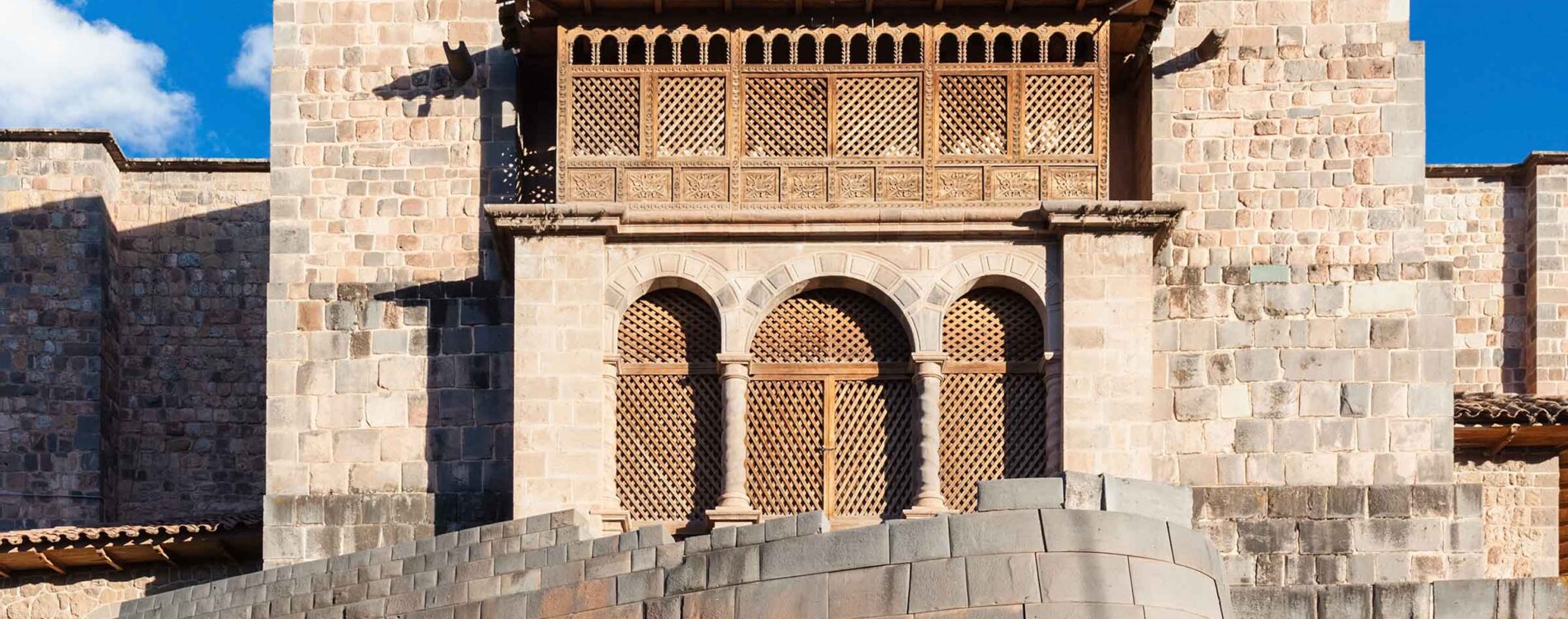
Embark on a captivating journey through time as we explore the enigmatic Inca Sun Temple, a jewel nestled in Cuzco’s rich historical tapestry. This ancient temple, a marvel of architectural ingenuity, stands as a testament to the Incas’ reverence for the sun and their profound connection to nature.
With its intricate stonework, astronomical alignments, and sacred rituals, the Sun Temple was once the beating heart of Incan spirituality. As we delve deeper into its mysteries, you’ll uncover the stories of the priests who once roamed its hallowed halls, the ceremonies held in honor of the sun god Inti, and the temple’s enduring influence on Cuzco’s cultural landscape.
Join us as we unravel the secrets of this iconic site, revealing the layers of history that continue to shape Peru’s vibrant heritage. Whether you’re a history buff, an architecture enthusiast, or simply a curious traveler, the Sun Temple promises an awe-inspiring experience steeped in ancient lore.

Inca Sun Temple of Cuzco
The Inca Sun Temple, known as Qorikancha (or Coricancha), is an architectural marvel that holds immense historical significance. Nestled in the heart of Cuzco, the once thriving capital of the Inca Empire, the temple is a symbol of the Incas’ advanced understanding of astronomy and their deep reverence for the sun god Inti.
The temple, whose name translates to “Golden Courtyard,” is reputed to have been adorned with vast amounts of gold, signifying the wealth and power of the Inca civilization. This sacred site was not just a place of worship, but also a hub for astronomical observation, marking important celestial events that guided agricultural practices and religious ceremonies.
Qorikancha played a pivotal role in the religious and cultural life of the Incas. It was here that the high priests performed sacred rituals to honor Inti, the sun god, who was considered the most important deity in the Incan pantheon.
The temple’s construction, purportedly initiated by the Inca ruler Pachacuti, was a testament to the empire’s architectural prowess and their sophisticated knowledge of stone masonry. Within its walls, the Incas charted the sun’s movements, which were crucial for determining the agricultural calendar, ensuring bountiful harvests and the prosperity of the empire.
The temple’s prominence extended beyond its religious significance, as it also served as a political and administrative center. As the spiritual heart of the Inca Empire, Qorikancha reinforced the divine right of the Sapa Inca, the emperor, who was seen as Inti’s earthly representative.
The temple complex was surrounded by the most important buildings in Cuzco, including the residences of the nobility and other significant shrines, indicating its central role in the empire’s social and political structure. The historical significance of the Sun Temple is thus intertwined with the broader narrative of Incan civilization, offering invaluable insights into their sophisticated society.

The architectural brilliance of the Inca Sun Temple is evident in its construction, which showcases the Incas’ unparalleled stonemasonry skills. The temple’s walls were constructed using ashlar masonry, a technique in which precisely cut stones are fitted together without mortar.
This method not only created structures of remarkable durability but also enabled the buildings to withstand the region’s frequent seismic activity. The precision with which the stones were cut and aligned is a testament to the Incas’ advanced engineering capabilities, which remain a subject of admiration and study to this day.
One of the most intriguing aspects of the Sun Temple’s architecture is its alignment with celestial events. The temple was designed to capture the sun’s rays at the solstices and equinoxes, reflecting the Incas’ deep astronomical knowledge. During the June solstice, for instance, the sun’s rays would illuminate a specific niche within the temple, symbolizing the renewal of Inti’s power.
This alignment was not only a demonstration of the Incas’ celestial awareness but also a critical component of their religious ceremonies, reinforcing the divine connection between the emperor, the sun god, and the people.
The temple complex was originally adorned with gold and precious metals, which were believed to be the sweat of the sun. The walls were said to be covered with sheets of gold, and the inner sanctum housed a gold statue of Inti, which was an object of immense reverence. This opulence highlighted the wealth and spiritual devotion of the Inca civilization.
The architectural layout of Qorikancha, with its trapezoidal doors and windows, also reflects the Incas’ unique aesthetic sensibilities and their ability to blend functionality with artistic expression. The remnants of these architectural marvels continue to draw scholars and tourists alike, eager to uncover the secrets of this ancient wonder.

What carefully planned Qoricnahca’s position in the Cusco Valley? Dozens of Ceques (power lines, similar to ley lines, although in Cusco, they seem to have been related to imperial genealogy) radiate from the temple to more than 350 sacred Huacas, unique stones, springs, tombs, and ancient quarries.
The Sun Temple was the spiritual epicenter of Inca religion, where the most sacred rituals were performed to honor Inti, the sun god. Inti was considered the progenitor of the Inca rulers, who claimed descent from him, thereby legitimizing their divine right to rule.
The temple’s priests, regarded as intermediaries between the gods and the people, conducted elaborate ceremonies to secure the sun’s favor and the empire’s well-being. These rituals included offerings of gold, silver, and other precious materials, believed to please Inti and secure his blessings.
Among the most significant religious ceremonies held at Qorikancha was Inti Raymi, the Festival of the Sun, which took place during the winter solstice in June. This festival was a grand event, drawing people from all corners of the empire to Cuzco. It involved a series of elaborate processions, dances, and sacrifices, including the offering of llamas and other symbolic gifts to Inti.
The purpose of Inti Raymi was to celebrate the sun’s return and to pray for a successful harvest. The festival underscored the importance of the sun in Inca cosmology and reinforced the central role of Qorikancha in their spiritual life.
The temple also served as an educational center where priests and scholars studied astronomy, agriculture, and medicine. The Incas believed that understanding the natural world was essential to maintaining harmony with the gods. The priests at Qorikancha were responsible for observing celestial events and interpreting their significance for the empire’s agricultural and social practices.
This knowledge was passed down through generations, ensuring the continuity of Inca religious traditions. The Sun Temple thus functioned not only as a place of worship but also as a repository of the empire’s collective wisdom and spiritual knowledge.

The archaeological excavations at Qorikancha have unearthed numerous artifacts that offer valuable insights into the Incas’ religious and cultural practices. Among the most significant discoveries are the remnants of the gold and silver adornments that once decorated the temple’s walls.
These precious metals were meticulously crafted into intricate designs, depicting scenes of Incan mythology and cosmology. The artifacts include ceremonial vessels, jewelry, and statues used in various rituals and ceremonies. These discoveries highlight the Incas’ exceptional artistry and their deep spiritual connection to their deities.
One of the most remarkable artifacts found at the Sun Temple is the gold statue of Inti, which early Spanish chroniclers described. Although the original statue has been lost, its depictions suggest that it was a life-sized figure, adorned with precious stones and surrounded by gold panels.
This statue was the focal point of worship in the temple, symbolizing the sun god’s divine presence. The discovery of smaller replicas and related artifacts provides a glimpse into the grandeur and spiritual significance of the original statue, underscoring its central role in Inca religious life.
In addition to the gold artifacts, archaeologists have uncovered a variety of other items that shed light on the daily life and practices of the temple’s inhabitants. These include pottery, tools, and textiles, which offer insights into the domestic and ceremonial activities within the temple complex.
The discovery of mummies and burial sites within Qorikancha further reveals the Incas’ beliefs about the afterlife and their reverence for their ancestors. These findings contribute to a deeper understanding of the complex religious and cultural landscape of the Inca civilization, providing a tangible connection to their ancient heritage.

The arrival of the Spanish conquistadors in the 16th century brought about profound changes to the Inca Empire, including the fate of the Sun Temple. The Spanish, led by Francisco Pizarro, were awestruck by the wealth and grandeur of Qorikancha.
They systematically looted the temple, stripping it of its gold and other precious materials, which were melted down and sent back to Spain. This act of plunder not only deprived the Incas of their sacred treasures but also symbolized the beginning of the empire’s downfall and the imposition of Spanish colonial rule.
Following the conquest, the Spanish sought to eradicate Inca religious practices and convert the indigenous population to Christianity. In an effort to impose their own religious authority, they built the Church of Santo Domingo on the foundations of Qorikancha.
This act of religious and cultural domination was intended to demonstrate the superiority of the Christian faith and the power of the Spanish Crown. The church incorporated some of the original Inca walls, creating a unique architectural fusion that stands as a testament to the complex history of conquest and cultural assimilation.
The impact of the Spanish conquest on the Sun Temple extended beyond the physical destruction of the site. The imposition of Spanish rule led to the suppression of Inca religious practices and the erasure of much of their cultural heritage.
The loss of Qorikancha’s gold and artifacts, coupled with the forced conversion of the indigenous population, marked a significant shift in the spiritual and cultural landscape of Cuzco. Despite these challenges, the resilient spirit of the Inca people endured, and the remnants of Qorikancha continue to inspire renewed appreciation for their rich legacy.

In recent years, there has been a growing recognition of the importance of preserving the Sun Temple as a vital part of Peru’s cultural heritage. Various organizations, including the Peruvian government, international heritage bodies, and local communities, have spearheaded efforts to protect and restore Qorikancha.
These initiatives aim to safeguard the site from further deterioration and to ensure that future generations can continue to appreciate its historical and cultural significance. Preservation efforts include structural stabilization, artifact conservation, and measures to mitigate tourism’s impact.
One of the key aspects of modern preservation efforts is the collaboration between archaeologists, historians, and conservation experts. This multidisciplinary approach ensures that restoration projects are informed by a comprehensive understanding of the site’s historical, architectural, and cultural context.
Advanced technologies, such as 3D scanning and digital modeling, are used to document and analyze the structure, providing valuable data for restoration work. These technologies also enable the creation of virtual reconstructions, which offer visitors an immersive experience of the temple’s original splendor.
Community involvement is another crucial element of the preservation efforts at Qorikancha. Local communities play an active role in the management and protection of the site, ensuring that their voices and perspectives are included in the decision-making process.
Educational programs and workshops are organized to raise awareness about the importance of heritage conservation and to foster a sense of pride and ownership among the local population. These initiatives help create a sustainable model of heritage management that balances preservation needs with the benefits of tourism and community development.
Visiting the Sun Temple is a journey into the heart of Inca civilization, offering a unique glimpse into the architectural and spiritual achievements of this ancient culture. Upon entering Qorikancha, visitors are immediately struck by the precision and craftsmanship of the stone walls, which have withstood the test of time and natural disasters.
The temple’s layout, with its trapezoidal doorways and windows, reflects the Incas’ advanced engineering knowledge and their ability to create structures that harmonize with their natural surroundings.
A guided tour of Qorikancha provides a deeper understanding of the site’s historical and cultural significance. Knowledgeable guides share fascinating stories about the temple’s construction, its role in Inca religion, and the impact of the Spanish conquest.
These narratives bring the site to life, allowing visitors to appreciate the complexities of Inca society and their profound connection to the sun god Inti. The tour also includes a visit to the Church of Santo Domingo, which offers a striking contrast between the Inca and Spanish architectural styles and highlights the cultural fusion that characterizes Cuzco’s heritage.
In addition to the architectural marvels, visitors can explore the museum within the temple complex, which houses artifacts discovered at the site. These include ceremonial objects, pottery, textiles, and tools, providing valuable insights into the daily life and religious practices of the Incas.
The museum also features interactive exhibits and multimedia displays that enhance the visitor experience and deepen understanding of the temple’s significance. A visit to Qorikancha is a truly enriching experience, offering a unique opportunity to connect with the enduring legacy of the Inca civilization.
The cultural heritage of the Inca Sun Temple is celebrated through various festivals and events held in Cuzco throughout the year. One of the most prominent events is Inti Raymi, the Festival of the Sun, which is held annually on June 24th.
This festival is a modern reenactment of the ancient Inca ceremony honoring the sun god Inti and marking the winter solstice. Inti Raymi attracts thousands of visitors from around the world, who gather in Cuzco to witness the colorful processions, traditional dances, and elaborate rituals that bring the history and culture of the Incas to life.
Another significant event related to the Sun Temple is the Feast of Corpus Christi, which combines indigenous and Catholic traditions. This festival, held in June, features processions of saints and virgins from various churches in Cuzco, culminating in a grand celebration at the Cathedral.
The event reflects the syncretism of Inca and Spanish religious practices and highlights the enduring influence of Qorikancha on the city’s spiritual life. The Feast of Corpus Christi offers a unique opportunity to experience the vibrant cultural fusion that characterizes Cuzco’s heritage.
Throughout the year, the Sun Temple also hosts various cultural and educational events, including exhibitions, workshops, and lectures. These events aim to promote a deeper understanding of Inca history and culture and to foster a sense of pride and appreciation for Peru’s rich heritage.
Visitors can participate in guided tours, attend performances by local artists, and engage in hands-on activities that deepen their connection to the traditions and practices of the Incas. These events provide a dynamic, immersive experience, allowing visitors to explore the many layers of history that continue to shape Cuzco’s cultural landscape.
The Inca Sun Temple, with its rich history, architectural brilliance, and spiritual significance, stands as a testament to the enduring legacy of the Inca civilization. Qorikancha’s intricate stonework, celestial alignments, and sacred rituals offer invaluable insights into the sophisticated knowledge and deep spiritual connection that defined the Incas.
Despite the ravages of time and the impact of the Spanish conquest, the temple remains a symbol of the Inca people’s resilience and ingenuity, inspiring awe and admiration in all who visit.
The preservation and celebration of the Sun Temple are vital to understanding and appreciating Peru’s cultural heritage. Modern efforts to protect and restore Qorikancha, coupled with the active involvement of local communities, ensure that this ancient marvel remains a source of inspiration and pride.
The festivals and events celebrating the temple’s history and significance offer a dynamic, immersive experience, allowing visitors to connect with the rich traditions and practices of the Incas.
As we reflect on the legacy of the Inca Sun Temple, we are reminded of the profound connection between humanity, nature, and the cosmos that lies at the heart of Inca spirituality. Qorikancha serves as a bridge between the past and the present, offering a glimpse into a civilization that revered the sun and sought harmony with the natural world. Whether you are a history enthusiast, an architecture aficionado, or a curious traveler, the Sun Temple promises an awe-inspiring journey through Cuzco’s ancient heritage, revealing the timeless mysteries of one of the world’s most fascinating cultures.

Understanding the Neurochemistry of Ayahuasca Ayahuasca, a traditional Amazonian brew, has been revered for centuries for its spiritual…

Peru is a land of diverse landscapes and rich cultural heritage, and the Huchuy Qosqo Trek is a…
Peru is a treasure trove of historic sites, with Machu Picchu often stealing the spotlight. However, the lesser-known…

Nestled in the high Andes of Peru, Qeswachaka stands as a testament to ancient Inca engineering and the…
Nestled in the highlands of Peru, Pikillacta stands as a testament to ancient civilizations that predate the Inca…

The Ancascocha Trek: A Remote Andean Route Few Travelers Experience The Ancascocha Trek is an unparalleled adventure for…

Nestled in the breathtaking landscapes of the Sacred Valley, Tambomachay is a hidden treasure that whispers tales of…

Trekking the Ancascocha Trail The Ancascocha Trail is often overshadowed by its more famous neighbor, the Inca Trail.…

Huchuy Qosqo Trek vs. Classic Inca Trail: Which Adventure is Right for You? Introduction Peru’s Sacred Valley has…

Exploring Qenqo Peru: Unraveling the Mysteries of the Ancient Incan Sanctuary Nestled in the breathtaking landscapes of Peru,…

Discover The Cusco Cathedral, Art, and Cultural Significance Nestled in the heart of Cusco, Peru, the Cusco Cathedral…

Multi Day Tours from Cusco: Travel Routes, Ideas & Planning Tips Cusco, the historic capital of the Inca…