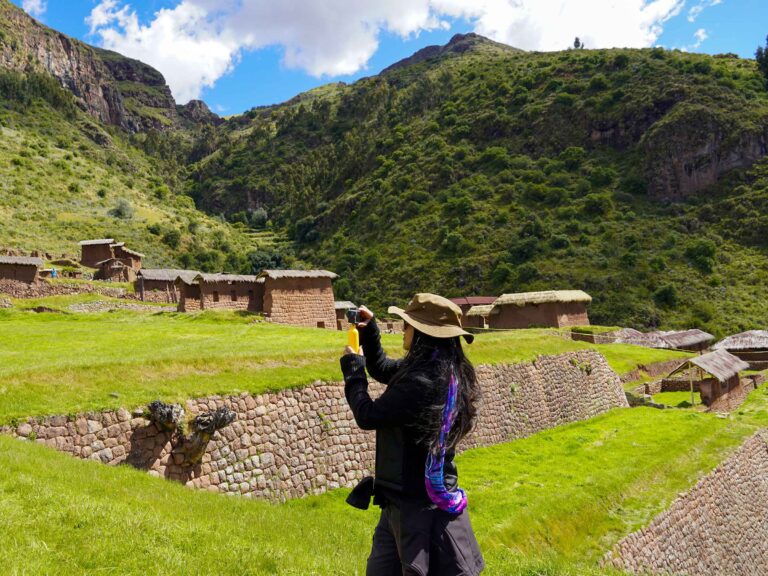

The Ancascocha Trail is one of Peru’s most spectacular alternative treks to Machu Picchu. Often overshadowed by the famous Inca Trail, this remote Andean route offers breathtaking landscapes, quiet mountain paths, high-altitude lakes, and authentic cultural experiences.
For travelers seeking adventure away from the crowds, the Ancascocha Trek delivers one of the most rewarding hiking experiences in the Andes.
👉 Explore this hidden route with our
Ancascocha Trek 4 Days
Or combine it with Machu Picchu on the
Ancascocha Trek + Short Inca Trail.
What Is the Ancascocha Trail?
The Ancascocha Trail is an alternative trekking route through the Peruvian Andes that connects remote mountain landscapes with ancient Inca history.
The trail passes through:
- High-altitude mountain passes
- Remote Andean villages
- Crystal-clear lakes
- Cloud forests and valleys
- Lesser-known Inca archaeological sites
The route usually ends near Ollantaytambo, the gateway to Machu Picchu.
Why Choose the Ancascocha Trek?
Unlike the crowded Classic Inca Trail, the Ancascocha Trek offers a quieter and more immersive experience in nature.
- Fewer tourists
- Remote trekking routes
- Panoramic mountain scenery
- Authentic cultural encounters
- Excellent camping locations
👉 Trekkers looking for alternative adventures often compare this route with the
Salkantay Trek
or the
Classic Inca Trail.

The Route and Highlights
The trek typically begins near the village of Soqma and crosses diverse Andean ecosystems before reaching the Sacred Valley.
Perolniyoc Waterfall
One of the first highlights of the trek is the beautiful Perolniyoc waterfall, surrounded by green valleys and mountain scenery.
Ancascocha Lake
This stunning high-altitude lake is one of the most peaceful locations along the route. The surrounding snow-capped peaks create incredible reflections on the water.
High Mountain Passes
Several passes exceed 15,000 feet, offering panoramic views of the Andes and challenging trekking conditions.
Ollantaytambo
The route often ends in Ollantaytambo, where travelers continue on to Machu Picchu.
Natural Beauty and Wildlife
The Ancascocha Trail passes through a wide range of ecosystems and natural landscapes.
- Andean condors
- Vicuñas and alpacas
- Mountain lakes
- Wild orchids and native flora
The trail’s remote nature makes it one of the best trekking routes for photography and nature lovers.
Inca Sites Along the Trail
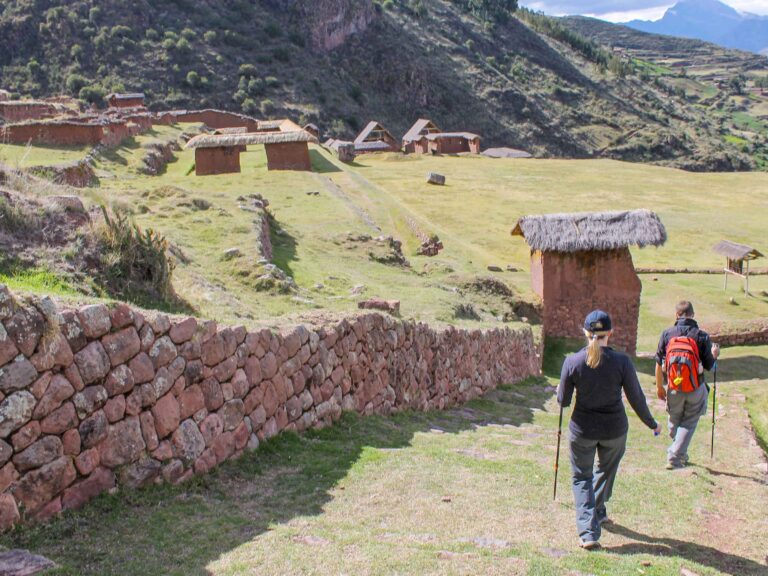
The route also includes lesser-known Inca ruins and archaeological remains hidden in the mountains.
These sites provide insight into the engineering, agricultural systems, and spiritual traditions of the Inca civilization.
Difficulty Level of the Ancascocha Trek
The Ancascocha Trek is considered moderate to challenging due to altitude and long hiking days.
- High mountain passes
- Steep ascents and descents
- Cold nights at altitude
Trekkers should be in good physical condition and properly acclimated before starting the trek.
👉 Prepare with our altitude sickness guide.
Best Time to Trek the Ancascocha Trail
The best season for trekking the Ancascocha Trail is during the dry season from May to September.
- Clear skies
- Safer trail conditions
- Better mountain visibility
The rainy season can make the trail muddy and more difficult.
👉 Read our best time to travel to Peru guide.
What to Pack for the Ancascocha Trek
- Layered clothing
- Waterproof jacket
- Sleeping bag for cold nights
- Hiking boots
- Sunscreen and sunglasses
- Trekking poles
Ancascocha Trek vs Inca Trail
Both treks offer incredible experiences, but they are very different.
- Inca Trail: famous, historical, and more crowded
- Ancascocha Trail: remote, quiet, and nature-focused
Travelers looking for solitude and untouched scenery often prefer the Ancascocha route.
Best Ancascocha Trekking Tours
Final Thoughts
The Ancascocha Trail is one of Peru’s best hidden trekking adventures. Its remote landscapes, cultural richness, and spectacular mountain scenery make it an unforgettable alternative to the Classic Inca Trail.
👉 Experience the Andes with our
Ancascocha trekking tours
and discover one of Peru’s most beautiful hidden routes.