
Exploring Cusco, the Sacred Valley and Machu Picchu in one journey is one of the best ways to understand the heart of the Inca world. These three destinations are deeply connected by history, geography, agriculture, spirituality, and the ancient routes that once linked the Inca Empire.
This guide explains how Cusco, Machu Picchu, and the Sacred Valley are connected, why each place mattered to the Incas, and how travelers can plan a meaningful route through Peru’s most iconic cultural region.
Cusco Machu Picchu and the Sacred Valley
The breathtaking landscapes of Cusco, Machu Picchu, and the Sacred Valley have captivated travelers and historians alike. Nestled in the Andes Mountains, these iconic locations hold rich history and cultural significance.
Understanding the relationship among Cusco, Machu Picchu, and the Sacred Valley helps us appreciate why the Incas built their cities in this region and why this area is a must-visit destination for travelers exploring Peru.
Why Cusco, Machu Picchu and the Sacred Valley Belong Together
Cusco, the Sacred Valley, and Machu Picchu should not be understood as separate destinations. Together, they form one of the most important cultural corridors of the Inca civilization.
Cusco was the political and spiritual capital. The Sacred Valley provided fertile lands, food production, strategic towns, and ceremonial centers. Machu Picchu represented one of the most remarkable achievements of Inca architecture, spirituality, and landscape planning.
Travelers who visit all three places gain a much deeper understanding of how the Incas organized power, agriculture, religion, and movement across the Andes.
Cusco, once the capital of the Inca Empire, stands as a testament to the Incas’ engineering prowess and cultural sophistication. The city’s streets are a tapestry of Incan stonework and colonial architecture, reflecting a rich history of resilience and adaptation.
The Qorikancha temple, once covered in gold, and the nearby Sacsayhuamán fortress are just a few examples of the city’s historical treasures.
The city’s role as a cultural and spiritual hub made it a focal point for rituals and ceremonies that continue to influence local traditions today.
Every year, Cusco hosts the Inti Raymi festival, a vibrant celebration of the winter solstice and a homage to the Sun God, Inti, that draws visitors from around the world.
Travelers interested in Inca history may also enjoy this complete Cusco travel guide before exploring the region.
Cusco sits at an altitude of approximately 3,400 meters (11,150 feet), which results in a unique high-altitude climate.
The air is thinner here, which can impact visitors not accustomed to such heights, often requiring a period of acclimatization.
The climate is generally mild, with two primary seasons: the dry season from May to September and the wet season from October to April.
This elevation also offers spectacular views of the surrounding Andes, with clear skies often revealing snow-capped peaks in the distance.
The region’s distinct climate and elevation contribute to its unique biodiversity, supporting a range of flora and fauna adapted to these conditions.
Cusco is strategically located; it connects to various Inca trails that lead to other significant sites, including Machu Picchu.
This connectivity played a crucial role in the empire’s administration and communication.
Modern infrastructure has enhanced this connectivity, making Cusco a gateway for travelers exploring the Sacred Valley and beyond.
The Sacred Valley of the Incas lies between Cusco and Machu Picchu.
It stretches roughly 60 kilometers (37 miles) and follows the Urubamba River.
The valley boasts a mild climate and fertile lands, making it an agricultural hub for the Incas.
The region’s unique microclimates allowed the Incas to cultivate a wide variety of crops, including maize, potatoes, quinoa, and various legumes.
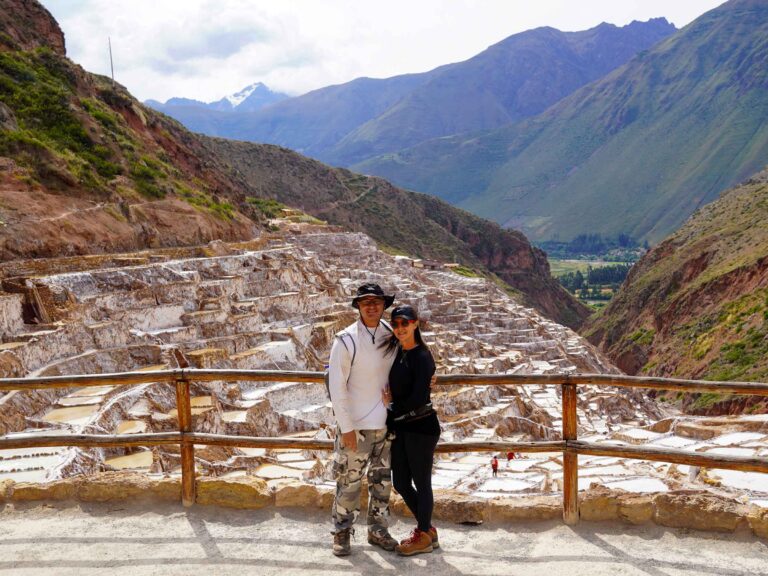
Terracing techniques were employed to maximize arable land and improve crop yields, a practice still evident today.
These terraces, or “andenes,” not only supported agriculture but also prevented soil erosion, demonstrating the Incas’ advanced understanding of sustainable farming practices.
The Sacred Valley was also part of the extensive Inca road system known as the Qhapaq Ñan.
Fortresses like Ollantaytambo served as military strongholds and administrative centers, reflecting the valley’s importance in maintaining the empire’s cohesion.
Travelers exploring the region can also review this Sacred Valley travel guide for additional planning tips.
Beyond its agricultural and strategic significance, the Sacred Valley holds profound cultural and spiritual importance.
Many of the valley’s sites, such as Pisac and Moray, are believed to have had ceremonial and astronomical functions, reflecting the Incas’ connection to the cosmos.
The valley’s spiritual significance continues through local customs and festivals celebrated by Andean communities today.
Engaging with local communities provides travelers with an enriching experience and a deeper connection to the region’s living heritage.
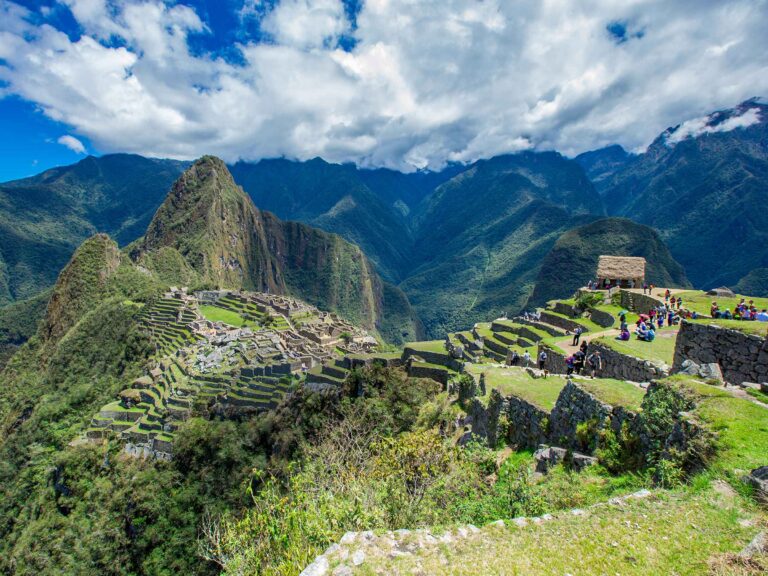
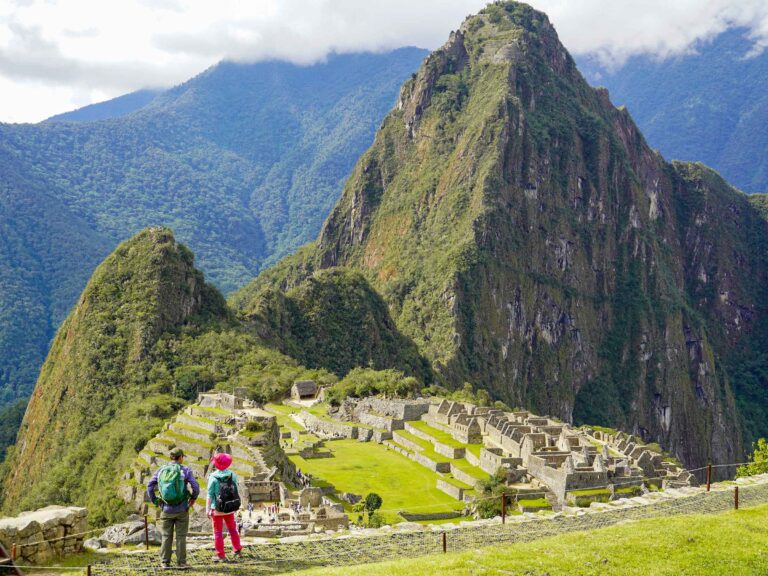
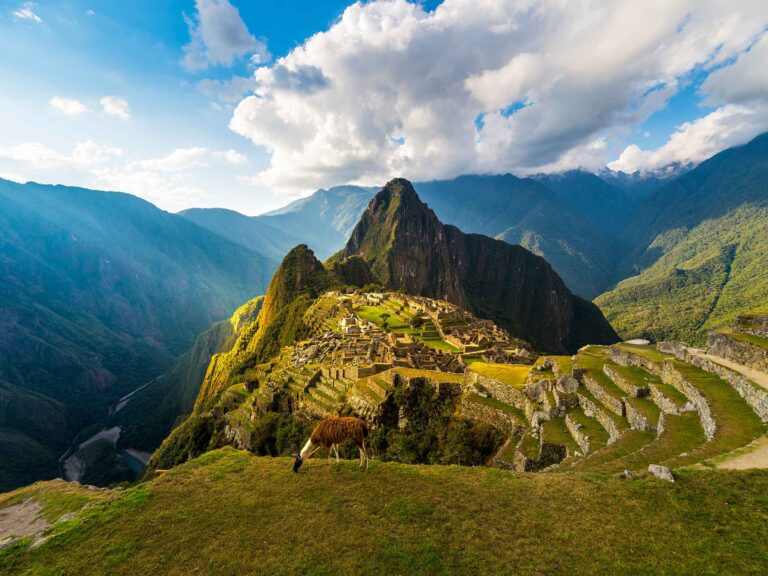
Machu Picchu is perhaps the most famous Incan site, often called the “Lost City of the Incas.”
It is located about 80 kilometers (50 miles) northwest of Cusco, nestled between the peaks of Machu Picchu and Huayna Picchu.
The site is renowned for its architectural marvels and engineering feats that have stood the test of time.
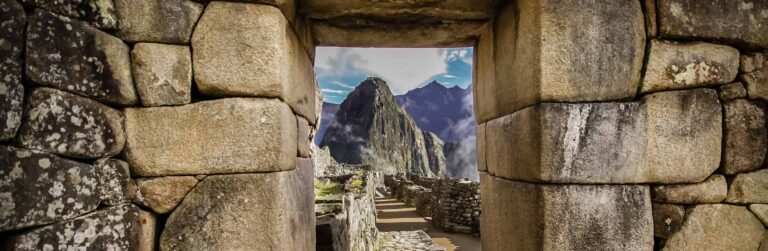
The precision of the stonework, often built without mortar, reflects the Incas’ extraordinary engineering skills.
The site’s terraces, temples, and ceremonial spaces showcase the Incas’ ability to harmonize architecture with the surrounding mountain landscape.
The Intihuatana stone, associated with astronomical observations, demonstrates the Incas’ advanced understanding of astronomy and spirituality.
Travelers interested in planning a visit should also review this complete Machu Picchu travel guide.
Best Way to Visit Cusco, the Sacred Valley and Machu Picchu
The most practical route usually begins in Cusco, continues through the Sacred Valley, and finishes with Machu Picchu.
This order helps travelers acclimatize gradually while experiencing the region in a logical, historical, and geographic sequence.
- Cusco: Best for history, colonial architecture, museums, and nearby archaeological sites.
- Sacred Valley: Best for landscapes, traditional villages, agriculture, and major Inca ruins such as Pisac and Ollantaytambo.
- Machu Picchu: Best for the final highlight of the journey and Peru’s most iconic archaeological experience.
Travelers wanting a complete experience often combine a Cusco City Tour, a private Sacred Valley tour, and a guided Machu Picchu visit.
The purpose of Machu Picchu remains a subject of debate among historians and archaeologists.
Some theories suggest it was a royal estate or retreat for Inca nobility, while others believe it served as a ceremonial and spiritual center.
Recent research also suggests Machu Picchu may have functioned as an educational and astronomical center for elite members of Inca society.
Machu Picchu’s designation as a UNESCO World Heritage Site highlights its global importance and the need for preservation.
Efforts to protect the site include limiting visitor numbers and promoting sustainable tourism practices.
Travelers can reach Machu Picchu from Cusco by train or by hiking the Inca Trail.
The train journey offers stunning Andean views and takes approximately 3.5 hours to reach Aguas Calientes.
For adventurous travelers, the Inca Trail offers a multi-day trek through the mountains, cloud forests, and archaeological sites.
Alternative routes, such as the Salkantay Trek and Lares Trek, also offer unique perspectives on the Andes.
The best time to visit Cusco, Machu Picchu, and the Sacred Valley is during the dry season, from May to September.
During these months, weather conditions are more stable, with clear skies ideal for trekking and sightseeing.
Travelers visiting during the rainy season, from October to April, will encounter greener landscapes and fewer crowds, though rain is more frequent.
Cusco is at a high altitude, and travelers often experience altitude sickness.
It’s important to acclimate by taking it easy during the first few days, staying hydrated, and avoiding alcohol.
Coca tea, a traditional Andean remedy, may also help alleviate altitude symptoms.
Gradually ascending to higher elevations allows the body to adjust more comfortably to the mountain environment.
Travelers should listen to their bodies and rest when necessary.
The distances between Cusco, the Sacred Valley, and Machu Picchu are relatively short, but the mountainous terrain makes travel slower than expected.
The scenic routes provide breathtaking views of the Andes and opportunities to explore smaller villages and archaeological sites along the way.
- Cusco to the Sacred Valley: Approximately 15-60 kilometers, depending on the destination within the valley.
- Cusco to Machu Picchu: Roughly 80 kilometers by train or via trekking routes such as the Inca Trail.
- Sacred Valley to Machu Picchu: Usually accessed through Ollantaytambo, followed by a train to Aguas Calientes.
Planning and preparation are essential for a smooth journey between Cusco, the Sacred Valley, and Machu Picchu.
Booking trains, entrance tickets, and accommodations in advance is highly recommended, especially during the peak tourist season.
Packing layers for changing temperatures and wearing comfortable walking shoes will improve the overall travel experience.
Hiring knowledgeable local guides also helps travelers better understand the region’s history and culture.
Visitors to the Sacred Valley can explore important archaeological sites such as Ollantaytambo and Pisac.
These sites provide insight into Inca engineering, agriculture, religion, and military strategy.
Guided tours enhance the experience by offering historical context and cultural explanations.
Machu Picchu, with its mysterious ruins and dramatic mountain scenery, remains one of the world’s most inspiring archaeological destinations.
The Sun Gate, Temple of the Condor, and Intihuatana are among the site’s most important ceremonial areas.
The surrounding mountain views create one of the most unforgettable landscapes in South America.
Exploring Cusco, the Sacred Valley, and Machu Picchu is not only about ancient ruins but also about experiencing the living culture of the Andes.
Local communities continue preserving traditional weaving, music, agriculture, festivals, and spiritual customs.
Supporting local artisans and businesses helps preserve these cultural traditions for future generations.
Cusco, Machu Picchu, and the Sacred Valley are interconnected destinations that together tell the story of the Inca Empire.
From the fertile lands of the Sacred Valley to the spiritual heights of Machu Picchu, this region offers one of the most extraordinary cultural journeys in the world.


When to Go
The best time to visit Cusco is from April to October, when the days are dry and sunny.
However, nighttime temperatures can drop significantly due to the high altitude.
From November to April, the rainy season brings greener landscapes and fewer tourists.
Travelers planning to hike the Inca Trail should note that the trail closes every February for maintenance.
Cusco also hosts important festivals throughout the year, including Inti Raymi and Corpus Christi, which greatly enrich the cultural experience.

Explore Tours Connecting Cusco, the Sacred Valley and Machu Picchu
Kondor Path Tours offers carefully designed experiences that connect the most important destinations of the ancient Inca world through culture, history, landscapes, and expert local guidance.
- Sacred Valley and Machu Picchu 2 Day Tour
- Private Sacred Valley Tour
- Machu Picchu Full Day Tour
- Cusco City Tour Full Day
Conclusion
Embarking on this exploration not only enriches one’s understanding of a remarkable civilization but also fosters a deeper appreciation for the achievements of the Inca people.
The legacy of the Incas remains alive in the landscapes, traditions, and communities of Cusco, the Sacred Valley, and Machu Picchu.
As travelers journey through these iconic destinations, they experience one of the most meaningful cultural and historical adventures in South America.