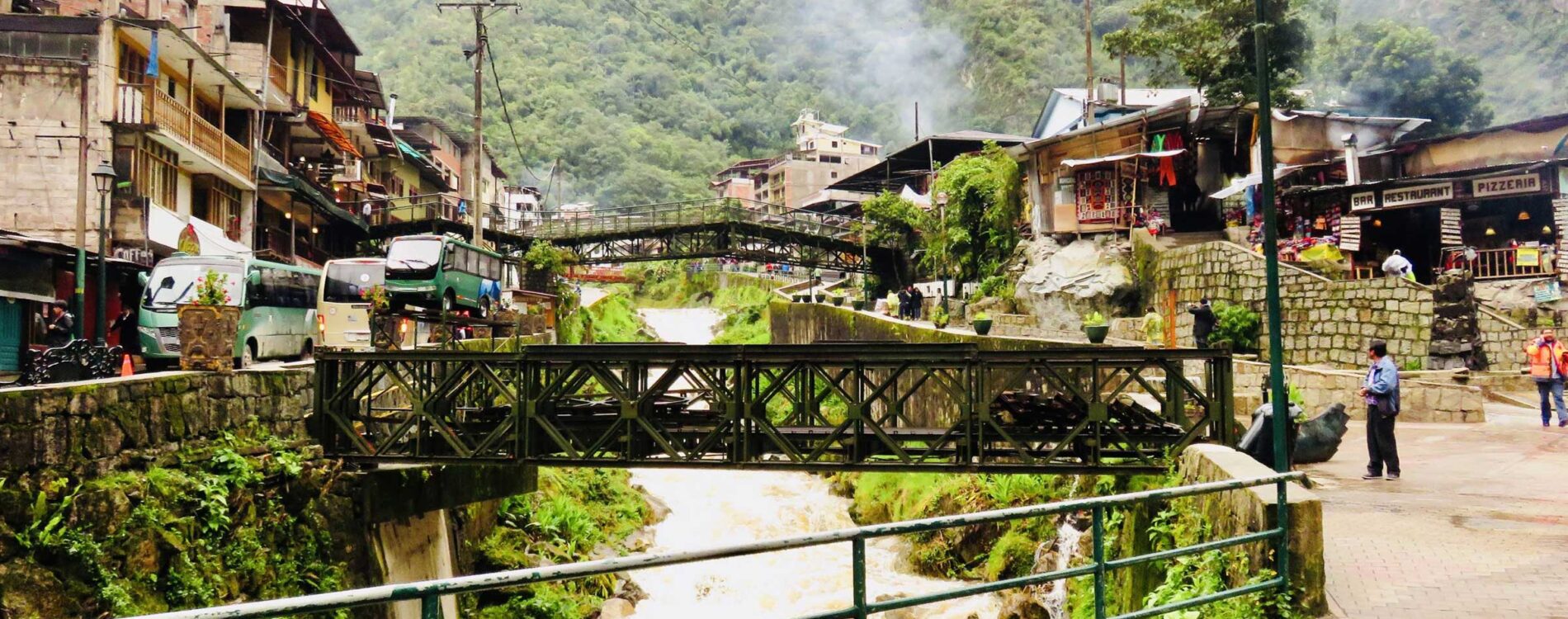
Nestled in the Andean foothills, Machu Picchu Pueblo serves as the enchanting gateway to the legendary Inca Empire. This vibrant town offers much more than just access to the iconic ruins; it immerses visitors in a rich tapestry of culture, breathtaking landscapes, and thrilling adventures. As you traverse the cobblestone streets, the fusion of tradition and modernity enchants every step, with lively markets, cozy cafes, and breathtaking views of the surrounding mountains. Whether you’re a history buff eager to unravel the mysteries of the Incas or an adventure seeker looking to hike the ancient trails, Machu Picchu Pueblo promises an unforgettable experience. In this ultimate guide, we’ll unveil the hidden gems, practical tips, and must-see attractions that will elevate your journey and transform your visit into a magical exploration of history and nature. Ready to discover the wonders that await? Let’s dive into the essence of Machu Picchu Pueblo!

Machu Picchu Pueblo, also known as Aguas Calientes, has a history deeply intertwined with the grandeur of the Inca civilization. This small yet vibrant town is situated at the base of the famous Machu Picchu archaeological site, which was built in the 15th century by Emperor Pachacuti. The city itself, however, began to gain prominence much later, particularly in the 20th century, as an essential stopover for tourists en route to the ancient Inca citadel. The significance of Machu Picchu Pueblo lies not only in its proximity to the iconic ruins but also in its evolution from a humble railway workers’ settlement into a bustling tourist hub that preserves the enigmatic legacy of the Incas.
The Inca Empire, known for its architectural prowess and innovative agricultural techniques, left behind a legacy that is palpable in Machu Picchu Pueblo. The town serves as a living testament to the Incas’ ingenuity, with its terraced landscapes and ancient stone constructions that have withstood the test of time. Visitors can explore the remnants of Inca engineering marvels, such as the Intihuatana stone, which was used to predict solstices, and the sophisticated water management systems that exemplify the civilization’s advanced understanding of hydraulics. This rich historical backdrop makes Machu Picchu Pueblo an essential destination for those looking to delve deep into the roots of one of the most fascinating civilizations in human history.
In addition to its historical significance, the town has grown organically over the years, influenced by various cultural and historical developments. The arrival of the railroad in the early 20th century marked a turning point, transforming Machu Picchu Pueblo from an obscure village into a gateway for global travelers. Today, the town thrives on tourism, with its colorful markets, traditional craft shops, and cultural performances offering a glimpse into the contemporary life that continues to honor and celebrate its ancient heritage. The intertwining of past and present in Machu Picchu Pueblo provides a unique experience for visitors, making it a must-visit for those seeking to understand the full spectrum of the region’s historical and cultural significance.

Reaching Machu Picchu Pueblo is an adventure in itself, offering several routes that each provide a unique perspective of the breathtaking Andean landscapes. The most popular and convenient way to reach Machu Picchu Pueblo is by train from Cusco or Ollantaytambo. PeruRail and Inca Rail offer several daily departures, and the journey is nothing short of spectacular, with panoramic windows providing stunning views of the Urubamba River and the lush valleys. The train ride typically lasts between 1.5 and 3.5 hours, depending on the departure point, and is a comfortable and scenic option for travelers of all ages.
For those seeking a more adventurous route, hiking the Inca Trail is a once-in-a-lifetime experience that culminates in the ultimate reward of arriving at Machu Picchu through the Sun Gate. This ancient trail, initially used by the Incas, spans approximately 26 miles and takes four days to complete. Guided tours provide the necessary permits and support. The trek offers an immersive journey through diverse ecosystems, ranging from cloud forests to alpine tundra, and includes stops at lesser-known Inca ruins along the way. The Inca Trail is physically demanding but highly rewarding for those who want to fully immerse themselves in the region’s natural and historical wonders.
Alternatively, the Salkantay Trek and the Lares Trek are excellent options for hikers looking for less crowded trails. Both treks offer stunning scenery and provide a unique opportunity to experience the remote Andean communities that maintain traditional lifestyles. The Salkantay Trek is renowned for its dramatic landscapes, featuring snow-capped mountains and lush tropical rainforests. At the same time, the Lares Trek offers cultural immersion through visits to local villages and hot springs. Upon completing these treks, hikers typically take a short train ride from Hidroelectrica to Machu Picchu Pueblo. Regardless of the chosen route, the journey to Machu Picchu Pueblo is an integral part of the overall experience, setting the stage for the awe-inspiring exploration that awaits.

Choosing the best time to visit Machu Picchu Pueblo can significantly enhance your experience, as weather conditions and crowd levels vary throughout the year. The dry season, which runs from May to September, is widely regarded as the best time to visit. During these months, you can expect clear skies and minimal rainfall, making it ideal for outdoor activities such as hiking and sightseeing. The temperatures are also moderate, ranging from cool mornings to warm afternoons, allowing for comfortable exploration of the ruins and surrounding areas. However, this is also the peak tourist season, so be prepared for larger crowds and higher prices for accommodations and tours.
The shoulder seasons, which include April and October, offer a good balance between favorable weather and fewer tourists. During these months, the weather remains relatively dry, and the landscapes are lush and green from recent rains. This period is ideal for travelers looking to avoid the peak-season hustle and bustle while still enjoying pleasant outdoor conditions. Additionally, the shoulder seasons often offer discounts on accommodations and tours, making it a more budget-friendly option.
The rainy season, from November to March, is considered the off-peak period for visiting Machu Picchu Pueblo. While the weather can be unpredictable, with frequent rain showers and occasional heavy downpours, this time of year offers a different kind of beauty. The landscape is at its most vibrant, with verdant greenery and blooming flowers, creating a picturesque setting for photography enthusiasts. The reduced number of tourists also means a more serene and intimate experience at the ruins. However, it is essential to be prepared for wet, slippery conditions, especially if you plan to hike the Inca Trail or other trekking routes, as these routes may be closed or more challenging during this time.

Machu Picchu Pueblo offers a diverse range of accommodations to suit every traveler’s needs and budget, from luxurious hotels to cozy hostels. For those seeking a high-end experience, the Inkaterra Machu Picchu Pueblo Hotel is a top choice. Nestled in a lush cloud forest, this eco-friendly hotel offers elegant rooms, exquisite dining options, and a range of activities, including guided nature walks and visits to the on-site orchid garden. Another luxurious option is the Sumaq Machu Picchu Hotel, which provides spacious rooms with stunning views, gourmet Peruvian cuisine, and a relaxing spa to unwind after a day of exploration.
Mid-range travelers will also find numerous comfortable options, such as Tierra Viva Machu Picchu, which offers modern amenities and a convenient location near the train station. The Hatun Inti Boutique Hotel is another excellent choice, featuring stylish rooms, friendly service, and a complimentary breakfast to start your day. For budget-conscious travelers, numerous hostels and guesthouses offer clean, affordable accommodations. The Supertramp Hostel and Ecopackers Machu Picchu are popular among backpackers, offering dormitory-style rooms, communal areas, and a lively atmosphere where you can meet fellow travelers.
Dining in Machu Picchu Pueblo is a delightful experience, with a variety of restaurants and cafes serving both local and international cuisine. Indulge in traditional Peruvian dishes at Mapacho Craft Beer & Peruvian Cuisine, where you can savor favorites like ceviche, lomo saltado, and alpaca steak. For a more casual dining experience, head to Indio Feliz Bistro, a charming eatery known for its fusion of French and Peruvian flavors. The Tree House Restaurant offers a unique dining experience, complete with a treehouse-like setting and a menu featuring fresh, locally sourced ingredients.
Vegetarians and vegans will also find plenty of options in Machu Picchu Pueblo. The Green House Organic Concept is a popular choice, offering a diverse range of plant-based dishes crafted with organic ingredients. Cafe Inkaterra, located within the Inkaterra Machu Picchu Pueblo Hotel, provides a tranquil setting to enjoy a cup of coffee or a light meal. Whether you’re looking for a quick bite or a gourmet feast, the dining options in Machu Picchu Pueblo are sure to satisfy your culinary cravings and enhance your overall experience.

Machu Picchu Pueblo is more than just a gateway to the ancient Inca citadel; it offers a wide range of attractions and activities for visitors with diverse interests. The town itself is a charming destination, boasting vibrant markets, cultural landmarks, and natural beauty, which provide plenty of opportunities for exploration and adventure. One of the must-visit attractions in Machu Picchu Pueblo is the Manuel Chávez Ballón Museum, also known as the Machu Picchu Museum. This small yet informative museum offers fascinating insights into the history, archaeology, and culture of the Inca civilization, featuring exhibits that showcase artifacts, models, and illustrations to enhance your understanding of the iconic ruins.
For nature enthusiasts, a visit to the Machu Picchu Butterfly House is a delightful experience. Located just a short walk from the town center, this conservation project showcases the region’s diverse butterfly species. Visitors can learn about the life cycle of butterflies, their ecological significance, and the ongoing efforts to preserve their habitats. Another natural attraction worth exploring is the Mandor Gardens, a serene botanical garden situated along the railway tracks leading to Machu Picchu. The gardens feature a variety of native plants, cascading waterfalls, and a tranquil ambiance, making it an ideal spot for a stroll or a picnic.
Adventure seekers will find plenty of activities to get their adrenaline pumping in and around Machu Picchu Pueblo. The Putucusi Mountain hike is a challenging yet rewarding trek that offers panoramic views of Machu Picchu from a unique vantage point. This steep and strenuous climb involves navigating ladders and rocky terrain, but the breathtaking scenery at the summit makes it well worth the effort. Another popular activity is the Huayna Picchu hike, which provides a different perspective of the Machu Picchu ruins. This hike is limited to a certain number of visitors per day, so it’s essential to book your permit in advance.
For those looking to relax and rejuvenate after a day of exploration, the Aguas Calientes Hot Springs are a perfect retreat. These natural thermal baths are situated just a short walk from the town center, offering a soothing soak in mineral-rich waters. The hot springs are surrounded by lush vegetation and offer stunning views of the surrounding mountains, providing a peaceful and restorative experience. Whether you’re interested in history, nature, or adventure, Machu Picchu Pueblo has something to offer every traveler, ensuring an unforgettable visit to this enchanting destination.
Exploring Machu Picchu and its surroundings requires careful planning and preparation to ensure a smooth and enjoyable experience. One of the most important tips is to book your tickets and permits well in advance, especially if you plan to hike the Inca Trail or visit Huayna Picchu. These permits are limited and can sell out quickly, particularly during the peak tourist season. Additionally, it’s essential to secure your train tickets and accommodations in advance to avoid any last-minute hassles and to obtain the best rates.
When visiting Machu Picchu, it’s crucial to be mindful of the altitude, as the site is at approximately 7,970 feet (2,430 meters) above sea level. Altitude sickness can affect anyone, regardless of fitness level, so it’s essential to take it easy upon arrival and allow your body to acclimate. Staying hydrated, avoiding alcohol and heavy meals, and taking short walks can help alleviate symptoms. Some travelers also find it helpful to chew coca leaves or drink coca tea, which are traditional remedies for altitude sickness.
Packing appropriately for your trip is another key aspect of a successful visit to Machu Picchu. The weather in the region can be unpredictable, so it’s essential to bring layers and be prepared for a range of conditions. A good quality rain jacket, comfortable hiking shoes, sunscreen, and insect repellent are must-haves. A small daypack helps carry essentials like water, snacks, and a camera. It’s also a good idea to pack a reusable water bottle, as staying hydrated is essential, and there are several on-site refill stations.
Finally, to make the most of your visit to Machu Picchu, consider hiring a knowledgeable guide. While you can explore the site on your own, a guide can provide valuable insights into the history, architecture, and significance of the structures within the citadel. Guided tours are available in multiple languages and can be arranged through your hotel or a local tour operator. By following these tips and being well-prepared, you can ensure a memorable and enriching experience at Machu Picchu and its surroundings.
The people of Machu Picchu Pueblo, known for their warmth and hospitality, play a vital role in preserving the region’s rich cultural heritage. Many residents are descendants of the Quechua people, the indigenous group that formed the backbone of the Inca civilization. The Quechua language, traditional clothing, and customs are still very much alive in Machu Picchu Pueblo, providing visitors with a unique opportunity to experience the vibrant culture firsthand. As you wander through the town, you’ll encounter locals wearing colorful, handwoven garments, and you’ll hear the melodic sounds of Quechua being spoken.
One of the best ways to immerse yourself in local culture is to visit the bustling markets of Machu Picchu Pueblo. The Mercado Artesanal, or Artisan Market, is a treasure trove of handmade crafts, textiles, and souvenirs. Here, you can find intricately woven alpaca wool products, traditional pottery, and beautiful jewelry made from local materials. Engaging with the artisans and learning about their techniques and traditions adds a deeper layer of appreciation for the craftsmanship and cultural significance of these items.
Traditional festivals and celebrations are an integral part of life in Machu Picchu Pueblo, offering a glimpse into the community’s rich cultural heritage. One of the most significant events is Inti Raymi, the Festival of the Sun, held in June. This ancient Inca celebration honors the sun god Inti and marks the winter solstice. The festival features vibrant parades, traditional music and dance performances, and elaborate rituals that reenact Inca ceremonies. Participating in or witnessing these festivities provides a unique and immersive cultural experience that connects you to the region’s rich ancient heritage.
Another important aspect of local culture is the traditional cuisine, which reflects the Andean people’s agricultural practices and culinary heritage. Dishes such as pachamanca, a conventional Peruvian feast cooked in an earthen oven, and cuy, roasted guinea pig, are staples of the local diet. Sampling these dishes at local restaurants or during communal meals provides a taste of the region’s culinary traditions and the significance of food in social and cultural gatherings. By engaging with the people of Machu Picchu Pueblo and experiencing their customs, festivals, and cuisine, visitors can gain a deeper understanding and appreciation of the rich cultural heritage that defines this enchanting town.
Sustainable tourism is a crucial consideration for preserving the natural and cultural heritage of Machu Picchu Pueblo and its surrounding areas. As one of the most visited destinations in the world, the influx of tourists presents both opportunities and challenges for the local community and environment. Efforts to promote sustainable tourism focus on minimizing the ecological footprint, supporting the local economy, and ensuring that the region’s cultural and historical integrity is maintained for future generations. By embracing sustainable practices, travelers can help preserve and support the well-being of this iconic destination.
One of the key aspects of sustainable tourism in Machu Picchu Pueblo is the conservation of natural resources and biodiversity. The town is situated within the Machu Picchu Historical Sanctuary, a UNESCO World Heritage site that encompasses diverse ecosystems and is home to endangered species. To protect this fragile environment, visitors are encouraged to adhere to responsible travel practices, including staying on designated trails, avoiding litter, and respecting wildlife. Many local tour operators and accommodations are committed to eco-friendly practices, such as waste reduction, water conservation, and the use of renewable energy sources.
Supporting the local economy is another vital component of sustainable tourism. By choosing to stay in locally owned hotels, dine at local restaurants, and purchase handmade crafts from local artisans, travelers can directly support the community’s livelihood. Engaging with local guides and tour operators not only provides a more authentic experience but also ensures that the economic benefits of tourism are distributed more equitably. Initiatives such as community-based tourism projects offer visitors the chance to participate in cultural activities and learn about traditional practices, while also providing local families with a source of income.
Education and awareness are essential for promoting sustainable tourism and fostering a sense of responsibility among travelers. Many organizations and initiatives in Machu Picchu Pueblo focus on raising awareness about the importance of conservation and sustainable practices. Visitors are encouraged to learn about the region’s environmental and cultural significance and make informed choices that support sustainability. By adopting a mindful and respectful approach to travel, visitors can play a crucial role in preserving the beauty and heritage of Machu Picchu Pueblo for generations to come.
Machu Picchu Pueblo, with its rich history, vibrant culture, and breathtaking landscapes, offers an unforgettable experience for travelers seeking to explore the gateway to the Inca Empire. From the moment you arrive, the town’s enchanting atmosphere and the warmth of its people will captivate your heart and inspire a deep appreciation for the region’s heritage. By following the practical tips and recommendations outlined in this guide, you can ensure a smooth, enjoyable journey and fully immerse yourself in the wonders of Machu Picchu Pueblo and its surroundings.
Whether you’re a history enthusiast eager to uncover the mysteries of the Inca civilization, an adventure seeker ready to conquer the ancient trails, or a nature lover drawn to the region’s diverse ecosystems, Machu Picchu Pueblo has something to offer everyone. Take the time to explore the town’s cultural landmarks, engage with the local community, and embrace the spirit of sustainable tourism. By doing so, you’ll not only enrich your own travel experience but also contribute to the preservation and well-being of this iconic destination.
As you plan your visit, remember that the journey to Machu Picchu Pueblo is as important as the destination itself. Whether you choose to travel by train, embark on a challenging trek, or explore alternative routes, the adventure will undoubtedly be a highlight of your trip. With its stunning scenery, rich cultural heritage, and diverse range of activities, Machu Picchu Pueblo promises an unforgettable exploration of history and nature. So pack your bags, embrace the spirit of adventure, and get ready to discover the wonders that await in the enchanting gateway to the Inca Empire.

Santa Maria-Santa Teresa Road—Route / Inca Jungle Trail
Kondor Path Tours runs a version of this route called the Inca Jungle Trail. This information means descending by mountain bike from Abra Málaga to Santa María and trekking to Santa Teresa and Machu Picchu.

Peru Travel Packages Peru is a land of wonders waiting to be explored. From ancient ruins to vibrant…
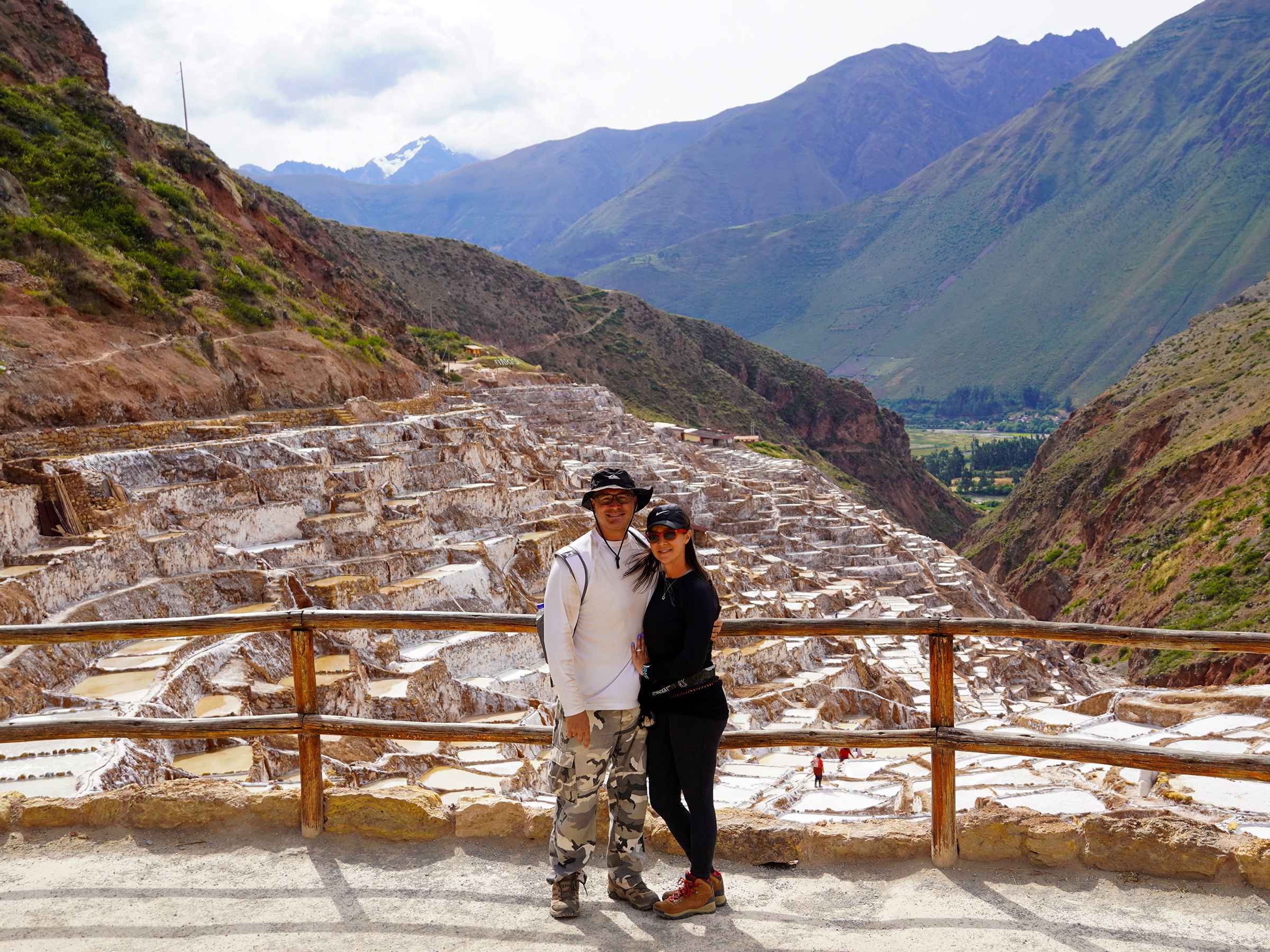
Peru is home to two of the most iconic landmarks in the world: the Sacred Valley and Machu…
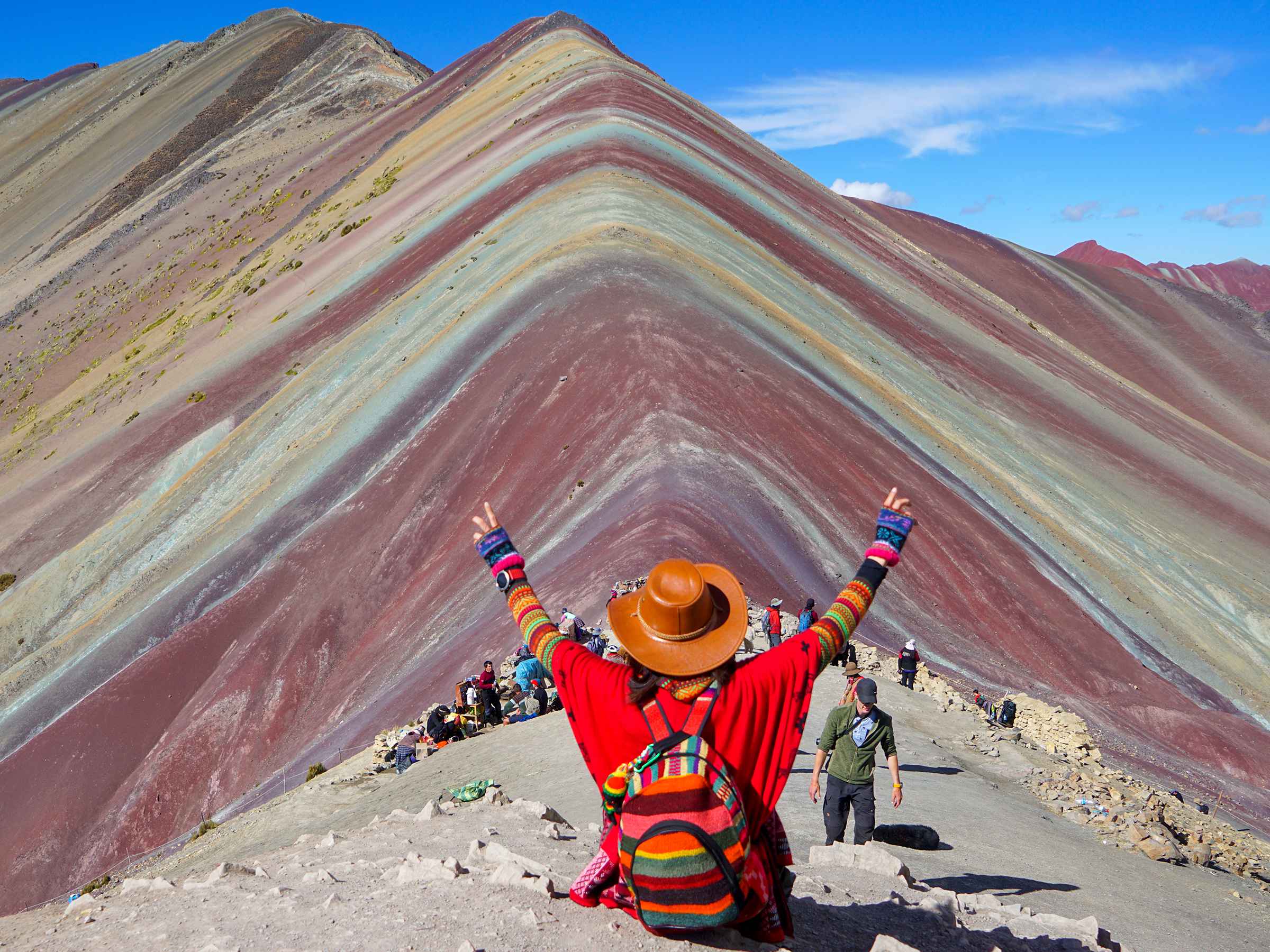
Peru is a country of diverse landscapes and rich cultural heritage, boasting two of the most iconic landmarks…

Machu Picchu, the iconic Lost City of the Incas, has captivated the imagination of travelers and historians alike…
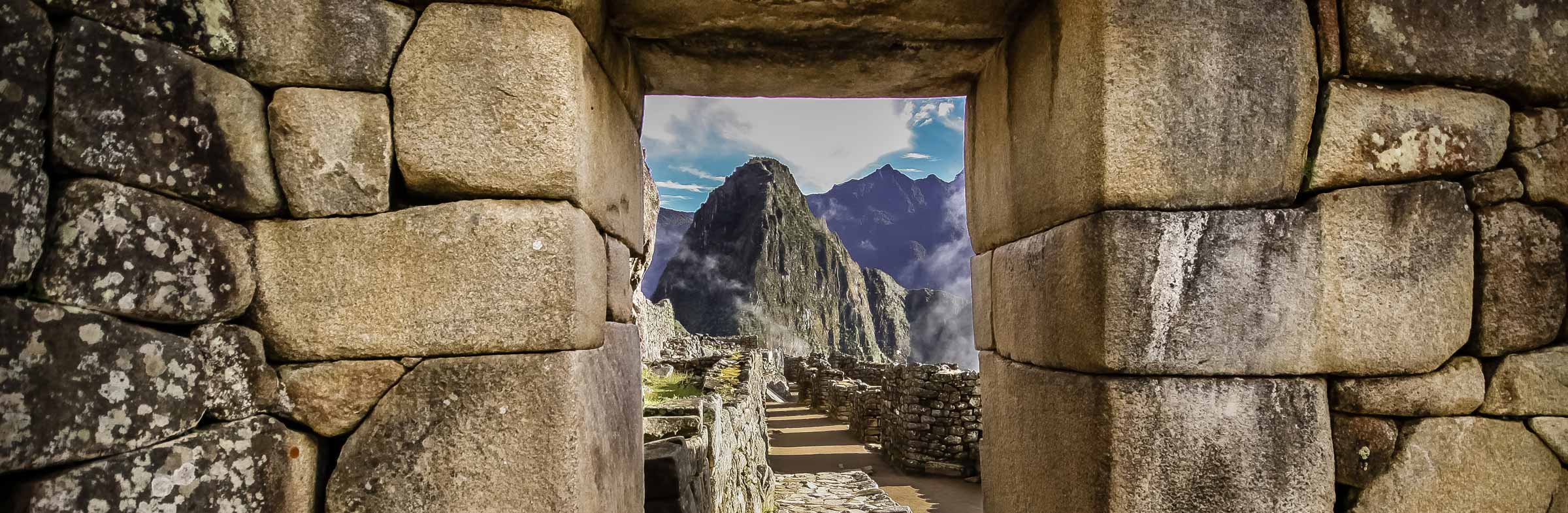
There is much more to do in Machu Picchu than simply taking photos of the main viewpoint. From…
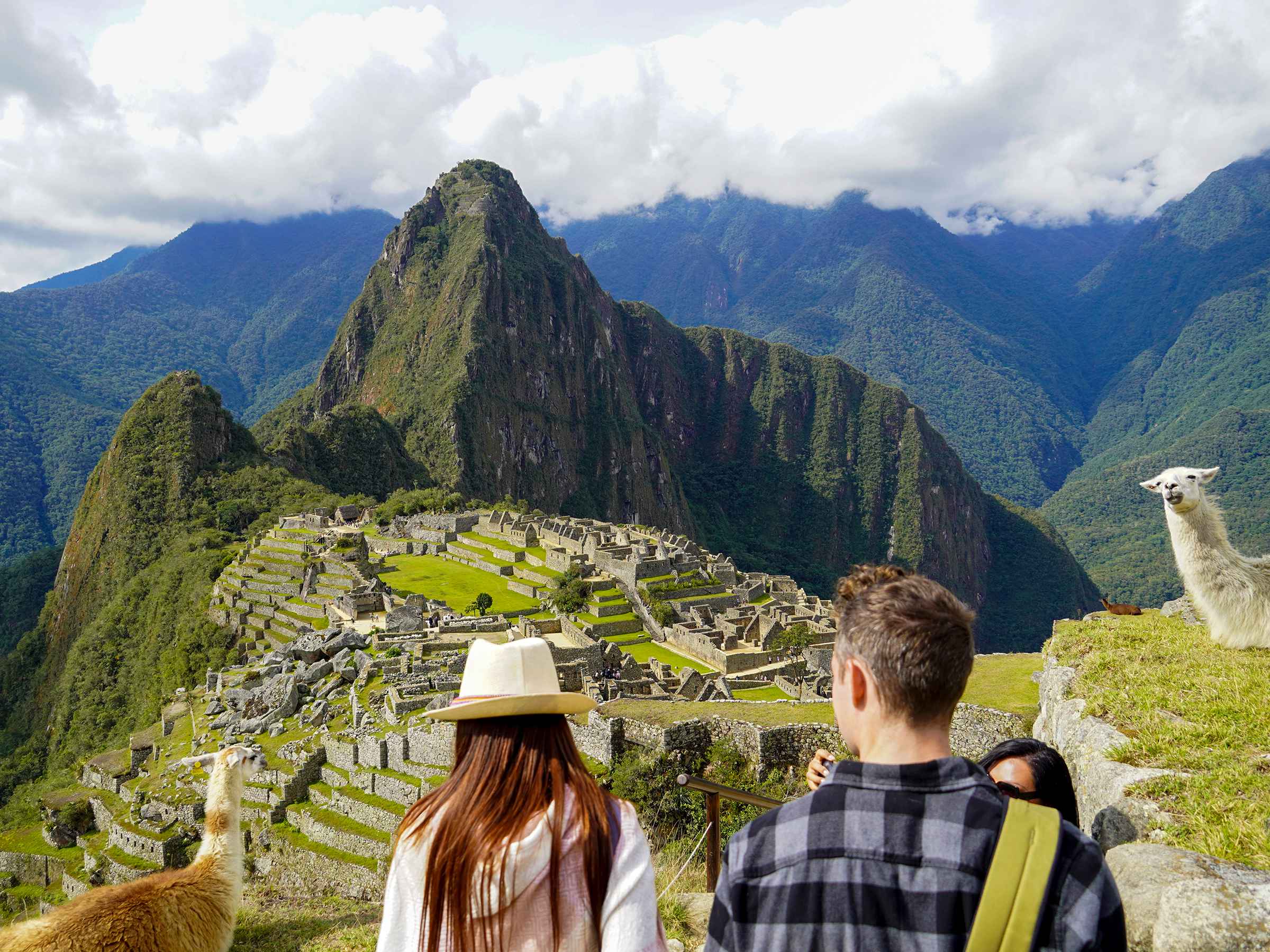
Planning a trip to Machu Picchu, the iconic Inca citadel in Peru, is an exciting and rewarding experience.…

How to Get to Machu Picchu Peru Machu Picchu is a dream destination for many travelers. Nestled in…
Essential Tips for Hiking the Inca Trail Hiking the Inca Trail is an unforgettable adventure that combines stunning…
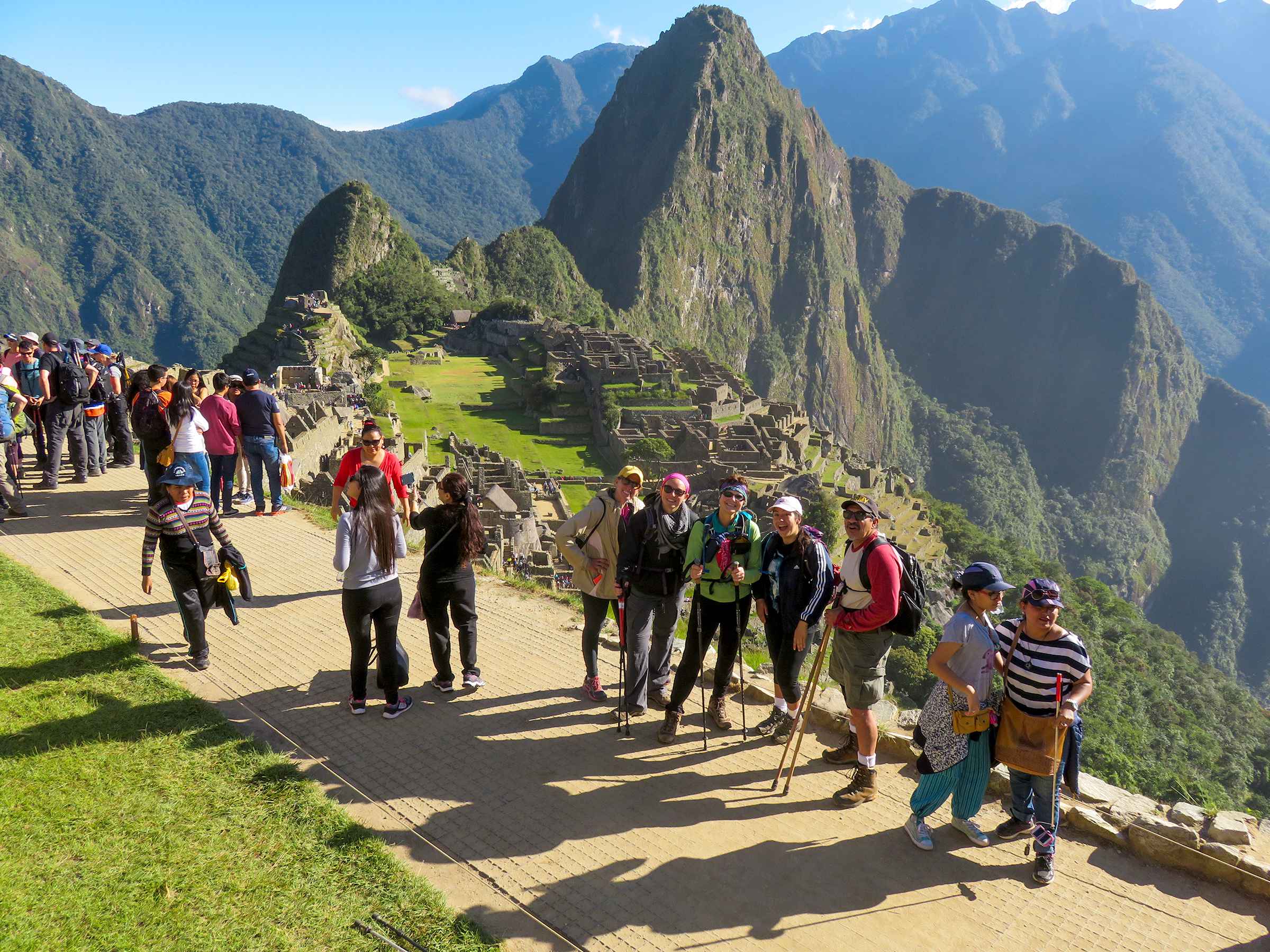
Spiritual Experience in Machu Picchu: Beyond the Ruins Machu Picchu, a UNESCO World Heritage site, is not only…

Capturing the Magic: A Complete Guide to Stunning Machu Picchu Photography Machu Picchu, the ancient Incan citadel perched…
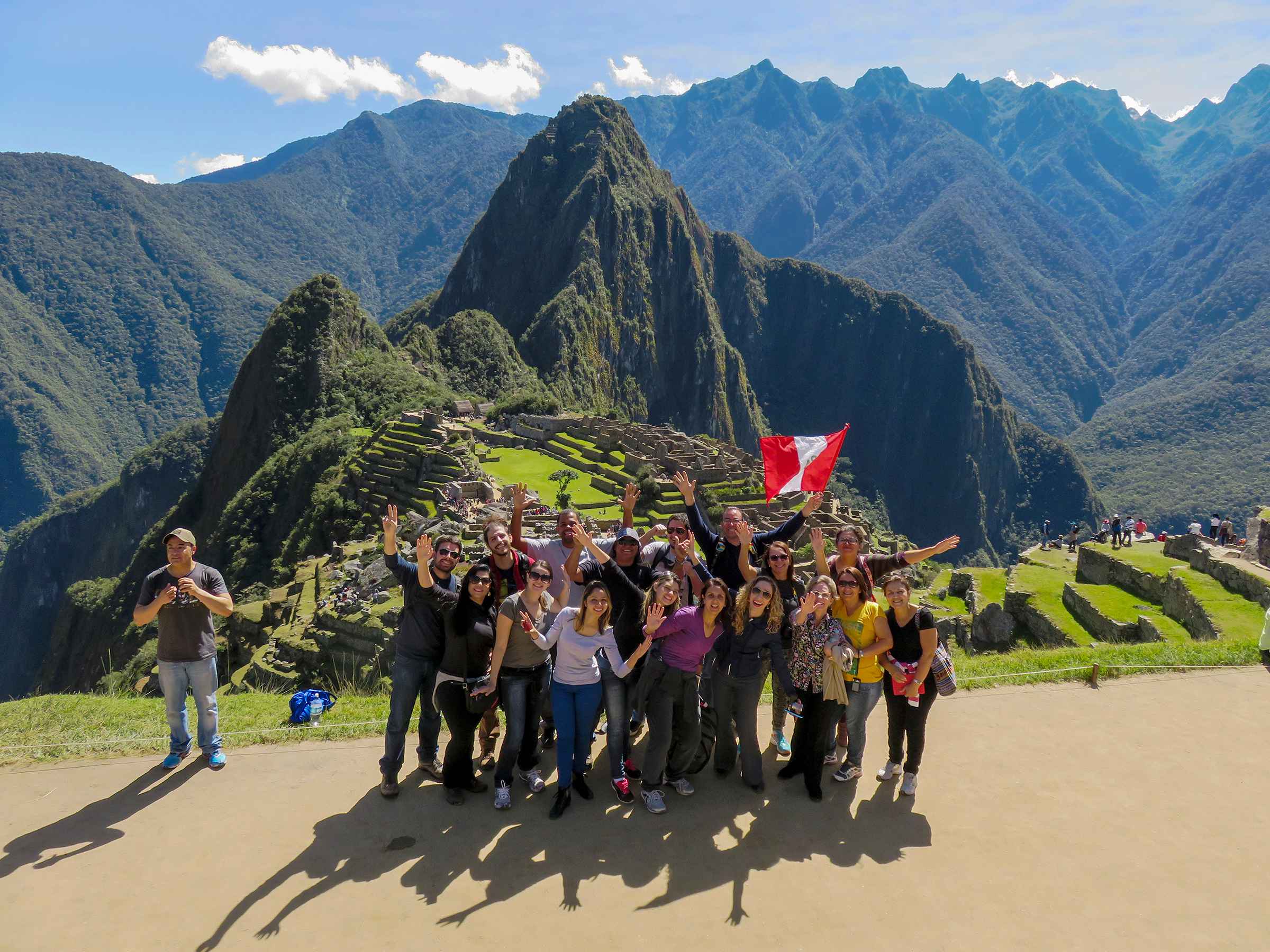
Understanding the Inca Trail Elevation Challenges The Inca Trail is one of the most famous trekking routes in…

The Spirit of the Andes: A Cultural and Historical Odyssey through Machu Picchu Machu Picchu is far more…