Embarking on the Inca Trail hike is a dream for many adventure seekers. This iconic trek leads you through the heart of the Andes Mountains. It culminates at the breathtaking Machu Picchu.
The Inca Trail to Machu Picchu is a bucket-list adventure for many travelers. This iconic 4-day trek in Peru takes you through breathtaking Andean landscapes, past ancient Inca ruins, and culminates in the awe-inspiring sight of Machu Picchu at sunrise. Here are some essential tips and insights to help you make the most of this once-in-a-lifetime experience.

The Inca Trail is more than a hiking path. It’s a journey through history and landscapes imbued with cultural legacy. Stretching over 26 miles, it leads adventurers to the ancient city of Machu Picchu.
This trail was once a sacred pilgrimage route during the Inca Empire. The Incas built an extensive network of trails across the Andean mountains. These trails connected vast territories within their empire.
The Inca Trail weaves through diverse terrains. You’ll hike through lush cloud forests, steep mountain passes, and high-altitude plains. Each stretch of the trail reveals breathtaking vistas and ancient wonders.
Along the path, you’ll encounter several significant Inca ruins. Key archaeological sites include:
These sites offer insights into Inca engineering and spiritual life. They serve as a testament to the civilization’s remarkable achievements.
The trail’s endpoint is the iconic Machu Picchu. This UNESCO World Heritage Site draws explorers from around the globe. Its mysterious history and dramatic location captivate all who visit.
Understanding the history of the Inca Trail adds depth to the hiking experience. It’s not just about reaching Machu Picchu; it’s about retracing the steps of a civilization rich in culture. Traversing this historic path offers a blend of adventure and education.

Hiking the Inca Trail is not just a physical journey. It’s an exploration of cultural richness and natural beauty. Every step taken on this path uncovers unique vistas and ancient sites.
One of the trail’s remarkable features is its diverse ecosystems. You’ll pass through cloud forests filled with exotic flora and fauna. The transition from verdant forests to rugged mountains is simply breathtaking.
Beyond nature, the trail offers a deep dive into Incan history. The ancient ruins you discover add layers of mystery to the journey. These relics connect hikers with an era long past, yet still vivid and alive.
The sense of accomplishment on reaching Machu Picchu is unrivaled. Few experiences match the thrill of seeing this wonder at sunrise from the Sun Gate. It’s a sight etched in the memory of all who witness it.
Hiking the trail also involves a personal journey. It’s a chance to challenge oneself and reconnect with nature. Here are some highlights that make this trek special:
Embarking on this iconic trek provides a blend of adventure and reflection. It’s a journey that transcends the physical and indulges the soul. The Inca Trail offers more than a destination; it delivers an enriching, transformative experience.
Planning to hike the Inca Trail requires a crucial first step: securing a permit. These permits are essential, and they sell out quickly.
Due to their limited availability, booking months in advance is recommended. Permits are highly sought after, with a limit of 500 per day. This includes both trekkers and staff, such as guides and porters.
When obtaining permits, be aware that only licensed tour operators can secure them. It’s important to choose a reputable company. They handle all formalities and ensure compliance with regulations.
The Inca Trail is closed each February for maintenance. Keep this in mind when scheduling your trip. You wouldn’t want to plan only to find the trail inaccessible.
The following steps can help you secure an Inca Trail permit:
Once you have your permit, it’s time to prepare for the trek itself. There’s immense excitement in knowing you’ve secured your spot. The permit is more than a piece of paper; it’s a ticket to an unforgettable adventure.
Understanding the permit process ensures a smooth start to your journey. Without a permit, the dream of hiking this iconic trail remains unfulfilled. Prioritize this step, and you’ll be one step closer to an incredible experience.
Choosing the right time to hike the Inca Trail can significantly enhance your experience. Weather and trail conditions vary throughout the year.
The optimal season to embark on this adventure is during the dry months. From May to September, you can expect clearer skies and less rain.
However, with the good weather comes the challenge of peak tourist season. Higher visitor numbers can mean a busier trail. Despite this, the breathtaking views and pleasant climate are worth it.
If you prefer fewer crowds, consider hiking in the shoulder months. April and October offer milder weather and a quieter experience. The trail is also open in January and March, though these months can be wetter and more challenging.
Here’s a summary of the best months to hike:
Regardless of when you choose to hike, preparation is key. Ensure you pack appropriately and confirm all reservations. With the right planning, your Inca Trail hike will be an unforgettable journey no matter the season.
The Inca Trail is a challenging yet rewarding trek. At a distance of 26 miles, it spans various terrains.
Understanding the trail’s difficulty helps in proper preparation. It includes steep ascents and descents, requiring endurance and strength.
Fitness is essential for a successful hike. Cardiovascular exercises and strength training can enhance your experience.
Beginners can still enjoy the trail. Start training months in advance to build stamina and confidence.
Prioritize mental preparation alongside physical. The rugged beauty of the Andes demands resilience and determination.
Here are key factors to consider in your preparation:
Hydration and nutrition are critical throughout the trek. Bring energy snacks to maintain strength and keep spirits high.
Additionally, invest in good gear. A comfortable backpack, quality hiking boots, and a reliable rain jacket are must-haves.
While the Inca Trail challenges physical limits, it rewards hikers with stunning views and a profound connection to ancient history. With training and preparation, you can successfully conquer this iconic trek.
Altitude sickness is a common concern on the Inca Trail. The trail’s high elevations can challenge unprepared hikers.
Acclimatization is essential before starting the trek. Spending a few days in Cusco helps your body adjust to the altitude.
Cusco sits at around 3,400 meters. This elevation provides a good base for acclimatization.
Hydration plays a key role in reducing the risk of altitude sickness. Drink plenty of water to stay well hydrated.
Here are some strategies to manage altitude sickness:
Listen to your body throughout the hike. Slowing your pace can prevent symptoms from worsening.
If symptoms persist, notify your tour guide. They are trained to manage altitude sickness effectively.
Elevation differences affect everyone differently. Consistent acclimatization, hydration, and awareness can ensure a safer trek.
While altitude presents challenges, careful preparation ensures that hikers can enjoy the historic beauty of the Inca Trail without undue health risks.
Selecting the right tour operator is critical for a memorable Inca Trail experience. Not all operators offer the same level of service and expertise.
An ideal tour operator should be licensed. Only licensed operators are legally allowed to secure Inca Trail permits for hikers.
You must book your trek several months ahead. The Inca Trail’s popularity means permits sell out quickly.
A good tour operator will provide essential services. Here’s what to look for:
Researching and comparing operators is essential. Look for reviews and testimonials from past hikers.
Tour operators often offer different packages. Consider factors such as group size, meal quality, and the guide-to-hiker ratio.
Once you’ve chosen an operator, ensure all details are clear. Confirm itinerary, inclusions, and any additional costs.
Investing time in this choice enhances your safety and satisfaction. A well-organized trek lets you focus on the adventure itself, ensuring that your journey to Machu Picchu is unforgettable.
Embarking on the Inca Trail is a journey through time and nature. This trek spreads across four days, offering unique experiences each day.
The journey begins bright and early. After departing from Cusco, the group heads to the starting point. You’ll pass through the beautiful Sacred Valley.
Your first challenge is reaching Wayllabamba. This is a pleasant hike through lush valleys and stunning views.
The trail on this day is gentle. You’ll find it a good warm-up for the days to come.
Highlights of Day 1:
Day 2 tests your mettle. This section includes the demanding Dead Woman’s Pass.
Climbing to 4,215 meters is demanding, but perseverance pays off. The view from the top is breathtaking.
You’ll descend to Pacaymayo. The campsite provides a place to recharge for the next day’s trek.
Challenges and Views:
This day balances challenge and beauty. You will pass through lush cloud forests and complex Inca sites.
Runkurakay ruins provide an impressive midpoint on this leg. Beautiful scenery continues as you descend to Wiñay Wayna.
The camp at Wiñay Wayna is near the magnificent ruins of the same name. Immerse yourself in the history.
Day 3 Attractions:
The final stretch begins before sunrise. This early start ensures a magical experience.
You will arrive at the Sun Gate as dawn breaks. Machu Picchu emerges through the mist, a sight to behold.
Walking down to the ancient site, you explore at your leisure. Take in its majesty and mystery.
Final Day Milestones:
Throughout the trek, the team of guides and porters provides support. Their local knowledge enriches the adventure.
Each night, rest and reflections around the campfire enhance the journey. Bonds form, and stories are shared.
Prepare for diverse terrain and weather. A mixture of endurance and awe accompanies the path.
Completing the trail feels like conquering history. The journey is more than a hike; it is a testament to perseverance and wonder.
Each day builds up to the next, climaxing with Machu Picchu, a marvel of human achievement. The memories made during this trek linger long after the final steps through those ancient ruins.
Preparing for the Inca Trail means packing smart and light. Your gear will make the difference between a comfortable trek and a challenging ordeal. The weather can change quickly, so being prepared is crucial.
Clothing Essentials:
Layering is key to handling varied conditions. Be sure to pack:
You’ll want to change for cooler nights. Insulating layers are beneficial for warmth. Don’t forget sturdy socks!
Gear Basics:
Your gear should cater to safety and comfort. Consider the following items:
Water purification tablets or a portable purifier are advisable. Staying hydrated is vital on the trek.
Accessories and Supportive Equipment:
These smaller items can have a big impact. Optional but beneficial are:
Pack snacks that provide energy, like nuts and energy bars. High-energy sustenance is crucial on long hiking days.
Essential Documents and Miscellaneous:
Having the necessary documents ensures a smooth journey. Don’t forget:
Respect regulations by leaving no trace. Carry out what you carry in. A reusable bag can store personal trash.
Planning ahead with this packing list ensures you have what you need without being overburdened. Balance essentials with weight to maintain both comfort and mobility. Each item contributes to a successful and enjoyable trek along this iconic path.
As you embark on the Inca Trail hike, you’ll experience the unique rhythm of life on the trail. Each day blends hiking with rest and cultural immersion, offering a balance between challenge and relaxation.
Meals on the Trail:
Meals provided by your tour operator often highlight local flavors. Expect to enjoy traditional Peruvian cuisine prepared by skilled cooks. Meals usually consist of:
Hydration is crucial, and hot drinks are often available, helping hikers unwind in the evenings.
Campsites Along the Way:
At the end of each trekking day, well-organized campsites await. These sites offer shelter, basic amenities, and stunning views. Tents, often carried and set up by the porters, provide a comfortable place to rest. Some campsites are near Inca ruins, enriching the experience with historical significance.
Porters and Their Role:
Porters are the backbone of the Inca Trail experience. They carry equipment, set up camps, and even transport food supplies. Their expert guidance and support are essential, allowing hikers to focus on the journey and scenery. Respect their efforts, and remember that tipping is customary as a token of appreciation.
Hiking the Inca Trail isn’t just a physical endeavor; it’s a journey through history. The trail meanders through numerous Inca ruins, each telling the story of a sophisticated past.
Ancient Ruins:
Every site you encounter offers a glimpse into the Inca civilization’s engineering and artistry. Key ruins include:
These ruins enhance the trail’s allure, merging natural beauty with human achievement.
Natural Wonders:
The Inca Trail’s natural beauty is nothing short of spectacular. Along the route, you’ll witness diverse ecosystems. From lush cloud forests to rugged alpine tundra, the path offers a stunning array of landscapes. Each step reveals unique plant and animal life, contributing to an unforgettable sensory experience.
Breathtaking Views:
The high-altitude points provide panoramic views of the Andes. These vantage points allow hikers to pause and reflect on the majesty of the landscape. The harmony between nature and history on this trail is truly remarkable, making every turn an adventure in itself.
The final day of the Inca Trail hike is the pinnacle of the journey. As dawn breaks, anticipation builds for the iconic vista that awaits.
Sun Gate Arrival:
Your day begins early to witness the sunrise at Inti Punku, the Sun Gate. This ancient entrance frames the first breathtaking view of Machu Picchu in the soft morning light. The sight is unforgettable, a living postcard that celebrates both the journey and the destination.
Exploring Machu Picchu:
Upon arrival, there’s a sense of triumph as you explore the legendary citadel. Wandering through its stone structures, you’ll discover:
Each corner of Machu Picchu uncovers layers of Incan history and ingenuity.
Reflection and Achievement:
After exploring, take time to reflect on your accomplishment. The efforts, experiences, and insights gained during your trek have brought you to this remarkable place. The blend of nature, history, and cultural significance adds profound meaning to the journey.
Departure and Memories:
As you leave Machu Picchu, carry the memories of the Inca Trail. This adventure leaves an indelible mark, one of personal achievement and connection with an ancient world that few have explored firsthand.
Trekking the Inca Trail is more than a physical challenge; it’s a journey through history and nature. Being a responsible traveler enhances this experience and protects it for future generations.
Cultural Sensitivity:
Show respect for local customs and traditions as you interact with communities along the trail. Engaging genuinely with the locals enriches your journey and honors the vibrant cultural heritage of the Incan descendants. Small gestures, like learning a few words in Quechua, can make a big difference.
Environmental Responsibility:
Conservation is crucial to preserving the natural beauty of the Inca Trail. Practice the principles of Leave No Trace by minimizing waste and disposing of it properly. Consider these environmental actions:
These efforts help maintain the integrity and sustainability of this fragile ecosystem.
Honoring the Sacred Trail:
Remember, the Inca Trail is not just a path to Machu Picchu; it’s a sacred site with historical significance. Approach it with reverence and respect. By honoring the trail in this way, you help preserve a legacy that transcends time.
Embarking on the Inca Trail hike raises many questions for first-timers. Here, we address common inquiries to help you prepare.
Is a permit necessary for the Inca Trail?
Yes, Inca Trail permits are mandatory. Permits help conserve this world-famous trail by limiting the number of hikers. It’s essential to secure your months in advance due to high demand.
How difficult is the trek?
The Inca Trail is considered a moderate-to-challenging trek. It requires a reasonable level of fitness. Prior experience in hiking longer trails can be beneficial.
What about altitude sickness?
Altitude sickness is a concern due to the high elevations encountered on the trail. Spending time acclimatizing in Cusco is highly recommended before starting the hike.
Are tour guides required?
Yes, hiring a licensed tour operator is mandatory. They provide guidance, ensure safety, and enrich the experience with historical and cultural insights.
What essentials should I pack?
Packing smart is crucial for success on the trail. Here are some essentials:
These items help you tackle a wide range of weather conditions and terrain.
What’s the best time to hike?
The ideal time to hike the Inca Trail is the dry season, from May to September. During this period, trail conditions are optimal, and breathtaking views abound.
Preparing for the Inca Trail hike is more than just physical readiness. It’s about mental preparation and cultural awareness, too. Embrace the journey, knowing it combines history and natural beauty.
Stay informed about the trail’s weather conditions and challenges. This information can help you pack appropriately and plan each day’s journey wisely. Keep in mind that the high altitudes can surprise even experienced hikers.
Here are some final tips to enhance your Inca Trail experience:
These tips can significantly enrich your trek, turning potential stress into a lifelong memory. As you stand at the Sun Gate, witnessing the sunrise over Machu Picchu, you’ll realize this adventure is worth every step.
The Inca Trail is incredibly popular, with permits limited to 500 people daily (including guides and porters). Booking your trek several months in advance, ideally 6-12 months before your departure, is crucial to securing your spot.
Take time to absorb the beauty around you, from the majestic Andean peaks to the intricate stonework of the Inca ruins. Engage with your fellow trekkers and share in the camaraderie of the journey.
After completing the trek, reflect on your experience and the memories you’ve created. The Inca Trail is more than just a hike; it’s a journey through history, culture, and personal achievement.
By following these tips and embracing the adventure, your four days on the Inca Trail will be unforgettable and leave a lasting impact on your heart and soul.

salkantay trek 4 days


salkantay trek 4 days
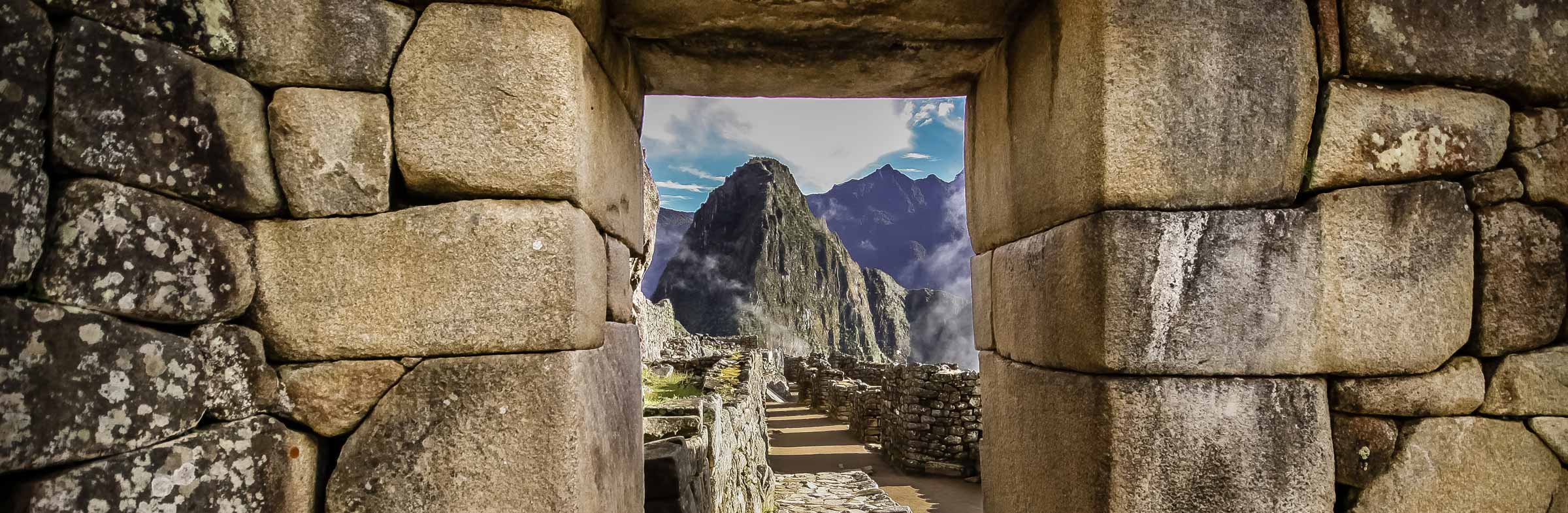


Capturing the Short Inca Trail Photos: Tips & Iconic Locations Embarking on the Short Inca Trail is a…

Machu Picchu, the iconic Lost City of the Incas, has captivated the imagination of travelers and historians alike…
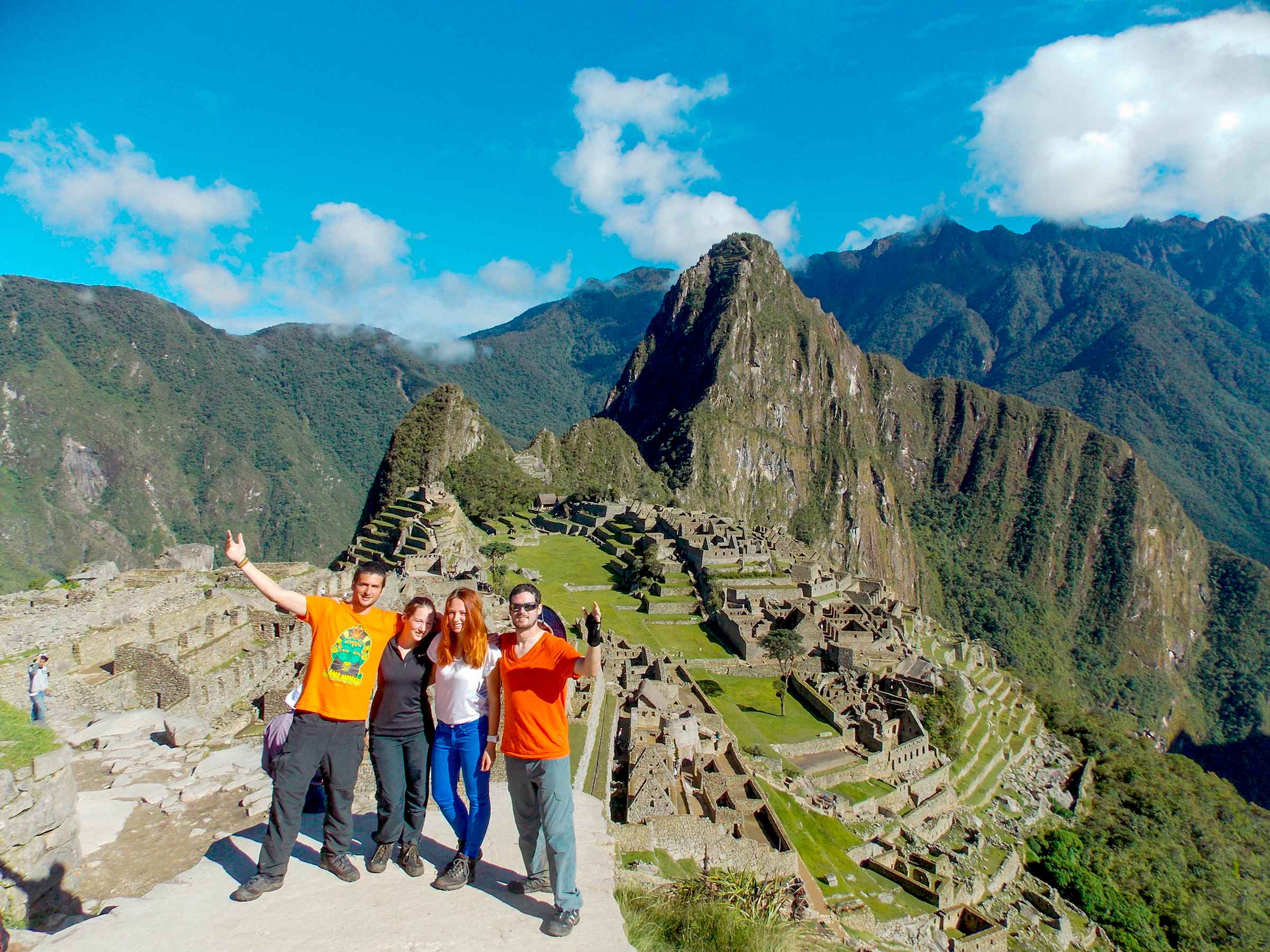
Many dream of embarking on the Inca Trail to Machu Picchu. This ancient trail, set in the stunning Andes…
How to Get to Machu Picchu Peru Machu Picchu is a dream destination for many travelers. Nestled in…

The Inca Jungle Trek offers an extraordinary journey that combines the thrill of adventure with the awe of…
The 4 Day Inca Trail Experience Embarking on the 4 Day Inca Trail is more than just a…
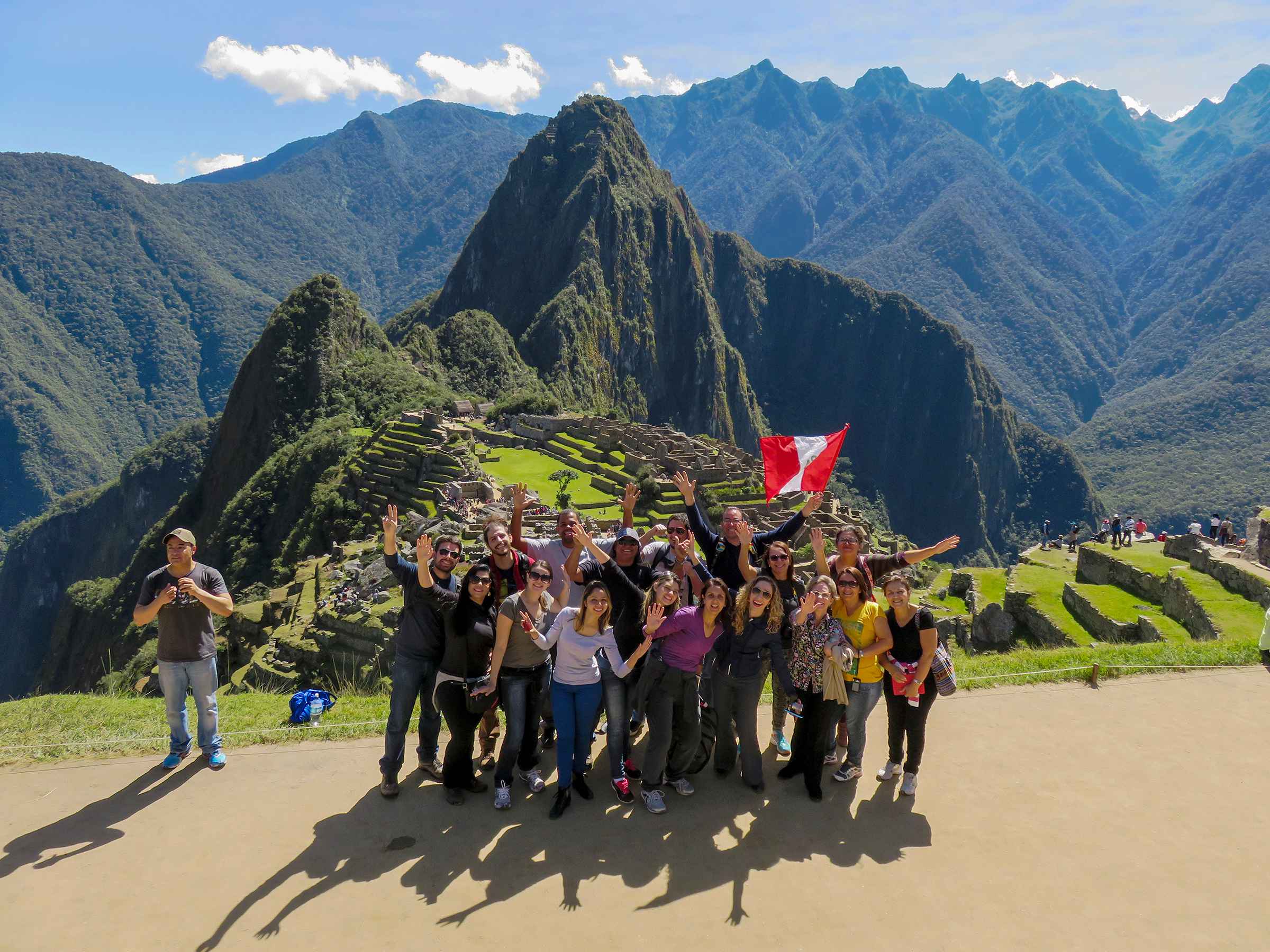
Understanding the Inca Trail Elevation Challenges The Inca Trail is one of the most famous trekking routes in…

Culinary Delights Along the Inca Trail Embarking on the Inca Trail is a journey through history and breathtaking…

Short Inca Trail vs Classic Inca Trail Choosing between the Short Inca Trail and the Classic Inca Trail…

Short Inca Trail Highlights The Short Inca Trail is a captivating journey through history and nature. This two-day…

Planning Your Inca Jungle Trek The Inca Jungle Trek is not your typical trek to Machu Picchu. Unlike…
The Short Inca Trail to Machu Picchu is a journey through history and a trek through stunning natural…