The Ancascocha Trail is often overshadowed by its more famous neighbor, the Inca Trail. However, this trek offers a unique, remote Andes experience. Spanning approximately 30 miles, the trail winds through picturesque landscapes, including lush valleys, towering mountains, and serene high-altitude lakes. It’s an ideal choice for trekkers who want to explore alternative Inca trails in Peru.
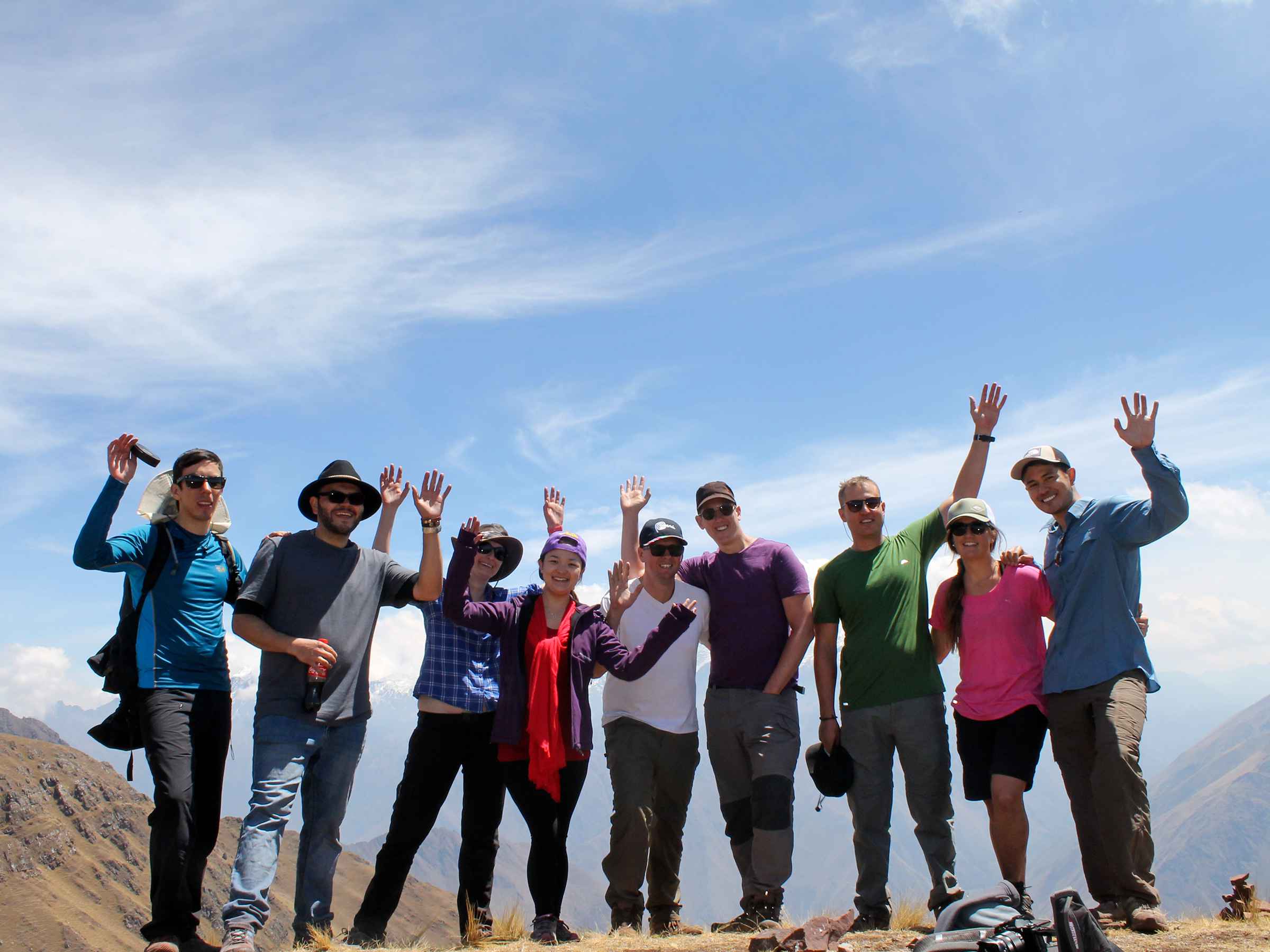
Trekking the Ancascocha Trail
The Ancascocha trekking route begins near the village of Soqma and leads trekkers through a series of breathtaking landscapes. The initial phase of the journey involves trekking through lush green valleys that are vibrant with local flora and fauna. As the path ascends, you’ll pass the beautiful Perolniyoc waterfall, where you can pause to enjoy the peaceful sound of cascading water. This area provides a perfect spot for photography and relaxation before continuing the trek.
As trekkers climb higher, they will encounter the stunning Ancascocha Lake. This high-altitude lake, nestled among towering peaks, offers a serene place to rest and a chance to acclimatize. The reflections of the mountains in the lake’s clear waters create a mesmerizing view, particularly captivating at sunrise or sunset.
Beyond the lake, the trail leads through challenging high-altitude passes, some of which exceed 15,000 feet. These passes not only test your endurance but also reward you with panoramic vistas of the snow-capped Andes. Eventually, the trail descends into the Sacred Valley of the Incas, a region rich with history and culture. Here, you can explore lesser-known Inca sites, each with its own story and architectural marvels. The journey concludes at the charming village of Ollantaytambo, known as the gateway to Machu Picchu, where the fusion of Inca and colonial history is evident in every corner.
The Ancascocha Trail is distinguished by its diversity of landscapes and experiences. Trekkers will traverse through various ecological zones, from tropical cloud forests to alpine tundra, offering a wide range of biodiversity to observe. Each step along the trail reveals a new aspect of Peru’s natural beauty, from vibrant orchids clinging to the cliffs to the majestic flight of Andean condors overhead.
Moreover, the trail offers a glimpse into the daily life of local communities. As you pass through small villages, you have the opportunity to engage with local Quechua people, gaining insights into their traditional lifestyle and customs. This cultural interaction enriches the trekking experience, providing a deeper understanding of the Andean way of life.
The Ancascocha Trail is also a photographer’s paradise. The dramatic interplay of light and shadow on the mountains, the tranquil lakes reflecting the sky, and the vivid colors of the Andean flora make for extraordinary photographic opportunities. Whether you are a professional photographer or a casual traveler with a smartphone, the trail offers countless chances to capture breathtaking images.

The Ancascocha Trail is not only a journey through stunning landscapes but also an exploration of an ecosystem teeming with life. The trail traverses several protected areas that are crucial to conserving the unique biodiversity of the Andes. These regions are home to endemic plant and animal species, some of which are found nowhere else on Earth.
Efforts to preserve this rich biodiversity are ongoing, with local communities and conservation organizations working together to protect these lands from over-tourism and environmental degradation. As a trekker, you become part of this conservation effort by practicing responsible tourism. This includes following established trails, minimizing waste, and respecting wildlife habitats. By understanding the environmental significance of the Ancascocha Trail, trekkers can appreciate not just the visual beauty of the Andes but also the importance of preserving these landscapes for future generations.

For those seeking quiet trekking routes to Machu Picchu, the Ancascocha Trail offers an excellent alternative. Unlike the crowded Inca Trail, the Ancascocha Trail allows you to connect with nature and enjoy the serenity of the Andes without the crowds. It’s perfect for trekkers who prefer a more remote and intimate experience.
The solitude of the Ancascocha Trail provides a unique opportunity for personal reflection and a deeper connection with the natural world. The quietude allows trekkers to fully immerse themselves in the sounds of nature, from the gentle rustling of leaves to the distant calls of Andean birds. This peaceful environment is ideal for those seeking a meditative trek, free from the distractions of larger groups and bustling paths.
Additionally, the trail’s remoteness means you are more likely to encounter wildlife in its natural habitat. With fewer trekkers on the path, animals are less disturbed and more visible, offering a rare chance to observe Andean deer, vizcachas, and various bird species up close. The lack of crowds also ensures you can enjoy uninterrupted views of the stunning landscapes, making the trek more personal and immersive.

The Ancascocha Trail is renowned for its diverse landscapes, including high-altitude lakes, dramatic mountain peaks, and lush valleys. Trekkers will be treated to panoramic views of the Andes, offering countless opportunities for photography and reflection.
One of the most striking features of the trail is its variety of ecosystems. As you ascend and descend the trail, you’ll encounter everything from verdant forests to barren high-altitude tundra, each with its own unique flora and fauna. The contrast between these environments is truly breathtaking, highlighting the ecological richness of the Andes.
The interplay of light and shadow across the mountains is particularly captivating, especially during the golden hours of sunrise and sunset. These moments transform the landscape into a vibrant tapestry of colors, with the snow-capped peaks glowing in shades of pink and orange. Such scenes are a photographer’s dream, providing a perfect backdrop for moments of quiet contemplation.
While the Ancascocha Trail may not be as famous as the Inca Trail, it still offers a glimpse into ancient history. Along the route, you’ll encounter several Inca sites, each with its own unique charm and significance. Exploring these sites provides insight into the rich cultural heritage of the Andes.
The Inca sites along the Ancascocha Trail are less visited, allowing for a more intimate exploration of these ancient ruins. Without the crowds, you can take your time to appreciate the intricate stonework and engineering marvels of the Inca civilization. These sites, often set against dramatic mountain backdrops, provide a sense of stepping back in time to an era when the Incas ruled these lands.
Each site tells a story of the Incas’ relationship with their environment, showcasing their advanced understanding of agriculture, astronomy, and architecture. As you wander through these ruins, you gain a deeper appreciation of the Incas’ ingenuity and their enduring legacy in the Andes. The solitude of these sites allows for quiet reflection, offering a unique opportunity to connect with the region’s history and spirit.
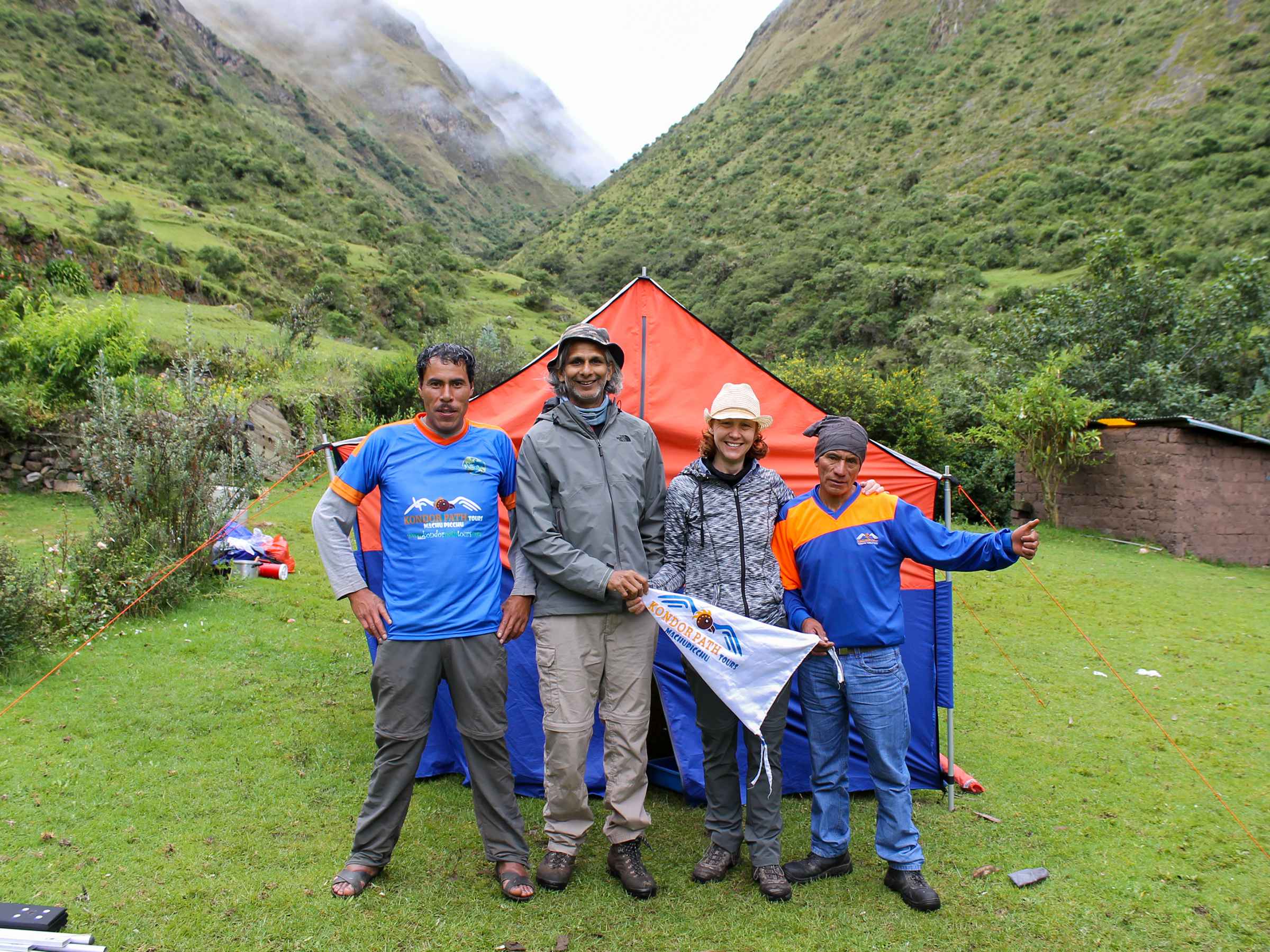
The Ancascocha Trail reaches high altitudes, with some passes exceeding 15,000 feet. Altitude sickness can be a concern for trekkers, so it’s essential to acclimatize properly before starting the trek. Consider spending a few days in Cusco or the Sacred Valley to adjust to the altitude.
Proper acclimatization is crucial for a successful trek. Spending time at higher altitudes before beginning your trek helps your body adjust to the reduced oxygen levels, reducing the risk of altitude sickness. Symptoms of altitude sickness include headaches, nausea, and fatigue, which can significantly impact your trekking experience if not properly managed.
It’s essential to recognize the signs of altitude sickness early and take appropriate measures, such as resting and staying hydrated. Consulting with a medical professional before your trip can guide preventive medications and strategies to cope with high altitudes. By taking these precautions, you can enjoy the trek with greater confidence and safety.
The Ancascocha Trail difficulty level is considered moderate to challenging. Trekkers should be in good physical condition and prepared for long days of hiking. The trail includes steep ascents and descents, so sturdy footwear and trekking poles are recommended.
Physical preparation is key to tackling the Ancascocha Trail. Regular cardiovascular and strength training exercises can help build the endurance needed for long days on the trail. Training hikes with a loaded backpack can simulate the conditions you’ll face and help you become accustomed to carrying your gear over varied terrain.
Understanding the trail’s demands allows you to pack appropriately, ensuring you have the right equipment and clothing for the journey. Trekking poles are handy for maintaining balance and reducing strain on your joints during steep climbs and descents. With the proper preparation, the challenges of the trail become manageable, allowing you to focus on the journey’s beauty and adventure.
Packing for the Ancascocha Trail requires careful consideration. Here are some ancascocha trail packing essentials to ensure a comfortable and safe trek:
The best season for the Ancascocha trail trekking is during the dry months of May to September. During this time, the weather is generally clear, with minimal rainfall. However, be prepared for cold temperatures, especially at night. Avoid trekking during the wet season from November to March, as heavy rains can make the trail challenging and less enjoyable.
Trekking during the dry season offers numerous advantages. Clear skies provide unobstructed views of the Andes, enhancing the landscape’s beauty and improving photographic opportunities. The absence of rain also stabilizes trail conditions, reducing the risk of slips and falls.
The dry season is ideal for those looking to make the most of their time exploring the trail without weather interruptions. With consistent weather patterns, you can plan your daily treks more effectively, ensuring you reach key sites and campsites as scheduled. The predictability of the dry season allows for a more relaxed and enjoyable trekking experience.
While the wet season offers its own beauty, with lush green landscapes and fewer tourists, it also presents significant challenges for trekkers. Heavy rains can make trails muddy and slippery, increasing the risk of accidents. River crossings become more difficult, and some paths may be temporarily impassable.
Trekking in the wet season requires additional gear, such as heavy-duty waterproof clothing and footwear with excellent traction. Trekkers must also be prepared for changes in the itinerary due to weather conditions. For those who prefer a less challenging and more predictable trekking experience, the dry season remains the best choice.
Regardless of the season, nights on the Ancascocha Trail can be cold, particularly at higher altitudes. Preparing for these conditions is crucial for a comfortable trek. Ensure your sleeping bag is rated for low temperatures, and consider using a sleeping pad for added insulation from the cold ground.
Wearing thermal layers and a warm hat while sleeping can help retain body heat during chilly nights. A hot water bottle can also provide warmth and comfort. By taking these measures, you can ensure restful nights and wake up refreshed and ready for the day’s adventures.
When comparing the Ancascocha Trail vs Inca Trail, several factors come into play. While the Inca Trail is famous for its historical significance and direct route to Machu Picchu, it can be overcrowded and requires booking. On the other hand, the Ancascocha Trail offers a more tranquil experience, with stunning natural beauty and fewer tourists.
The Inca Trail is renowned for its historical significance, with numerous archaeological sites and a direct link to Machu Picchu. For history enthusiasts, this trail offers an unparalleled journey through the heart of Inca history. However, its popularity means that trekkers share the experience with many others, which can detract from the sense of exploration and discovery.
In contrast, the Ancascocha Trail emphasizes natural beauty and solitude. While it includes some Inca sites, its primary appeal lies in the breathtaking landscapes and the opportunity for a more personal connection with the Andes. Trekkers seeking a quieter, more introspective journey may find the Ancascocha Trail more appealing.
The Inca Trail requires permits and booking, often months in advance, due to its popularity and limited daily capacity. This makes planning essential and can be a barrier for those with flexible schedules or last-minute travel plans. The need for a licensed guide and an organized tour further complicates planning a trek on the Inca Trail.
The Ancascocha Trail, on the other hand, offers more flexibility. It is less regulated, allowing trekkers to plan their journey with greater spontaneity. While hiring a guide is still recommended for safety and local insights, the trail’s lower demand provides more options for customization and itinerary adjustments.
The trekking experience on each trail is distinct. The Inca Trail, with its well-trodden paths and established campsites, offers a more structured and social trekking environment. Trekkers often form bonds with fellow travelers, sharing stories and experiences along the way.
The Ancascocha Trail offers a more rugged, isolated trekking experience. The path is less defined, offering a sense of adventure and exploration. Trekkers on this trail often feel a stronger connection with nature and a greater sense of accomplishment upon completing the journey. Each trail offers its own rewards, catering to different preferences and trekking styles.


Trekking the Ancascocha Trail is a journey through time, offering a unique opportunity to walk in the footsteps of the Incas while immersing oneself in the breathtaking beauty of the Andes. It’s a challenging yet deeply rewarding adventure that provides a sense of connection to the past and a profound appreciation for the natural world. For those seeking an alternative to the more crowded Inca Trail, the Ancascocha Trail is a hidden gem waiting to be explored.
Trekking the Ancascocha Trail is a rewarding experience for adventurers seeking an alternative to the Inca Trail in Peru. With its remote and quiet trekking routes, breathtaking landscapes, and historical sites, the Ancascocha Trail is a hidden gem in the Andes. By preparing adequately and choosing the right season, trekkers can embark on a journey that offers both challenge and beauty, culminating in the awe-inspiring view of Machu Picchu.
Whether you’re an experienced trekker or a newcomer to the Andes, the Ancascocha Trail promises an unforgettable adventure. The trail invites you to explore the untouched beauty of the Andes, offering a unique blend of nature, culture, and history. As you navigate the trail’s challenges and savor its moments of tranquility, you’ll gain a deeper appreciation for this remarkable region and its enduring legacy. Embrace the adventure, and let the Ancascocha Trail guide you on a journey of discovery and wonder.

Understanding the Neurochemistry of Ayahuasca Ayahuasca, a traditional Amazonian brew, has been revered for centuries for its spiritual…

Peru is a land of diverse landscapes and rich cultural heritage, and the Huchuy Qosqo Trek is a…
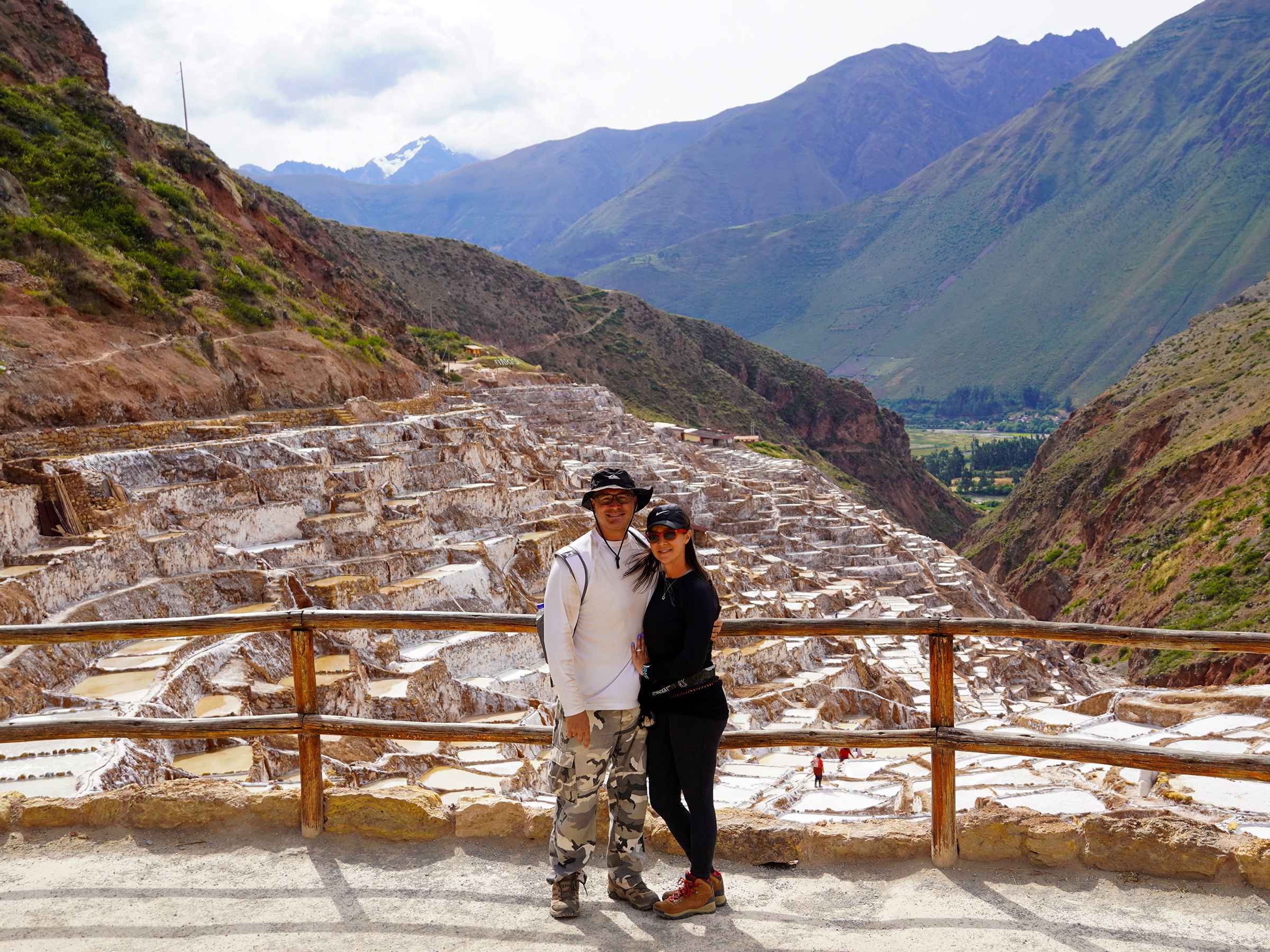
Peru is a treasure trove of historic sites, with Machu Picchu often stealing the spotlight. However, the lesser-known…

Nestled in the high Andes of Peru, Qeswachaka stands as a testament to ancient Inca engineering and the…
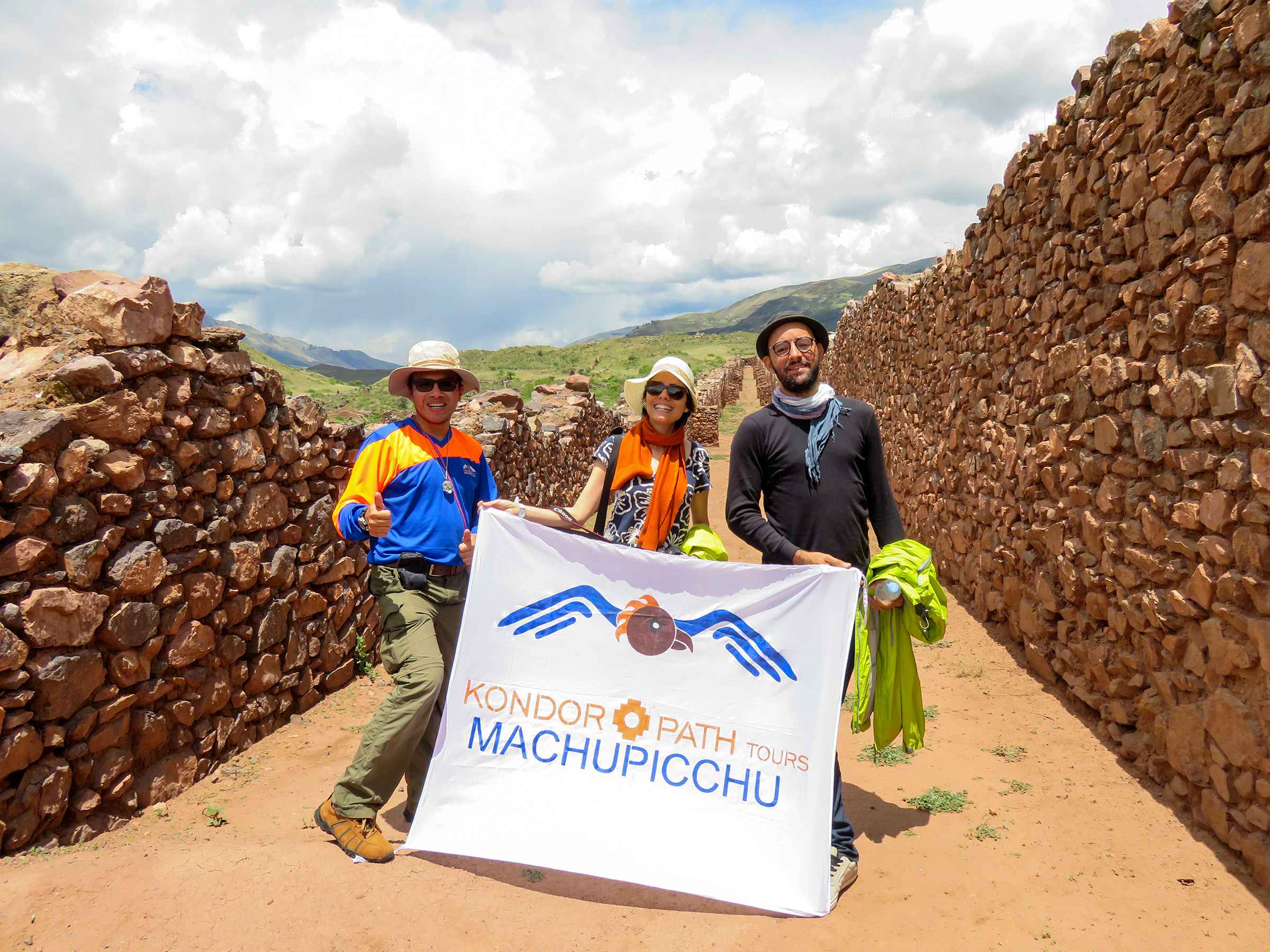
Nestled in the highlands of Peru, Pikillacta stands as a testament to ancient civilizations that predate the Inca…

The Ancascocha Trek: A Remote Andean Route Few Travelers Experience The Ancascocha Trek is an unparalleled adventure for…

Nestled in the breathtaking landscapes of the Sacred Valley, Tambomachay is a hidden treasure that whispers tales of…

Huchuy Qosqo Trek vs. Classic Inca Trail: Which Adventure is Right for You? Introduction Peru’s Sacred Valley has…

Exploring Qenqo Peru: Unraveling the Mysteries of the Ancient Incan Sanctuary Nestled in the breathtaking landscapes of Peru,…

Discover The Cusco Cathedral, Art, and Cultural Significance Nestled in the heart of Cusco, Peru, the Cusco Cathedral…

Multi Day Tours from Cusco: Travel Routes, Ideas & Planning Tips Cusco, the historic capital of the Inca…

Best One Day Tours from Cusco Cusco, the historic capital of the Inca Empire, is a gateway to…