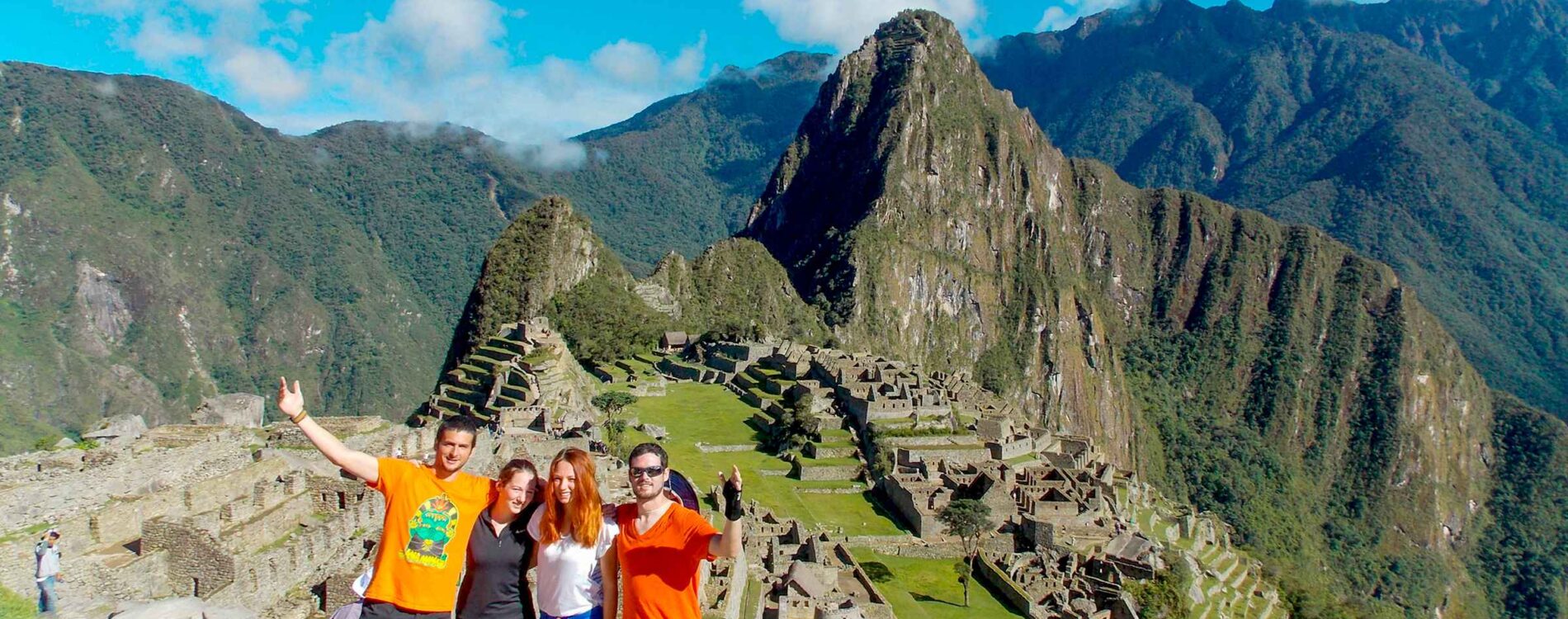
One well-known two-day hike is the Short Inca Trail. The two-day Inca Trail consists of a two-hour guided tour of the magnificent Machu Picchu Inca fortress on day two and a five-hour hike on day one. The Inca remains of Wiñay Wayna are passed on the Short Inca Trail, which concludes at Puerta del Sol “Inti Punku,” which is above Machu Picchu.

Short Inca Trail
It continues overnight in a hotel in the town of Aguas Calientes. We investigated the Machu Picchu ruins the following day and considered scaling Huayna Picchu. “Book tickets in advance.” This section of our website reports the experience, questions, and advice needed for this short two-day trip to Machu Picchu.
The Short Inca Trail Trek is a condensed version of the classic four-day Inca Trail, ideal for those with limited time but eager to experience its magic. It is a perfect blend of adventure and cultural immersion, offering hikers a chance to witness the remnants of the Inca Empire within a manageable timeframe. The trail encompasses diverse ecosystems, from cloud forests to mountainous terrains, providing a microcosm of the longer trek.
This two-day trek covers approximately 10 kilometers, beginning at Chachabamba and culminating at the Sun Gate (Intipunku). The start of the trek at Chachabamba offers a seamless introduction to the Inca’s engineering prowess and spiritual practices. As you depart from this historical site, you will traverse lush landscapes that reveal the region’s ecological diversity.
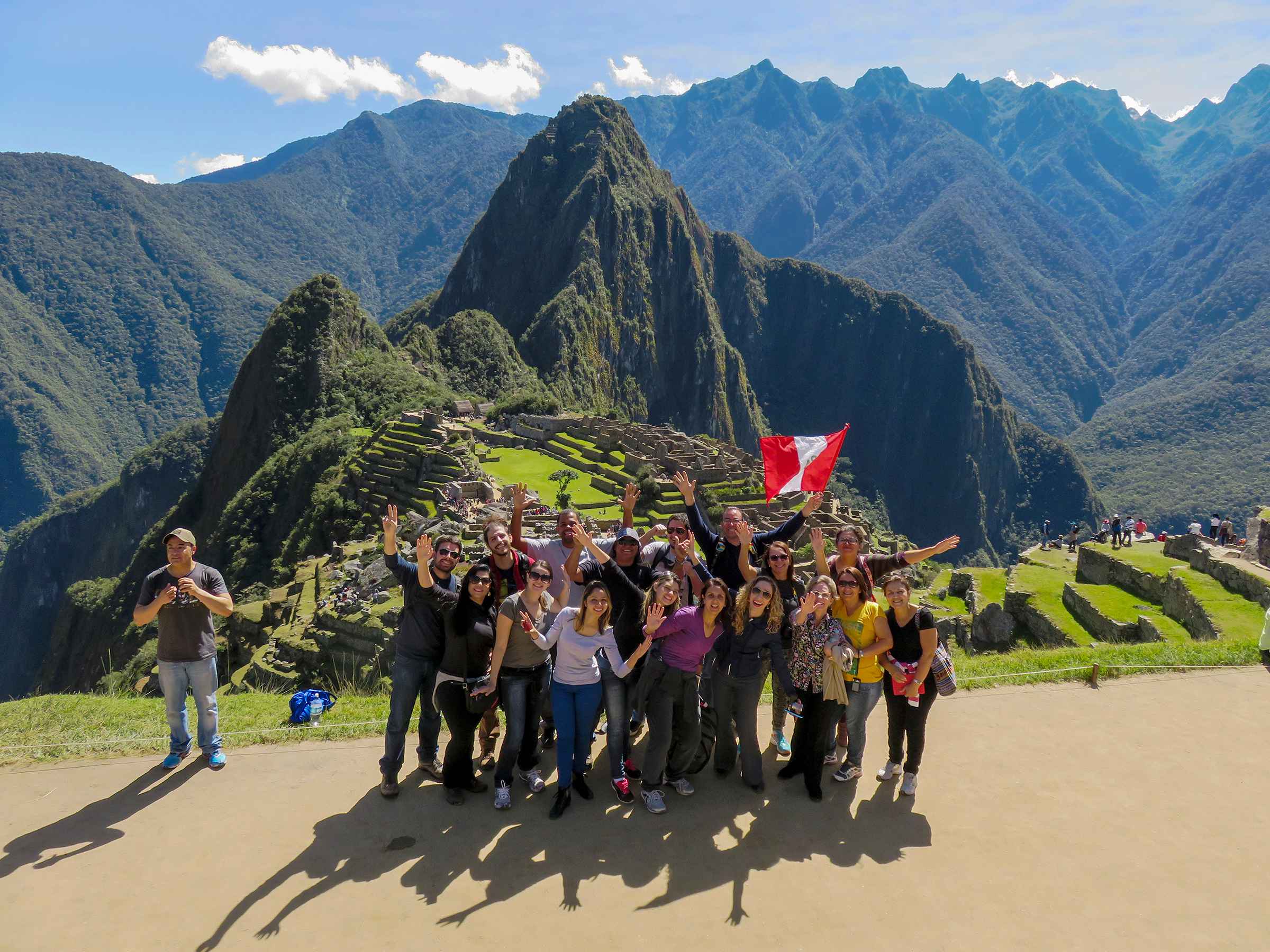
Ending at the Sun Gate, the trek provides your first glimpse of the awe-inspiring Machu Picchu. This iconic viewpoint is not just a visual treat but a symbolic passageway that once welcomed Inca pilgrims. The Sun Gate’s strategic positioning offers a breathtaking panoramic view of the citadel, setting the stage for the grand finale of your journey.
Your journey begins at the Chachabamba Inca site, an archaeological wonder that served as a ceremonial and administrative center. Here, you will find remnants that illustrate the Incas’ mastery in stone construction, as well as their understanding of water management through intricate irrigation systems.
Situated near the Vilcanota River, Chachabamba is the first significant stop on the trek. This site provides insight into the spiritual and practical aspects of Inca life. The ceremonial platforms and altars found here suggest its use for religious rituals, making it a place where the physical and metaphysical worlds intertwined.
The architecture of Chachabamba reflects the typical Inca stonework, characterized by precise cut stones that fit together without mortar. The site’s structures are strategically aligned with natural features, showcasing the Incas’ reverence for their environment and their architectural ingenuity.
Chachabamba’s proximity to water sources also highlights its spiritual significance, as water was a sacred element in Inca mythology. The site likely played a role in water-related ceremonies, underscoring the Incas’ deep connection to natural elements in their spiritual practices.
Wiñay Wayna, which translates to “Forever Young,” is one of the most impressive sites on the Short Inca Trail. The name reflects the site’s enduring beauty and significance, standing as a testament to the Inca civilization’s resilience and ingenuity.
Nestled on a steep hillside, this site features agricultural terraces that demonstrate the Incas’ advanced farming techniques. These terraces were ingeniously designed to prevent soil erosion and maximize agricultural yield, showcasing their sustainable approach to agriculture.
Wiñay Wayna’s stone structures and water fountains are architectural marvels that reflect the Incas’ sophisticated engineering. The structures are aligned with celestial events, indicating the Incas’ astronomical knowledge and spiritual practices.
It is considered one of the sacred places along the Inca Trail, offering a glimpse into the ancient civilization’s agricultural practices and spiritual life. The site’s serene ambiance invites reflection on the harmonious relationship between the Incas and their natural surroundings.
The Sun Gate, known as Intipunku, is the crowning jewel of the Short Inca Trail. Its elevation and strategic location make it a remarkable vantage point for witnessing the sunrise over Machu Picchu, a moment that resonates with travelers and spiritual seekers alike.
As you ascend towards the Sun Gate, the anticipation builds, and the reward is a stunning panoramic view of Machu Picchu. This ascent is a symbolic journey, echoing the ancient Incas’ pilgrimages to honor their gods and seek enlightenment.
The Sun Gate holds symbolic meaning, as it was the traditional entrance for the Incas making their pilgrimage to Machu Picchu. It represents a threshold between the mundane world and the sacred, offering a sense of spiritual fulfillment upon arrival.
From the Sun Gate, travelers receive their first breathtaking view of Machu Picchu, often shrouded in morning mist. This iconic vista, combined with the historical context, creates an unforgettable experience that marks the culmination of the trek.
While the Short Inca Trail is less demanding than the full four-day trek, a reasonable level of fitness is still necessary. The trail is moderate in difficulty, with some steep sections and varying altitudes that can challenge even experienced hikers.
It is recommended to engage in regular cardiovascular exercises such as walking, jogging, or cycling to build endurance. This preparation helps in managing the physical demands of the trek and enhances your overall trekking experience.
Acclimating to the altitude is crucial, as the trail reaches elevations that can affect physical performance. Spending a few days in Cusco or similar high-altitude locations before your trek can help your body adjust and reduce the risk of altitude sickness.
Incorporating strength training and flexibility exercises into your routine can also be beneficial. Focus on strengthening your legs, core, and improving balance, which are vital for navigating the trail’s uneven terrain.
Packing wisely is crucial for a successful trek. Essential items include:
A well-fitted backpack is essential, as it will carry all your necessities. Opt for one with adjustable straps and adequate support to ensure comfort throughout the trek.
Sturdy hiking boots are a must, providing the grip and ankle support needed on the trail’s rocky, uneven paths. It’s advisable to break in your boots before the trek to avoid blisters and discomfort.
Weather in the Andes can be unpredictable, so packing layers and a waterproof jacket is essential. This ensures you stay comfortable regardless of the changing conditions.
To embark on the Short Inca Trail, you must book through an authorized tour operator as independent trekking is not permitted. This ensures the preservation of the trail and provides you with a structured and informative experience.
The Peruvian government limits the number of daily permits, so it is advisable to book your tour well in advance. This ensures you secure a spot on the trek and allows for proper planning and preparation.
Guided tours provide invaluable insights into the history and significance of the sites along the trail. Experienced guides share stories and facts about the Inca civilization, enriching your understanding and appreciation of the journey.
Tour operators also ensure that trekking practices adhere to environmental and cultural guidelines, preserving the trail’s natural beauty and historical significance for future generations.
The Inca Trail is more than just a hiking route; it’s a journey through sacred landscapes integral to the Incas’ spiritual life. These sites reflect the Inca’s deep connection with nature and the cosmos, infusing the trek with a sense of reverence and wonder.
The trail is dotted with ceremonial sites that served as places for worship and offerings. These locations often align with celestial events, emphasizing the Incas’ sophisticated understanding of astronomy and their spiritual beliefs.
Many ceremonial sites are strategically positioned to align with the sun, moon, and stars, reflecting the Inca’s celestial worship. These alignments were used to mark significant agricultural and religious events, guiding the Inca’s daily and spiritual lives.
At these sites, rituals involving offerings to the gods were conducted, often using natural elements such as water, coca leaves, and chicha (corn beer). These practices were believed to appease the gods and ensure harmony and prosperity.
Each site contributes to the trek’s spiritual ambiance, offering a glimpse into the ancient rituals that once took place here. The tranquility and sacred energy of these locations invite reflection and a deeper connection to the trail’s history.
Choosing the right time to embark on your trek can significantly affect your experience. The dry season offers clearer skies and more stable weather, enhancing the overall journey.
During the dry season, the trail is more accessible, and the risk of rain-related challenges is minimized. This period also coincides with peak visibility, allowing for unobstructed views of the stunning landscapes and archaeological sites.
While the dry season is popular, trekking during the shoulder months can offer a quieter experience with fewer crowds. However, being prepared for occasional rain and varying trail conditions is essential.
Capturing the essence of your trek through photos and videos allows you to relive the experience and share it with others. The landscapes and sites provide endless opportunities for stunning imagery.
To make the most of your photography, consider the lighting conditions, especially during sunrise and sunset. A small, portable tripod and additional batteries or power banks can also help you capture memorable moments.
Keeping a journal of your trek can be a rewarding way to document your thoughts and reflections. This practice adds a personal dimension to your journey, allowing you to capture the emotional and spiritual aspects of the trek.
Respecting the environment is crucial to preserving the trail for future generations. Adhering to Leave No Trace principles ensures that the natural and historical integrity of the Inca Trail remains intact.
These principles include packing out all waste, minimizing campfire impact, and staying on designated trails. By following these guidelines, you help conserve the trail’s unique ecosystem and cultural heritage.
Engaging with local communities along the trail can enhance your understanding of the region’s culture and traditions. Supporting local businesses and respecting cultural practices fosters positive interactions and sustainable tourism.
Hiking is required to reach the last stretch of the Classic Inca Trail during the two-day excursion. The walk is cataloged for an average level of physical condition.
The night before the hike, your agency tour guide will give you a brief overview of everything you need to prepare for the Short Inca Trail.
On the tour day, a walking guide will pick up travelers from their hotel in Cusco or Ollantaytambo to travel to Ollantaytambo Train Station. The well-maintained trains have large windows offering impressive views of the mountains and the Urubamba River. The train stops at 104 km of track for a few minutes to disembark. “The tour guides and train crew will warn you to disembark the train in advance.”

The first few hours are the most challenging part of the hike. There is a steady three-and-a-half-hour ascent on the short Inca Trail. Stroll over the rim of Wiñaywayna Mountain and trace the steps of the Inca Trail that have been maintained.
The Urubamba River first flows near our feet, then recedes and becomes smaller until it becomes a thin line in the distance.
The Short Inca Trail is exposed to sunlight for the first section, with a few trees along the path offering shade in certain places. Of course, the hiker can’t linger too long because shade means mosquitoes, “bring excellent mosquito repellent (no spraying).”
We are facing the Wiñay Wayna waterfall before we complete the 3:30 hike. After the Wiñaywayna waterfalls, we will walk for about 10 minutes to find the Inca ruins of Wiñaywayna.

After a grueling three-and-a-half-hour climb, all hikers are rewarded with their first view of the Inca site of Wiñaywayna, along the Choquesuysuy Valley and cloud forest area.
Wiñaywayna meets the Main Inca Trail here. This is the final camp on the 4-day Inca Trail before arriving at Machu Picchu.
The building on the top floor of Wiñaywayna Archaeological Construction comprises Inca dwelling buildings. The remains of Inca window frames and drainage holes give an idea of how the ancient Inca may have lived in this part of Machu Picchu.
In addition to Inca houses, there are terraces in several places that may have been used for agriculture. There is a viewpoint where you may take pictures of the complete Inca ruins before departing from Wiñaywayna. Keep walking until you reach the Wiñaywayna checkpoint, then hike for 1.5 hours to the Inti Punku ruins.

In the final hours, the Short Inca Trail is pleasant and semi-flat. It is lovely to walk and contemplate the incredible panoramic views.
Before you reach Puerta del Sol, you’ll encounter the Monkey Steps, a final climb known locally. The stairs are steep. It is recommended that you climb using your hands. When we reach the top of Intipunku, we finally get to glimpse Machu Picchu for the first time.
After our first sighting of Machu Picchu, we will descend Mt. Inti Punku for approximately 35 minutes. At the top of Machu Picchu, we go to the Inca guardhouse to see the classic view of Machu Picchu as on a postcard, with a “15-minute photo session.” Then we head to the parking lot to catch the bus to Aguas Calientes, where we spend the night and prepare for the second day. DAY 2: EXPLORING MACHU PICCHU “2-hour guided tour.”

The most well-known hiking trail in the world, “The Classic Inca Trail,” is also known as the “Short Inca Trail.” Those who like mild hikes to Machu Picchu should choose this trail.
The Short Inca Trail tour consists of a 5- to 6-hour trek along the Short Inca Trail to reach the Machu Picchu World Heritage Site, a train ride from Ollantaytambo town to 104 km, and a bus ride from Cusco to Ollantaytambo on day one.
On this first day, after all the hiking, we will go to the Machu Picchu viewpoint to see the classic and most famous view of Machu Picchu from the Inca Guard House. On this first day, we stay at a 3-star hotel in Aguas Calientes.
On the second morning, we visit Machu Picchu on a two-hour guided tour. In the afternoon, we return to Cusco. We travel to Ollantaytambo Railway Station, where we have a private vehicle to take you back to Cusco.

The Incas constructed this castle as a site of religious devotion to water (they believed that all of nature had a spiritual element that, when respected, supplied the necessities of existence). Agriculture was the basis of the Inca economy. In addition, the other purpose seems to be surveillance and access control to Machu Picchu, since this Inca sanctuary, located a short distance away, was the primary vacation spot for the Inca nobility.
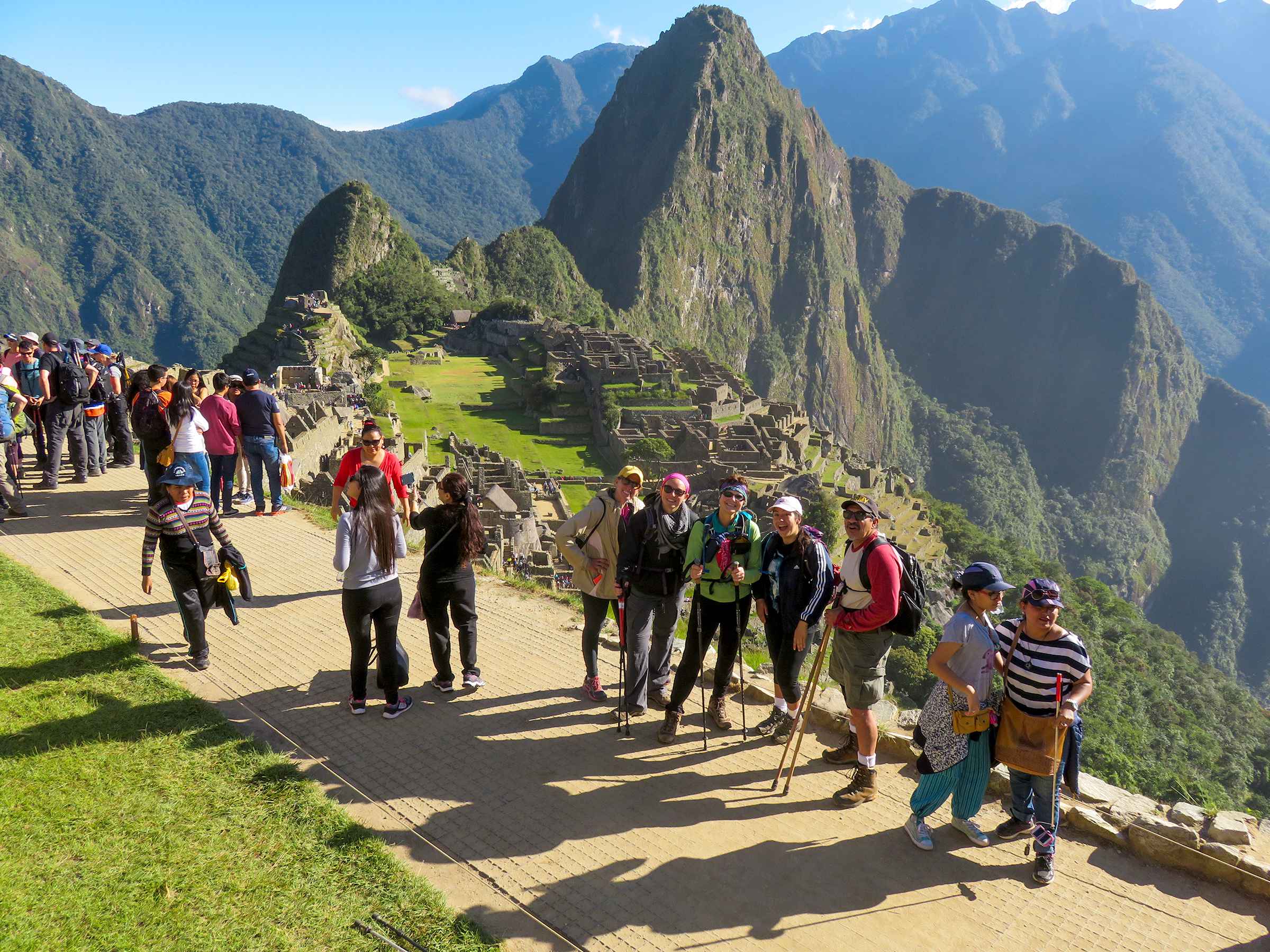
5 Day Machu Picchu Tour
Wiñayhuayna is an Inca site located six kilometers (3.7 miles) from Machu Picchu. Wiñaywayna was the gateway to the sacred city of the Incas and may have been used as a resting place for visitors. The Inca site of Wiñaywayna has many terraces carved into the hillside, with stone walls and steps leading to the temple of the sun or the rainbow above. There are also many water fountains and storage areas where the Incas stored food grains.

Inca Trail Hike 3 Days
The site of Intipata was a crucial agricultural center in the cloud forest region for specific agrarian production, given the area’s climate. The terraces fit the mountain’s shape, built to provide farmland for the Incas and South Andean camelids. The Inca terraces are designed to collect rainwater and channel it to the crops.

Machu Picchu Family Trip 5 Day
With its expansive views, Intipunku, sometimes called “Puerta del Sol,” is the principal entrance to the Inca Citadel of Machu Picchu. The Quechua words INTI (sun) and PUNKU (door) are the source of the name. The Incas built this gate to coincide with the sunset at Machu Picchu.
The view of Intipunku is breathtaking; the ancient city of Machu Picchu is situated in the Vilcabamba Batholith Valley and is encircled by the meandering Urubamba River on one side, while the majestic Andes Mountains are located on the other. If you are lucky enough to witness the sunset over the mountains, you will have an unforgettable Machu Picchu experience.
Nothing is more enjoyable than making the short trek to Machu Picchu along the Inca Trail. Machu Picchu was built in the late 13th and early 14th centuries. Machu Picchu was abandoned shortly after the Spanish conquest of Peru in the 15th century.
Nonetheless, American explorer Hiram Bingham discovered it in 1911. Peru became a popular tourist destination in South America around 1911. From Cusco or Ollantaytambo in the Sacred Valley, you can take a train or hike the Short Inca Trail to reach Machu Picchu. Once at Machu Picchu, visitors can explore the ruins and learn about the history of this fascinating site on a 2-hour guided tour.

The train ride from Cusco to Machu Picchu Pueblo begins at kilometer 104, where the walk starts. The paved Inca Trail stretches 11 km (6.1 miles) through the trekking paths. On this walking excursion, we explore archaeological sites such as Sun Gate, Intipata, Wiñaywayna, and Inti Punku.
The Short Inca Trail begins at 2,250 metros, or 7,240 feet, and climbs to 2,700 metros, or 8,540 feet, at Puerta del Sol in Inti Punku. From there, it descends to Machu Picchu, 2,400 meters, or 7,972 feet, above sea level. The Short Inca Trail tourism circuit is perfect for people of all ages who seek an outdoor walk through lush cloud forest, with breathtaking views throughout the walk.
At the Inti Punku mountain pass, 2,700 meters (8,540 feet) represents the highest point of the entire Short Inca Trail. To get to Inti Punku or Puerta del Sol, you’ll have to walk from kilometer 104 of the railway line, following and ascending the Inca Trail for about four and a half hours. The remains of Inti Punku, which sit atop the mountain, are made up of several Inca homes with pyramidal platforms supporting the structure of Inti Punku.
If visitors enjoy taking in the expansive views of Machu Picchu from the Inca Guardian’s House, Inti Punku provides breathtaking vistas of the entire Inca citadel! The best is Inti Punku, which offers stunning views of Machu Picchu.
The summit of Inti Punku has grown in popularity over time among walkers who visit Machu Picchu and the Short Inca Trail.

Because of its mild difficulty, the short Inca Trail is suggested for people of all ages, families, and other groups. “Be motivated to hike “The Short Inca Trail Peru,” one of the most well-known Inca paths worldwide.
The tour allows you to see the stunning Inca buildings and take in the breathtaking Andes and Amazonian scenery of Machu Picchu. Take in views of Machu Picchu from the well-known Puerta del Sol, also known as Inti Punku.
Since the Short Inca Trail is an upward trek, bring everything you’ll need, including drinks and sunscreen. The first three hours are spent steadily climbing the Short Inca Trail to the Wiñayhuayna ruins; the latter two hours of walking from Wiñayhuayna are easy to moderate. The most thrilling part of the Inca Trail starts at Wiñaywayna and goes down the Short Inca Trail!

On the day of the guided visit, admission to Machu Picchu is included with the Short Inca Trail ticket.
The short Inca Trail entrance ticket gives access to the Inca Trail network within the Machu Picchu historic sanctuary. However, it allows entry to Machu Picchu only once via circuit number 5.
There are 10 established circuits for guided tours in the Inca citadel of Machu Picchu; travelers who require re-entry can purchase a new ticket.
Walking sticks are unnecessary for the Short Inca Trail; hiking without them is 100% possible. However, their use is guaranteed to make walking more accessible and reduce pain during and after walking. For aluminum trekking poles, it is necessary to bring rubber tips to prevent damage to the network of the Short Inca Trails.
Trekking poles are prohibited inside the Inca citadel of Machu Picchu because they impede traffic and increase the risk of accidents. They are allowed only for elderly visitors or those with obvious physical limitations.
For the Short Inca Trail, trekking poles are allowed to “take it with you; it helps a lot to climb the mountain, and it gives you security and balance.”
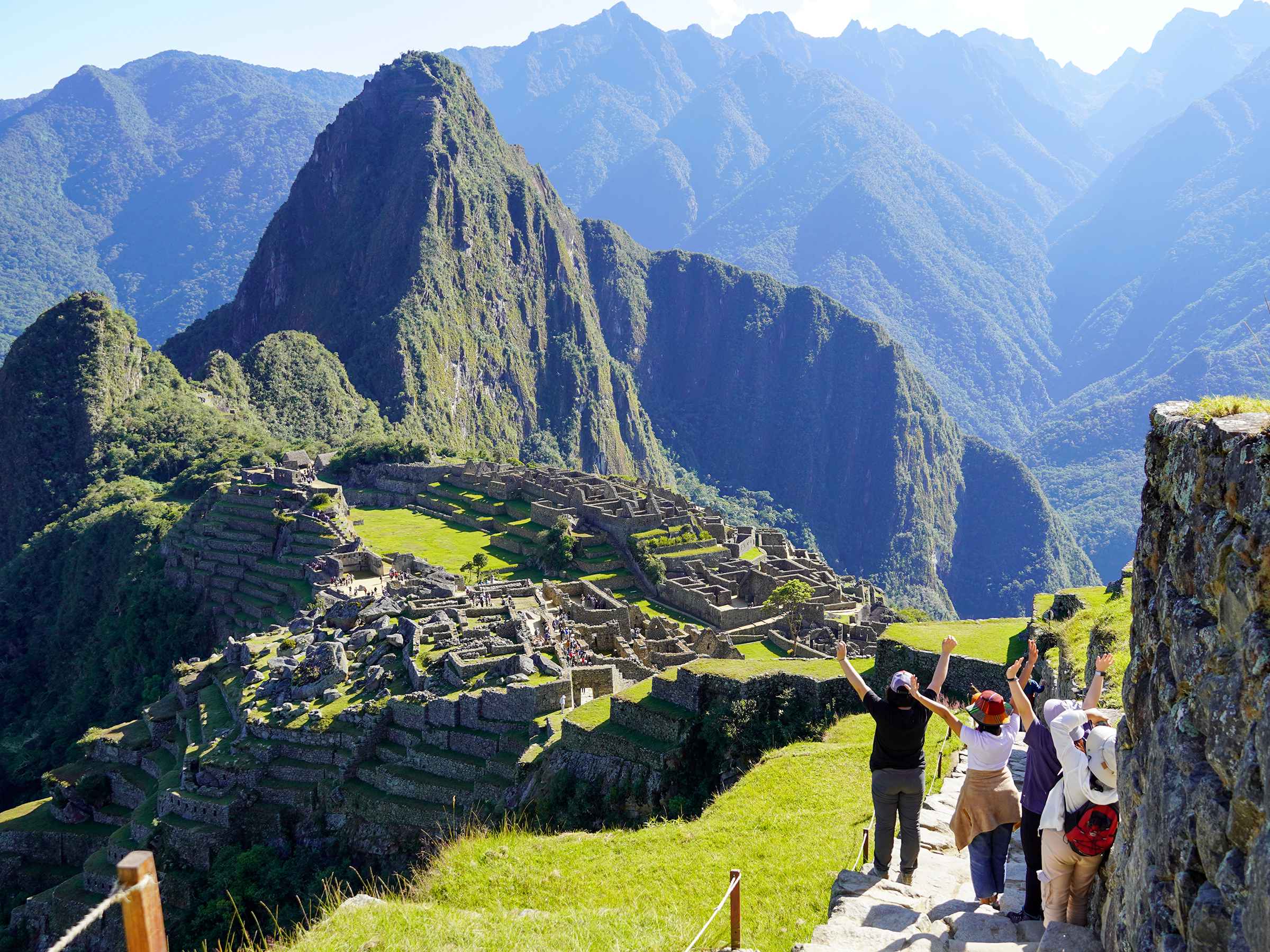
4 Day Machu Picchu Tours
At kilometer 104 of the railway, the start of the Short Inca Trail, there is no internet connectivity. There’s a weak internet signal until you reach Wiñaywayna after climbing the Inca Trail. Like Machu Picchu and Aguas Calientes, the internet signal is fully available once you arrive at the Sun Gate (Inti Punku).
For the 104 kilometers of the railway leading to Inti Punku (Sun Gate), packed box lunches for the Short Inca Trail are made in a tourist restaurant in Cusco’s downtown. Box Lunch guarantees the biosecurity and quality that the Short Inca Trail deserves. The contents of the lunch box are as follows: have a look.
Note: Biodegradable Containers and Biodegradable Forks

After the 104 trains, there is a small snack stand at the start of the Short Inca Trails network; at the local store, they sell bottled water, chips, chocolates, wooden sticks, plastic rain ponchos, and other items.
Up to the Machu Picchu exit gate, this is the only location along the entire Short Inca Trail where food is sold, at kilometer 104. Before boarding the bus to Aguas Calientes in Machu Picchu, snacks, coffee, Coca-Cola, and ice water are sold.

At the beginning of the Short Inca Trail, a stream flows from the Andes of Peru. It is recommended that you bring water tablets, filters, or electronic devices to purify the water.
Hikers can reach the Wiñaywayna waterfalls and ruins for more water. You should bring at least 2 liters of water, but the usual amount is 3 liters to cover the entire route of the Short Inca Trail.
It is essential to bring your aluminum bottles for recycling; plastic bottles are prohibited on the Short Inca Trails and the Machu Picchu network!
You may experience some of the symptoms of altitude sickness on the short Inca Trail leading to the Inca city of Machu Picchu. However, they gradually disappear when the Inca Trail swings from 2,250 meters (7,240 feet) to 2,700 meters (8,540 feet), so it’s not a big deal.
The Short Inca Trail to Machu Picchu advised travelers to acclimate to the Andes before ascending to higher altitudes, such as Cusco’s Rainbow Mountain.
It is not possible to trek the Short Inca Trail without a permit from the Ministry of Environment and the National Institute of Culture (“SERNANP”).
The Machu Picchu Historical Sanctuary and the limited network of Inca Trails are accessible only with a ticket. An entry cap of “200 entries per day” applies. Travel agents will receive their trekking licenses to access the Inca Trail.
We advise scheduling the Short Inca Trail service 4 months in advance to secure permits during the peak season. The high tourist season in Machu Picchu is from May to October.
However, you can book the Short Inca Trail two months in advance, from October to December, or two weeks in advance. Note that the Short Inca Trail will be permanently closed for renovation in February.
Indeed, permissions and authorization are needed to access the network of small Inca Trails that lead to Machu Picchu. The license is issued annually to the operating travel agencies that obtain passes to organize group excursions within the Inca Trail network.
The following are forbidden on the Short Inca Trail Peru excursions: hiking responsibly to protect the Inca Trail network for future generations is crucial.
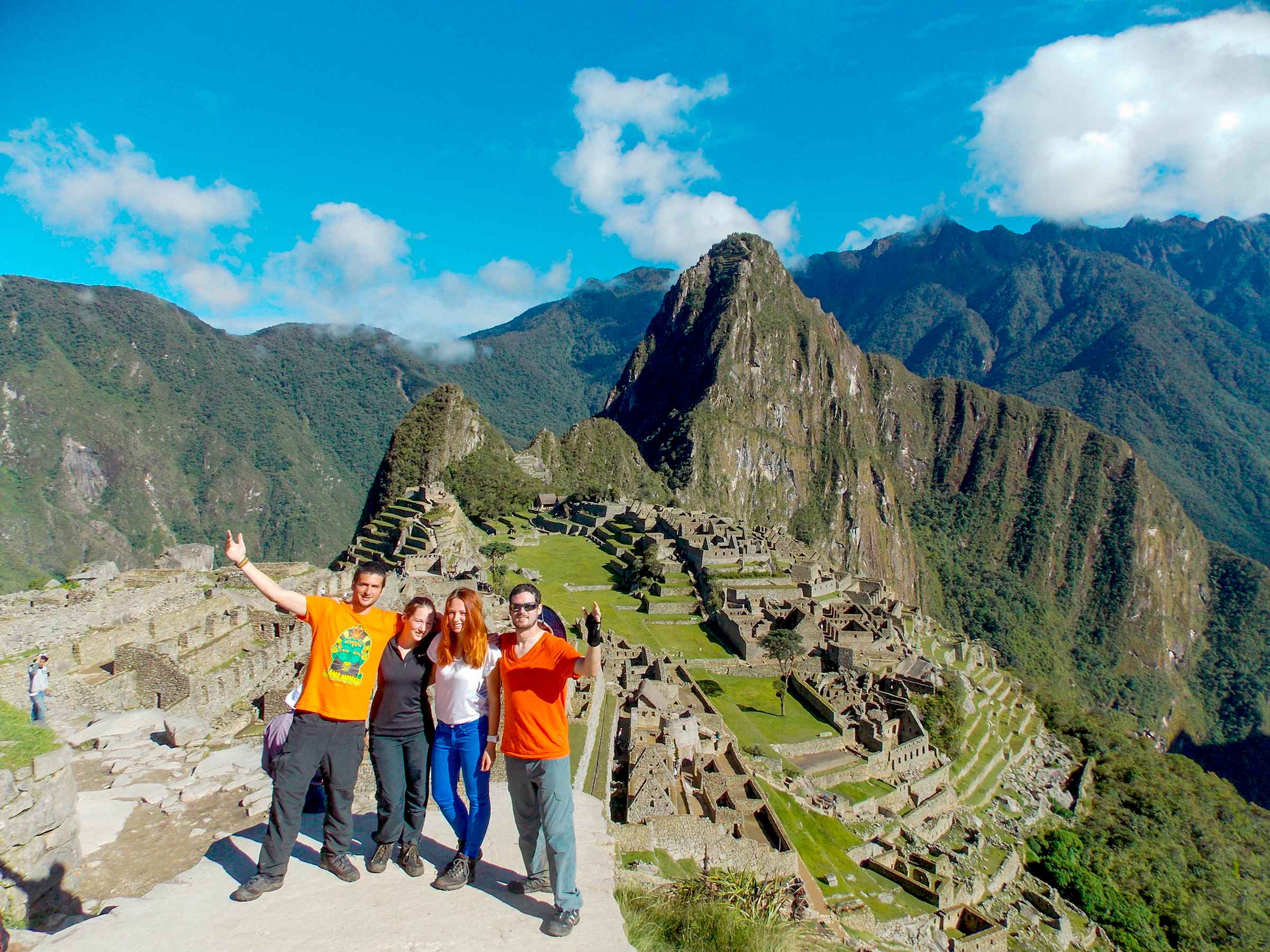
Sacred Valley Short Inca Trail 3 Day

Visitors must comply with the protocols posted at each tourist circuit.
Strictly prohibited!
After hiking the fantastic Short Inca Trail to Machu Picchu, we board the bus to Machu Picchu Pueblo.
Hikers on the Short Inca Trail sleep in a three-star hotel in Machupicchu Pueblo. We work with the best three-star hotels, which are free of train noise and well located in the center of Machupicchu Pueblo. We also have the best options for upgrading service to four- and five-star hotels.
Sacred Valley Short Inca Trail 3 Day
Travelers carry their possessions on the Short Inca Trail hike, so we advise packing only what you need.
Assume that travelers doing the Short Inca Trail Trek require porter service. Use our website to send a booking form in this situation. Enroll in the Short Inca Trail and reserve the porters! Once the passenger’s Short Inca Trail permits are booked, adding or using the porter’s services is no longer possible.
Hikers can hire half- or full-porters, as porters on the Short Inca Trail can lift between 10 and 18 kg.
Note: Since the hike lasts only five hours and trekkers only need to carry what they need for the little excursion, most hikers on Peru’s Short Inca Trail do not need porter services.
Everyone can hike the short Inca Trail to Machu Picchu. In addition to taking in breathtaking scenery, hikers can witness significant Inca structures, including Intipata, Chachabamba, Wiñaywayna, and Inti Punku. Savor the expansive vistas of Machu Picchu from the Inca Guard House and the Inti Punku. Enjoy short hikes on the Inca Trail in Cusco, Peru, South America.

Short Inca Trail Trek the Ultimate Guide
Indeed! Youngsters can hike Machu Picchu for two days on the Inca Trail. Kids have to like taking walks outside.
Though many hiking pathways lead to Machu Picchu, none are as well-known as South America’s most famous hiking trail, the Short Inca Trail. The short Inca Trail, which is best done in Cusco, leads through the jungle, dense fog, ancient stone steps, and Inca ruins.
Try the short Inca Trail with your children without hesitation. You might think traveling with them would be inconvenient, but the vibrant nature and dynamic display of the Inca culture will keep them entertained. They’ll witness a wide variety of flora and fauna, unique individuals, and unusual vocabulary in other languages, “like Spanish.” Travelers are fascinated by Inca architecture and love spending time snapping family photos.
Older adults can stroll over Cusco’s network of short Inca Trails. Of course, older adults must be in good health. It is best to consult your doctor in your home country before deciding to take the Short Inca Trail.

Machu Picchu Student Tours 7-Day
We have several alternatives for the Short Inca Trail combined with different tourist circuits within the Cusco region of Peru. Have a look.
The Short Inca Trail Trek is a breathtaking journey through history and nature, offering a condensed yet powerful experience of the Inca Trail. From the intriguing Chachabamba Inca site to the awe-inspiring Sun Gate, every step along the way is filled with wonder and discovery.
By preparing adequately and immersing yourself in the rich culture and history, you will create memories that last a lifetime. The trek offers not only physical challenges but also a profound connection to the past, enriching your perspective on the Inca civilization.
Whether you’re a seasoned trekker or a history enthusiast, the Short Inca Trail is an adventure not to be missed. Its balance of natural beauty, historical significance, and cultural insights makes it a must-do for anyone seeking a meaningful and unforgettable travel experience.
Ultimately, the Short Inca Trail is more than just a hike; it’s a journey that invites you to step back in time and walk in the footsteps of the Incas. Embrace the adventure, open your heart to the experience, and let the magic of the trail inspire you.
Capturing the Short Inca Trail Photos: Tips & Iconic Locations Embarking on the Short Inca Trail is a…

Machu Picchu, the iconic Lost City of the Incas, has captivated the imagination of travelers and historians alike…
How to hike the Inca Trail 4 days to Machu Picchu Embarking on the Inca Trail hike is…
Many dream of embarking on the Inca Trail to Machu Picchu. This ancient trail, set in the stunning Andes…

How to Get to Machu Picchu Peru Machu Picchu is a dream destination for many travelers. Nestled in…

The Inca Jungle Trek offers an extraordinary journey that combines the thrill of adventure with the awe of…

The 4 Day Inca Trail Experience Embarking on the 4 Day Inca Trail is more than just a…
Understanding the Inca Trail Elevation Challenges The Inca Trail is one of the most famous trekking routes in…

Culinary Delights Along the Inca Trail Embarking on the Inca Trail is a journey through history and breathtaking…

Short Inca Trail vs Classic Inca Trail Choosing between the Short Inca Trail and the Classic Inca Trail…
Short Inca Trail Highlights The Short Inca Trail is a captivating journey through history and nature. This two-day…

Planning Your Inca Jungle Trek The Inca Jungle Trek is not your typical trek to Machu Picchu. Unlike…