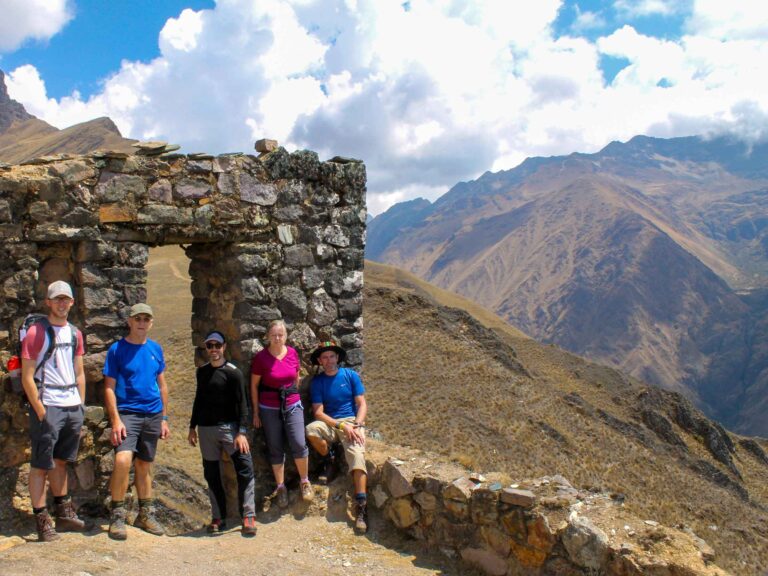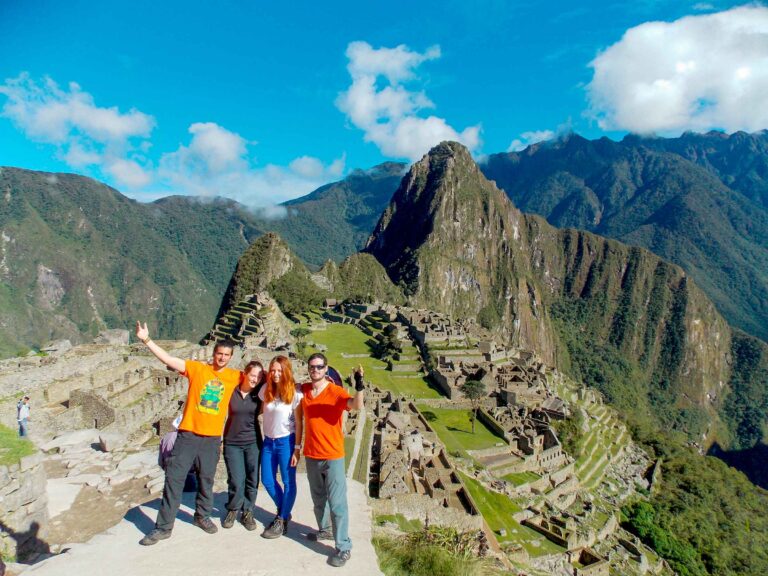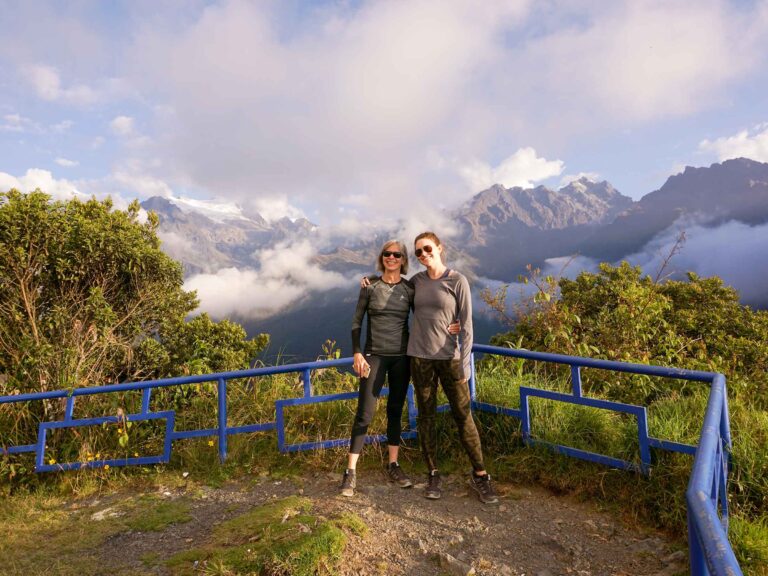

Unlike the classic multi-day trek, the Short Inca Trail is designed to deliver the most iconic part of the route in just two days. Understanding how the trail is structured—from the train journey to the Sun Gate arrival—helps you visualize the experience before you even start hiking.
If you’re planning your trek, you can explore our Short Inca Trail tours to compare options and availability.
Where the Short Inca Trail Begins
The journey starts with a train ride from Cusco or Ollantaytambo to Km 104, the trailhead. From here, hikers enter the Inca Trail network and begin the ascent through cloud forest landscapes.
This first section introduces you to the terrain, combining gradual climbs with scenic views of the surrounding valleys.
The First Stage of the Trek
After entering the trail, the route gradually climbs toward one of the most important archaeological sites along the path: Wiñay Wayna.
This site is known for its agricultural terraces and strategic location, offering a glimpse into how the Incas adapted to the mountainous environment.

Reaching the Sun Gate (Inti Punku)
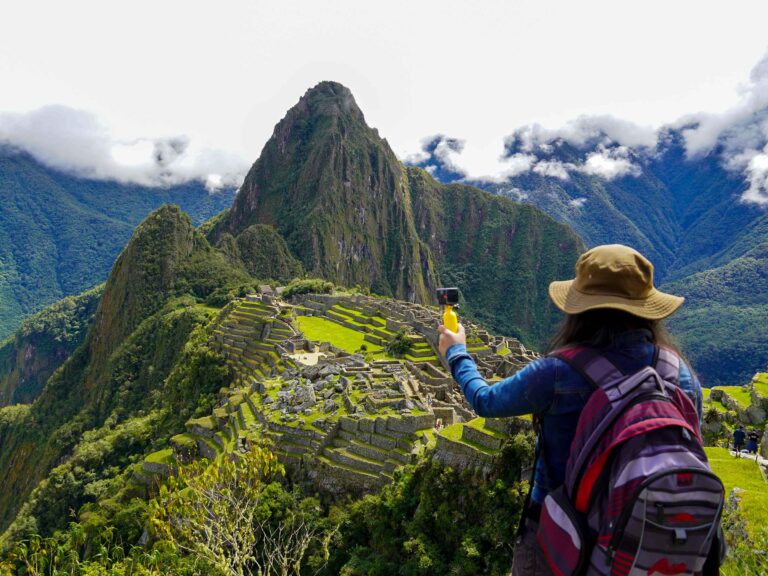
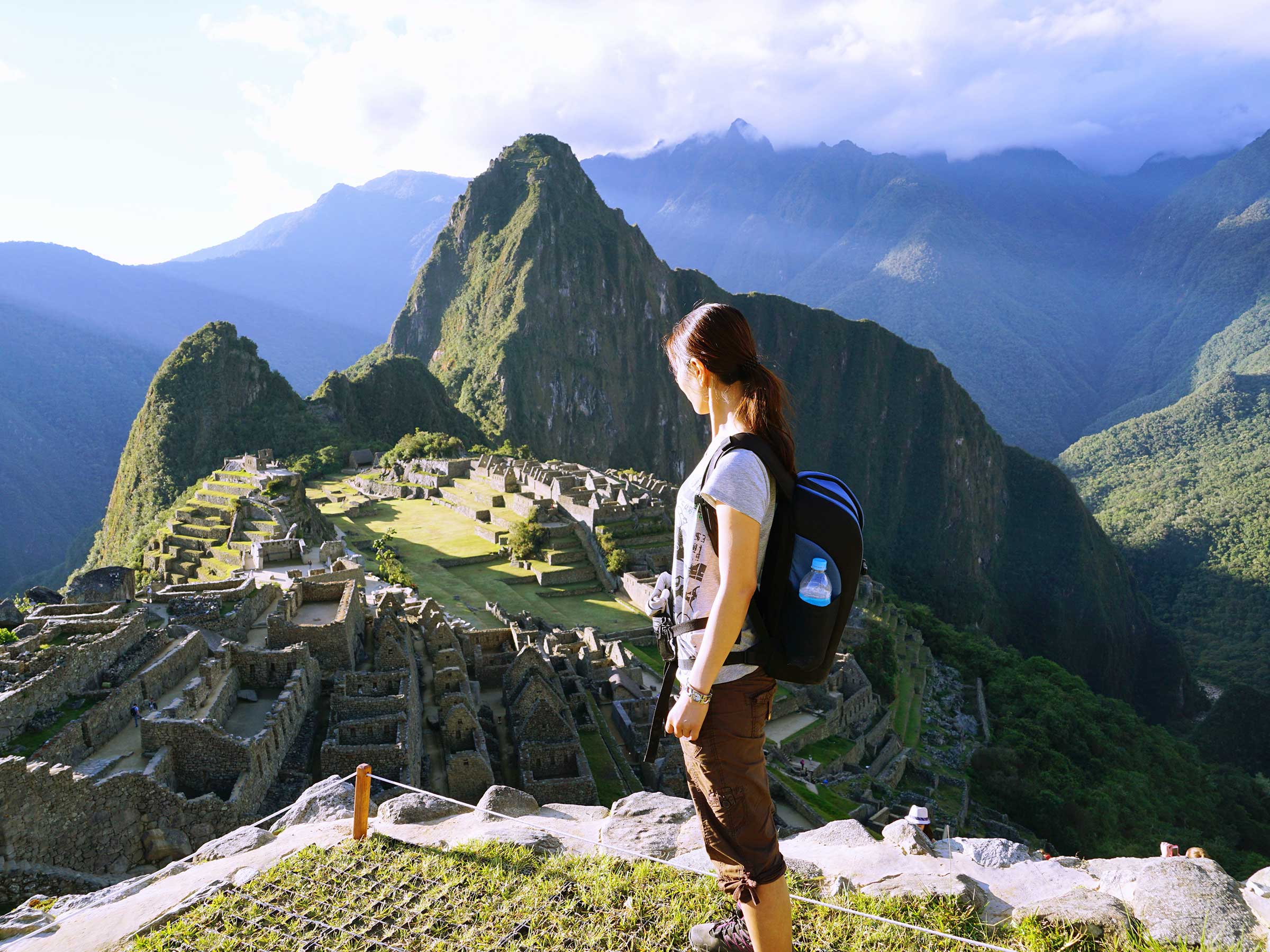
The most anticipated moment of the trek is reaching the Sun Gate. From this viewpoint, Machu Picchu appears for the first time, surrounded by mountains and clouds.
This arrival is what makes the Short Inca Trail unique, as it recreates the traditional entrance used by the Incas.
How you organize this moment—timing, pace, and group size—can completely change your experience.
Compare available options here:
View Short Inca Trail tours
Overnight and Second Day Experience
After reaching Machu Picchu on the first day, most itineraries include an overnight stay in Aguas Calientes.
The second day is dedicated to exploring Machu Picchu with a guided tour, allowing you to better understand the site’s history and significance.
How the Timing of the Trek Works
The Short Inca Trail is designed to maximize the experience in a limited time. The first day focuses on the hike and arrival, while the second day allows for a deeper exploration of Machu Picchu.
This structure makes it one of the most efficient trekking options in Peru.
Why Understanding the Route Matters
Knowing how the trail is structured helps you prepare mentally and physically. It also allows you to set realistic expectations and fully enjoy each part of the journey.
The Short Inca Trail is not just about reaching Machu Picchu—it’s about understanding the path that leads there.
Plan Your Short Inca Trail Experience
Seeing how the route unfolds—from the train ride to the final arrival at Machu Picchu—helps you choose the right experience and prepare for what really matters on the trail.
Short Inca Trail 2 Days Photography and Tips
Capturing the Short Inca Trail Photos: Tips & Iconic Locations
Embarking on the Short Inca Trail is a journey through history and nature, offering a unique blend of cultural and natural wonders. This stunning trek not only offers an exhilarating adventure but also presents a remarkable opportunity for breathtaking photography. From ancient ruins to lush greenery and sweeping vistas, the Short Inca Trail is truly a photographer’s paradise, promising scenes that evoke both the past and the present in a single frame.
The trail is a microcosm of the Andes’ diverse beauty, offering varied landscapes that unfold as you progress. Each step reveals a new perspective, a fresh composition waiting to be captured. Whether you are drawn to the intricate stonework of ancient ruins or the vibrant colors of the natural world, the Short Inca Trail provides endless opportunities for photographers to hone their craft and create stunning visual narratives.

The Short Inca Trail to Machu Picchu is a photographer’s dream, offering a kaleidoscope of breathtaking landscapes, ancient ruins, and vibrant cultural scenes. From the lush cloud forests to the majestic peaks of the Andes, every step of this two-day trek presents an opportunity to capture the beauty of this iconic route. Here are some tips and insights for photography enthusiasts looking to immortalize their journey on the Short Inca Trail.
The Short Inca Trail is a perfect blend of captivating landscapes and historical architecture, making it an ideal subject for any photographer. As you trek through this iconic path, your camera becomes an indispensable companion, capturing the beauty and history that unfold with every step. The trail’s unique combination of natural beauty and archaeological intrigue offers photographers an unparalleled canvas to explore and document.
The Magic of Inca Trail Photos
Inca Trail photos are more than just images; they are a testament to the region’s rich cultural heritage and natural beauty. The trail is dotted with ancient ruins that tell stories of the past and offer a unique backdrop for photography. Each photograph you take serves as a window into the ancient world of the Incas, preserving a slice of history for future generations.
When shooting on the trail, consider the time of day, as it can significantly impact the quality of your images. Early mornings and late afternoons provide soft, natural lighting that enhances the colors and textures of your photos. The golden hours cast a magical glow over the landscape, making your images more vibrant and dynamic, while the midday sun can create striking contrasts that add drama to your shots.
Key Spots for Stunning Inca Trail Images
Several points along the Short Inca Trail offer excellent opportunities to capture stunning images. Here are a few must-visit locations:
- Wiñay Wayna: This archaeological site is a photographer’s dream. The terraces and stone structures are beautifully preserved, and the surrounding jungle adds a lush contrast. The intricate stonework and verdant backdrop create compelling compositions, capturing the essence of the Incas’ architectural prowess amid nature’s glory.
- Sun Gate (Intipunku): Arriving at the Sun Gate, you’ll be rewarded with a panoramic view of Machu Picchu. This spot is perfect for capturing the iconic image of the ancient citadel emerging from the mist. The anticipation builds as you approach, and the moment the view unveils itself is one that every photographer should strive to document.
- Cloud Forest: The dense vegetation and mysterious ambiance of the cloud forest offer a unique setting for nature photography. The interplay of light and shadow creates intriguing compositions. This environment is a haven for capturing the vibrant life that thrives within, from delicate orchids to playful monkeys, all bathed in ethereal mist.

Tips for Trekking: Short Inca Trail Photography
Trekking photography requires a mix of preparation and creativity. Here are some tips to help you make the most of your Short Inca Trail photography experience:
Composition Techniques
- Rule of Thirds: Divide your frame into thirds and place key elements along these lines for balanced compositions.
- This technique helps create interest and guide the viewer’s eye to the main subject.
- Leading Lines: Use natural lines, like trails or rivers, to guide the viewer’s eye through the photo. These lines can add depth and perspective, creating a sense of movement within the still image.
- Foreground Interest: Incorporate foreground elements to add depth and context to your images. This approach not only provides scale but also connects the viewer to the environment, making the scene more immersive.
Capturing the Journey
While the destination is essential, don’t forget to document the journey itself. Capture candid shots of fellow trekkers, the changing landscapes, and the small details that tell the story of your adventure. These images create a comprehensive narrative that encompasses the entire experience, from the camaraderie among travelers to the unexpected encounters with local wildlife.
Weather and Lighting Considerations
The weather on the Short Inca Trail can be unpredictable, with a mix of sun, rain, and fog. Each condition offers unique photographic opportunities:
- Sunny Days: Use the bright light to capture vibrant colors and precise details. Be mindful of harsh shadows and consider using a reflector to fill in dark areas. The interplay of light and shadow can also be used creatively to highlight the textures of ancient stonework.
- Rain and Fog: Embrace the moody atmosphere they create. These conditions add drama and mystery to your photos, especially when photographing ancient ruins. The diffused light can create soft, ethereal images that evoke a sense of timelessness.
- Sunrise and Sunset: The soft, warm light during sunrise and sunset creates stunning silhouettes and enhances the natural beauty of the trail. These moments are perfect for capturing the serene beauty of the landscape, with the sky painted in hues of pink and orange.
Tips for Successful Photography
- Be Respectful: Always ask for permission before photographing local people or sacred sites.
- Stay Safe: Be mindful of your surroundings and ensure you’re safe when focusing on your photography.
- Be Patient: Wait for the right light, weather conditions, or moment to capture the perfect shot.
- Enjoy the Experience: While photography is crucial to your adventure, don’t forget to put down the camera occasionally and soak in the beauty of the Short Inca Trail with your own eyes.
Photography on the Short Inca Trail offers a unique opportunity to capture the essence of the Andean landscape and the rich cultural heritage of the Inca civilization. With careful preparation and a creative eye, you can create a stunning visual record of your unforgettable trek to Machu Picchu.
Respecting the Environment
As you capture the beauty of the Short Inca Trail, remember to respect the environment and local culture. Stay on marked paths, avoid disturbing wildlife, and be mindful of other trekkers. Your actions should help preserve this historical and natural treasure.
Leave No Trace
Practice the principles of Leave No Trace to minimize your environmental impact. Pack out all trash, be considerate of cultural sites, and support local conservation efforts. By doing so, you help ensure that the Inca Trail remains a pristine destination for future generations to experience and enjoy.
Conclusion
The Short Inca Trail offers a unique opportunity to combine adventure with photography. With its rich history, stunning landscapes, and diverse ecosystems, this trek is a haven for photographers seeking to capture the essence of the Inca Trail. The journey is as rewarding as the destination, offering countless moments of beauty and inspiration.
Whether you’re a professional photographer or a hobbyist, the Short Inca Trail provides endless inspiration and the chance to create images that tell the story of this incredible journey. So pack your camera, lace up your hiking boots, and get ready to capture the magic of the Inca Trail. Each photo you take will serve as a lasting memory of an adventure that is both a personal and a shared exploration of one of the world’s most iconic trails.
Highlights about Short Inca Trail
Short Inca Trail Highlights
The Short Inca Trail is a captivating journey through history and nature. This two-day trek offers a glimpse into the ancient world of the Incas.
Starting at KM 104, the trail leads adventurers to the majestic Machu Picchu. Along the way, hikers encounter lush cloud forests and stunning mountain vistas.
The trail is a condensed version of the classic Inca Trail, perfect for those with limited time. It offers a moderate challenge, making it accessible to many.
Key archaeological sites like Chachabamba and Wiñay Wayna enrich the experience. These sites reveal the ingenuity and culture of the Inca civilization.
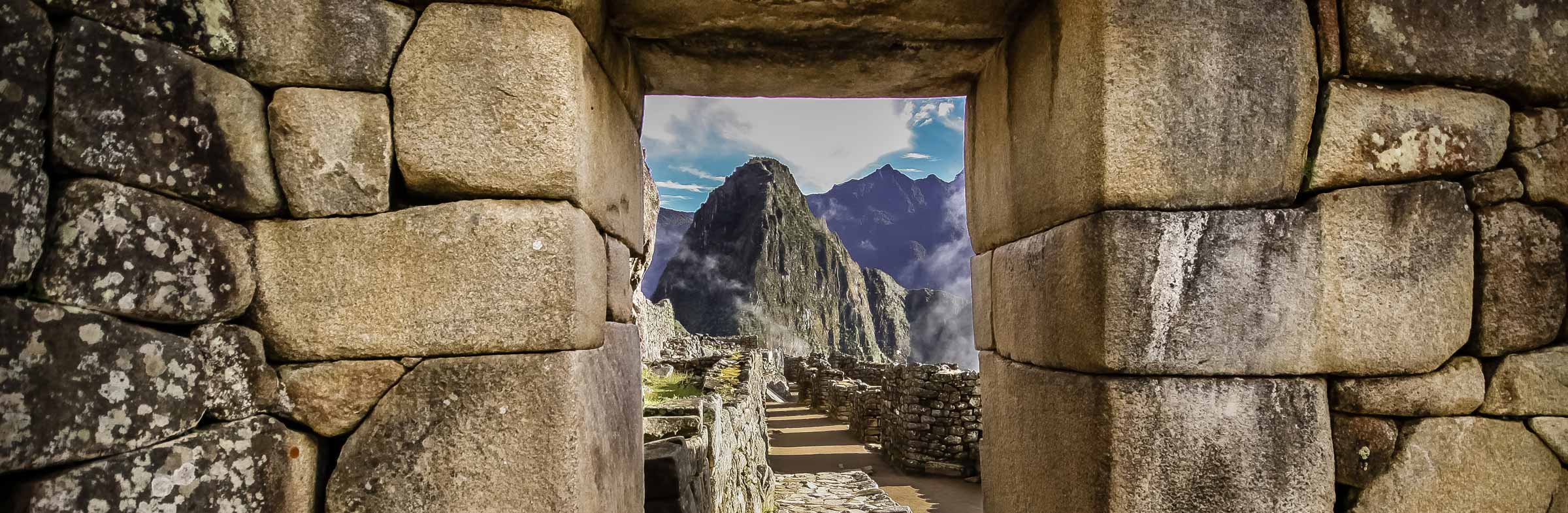
The journey culminates at the Sun Gate, offering a breathtaking view of Machu Picchu. This entrance provides a unique perspective of the ancient city.
Permits are essential and should be secured well in advance. The best time to hike is during the dry season, from May to September.
Prepare for varying weather and bring appropriate gear. The Short Inca Trail promises an unforgettable adventure filled with history, culture, and natural beauty.
What is the Short Inca Trail?
The Short Inca Trail is a two-day trek that offers a taste of the famous Inca Trail experience. It begins at KM 104 on the railway to Machu Picchu, designed for trekkers seeking a quicker journey.
This trail, covering approximately 10 kilometers (6.3 miles), is moderate in difficulty. Hikers can expect to spend about six hours on the first day covering the main distance and visiting significant sites.
It offers magnificent views and a rich cultural experience without the lengthy commitment of the whole trail. The journey is perfect for those with limited vacation time.
Key features of the trail include:
- Lush cloud forests with diverse plant and animal species
- Impressive archaeological sites like Chachabamba
- A stunning arrival at Machu Picchu’s Sun Gate
The Short Inca Trail is an excellent choice for families and less experienced hikers. It offers insight into ancient Inca culture while showcasing the natural beauty of the Peruvian Andes.
Why Choose the Short Inca Trail?
The Short Inca Trail is ideal for those seeking a blend of adventure and accessibility. With only two days required, it suits travelers with limited time.
This trek offers a less intense alternative to the longer, four-day Inca Trail. It’s a good choice for those who prefer easier hikes without sacrificing experiences.
The trail ensures a rich exposure to history and natural beauty. Hikers venture through lush forests and across ancient Inca sites.
Choosing this trail means enjoying unique highlights with less crowding. You also benefit from knowledgeable guides who share fascinating stories.
Reasons to opt for the Short Inca Trail include:
- Limited travel time
- Moderate physical challenge
- Rich historical and scenic experience
- Opportunity to visit Machu Picchu
- Lower cost compared to more extended tours
For anyone who loves culture, nature, and adventure, the Short Inca Trail provides a memorable trip. It strikes a balance between discovery and relaxation.
Overview of the Route: From KM 104 to Machu Picchu
The Short Inca Trail begins at KM 104 and is accessible by train from Cusco or the Sacred Valley. This starting point sets the stage for an exciting journey through history.
From KM 104, the trail stretches approximately 10 kilometers (6.3 miles). It meanders through diverse ecosystems, showcasing lush cloud forests and high-altitude landscapes.
Hikers soon encounter the ruins of Chachabamba. This site offers a glimpse into the ceremonial life of the Incas.
As the path ascends, trekkers pass through Wiñay Wayna. This significant archaeological site is renowned for its magnificent terraces.
The journey culminates at Inti Punku, known as the Sun Gate. This spot provides a breathtaking first view of the ancient citadel of Machu Picchu.
Overall, the trail is a day-long experience providing:
- Spectacular mountain views
- Encounters with significant Inca ruins
- Rich biodiversity and varied flora
- A thrilling entrance to Machu Picchu
The varied terrains and historical sites along this route are the trek’s main attractions. Each step provides insight into the incredible civilization of the Incas.
Key Archaeological Sites on the Short Inca Trail
The Short Inca Trail is rich in history, offering access to a series of remarkable archaeological sites. Each site tells a unique story of the Inca civilization, providing a glimpse into their advanced architecture and cultural practices. Trekking along this path, you encounter the fascinating sites of Chachabamba, Wiñay Wayna, Intipata, and finally Inti Punku.
The trek includes exploration of meticulously terraced landscapes and ancient ceremonial centers. These remnants illustrate the sophistication of Inca society and its harmony with nature. They provide insight into how the Incas integrated agriculture with architecture.
Visitors can marvel at the engineering feats accomplished in challenging terrains. Each site encourages reflection on the spiritual and practical aspects of the Incas’ lives.
Here are some highlights you can expect to encounter:
- Chachabamba: An important religious and administrative site.
- Wiñay Wayna: Known for its terraces and ritual baths.
- Intipata: Offers dramatic views of the Sacred Valley.
- Inti Punku: The iconic entrance to Machu Picchu.
Together, these sites capture the essence of Inca achievement. They enrich the hiking experience with historical depth and cultural context. Walking through them connects travelers with the sacred journey of the Incas. The blend of natural beauty and historical intrigue makes these sites unforgettable.
Chachabamba
Chachabamba is one of the first archaeological sites you encounter on this trek. It’s a ceremonial site that offers a look at Inca religious practices.
Here, you can find ancient stone structures and a collection of ritual baths. These features highlight the site’s spiritual significance. Chachabamba also served as an administrative checkpoint, showcasing its dual-purpose role. Its location near the Urubamba River added strategic importance.
Wiñay Wayna
Wiñay Wayna, meaning “Forever Young,” is arguably the most stunning site on the trail. Its name reflects its timeless beauty and the enduring legacy of the Inca architecture.
This site boasts impressive agricultural terraces. The terraces are supported by a sophisticated irrigation system that showcases Inca engineering skills. Additionally, a network of ritual baths suggests a place of spiritual cleansing.
Visitors to Wiñay Wayna often feel a deep connection to the past. The site’s location on a steep slope offers panoramic views of the Urubamba River. It provides a serene atmosphere, perfect for reflection and admiration.
Intipata
Intipata captivates hikers with its beautiful terraced fields. These terraces were primarily used for agricultural purposes.
Positioned on a hillside, Intipata offers dramatic views of the surrounding valley and mountains. The site highlights how the Incas utilized steep landscapes for food production.
Intipata allows visitors to envision the daily life and farming activities of the Inca people. Its strategic position underscores the Incas’ ability to adapt and thrive across diverse terrain. The atmosphere here is serene, perfect for a pause along the trail.
Inti Punku (Sun Gate)
Inti Punku, known as the Sun Gate, serves as the entrance to the magnificent Machu Picchu. This iconic spot is renowned for its breathtaking view of the ancient citadel.
Reaching Inti Punku is a rewarding moment for trekkers. The view is especially magical at sunrise, as the first light illuminates the ruins of Machu Picchu.
Historically, Inti Punku served as a control gate for those entering and exiting the sanctuary. It held great significance for the Incas and remains a powerful symbol today. For hikers, reaching the Sun Gate is a highlight of their journey, marking the culmination of their trek with unforgettable views.
Natural Wonders and Scenery Along the Trail
The Short Inca Trail immerses hikers in breathtaking natural wonders. It offers diverse ecosystems and striking landscapes. The trail traverses vibrant cloud forests teeming with unique flora and fauna.
Along the journey, hikers are treated to stunning views of soaring Andean peaks. These mountains create a dramatic backdrop throughout the trek. The sound of the Urubamba River echoes below, enhancing the trail’s tranquil setting.
The scenic beauty doesn’t stop with the mountains. Lush vegetation thrives along the path, with native orchids and bromeliads dotting the landscape. Birdwatchers delight in spotting a variety of species, including Andean condors and hummingbirds.
As you hike, the trail offers extraordinary photo opportunities. Here are some scenic highlights:
- Cloud Forests: Explore rich biodiversity and vibrant plant life.
- Andean Mountains: Enjoy panoramic views of towering peaks.
- Urubamba River: Follow the river’s journey through the valley.
- Native Wildlife: Observe exotic birds and other wildlife in their natural habitat.
Together, these natural elements create an unforgettable trekking experience. The blend of rugged terrain and lush environments captivates all who walk this ancient path. Every step reveals a new vista, deepening your connection to the land.
Entering Machu Picchu: The Sun Gate Experience
The Sun Gate, or Inti Punku, offers a magical entry point to Machu Picchu. Arriving here is a momentous reward after the trek. As you approach, anticipation builds, knowing what awaits you.
At the Sun Gate, a breathtaking view unfolds. Machu Picchu appears, bathed in golden hues during sunrise. This panorama is often a highlight of the entire journey for many hikers.
The experience at the Sun Gate is more than just visual splendor. It’s a profound connection to history and nature. Standing on these ancient stones, you’re reminded of the intrepid Incas who once traveled here. The combination of awe-inspiring vistas and a sense of history makes this an unforgettable experience.
Day-by-Day Itinerary: What to Expect
Embarking on the Short Inca Trail, you’ll experience two enriching days filled with natural wonders and cultural insights. Each day is thoughtfully organized to maximize your enjoyment and exploration.
On Day 1, you begin your journey at KM 104. This starting point is already immersed in the fascinating scenery of the Andes. As you ascend, the lushness of the cloud forest will envelop you. During the hike, you’ll encounter archaeological treasures and breathtaking views, all guiding you toward Wiñay Wayna.
The afternoon of Day 1 brings you to the Sun Gate, the storied entrance to Machu Picchu. Here, the first glimpse of Machu Picchu is nothing short of spectacular. The vibrant blend of nature and ancient architecture will captivate your senses.
On Day 2, you get the opportunity to delve into the heart of Machu Picchu. This day is set aside for a detailed exploration of the site. It promises fascinating insights into Inca civilization and its architectural brilliance.
Here’s a brief overview of the itinerary for your trek:
- Day 1: KM 104 to Wiñay Wayna to the Sun Gate
- Day 2: Exploration of Machu Picchu
Over the course of these two days, your guides will enrich the experience with historical context and legends. These stories breathe life into the stones and trails beneath your feet. Every step on the Short Inca Trail, every view and every story, will add to the richness of your journey.
Day 1: KM 104 to Wiñay Wayna and the Sun Gate
Day 1 begins with a scenic train ride, followed by setting out on foot at KM 104. The path ahead unfolds like a tapestry of natural beauty.
As you ascend, you will witness a diversity of ecosystems. Each step brings you closer to Wiñay Wayna, an impressive Inca site. The terraces here display the mastery of ancient engineering.
Afternoon arrives, and so does the Sun Gate. This vantage point offers your first awe-striking view of Machu Picchu. The sight captures the essence of adventure and achievement, becoming a cherished memory.
Day 2: Machu Picchu Exploration
The second day focuses on the heart of Machu Picchu. This ancient citadel invites you to explore its mysteries and stories. Each structure within this city holds a tale of its own.
Your guided tour will uncover details about the Incas’ advanced construction techniques and spiritual beliefs. You’ll walk through temples, residences, and plazas that speak of a great civilization.
By the end of Day 2, the stories and sights enrich your understanding. The enchantment of Machu Picchu weaves itself into your experience, enhancing the allure of the journey you’ve undertaken.
Practical Information for Hikers
Embarking on the Short Inca Trail requires thoughtful planning to ensure a smooth adventure. Essential details about permits and timing are vital. Before setting off, securing permits is a top priority due to the limited availability. They can sell out months in advance, especially during peak seasons.
Booking with a reputable tour operator can simplify this process. They often handle permit arrangements and provide knowledgeable guides. Researching and choosing the right operator will significantly enhance your trek experience.
Preparation for varying weather is also critical. Pack for both rain and sun, and wear comfortable hiking clothing. A basic list includes sturdy boots, a rain jacket, and layers for warmth. Adequate preparation ensures you enjoy the natural and cultural wonders of the trail.
Remember, this trek is as much about preparation as it is about exploration. These practical tips help make your journey enjoyable and memorable:
- Secure permits early
- Book through trusted operators
- Pack smart for the weather
- Choose reliable gear
Permits and Booking
The Short Inca Trail requires a permit, which must be secured well in advance. Limited slots make early booking crucial, especially from May to September, when demand peaks.
Tour operators typically manage permits as part of their service. Choosing a reputable booking company streamlines this process, providing peace of mind as you plan your trek.
Best Time to Hike
The optimal time for your trek is during the dry season, between May and September. This period offers clearer skies and safer trail conditions.
Consider other months if flexibility allows, avoiding the heavy rainy season between November and March. Plan according to this general timeline for the best experience:
- Dry Season: May to September
- Rainy Season: November to March
Acclimatization and Altitude Tips
High altitudes pose a challenge, so proper acclimatization is key to a successful trek. Spend a few days in Cusco before the hike to help your body adjust.
Listen to your body and stay hydrated; it helps combat altitude effects. Preparation can include these acclimatization tips:
- Spend time at altitude before hiking
- Hydrate frequently
- Listen to your body’s needs
What to Pack for the Short Inca Trail
Packing efficiently for the Short Inca Trail is crucial for comfort and safety. The weather along the trail can vary greatly, so having the right gear is vital. Versatile clothing layers allow for adjustments as temperatures change.
Essentials include a comfortable daypack and sturdy hiking boots. Your footwear should be well broken in to prevent blisters. Also, carry a reliable rain jacket to stay dry during unexpected showers.
Be sure to pack snacks for energy, a hat for sun protection, and a refillable water bottle. Staying hydrated on the trail is essential, so plan to refill your bottle at safe water sources. Here’s a quick checklist to guide your packing:
- Waterproof daypack
- Sturdy, broken-in hiking boots
- Weather-appropriate clothing layers
- Rain jacket
- Snacks and energy bars
- Hat and sunglasses
- Refillable water bottle
Accommodation: Where to Stay Before and After the Trek
Choosing the right accommodation is crucial for a comfortable start and end to your trek. Many hikers prefer to stay in Cusco before beginning the Short Inca Trail. Cusco offers a range of lodging options for all budgets and preferences.
After completing the trail, most hikers spend a night in Aguas Calientes, the gateway to Machu Picchu. This town provides convenient access to the ruins and offers a variety of accommodation options, from luxury hotels to simple hostels.
Here’s a list of popular areas to consider:
- Cusco city for pre-hike stays
- Aguas Calientes post-hike accommodations
Food and Water on the Trail
Proper nourishment is essential during your trek on the Short Inca Trail. Guides usually provide meals, which are locally sourced and cater to various dietary preferences. It’s vital to discuss your nutritional needs beforehand to ensure provisions suit your requirements.
Carrying a reusable water bottle is recommended, as clean water is crucial. Stay hydrated by using purification tablets or filtered water options available on the trail.
Pack the following essentials:
- Nutritious snacks
- Reusable water bottle
- Water purification methods
Guided Tours vs. Independent Hiking
Choosing between a guided tour and hiking independently is essential for your Short Inca Trail experience. Guided tours provide knowledgeable support and ensure permits and logistics are handled. They also enrich the trek with historical context and cultural insights.
Conversely, hiking independently offers more flexibility and freedom but requires careful planning. Self-guided hikers must secure permits and be prepared for the trail’s challenges.
Consider these factors:
- Budget and time constraints
- Experience with high-altitude trekking
- Preference for cultural insights
- Comfort with logistical arrangements
Tips for a Safe and Enjoyable Trek
Safety is key when hiking the Short Inca Trail. Prepare well and stay mindful of the environment. Always listen to your body and stay hydrated throughout the trek.
To ensure a great experience, follow these tips:
- Wear comfortable, sturdy hiking boots.
- Pack lightweight rain gear and clothing for varying weather.
- Carry only essential items to keep your backpack light.
By staying informed and ready for challenges, you’ll enhance both safety and enjoyment. A prepared trekker is a happy trekker.
Cloud Forest
The Short Inca Trail takes you through a beautiful cloud forest, a lush ecosystem characterized by dense vegetation, vibrant flowers, and diverse wildlife. Look for colorful orchids, exotic birds, and maybe even the elusive spectacled bear. The calm, misty environment of the cloud forest adds a magical touch to the trek.

Inca Staircase
Prepare to be amazed by the Incas’ engineering skills as you ascend the famous Inca staircase. These steep, narrow steps testify to the Incas’ ability to build harmoniously with the natural landscape. Climbing the stairs can be challenging, but it’s an integral part of the experience and a fitting final ascent to Machu Picchu.
The Short Inca Trail is a journey through history, nature, and culture, packed with must-see attractions that will leave you in awe. Whether you’re marveling at ancient ruins, taking in the stunning views, or simply enjoying the hike through the Andean landscape, this trek will surely be an unforgettable highlight of your travels in Peru.