Embarking on the Salkantay Trek is a thrilling adventure that promises breathtaking views and unforgettable moments. However, ensuring you have the right gear can make all the difference between a challenging experience and an extraordinary one. Picture yourself traversing the majestic Andes, surrounded by stunning landscapes and ancient ruins. Each step can be exhilarating, but only if you’re well-prepared. In this article, we’ll provide you with an essential packing list tailored for the Salkantay Trek. Whether you’re a seasoned hiker or a first-time adventurer, you’ll find everything you need to make this journey comfortable and enjoyable. From sturdy footwear and weather-appropriate clothing to must-have accessories, each item on this list is designed to enhance your trek and keep you safe. Get ready to explore one of Peru’s most iconic trekking routes with confidence, knowing you have the ultimate packing list by your side!
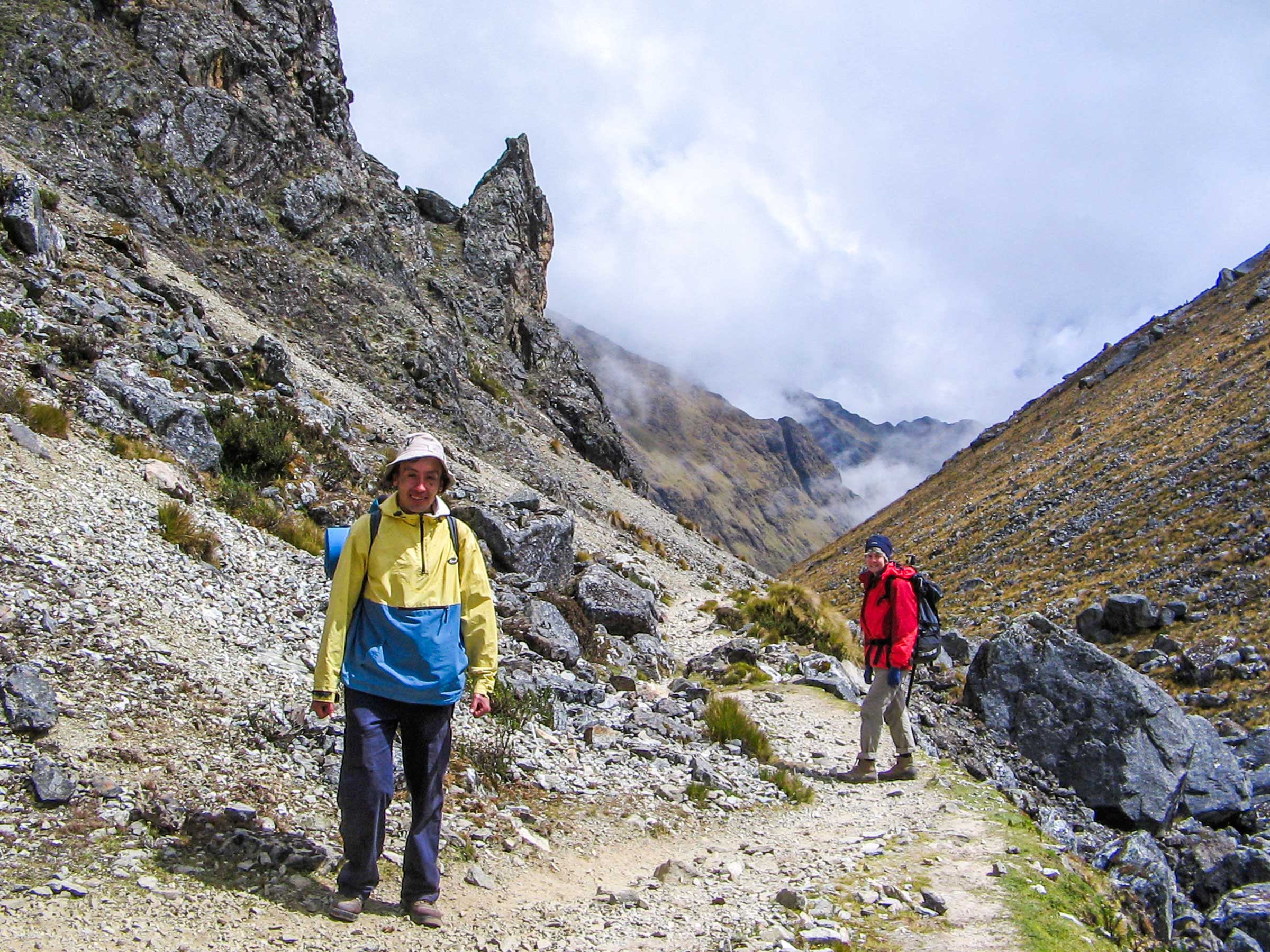
The Salkantay Trek, renowned as one of the most beautiful and challenging treks in Peru, takes adventurers through diverse terrain and altitudes, offering stunning scenery and formidable challenges. As you embark on this exhilarating journey, it’s essential to understand the variety of landscapes you’ll encounter. The trail winds through high mountain passes, cloud forests, and tropical jungles, each with distinct characteristics that require specific preparation. The terrain can be rough and uneven, with steep ascents and descents, rocky paths, and potentially slippery sections, especially after rain.
The climate along the Salkantay Trek can be unpredictable and varies significantly with altitude. At higher elevations, such as the Salkantay Pass, which stands at an imposing 4,650 meters (15,255 feet), temperatures can plummet below freezing, especially during the night. Conversely, as you descend into lower altitudes towards places like Aguas Calientes, the climate becomes warmer and more humid. This variability requires trekkers to be prepared for a wide range of weather conditions, from intense sun and heavy rain to cold winds and frosty nights.
Given these factors, it’s crucial to pack gear that can handle the diverse and demanding conditions of the trek. Layering your clothing to adapt to temperature changes, wearing sturdy, supportive footwear, and carrying protective gear against the elements are all vital steps to ensure a comfortable and safe journey. Understanding the terrain and climate will help you anticipate the challenges ahead and prepare adequately, making your trek not just a test of endurance but an enjoyable adventure through some of the most breathtaking landscapes in the world.
When it comes to clothing for the Salkantay Trek, layering is key. The ability to add or remove layers will allow you to adapt to the changing weather conditions you’ll encounter along the route. Start with a moisture-wicking base layer that will keep sweat away from your skin, helping you stay dry and comfortable. Merino wool or synthetic materials are excellent choices for base layers as they provide sound insulation and are quick-drying. Avoid cotton, as it retains moisture and can lead to chafing and discomfort.
Your mid-layer should provide insulation and warmth. Fleece jackets or down vests are great options as they offer excellent warmth-to-weight ratios. Depending on the season and your tolerance to cold, you might need more than one mid-layer. For the outer layer, a waterproof and windproof jacket is essential. The weather in the Andes can change rapidly, and a good quality shell will protect you from rain, wind, and even snow. Look for a breathable jacket to prevent overheating during strenuous sections of the trek.
Additionally, don’t forget about your lower body. Quick-drying trekking pants are a must. Convertible pants that can be turned into shorts are handy for adjusting to varying temperatures. For the cold nights, thermal leggings or long underwear can provide extra warmth. Accessories like a warm hat, gloves, and a buff or neck gaiter are crucial for protecting your extremities from the cold. Sunglasses with UV protection and a wide-brimmed hat will shield you from the intense mountain sun. Lastly, having a set of comfortable clothes for the evenings at camp will help you relax and recover after a long day of hiking.
Footwear is one of the most critical components of your gear for the Salkantay Trek. The right pair of boots can make the difference between a comfortable, enjoyable trek and a painful, blister-filled ordeal. When choosing hiking boots, look for models that offer good ankle support, as the uneven, rugged terrain can be harsh on your feet and ankles. Waterproof boots are also essential, as you may encounter wet and muddy conditions. Ensure your shoes are well broken in before the trek to avoid blisters and discomfort.
In addition to your primary hiking boots, consider bringing a pair of lightweight, comfortable shoes or sandals for camp evenings. After a long day of trekking, your feet will appreciate the chance to breathe and relax in something less restrictive. These can also be useful for river crossings or for wandering around the campsites.
Socks play a crucial role in foot comfort as well. Invest in high-quality, moisture-wicking hiking socks. Merino wool or synthetic-blend socks are excellent choices, as they help prevent blisters and keep your feet dry. Bring multiple pairs so you can change into fresh socks each day. It’s also a good idea to pack a pair of thicker socks for the colder nights at higher altitudes. Adding some foot powder or anti-blister balm to your packing list can provide extra protection and comfort for your feet during the trek.
A good backpack is indispensable for carrying your gear comfortably and efficiently on the Salkantay Trek to Machu Picchu. When choosing a backpack, consider the duration of your trek and the amount of gear you need to carry. A pack with a capacity of 50-70 liters is generally suitable for multi-day treks, providing enough space for all your essentials without being overly cumbersome. Look for a backpack with an adjustable suspension system, padded shoulder straps, and a hip belt to distribute weight evenly and reduce strain on your back and shoulders.
In addition to your main backpack, a daypack is essential for carrying items you’ll need during the day’s hike. This smaller pack can hold essentials like water, snacks, a camera, rain gear, and other items you want to keep easily accessible. A daypack with a capacity of 20-30 liters is typically sufficient. Features like a hydration reservoir compartment, multiple pockets, and a comfortable fit will enhance your trekking experience.
Proper organization of your backpack and daypack is crucial. Use packing cubes or dry bags to keep your gear organized and protected from the elements. Place heavier items closer to your back and towards the middle of the pack to maintain balance and stability. Keep frequently used items, such as a map, sunscreen, and snacks, in easily accessible pockets. Regularly adjusting your backpack’s straps and ensuring a snug fit will help prevent discomfort and fatigue during the trek.
For those planning to camp along the Salkantay Trek, having the right camping gear is paramount for a comfortable and enjoyable experience. Start with a high-quality tent that can withstand the varying weather conditions you’ll encounter. A lightweight, three-season tent is usually sufficient, but ensure it is durable, waterproof, and well-ventilated. Look for a tent with a vestibule area where you can store your gear and keep it dry.
A good sleeping bag is another critical piece of camping gear. Given the cold temperatures at higher altitudes, choose a sleeping bag with a temperature rating appropriate for the conditions. A down or synthetic fill sleeping bag rated for at least -10°C (14°F) is recommended for the Salkantay Trek. Pair your sleeping bag with a comfortable and insulating sleeping pad to provide cushioning and prevent heat loss to the ground.
Additional camping gear includes a compact, reliable stove for cooking, lightweight cookware, and utensils. A camping stove that uses gas canisters is a convenient option, but ensure you have enough fuel for the entire trek. Don’t forget to bring a headlamp with extra batteries for night illumination. A multitool, repair kit, and duct tape can be lifesavers for making quick fixes to your gear. Lastly, a lightweight, packable camp chair can add a touch of comfort to your evenings, allowing you to relax and take in the stunning surroundings.
Proper nutrition is essential for sustaining your energy levels during the Salkantay Trek. While some trekking companies provide meals, if you’re planning to cook your own food, it’s essential to bring the right supplies and plan your meals carefully. Start with a portable camping stove that is easy to use and reliable. Gas canister stoves are popular for their convenience, but make sure you have enough fuel for the entire trip, as resupply points may be limited.
When it comes to food, opt for lightweight, high-calorie options that are easy to prepare. Dehydrated meals and instant foods are excellent choices because they require minimal cooking and are easy to pack. Bring a variety of foods to keep your diet balanced and enjoyable. Instant oatmeal, pasta, rice, and freeze-dried vegetables are all good staples. For protein, consider packing items like jerky, canned tuna, or dehydrated beans. Don’t forget to include energy bars, nuts, and dried fruits for quick snacks throughout the day.
Water is another critical component. While there are natural water sources along the trek, it’s essential to treat or filter all water before drinking. Bring a reliable water filter or purification tablets to ensure your water is safe to drink. Carry enough water for each day, and plan your route around known water sources to refill as needed. Having a lightweight, collapsible water container can make it easier to carry and store water at campsites. Finally, bring along some basic spices, salt, pepper, and condiments to enhance the flavor of your meals and make your cooking experience more enjoyable.
Ensuring your health and safety on the Salkantay Trek requires careful preparation and the right gear. Start with a comprehensive first aid kit that includes bandages, antiseptic wipes, pain relievers, blister treatment, and any personal medications you may need. Altitude sickness can be a concern at higher elevations, so consider bringing medication like acetazolamide (Diamox) to help prevent and treat symptoms. It’s also wise to carry rehydration salts and anti-diarrheal medicines in case of gastrointestinal issues.
Sun protection is crucial in the high Andes, where the sun’s rays can be particularly intense. Pack sunscreen with a high SPF, lip balm with UV protection, and sunglasses with 100% UV protection. A wide-brimmed hat or cap will help shield your face and neck from the sun. Insect repellent is also essential, especially in the lower, more tropical sections of the trek where mosquitoes and other insects can be prevalent.
Staying hydrated is vital, so ensure you have a reliable way to purify water. A portable water filter, purification tablets, or a UV purifier like a SteriPEN can provide safe drinking water from natural sources. A hydration reservoir or water bottles with a combined capacity of at least 2-3 liters will help you stay hydrated throughout the day. Additionally, pack a whistle, a small mirror, and a flashlight or headlamp with extra batteries for emergencies. Knowing basic first aid and having the proper safety gear can make a significant difference in managing any health or safety issues that arise during the trek.
While essential gear is crucial for a successful trek, several optional items can significantly enhance your experience on the Salkantay Trek. Trekking poles are highly recommended for providing extra stability and support, especially on steep or uneven terrain. They can help reduce the impact on your knees and improve your overall balance. Lightweight, collapsible poles are easy to pack and adjust to your preferred height.
A portable solar charger can be invaluable for keeping your electronic devices powered throughout the trek. With limited access to electricity, a solar charger can ensure your camera, phone, or GPS device remains operational. Capture the stunning landscapes and memorable moments without worrying about running out of battery. Additionally, bringing a power bank with sufficient capacity can provide a backup charging option, especially on cloudy days when solar charging may be less effective.
For those who enjoy documenting their adventures, a compact journal or sketchbook can be an excellent way to capture their thoughts, experiences, and the beauty of the trek. Writing down your daily experiences or sketching the breathtaking scenery can create lasting memories and add a personal touch to your journey. Another optional item is a lightweight travel pillow, which can significantly improve your comfort while sleeping in a tent. Finally, consider packing a small, lightweight camp towel that dries quickly and takes up minimal space in your backpack. These optional items may not be essential, but they can certainly enhance your overall trekking experience and make your journey more enjoyable.
Embarking on the Salkantay Trek is a remarkable adventure that requires careful planning and preparation. By understanding the terrain and climate, selecting the proper clothing, footwear, and backpacks, and ensuring you have the necessary camping, cooking, and safety gear, you can set yourself up for a successful and enjoyable trek. Layering your clothing, investing in high-quality gear, and organizing your backpack effectively will help you navigate the diverse and challenging conditions of the trail.
While it may seem daunting to prepare for such an adventure, taking the time to gather the right equipment and supplies will pay off in unforgettable experiences and stunning vistas. Remember to pack thoughtfully, considering both the essentials and optional items that can enhance your journey. With the ultimate packing list by your side, you can confidently set out on the Salkantay Trek, ready to embrace the beauty and challenges of one of Peru’s most iconic trekking routes.
As you traverse the majestic Andes, surrounded by breathtaking landscapes and ancient ruins, you’ll create memories that last a lifetime. Whether you’re a seasoned hiker or a first-time adventurer, proper preparation will ensure that each step of your trek is filled with excitement and wonder. So lace up your boots, shoulder your pack, and get ready to embark on an unforgettable journey through the heart of the Andes, knowing that you have everything you need for a safe and extraordinary adventure.