
Ausangate Treks Ausangate Treks

Ausangate Treks

Ausangate Treks Peru

Embarking on an adventure through the Andes is a dream for many, and the Ausangate trek in Peru offers one of the most breathtaking experiences. Known for its stunning vistas, diverse landscapes, and vibrant local culture, trekking to Ausangate is an unforgettable journey for both seasoned hikers and adventurous beginners. This trek not only challenges your physical limits but also enriches your spirit by bringing you closer to nature and the Andean way of life.

Ausangate is not just a trek; it’s an immersion into the heart of Peru’s natural beauty and cultural richness. Here’s why it should be on your bucket list:

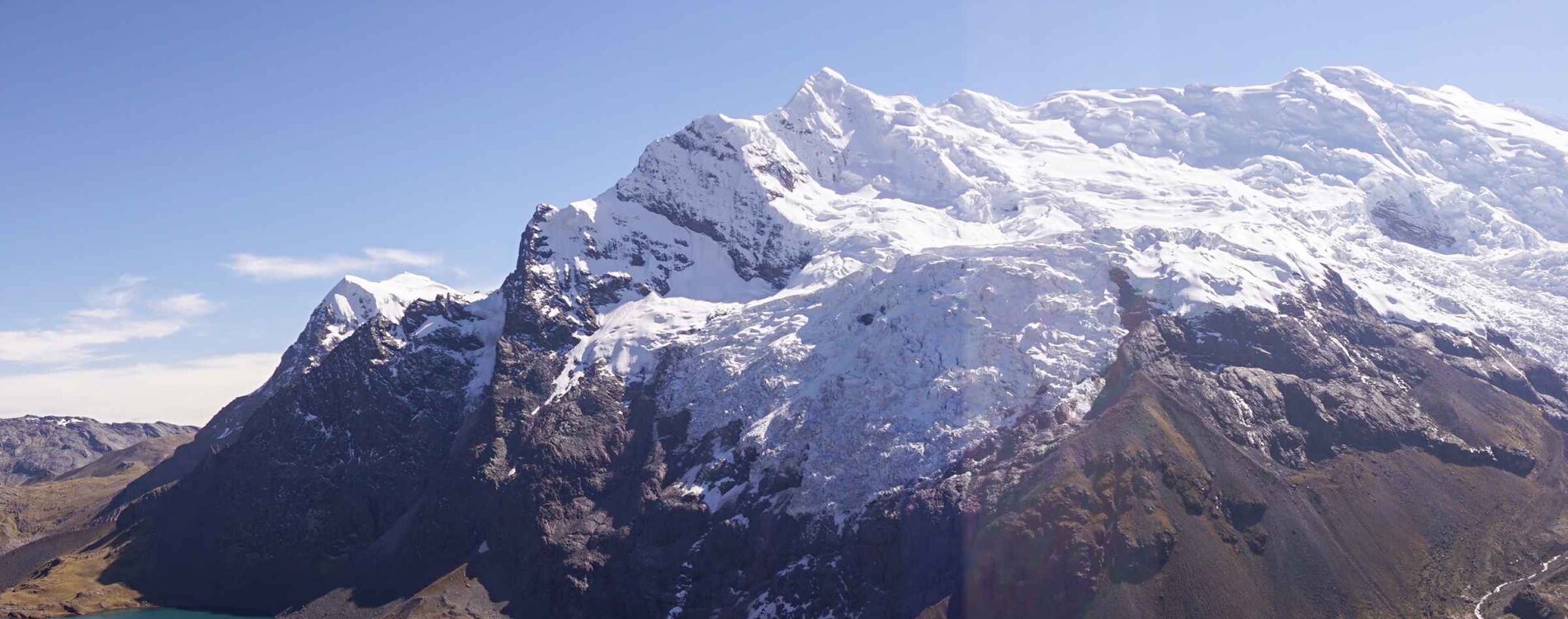
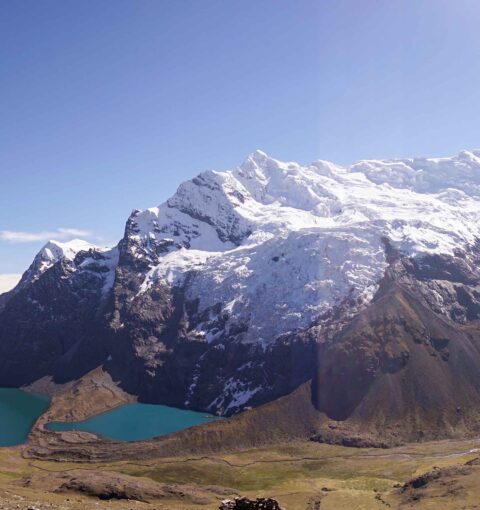
  • The Ausangate trek boasts some of the most spectacular scenery in all of Peru. From snow-capped peaks and turquoise lakes to sprawling grasslands and the striking Rainbow Mountain, every step offers a new visual delight. The landscape is a painter’s palette, with the vibrant hues of the earth and sky shifting as the sun moves across the sky. Each vista invites you to stop, breathe, and capture the moment in your memory or through your camera lens.
  • Moreover, the trek offers a unique opportunity to witness the Andes’ natural phenomena. Imagine waking up to a sunrise over the glistening glaciers or watching the sunset cast a golden glow over the rugged terrain. These moments, often accompanied by the calls of native birds or the gentle rustle of the wind through the grass, add a profound dimension to the trek.
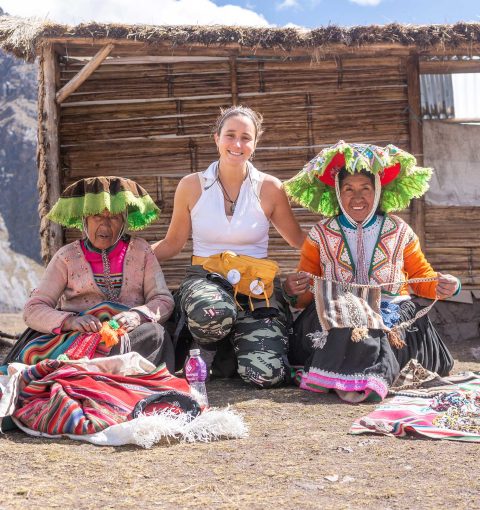
  • Trekking in Peru, especially around Ausangate, is as much about the people as it is about the landscapes. The trek takes you through remote Andean villages where you can witness traditional Quechua culture and perhaps even partake in local festivities. These communities maintain a lifestyle unchanged for centuries, offering a glimpse into a world where tradition and nature coexist in harmony.
  • Engaging with the local people can be a deeply enriching experience. Share a meal, learn a few words in Quechua, or join in a local dance – these interactions offer a deeper understanding of the Andean way of life. The warmth and hospitality of the locals often leave a lasting impression, making the cultural aspect of the trek as memorable as the physical journey itself.
  • The Ausangate region is home to a variety of wildlife. You might spot llamas, alpacas, and vicuñas grazing in the fields, and if you’re lucky, the majestic Andean condor soaring overhead.
  • These animals are not just part of the landscape; they are integral to the region’s cultural and economic fabric. Understanding their role offers insight into the delicate balance of life in the Andes.
  • Birdwatchers and nature enthusiasts will find the trek particularly rewarding. The region’s biodiversity is impressive, with many endemic species to observe. Keep your eyes peeled for rare sightings and remember that patience is often rewarded with unforgettable encounters. Each sighting is a reminder of the region’s rich ecological tapestry, adding another layer to the trek’s allure.

Getting ready for the Ausangate trek requires careful planning. Here are some key considerations:

  1. The ideal time for Ausangate trekking is during the dry season, from May to September. This period offers the most stable weather, with clear skies and minimal rainfall, ideal for hiking. However, it’s important to note that these months are also the busiest, so planning and booking in advance is advisable to secure accommodations and guides.
  2. Understanding the region’s weather patterns is crucial for a successful trek. The dry season offers not only the best conditions for trekking but also the most breathtaking views, with skies typically clear and landscapes vibrant. However, the temperatures can vary significantly between day and night, so packing appropriately is essential.
  3. The Ausangate trek is considered challenging due to its high altitude, reaching elevations of over 5,000 meters (16,404 feet). It’s essential to acclimate properly to avoid altitude sickness. Cardiovascular fitness and strength training can also help prepare your body for the demands of the hike. A gradual acclimation process, such as spending a few days in Cusco before the trek, can significantly improve your experience.
  4. Training for the trek should begin well in advance, focusing on building endurance and strength. Hiking with a backpack, incorporating elevation changes, and simulating long-distance walking can help prepare your body for long-distance walking. Remember, the trek is not just a physical challenge but also a mental one, so building resilience is key to a successful journey.
  5. Packing the right gear is crucial for a successful Ausangate hike. Essential items include a sturdy pair of hiking boots, layered clothing to accommodate varying temperatures, a quality sleeping bag, and a reliable backpack. Don’t forget sun protection and a water purification system. Investing in quality gear not only enhances your comfort but also ensures your safety during the trek.
  6. Consider the specific requirements of the Ausangate region when selecting your gear. The high altitude and remote location mean that being prepared for sudden weather changes is vital. Additionally, eco-friendly gear choices, such as reusable water bottles and biodegradable soap, help minimize your environmental impact and preserve the natural beauty of the area for future trekkers.

The Ausangate trek offers several routes, ranging from four to seven days. Each route provides unique experiences and challenges.

The classic Ausangate trek usually takes about six days. This route loops around the Ausangate massif, offering close-up views of its towering glaciers. Highlights include the Rainbow Mountain, the hot springs of Upis, and the azure waters of Lake Ausangatecocha. This route is perfect for those who want a comprehensive experience, immersing themselves fully in the region’s landscapes and culture. The classic route is a journey through diverse ecosystems and terrains. From high-altitude plateaus to lush valleys, each day offers a new perspective on the region’s natural beauty. The route’s design allows for gradual acclimatization, making it suitable for trekkers who are prepared for its physical demands.
For those with limited time, there are shorter trek options, such as a four-day itinerary that includes the most iconic sites. This option is perfect for trekkers who want to experience

Ausangate’s beauty without committing to a full week. These itineraries are designed to maximize the experience while accommodating the constraints of a tighter schedule.
Shorter treks often focus on key highlights, ensuring that trekkers still enjoy the most stunning vistas and cultural encounters. They are an excellent choice for those new to high-altitude trekking or those who wish to combine the Ausangate experience with other adventures in Peru. Despite their brevity, these treks are packed with unforgettable moments. While independent trekking is possible, hiring a guide offers numerous benefits, especially for first-time visitors. Guides provide invaluable insights into local culture, ensure safety, and handle logistics like camping and meals. A guided trek can enhance your experience, providing context and stories that deepen your understanding of the region.

Choosing between a guided and an independent trek depends on your experience and preferences. While independent trekkers enjoy the freedom to set their own pace and itinerary, they must also be prepared for the challenges of navigation and self-sufficiency. Guides, on the other hand, offer support and knowledge, making the journey more accessible and often more enjoyable for many trekkers.

The Ausangate trek is filled with memorable moments. Here are some highlights you won’t want to miss:

  • Also known as Vinicunca, Rainbow Mountain is famous for its vibrant, multi-colored mineral layers. It’s a must-see on any Ausangate trek and offers a rewarding view after a challenging ascent. The mountain’s unique coloration is the result of mineral deposits over millennia, creating a striking natural wonder that draws visitors from around the world.
  • Reaching Rainbow Mountain is a testament to perseverance and determination. The climb is demanding, but the payoff is immense, with panoramic views that stretch across the Andes. The experience is further enriched by local guides who share the cultural significance and geological history of this extraordinary site.
  • Relaxing in natural hot springs is a perfect way to unwind after a long day’s hike. The Upis and Pacchanta hot springs are popular spots for trekkers to soak in warm water while enjoying panoramic mountain views. These geothermal wonders provide not only physical relaxation but also a unique opportunity to connect with the natural world.
  • The hot springs are a highlight for many trekkers, offering a soothing balm for tired muscles. Surrounded by breathtaking landscapes, they provide a moment of tranquility and reflection. Many trekkers find that the springs offer a space for camaraderie and shared experiences, enhancing the social aspect of the trek.
  • The trek features several stunning glacial lakes, including Lake Ausangatecocha and Lake Sibinacocha. These turquoise waters, set against a backdrop of snow-capped peaks, are ideal for photography and moments of reflection. The lakes are a testament to the power and beauty of nature, their serene surfaces mirroring the sky and mountains.
  • The glacial lakes are more than just scenic spots; they are vital ecosystems supporting a variety of wildlife. Observing the interplay of light and shadow on the water’s surface is a meditative experience, offering a moment of peace and a sense of connection with the natural environment. These lakes are often considered the soul of the trek, embodying the essence of the Andes.

To make the most of your Ausangate trekking experience, consider these tips:

  • Spend a few days in Cusco or another high-altitude area before starting your trek to help your body adjust to the elevation. Proper acclimatization is crucial to avoid altitude sickness and ensure you can enjoy the trek to its fullest. This preparation period is also an opportunity to explore Cusco’s rich history and vibrant culture, adding depth to your Peruvian adventure.
  • Acclimatization involves more than just physical adjustment; it’s about mentally preparing for the challenges of high-altitude trekking. Use this time to rest, hydrate, and familiarize yourself with the symptoms of altitude sickness. Being informed and prepared can make a significant difference in your overall experience, allowing you to focus on the beauty and adventure of the trek.
  • Staying hydrated is crucial at high altitudes. Drink plenty of water and eat energy-rich foods to keep your stamina up throughout the trek. Proper nutrition supports your body’s increased energy demands, helping you maintain strength and endurance over long distances.
  • Plan your meals and snacks to include a balance of carbohydrates, proteins, and fats. Lightweight, nutrient-dense foods are ideal for trekking, providing the necessary fuel without adding excess weight to your pack. Remember that hydration is equally important; aim to drink regularly throughout the day, even if you don’t feel thirsty.
  • Be mindful of local customs and traditions. Engage respectfully with local communities and support their economy by purchasing handmade crafts or food. Cultural sensitivity enriches your experience, fostering positive interactions and mutual understanding between trekkers and locals.
  • Learn about the cultural norms and practices of the communities you visit. Simple gestures, such as greeting locals in Quechua or respecting sacred sites, demonstrate respect and appreciation for their heritage. Your actions can help preserve the region’s cultural and natural integrity, ensuring that future generations can enjoy the same authentic experiences.
  • Practice responsible trekking by leaving no trace. Carry out all waste, stick to established trails, and avoid disturbing wildlife. Sustainable practices ensure that the Ausangate region remains pristine for future trekkers, preserving its natural beauty and ecological balance.
  • Adopting a leave-no-trace ethos involves planning and commitment. Bring reusable containers, minimize packaging, and dispose of waste properly. Your efforts to preserve the environment contribute to the long-term sustainability of the trekking industry, enabling more people to experience the wonders of Ausangate responsibly.

The Ausangate trek in Peru is more than just a hike; it’s a transformative journey through one of the world’s most stunning natural landscapes. With preparation and respect for the environment and local culture, trekking Ausangate can be a deeply rewarding experience that stays with you long after you’ve left the Andes. Every step on this trek offers a chance to connect with the land, its people, and yourself in a profound way.

Whether you’re drawn by the lure of the Rainbow Mountain, the call of the wild, or the warmth of Andean hospitality, the Ausangate trek offers something for everyone. So lace up your boots, pack your gear, and get ready for an adventure of a lifetime in the heart of Peru. Each moment on the trail is an opportunity for discovery and growth, making the Ausangate trek an unforgettable chapter in your travel journey.

7 Lakes of Ausangate Full Day Trek
Ausangate Treks

7 Lakes of Ausangate Full Day Trek

Full-Day from $89 USD
Take on the challenge of hiking the seven awe-inspiring lakes of Ausangate in one day! Get all the information you need
Ausangate Trek 5 Days
Ausangate Treks

Ausangate Trek 5 Days

5-Days from $623 USD
Ready for an adventure? Join this Ausangate 5-day trek that takes you through some of the highest parts of Peru's Andes!
Ausangate Trek 6 Days / 5 Nights
Ausangate Treks

Ausangate Trek 6 Days / 5 Nights

6 Days from $750 USD
Join an adventure of a lifetime and explore Peru's wild Ausangate region on this six-day trekking challenge! Enjoy breat
Need help? Speak with us