
Cusco Trekking Highlights: Scenic Paths & Mountain Experiences

Cusco Trekking Highlights: Scenic Paths & Mountain Experiences


Top Treks in Cusco

Cusco is a dream destination for trekking enthusiasts. Nestled in the heart of the Andes, it offers breathtaking landscapes and rich history.

The region is famous for its diverse trekking routes, each offering unique experiences. From ancient Inca paths to remote mountain trails, Cusco has it all.

  • Trekking in Cusco is more than just a hike; it’s a journey through time. You’ll walk in the footsteps of the Incas as you explore their ancient civilization.
  • The Inca Trail is the most iconic trek, leading adventurers to the majestic Machu Picchu. But there are many other trails to discover.
  • The Salkantay Trek offers stunning views and a less crowded path. The Lares Trek offers cultural immersion as it passes through traditional Andean villages.
  • For those seeking a challenge, the Ausangate and Choquequirao treks offer rugged beauty and solitude. Each trek has its own charm and difficulty level.
  • Whether you’re a seasoned hiker or a beginner, Cusco’s trails cater to all. Prepare for an unforgettable adventure in this enchanting region.

Why Trekking in Cusco is Unforgettable

Trekking in Cusco captures both the heart and the imagination. Its landscapes are a breathtaking fusion of rugged mountains and verdant valleys.

Beyond the views, the region offers a deep dive into history. Each trail whispers tales of the mighty Inca Empire, adding to the mystique.

Adventurers will find variety in its treks, appealing to diverse interests and fitness levels. Here are some compelling reasons why trekking in Cusco is exceptional:

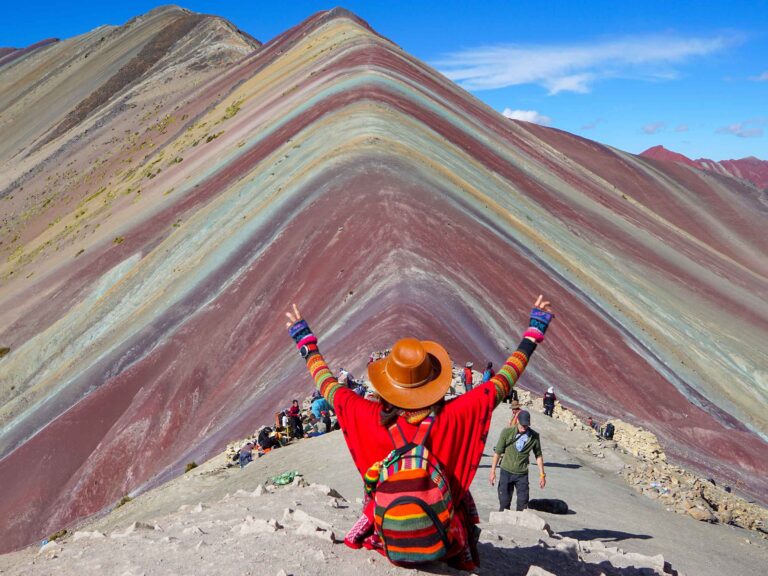
  • Witness the stunning Rainbow Mountain on the Ausangate Trek.
  • Experience the cultural richness of Andean villages on the Lares Trek.
  • Discover archaeological marvels on the iconic Inca Trail.
  • Enjoy the solitude of the Choquequirao Trek, which is less frequented by tourists.

Every trek in Cusco has its own story. Whether you seek culture, nature, or history, Cusco’s trails promise a remarkable journey. Each step brings discoveries, capturing the spirit of adventure.

Essential Tips for Trekking in Cusco

Preparing for a trek in Cusco requires careful planning. The region’s altitude and diverse weather conditions can be challenging. Being well-prepared enhances your experience significantly.

Acclimatization is crucial before starting your trek. Spend a few days in Cusco city to adjust to the high altitude. This simple step can help prevent altitude sickness, ensuring you’re fit and ready to trek.

Packing is another essential aspect to focus on. The weather can change quickly, so layered clothing is ideal. Don’t forget sturdy hiking boots, as they provide comfort and support on rocky paths.

Consider these quick tips to ensure a successful trek:

  • Book treks and permits well in advance.
  • Stay hydrated and consume high-energy foods.
  • Use a reputable guide for safety and insights.
  • Respect local customs and the environment.
  • Carry necessary medications for altitude sickness.

Lastly, always check the weather forecast before departure. Knowing the expected conditions can help you mentally and physically prepare. With these tips in mind, you’re set for an unforgettable journey through Cusco’s trails.

Inca Trail: The Legendary Route to Machu Picchu

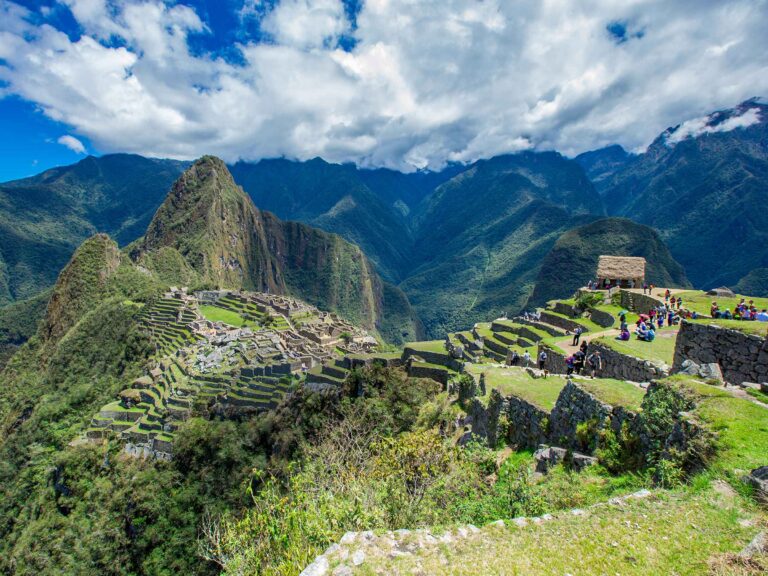
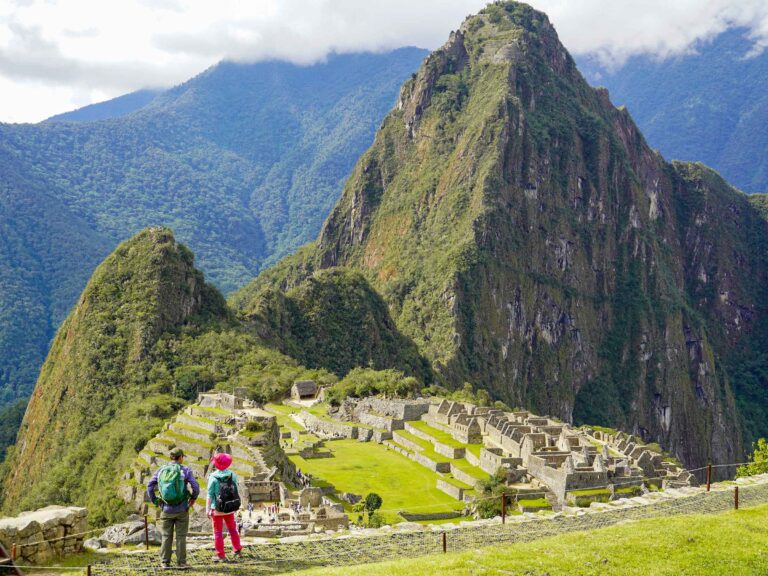
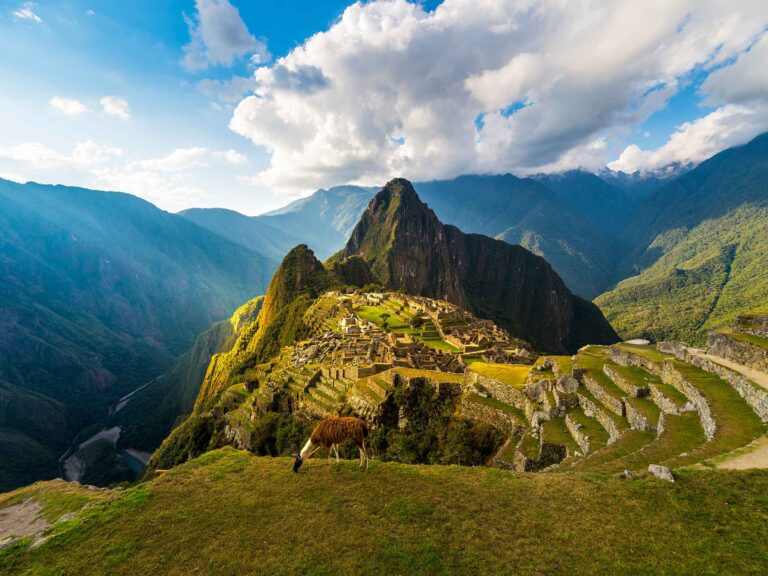
The Inca Trail is perhaps the most famous trek in Cusco, if not in the world. This legendary route was once a sacred path for the Inca civilization, leading to the iconic Machu Picchu.

Spanning approximately 42 kilometers, the trail takes you through breathtaking scenery. From dense cloud forests to ancient Inca ruins, each step on this trail is awe-inspiring. The journey culminates at the Sun Gate, where the first glimpse of Machu Picchu awaits.

This trek is challenging, with varying altitudes reaching up to 4,200 meters. Proper acclimatization is essential for trekkers to enjoy this adventure safely and comfortably. Fitness preparation before the trek is also recommended, given the demanding terrain.

Due to its popularity and environmental concerns, permits for the Inca Trail are limited. It’s advisable to book months in advance to secure your spot on this bucket-list trek. Guided tours are mandatory, enhancing safety and cultural understanding.

Here’s what you can expect along the trail:

  • Wiñay Wayna: An impressive archaeological site.
  • Dead Woman’s Pass: The highest point and a challenging ascent.
  • Stunning mountain vistas and varied ecosystems.
  • A chance to explore different Inca settlements.
  • Experiencing the sunrise over Machu Picchu at the end.

Experiencing the Inca Trail is like stepping back in time. With its rich history and diverse landscapes, it remains an unforgettable trek for those seeking both adventure and cultural immersion.

Salkantay Trek: The Scenic Alternative

For those seeking an alternative to the busy Inca Trail, the Salkantay Trek offers a tranquil yet captivating experience. Known for its stunning scenery, this trek takes you through an incredible mix of landscapes.

The trek spans over 60 kilometers, ranging from lush tropical forests to icy mountain passes. The highest point of the Salkantay Trek is the Salkantay Pass, situated at an altitude of 4,600 meters. Here, trekkers are treated to panoramic views of the snow-capped Salkantay Mountain.

Unlike the Inca Trail, no special permits are required for the Salkantay Trek, but hiring a guide is highly recommended. Guides provide valuable insights into the local culture and natural environment. The route is more flexible, allowing for adjustments in pace and itinerary.

Along this trek, adventurers will encounter:

  • The majestic Humantay Lake is a turquoise gem in the Andes.
  • A variety of flora and fauna as you descend into lush valleys.
  • Crystal-clear rivers and scenic waterfalls.
  • An opportunity to understand the local way of life in small Andean communities.
  • Diverse ecosystems and spectacular views at every turn.

The Salkantay Trek is a perfect blend of solitude and scenic beauty. It offers an immersive escape into nature while avoiding the crowds associated with more famous trails.

Lares Trek: Culture and Community in the Andes

The Lares Trek is a hidden gem for cultural enthusiasts. This trek is less traveled, providing an intimate glimpse into traditional Andean life. It’s an enriching experience centered around local communities.

Unlike other treks, the Lares Trail emphasizes cultural connections. As you journey through picturesque valleys, you’ll visit remote villages. Here, the local Quechua-speaking communities preserve their ancient customs. The trek offers genuine insights into their daily lives and traditions.

The Lares Trek typically spans three to four days. It covers diverse terrains, from lush greenery to rugged mountain paths. The trek includes refreshing stops at therapeutic hot springs. These natural hot pools are perfect for relaxation after a long day’s walk.

Highlights of the Lares Trek include:

  • Meeting local artisans who create vibrant woven textiles.
  • Exploring farmlands where traditional crops are cultivated.
  • Visiting picturesque high-altitude lakes.
  • Watching alpaca herds grazing peacefully.
  • Seeing breathtaking views of snow-capped peaks.

This trek offers an unforgettable cultural journey. It perfectly combines natural beauty with the richness of Andean heritage. The Lares Trek invites you to connect with the heart and soul of the Andes.

Ausangate Trek: High-Altitude Adventure and Rainbow Mountain

The Ausangate Trek is famed for its stunning, panoramic views. This high-altitude trek offers solitude and pristine landscapes. It’s a favorite for adventurers seeking a challenging experience.

Located in the Vilcanota mountain range, the trek often spans five to six days. It invites trekkers to traverse rugged paths at dizzying heights. Along the way, you’ll encounter glacial lakes and breathtaking snow-capped peaks.

A notable highlight is Rainbow Mountain (Vinicunca). Known for its colorful striations, it draws photographers and nature lovers alike. This natural wonder serves as a testament to the region’s extraordinary geology.

Other key features of the Ausangate Trek include:

  • Traversing high mountain passes, reaching elevations over 5,000 meters.
  • Witnessing varied wildlife, from llamas to Andean condors.
  • Experiencing untouched wilderness far from the crowds.
  • Visiting traditional Quechua communities that dot the route.

Due to its elevation and length, this trek is suitable for experienced hikers. Physical fitness and proper acclimatization are crucial for success. Nevertheless, the rewards are immense, offering some of the Andes’ most spectacular scenes. The Ausangate Trek remains a hidden treasure for those drawn to the heights of adventure.

Choquequirao Trek: The Lost City’s Challenge

The Choquequirao Trek is a hidden gem in the Andes. Often overshadowed by the Inca Trail, it offers a different allure. This trek promises solitude and a sense of discovery.

Choquequirao is known as the “sister” of Machu Picchu. The site is vast and less excavated, granting a glimpse into untamed history. It remains shrouded in jungle, adding to its enigmatic charm.

This trek is physically demanding, often spanning four to five days. The steep ascents and descents test even seasoned hikers. Reaching Choquequirao involves traversing mountains and steep ravines.

Highlights of the Choquequirao Trek include:

  • Exploring the archaeological site with far fewer visitors than Machu Picchu.
  • Observing vibrant flora and fauna along the trail.
  • Engaging with the story of Inca engineering and architecture.
  • Experiencing local culture through remote Andean villages.

Given its challenging nature, this trek is best for those with some hiking experience. However, the rewards of unspoiled beauty and historical intrigue are worth every step. Choquequirao represents an enriching journey for adventurous travelers willing to chart less-traveled paths.

Other Notable Cusco Hiking Trails

Apart from the well-known treks, Cusco offers diverse hiking trails that appeal to a range of interests. The region’s other routes may not lead to grand archaeological sites, but they reveal the untouched beauty of the Andes.

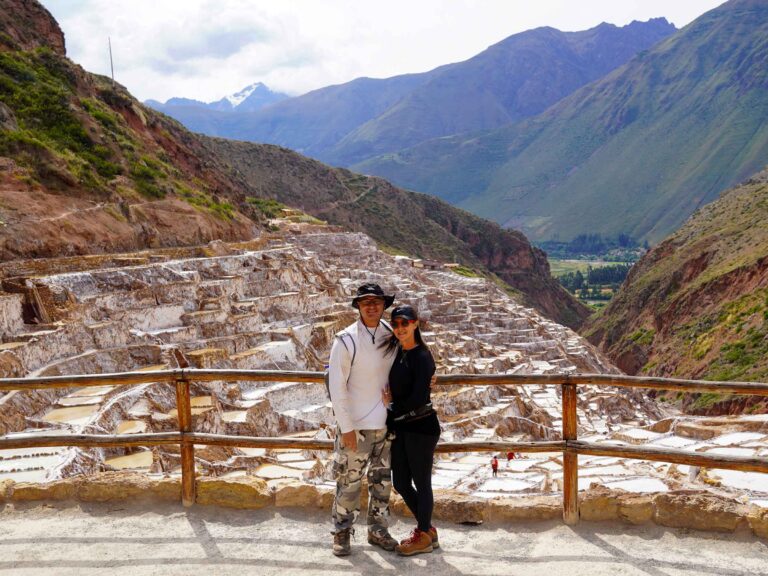
One notable trail is the Sacred Valley hike. This trail meanders through picturesque valleys and quaint villages. Trekkers can explore agricultural terraces and gain insight into local life. The route is ideal for those wanting to combine hiking with a cultural experience.

Another option is the Huchuy Qosqo Trek. This short but rewarding hike leads to an archaeological site with stunning views. It allows hikers to observe ancient Inca ruins without the usual crowds.

Highlights of these trails include:

  • Scenic views of the Andean landscapes.
  • Opportunities for cultural encounters in small communities.
  • Easier routes suitable for beginners or those with limited time.
  • Access to serene spots away from bustling tourist areas.

These trails offer unique insights into Cusco’s diverse ecosystem. They provide a chance to connect intimately with the land and its people. For those seeking off-the-beaten-path adventures, these lesser-known trails are worth exploring.

Comparing the Top Treks in Cusco

Each trek in Cusco offers unique experiences, making it essential to compare their features. Understanding these factors can help select the best trek based on personal interests and capabilities. The Inca Trail, known for its history, is often favored by those seeking to follow ancient paths.

In contrast, the Salkantay Trek is a perfect choice for nature lovers. It provides panoramic views of snow-capped peaks and lush forests. Meanwhile, the Lares Trek stands out for its cultural immersion, offering opportunities to interact with local communities.

When comparing, consider:

  • Inca Trail: Historical significance with dense tourist influx.
  • Salkantay Trek: Scenic diversity and ample solitude.
  • Lares Trek: Cultural focus with a tranquil atmosphere.
  • Ausangate Trek: High-altitude challenges and remote beauty.
  • Choquequirao Trek: Archaeological exploration with fewer crowds.

By evaluating these factors, trekkers can find a route that aligns with their trekking dreams and physical readiness.

Planning Your Trek: When to Go and What to Pack

Planning your trek in Cusco involves timing your visit during the right season. The best time for trekking is during the dry season, from May to September. During these months, the trails are generally dry, and the weather is more predictable.

Packing appropriately is crucial for a comfortable and enjoyable trek. The key is to prepare for varying weather, even during the dry months. Essential gear includes sturdy hiking boots, layered clothing for fluctuating temperatures, and a rain jacket.

Additionally, consider the following packing list to ensure you’re well-prepared:

  • High SPF sunscreen and a sun hat
  • A reusable water bottle and purification tablets
  • Snacks to maintain energy levels
  • A small first-aid kit for emergencies
  • A comfortable backpack to carry your essentials

With the right timing and packing, your Cusco trekking adventure will be both safe and memorable. It’s all about being prepared and staying adaptable to the unpredictable conditions of the Andes.

Sustainable Trekking and Responsible Travel

Sustainable trekking in Cusco not only preserves the stunning landscapes but also supports local communities. Responsible travel is about minimizing your environmental impact and respecting local cultures and traditions. It’s crucial for maintaining the beauty and integrity of Cusco’s natural and cultural heritage.

Consider adopting these practices for a more sustainable trekking experience:

  • Carry reusable water bottles and avoid single-use plastics
  • Respect wildlife and keep your distance
  • Follow Leave No Trace principles by packing out all trash
  • Support local economies by hiring local guides and staying in community-run accommodations

By embracing responsible travel, trekkers can help ensure these trails remain pristine for future generations. It’s a shared responsibility that enriches the trekking experience for everyone involved.

Sacred Valley Tour

Visit Pisac and Ollantaytambo to discover the treasures of the Sacred Valley. Enjoy impressive landscapes, Inca ruins, and local culture.
Tip: Wear comfortable, warm clothing, as temperatures can vary throughout the day. Don’t forget to bring water and sunscreen.

Frequently Asked Question: What is the Tourist Ticket, and do I need one for this tour? The Tourist Ticket is a pass that gives you access to various tourist sites in Cusco and the Sacred Valley. Yes, you will need the ticket to visit the ruins of Pisac and Ollantaytambo.

sacred valley private tour

sacred valley private tour

Tour the Humantay Lake

Summary: Explore the impressive Humantay Lagoon, famous for its turquoise waters and spectacular landscapes.
Tip: Bring warm clothing and comfortable walking shoes. Ensure you are well acclimatized before you hike, as the altitude can be challenging.
Frequently Asked Question: Can I do this hike if I don’t have hiking experience? The trek to Laguna Humantay can be challenging due to the altitude, but prior hiking experience is not necessary. It is nevertheless advisable to be physically fit.

Cusco Day Hikes

Tour to the Rainbow Mountain

Summary: Discover the famous Mountain of Seven Colors, a natural wonder with impressive multicolored landscapes.

Tip: Wear warm clothing and suitable walking shoes. You must be well-acclimatized before doing this trek.

Frequently Asked Question: Is it possible to do this hike if I suffer from altitude sickness? The Mountain of Seven Colors is at a high altitude, so it is vital to be well-acclimatized before doing the trek. Consult your doctor if you have any concerns about altitude sickness.

rainbow mountain travel package 3 days

rainbow mountain travel package 3 days

Tour to Machu Picchu

Overview: Visit the iconic citadel of Machu Picchu on an exciting full-day tour from Cusco.
Tip: Book your train tickets and entrance to Machu Picchu in advance, as tickets sell out quickly.
Frequently Asked Question: Is hiring a guide to visit Machu Picchu necessary? It is not mandatory, but a guide can offer fascinating insights into the city’s history and culture.

Summary of Some Suggested Tours:

  • Sacred Valley Tour: Explore the ruins of Pisac and Ollantaytambo while enjoying beautiful landscapes and the rich local culture.
  • Humantay Lagoon Tour: Discover the impressive Humantay Lagoon, a hidden gem in the Peruvian Andes.
  • Tour to the Rainbow Mountain: Marvel at the impressive multicolored landscapes of this famous mountain.
  • Machu Picchu Tour: Fulfill your dream of visiting the enigmatic citadel of Machu Picchu on an exciting day trip from Cusco.

Prepare your camera and adventurous spirit to explore these fantastic wonders near Cusco!

Conclusion: Choosing Your Perfect Cusco Trek

Choosing the perfect trek in Cusco depends on your interests and fitness level. Each trek offers a unique blend of natural wonders and cultural insights. Whether seeking a challenging adventure or an artistic journey, there’s a trek for everyone.

Reflect on what matters most to you on a trek. Consider the following:

  • Historical significance
  • Scenic beauty
  • Cultural encounters
  • Level of difficulty
  • Duration of the trek

The diversity of trekking options in Cusco ensures that every traveler finds their adventure path. With thoughtful planning, you can experience a trek that fulfills your expectations. Remember, each step you take in these majestic landscapes is a step toward a memorable journey. Cusco awaits, with its trails ready for those eager to discover its treasures.

Inquire Now

Contact form footer
Need help? Speak with us