
Exploring Chinchero Peru is one of the best ways to experience the living culture, traditions, and history of the Sacred Valley of the Incas. Located high in the Andes between Cusco and Urubamba, Chinchero combines ancient Inca ruins, colorful textile traditions, traditional markets, Andean landscapes, and authentic local communities into one unforgettable destination.
This travel guide explains what to see in Chinchero, how to experience its culture, when to visit, and why this Andean village remains one of the most important cultural destinations in the Sacred Valley.
Chinchero Best Travel Guide
Nestled high in the Andes Mountains of Peru, Chinchero is often called the “Birthplace of the Rainbow” for its colorful landscapes and traditional textiles that define the region.
The village sits at approximately 3,800 meters (12,500 feet) above sea level and offers spectacular views of the Sacred Valley and surrounding snow-capped mountains.
Unlike larger tourist destinations, Chinchero preserves much of its traditional Andean identity, allowing visitors to experience a more authentic side of Peru.
Walking through Chinchero feels like stepping into a living cultural landscape where Inca history, colonial architecture, weaving traditions, agriculture, and community life continue blending together naturally.
Travelers interested in Sacred Valley culture may also enjoy this Sacred Valley travel guide.

Chinchero Best Travel Guide
Where Is Chinchero Located?
Chinchero is located approximately 30 kilometers northwest of Cusco in the Sacred Valley region of Peru.
The village is easily accessible as a day trip from Cusco and is commonly included in Sacred Valley itineraries.
Travelers can reach Chinchero by:
- Private transportation
- Taxi services
- Guided Sacred Valley tours
- Local buses from Cusco
The route to Chinchero offers panoramic views of agricultural terraces, Andean villages, and mountain landscapes throughout the Sacred Valley.
Many travelers visit Chinchero before continuing on to Moray, the Maras Salt Mines, Ollantaytambo, or Urubamba.
The Chinchero Market Experience
One of the highlights of visiting Chinchero is its traditional Andean market.
The market is famous for colorful handmade textiles, traditional clothing, local produce, handicrafts, and cultural interactions with local artisans.
Unlike larger commercial markets, Chinchero maintains a strong connection to local community traditions and Andean craftsmanship.
Walking through the market allows visitors to experience:
- Traditional Quechua culture
- Handwoven alpaca textiles
- Natural dye demonstrations
- Traditional Andean clothing
- Local foods and produce
- Authentic artisan communities
The market atmosphere provides one of the best opportunities to observe daily life in a traditional Andean village.

Traditional Weaving in Chinchero
Chinchero is internationally recognized for its weaving traditions, which have been preserved for generations by local Andean families.
Many weaving cooperatives throughout the village demonstrate ancient textile techniques still used today.
Visitors can observe every stage of the weaving process, including:
- Spinning alpaca wool
- Natural dye preparation
- Traditional loom weaving
- Symbolic textile patterns
- Andean weaving techniques
Natural dyes are commonly made using native plants, minerals, and insects such as cochineal, which produces vibrant red colors.
The intricate patterns woven into the textiles often represent mountains, rivers, animals, agricultural cycles, and spiritual symbols important in Andean culture.
Travelers interested in local gastronomy and traditions may also enjoy this traditional Pachamanca cultural guide.

Chinchero’s Inca Ruins and Colonial Church
Chinchero is also home to important archaeological and historical sites connected to the Inca Empire.
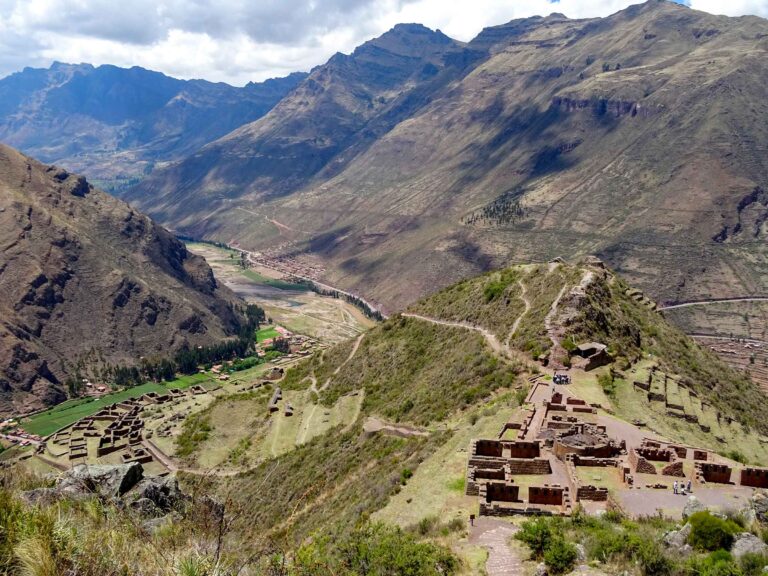
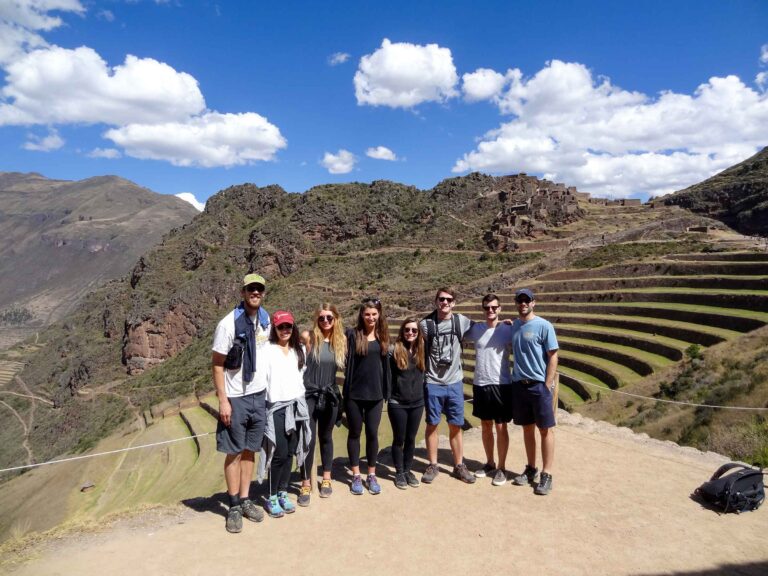
The village contains impressive agricultural terraces and stone structures originally built by the Incas.
These terraces demonstrate the advanced engineering and agricultural knowledge of Andean civilizations.
The colonial church of Chinchero was later built atop Inca foundations during the Spanish colonial period.
This combination of Inca and colonial architecture reflects the cultural blending that shaped much of Peru’s history after the Spanish conquest.
Inside the church, visitors can observe colonial artwork, murals, and religious paintings influenced by both Spanish and Andean traditions.

sacred-valley-tour-chinchero
Andean Community Life in Chinchero
One of the most valuable aspects of visiting Chinchero is the opportunity to observe traditional Andean community life.
Many families continue practicing ancestral agricultural methods, weaving traditions, and communal customs that have existed for centuries.
The local economy remains closely connected to:
- Farming
- Textile production
- Community cooperation
- Traditional celebrations
- Sacred Valley tourism
Festivals and religious ceremonies throughout the year preserve many ancient traditions while strengthening local cultural identity.
Visitors who respectfully engage with local communities often gain a deeper understanding of Andean values and cultural heritage.

Pachamama Ceremonies and Cultural Traditions
Chinchero remains deeply connected to Andean spirituality and traditional ceremonies honoring Pachamama, or Mother Earth.
Some visitors may have opportunities to observe or participate in cultural ceremonies connected to agriculture, gratitude, and mountain traditions.
These rituals reflect the Andean worldview, in which nature, mountains, water, and agriculture are considered sacred aspects of daily life.
Understanding these traditions helps travelers appreciate the spiritual and cultural depth of the Sacred Valley region.
Best Time to Visit Chinchero
Chinchero can be visited year-round, but the dry season between May and September generally offers the best weather.
During these months, travelers usually experience:
- Clear mountain views
- Sunny days
- Better photography conditions
- Comfortable walking weather
The rainy season between November and March creates greener landscapes but may also bring afternoon rain showers and muddy walking conditions.
Travelers interested in local festivals may also choose specific travel dates to experience traditional celebrations and ceremonies.
Altitude and Travel Tips for Chinchero
Because Chinchero sits at a high altitude, travelers should allow time for acclimatization before engaging in physically demanding activities.
Helpful travel tips include:
- Drink plenty of water
- Walk slowly during your first day
- Use sunscreen and sun protection
- Wear layered clothing for changing temperatures
- Carry cash for local markets
- Learn a few basic Spanish phrases
Travelers preparing for high-altitude destinations may also benefit from this Peru altitude travel guide.

Explore Sacred Valley and Chinchero Tours
Kondor Path Tours offers cultural and Sacred Valley experiences for travelers seeking to explore Chinchero, Andean traditions, Inca sites, and authentic local communities near Cusco.
- Sacred Valley Private Tour
- Super Sacred Valley Full-Day Tour
- Sacred Valley Tour from Ollantaytambo
- Sacred Valley Tour from Urubamba
- Ancasmarca Ruins Full-Day Tour
- Ñaupa Iglesia and Choquequilla Tour
- Moonstone Tour Ancahuasi
- Maras Moray Hike Experience
Conclusion
Chinchero remains one of the most culturally authentic destinations in the Sacred Valley of Peru.
Its combination of weaving traditions, Andean markets, Inca ruins, colonial history, mountain landscapes, and local community life creates a unique and enriching travel experience.
For travelers seeking deeper cultural immersion beyond Peru’s major tourist attractions, Chinchero offers an unforgettable opportunity to connect with the living traditions of the Andes.
From colorful textiles and traditional ceremonies to panoramic Sacred Valley views and ancient Inca terraces, Chinchero continues to preserve the spirit, culture, and heritage of Andean Peru.