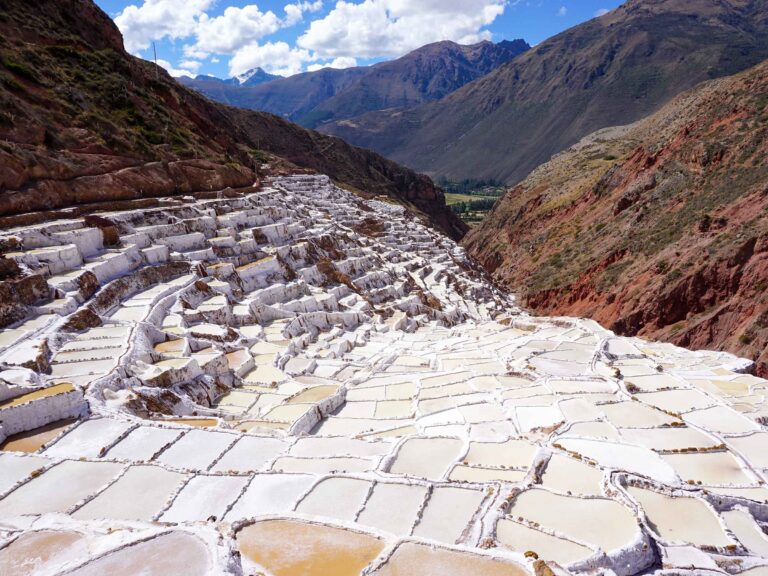

The Sacred Valley, also known as the Urubamba Valley, is located in the Andes of Peru. It was a crucial area for the Incas due to its rich soil, strategic location, and abundant resources. The valley stretches for about 60 kilometers and is nestled between the towns of Pisac and Ollantaytambo. It is flanked by the majestic Andes mountains, offering breathtaking views and a serene atmosphere.

The Sacred Valley was not only a geographical marvel but also a vital part of the Inca Empire. The Incas carefully chose this region for its potential to sustain agricultural productivity and its strategic military importance. The valley served as a significant trade route, linking the empire’s various parts and facilitating cultural exchanges. The Incas believed that the valley was a reflection of the Milky Way on earth, adding a layer of spiritual significance that permeated their construction and agricultural practices.
Due to its fertile lands and strategic location, the Sacred Valley was essential to the Incas. It was the empire’s crucial agricultural, spiritual, and political hub. The valley has impressive archaeological sites, including Ollantaytambo, Pisac, and Chinchero, offering a unique glimpse into the past.
The cultural richness of the Sacred Valley extends beyond its Inca roots. The valley is home to the Quechua people, descendants of the Incas, who continue to uphold their ancestors’ traditions. Their culture is evident in the vibrant textiles, music, and festivals that celebrate the valley’s heritage. These cultural practices not only honor Inca traditions but also incorporate influences from the Spanish colonial period, creating a unique cultural tapestry.
Today, the Sacred Valley is a testament to the resilience of the Quechua people and their ability to adapt while preserving their cultural identity. The valley has become a popular tourist destination, drawing visitors from around the world eager to explore its historical sites and breathtaking landscapes. Despite the influx of tourism, local communities have maintained their way of life, offering visitors an authentic experience of Andean culture and hospitality.

Sacred Valley of the Incas Best Complete Guide
The Sacred Valley is situated at an altitude ranging from 2,000 to 3,000 meters above sea level. The Urubamba River flows through the valley, providing water for agriculture and sustaining the local communities. The valley’s fertile land makes it an ideal location for farming, an activity that was significant for the Incas and remains essential for the local population today.
The valley’s topography is characterized by a diverse landscape, featuring rolling hills, steep mountains, and lush plains. These geographical features create a series of microclimates that have historically allowed for diverse agricultural practices. The Andes mountains not only provide a stunning backdrop but also act as natural barriers, influencing weather patterns and contributing to the valley’s ecological diversity.
Agriculture has been the lifeblood of the Sacred Valley for centuries. The fertile soil, nurtured by the Urubamba River, has enabled the cultivation of various crops, such as corn, potatoes, and quinoa. The Incas developed sophisticated farming techniques, including terracing and irrigation, to maximize the land’s potential. These practices are still in use today, highlighting the enduring legacy of Incan agricultural innovation.
The Sacred Valley’s strategic location made it a vital hub in the Inca Empire. Its position between Cusco and Machu Picchu facilitated trade and communication, allowing the Incas to maintain control over their vast territories. The valley’s natural defenses, provided by the surrounding mountains, further enhanced its strategic importance, making it a key site for both economic and military activities.
The climate in the Sacred Valley is generally mild and pleasant, making it an attractive destination year-round. The region experiences two main seasons: the dry season, from May to October, and the wet season, from November to April. During the dry season, you can expect clear skies and sunny days, while the wet season brings lush greenery and occasional rainfall.
The distinct seasons of the Sacred Valley offer unique experiences for visitors. The dry season is ideal for outdoor activities, with its clear skies providing excellent visibility for exploring archaeological sites and hiking trails. In contrast, the wet season transforms the valley into a verdant paradise, with rainfall nurturing the land and enhancing the landscape’s beauty. Each season presents its own charm, catering to different preferences and interests.
The climate of the Sacred Valley plays a crucial role in its agricultural productivity. The dry season allows for crop harvesting, while the wet season provides essential water for planting and growth. The Incas mastered the art of adapting to these climatic conditions, developing techniques to mitigate the risks of drought and flooding. This adaptability continues to benefit local communities, ensuring a steady supply of agricultural products year-round.
Determining the best time to visit the Sacred Valley depends on your interests and priorities. If you prefer outdoor adventures and exploring archaeological sites, the dry season offers the most favorable conditions. However, if you’re drawn to the lush landscapes and vibrant festivals, the wet season provides a unique perspective on the valley’s natural and cultural richness. Regardless of the season, the Sacred Valley’s welcoming communities and stunning vistas ensure a memorable experience.

The Sacred Valley was an essential part of the Inca Empire, serving as both an agricultural hub and a spiritual center. The Incas developed advanced farming techniques, including terracing and irrigation systems, to maximize the land’s productivity. The valley also held great spiritual significance, with many religious ceremonies and rituals held there.
The Incas were renowned for their agricultural prowess, and the Sacred Valley served as a testament to their ingenuity. They constructed extensive terracing systems that transformed steep hillsides into arable land, enabling the cultivation of a wide variety of crops. These terraces not only increased agrarian output but also prevented soil erosion, showcasing the Incas’ deep understanding of environmental sustainability.
For the Incas, the Sacred Valley was more than just a fertile land; it was a spiritual haven. The valley was dotted with sacred sites and temples where religious ceremonies were held to honor the gods and ensure the land’s prosperity. The Incas believed that the gods blessed the valley, and they conducted rituals to maintain harmony between the natural and spiritual worlds. These practices highlight the deep connection between the Incas and their environment.
The Sacred Valley played a crucial role in the Inca Empire’s political and economic landscape. Its strategic location facilitated trade and communication, allowing the Incas to maintain control over their vast territories. The valley’s agricultural productivity supported the empire’s growing population, providing a stable food supply essential to sustaining the Inca state. The Sacred Valley’s political and economic significance underscores its importance in the Inca Empire’s history.
The Sacred Valley is home to numerous archaeological sites that offer a glimpse into the lives of the ancient Incas. Here are some must-visit sites:
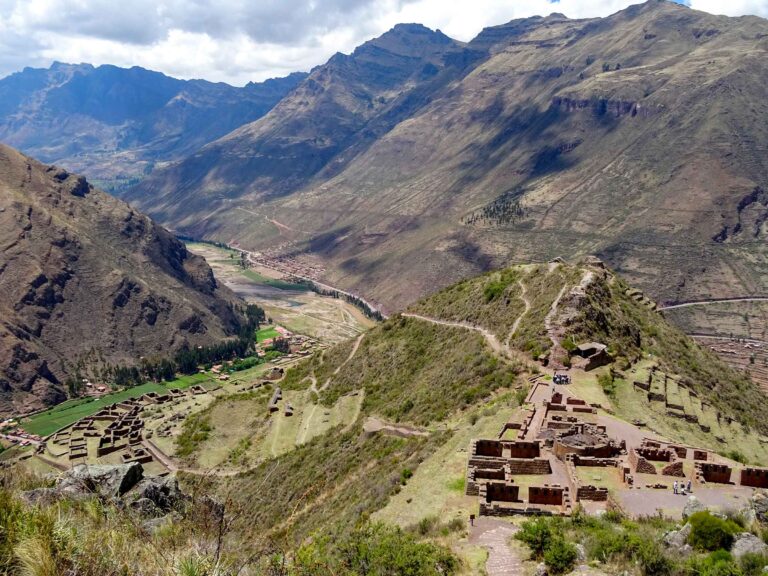
Pisac is famous for its impressive terraces and well-preserved ruins. The site includes a ceremonial center, residential areas, and a complex system of agricultural terraces. The Pisac market is also a popular attraction, where you can find traditional crafts and local produce.
Pisac’s archaeological site showcases the Incas’ architectural genius. The stone constructions are meticulously designed, reflecting the Incas’ advanced engineering skills. The ceremonial center, with its intricate stonework, stands as a testament to the site’s spiritual importance.
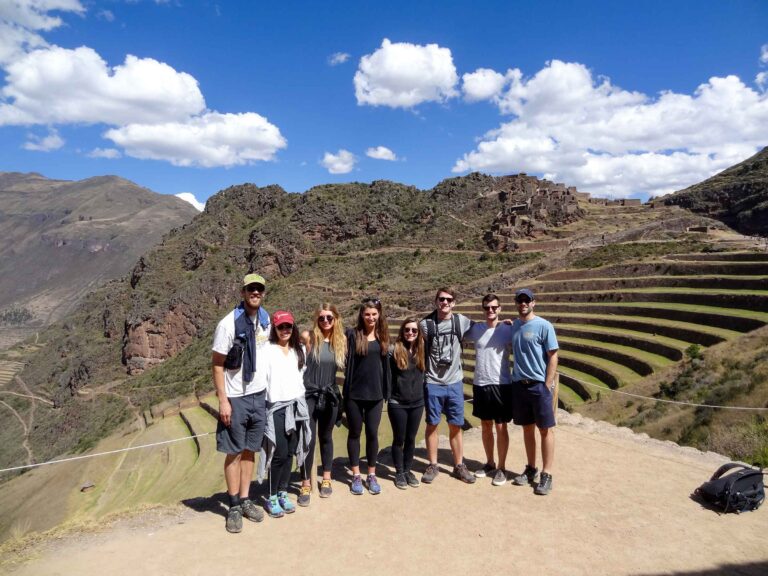
The terraces of Pisac are a striking example of Inca agricultural innovation. These terraces were used to cultivate various crops, demonstrating the Incas’ ability to adapt to the mountainous terrain. The site’s agricultural significance is further highlighted by the presence of ancient storage facilities, indicating the importance of food preservation.
The town of Pisac offers more than just historical insights. The vibrant market is a cultural hub where visitors can engage with local artisans and purchase handcrafted goods. The market’s lively atmosphere provides a glimpse into the daily life of the Quechua people, enriching the overall experience of visiting Pisac.
Ollantaytambo is a remarkable archaeological site and one of the best-preserved Inca towns. It features massive stone structures, terraces, and a fortress that served as a strategic military and religious center. The town itself is charming, with cobblestone streets and traditional Andean architecture.
Ollantaytambo’s fortress played a pivotal role in the Inca Empire’s defense strategy. Its strategic location allowed the Incas to control access to the Sacred Valley, making it a crucial military outpost. The fortress’s construction reflects the Incas’ military prowess and their ability to integrate defense mechanisms into their architectural designs.
The massive stone structures of Ollantaytambo are a testament to the Incas’ engineering capabilities. The precise stone-cutting and fitting techniques demonstrate the Incas’ mastery of construction, enabling them to create enduring monuments that have stood the test of time.
Ollantaytambo remains a living testament to Inca culture. The town’s layout and architecture have been preserved, offering visitors a unique opportunity to experience an authentic Inca settlement. The cobblestone streets and traditional buildings provide a glimpse into the daily life of the Incas, making Ollantaytambo a must-visit destination for history enthusiasts.
Moray is an intriguing archaeological site characterized by its circular terraces. The Incas used these terraces as an agricultural laboratory to study different microclimates and experiment with various crops. The site is a testament to the Incas’ ingenuity and understanding of agriculture.
Moray’s circular terraces are a remarkable example of Inca scientific exploration. The site’s design allowed the Incas to conduct agricultural experiments, studying the effects of different microclimates on crop growth. This innovative approach highlights the Incas’ dedication to advancing their agrarian knowledge.
The Incas’ use of Moray as an agricultural laboratory demonstrates their ability to adapt to diverse environmental conditions. The site’s terracing system allowed for the cultivation of a wide range of crops, showcasing the Incas’ understanding of ecological diversity and their commitment to sustainable agriculture.

Beyond its agricultural importance, Moray holds cultural and spiritual significance. The site’s circular design is believed to symbolize the cyclical nature of life, reflecting the Incas’ deep connection to the natural world. Visitors to Moray can gain insight into the Incas’ holistic worldview, where science and spirituality were intertwined.
Chinchero is a small village known for its colonial church and vibrant market. The town is built on Inca foundations, and you can still see remnants of ancient walls and terraces. Chinchero is also famous for its textile workshops, where you can learn about traditional weaving techniques.
Chinchero’s colonial church stands as a symbol of the region’s historical continuity. Built on Inca foundations, the church embodies the blending of Inca and Spanish influences, offering a unique perspective on the cultural transformations of the colonial period.
Chinchero is renowned for its vibrant textile industry. The village’s weaving workshops offer visitors the opportunity to learn traditional weaving techniques passed down through generations. These workshops offer a hands-on experience, allowing visitors to appreciate the artistry and craftsmanship of Andean textiles.
The Chinchero market is a lively gathering place where locals and visitors come together to exchange goods and stories. The market’s colorful stalls are filled with handcrafted items, fresh produce, and traditional foods, providing a sensory experience that captures the essence of Andean culture.
The Sacred Valley is home to diverse communities that preserve their rich cultural heritage. The local people, known as the Quechua, maintain their traditional customs, language, and way of life. Visitors can engage with local communities through homestays, cultural tours, and workshops showcasing traditional crafts such as weaving and pottery.
The Quechua people are the living descendants of the Incas, and their traditions are deeply rooted in the valley’s history. They speak the Quechua language, which is an integral part of their identity. The Quechua culture is expressed through music, dance, and storytelling, providing a rich tapestry of cultural expressions that visitors can experience firsthand.
Visitors to the Sacred Valley have the opportunity to immerse themselves in the local culture through community-based tourism initiatives. Homestays offer a unique chance to live with Quechua families, sharing in their daily routines and gaining insight into their way of life. Cultural tours and workshops provide hands-on experiences, allowing visitors to learn traditional crafts and cooking techniques.
The communities of the Sacred Valley are actively involved in preserving their cultural heritage. Initiatives such as cultural festivals and educational programs aim to keep traditional practices alive, passing them on to future generations. These efforts ensure that the Quechua culture continues to thrive, even as the valley becomes an increasingly popular tourist destination.
There are numerous ways to explore the Sacred Valley, with guided tours being a popular option. These tours offer a comprehensive experience, taking you to the most significant sites while providing insights into the valley’s history and culture. Some popular tour options include:
A full-day tour of the Sacred Valley is an excellent way to explore its key attractions. These tours typically include visits to archaeological sites such as Pisac, Ollantaytambo, and Chinchero, providing a well-rounded overview of the valley’s historical significance. Along the way, you’ll have the chance to explore local markets and workshops, offering a glimpse into the vibrant culture of the Quechua people.
For those seeking excitement, adventure tours offer a dynamic way to experience the Sacred Valley. Activities such as hiking, mountain biking, and horseback riding allow you to explore the valley’s stunning landscapes up close. These tours often include visits to lesser-known sites, providing an off-the-beaten-path experience that reveals hidden gems and breathtaking vistas.
Cultural tours provide an immersive experience for those interested in the valley’s rich traditions. These tours often include participation in traditional ceremonies, such as offerings to Pachamama (Mother Earth), and opportunities to learn about ancient crafts and cooking methods. Engaging with the Quechua communities in this way offers a deeper understanding of their cultural heritage and way of life.
When planning your visit to the Sacred Valley, keep the following tips in mind:
The Sacred Valley’s high altitude can pose challenges for some visitors, particularly those not accustomed to such conditions. To minimize the risk of altitude sickness, it’s essential to acclimate gradually. Staying hydrated, avoiding alcohol, and taking it easy during your first few days can help your body adjust to the altitude.
Navigating the Sacred Valley is made easier with a range of transportation options. Public transportation is available, but hiring a private guide or joining a tour can provide a more comprehensive experience. A knowledgeable guide can offer valuable insights into the valley’s history and culture, enhancing your overall experience.
The Sacred Valley offers a diverse range of accommodations to suit all budgets and preferences. From budget hostels to luxury hotels, visitors can find lodging that meets their needs. Staying in a local guesthouse or eco-lodge can provide a more authentic experience, allowing you to connect with the local community and enjoy the valley’s natural beauty.
The Sacred Valley is a paradise for nature lovers, with its diverse landscapes ranging from lush valleys to rugged mountains. The region is home to unique flora and fauna, including llamas, alpacas, and various bird species. Hiking trails, such as the famous Inca Trail, offer opportunities to explore the valley’s natural beauty and discover hidden gems along the way.
The Sacred Valley’s diverse ecosystems support a wide variety of plant and animal life. The valley is home to several endemic species, making it a biodiversity hotspot. The unique climate and geography create ideal conditions for a wide range of flora and fauna, offering ample opportunities for nature enthusiasts to observe and appreciate the valley’s natural wonders.
The Sacred Valley offers an array of hiking trails for hikers of all skill levels and interests. The famous Inca Trail is a must for those seeking adventure and a connection to history. Other trails lead to stunning viewpoints and hidden archaeological sites, offering a sense of discovery and exploration. Each trail provides a unique perspective on the valley’s breathtaking landscapes.
Preserving the Sacred Valley’s natural environment is a priority for local communities and conservation organizations. Sustainable tourism practices are encouraged to minimize the impact on the valley’s ecosystems. By supporting eco-friendly initiatives, visitors can help preserve the valley’s natural beauty, ensuring future generations can continue to enjoy its wonders.
The Sacred Valley is a historical treasure and a haven of natural beauty. The valley’s landscapes are awe-inspiring, from the verdant fields and terraces to the rushing Urubamba River.


The Urubamba River, also known as the Vilcanota River, runs through the valley’s heart, providing vital water for agriculture and creating a serene backdrop for exploration.
The towering peaks of the Andes, including the sacred mountains or “Apus,” such as Veronica and Chicon, watch over the valley, offering breathtaking vistas and challenging hiking trails.
The Sacred Valley is home to vibrant communities that maintain traditional Andean customs and lifestyles. Visiting local markets, participating in traditional ceremonies, and tasting local cuisine are just a few ways to connect with the valley’s rich culture.
Participating in or observing traditional ceremonies, such as offerings to Pachamama (Mother Earth), provides insight into the spiritual practices still integral to life in the Sacred Valley.
The Sacred Valley of the Incas is a treasure trove of history, culture, and natural beauty. With its fascinating archaeological sites, vibrant communities, and stunning landscapes, the valley offers an unforgettable experience for travelers. Whether you’re seeking adventure, cultural immersion, or simply a peaceful retreat, the Sacred Valley has something for everyone. Plan your visit today and embark on a journey through this enchanting region, where the echoes of the past resonate in the present and the splendor of nature captivates the soul.
The Sacred Valley is a journey through the heart of the Inca Empire, offering a unique blend of historical intrigue, natural beauty, and cultural richness. Whether exploring ancient ruins, hiking in the Andean mountains, or immersing yourself in local traditions, the Sacred Valley is a destination that captivates and inspires. It’s a reminder of the enduring legacy of the Incas and a testament to the vibrant spirit of the Andean people.
Peru is home to two of the most iconic landmarks in the world: the Sacred Valley and Machu…
Ultimate Sacred Valley Guide Best Experiences and Sights The Sacred Valley of the Incas, nestled in the Andean…
Maras and Moray Food Tour Embark on a journey through the heart of Peru with the Maras and…
Peru is a treasure trove of historic sites, with Machu Picchu often stealing the spotlight. However, the lesser-known…
Nestled in the heart of the Sacred Valley in Peru, the ancient sites of Maras and Moray offer…
Maras and Moray are two of the most fascinating and unique sites in Peru’s Sacred Valley. While they…
Planning Your Visit to the Sacred Valley The Sacred Valley of the Incas, nestled in the Peruvian Andes,…
Nestled in the heart of the Sacred Valley, the ancient sites of Maras and Moray offer a glimpse…
Chinchero Best Travel Guide Nestled high in the Andes Mountains of Peru, Chinchero is a destination rich in…
Exploring the Sacred Valley Nestled in the heart of the Andes, the Sacred Valley is a treasure trove…
Conquering Maras and Moray a Travelers Guide Visiting Maras and Moray is a must for anyone traveling to…
Sacred Valley is just an hour’s drive from Cusco, but you’ve entered another area. With Inca ruins scattered…