
Sacred Valley Peru: Top Places to See and Things to Experience

Sacred Valley Peru: Top Places to See and Things to Experience


Ultimate Sacred Valley Guide Best Experiences and Sights

The Sacred Valley of the Incas, nestled in the Andean highlands of Peru, is a mystical destination that enchants travelers with its breathtaking landscapes, traditional villages, and ancient Inca sites. Whether you’re an adventurer, a history buff, or someone seeking tranquility, the Sacred Valley offers experiences that cater to every kind of traveler. In this ultimate guide, we will explore the best experiences and sights in the Sacred Valley, ensuring your journey is unforgettable.

The Sacred Valley, also known as the Urubamba Valley, was considered sacred by the Incas due to its fertile lands and strategic location. It stretches approximately 60 kilometers from Pisac to Ollantaytambo, surrounded by stunning mountain scenery and dotted with archaeological sites, vibrant markets, and authentic villages. This valley was once the heart of the Inca Empire and still holds remnants of its glorious past.

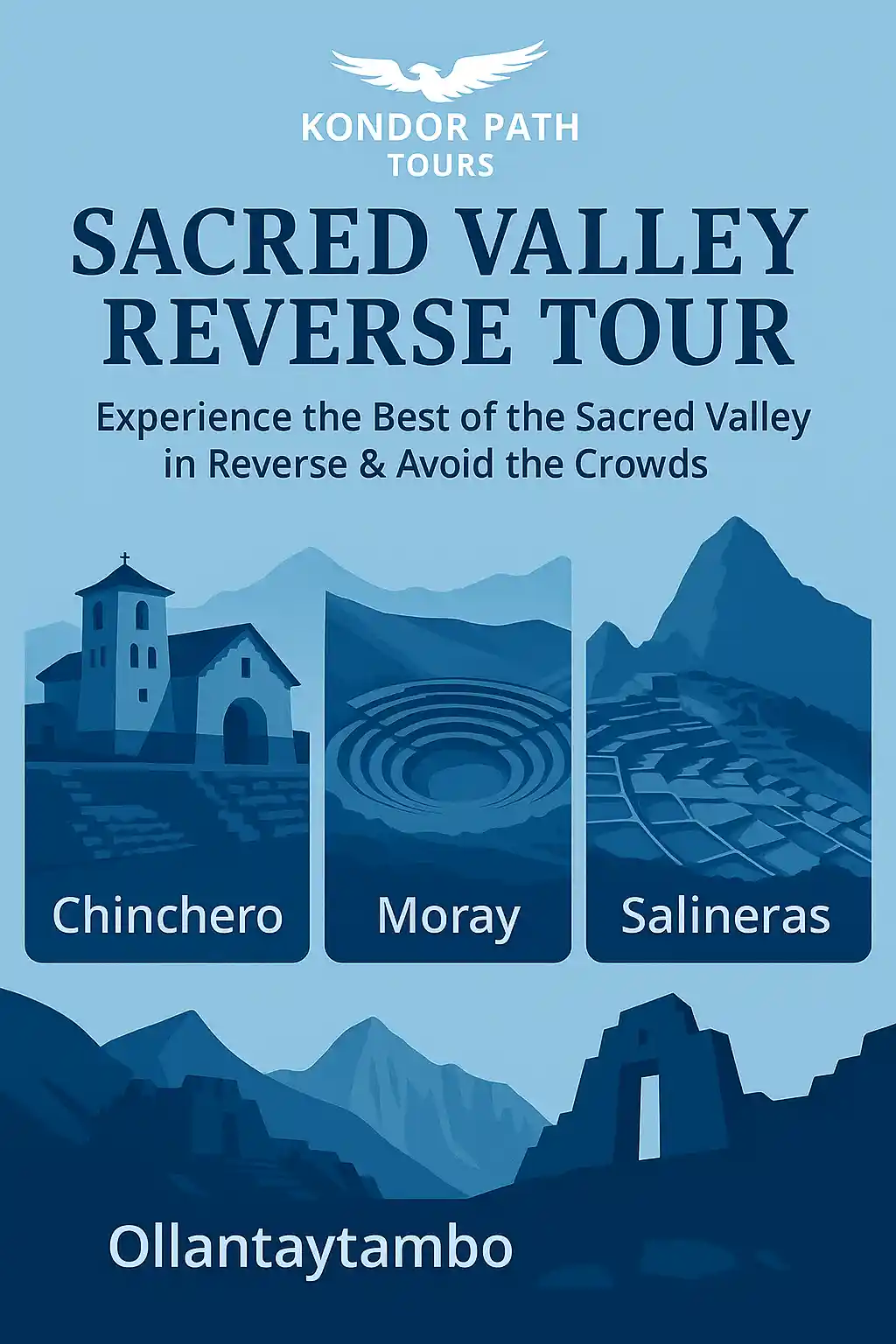
Infographic outlining the Sacred Valley reverse tour with reverse-order route visuals, archaeological site icons, viewpoint markers, and key stops visited in an alternative sequence.

A visual guide to the Sacred Valley reverse tour, showcasing its alternative route sequence, scenic viewpoints, and strategically timed visits to key sites.

The Sacred Valley was more than just fertile ground; it was the epicenter of Inca civilization. The valley’s unique geography provided a natural defense system, making it a vital area for the Incas. The remnants of their advanced agricultural systems and fortifications highlight their ingenious use of the landscape. Today, these historical sites offer a window into the past, showcasing how the Incas lived, worked, and thrived.

The valley’s geographical features contribute significantly to its allure. Surrounded by towering Andean peaks, the valley is carved by the Urubamba River, which adds to its lushness. The dramatic contrasts between the rugged mountains and the verdant valley floors create a breathtaking setting that has captivated travelers for centuries. These features also create microclimates, which the Incas ingeniously exploited for agriculture.

The cultural legacy of the Sacred Valley is evident in its vibrant traditions and customs. Many of the valley’s villages maintain ancient practices, from weaving to farming, reflecting a deep connection to their Inca roots. Festivals and rituals held throughout the year pay homage to both their Inca and colonial past, offering travelers a unique opportunity to witness living history.

Ultimate Sacred Valley Guide Best Experiences and Sights

Ultimate Sacred Valley Guide Best Experiences and Sights

Exploring Inca Sites

The Sacred Valley is home to some of the most remarkable Inca ruins. Pisac, Ollantaytambo, and Chinchero are must-visit sites that offer a glimpse into the architectural brilliance and cultural heritage of the Incas.

Pisac

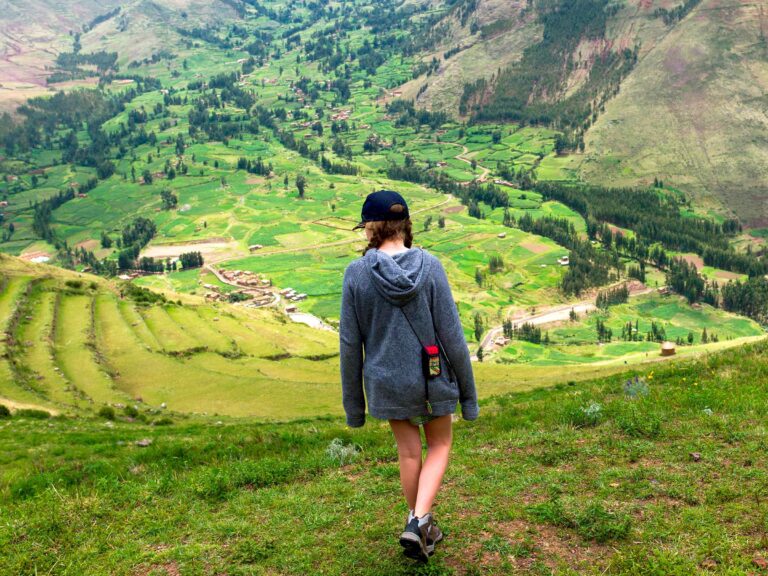
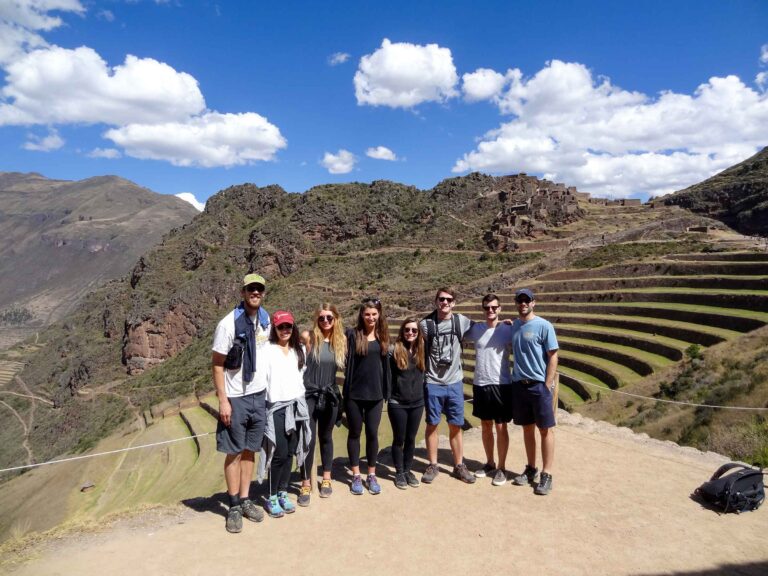
Pisac is renowned for its impressive agricultural terraces that cascade down the mountainside, demonstrating the Inca’s mastery of farming in challenging terrain. The site is also known for its vibrant market, where visitors can purchase local crafts and textiles. Walking through Pisac provides insight into the daily life of the Incas, with its well-preserved temples and living quarters.

Ollantaytambo

Ollantaytambo stands as a testament to the military prowess of the Incas. This ancient fortress is characterized by its massive stone structures and intricate water channels, which continue to function today. The town itself is a living museum, with its original Inca layout preserved. Climbing to the top of the fortress offers panoramic views of the surrounding mountains, a sight that is both humbling and inspiring.

Chinchero

Chinchero offers a unique blend of history and culture. Famous for its traditional weaving techniques, visitors can observe local artisans at work, preserving skills passed down through generations. The site also features Inca ruins alongside a colonial church, symbolizing the fusion of Inca and Spanish cultures. The vibrant Sunday market is a highlight, where traditional textiles and crafts are sold.

Traditional Villages

The Sacred Valley is dotted with charming villages where time seems to stand still. Maras, Moray, and Yucay are among the villages that should be on your itinerary.

Maras

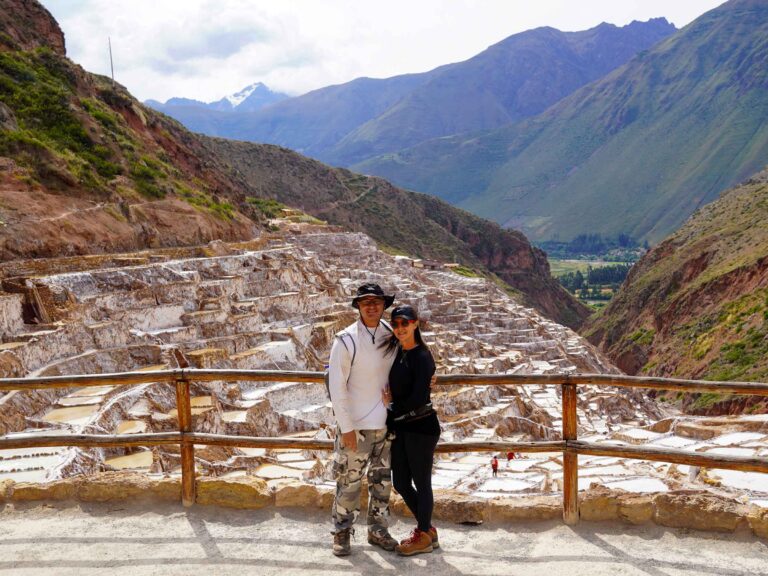
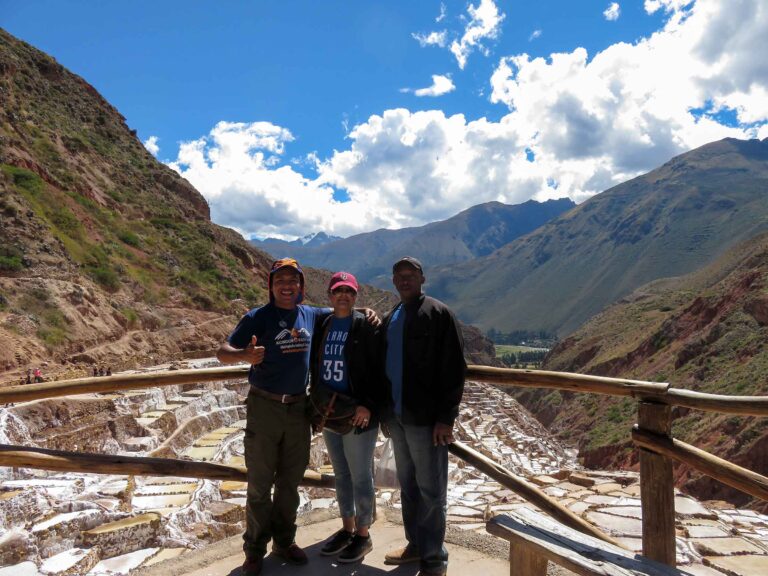
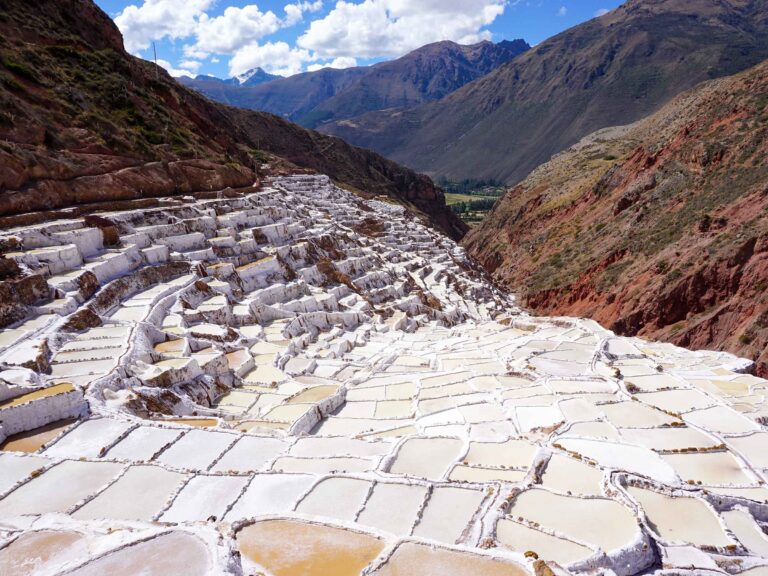
Maras is famous for its ancient salt mines, which have been in operation since pre-Inca times. The salt pans create a patchwork of white against the mountain backdrop, offering a unique visual experience. Visitors can learn about the traditional methods of salt extraction and purchase high-quality pink salt as a souvenir. The village’s serene atmosphere provides a peaceful retreat from the bustling tourist sites.

Moray

The archaeological site of Moray is an agricultural laboratory of the Incas. Its circular terraces are believed to have been used for testing crop growth under different microclimates. Walking through Moray, one can appreciate the Inca’s innovative approach to agriculture, which allowed them to cultivate a variety of crops at different altitudes. The site is not only an archaeological wonder but also a testament to the Incas’ scientific ingenuity.

Yucay

Yucay is a tranquil village surrounded by lush landscapes, making it perfect for those seeking a peaceful retreat. Its fertile lands were once favored by Inca royalty, and today visitors can explore the remnants of royal estates and agricultural terraces. Yucay’s natural beauty and gentle pace of life offer a respite from the more tourist-heavy areas, providing a genuine glimpse into rural Andean life.

Adventure Activities

For thrill-seekers, the Sacred Valley offers a range of adventure activities such as hiking, mountain biking, and white-water rafting. The diverse landscapes provide an ideal playground for outdoor enthusiasts.

Hiking

Hiking in the Sacred Valley is a journey through stunning landscapes and hidden gems. The trails vary in difficulty, catering to both novice hikers and seasoned trekkers. As you trek through the valley, you’ll encounter breathtaking views of the Andes, lush valleys, and ancient ruins. Each trail tells a story of the land and its people, making every step an exploration of both nature and history.

Mountain Biking

Mountain biking in the Sacred Valley offers a thrilling way to experience the rugged terrain. The trails range from gentle paths to challenging routes, providing options for all skill levels. Biking allows you to cover more ground and witness the valley’s diverse ecosystems, from arid landscapes to verdant forests. The rush of descending a mountain path is matched only by the beauty of the scenery unfolding before you.

White-Water Rafting

White-water rafting on the Urubamba River is an exhilarating experience that combines adventure with the stunning backdrop of the Andes. The river offers sections for both beginners and experienced rafters, ensuring a safe yet thrilling ride. As you navigate the rapids, you’ll be surrounded by the valley’s natural beauty, providing a unique perspective of the landscape and a memorable adrenaline rush.

Sacred Valley vs. Cusco: A Comparison

While Cusco is often the starting point for a journey to the Sacred Valley, the two destinations offer distinct experiences. Cusco is a bustling city with a rich blend of Inca and Spanish colonial architecture, while the Sacred Valley is more serene, focusing on nature and history. Both are worth visiting, but the Sacred Valley offers a more relaxed atmosphere and a deeper connection with Inca heritage.

Urban Experience vs. Natural Beauty

Cusco, with its vibrant city life, offers a plethora of cultural attractions, from museums to lively markets. It’s a place where history and modernity coexist, providing a dynamic experience. In contrast, the Sacred Valley’s allure lies in its tranquility and natural beauty. The valley’s landscapes offer a peaceful escape from the urban hustle, inviting visitors to connect with nature and history.

Architectural Marvels

Cusco is renowned for its architectural marvels, including the iconic Qorikancha and Sacsayhuamán. These structures showcase the fusion of Inca and Spanish colonial influences. In the Sacred Valley, the focus shifts to the ingenuity of Inca architecture, with sites like Ollantaytambo and Pisac displaying the civilization’s engineering prowess. Both locations offer unique insights into the architectural achievements of the past.

Cultural Immersion

Cusco’s cultural scene is vibrant, with festivals, music, and dance central to daily life. Visitors can immerse themselves in the city’s cultural tapestry through events and culinary experiences. The Sacred Valley, on the other hand, offers a more intimate cultural immersion, with opportunities to engage with local communities and participate in traditional practices. Each destination provides a distinct cultural experience that enriches the overall journey.

Best Time to Visit the Sacred Valley

The best time to visit the Sacred Valley is during the dry season, from May to October. The weather is generally sunny, with low rain chances, making it ideal for outdoor activities and exploration. However, this is also the peak tourist season, so expect larger crowds. If you prefer a quieter experience, consider visiting during the shoulder months of April or November.

If you’re hoping for blue skies and crisp mountain air, plan your Sacred Valley adventure between May and September, when the region enjoys its dry season. These months offer ideal conditions for exploring archaeological sites and trekking through the Andean landscapes. Because it’s peak season, expect more visitors at popular attractions like Pisac and Ollantaytambo. Those seeking fewer crowds might prefer the shoulder months of April and October, when the scenery remains stunning, and the atmosphere is more peaceful.

Seasonal Variations

The Sacred Valley experiences distinct seasonal variations that influence travel plans. The dry season, characterized by clear skies and warm days, is perfect for hiking and exploring archaeological sites. The wet season, from November to March, brings lush landscapes and fewer tourists. While rain may disrupt some activities, it also offers a unique perspective of the valley’s vibrant nature.

Festival Calendar

Visiting during local festivals can enhance the travel experience, offering a glimpse into the valley’s cultural richness. The Inti Raymi festival in June celebrates the winter solstice with colorful processions and traditional rituals. Similarly, the Virgin of Carmen festival in July showcases vibrant dances and parades. These events provide an opportunity to witness local traditions and join in the celebrations.

Wildlife and Nature

Different times of the year bring different natural spectacles to the Sacred Valley. The dry season offers clear views of the Andean peaks and is ideal for wildlife spotting, with opportunities to see local fauna, including llamas and alpacas. The wet season, though less predictable, transforms the valley into a green oasis, attracting a variety of bird species. Each season offers unique opportunities to connect with the valley’s natural environment.

Getting Around the Sacred Valley

Traveling around the Sacred Valley is relatively easy, with a variety of transportation options available.

Buses and Collectivos

Buses and collectivos are a cost-effective way to navigate the Sacred Valley. These shared minibusses connect major towns and villages, offering frequent service and a chance to travel like a local. They are ideal for short distances and provide a glimpse into daily life in the valley. While they may lack the comfort of private transport, their affordability and convenience make them a popular choice.

Private Tours

Hiring a private guide offers flexibility and personalized experiences. Guides can tailor itineraries to individual interests, allowing for a deeper exploration of the valley’s hidden gems. They provide valuable insights into the region’s history and culture, enriching the travel experience. A private tour offers a more relaxed pace, allowing you to ask questions and engage with the guide’s expertise.

Car Rentals

Renting a car provides the freedom to explore the Sacred Valley at your own pace. It allows for spontaneous detours to off-the-beaten-path locations and the flexibility to linger at sites of interest. While driving in the valley requires some navigation skills due to winding roads and varying conditions, the independence it offers is unparalleled. For those who value autonomy, a rental car is an excellent option.

Sacred Valley Altitude Sickness Tips

The Sacred Valley is situated at a high altitude, and visitors may experience altitude sickness. To minimize its effects, consider the following tips:

Acclimatize Gradually

Spending a few days in Cusco before heading to the Sacred Valley can help your body adjust to the altitude. This gradual acclimatization reduces the risk of altitude sickness, allowing you to enjoy your trip without discomfort. During this time, engage in light activities and avoid overexertion.

Stay Hydrated

Staying hydrated is crucial at high altitudes. Drinking plenty of water helps your body adjust to the lower oxygen levels. Avoiding alcohol and caffeine is also advisable, as they can contribute to dehydration. Herbal teas, particularly coca tea, are popular remedies for alleviating altitude-related symptoms.

Take it Easy

Avoiding strenuous activities during the first few days is important for acclimatization. Listen to your body and rest if you feel unwell. If symptoms persist, seek medical attention. Taking it easy ensures that you can fully enjoy the Sacred Valley without the discomfort of altitude sickness.

How Many Days in the Sacred Valley?

The number of days you spend in the Sacred Valley depends on your interests and itinerary. A minimum of three days is recommended to explore the main sites and enjoy some leisure time. However, if you want to delve deeper into the culture and engage in adventure activities, consider extending your stay to five days or more.

Short Visits

For those with limited time, a three-day itinerary can cover the valley’s highlights. This includes visits to major Inca sites, a village tour, and a day of adventure activities. While brief, this itinerary provides a taste of the valley’s diverse offerings, leaving travelers with memorable experiences.

Extended Stays

An extended stay allows for a more immersive experience. With five days or more, visitors can explore lesser-known sites, participate in local workshops, and engage in a variety of adventure activities. This additional time provides opportunities for deeper cultural connections and a more relaxed pace of exploration.

Tailored Itineraries

Tailoring your itinerary to match personal interests can enhance the Sacred Valley experience. Whether you focus on history, culture, or adventure, customizing your visit ensures you make the most of your time in the valley. Consider consulting with local experts to create an itinerary that aligns with your preferences and travel goals.

Is the Sacred Valley Worth Visiting?

Absolutely! The Sacred Valley is a treasure trove of history, culture, and natural beauty. Its combination of majestic landscapes, ancient ruins, and traditional villages makes it a must-visit destination for anyone traveling to Peru. Whether you’re seeking adventure, relaxation, or a deeper understanding of Inca civilization, the Sacred Valley will leave you with memories to cherish for a lifetime.

A Journey Through Time

The Sacred Valley offers a journey through time, with each site telling a story of the Inca Empire’s grandeur. From the architectural marvels of the ruins to the vibrant traditions of the local villages, the valley is a living testament to a rich and enduring culture. This historical depth adds a layer of significance to every visit.

Natural Wonders

The valley’s natural wonders are as captivating as its historical sites. The dramatic landscapes, from the towering Andes to the fertile riverbanks, provide a stunning backdrop for exploration. Whether hiking the trails or simply enjoying the views, the Sacred Valley’s natural beauty is an integral part of its appeal.

Cultural Encounters

Engaging with the Sacred Valley’s local communities offers a unique cultural encounter. Visitors can learn traditional crafts, participate in festivals, and experience daily life in the Andes. These interactions provide a deeper understanding of the region’s cultural heritage and foster connections that enrich the travel experience.

In conclusion, the Sacred Valley offers a diverse range of experiences to suit every traveler’s preferences. From exploring ancient Inca sites to engaging with local communities, this enchanting valley promises a journey filled with discovery and wonder. So pack your bags and get ready to embark on an unforgettable adventure in the heart of the Andes.

sacred valley urubamba

Sacred Valley Urubamba

Getting to the Sacred Valley

Located just an hour from Cusco, the Sacred Valley is one of the most accessible and rewarding destinations in southern Peru. Most travelers begin their journey in Cusco, the former Incan capital, which can be easily reached by a short flight from Lima, Peru’s bustling capital city.

  • From Cusco, there are several ways to reach the Sacred Valley:
  • Bus or Minivan: Affordable daily services travel between Cusco and towns like Pisac, Urubamba, and Ollantaytambo.
  • Private Transfer or Taxi: For comfort and flexibility, arrange a private transfer or hire a local taxi to explore at your own pace.
  • Guided Tour: Joining a guided day or multi-day tour offers a seamless experience, combining transportation with expert insights into the valley’s history and culture.
reverse sacred valley 1 day

reverse sacred valley 1 day

Top Attractions in the Sacred Valley of the Incas

Pisac – Culture and Craftsmanship in the Andes

A visit to Pisac combines the best of Inca heritage and Andean tradition. Its ancient ruins, perched high above the valley, reveal a masterful system of terraces and temples once central to Inca agriculture and religion. Down below, the Pisac market comes alive with local artisans selling colorful textiles, ceramics, and silverwork. This unique blend of living culture and ancient history makes Pisac one of the most rewarding stops in the Sacred Valley.

Ollantaytambo – The Living Inca Fortress

Steeped in history and Andean charm, Ollantaytambo stands as one of the most impressive Inca archaeological sites in Peru. Its towering terraces, stone temples, and intricate urban layout demonstrate the empire’s extraordinary engineering and design. The town itself is unique—still inhabited and preserving the original Incan street grid. Visitors can explore the fortress, learn about Inca battles, or continue their journey by catching the train to Machu Picchu directly from Ollantaytambo station.

Urubamba – The Heart of the Sacred Valley

Nestled among towering mountains and fertile fields, Urubamba serves as the valley’s cultural and logistical center. The town’s mild climate and central location make it a convenient base for visiting nearby attractions like Maras, famous for its terraced salt ponds, and Moray, an ancient Incan agricultural laboratory. Urubamba also offers authentic Andean experiences—from local markets to traditional Peruvian cuisine—providing travelers with a genuine taste of life in the Sacred Valley.

Chinchero – The Weaving Village of the Andes

Located on a scenic plateau overlooking the Sacred Valley, Chinchero is known for its masterful weavers and colorful traditional markets. The town’s artisans continue to use natural dyes and ancestral weaving techniques passed down through generations. In the main square stands a colonial-era church, built over ancient Incan walls, offering insight into the area’s layered history. Chinchero is the perfect place to experience living Andean culture while supporting local communities.

sacred valley day trek

Sacred Valley Day Trek

Sacred Valley Private Tours

  • Sacred Valley Private Tour, Full Day Tour – Explora el Valle Sagrado de los Incas en una visita privada de un día completo, descubriendo los principales sitios arqueológicos y culturales con un guía experto.
  • Super Sacred Valley Full-Day Tour – Disfruta de un tour completo de un día por el Valle Sagrado, visitando lugares destacados como Pisac, Ollantaytambo y más, con una inmersión cultural en la historia inca.
  • Sacred Valley Trip from Ollantaytambo – Realiza un viaje desde Ollantaytambo por el Valle Sagrado, explorando sitios arqueológicos y disfrutando de los paisajes impresionantes de la región.
  • Sacred Valley Tour from Urubamba – Únete a un tour del Valle Sagrado desde Urubamba, visitando ruinas incas y pueblos tradicionales, con una experiencia cultural auténtica.
  • Full-Day Tour Ancasmarca Ruins – Explora las ruinas de Ancasmarca en un tour de un día completo, descubriendo la historia y la arquitectura de este antiguo sitio arqueológico.
  • Ñaupa Iglesia Tour Choquequilla – Visita los enigmáticos sitios de Ñaupa Iglesia y Choquequilla en un tour de un día, aprendiendo sobre los misterios y leyendas de estos lugares sagrados.
  • Full-Day Moonstone Tour – Participa en un tour de un día completo al Moonstone (Piedra de Luna) en Ancahuasi, explorando este fascinante sitio arqueológico y sus alrededores.
  • Pisac Ruins Hike 01-Day – Realiza una caminata por las ruinas de Pisac en un tour de un día, disfrutando de vistas panorámicas y explorando la historia y cultura del lugar.
  • Maras Moray Hike – Sightseeing views from Snow Mountains – Disfruta de una caminata por Maras y Moray, con impresionantes vistas de las montañas nevadas, explorando los experimentos agrícolas incas y las minas de sal.

Where to Stay in the Sacred Valley

Accommodation in the Sacred Valley ranges from simple guesthouses run by local families to world-class resorts offering spa treatments and panoramic views. Urubamba and Ollantaytambo are popular choices thanks to their central locations and easy access to major archaeological sites. Whether you’re looking for comfort, authenticity, or a touch of luxury, the valley’s warm hospitality ensures a relaxing and memorable stay.

Travel Tips for the Sacred Valley

  • Adjust to the Altitude: The Sacred Valley’s elevation is lower than Cusco’s, but visitors should still acclimate gradually and stay hydrated to prevent altitude sickness.
  • Honor Local Traditions: When visiting villages or sacred sites, respect local culture—dress modestly, avoid littering, and be mindful of local beliefs.
  • Getting Around: Because transport between towns is limited, it’s best to hire a driver or join a small-group tour to easily reach key sites like Pisac, Maras, and Ollantaytambo.

Altitude Acclimatization

Take time to acclimatize to the altitude before engaging in strenuous activities. Staying hydrated and taking it easy for the first few days can help prevent altitude sickness.

Respect Local Traditions

The Sacred Valley is home to many indigenous communities that still maintain their traditional way of life. Always ask for permission before taking photos, and respect local customs and traditions.

Conclusion

Exploring the Sacred Valley is like stepping into a living museum of Incan history and Andean life. The region’s intricate ruins, colorful markets, and majestic mountains showcase the brilliance of a civilization that thrived in harmony with nature. Whether you’re drawn to its archaeology, its culture, or its natural splendor, the Sacred Valley offers an experience that stays with you long after you leave its timeless landscapes.

Inquire Now

Contact form footer
Need help? Speak with us