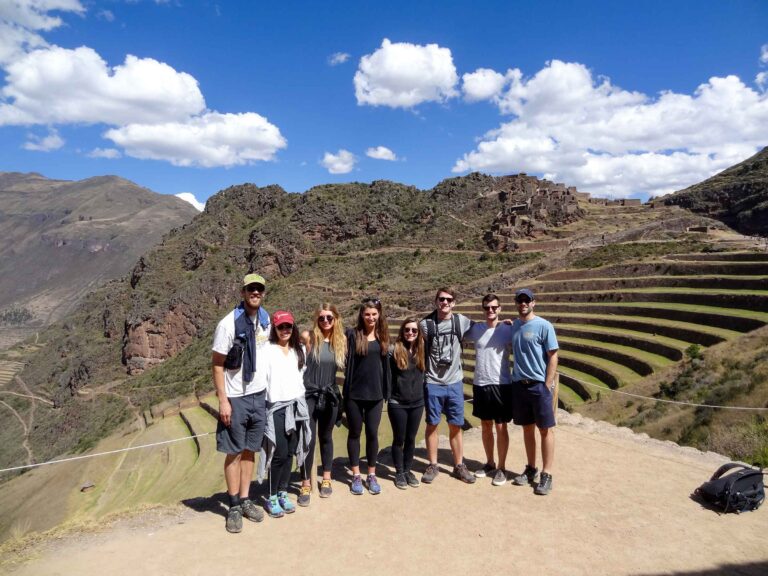

Walking the Ancient Terraces of Moray and the Salt Mines of Maras

Walking the Ancient Terraces of Moray and the Salt Mines of Maras


Conquering Maras and Moray a Travelers Guide

Visiting Maras and Moray is a must for anyone traveling to Peru’s Sacred Valley. These unique sites offer a fascinating glimpse into the history and culture of the Inca civilization. This guide will help you explore the breathtaking landscapes and intriguing historical sites of Maras and Moray, ensuring a memorable and meaningful cultural visit.

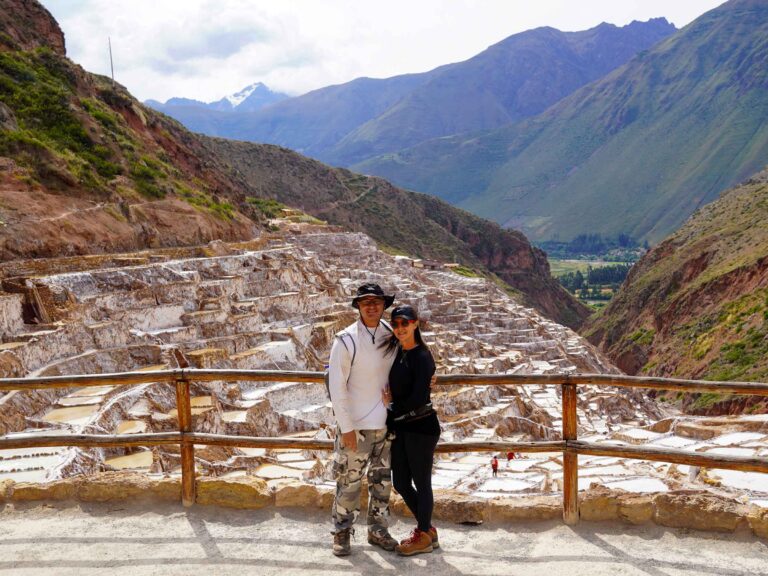
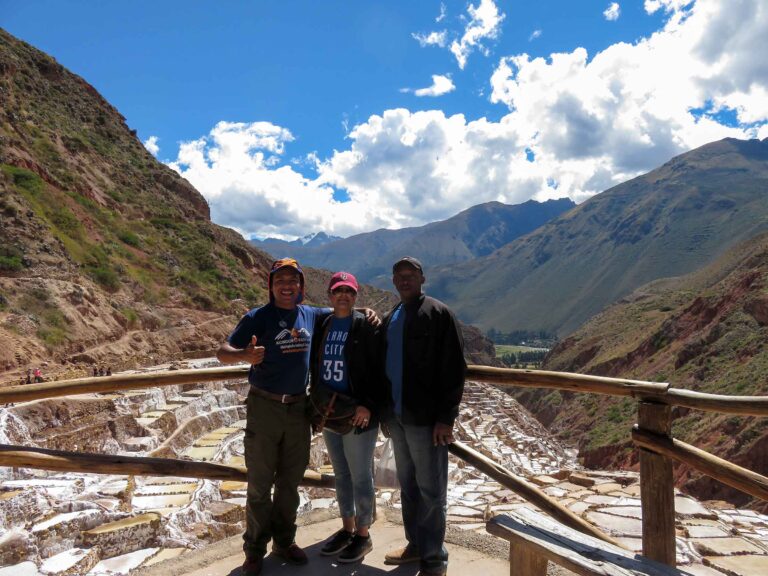
The Maras Salt Mines are a spectacular sight. Located about 40 kilometers north of Cusco, these salt pans have been in use since pre-Inca times. Today, locals continue to harvest salt using the same traditional methods passed down through generations.

The Maras Salt Mines, also known as Salineras de Maras, have an illustrious history spanning over 500 years. Initially developed by the Incas, these salt mines were a revolutionary method for extracting salt from an underground saline stream. The Incas ingeniously channeled water into thousands of terraced ponds, allowing the sun to evaporate the water and leave behind crystallized salt. This method not only provided an essential seasoning but also became a cornerstone of trade and the regional economy.

Salt harvesting in Maras is a labor-intensive process that has remained unchanged for centuries.

Each family in Maras owns a series of ponds that they meticulously manage and maintain. The process begins with carefully channeling saline water into the ponds. As the water evaporates under the sun, a layer of salt crystals forms on the pond’s surface. Workers then rake the salt into small piles for drying before it is collected and processed. This artisanal approach ensures the salt retains its distinct flavor and mineral content.

The salt harvested from Maras is renowned for its purity and rich mineral composition. Unlike regular table salt, Maras salt contains a variety of trace minerals that contribute to its unique taste and health benefits. The reddish hue of the salt is attributed to these minerals, offering a visual testament to its natural origin. Chefs around the world prize Maras salt for its delicate flavor, making it a sought-after ingredient in gourmet cooking.

Visiting the Maras Salt Mines is best in the morning, when sunlight illuminates the ponds, creating a stunning display of shimmering colors. Arriving early also allows you to avoid the crowds, giving you a more intimate experience of this extraordinary landscape.

For photography enthusiasts, the Maras Salt Mines offer endless opportunities to capture breathtaking images. The morning sun casts a warm glow over the ponds, enhancing their natural beauty. To capture the essence of the mines, consider using a polarizing filter to reduce glare and highlight the vivid colors. Experimenting with different angles and perspectives can yield unique shots that showcase the intricate patterns of the terraced ponds.

Engaging with the local salt harvesters can provide valuable insight into the traditional methods and cultural significance of salt production in Maras. Many harvesters are happy to share their knowledge and stories with visitors, offering a deeper understanding of their way of life. By respecting their work and traditions, you help preserve this age-old practice.

Just a short drive from Maras, you’ll find the intriguing Moray archaeological site.

These circular terraces are believed to have been used by the Incas for agricultural experimentation.

The Moray terraces consist of several concentric circular depressions, each with its own microclimate. The temperature difference between the top and bottom levels can reach 15°C (27°F). This unique feature allowed the Incas to study the effects of different climate conditions on crops, helping them to develop more resilient and productive varieties.

The design of the Moray terraces showcases the Incas’ advanced understanding of agriculture and environmental science. Each level of the terraces creates a distinct microclimate, allowing for the cultivation of various crops in a controlled environment. By experimenting with different plant species, soil compositions, and irrigation techniques, the Incas optimized crop yields and developed new agricultural strategies.

Moray served as more than just an agricultural laboratory; it was a vital component of the Inca empire’s food production and distribution network. The knowledge gained from experiments conducted at Moray contributed to the empire’s ability to sustain large populations and support its expansive territories. This site exemplifies the Incas’ innovative spirit and their ability to adapt to diverse environmental challenges.

To fully appreciate the beauty and scale of the Moray terraces, it’s best to visit in the early afternoon when the sun casts dramatic shadows across the site. This is also the perfect time to capture stunning landscape photographs.

When visiting the Moray terraces, take your time to walk around and explore the site from different vantage points. Each level offers a unique perspective, revealing the intricate design and functionality of the terraces. Consider hiring a local guide to provide additional context and information about the site’s history and significance.

The Moray terraces are a photographer’s dream, with their dramatic shadows and striking circular patterns.

To capture the best images, visit during the early afternoon when the light is optimal for highlighting the terraces’ depth and structure. Using a wide-angle lens can convey the site’s vastness, while a telephoto lens can capture the details of the stonework and vegetation.

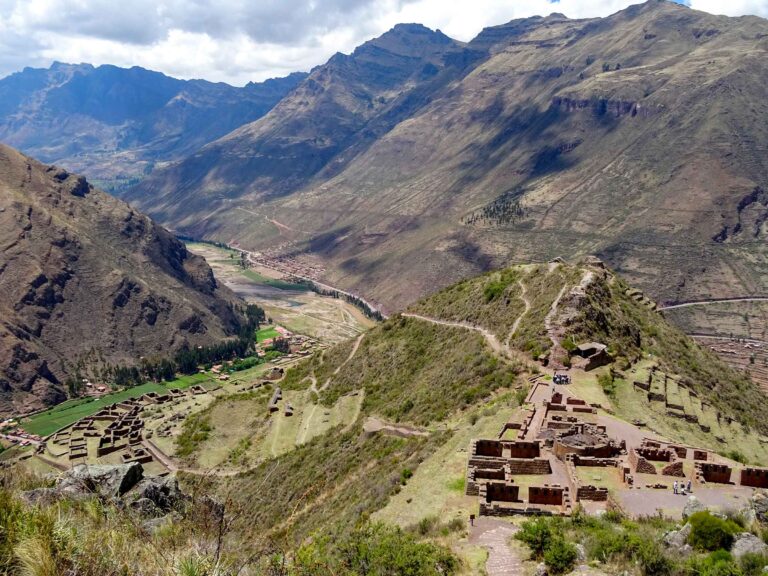
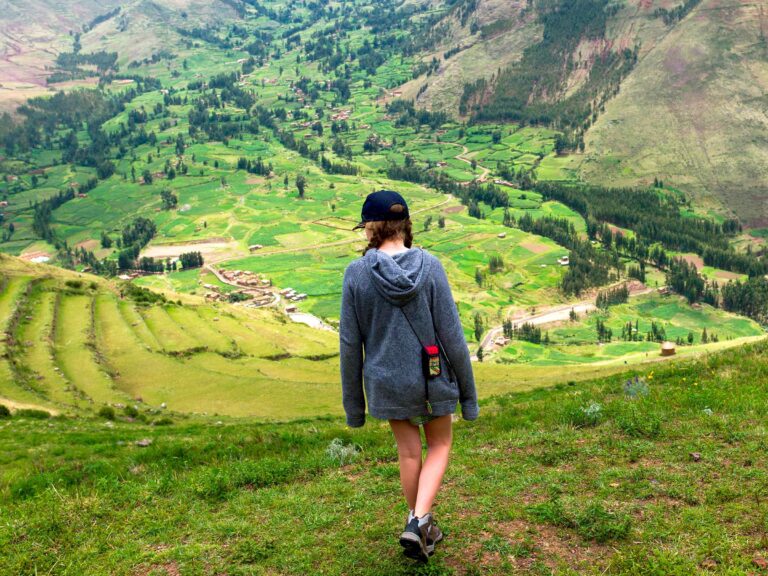
The Sacred Valley is renowned for its breathtaking landscapes, and the area around Maras is no exception. As you journey between Maras and Moray, you’ll be treated to panoramic views of the Andes Mountains, lush valleys, and traditional villages. Be sure to take some time to soak in the natural beauty of this region.

The Andes Mountains form a stunning backdrop to the Sacred Valley, their snow-capped peaks towering over the landscape. These ancient mountains are not only a visual marvel but also a vital part of the region’s cultural and ecological heritage. As you travel through the valley, please take a moment to appreciate the majestic views and the sense of awe they inspire.

The area surrounding Maras and Moray is dotted with traditional villages that offer a glimpse into the daily lives of the local people. These villages are rich in history and culture, with their adobe houses, vibrant markets, and colorful festivals. Visiting these communities provides an opportunity to connect with the locals and learn about their customs and traditions.

The Sacred Valley is home to a diverse array of flora and fauna, thanks to its varied climate and geography.

As you explore the region, keep an eye out for native plants like quinoa and maca, as well as wildlife such as llamas and alpacas. These natural elements add to the valley’s charm and highlight the area’s ecological richness.

For those seeking adventure, the Sacred Valley offers numerous scenic drives and hiking trails that showcase its natural beauty. Whether you prefer a leisurely drive through the countryside or a challenging trek through the mountains, there are plenty of options to suit your interests. These excursions provide an opportunity to immerse yourself in the valley’s landscapes and experience its tranquility firsthand.

When visiting Maras and Moray, consider participating in meaningful cultural experiences that help you connect with local communities.

Several community-based tourism initiatives offer guided tours of Maras and Moray, providing insight into the daily lives of the people who call this region home. These tours often include visits to local homes, where you can learn about traditional crafts, agriculture, and cuisine.

The Sacred Valley is home to a vibrant calendar of festivals and events that celebrate the region’s rich cultural heritage. Participating in these festivities offers a unique opportunity to experience the local culture firsthand and engage with the community. From colorful parades to traditional dances and music, these events provide a window into the soul of the Sacred Valley.

Engaging in hands-on workshops and demonstrations is an excellent way to learn about traditional crafts and techniques in the Sacred Valley. From weaving and pottery to cooking and farming, these activities help you gain practical skills and deepen your appreciation for the region’s artisanal heritage. By participating in these experiences, you help preserve cultural traditions and support the local economy.

While exploring the Sacred Valley, take the opportunity to support local artisans by purchasing handmade crafts and souvenirs. These unique items not only make great mementos of your trip but also help sustain the local economy and preserve traditional craftsmanship.

As a responsible traveler, it’s essential to adopt ethical and sustainable travel practices when visiting the Sacred Valley.

This includes respecting local customs and traditions, minimizing your environmental impact, and supporting local businesses and initiatives. By doing so, you help preserve the region’s cultural and natural heritage for future generations.

To make the most of your visit to Maras and Moray, plan your trip with these practical tips in mind.

Maras and Moray are easily accessible from the city of Cusco, which serves as the main gateway to the Sacred Valley. You can reach the sites by car, taxi, or on a guided tour. Many tour operators in Cusco offer day trips that include both Maras and Moray, often combined with other nearby attractions such as the town of Ollantaytambo or the Inca ruins of Pisac.

When visiting Maras and Moray, be prepared for varying weather conditions. The high-altitude climate can be unpredictable, so dress in layers and bring a waterproof jacket. Don’t forget sunscreen, sunglasses, and a hat to protect yourself from the sun, and wear comfortable walking shoes suitable for uneven terrain. A reusable water bottle and snacks are also recommended, as facilities at the sites may be limited.

As you explore Maras and Moray, remember to respect the sites and the local communities. Stay on designated paths, avoid touching or climbing on the structures, and dispose of any trash responsibly. By showing respect for these remarkable places, you help preserve their beauty and cultural significance for future generations.

When planning your visit, consider staying in the Sacred Valley to fully experience its beauty and tranquility. The region offers a range of accommodation options, from luxury resorts to charming guesthouses and eco-lodges. Staying in the valley lets you immerse yourself in local culture and explore the area at your own pace.

Traveling to high-altitude destinations like Maras and Moray requires some health and safety considerations. It’s important to acclimatize to the altitude gradually to avoid symptoms of altitude sickness. Staying hydrated, eating light meals, and avoiding strenuous activities during the first few days can help your body adjust. If you experience severe symptoms, seek medical attention promptly.

The journey to Maras and Moray offers a unique opportunity to explore the history and culture of the Inca civilization. By visiting these remarkable sites, you’ll gain a deeper understanding of the Incas’ ingenuity and resourcefulness, as well as an appreciation for the stunning landscapes of the Sacred Valley. With this travel guide in hand, you’re well-equipped to embark on an unforgettable adventure to Maras and Moray. Safe travels!

Maras: The Salt Pans of the Andes

Maras is home to a stunning complex of salt pans that have been in use since pre-Inca times. Fed by a natural spring, the terraced pools create a mesmerizing patchwork of white against the green mountain backdrop.

Conquering Maras and Moray A Travelers Guide

Conquering Maras and Moray A Travelers Guide

What to Expect

Visitors can wander the paths between the salt pans, observing the traditional harvesting methods still used today. The sight of the sun reflecting off the crystalline surfaces is a photographer’s dream.

Tips for Visiting Maras

  • Respect the Environment: Stick to designated paths and avoid stepping into the salt pools.
  • Purchase Local Salt: Support the community by buying the unique pink salt harvested at Maras.
  • Best Time to Visit: The dry season (May to September) offers clear skies and optimal conditions for photography.
sacred valley urubamba

Sacred Valley Urubamba

Moray: The Agricultural Laboratory

Moray features a series of concentric terraces that form natural amphitheaters. Believed to have been an experimental agricultural site, each terrace level created a different microclimate, allowing the Incas to test various crops.

What to Expect

The terraces offer a fascinating insight into the advanced agricultural techniques of the Incas. The site’s unique design and picturesque setting make it a must-visit for history enthusiasts and nature lovers.

sacred valley tour moray

sacred valley tour moray

Tips for Visiting Moray

  • Explore with a Guide: A knowledgeable guide can provide valuable insights into the terraces’ history and purpose.
  • Wear Comfortable Shoes: The terraces involve some walking and climbing, so sturdy footwear is recommended.
  • Bring Water and Snacks: Facilities at Moray are limited, so it’s advisable to carry refreshments.

Planning Your Visit

Getting There

Maras and Moray are close to each other, making it convenient to visit both sites in a single day. They are accessible from Cusco or the Sacred Valley by bus, taxi, or guided tour.

Entrance Fees

Maras and Moray require separate entrance tickets, which can be purchased on-site or as part of the Cusco Tourist Ticket (Boleto Turístico del Cusco).

Combining with Other Attractions

For a full-day excursion, consider combining your visit to Maras and Moray with other nearby attractions, such as the Sacred Valley towns of Ollantaytambo and Pisac.

Conclusion

Conquering Maras and Moray is an enriching experience that offers a deeper understanding of the Inca civilization’s relationship with nature and its agricultural prowess. By following these tips and embracing the journey, you’ll create lasting memories of exploring these ancient wonders set amidst the breathtaking landscapes of the Andes.

Peru’s Best Sacred Valley Tours

Inquire Now

Contact form footer
Need help? Speak with us