
Maras and Moray Food Tour
Embark on a journey through the heart of Peru with the Maras and Moray food tour. This unique experience combines history, culture, and gastronomy. Nestled in the Sacred Valley of the Incas, Maras and Moray offer more than just stunning landscapes. They are a gateway to ancient culinary traditions.
The Maras salt mines, known for their pink salt, have been in use since Inca times. This salt is a key ingredient in local cuisine. Moray, with its circular terraces, is believed to be an ancient agricultural laboratory. It showcases the ingenuity of Inca farming techniques.
On this tour, you will taste traditional Andean dishes made with local ingredients. Expect flavors that tell stories of the past. Learn about sustainable farming practices and the cultural heritage of the Andean people. Engage with local communities and support their traditions.
The Maras Moray food tour is perfect for foodies and cultural explorers alike. It promises an authentic taste of Peru. Join us as we delve into the culinary delights of Moray and Maras. Discover the rich tapestry of flavors and history that define this region.

Discovering Maras and Moray: A Culinary and Cultural Journey
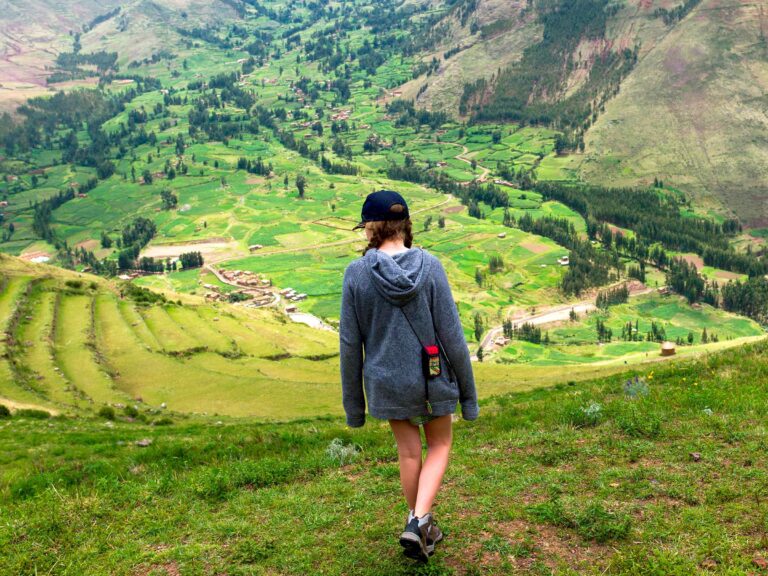
Maras and Moray reside in the Sacred Valley, a realm where culinary delights and history intertwine. These destinations capture the essence of the Peruvian Andes.
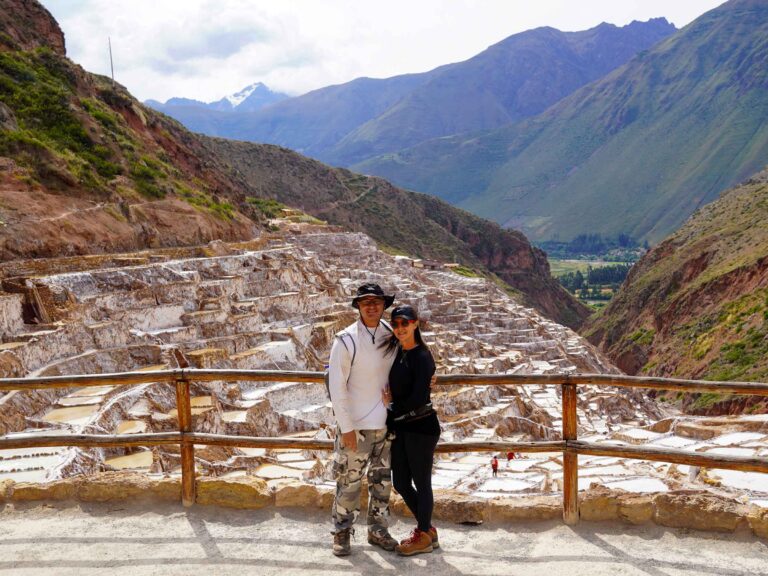
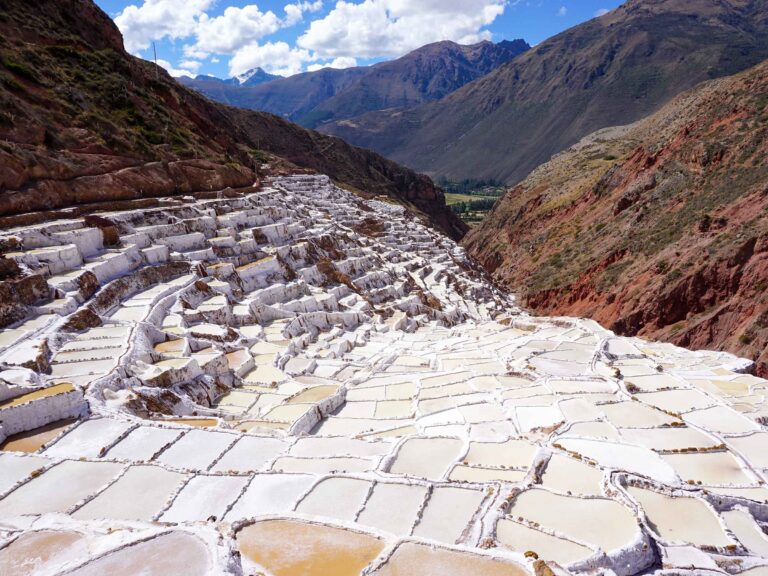
Visitors to Maras can explore the famous salt mines. Known as Salineras de Maras, these terraces produce exquisite pink salt. This salt is cherished for its unique flavor and mineral content.
Moray offers a different experience with its archaeological terraces. The circular design is believed to have been a living laboratory for Inca agriculture. Here, innovations in crop cultivation once thrived.
As you embark on this culinary journey, you’ll savor the local dishes that have endured through generations. They tell stories of the region’s fertile lands and rich history.
Highlights of the journey include:
- Tasting traditional Andean dishes.
- Exploring ancient agricultural sites.
- Learning about salt extraction methods.
Locals play a crucial role in preserving these traditions. Their knowledge enriches the food tour, offering insights into Andean culture.
The Maras Moray food tour is more than just a culinary trip. It’s an opportunity to connect with the land and its people. Their stories bring the region’s history to life.
Each stop on the tour opens a new window into Peru’s vibrant culture. It’s an adventure that satisfies the mind and palate, leaving you with memories and flavors to cherish.

The Historical Significance of Maras and Moray
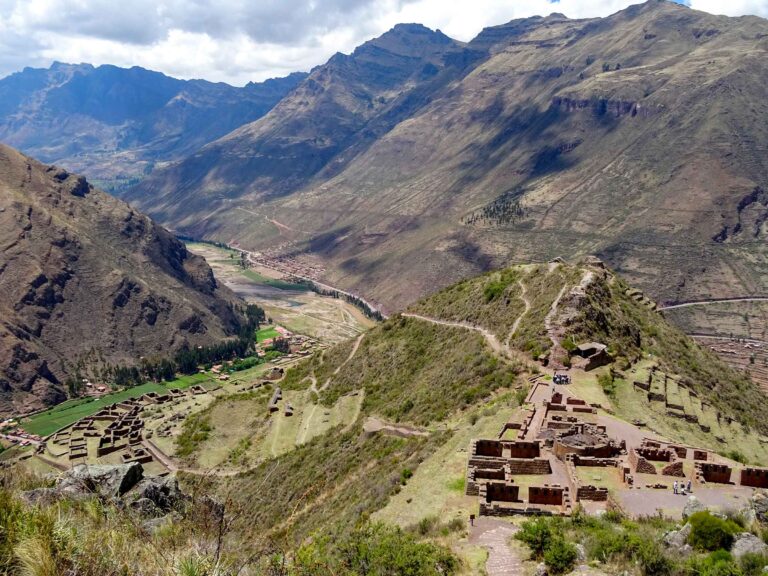
Maras and Moray hold deep roots in Incan history, reflecting the splendor of their civilization. These sites are not just tourist attractions but windows into the past.
The salt mines of Maras have been operational since the Inca Empire. Their pink salt has been harvested using ancient techniques that endure to this day. This salt played a vital role in Andean trade and nutrition.
Moray, on the other hand, serves as a testament to Incan agricultural ingenuity. Its unique circular terraces create microclimates, demonstrating advanced farming techniques. Researchers believe these terraces were used to experiment with crops at different altitudes.
Key historical points:
- Maras salt mines show the importance of salt in ancient trade.
- Moray terraces illustrate agricultural innovations.
- Both sites highlight Inca advances in sustainability and resource management.
Stories and legends passed down through generations bring these sites to life. Local guides often share the myths and lore that enrich the experience.
Visiting Maras and Moray is not just about viewing historical sites. It’s about understanding the ancient culture that shaped Peru’s identity. As you walk through these landmarks, the connection to the past is palpable, offering a profound sense of history and tradition.
The Maras Salt Mines: Inca Salt Flats Cuisine
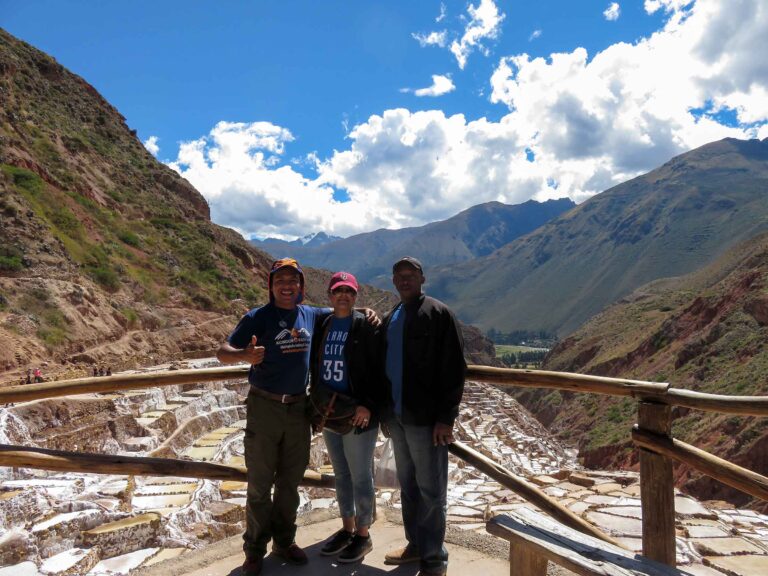
The Maras Salt Mines, known as Salineras de Maras, are a hidden gem in the Sacred Valley. Nestled on a hillside, this network of terraced salt pools is a marvel of Inca engineering. Since the time of the Inca Empire, the salt flats have captivated travelers with their shimmering beauty and unique history.
Each pool in the salt mine is fed by an underground spring rich in minerals. As the sun evaporates the water, the salt is left behind and harvested by local families who continue this ancient tradition. This traditional method of salt extraction showcases the dedication to preserving ancestral practices.
The pink-hued salt of Maras is renowned for its flavor and high mineral content. It adds a distinctive taste to dishes and is a staple in Inca Salt Flats cuisine. Chefs around the world treasure Maras salt for its unique properties, which elevate traditional and modern recipes alike.
Inca Salt Flats Cuisine emphasizes local ingredients paired with this prized salt. Here are some dishes that highlight Maras salt:
- Grilled meats with Maras salt crust
- Quinoa salads seasoned with pink salt
- Artisan bread enriched with Maras salt flakes
During a visit to the salt mines, you can witness the salt harvesting process. The local salt gatherers are often eager to share stories of their craft. This enriching interaction offers a deep dive into cultural traditions.
The landscape surrounding the salt mines is equally breathtaking, with panoramic views of the Andes adding to the sense of awe. Trekking through the area provides a chance to appreciate both the natural beauty and the human ingenuity that shaped it.
A visit to the Maras Salt Mines is a journey into the heart of Incan legacy. It bridges history, tradition, and culinary artistry, leaving an indelible impression on all who experience it.

Moray Agricultural Terraces: The Incas’ Living Laboratory
Moray is a fascinating archaeological site that showcases the Incas’ agricultural innovations. Unlike typical terraces, Moray’s are circular and descend like a giant amphitheater. These terraces are believed to be a farming laboratory of the Incas.
The varying depth and orientation of the terraces create distinct microclimates. This allowed the Incas to experiment with crop cultivation at different temperatures. Their advanced agricultural techniques hint at their deep understanding of ecology and botany.
Moray’s terraces served as a proving ground for crops that could thrive at different altitudes. By understanding these conditions, the Incas optimized their food production across diverse Andean landscapes. It’s astounding how their findings continue to influence modern agricultural practices.
Visiting Moray offers a unique insight into the sophisticated Incan agricultural systems. Here, you’re invited to explore the preserved site and understand its historical role. The sense of wonder grows as you stroll through these circular terraces, each step revealing the Inca’s mastery of agriculture.
Guided tours often highlight the numerous plants cultivated by the Incas, showcasing their incredible diversity. Some plants that visitors may learn about include:
- Potatoes
- Maize
- Quinoa
The ingenuity of the Incas at Moray demonstrates their commitment to sustainable agriculture. Such wisdom from the past continues to inspire sustainable practices today. Exploring Moray gives travelers a profound appreciation for the region’s rich agricultural legacy.
For those interested in ancient cultures, Moray offers an unparalleled window into the brilliant agricultural mind of the Inca civilization. This site stands as a testament to their remarkable legacy and their understanding of nature’s nuances.
The Maras Moray Food Tour Experience: What to Expect
Embarking on the Maras Moray food tour is a treat for both palate and spirit. It is an immersive journey through historical landscapes and culinary traditions. Participants delve into the heart of Peru’s rich cultural and gastronomic heritage.
The tour typically begins with a scenic journey through the Sacred Valley. Vibrant landscapes and stunning vistas set the stage for the adventure. A local guide, rich in knowledge and lore, accompanies you along the way. Exploration of the Maras salt mines is a highlight. Visitors witness ancient techniques of salt extraction still in practice today. The pink salt of Maras, known for its unique flavor, adds a gourmet touch to any dish.
At Moray, expect to marvel at the ancient agricultural terraces. The guide will share stories of Inca innovations in farming here. Each terrace reveals the depth of the Incas’ agricultural genius. Local cuisine plays a central role in the tour experience. Traditional dishes crafted with indigenous ingredients tantalize taste buds. Expect to savor quinoa soup, deliciously spiced meats, and perhaps even a taste of cuy.
Participating in workshops can enhance the tour. Engage in local cooking classes or witness live salt harvesting. These hands-on activities offer insights into Andean culinary traditions. Throughout the tour, interactions with local vendors and artisans offer a deeper connection. The interplay of culture and cuisine enriches your understanding of the region. Visitors leave not only with full bellies but also with full hearts, as the tour supports local communities and keeps traditions alive.
Overall, the Maras Moray food tour is more than a journey; it’s a cultural symphony blending history, taste, and community spirit.

Culinary Delights Moray and Maras: Traditional Dishes and Local Ingredients
The cuisine of Moray and Maras is deeply rooted in tradition. It showcases the vibrant culinary history of the Andes. The unique dishes reflect both indigenous and Spanish influences.
Local ingredients form the backbone of these culinary creations. The region’s biodiversity is vast, offering a plethora of flavors. Potatoes, corn, and quinoa are staples that frequently feature in meals.
Popular Traditional Dishes
- Quinoa Soup: A warm and hearty dish flavored with herbs.
- Cuy: Known as guinea pig, it is a traditional Andean dish.
- Chicha: A fermented corn drink, popular among locals.
Each dish prepared in the region reflects a story. Recipes are often passed down through generations. These stories keep cultural ties strong, bonding the past with the present.
In Maras, the star ingredient is the famed pink salt. This mineral-rich salt elevates both local and gourmet dishes. It has been harvested here since Inca times, prized for its taste.
Essential Local Ingredients
- Maras Pink Salt: Adds a unique flavor to meals.
- Andean Potatoes: Over 3,000 varieties, each with a distinct flavor.
- Aji Amarillo: A spicy pepper that provides a distinctive heat.
Moray’s terraces are an agricultural wonder. They allow the cultivation of diverse crops across varied altitudes. This Incan innovation supports the rich culinary landscape.
The journey of flavors extends beyond just taste. It’s an exploration of cultural identity and survival. The food of Moray and Maras connects locals and visitors alike.
For foodies, exploring these flavors is akin to a history lesson. Each bite is a glimpse into ancient civilizations and modern resilience. The culinary delights of Moray and Maras captivate the senses and enlighten the soul.
Hands-On Activities: Cooking Classes and Salt Harvesting
The Maras Moray food tour offers more than just sightseeing. It invites you to participate in activities that engage all your senses. These activities bridge the gap between observing and experiencing.
Cooking classes immerse you in traditional Andean cuisine. Local chefs guide you through unique recipes. They share techniques refined over centuries. Rolling up your sleeves in these classes highlights the hands-on approach.
Activities to Engage In
- Andean Cooking Classes: Learn to prepare authentic dishes with local chefs.
- Salt Harvesting: Experience the ancient process at the Maras Salt Mines.
- Quinoa Processing: Discover how this staple grain is cleaned and cooked.
Harvesting salt in Maras is both educational and thrilling. You’ll learn the ancient Inca methods still in use today. Handling the famed pink salt connects you with history.
These hands-on experiences provide more than practical skills. They create memories etched in flavor and feeling. As you delve into these activities, you gain a deeper appreciation for the region’s cultural heritage and culinary artistry.
Such activities not only enrich your knowledge but also deepen your connection to the land and its people.
Local Markets and Food Tastings: Immersing in Andean Flavors
Local markets are the heartbeats of any community. In Maras and Moray, they pulse with life and flavor. Here, the daily tapestry of Andean life unfolds.
Wandering through these markets offers sights and scents that captivate. Stalls display vibrant produce. Fresh vegetables, herbs, and spices evoke the land’s rich fertility. Each product tells a story of the region’s agricultural wealth.
Visitors sample an array of traditional foods. Vendors eagerly share their culinary creations. Bite into empanadas filled with local cheeses and meats. Taste the earthy sweetness of freshly roasted corn.
Must-Try Market Experiences
- Taste Quinoa Dishes: Experience this staple in its most authentic form.
- Local Cheeses: Sample artisanal cheeses unique to the region.
- Freshly Brewed Chicha: Try the traditional fermented corn drink.
In every bite, you savor the legacy of Inca culture. The use of native ingredients reflects techniques honed over centuries. Each flavor embodies a part of history.
These markets do more than feed the body. They nourish an understanding and appreciation for Andean culture. Through this sensory journey, visitors connect with the vibrant heritage of the Sacred Valley. Whether searching for a meal or an experience, the markets deliver both in generous portions.
Sustainable Farming and Community Impact
Sustainable farming defines life in the Sacred Valley. It’s not just a trend. It’s a tradition passed down through generations. Farmers here respect the land. They nurture it with time-tested methods.
Local communities practice agriculture that treads lightly on the Earth. These techniques conserve soil, water, and energy. They promote the health of both land and people. Such sustainability ensures long-term yields.
The Maras Moray food tour highlights these practices. Visitors witness how locals balance modern needs with ancient wisdom. They learn firsthand about organic methods that protect biodiversity.
Community Benefits and Engagement
- Support Local Economies: Tours directly contribute to village prosperity.
- Preservation of Traditions: Local customs and knowledge stay vibrant.
- Education Initiatives: Increased awareness of sustainable practices.
These efforts build stronger communities. They empower individuals and keep traditions alive. Through tourism, the cycle continues. Visitors leave not just with memories but with newfound respect. Sustainable farming here impacts far beyond the fields. It plants seeds of understanding. Everywhere it touches, it shares the enduring values of harmony and stewardship.
Seasonal Variations: How the Time of Year Shapes Your Food Tour
The Sacred Valley’s climate influences the food tour experience. Every season offers distinct flavors and sights. This is because harvests vary throughout the year.
In the dry season, fresh produce abounds. Quinoa, corn, and potatoes are plentiful. These staples feature prominently in local dishes. Visitors during this time see vibrant markets filled with these fresh crops.
Conversely, the rainy season focuses on different ingredients. Root vegetables become central to meals. This period offers a unique chance to taste rich, hearty stews. Visitors may encounter festivals celebrating the agricultural cycle, enhancing the experience.
Seasonal Highlights
- Dry Season (May-September): Bountiful markets, vibrant produce.
- Rainy Season (October-April): Hearty dishes, cultural festivals.
Choosing the right season adds another layer to your trip. It personalizes the culinary journey, reflecting nature’s bounty at its best. The passage of time in Maras and Moray mirrors the timeless rhythm of life itself.
Planning Your Maras Moray Food Tour: Tips and Practical Information
Organizing a Maras Moray food tour requires some preparation. Start by researching reputable tour operators. Check online reviews for feedback from past travelers.
When planning, consider the local climate and seasons. Timing your visit can enhance your experience. Book your tour in advance to secure your preferred dates.
Travel logistics are crucial for a smooth journey. If flying in, land at Cusco. Arrange transport to the Sacred Valley from there. Many operators offer transport as part of their package.
Packing Essentials
Ensure you are prepared for varying weather:
- Comfortable walking shoes are recommended, as there are many uneven paths.
- Layers of clothing: The weather can change rapidly.
Additionally, bring cash for local markets. Many vendors don’t accept cards. Always check with your tour guide regarding inclusions and exclusions.
Key Considerations
- Tour operator reputation: Prioritize companies with great reviews.
- Weather and timing: Plan accordingly for the best experience.
Thoughtful planning helps maximize your food tour. The scenic beauty and culinary wonders will be more enjoyable with fewer stressors. Your anticipation will be rewarded with an unforgettable adventure.
Frequently Asked Questions about the Maras Moray Food Tour
Many travelers have questions about embarking on the Maras Moray food tour. Here, we address some common inquiries to help in your planning process.
What should I wear?
Dress comfortably. Layers are ideal due to temperature changes. Sturdy footwear is advisable for uneven paths.
Is the food safe to eat?
Yes, the food on tours is safe. Tour operators ensure hygiene standards. You’ll enjoy fresh, locally prepared dishes.
How long does the tour take?
Tours typically last a whole day. Some operators offer half-day options if you prefer a shorter visit.
Is the tour suitable for children?
Absolutely. The tour is family-friendly and engaging for all ages. Special considerations can be arranged for young children.
Common Questions Include:
- Do I need to bring snacks?
- Are there vegetarian options?
- How strenuous is the walking?
Answers to these questions ensure a smooth experience. Enjoy your journey through the Sacred Valley, enriched with culture and cuisine.
Why Choose a Maras Moray Food Tour? Benefits for Travelers and Locals
Opting for a Maras Moray food tour opens new horizons. This experience blends history, food, and breathtaking scenery, creating memories that last a lifetime.
For travelers, the tour offers a deep dive into Peruvian culture. It’s a chance to taste traditional dishes and hear tales of Inca ingenuity.
Locally, the tour supports the community. Tourism boosts the local economy, providing income for families and encouraging the preservation of cultural heritage.
Reasons to Choose a Maras Moray Food Tour:
- Cultural Immersion: Gain insight into local traditions and culinary practices.
- Economic Support: Your participation helps sustain local businesses.
- Unique Experience: Encounter historical sites such as the Maras salt mines and the Moray terraces firsthand.
Overall, this tour represents a harmonious blend of enjoyment and impact, enriching both travelers’ perspectives and the local way of life.
Maras: The Salt of the Earth
Pink Salt of Maras
The terraced salt pans of Maras produce a unique pink salt known for its mineral richness and subtle flavor. This salt, a prized ingredient in Peruvian cuisine, is used to season dishes and enhance their natural flavors.
Moray and Maras Salt Mines Tours
- Cusco City Tour Half Day – Enjoy a half-day guided tour of Cusco, exploring the main attractions and learning about the rich history and culture of the ancient Inca capital.
- Cusco City Tour Full Day – Take a comprehensive full-day tour of Cusco, including visits to the most important archaeological sites and historical monuments, with a deep dive into local history and culture.
- Moray & Maras Salt Mines Tour – Half Day – Explore the fascinating agricultural terraces of Moray and the traditional salt mines of Maras on a half-day excursion, discovering ancient farming techniques and the salt extraction process.
- Moray Private Tour Full-Day – Enjoy a private full-day tour of Moray and other sites in the Sacred Valley, with a personalized approach to exploring the region’s ruins and history.
- South Valley Cusco Tour – Discover the Southern Valley of Cusco on a tour that includes visits to important archaeological sites and local communities, appreciating the beauty and history off the beaten track.
- Full-Day Tour Tipon, Pisac, Sacsayhuaman – Take a full-day excursion to visit Tipon, Pisac, and Sacsayhuaman, three of the most iconic archaeological sites in the Sacred Valley, and learn about their historical and cultural significance.
- Tour Inti Raymi 2026, Festival of the Sun – Participate in Inti Raymi 2026, the Festival of the Sun, a traditional Inca celebration honoring the sun god with colorful parades, ceremonies, and performances in Cusco, the historic capital of the Inca Empire.
Farm-to-Table Experiences
Some local restaurants and tour operators offer farm-to-table experiences, where you can enjoy meals prepared with fresh produce directly sourced from the terraces of Moray and nearby farms. This is a unique opportunity to taste the bounty of the Sacred Valley in its most authentic form.
Culinary Tours and Experiences
Cooking Classes
Participate in a cooking class to learn how to prepare traditional Peruvian dishes using ingredients from Maras and Moray. It’s a hands-on way to immerse yourself in the region’s culinary culture.
Pachamanca Feast
Experience a traditional Pachamanca, an ancient cooking method in which meats, vegetables, and herbs are cooked underground on hot stones. This communal meal celebrates local flavors and customs.
Conclusion: Savoring the Spirit of the Sacred Valley
The Maras and Moray food tour is more than a journey. It is a celebration of flavors, landscapes, and rich cultural history. Through every taste and story shared, travelers connect deeply with the region’s vibrant spirit.
Experiencing the Sacred Valley through its cuisine offers unique perspectives on its traditions. Each dish tells a tale of Andean resilience and innovation. As travelers explore, they appreciate the blend of old and new in these ancient lands.
Beyond the culinary delights, the tour’s impact on local communities makes it truly meaningful. The exchange enriches both visitors and residents, creating lasting bonds across cultures.