
Sacred Valley Travel Guide: What You Need to Know

Sacred Valley Travel Guide: What You Need to Know


Planning Your Visit to the Sacred Valley

The Sacred Valley of the Incas, nestled in the Peruvian Andes, is a place where history, culture, and breathtaking landscapes converge. It’s a region rich with ancient ruins, vibrant villages, and stunning natural beauty. For first-time visitors, planning a trip to the Sacred Valley can seem daunting, but with a little preparation, you can ensure a memorable adventure. In this guide, we’ll walk you through everything you need to know about planning your visit to the Sacred Valley.

The Sacred Valley, also known as the Urubamba Valley, is located in the Andes of Peru, near the city of Cusco and the ancient city of Machu Picchu. It’s known for its lush landscapes, traditional Andean villages, and significant archaeological sites. The valley stretches roughly 60 kilometers, offering a serene escape from the bustling tourist hub of Cusco. In addition to its natural beauty, the Sacred Valley holds historical significance as a major agricultural hub during the Inca Empire. The fertile lands and strategic location made it an essential area for food production and trade routes.

The valley is not just about its past; it continues to be a living testament to Peru’s vibrant culture. It is home to many indigenous communities who maintain their traditional ways of life, providing visitors with a unique opportunity to experience authentic Andean culture. The fusion of ancient traditions with modern living makes the Sacred Valley a fascinating destination for cultural exploration.

Planning Your Visit to the Sacred Valley

Planning Your Visit to the Sacred Valley

The Sacred Valley’s geography is characterized by a mix of high mountains, deep valleys, and expansive plains. This varied topography contributes to its diverse microclimates, allowing for different agricultural activities and creating unique ecosystems. The valley’s altitude ranges from around 2,800 meters (9,186 feet) to over 4,000 meters (13,123 feet) in the surrounding mountains, which influences both the climate and the activities available to visitors.

The climate in the Sacred Valley is generally mild and pleasant, especially during the dry season. Temperatures can vary significantly between day and night, so visitors should be prepared for both warm afternoons and chilly evenings. The rainy season, which lasts from November to April, brings lush greenery and fewer tourists, offering a different but equally beautiful experience of the valley.

The Sacred Valley holds immense cultural significance, both historically and in contemporary times. It was a crucial part of the Inca Empire, serving as a political, agricultural, and spiritual center. Many of the valley’s archaeological sites, such as Ollantaytambo and Pisac, reflect the advanced engineering and architectural skills of the Incas, showcasing their ability to harmonize construction with the natural landscape.

Today, the valley remains an important cultural hub, where local traditions and customs are preserved and celebrated. Visitors can witness vibrant festivals, traditional music and dance, and artisanal crafts that have been passed down through generations. Engaging with the local communities provides a deeper understanding of the region’s heritage and the resilience of its people in maintaining their cultural identity amidst modern influences.

The Sacred Valley offers a diverse range of experiences. From exploring ancient Incan ruins to engaging with local Quechua communities, the valley provides a unique glimpse into both the history and contemporary culture of Peru. The ruins scattered throughout the valley are some of the most well-preserved and impressive examples of Incan architecture. Sites like Ollantaytambo and Pisac not only reveal the engineering prowess of the Incas but also offer breathtaking views of the surrounding landscapes.

Each ruin tells a story of the past, providing insight into the daily lives, beliefs, and innovations of the Inca civilization. Exploring these sites allows visitors to step back in time and imagine the bustling activity that once filled these ancient cities. It’s a chance to connect with history in a tangible way, making it a must-do for history enthusiasts and curious travelers alike.

Beyond its historical allure, the Sacred Valley is a vibrant tapestry of living culture. Engaging with local Quechua communities offers an authentic experience of Andean life. Many villages in the valley invite visitors to participate in traditional activities such as weaving, farming, and cooking. These interactions provide a deeper appreciation for the local way of life and the skills that have been honed over centuries.

Participating in community-led tours or workshops allows travelers to contribute positively to the local economy and foster cultural exchange. It’s an opportunity to learn directly from the people who call the valley home, gaining insights into their customs, values, and aspirations. Respectful engagement with these communities enriches the travel experience and leaves a lasting impression on both visitors and hosts.

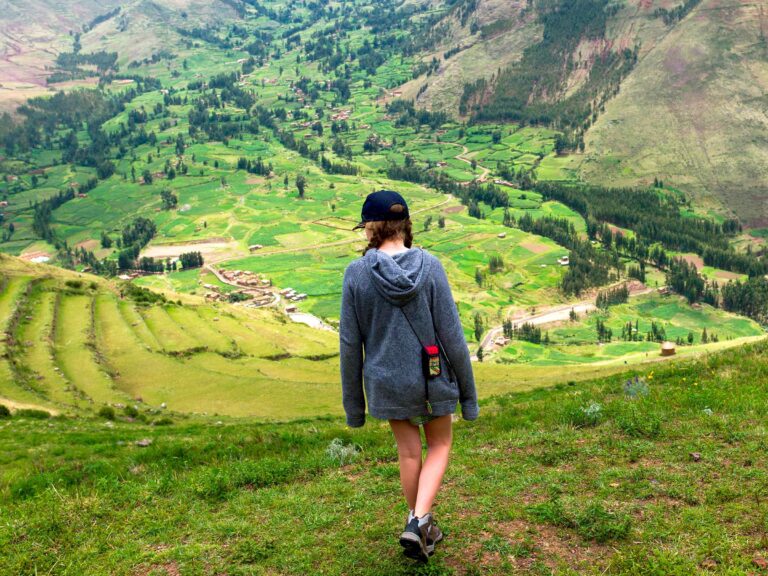
The Sacred Valley is a paradise for nature lovers, offering an array of outdoor activities amidst stunning landscapes. The valley’s diverse geography provides numerous opportunities for hiking, biking, and exploring the great outdoors. Trails range from easy walks through picturesque villages to challenging treks that lead to breathtaking vistas.

The natural beauty of the valley is ever-present, with towering mountains, lush fields, and the tranquil flow of the Urubamba River. Whether you’re seeking adventure or tranquility, the valley’s natural wonders offer a perfect backdrop for reflection and rejuvenation. It’s a place where the beauty of nature inspires awe and invites you to connect with the world in a meaningful way.

The Sacred Valley of the Incas is a breathtaking region filled with ancient ruins, traditional villages, and stunning landscapes. Whether you’re a history buff, a nature lover, or a culture enthusiast, the Sacred Valley has something to offer everyone. In this guide, we’ll cover everything you need to know to plan your visit to this enchanting valley.

Planning Your Sacred Valley Visit

When to Visit

The best time to visit the Sacred Valley is during the dry season, which runs from May to October. During these months, you’ll experience pleasant weather, making it easier to explore the outdoors and visit archaeological sites. However, this is also peak tourist season, so expect more crowds. Planning your itinerary in advance and booking accommodations early can help you navigate the busy season more smoothly.

If you prefer a quieter experience, consider visiting during the shoulder months of April or November. While there may be occasional rain, the landscapes are lush, and the sites are less crowded. These months offer a balance between favorable weather and fewer tourists, allowing for a more relaxed exploration of the valley’s attractions.

How to Get There

Most travelers reach the Sacred Valley via Cusco, which is accessible by domestic flight from Lima or other major cities in Peru. From Cusco, you can take a bus, hire a private car, or join a guided tour to explore the valley. The journey from Cusco to the Sacred Valley takes about 1.5 to 2 hours by road. Choosing the right mode of transportation depends on your preferences, budget, and desired level of convenience.

For a more immersive experience, consider taking a scenic train ride from Cusco to the valley. The train journey offers stunning views of the Andean landscape and adds an element of adventure to your trip. Alternatively, joining a guided tour provides the benefit of expert insights into the region’s history and culture, enhancing your overall experience.

Where to Stay

There are a variety of accommodation options in the Sacred Valley, ranging from budget hostels to luxury hotels. Popular places to stay include the towns of Ollantaytambo, Urubamba, and Pisac. Each offers unique experiences, so consider what you’re most interested in — be it proximity to archaeological sites, vibrant markets, or tranquil countryside settings. Ollantaytambo is perfect for history enthusiasts, offering easy access to the fortress and other ruins.

Urubamba, often considered the heart of the Sacred Valley, provides a more central location for exploring the entire region. It’s a great choice for those seeking a balance between convenience and a peaceful retreat. Pisac, known for its vibrant market, is ideal for travelers interested in shopping for local crafts and experiencing authentic Andean village life. No matter where you choose to stay, the Sacred Valley’s charm and hospitality are sure to make your visit memorable.

Must-See Attractions

Pisac Ruins and Market

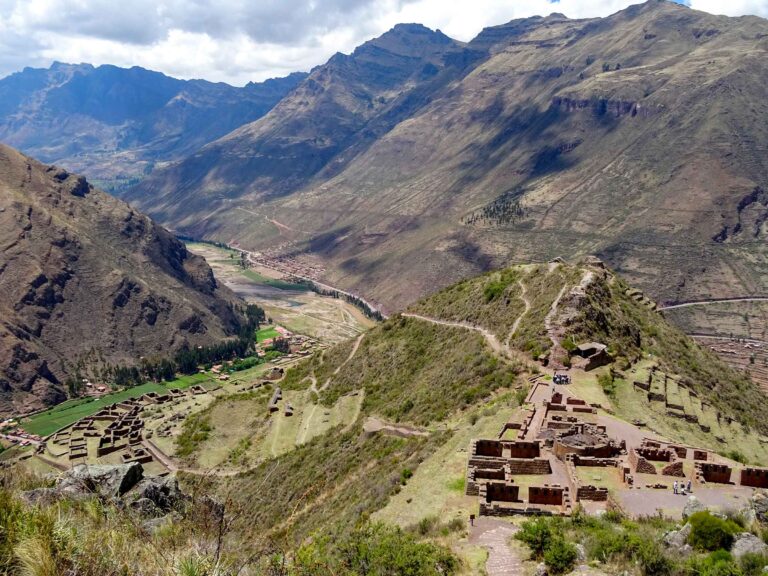
Pisac is famous for its impressive Incan ruins and bustling market. The ruins are perched on a hilltop, offering breathtaking views of the valley below. Exploring the ruins provides a glimpse into the architectural sophistication of the Incas, with intricately designed terraces and ceremonial structures. The site is also rich in history, believed to have been a strategic military, religious, and agricultural center during the Inca Empire.

After exploring the ruins, head to the town’s market where you can shop for traditional handicrafts and souvenirs. The Pisac market is a vibrant display of colors and sounds, with stalls selling everything from handwoven textiles to intricate jewelry. It’s a great place to interact with local artisans, learn about their craft, and purchase unique items that reflect the cultural heritage of the region.

Ollantaytambo Fortress

Ollantaytambo is one of the best-preserved Incan settlements in Peru. The fortress features massive stone terraces and offers insights into the engineering prowess of the Incas. Climbing to the top rewards you with panoramic views of the surrounding mountains and the town below. The site is steeped in history, serving as a royal estate and stronghold during the Inca resistance against Spanish conquest.

The town itself is a living museum, with cobblestone streets and ancient water channels. Walking through Ollantaytambo’s streets feels like stepping back in time, with its traditional architecture and the presence of local Quechua culture. It’s an ideal place to immerse yourself in the history and daily life of the Andes, making it a highlight of any Sacred Valley itinerary.

Moray and Maras

The agricultural terraces of Moray and the salt mines of Maras are two unique sites in the Sacred Valley. Moray consists of concentric terraces that were used by the Incas for agricultural experiments. The site’s unique design creates microclimates, allowing researchers to study ancient farming techniques and crop adaptation. It’s a fascinating example of Incan ingenuity and their deep understanding of agriculture.

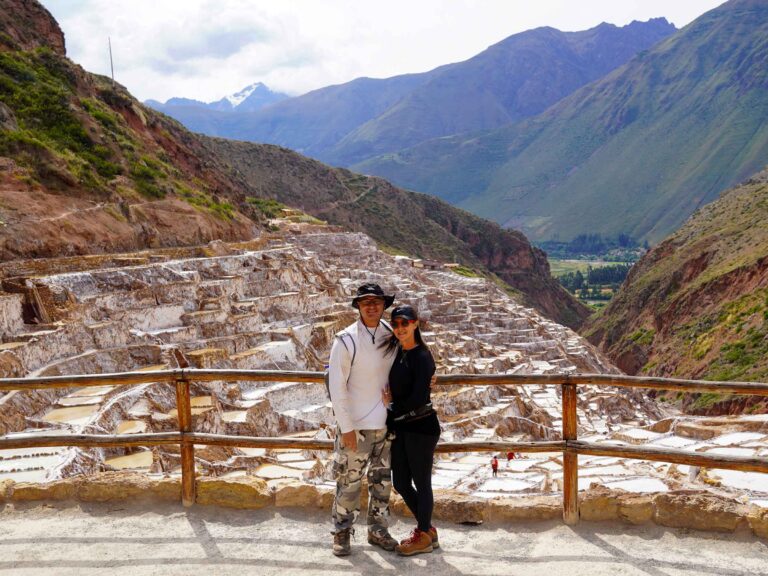
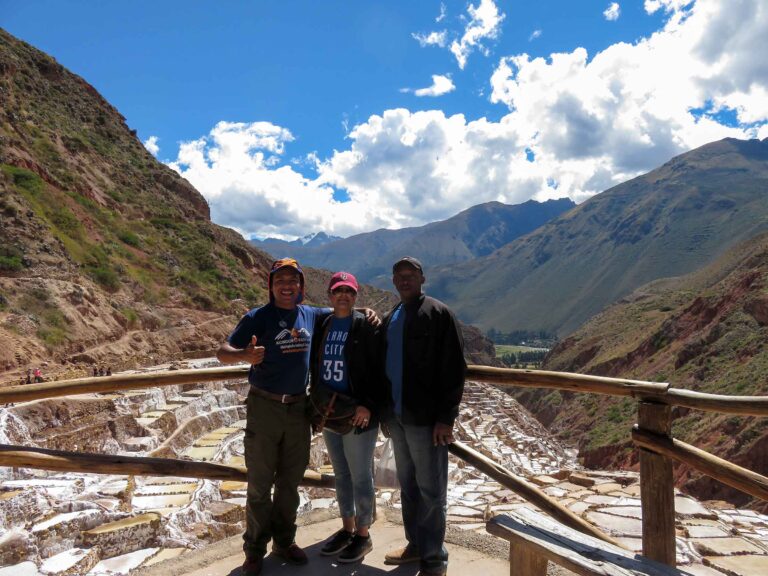
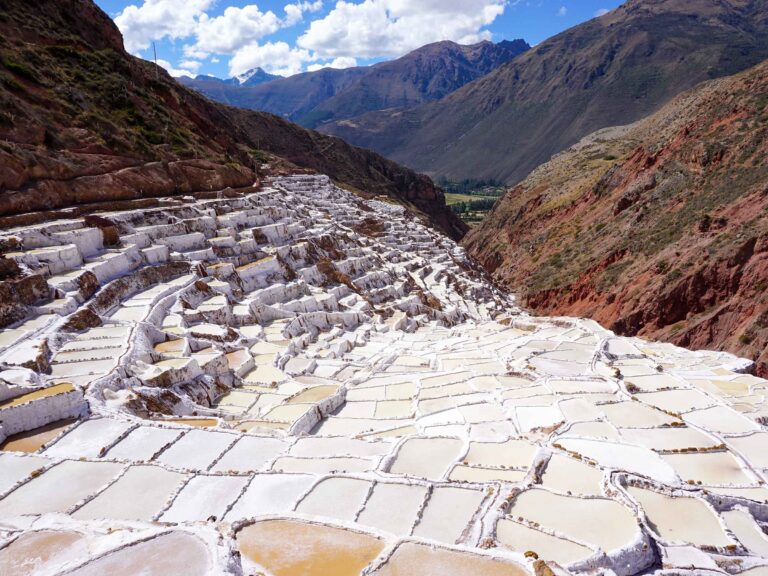
Nearby, the Maras salt pans, which have been used since pre-Incan times, create a stunning visual spectacle with their shimmering white pools. The salt mines are still in operation today, providing visitors with a glimpse into traditional salt-harvesting methods. Walking through the terraces and observing the process offers insight into the resourcefulness of the local communities and their ability to thrive in challenging environments.

Chinchero

Chinchero is a small Andean village known for its traditional weaving and vibrant Sunday market. The town is also home to an archaeological site featuring terraces and a colonial church built on Incan foundations. The church’s intricate frescoes and the juxtaposition of colonial and Incan architecture create a unique historical narrative.

The local weaving communities are renowned for their craftsmanship, producing beautiful textiles using traditional techniques and natural dyes. Visitors have the opportunity to participate in weaving workshops, gaining hands-on experience and a deeper appreciation for this ancient art form. Chinchero’s market is a lively gathering place, where locals and tourists alike come together to celebrate the region’s cultural diversity and craftsmanship.

Tips for Sacred Valley Trip Preparation

Acclimatize to the Altitude

The Sacred Valley sits at a lower altitude than Cusco, but acclimatization is still essential. Spend a day or two in Cusco to adjust to the altitude before heading to the valley. Altitude sickness can affect anyone, regardless of age or fitness level, so it’s important to listen to your body and take it easy. Stay hydrated, eat light meals, and consider drinking coca tea, a traditional remedy for altitude sickness.

Taking the time to acclimatize allows you to enjoy your visit without discomfort, ensuring that you can fully appreciate the valley’s beauty and activities. If you experience severe symptoms, such as headaches or nausea, seek medical attention promptly. Being prepared and informed about altitude-related issues helps prevent potential disruptions to your travel plans.

Pack Appropriately

Pack layers, as the weather in the Sacred Valley can vary greatly throughout the day. Mornings and evenings can be chilly, while afternoons are often warm and sunny. Bring a waterproof jacket, comfortable walking shoes, and a hat for sun protection. If you plan to visit during the rainy season, a good raincoat is essential. Don’t forget essentials like sunscreen, sunglasses, and a reusable water bottle to stay hydrated.

Having the right gear ensures that you’re comfortable and prepared for any weather conditions, allowing you to focus on enjoying your adventures. Consider packing a small daypack for excursions, making it easy to carry your belongings and any souvenirs you pick up along the way. Being well-prepared enhances your overall experience and allows you to make the most of your time in the valley.

Respect Local Customs

When visiting indigenous communities, be respectful of local customs and traditions. Always ask for permission before taking photographs of people. Participating in a local weaving demonstration or community tour can enrich your understanding of the local culture. Showing respect for cultural practices and engaging in meaningful interactions fosters goodwill and mutual appreciation.

Learning a few basic phrases in Quechua, the local language, can go a long way in building rapport with the community. Simple greetings and expressions of gratitude are often met with warmth and appreciation. Being culturally sensitive and open-minded enhances your travel experience and contributes to the preservation of local heritage.

Consider Hiring a Guide

While it’s possible to explore the Sacred Valley independently, hiring a local guide can enhance your experience. Guides can provide valuable insights into the history and significance of the sites, and help you navigate the area more efficiently. They offer a wealth of knowledge about the region’s history, culture, and natural environment, adding depth to your exploration.

A guide can also assist with language barriers, making it easier to communicate with local residents and fully engage with the community. Whether you’re interested in historical sites, cultural interactions, or off-the-beaten-path adventures, a knowledgeable guide can tailor your experience to your interests and ensure a memorable journey.

reverse sacred valley 1 day

reverse sacred valley 1 day

When to Visit

The best time to visit the Sacred Valley is during the dry season, from May to September. During these months, you can expect clear skies and pleasant temperatures, making it ideal for outdoor exploration. However, this is also the peak tourist season, so be prepared for larger crowds.

Getting There

The Sacred Valley is about an hour’s drive from Cusco, the former capital of the Inca Empire. Most visitors start their journey in Cusco, easily accessible by air from Lima, Peru’s capital.

alternative ollantaytambo tour

alternative ollantaytambo tour

From Cusco, you can reach the Sacred Valley by:

  • Bus or Minivan: Regular services connect Cusco with towns in the Sacred Valley, such as Pisac, Urubamba, and Ollantaytambo.
  • Taxi or Private Transfer: Consider hiring a taxi or arranging a private transfer for more convenience and flexibility.
  • Tour: Joining a guided tour is a great way to explore the valley with a local guide.

Top Attractions

Pisac

Known for its vibrant market and impressive Inca ruins, Pisac is a must-visit destination in the Sacred Valley. The market is a great place to shop for handicrafts and souvenirs, while the ruins offer stunning views and insights into Inca architecture.

Ollantaytambo

This charming town is home to an ancient Inca fortress, terraced hillsides, and impressive stone structures. Ollantaytambo is also a gateway to Machu Picchu, with trains departing from the town’s station.

Urubamba

The largest town in the Sacred Valley, Urubamba, is surrounded by beautiful mountains and an excellent base for exploring nearby attractions such as the Maras salt mines and the Moray agricultural terraces.

sacred valley urubamba

Sacred Valley Urubamba

Chinchero

Famous for its traditional textiles and Sunday market, Chinchero is a quaint village where you can experience Andean culture and visit the colonial church built on Inca foundations.

Accommodation

The Sacred Valley offers a range of accommodation options, from budget hostels to luxury hotels. Many visitors stay in Urubamba or Ollantaytambo for their central location and easy access to attractions.

Tips for a Successful Visit

  • Altitude: The Sacred Valley is lower than Cusco, but it’s still essential to acclimatize and stay hydrated.
  • Respect: When visiting local communities and sacred sites, respect their cultures and environments.
  • Transportation: Consider hiring a driver or joining a tour to explore the valley’s sites, as public transportation can be limited.

Peru’s Best Sacred Valley Tours

Final Thoughts

The Sacred Valley is a place of wonder and discovery. By preparing ahead of time and respecting the local culture, you can make the most of your visit to this enchanting region. Whether you’re hiking ancient trails, exploring bustling markets, or simply soaking in the stunning landscapes, the Sacred Valley promises an unforgettable journey.

Plan your visit carefully, embrace the local culture, and let the magic of the Sacred Valley unfold before you. Safe travels and enjoy your adventure! With its rich history, vibrant communities, and breathtaking scenery, the Sacred Valley is a destination that captivates the heart and inspires the soul. Take the time to savor each moment, and you’ll leave with memories that will last a lifetime.

Inquire Now

Contact form footer
Need help? Speak with us