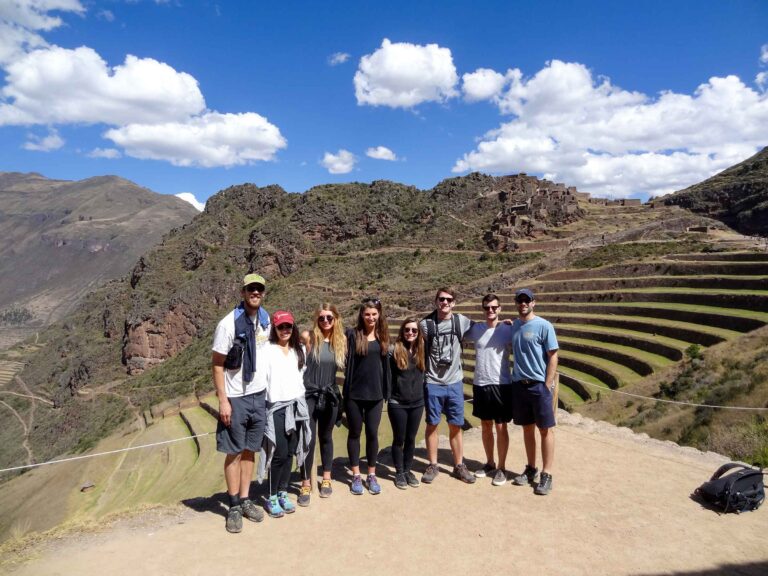

Sacred Valley Exploration: Where Nature Meets Inca Legacy

Sacred Valley Exploration: Where Nature Meets Inca Legacy


Exploring the Sacred Valley

Nestled in the heart of the Andes, the Sacred Valley is a treasure trove of history and culture. This enchanting region in Peru offers a glimpse into the past with its stunning Inca ruins.

  • Travelers are drawn to its breathtaking landscapes and vibrant local life. The Sacred Valley is more than just a destination; it’s an experience.
  • From the bustling markets of Pisac to the ancient terraces of Moray, there’s something for everyone. Adventure seekers can indulge in hiking, rafting, and biking.
  • Cultural explorers will find joy in local festivals and traditional music. The valley’s culinary scene is a delight, offering authentic Peruvian flavors.
  • Whether you’re seeking adventure or tranquility, the Sacred Valley has it all. Prepare to be captivated by its beauty and charm.
  • This sacred land invites you to explore its wonders and uncover its secrets. Let this travel guide be your companion on this unforgettable journey.
sacred-valley-private-tour

sacred-valley-private-tour

What is the Sacred Valley?

The Sacred Valley, also known as the Urubamba Valley, lies near Cusco in Peru. It was a significant region for the Inca Empire, thanks to its fertile lands and strategic location.

Nestled between majestic mountains, this valley stretches for about 60 kilometers. It’s bordered by the towns of Pisac and Ollantaytambo, both notable for their history and culture.

The valley is renowned for its archaeological wonders and stunning landscapes. It’s a place where ancient history meets natural beauty, providing a unique travel experience.

Highlights of the Sacred Valley include:

  • Inca Ruins: Visit iconic sites like Pisac, Ollantaytambo, and Moray.
  • Local Culture: Experience traditional Andean customs and artisan crafts.
  • Natural Beauty: Enjoy breathtaking views of mountains, rivers, and fields.

Why Visit the Sacred Valley?

The Sacred Valley is a treasure trove of history and culture. It’s a must-visit for those fascinated by ancient civilizations. The Inca ruins and vibrant traditions provide a glimpse into a unique past.

Beyond its cultural appeal, the valley’s natural landscapes are breathtaking. Towering mountains, lush valleys, and the flowing Urubamba River create picture-perfect scenes. Adventure seekers will find plenty of opportunities for hiking, biking, and exploring.

Visitors can immerse themselves in local life by attending festivals or sampling Peruvian cuisine. The chance to interact with local artisans adds depth to the experience. Here are some compelling reasons to plan your visit:

  • Explore ancient Inca ruins.
  • Experience vibrant Andean culture.
  • Discover breathtaking natural landscapes.

When to Visit: Climate and Best Seasons

The Sacred Valley enjoys a generally mild climate due to its elevation. However, the weather can vary significantly between seasons. Understanding these patterns helps plan the perfect trip.

The dry season, from May to September, is the most popular time to visit. Clear skies and sunny weather create ideal conditions for outdoor activities. With less rain, it’s easier to explore ruins and hike scenic trails.

Conversely, the wet season runs from November to March. Heavy rain can disrupt travel plans and obscure stunning views. Yet, it offers lush landscapes and fewer tourists for those who prefer solitude.

Consider these seasonal highlights when planning:

  • Dry Season (May-September): Best for hiking and exploring.
  • Wet Season (November-March): Fewer crowds, greener scenery.
  • Shoulder Months (April, October): Balance of weather conditions.

How to Get to the Sacred Valley

The Sacred Valley is conveniently accessed from Cusco, a primary gateway to this enchanting region. Visitors typically begin their journey at Cusco’s Alejandro Velasco Astete International Airport, which connects directly to key cities in Peru.

Once in Cusco, travelers have several transportation options to reach the Sacred Valley. Private transfers are a popular choice, offering comfort and flexibility. Alternatively, bus services provide an affordable and scenic way to journey through the Andes.

For a truly memorable experience, consider taking the train from Cusco to Ollantaytambo or Machu Picchu. This route features breathtaking landscapes and a sense of adventure.

Here’s a summary of your options:

  • Private Transfers: Convenient and flexible.
  • Buses: Economical with beautiful views.
  • Train: Spectacular scenery en route.

Getting Around the Sacred Valley

Exploring the Sacred Valley requires reliable, convenient transportation. Various options help you navigate this vast region, each with unique advantages.

For flexibility and comfort, renting a car is ideal. It allows you to discover hidden gems at your own pace. Local buses and colectivos are cost-effective, offering frequent services connecting major attractions and towns.

Hiring a local guide for day trips can significantly enhance your experience, adding historical and cultural context to sites. Bicycling is another excellent way to traverse short distances while enjoying the stunning landscape.

Consider these modes of transport:

  • Car Rentals: Freedom and flexibility.
  • Buses/Colectivos: Budget-friendly and frequent.
  • Guided Tours: Insightful and engaging.
  • Bicycles: Adventurous and eco-friendly.

Acclimatization and Health Tips

The Sacred Valley’s high altitude can be challenging for newcomers. It’s crucial to acclimate gradually, starting with a few restful days in Cusco. This helps your body adjust to the thinner air.

Stay hydrated by drinking plenty of water daily. This helps combat the effects of altitude sickness. Sipping coca leaf tea, a local remedy, also helps alleviate symptoms such as headaches and dizziness.

Keep a relaxed pace when exploring, especially during the initial days. Listen to your body and avoid strenuous activities if you feel unwell. Prioritize your health by considering the following:

  • Rest upon arrival.
  • Maintain hydration.
  • Consume coca tea.
  • Avoid overexertion.

Top Sacred Valley Attractions

The Sacred Valley is rich with stunning landscapes and intriguing historic sites. Each destination offers unique insights into the Inca civilization and local culture.

From ancient ruins to bustling markets, there’s something for every traveler. Exploring these attractions provides a glimpse into the mystical allure of the Andes.

Pisac: Ruins and Market

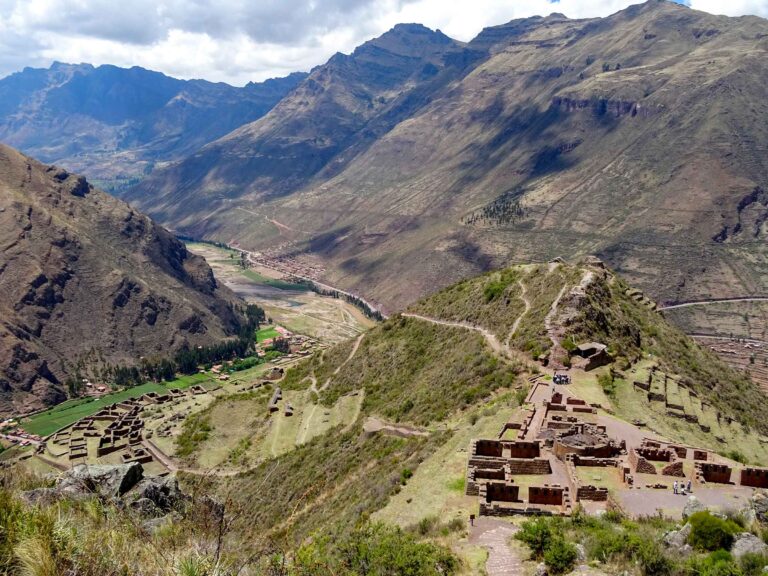
Pisac is known for its impressive Inca ruins perched on a hilltop. This site offers panoramic views of the lush valley below, a sight to behold. The ruins feature ceremonial baths, altars, and intricate agricultural terraces.

In the town center, the vibrant Pisac Market is a must-see. Here, you can find colorful textiles, hand-made crafts, and traditional Andean jewelry. The market operates daily but comes alive on Sundays when villagers gather to trade.

Visiting Pisac gives insights into ancient Inca architecture and vibrant Andean traditions. Some highlights include:

  • The iconic main square.
  • An array of local produce.
  • Authentic artisan products.

Ollantaytambo: Living Inca Town

Ollantaytambo is a well-preserved Inca town that continues to thrive today. Its narrow streets and stone buildings echo centuries of history. Visitors are often mesmerized by the intact Inca urban plan, with terraces extending up the mountainside.

The Sun Temple is a marvel, showcasing the Incas’ masterful stonework. At the town’s heart, daily life unfolds, offering glimpses of local culture and customs.

A major stop along the route to Machu Picchu, Ollantaytambo is a window into the past and present. Here are some must-sees:

  • The Sun Temple.
  • Well-preserved Inca homes.
  • Stunning terraces.

Moray: Inca Agricultural Laboratory

Moray’s circular terraces are an archaeological wonder. Thought to be an agricultural laboratory, the site demonstrates the Incas’ advanced farming techniques.

Each level’s temperature varies, allowing the cultivation of diverse crops. These terraces likely mimicked different ecological zones of ancient Peru.

A visit to Moray unveils the genius of Inca agriculture and its deep connection to nature. Key features include:

  • Circular terraces.
  • Microclimates.
  • Inca agricultural innovation.

Maras Salt Mines

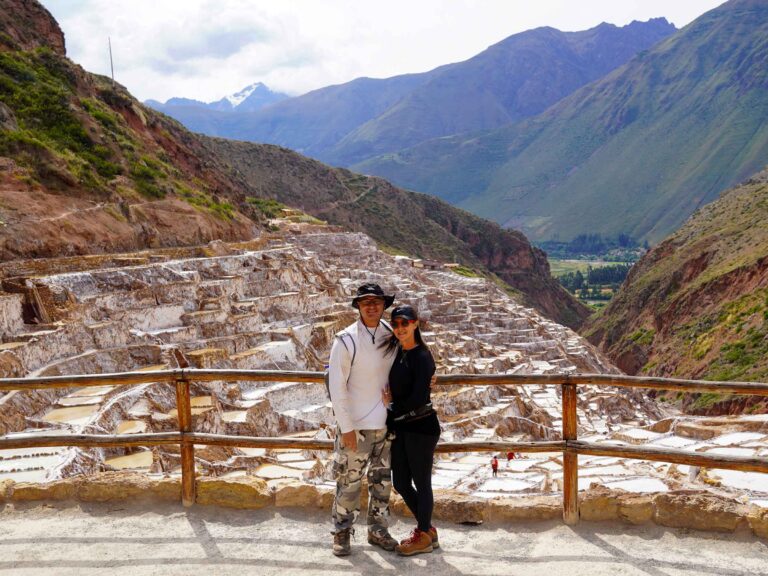
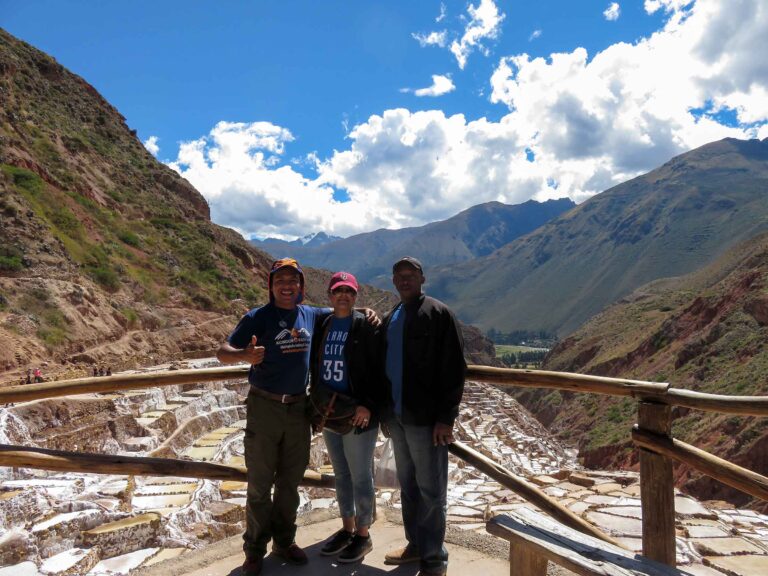
The Maras Salt Mines are a sight to behold. Thousands of salt pools cascade down the hillside, creating a patchwork of white against the Andean backdrop.

These pools have been used since Inca times to harvest natural salt. Water from a local stream is channeled into the shallow ponds where it evaporates, leaving salt crystals.

Visitors can explore these remarkable mines and even purchase salt to take home. Highlights include:

  • Unique salt pools.
  • Ancient Incan salt-harvesting techniques.
  • Beautiful landscapes.

Chinchero: Textiles and Traditions

Chinchero is a hub for traditional Andean textiles. Known as the “birthplace of the rainbow,” its vibrant colors stand out against the magnificent backdrop.

Artisans in Chinchero craft intricate weavings using ancient techniques. Visitors can watch the entire process, from spinning to dyeing, using natural ingredients.

Chinchero also features fascinating ruins and a colonial church built atop an Inca palace. Don’t miss:

  • Traditional weaving demonstrations.
  • Stunning vistas.
  • Historic ruins and architecture.

Urubamba: Heart of the Valley

Urubamba is centrally located in the Sacred Valley. This quiet town serves as a gateway to many attractions in the surrounding area.

Its fertile lands produce a bounty of crops, which visitors can savor in local dishes. Urubamba provides a peaceful base to rest and plan explorations.

Other Notable Sites: Calca, Yucay, and More

The Sacred Valley features many charming towns beyond the main attractions. Calca offers stunning thermal baths, perfect for relaxation.

Yucay is a lovely village with captivating ruins and beautiful gardens. There’s more to explore in the valley, including:

  • Calca’s hot springs.
  • Yucay’s historic sites.
  • Hidden gems in the countryside.

Sacred Valley Activities and Experiences

The Sacred Valley is not just about stunning landscapes and ancient ruins. It’s a playground for adventurers and cultural enthusiasts. From trekking paths to vibrant markets, there’s no shortage of exciting activities to enjoy.

Whether you seek adrenaline-pumping sports or wish to delve into Andean arts, the Sacred Valley has it all. Engaging in these experiences offers deeper connections with the region and its rich culture.

Hiking and Trekking in the Sacred Valley

Hiking in the Sacred Valley is a rewarding adventure. Trails range from gentle paths to challenging treks, catering to all fitness levels. The Inca Trail, a world-famous route, leads to Machu Picchu and showcases breathtaking scenery.

Other trails offer equally stunning views of the Andean landscapes. These include hidden gems rarely frequented by tourists. Engaging with local guides enhances the experience by revealing insights into flora, fauna, and Inca history. Noteworthy trails:

  • The Inca Trail.
  • Lares Trek.
  • Salcantay Trek.

Adventure Sports: Rafting, Biking, and Ziplining

The Sacred Valley offers thrilling adventure sports for adrenaline seekers. Rafting down the Urubamba River is an exhilarating way to witness the valley’s beauty. Class II and III rapids make it accessible for beginners and experienced rafters alike.

Mountain biking is another popular activity, offering diverse terrains and breathtaking vistas. For a different perspective, try ziplining over lush canopies and valleys. Each of these activities promises excitement and unforgettable memories. Popular sports include:

  • White-water rafting.
  • Mountain biking trails.
  • Valley ziplining adventures.

Cultural Experiences: Festivals, Music, and Dance

Immerse yourself in Andean culture through vibrant festivals and traditional performances. Festivals like Inti Raymi celebrate Inca heritage with colorful processions and rituals. Throughout the year, smaller festivals bring local communities together in joyful celebration.

Music and dance are integral to Andean culture. Witness traditional performances that showcase centuries-old rhythms and movements. Engage with locals to gain a deeper appreciation of their rich heritage. Essential experiences:

  • Inti Raymi festival.
  • Traditional Andean music.
  • Local dance performances.

Visiting Andean Artisans and Markets

Explore the artisanal markets of the Sacred Valley for unique handicrafts. Local artisans produce exquisite textiles, pottery, and silverwork using age-old techniques. Visiting these markets supports local communities and keeps traditional crafts alive.

Witness artisans at work as they transform natural materials into beautiful creations. The markets are not just places to shop; they offer cultural exchanges and personal connections. Notable markets:

  • Pisac Market.
  • Chinchero Artisan Market.
  • Ollantaytambo Crafts.

Culinary Delights: Peruvian Cuisine in the Valley

Peruvian cuisine is a fusion of flavors, and the Sacred Valley is no exception. Sample local dishes made with fresh, locally sourced ingredients. Specialties include lomo saltado, ceviche, and alpaca steak.

Street food stalls and renowned restaurants cater to all tastes and budgets. Culinary tours provide a deeper understanding of regional recipes and cooking techniques. Don’t miss trying these specialties:

  • Lomo Saltado.
  • Andean Quinoa Soup.
  • Fresh Ceviche.

Wellness and Spiritual Retreats

For those seeking tranquility, the Sacred Valley offers peaceful retreats. Wellness centers and yoga retreats offer serene environments for rejuvenating the body and mind. Participate in meditation and spiritual ceremonies to feel connected with the land.

These retreats promote relaxation and inner peace, making them ideal for reflection. Activities to consider:

  • Yoga classes.
  • Meditation retreats.
  • Spiritual healing sessions.

Where to Stay: Accommodation Options

The Sacred Valley offers a range of accommodations to suit every budget and preference. From luxury resorts to quaint guesthouses, there’s something for everyone. Each option provides a unique way to experience the valley’s charm.

Luxury travelers can indulge in world-class resorts with spa amenities and stunning views. For budget-conscious visitors, hostels and guesthouses offer comfortable stays at affordable rates. Rustic lodges provide a more intimate connection with nature.

Consider the location when choosing your accommodation, as each area offers a distinct atmosphere and convenient access to different attractions. Popular options include:

  • Luxury resorts with panoramic views.
  • Affordable hostels and guesthouses.
  • Cozy lodges for nature lovers.

Where to Eat: Best Restaurants and Cafés

Exploring the Sacred Valley’s cuisine is a must for food enthusiasts. The region offers a plethora of dining experiences highlighting authentic Peruvian flavors. From street food to gourmet dishes, there are options for every taste.

Local restaurants serve traditional Peruvian dishes made with fresh ingredients. Visitors can enjoy classic ceviche, hearty lomo saltado, or quinoa soup. For those seeking a fine-dining experience, the valley offers exquisite restaurants serving fusion cuisine.

Do not miss exploring cozy cafés that line the streets. These spots offer the perfect place to unwind with a cup of Peruvian coffee or a flavorful herbal tea. Some recommended dining spots include:

  • Traditional Peruvian eateries.
  • Gourmet restaurants with fusion cuisine.
  • Quaint cafés offering local beverages.

Practical Travel Tips for the Sacred Valley

Navigating the Sacred Valley requires some thoughtful planning. First, it’s important to acclimate to the high altitude in Cusco. Spend a day or two there before traveling further into the valley. This will help you adjust more comfortably and reduce the risk of altitude sickness.

Ensure you respect local customs and traditions. Simple gestures like dressing modestly and greeting locals in Spanish make a big difference. Additionally, knowing a few basic Quechua phrases can enhance interactions with indigenous communities.

Staying connected while exploring remote sites is key to safety and convenience. Consider purchasing a local SIM card for reliable communication. Here are essential tips to consider:

  • Prepare for altitude adjustment.
  • Learn basic local phrases.
  • Consider local mobile connectivity.

Sustainable and Responsible Travel in the Sacred Valley

Travelers should engage in sustainable practices to preserve the Sacred Valley’s unique heritage. Adopting eco-friendly habits can significantly reduce your travel footprint. Supporting local businesses and craftspeople not only stimulates the local economy but also fosters cultural appreciation.

Avoid leaving waste behind, especially at historical sites. Follow established trails to protect natural habitats and ecosystems. Consider these steps to ensure your trip is responsible:

  • Support local artisans.
  • Minimize waste and plastic use.
  • Respect cultural and natural sites.

Packing List for the Sacred Valley

Preparing the right items can enhance your Sacred Valley adventure. Pack light, but ensure you have essentials for various activities. The climate can vary significantly, so be prepared.

Consider these items for your trip:

  • Layered clothing for warm days and cool nights
  • Sturdy hiking boots
  • Sun protection, including hats and sunscreen
  • Waterproof jacket for unexpected rain
  • A reusable water bottle to stay hydrated

Frequently Asked Questions

Travelers often have queries about their Sacred Valley trip. Here we address some common concerns to help you plan better.

Is the Sacred Valley safe for tourists? Yes, it is generally safe. Still, keep an eye on your belongings and stay aware.

What is the average altitude in the Valley? Expect altitudes between 2,800 and 3,000 meters. Proper acclimatization can mitigate altitude sickness.

How do I get around? Many choose buses, taxis, or rental cars. For scenic views, try the train from Cusco.

Is it expensive to explore the Sacred Valley? Costs vary. There are budget options and luxury choices for accommodation and dining.

Here’s a quick FAQ list:

  • Is English widely spoken? Some locals speak English, especially in tourist areas.
  • What’s the local currency? The local currency is the Peruvian Sol.
  • Should I tip? Tipping is customary but not mandatory. Consider tipping 10% in restaurants.

Captivating Landscapes

The Sacred Valley’s diverse terrain offers many opportunities for landscape photography. The Urubamba River winds through the valley, flanking towering peaks and lush terraces. Sunrise and sunset are magical times to photograph the Andean light bathing the mountains in warm hues.

Tips for Landscape Photography

  • Use a tripod to stabilize your camera for sharp images.
  • Experiment with different shutter speeds to capture the movement of water or clouds.
  • Incorporate leading lines, such as rivers or terraces, to guide the viewer’s eye through the scene.
  • Ancient Ruins and Architecture
  • The valley is dotted with Inca ruins that offer a glimpse into the past. Sites like Pisac, Ollantaytambo, and Moray provide fascinating subjects for architectural and historical photography.

Tips for Ruins Photography

  • Arrive early to avoid crowds and capture the best light.
  • Use a wide-angle lens to encompass the grandeur of the ruins.
  • Look for interesting angles and details to create unique compositions.

Vibrant Culture and Traditions

The Sacred Valley is home to vibrant Quechua communities that maintain traditional ways of life. Markets, festivals, and daily life in the villages offer rich opportunities for cultural photography.

sacred valley day trek

Sacred Valley Day Trek

Tips for Cultural Photography

  • Respect the privacy and customs of the locals. Always ask for permission before taking photos of people.
  • Capture candid moments that reflect the essence of daily life.
  • Focus on details, such as textiles and handicrafts, to highlight the intricate art of the culture.

Flora and Fauna

The valley’s diverse ecosystems are home to a wide range of plants and animals. From the native flowers that adorn the landscape to the llamas and alpacas that graze on the hillsides, the natural world provides endless inspiration for nature photographers.

Tips for Nature Photography

  • Use a macro lens to capture the intricate details of flowers and plants.
  • Be patient and quiet when photographing wildlife to avoid disturbing them.
  • Look for interesting patterns and textures in the natural elements.

Practical Tips for Photographers

  • Bring extra memory cards and batteries, as you’ll likely take many photos.
  • Protect your gear from the elements with weatherproof bags and lens covers.
  • Dress in layers and wear comfortable shoes as you’ll explore various terrains.

Final Thoughts: Planning Your Sacred Valley Adventure

The Sacred Valley offers a captivating blend of history, culture, and natural beauty. From ancient ruins to vibrant markets, every corner tells a story.

Plan with flexibility in mind. Embrace the local culture and take time to explore hidden gems. This adventure promises unforgettable memories and insights. Enjoy every moment and savor the Valley’s unique charm. Your journey awaits!

Inquire Now

Contact form footer
Need help? Speak with us