
Altitude sickness is one of the most common concerns for travelers visiting Peru, especially in high-altitude destinations like Cusco and Puno. Understanding how it works and how to prevent it can make the difference between an uncomfortable trip and an unforgettable experience.
If you’re planning to explore the Andes, including Machu Picchu or Rainbow Mountain, it’s essential to prepare properly. Many travelers choose guided experiences such as Cusco Tours or Machu Picchu tours to ensure a safer, smoother journey.
What Is Altitude Sickness?
Altitude sickness, also known as soroche, occurs when your body struggles to adapt to lower oxygen levels at high elevations. This is common in places like Cusco (3,400 m) and Puno (over 3,800 m).
Common symptoms include:
- Headaches
- Dizziness
- Nausea
- Shortness of breath
- Fatigue
Altitude Sickness in Puno
Puno sits at over 12,500 feet (3,800 m), making it one of the highest cities travelers visit in Peru. As a result, many visitors experience altitude sickness upon arrival.
Taking precautions is essential, especially if you plan to visit Lake Titicaca or continue your trip through the Andes.
How to Prevent Altitude Sickness
- Avoid heavy meals, alcohol, and smoking upon arrival
- Stay hydrated (2–3 liters of water daily)
- Eat light, high-energy foods
- Rest during your first day at altitude
- Drink coca tea or herbal infusions
- Use glucose tablets if needed
👉 If your itinerary includes high-altitude hikes like Rainbow Mountain tours, proper acclimatization is essential.
Why Cusco Is Key for Acclimatization
Most travelers start their journey in Cusco, which allows their bodies to gradually adjust before visiting higher-altitude destinations like Rainbow Mountain or Puno.
Spending 1–2 days in Cusco before engaging in any strenuous activity is highly recommended.
👉 Explore the region at a comfortable pace with our Cusco tours or visit nearby areas like the Sacred Valley through Sacred Valley tours.
Understanding Puno and the Altiplano
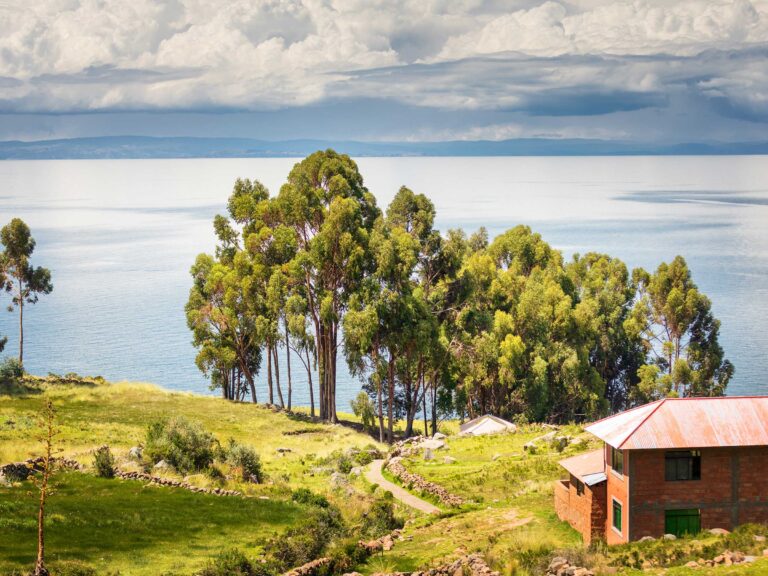
Nestled high in the Andes, Puno is known as the gateway to Lake Titicaca, the highest navigable lake in the world. The region is part of the Altiplano, a vast plateau that stretches across Peru and Bolivia.
The high altitude creates a unique environment, with breathtaking landscapes and strong cultural traditions from Aymara and Quechua communities.
Exploring Lake Titicaca
Lake Titicaca is one of the most iconic destinations in Peru. Visitors can explore:
- Uros floating islands
- Taquile Island (famous for textiles)
- Amantani Island
These cultural experiences are unforgettable, but altitude awareness is essential during your visit.
Activities in High-Altitude Destinations
Despite the altitude, travelers can enjoy a variety of activities:
- Hiking in the Andes
- Boat tours on Lake Titicaca
- Cultural visits to local communities
For more demanding adventures, such as trekking, proper preparation is critical.
👉 If you’re planning multi-day hikes, consider options like the Salkantay trek, where acclimatization plays a key role.
Best Time to Visit High-Altitude Regions
The dry season (May to October) is the best time to visit high-altitude destinations. Clear skies and stable weather make it ideal for hiking and sightseeing.
The rainy season (November to April) offers greener landscapes but requires greater flexibility due to variable weather.
Final Tips for a Safe Trip
Altitude sickness is manageable with proper preparation. Take your time, listen to your body, and plan your itinerary wisely.
👉 The safest way to explore Peru’s high-altitude destinations is through organized experiences like Machu Picchu tours or Rainbow Mountain tours, where logistics and pacing are handled for you.
With the right preparation, your journey through the Andes will be both safe and unforgettable.