
Peru is a land of ancient civilizations, breathtaking landscapes, and vibrant cultures. From the misty peaks of Machu Picchu to the sprawling Amazon rainforest, Peru offers a rich tapestry of experiences. But when is the best time to embark on this adventure? The answer depends on what you want to experience, your budget, and your tolerance for crowds and weather.

When is the Best Time to Travel to Peru
Peru is a country of diverse climates, mainly due to its varied geography. Understanding the climate zones can help you decide the best time to visit.
The coastal region, including Lima, is warm and dry. The winter months (May to September) are cool and cloudy, with temperatures often dropping to around 12°C (54°F) in the evenings. The skies are overcast, creating a phenomenon known as “La Garua,” a dense mist that blankets the coast. Despite the cooler temperatures, the region remains vibrant with cultural activities and festivals.
During the summer months (December to March), coastal areas experience hot, sunny weather, with temperatures reaching up to 30°C (86°F). Beaches become popular, attracting both locals and tourists looking to soak up the sun. This is also the time when Lima’s culinary scene thrives, offering fresh seafood and vibrant street foods.
The transition months, April and October, bring moderate temperatures and less crowded beaches. These months are ideal for exploring coastal cities and enjoying outdoor activities without the peak season rush. Travelers can experience cultural events and local life more intimately.
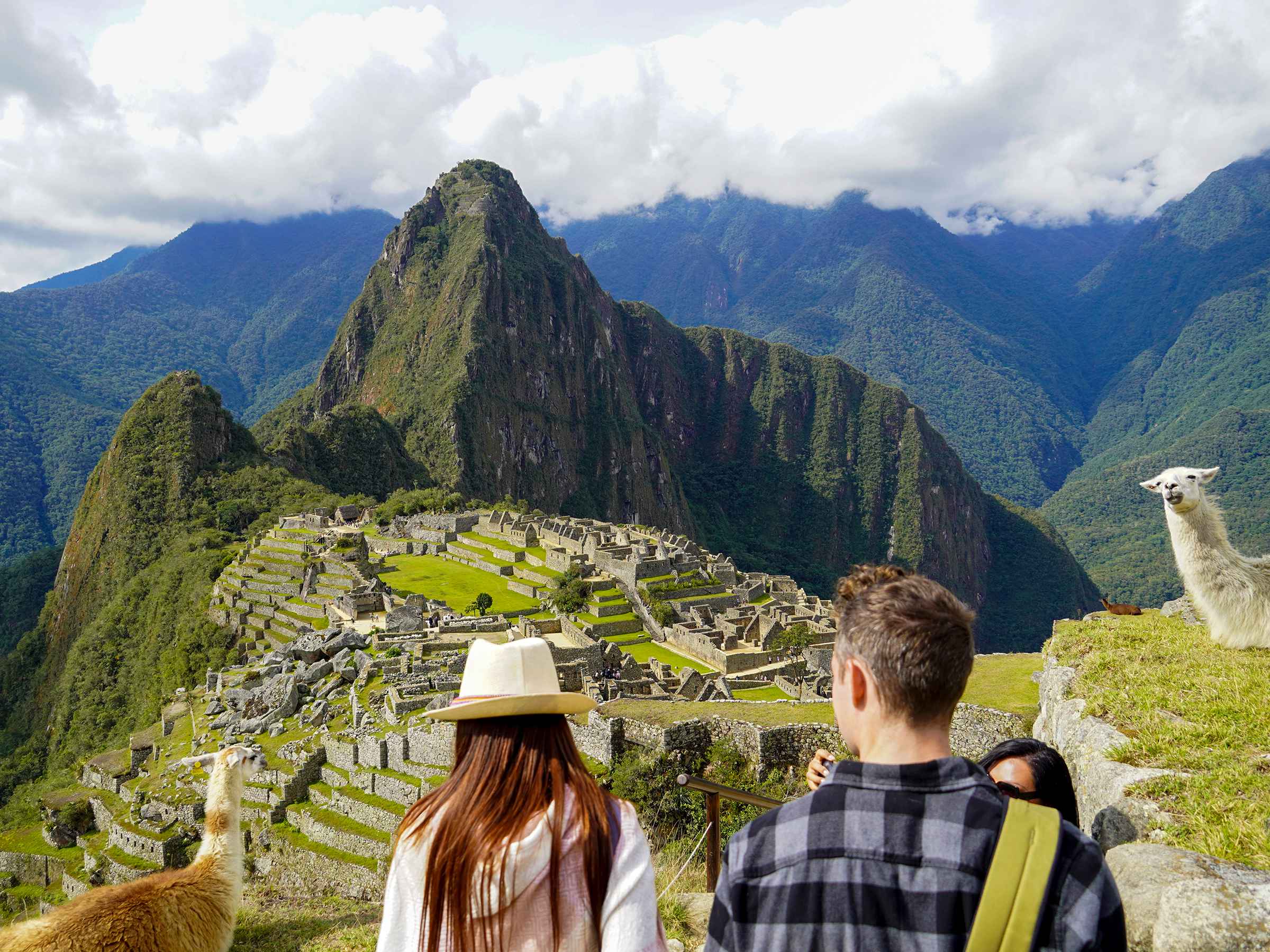
The Andean highlands, home to Cusco and Machu Picchu, have a distinct wet and dry season. The dry season runs from May to September, offering sunny days and chilly nights, perfect for trekking and exploring archaeological sites. During this period, the skies are clear, providing stunning views of the Andean peaks and making it an excellent time for photography.
In contrast, the wet season spans from November to March, bringing more rain and lush landscapes. Rivers swell, and waterfalls cascade down the mountains, creating a breathtaking spectacle. While the rain can disrupt outdoor plans, it also brings the region to life, with vibrant greenery and blooming flowers.
The shoulder months, April and October, offer a mix of both seasons. These months provide a balance of moderate weather, fewer tourists, and the chance to witness the highlands in transition. It’s an excellent time for those who enjoy a quieter experience, with the bonus of seeing the landscape in all its glory.
The Amazon rainforest is hot and humid year-round. The wet season, from December to May, brings frequent rain that nourishes lush vegetation and wildlife. This period is ideal for birdwatchers and nature enthusiasts, as the forest is teeming with activity. However, travelers should be prepared for muddy trails and the possibility of altered travel plans due to heavy rains.
During the dry season, from June to November, the Amazon experiences slightly cooler temperatures and less rain. This is the best time for river cruises and exploring the jungle on foot. Water levels in the rivers drop, revealing hidden sandbanks and allowing for unique wildlife sightings.
The Amazon’s climate is consistent, but each season offers a different experience. Regardless of when you visit, the Amazon’s biodiversity and vibrant ecosystem promise an unforgettable adventure.

The dry season, from May to September, is often considered the best time to visit Peru. This period offers clear skies, making it ideal for trekking in the Andes and visiting archaeological sites. The dry weather also facilitates travel between destinations, as roads are more accessible and flights are less likely to be delayed.
However, it’s also peak tourist season, which means more crowds and higher prices. Popular sites like Machu Picchu and the Sacred Valley can become quite busy, so planning and booking in advance is crucial. For those who enjoy a lively atmosphere, the bustling energy of peak season can be invigorating and full of opportunities to meet fellow travelers.
The rainy season, from November to March, sees fewer tourists and lower prices. While rain can disrupt some outdoor activities, the landscapes are lush and green. This season is perfect for those seeking a quieter experience and who don’t mind occasional downpours. Additionally, the rain often falls in short bursts, leaving plenty of time for exploring between showers.
The rainy season is also a great time to engage with local culture, as many communities celebrate festivals and traditional events. Travelers can enjoy a more authentic experience, gaining insight into daily life and customs without the influx of tourists.
The shoulder months of April and October offer a balance between the dry and rainy seasons. These months provide moderate weather, fewer crowds, and often better deals on accommodations and tours. During the transition period, the shoulder season offers travelers the best of both worlds – pleasant weather and a more relaxed pace.
It’s an excellent time for budget travelers and those looking to avoid the peak season rush. With fewer people around, visitors can explore popular attractions at their leisure, taking in the sights without the pressure of crowds. Additionally, local markets and restaurants are less busy, offering a more genuine taste of Peruvian hospitality.
During the shoulder season, travelers can also take advantage of unique opportunities, such as participating in local festivals or attending workshops and cultural events. These experiences provide a deeper connection to the country and its rich heritage.
In recent years, global events such as climate change and the COVID-19 pandemic have impacted travel patterns and seasons in Peru. Unpredictable weather changes can affect traditional travel seasons, leading to unexpected rain or heat waves. Travelers should stay informed about weather forecasts and be flexible with their plans.
The pandemic has also reshaped the tourism landscape, with many travelers opting for off-the-beaten-path destinations and experiences. This shift has opened new opportunities to explore lesser-known regions of Peru, offering unique, less crowded experiences.

Peru’s festivals are vibrant and deeply rooted in tradition. Here’s a month-by-month guide to some of the most notable celebrations:
In addition to the major festivals, Peru hosts countless local celebrations that offer a more intimate glimpse into its diverse cultures. Each town and village has its own patron saint festivities, complete with processions, music, and traditional dances. These events provide an opportunity to connect with locals and experience their unique customs.
Many festivals are tied to the agricultural calendar, celebrating harvests and planting seasons. These events highlight Peru’s strong connection to the land and its importance in daily life. Travelers can participate in these festivals, learn about traditional farming practices, and enjoy fresh, local produce.
Traveling to Peru on a budget is easier during the rainy season, from November to March. During this time, flights and accommodations are generally cheaper, and there are fewer tourists. Be sure to pack a raincoat and plan for some indoor activities to make the most of your trip.
Budget travelers can find great deals on tours and excursions, as operators offer discounts to attract visitors during the off-peak season. Dining out is also more affordable, with local eateries offering delicious and inexpensive meals. Exploring street food markets is a must for those looking to experience Peru’s culinary diversity on a budget.
While rain can be a challenge, it also offers an opportunity to enjoy Peru’s rich cultural offerings, including museums, galleries, and historic sites. Many cities and towns host indoor cultural events and workshops, offering engaging alternatives to outdoor activities.
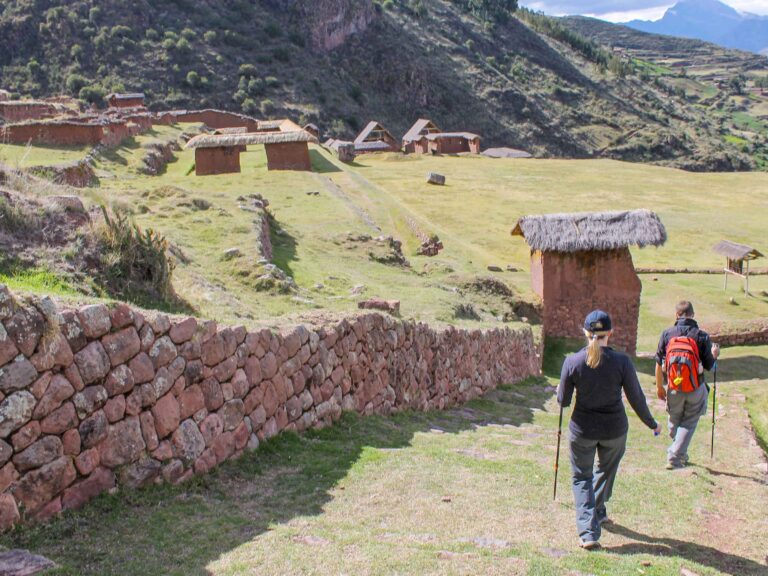
For hiking enthusiasts, the best time to explore Peru’s trails is during the dry season, from May to September. The Inca Trail to Machu Picchu is particularly popular during this time, thanks to the clear skies and stunning views. Remember to book permits in advance, as spots fill up quickly.
Hikers can choose from a variety of trails, ranging from the challenging Salkantay Trek to the scenic Lares Trek. Each offers unique landscapes and cultural encounters, from snow-capped peaks to traditional Andean villages. Proper preparation is key; travelers are advised to acclimatize to the altitude and pack appropriate gear.
Off-the-beaten-path trails offer solitude and exploration, away from the crowds. These lesser-known routes offer a chance to discover hidden gems and connect more deeply with nature. Guided tours are available, offering insights into the region’s history and ecology.
To avoid the crowds, consider visiting during the shoulder months of April and October. These months offer pleasant weather and fewer tourists, allowing for a more personal experience at popular sites like Machu Picchu and the Sacred Valley.
Travelers can enjoy the freedom to explore at their own pace, with less competition for accommodations and attractions. This is an ideal time for photographers, as the natural lighting and serene landscapes provide perfect conditions for capturing Peru’s beauty.
In addition to the famous sites, the shoulder season is perfect for exploring lesser-known destinations, such as the Colca Canyon or the beaches of the northern coast. These areas offer stunning landscapes and unique cultural experiences, without the throngs of tourists.
Here’s a summary of what each month offers:
Tours

High season: abundant sunshine
The best months to travel to Peru are between April and August.
During this period, domestic and foreign tourists travel to the country’s center to enjoy strenuous hikes and beautiful views.
During these months, you can visit the Amazon region and the mountains of Cusco, Arequipa, Huacachina, and many other places.
If you want to avoid the worst crowds and are not afraid of some rainfall and mosquitoes, go to Peru in the low season. Due to heavy rains, December to March are the least popular times to visit the rainforest or the Andes.
However, it is not quite right. Because the gray clouds and fog that show up spontaneously can give an exceptional mystical tone to the jungle and the ancient Inca cities,
If you are a hiking enthusiast, keep in mind that the Inca Trail is closed in February for maintenance work. If you want to reach the world’s wonder, Machu Picchu, in February with a challenging hike, the five-day Salkantay trek is a worthy alternative.
The best time to travel to Peru ultimately depends on your preferences and priorities. Whether you’re seeking sunny skies for hiking, vibrant festivals, or budget-friendly options, Peru offers something for every traveler. By understanding the climate zones, travel seasons, and cultural events, you can tailor your trip to create unforgettable memories.
Remember, no matter when you choose to visit, Peru’s breathtaking beauty and rich cultural heritage will undoubtedly leave a lasting impression. So pack your bags, embrace the adventure, and discover the wonders of Peru on your own terms.
When planning your trip to Peru, consider factors such as altitude, travel insurance, and health precautions. The high altitudes of the Andes can affect some travelers, so it’s essential to acclimatize slowly and stay hydrated. Travel insurance is recommended to cover unforeseen events such as flight cancellations or medical emergencies.
Health precautions, such as vaccinations and mosquito protection, are crucial for those visiting the Amazon and other tropical regions. Consult a travel doctor for tailored advice based on your itinerary, and ensure you have all necessary medications and supplies.
As travelers, we have a responsibility to protect the environments and communities we visit. In Peru, this means supporting local businesses, minimizing waste, and respecting cultural traditions. Consider eco-friendly accommodations and tours that prioritize sustainability and conservation.
Engage with local communities respectfully, learning from their traditions and supporting their economies. By traveling mindfully, you help preserve Peru’s natural and cultural treasures for future generations.
Peru is a country of endless possibilities, offering adventures for every type of traveler. Whether you’re trekking through the Andes, exploring the Amazon, or immersing yourself in vibrant festivals, the experiences you have in Peru will stay with you forever. Embrace the adventure, and let Peru’s magic captivate you.
No matter when you choose to visit, the spirit of Peru and its people will welcome you with open arms. Enjoy the journey and discover the wonders of this incredible country.
Understanding the Neurochemistry of Ayahuasca Ayahuasca, a traditional Amazonian brew, has been revered for centuries for its spiritual…
Peru is a land of diverse landscapes and rich cultural heritage, and the Huchuy Qosqo Trek is a…
Peru is a treasure trove of historic sites, with Machu Picchu often stealing the spotlight. However, the lesser-known…
Nestled in the high Andes of Peru, Qeswachaka stands as a testament to ancient Inca engineering and the…
Nestled in the highlands of Peru, Pikillacta stands as a testament to ancient civilizations that predate the Inca…
The Ancascocha Trek: A Remote Andean Route Few Travelers Experience The Ancascocha Trek is an unparalleled adventure for…
Nestled in the breathtaking landscapes of the Sacred Valley, Tambomachay is a hidden treasure that whispers tales of…
Trekking the Ancascocha Trail The Ancascocha Trail is often overshadowed by its more famous neighbor, the Inca Trail.…
Huchuy Qosqo Trek vs. Classic Inca Trail: Which Adventure is Right for You? Introduction Peru’s Sacred Valley has…
Exploring Qenqo Peru: Unraveling the Mysteries of the Ancient Incan Sanctuary Nestled in the breathtaking landscapes of Peru,…
Discover The Cusco Cathedral, Art, and Cultural Significance Nestled in the heart of Cusco, Peru, the Cusco Cathedral…
Multi Day Tours from Cusco: Travel Routes, Ideas & Planning Tips Cusco, the historic capital of the Inca…