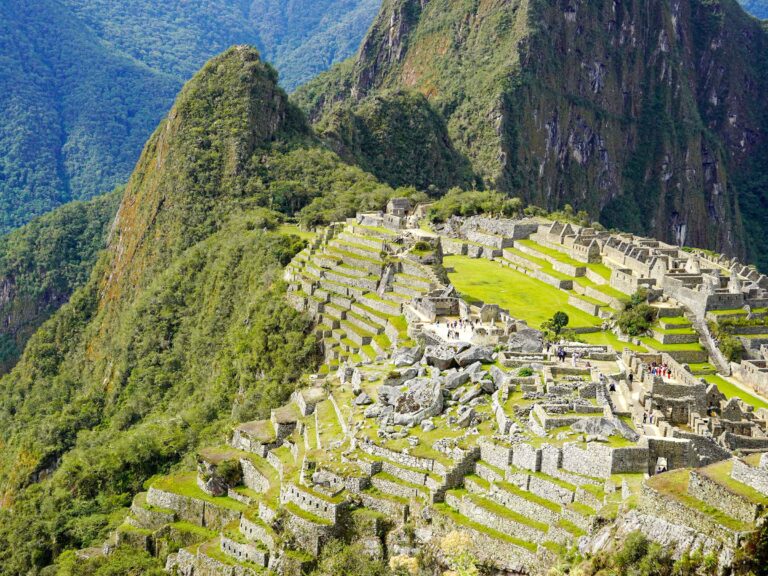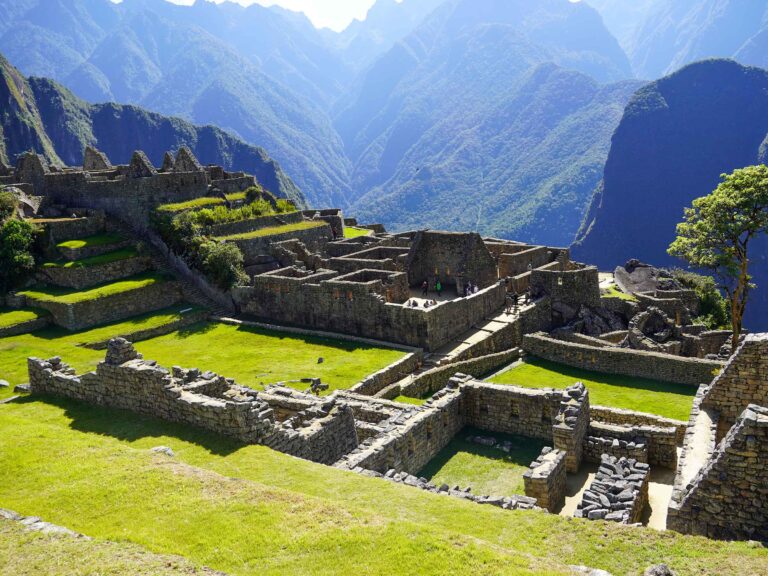

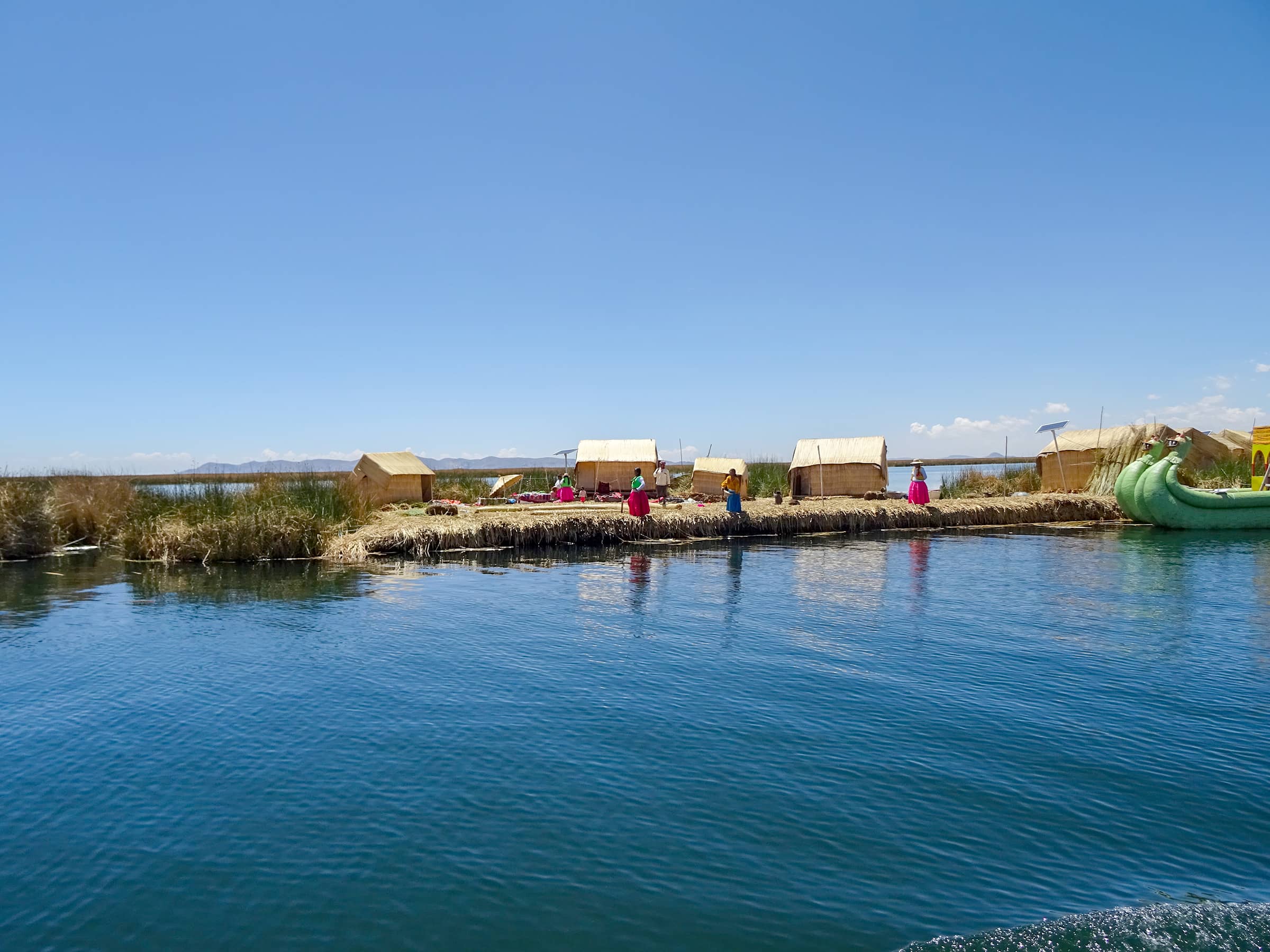
Puno sits at more than 3,800 meters (12,500 feet) above sea level, making it one of the highest tourist destinations in Peru. Located on the shores of Lake Titicaca, the city offers breathtaking landscapes and rich Andean culture, but the altitude can affect many travelers.
Understanding how altitude sickness works and preparing properly can make your visit to Puno much more comfortable and enjoyable.
👉 Explore the region safely with our
Puno & Lake Titicaca tours.
What Is Altitude Sickness?
Altitude sickness, also known as acute mountain sickness (AMS), occurs when the body struggles to adapt to lower oxygen levels at high elevations.
At high altitude, the air contains less oxygen, making it harder for the body to function normally until it acclimates.
Altitude sickness can affect travelers of any age or fitness level.
Why Does Puno Cause Altitude Sickness?
Puno’s high elevation is the main reason travelers experience altitude-related symptoms.
Many visitors arrive directly from lower-altitude cities such as Lima, causing the body to react quickly to the sudden change in oxygen levels.
The combination of:
- High altitude
- Dry air
- Cold temperatures
- Physical activity
can make symptoms stronger during the first days of the trip.
Common Symptoms of Altitude Sickness
Symptoms usually appear within the first few hours after arriving in Puno.
- Headaches
- Dizziness
- Fatigue
- Nausea
- Shortness of breath
- Difficulty sleeping
- Loss of appetite
For most travelers, symptoms are mild and improve after proper acclimatization.
How to Prevent Altitude Sickness in Puno
Acclimatize Slowly
Allow your body time to adapt before engaging in strenuous activities.
Many travelers spend time in Cusco before continuing on to Puno, which can help with acclimatization.
Drink Plenty of Water
Staying hydrated is extremely important at high altitude.
The dry Andean air can quickly lead to dehydration, which may worsen symptoms.
Avoid Alcohol on the First Day
Alcohol can intensify dehydration and make altitude symptoms worse.
It is best to avoid alcohol during the first 24 to 48 hours.
Eat Light Meals
High-carbohydrate meals such as quinoa, potatoes, rice, and soups are easier to digest at altitude.
Rest During Your First Day
Take it easy after arriving in Puno.
Avoid intense hikes or excessive physical activity until your body adjusts.
Does Coca Tea Help?
Coca tea is one of the most traditional remedies used in the Andes for altitude sickness.
Many hotels and local restaurants in Puno offer coca tea to travelers.
Although scientific evidence is limited, many visitors report feeling relief after drinking it.
Should You Take Altitude Medication?
Some travelers use medications such as acetazolamide to help prevent altitude sickness.
It is important to consult a healthcare professional before taking any medication.
Travelers with medical conditions should seek professional medical advice before visiting high-altitude destinations.
When Symptoms Become Serious
In rare cases, altitude sickness can become severe.
Seek medical attention immediately if you experience:
- Difficulty breathing
- Chest pain
- Confusion
- Loss of coordination
- Severe headaches that do not improve
These symptoms may indicate serious altitude-related conditions that require immediate treatment.
How Long Does Acclimatization Take?
Most travelers begin feeling better after 24 to 48 hours.
The body gradually adapts to lower oxygen levels, allowing travelers to enjoy activities more comfortably.
Everyone reacts differently to altitude, so some visitors may acclimatize faster than others.
Best Tips from Local Guides
- Walk slowly during your first day
- Stay hydrated
- Sleep well
- Drink coca tea
- Avoid heavy meals
- Protect yourself from the sun
Simple habits can make a big difference when traveling at high altitude.
Best Lake Titicaca Tours After Acclimatizing
Best Time to Visit Puno
The dry season from May to October offers the best conditions for visiting Puno and Lake Titicaca.
Travelers can enjoy:
- Clear skies
- Better lake views
- Stable weather
- Excellent photography conditions
👉 Read our best time to travel to Peru guide.
Traveling from Cusco to Puno
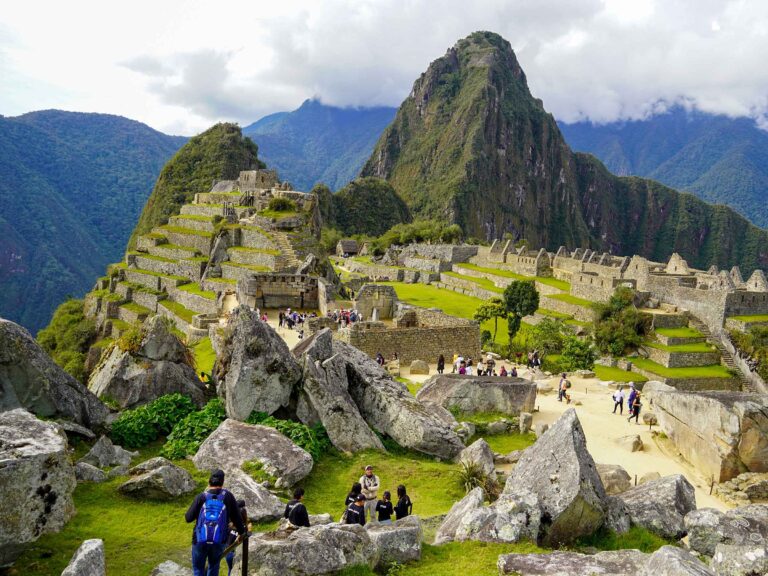
Many travelers combine Cusco, Machu Picchu, and Puno on a single itinerary.
Gradual travel between destinations can help with acclimatization.
👉 Travel comfortably with our
Cusco to Puno by Car Tour.
Final Thoughts
Puno and Lake Titicaca are among the most extraordinary destinations in Peru, but the altitude can affect many travelers during the first days of their trip.
With proper preparation, hydration, rest, and gradual acclimatization, most visitors can enjoy the beauty of the Andes without major problems.
Understanding altitude sickness helps travelers experience Puno safely and comfortably while exploring one of South America’s most fascinating cultural regions.
👉 Explore Lake Titicaca safely with our
Puno & Lake Titicaca tours.