Complete guide to visiting the last Inca rope bridge in Peru from Cusco.
Planning to visit the Q’eswachaka Bridge in 2026? This complete guide explains everything you need to know — from festival dates and the 4-day renewal ceremony to how to get there from Cusco and what to expect when visiting the last Inca rope bridge in Peru.
Located high in the Andes, Q’eswachaka is the last remaining Inca suspension bridge, rebuilt every year by local Quechua communities using ancient techniques. If you are looking for an authentic cultural experience beyond Machu Picchu, this is one of the most unique traditions you can witness in South America.
If you want to visit Q’eswachaka with safe transport, local insights, and a full cultural explanation, you can join a guided experience here:
Q’eswachaka Inca Bridge Tour from Cusco.
By Kondor Path Tours · Cusco, Peru · Updated April 2026
Somewhere in the high Andes of southern Peru, about 180 kilometers from Cusco, four Quechua communities do something that has not changed in over 600 years. Every June, the men and women gather at the edge of a canyon above the Apurímac River. They pray, offer coca leaves, and rebuild a bridge using only ichu grass and ancestral knowledge.
This is Q’eswachaka: the last Inca suspension bridge in the world — a living cultural tradition that continues unbroken for centuries.

Q’eswachaka 2026
The name comes from Quechua: q’eswa means rope and chaka means bridge — literally “the braided bridge.”
The bridge spans the Apurímac River at 3,700 meters above sea level, measuring 28 meters long and suspended 30 meters above the canyon. It is built entirely from ichu grass — no metal, no modern materials.
It was once part of the Qhapaq Ñan, the Inca road system. Today, it is the only bridge of its kind still rebuilt annually using traditional methods.
Yes — especially if you are looking for an authentic cultural experience in Peru. Unlike Machu Picchu, which is an archaeological site, Q’eswachaka is a living tradition that continues every year.
For many travelers, visiting Q’eswachaka becomes one of the most memorable experiences in Cusco because it connects you directly with local communities and Inca heritage still alive today.
The renewal ceremony always takes place in June. In 2026, the key dates are:
Best day to visit: June 14 — when the bridge is complete and open to visitors.

Offerings to Pachamama and the mountains take place while women braid ichu grass into ropes.
The old bridge is cut and falls into the canyon. New cables are installed.
Men weave the structure of the bridge across the canyon.
The bridge is finished, tested, and opened. Visitors can cross it.
Walking across Q’eswachaka is unlike any other experience in Peru. The bridge sways gently under your feet as you step onto woven grass ropes suspended high above the Apurímac River.
For many travelers, this moment becomes one of the highlights of their trip — not because of adrenaline, but because of the connection to a tradition that has remained alive for centuries.
Yes, the bridge is safe when properly maintained and used. It is rebuilt every year by experienced local communities using traditional techniques refined over generations.
Visitors are allowed to cross the bridge one at a time or in small groups, following instructions from local guides.
Q’eswachaka is located about 180 km from Cusco, with a travel time of 4–5 hours.
Most travelers choose a guided tour due to the remote location.
👉 Q’eswachaka Bridge Tour from Cusco →
The bridge is open year-round except during the renewal days. Visiting outside of June offers fewer crowds and a quieter experience.
Q’eswachaka is one of the few traditions in the world that has remained alive for over 600 years. It is recognized by UNESCO as Intangible Cultural Heritage.
Unlike archaeological sites, this tradition continues because communities choose to preserve it.
Experience this unique cultural tradition with a guided tour from Cusco.
Book your Q’eswachaka experience here →
Q’eswachaka is more than a bridge — it is a living connection to the Inca world. Visiting in 2026 offers a rare opportunity to witness a tradition that endures through community and culture.
Secure your visit with local experts:
Book your tour now →
Content based on user-provided material. :contentReference[oaicite:0]{index=0}
Yes, visitors can cross the bridge once it has been completed.
A full-day trip from Cusco typically takes 10–12 hours round-trip.
It is not mandatory, but highly recommended due to the remote location.
June, during the festival, offers the most cultural experience, but the bridge can be visited year-round.
The tour is moderate. The main challenge is the altitude and long travel time, not the physical difficulty.

A visual guide to the Qeswachaka Inca Bridge tour, showcasing the hand-woven suspension bridge, Andean viewpoints, and cultural landmarks visited along the route.

Planning to attend Inti Raymi 2026 in Cusco? This complete travel guide covers everything you need to know…
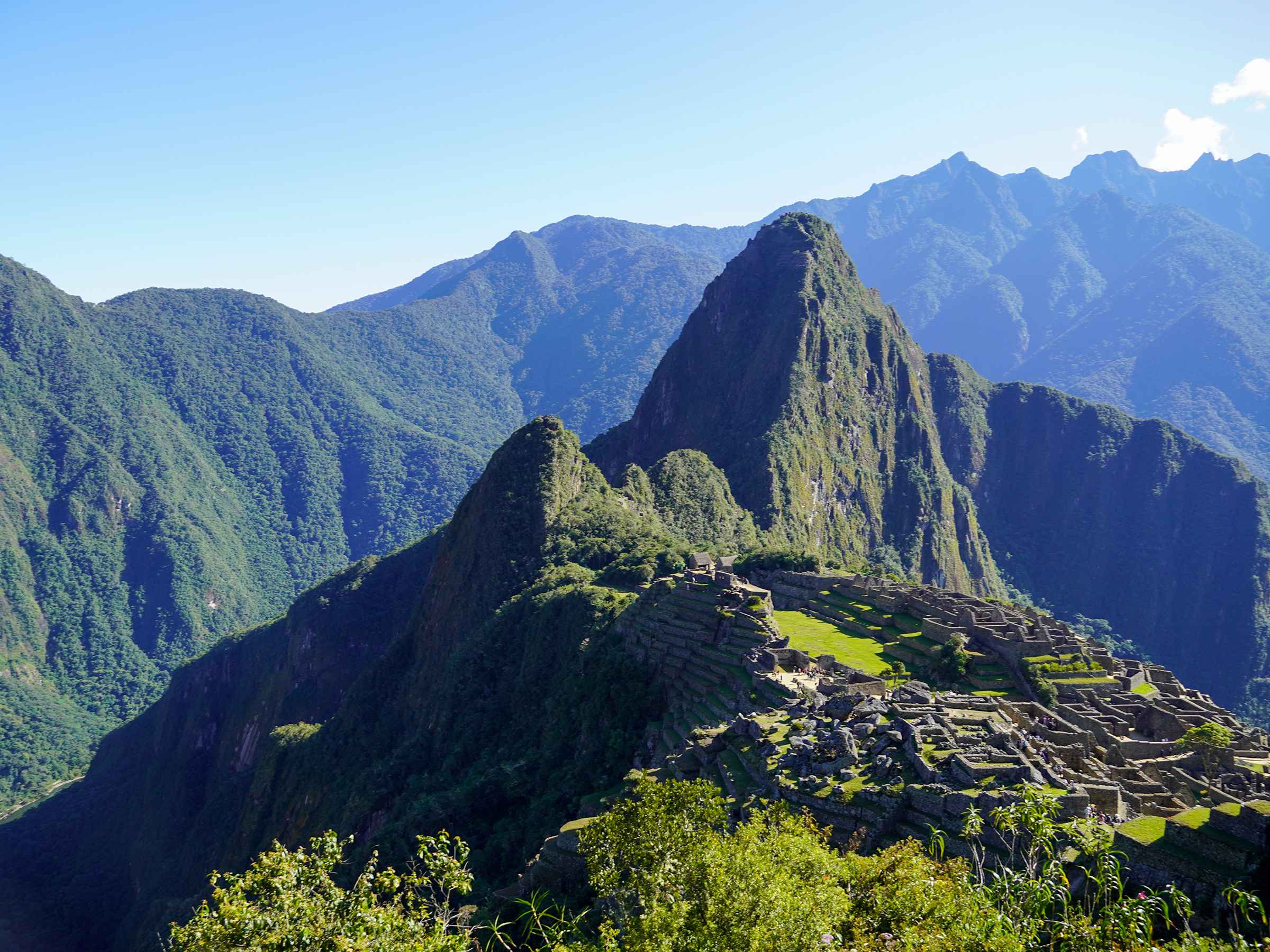
Last-Minute Machu Picchu: How Travelers Still Visit Without Tickets from Cusco The Reality of Last-Minute Travel in Cusco…

Machu Picchu and Hiram Bingham’s Legacy: Rediscovery, Debate, and Historical Impact Machu Picchu continues to fascinate travelers, historians,…
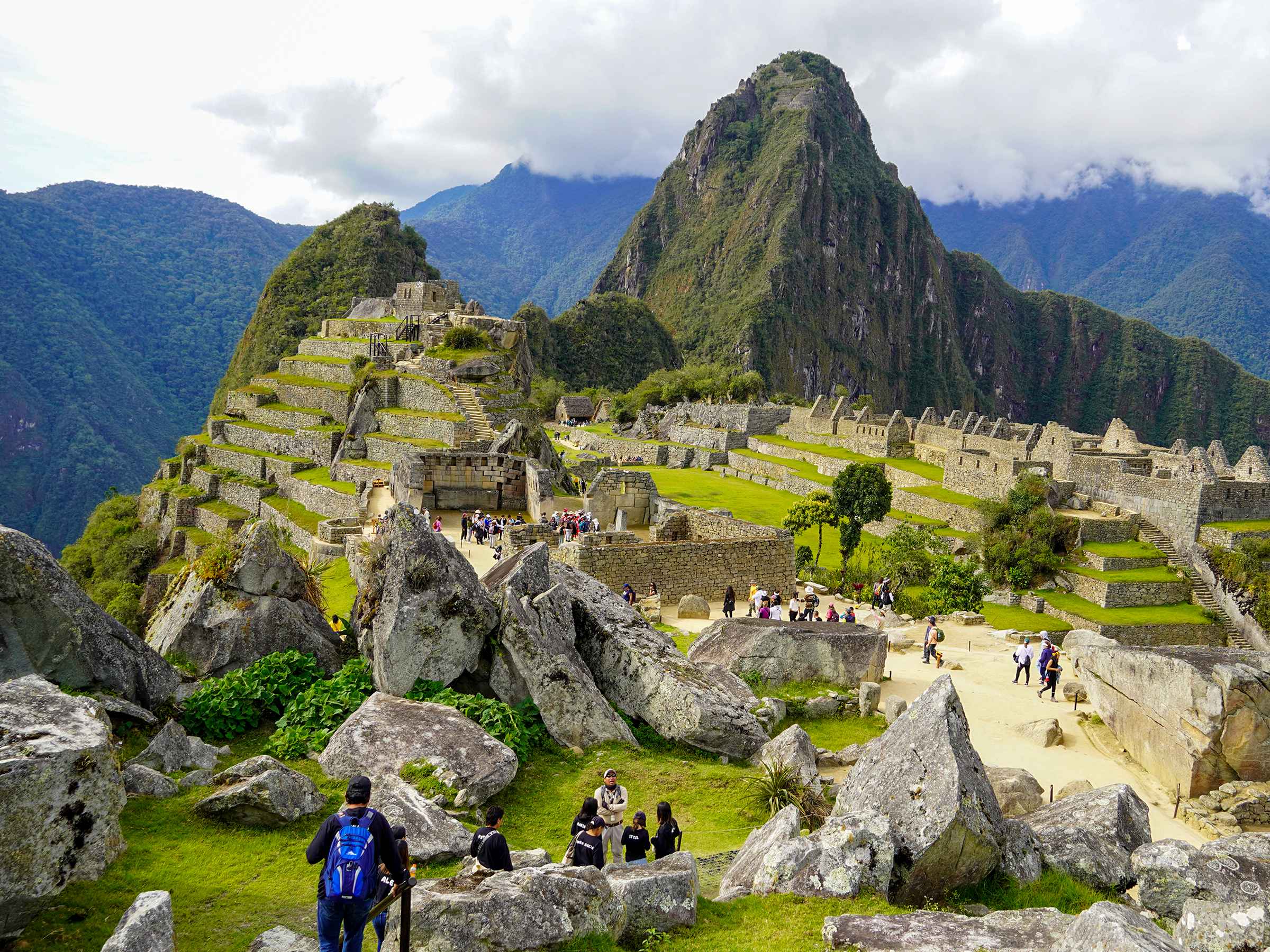
Machu Picchu is not only one of the most iconic archaeological sites in the world — it is…

The terraces of Machu Picchu are one of the most impressive features of the site. Built into the…

Machu Picchu is one of the greatest examples of ancient engineering in the world. One of its most…

Machu Picchu is not only an archaeological wonder—it is also a deeply spiritual place. Surrounded by sacred mountains…
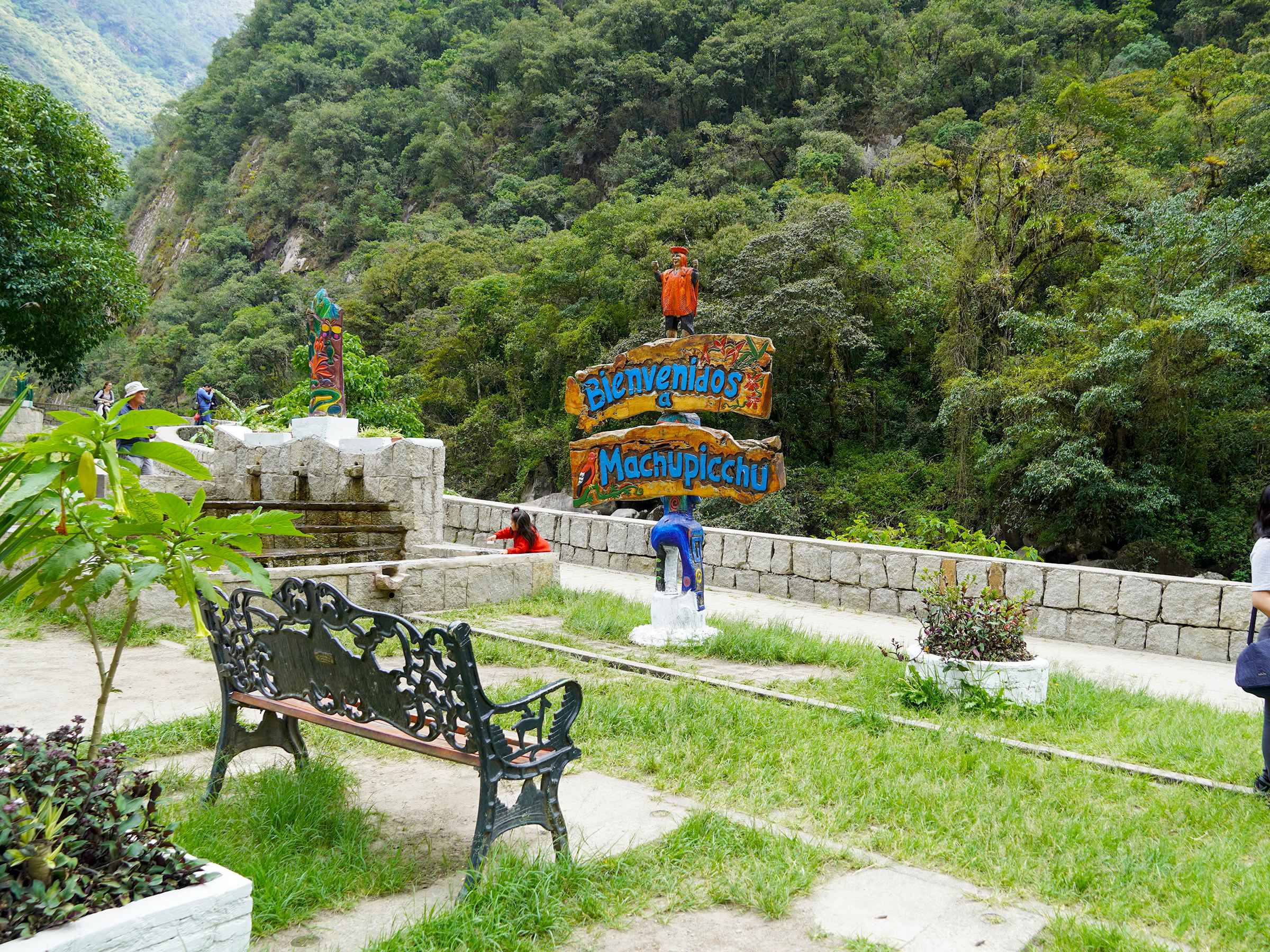
Aguas Calientes: The Gateway to Machu Picchu Aguas Calientes, also known as Machu Picchu Pueblo, is the main…

Peru Altitude Guide Peru is a land of breathtaking landscapes and rich cultural heritage. Its diverse geography includes…

Planning a Machu Picchu climb? There is more than one way to reach the citadel — from multi-day…

The Sacred Valley of Cusco is not just a stop on the way to Machu Picchu—it’s one of…

The best time to visit Machu Picchu in Peru depends on what matters most to you: weather, crowds,…