
Inca Jungle Trek: Adventure Highlights and Scenic Experiences

Inca Jungle Trek: Adventure Highlights and Scenic Experiences


Tabla de Contenidos

Inca Jungle Trek Ultimate Travel Guide to Machu Picchu

Embarking on the Inca Jungle Trek to Machu Picchu is the adventure of a lifetime. This journey will take you through diverse landscapes, from the lush jungles of Peru to the awe-inspiring peaks of the Andes. Whether you’re a seasoned trekker or a beginner, this guide will help you navigate the path to Machu Picchu with confidence.

The Inca Jungle Trek is a unique route that combines hiking, biking, and even zip-lining. Unlike the traditional Inca Trail, this trek offers a less crowded experience and a chance to engage with the vibrant local culture. You’ll traverse through verdant jungles, cross rushing rivers, and explore ancient Inca ruins, all while making your way to the iconic Machu Picchu.

The Inca Jungle Trek is one of the treks through the Amazon circuit of Cusco between Santa María and Santa Teresa, and, therefore, to the magnificent Inca citadel of Machu Picchu. While taking the Inca Jungle Amazon to Machu Picchu tour, you can see breathtaking landscapes full of lush vegetation, exotic fruit trees, coffee plantations, and more, along with a stunning fusion of the qualities nature offers, from the low jungle to the cloud forest.

One of the most exciting aspects of the Inca Jungle Trek is the variety of activities it encompasses.

The combination of biking, hiking, and zip-lining allows adventurers to experience the Peruvian landscape in multifaceted ways. Each activity provides a different perspective and level of engagement with the environment, ensuring that every moment is filled with excitement and discovery.

As you traverse the Inca Jungle Trek, you’ll have numerous opportunities to interact with local communities. These encounters offer a chance to learn about traditional lifestyles and customs, and even to partake in regional festivities. Engaging with locals not only enriches your travel experience but also supports and respects the area’s cultural heritage.

The trek is not just about the physical journey; it’s also a journey through history. As you make your way to Machu Picchu, you’ll encounter several lesser-known Inca ruins that tell stories of an ancient civilization. These sites provide a glimpse into the architectural prowess and rich history of the Incas, making every step of the trek a walk through time.

The Inca Jungle Trek is a nature lover’s paradise. The route is teeming with diverse flora and fauna, from exotic birds to unique plant species. The lush jungles and towering mountains create a stunning backdrop that changes with every turn, offering endless opportunities for photography and wildlife spotting.

Choosing the Inca Jungle Trek is opting for an adventure that blends nature, culture, and adrenaline.

This trek is perfect for those seeking variety and excitement, offering activities such as mountain biking and white-water rafting. Additionally, it’s a more budget-friendly and less restrictive alternative to the classic Inca Trail, which requires permits and books out months in advance.

The Inca Jungle Trek stands out for its versatility. Unlike more traditional treks, this route offers a mix of physical challenges and leisurely moments. Whether you’re speeding downhill on a mountain bike or soaking in a hot spring, the trek caters to a wide range of interests and fitness levels, making it accessible to many travelers.

For budget-conscious travelers, the Inca Jungle Trek offers an affordable alternative to the classic Inca Trail. With fewer permit restrictions and lower fees, adventurers can enjoy a similar, if not richer, experience without the hefty price tag. This affordability opens up the trek to a broader audience, ensuring more people can experience the magic of Machu Picchu.

One of the most appealing aspects of the Inca Jungle Trek is the opportunity to escape the crowds that flock to the traditional Inca Trail. By choosing this lesser-known path, you can enjoy a more intimate experience with the landscape and cultural sites. This solitude enhances the serenity of the trek, allowing for a more personal connection with the surroundings.

For thrill-seekers, the Inca Jungle Trek offers a perfect blend of heart-pounding activities.

Whether it’s the rush of white-water rafting or the exhilarating flight across a valley on a zip-line, the trek is packed with adventure. These activities not only provide a physical challenge but also leave travelers with unforgettable memories and stories to share.

Embarking on the Inca Jungle Trek requires some planning.

Here’s what you need to know:

The best time to take the Inca Jungle Trek is during the dry season, from May to September. During these months, the weather is more predictable, and the trails are less muddy. However, be prepared for cooler temperatures in the Andes at night.

Understanding the weather patterns is crucial for planning your trek. The dry season offers clearer skies and more stable conditions, making it ideal for outdoor activities. However, even during this time, the Andean weather can be unpredictable, so it’s essential to stay informed and be prepared for sudden changes.

The Inca Jungle Trek spans a range of altitudes, which means you’ll experience varying temperatures. While days may be warm and sunny, nights in the Andes can be chilly. Packing layers will keep you comfortable throughout the trek, so you can fully enjoy the experience regardless of the weather.

While the dry season is the most popular time to trek, traveling during the shoulder months of April and October can also be rewarding. These periods offer a balance of favorable weather and fewer tourists, providing a more peaceful trekking experience.

It’s advisable to book your trek through a reputable tour operator. They will provide guides, equipment, and logistical support to ensure a safe and enjoyable experience. Most tours last four days, with the final day spent exploring Machu Picchu.

Selecting the right tour operator is a critical step in planning your trek. Look for companies with positive reviews, experienced guides, and a commitment to sustainable tourism practices. A good operator will enhance your experience by providing knowledgeable insights and ensuring your safety throughout the journey.

When booking your trek, it’s important to understand what is included in the tour package. Most operators provide transportation, meals, accommodations, and equipment. Clarifying these details in advance will help you prepare adequately and avoid unexpected expenses.

The Inca Jungle Trek typically spans four days, each filled with unique activities and landscapes. Familiarizing yourself with the itinerary will help you mentally and physically prepare for the journey. Understanding the daily schedule allows you to pace yourself and ensure you have enough energy for each segment of the trek.

The Inca Jungle Trek is divided into several sections, each offering a unique experience.

Your adventure begins with a thrilling downhill mountain bike ride from the high mountain pass of Abra Malaga into the lush jungle below. The ride offers spectacular views and an adrenaline rush. In the afternoon, you can opt for an exciting rafting adventure on the Urubamba River.

The first day kicks off with an exhilarating downhill bike ride. This ride is not only thrilling but also offers stunning panoramic views of the Andean landscape. As you descend from the highlands into the jungle, you’ll feel the climate and scenery change, providing a dynamic start to your adventure.

Rafting on the Urubamba River is an adrenaline-fueled experience that adds a splash of excitement to your trek. The river’s rapids vary in intensity, offering both thrill and challenge to adventurers. Safety is paramount, and experienced guides ensure a secure and enjoyable experience on the water.

The first day of the trek features breathtaking landscapes perfect for photography. From the towering peaks of the Andes to the lush greenery of the jungle, each scene is more picturesque than the last. Capturing these moments will allow you to relive the beauty of the trek long after it’s over.

The second day involves a trek through the lush jungle, where you’ll encounter a variety of flora and fauna. You’ll also have the opportunity to visit the small village of Santa Maria, where you can learn about local traditions and sample regional cuisine.

Day two is all about immersing yourself in the vibrant jungle ecosystem. The hike takes you through dense foliage, where the sounds of wildlife create a natural symphony. As you navigate the jungle trails, keep an eye out for exotic birds and unique plant species that call this area home.

Visiting the village of Santa Maria provides a cultural exchange that enriches your trek. Here, you can engage with locals, learn about their way of life, and taste traditional dishes. This interaction offers a deeper understanding of the region’s culture and traditions, adding a meaningful dimension to your adventure.

The jungle is teeming with wildlife, and day two offers ample opportunities to spot some of these creatures. From colorful parrots to elusive monkeys, the jungle is alive with movement and sound. Observing these animals in their natural habitat is a highlight of the trek and provides a deeper appreciation for the region’s biodiversity.

The journey continues to Santa Teresa, known for its natural hot springs. After a day of trekking, relaxing in the thermal baths is a welcome treat. This day also includes the option to zip-line across the valley, providing an unparalleled view of the surrounding landscape.

The hot springs of Santa Teresa are a therapeutic retreat after days of trekking. The warm, mineral-rich waters soothe tired muscles and provide a relaxing break in the journey. Soaking in these natural baths is not only rejuvenating but also offers a chance to unwind and connect with fellow trekkers.

For those seeking an adrenaline rush, zip-lining across the valley is an unforgettable experience.

This activity offers a bird’s-eye view of the lush landscape below, combining thrill with stunning vistas. Whether you’re a seasoned zip-liner or a first-timer, the experience is sure to be a highlight of your trek.

Santa Teresa is a gem of natural beauty, with its lush surroundings and tranquil atmosphere. As you explore the area, you’ll find hidden trails and scenic viewpoints that showcase the region’s charm. The combination of adventure and relaxation makes this day a memorable part of the trek.

The final leg of the trek takes you from Hidroelectrica to Aguas Calientes, the gateway to Machu Picchu.

This section of the trek follows the railway line, offering breathtaking views of the surrounding mountains. Once in Aguas Calientes, you’ll prepare for your visit to Machu Picchu the following morning.

The trek from Hidroelectrica to Aguas Calientes follows a scenic railway line. This path provides a unique perspective on the surrounding mountains and forests. As you walk alongside the tracks, you’ll feel the anticipation build for the culmination of your journey at Machu Picchu.

Aguas Calientes serves as the gateway to Machu Picchu and is the perfect place to rest and recharge.

This charming town offers a range of accommodations and dining options, allowing trekkers to relax and enjoy the local hospitality. Preparing for the final ascent to Machu Picchu, you’ll feel the excitement and anticipation in the air.

As you settle into Aguas Calientes, it’s important to prepare for your visit to Machu Picchu. This includes organizing transportation to the site, reviewing your entry tickets, and ensuring you have all necessary gear. With everything in place, you’ll be ready to embark on the final and most anticipated part of your journey.

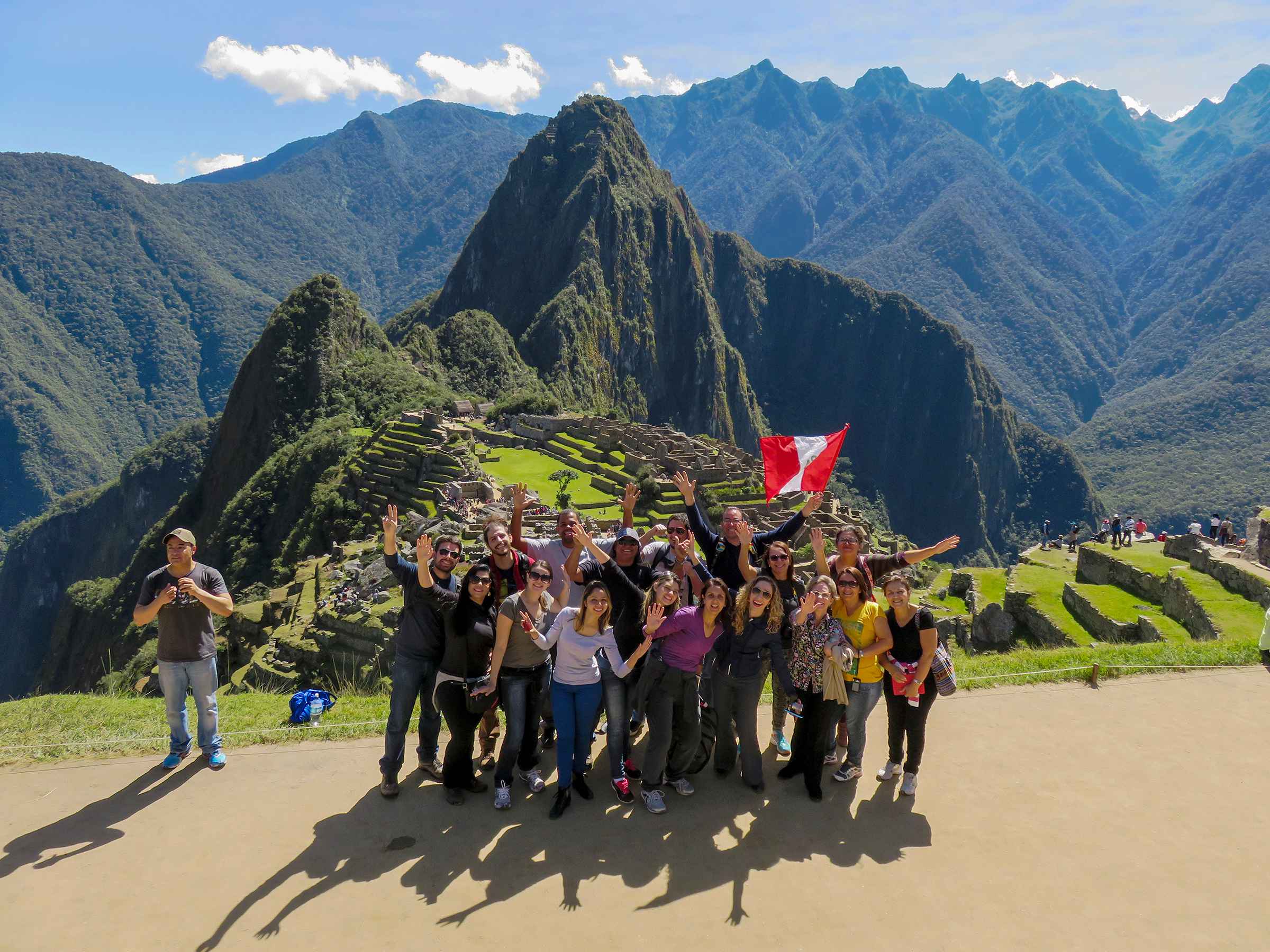
On the final day, you’ll rise early to catch the sunrise over Machu Picchu. Exploring the ancient ruins is a surreal experience, as you wander through the mystical stone structures and terraces that have stood for centuries. Be sure to take your time and soak in the incredible history and beauty of this UNESCO World Heritage Site.

Witnessing the sunrise over Machu Picchu is a moment of pure magic. As the first light of day illuminates the ancient ruins, the site takes on an ethereal quality. This serene and awe-inspiring experience is a fitting culmination to your journey, offering a moment of reflection and wonder.

Exploring Machu Picchu is like stepping back in time. The site’s intricate stone structures and terraces showcase the ingenuity of the Inca civilization. As you wander through the ruins, each corner reveals new mysteries and insights into the lives of those who once inhabited this sacred place.

Machu Picchu is a photographer’s dream, with its dramatic landscapes and historical significance.

To capture the perfect shot, consider the time of day and weather conditions. Whether you’re capturing sweeping vistas or detailed architectural features, the site offers endless opportunities for stunning photography.

As you explore Machu Picchu, take time to reflect on its historical and cultural significance. Understanding the site’s role in Inca society and its rediscovery in the modern era adds depth to your visit. This reflection enhances your appreciation for Machu Picchu and its enduring legacy.

  • Arrive Early: To avoid crowds and experience the serene morning light.
  • Hire a Guide: A knowledgeable guide can enrich your visit with historical insights.
  • Stay Hydrated: The altitude can be challenging, so drink plenty of water.
  • Respect the Site: Follow guidelines to preserve the site for future generations.

To make the most of your visit to Machu Picchu, it’s essential to plan ahead. Arriving early allows you to experience the site at its most peaceful, while hiring a guide provides valuable context and insights. By preparing in advance, you can ensure a fulfilling and memorable experience.

Machu Picchu’s high altitude can present challenges for some visitors. Staying hydrated and acclimatizing properly are key to avoiding altitude sickness. Taking the time to adjust to the elevation will ensure you can fully enjoy the site without discomfort.

Respecting Machu Picchu’s guidelines is crucial for preserving its cultural heritage.

By following the rules and being mindful of your impact, you help conserve the site. This respect ensures that future generations can experience the wonder of Machu Picchu just as you have.

While the Inca Jungle Trek is accessible to most fitness levels, it’s wise to prepare physically. Engage in regular cardio and strength training exercises to build endurance and stamina. Hiking and cycling are excellent ways to condition your body for the trek.

Preparing for the physical demands of the trek involves building both endurance and stamina. Incorporate regular cardio exercises like running, cycling, or swimming into your routine. These activities will enhance your cardiovascular fitness, ensuring you’re ready to tackle the trek’s challenges.

In addition to cardio, focus on strength training exercises to prepare for the trek. Building muscle strength, particularly in your legs and core, will help you navigate the varied terrains with ease. Exercises like squats, lunges, and planks are effective for developing the strength needed for long hikes.

To truly prepare for the trek, try to simulate the conditions you’ll encounter. This could include hiking on uneven terrain, practicing with a loaded backpack, or cycling on hilly routes. Familiarizing yourself with these conditions will boost your confidence and readiness for the trek.

Packing appropriately is crucial for a successful trek. Here’s a checklist to get you started:

  • Sturdy Hiking Boots: Essential for navigating various terrains.
  • Lightweight Clothing: Quick-dry and breathable materials are ideal.
  • Rain Gear: Weather in the Andes can be unpredictable, so be prepared.
  • Backpack: A comfortable daypack for essentials.
  • Water Bottle: Stay hydrated with a refillable water container.
  • Sunscreen and Hat: Protect against the high-altitude sun.
  • Insect Repellent: The jungle areas can be buggy.

Packing the right gear and clothing is key to a comfortable and successful trek. Sturdy hiking boots are a must for tackling diverse terrains, while lightweight, quick-drying clothing will keep you comfortable in varying conditions. Rain gear is also essential, as the weather in the Andes can change rapidly.

A well-organized backpack can make all the difference on the trek. Pack essentials such as a water bottle, snacks, and a first-aid kit in easily accessible places. A comfortable daypack will help evenly distribute the weight, reducing strain and allowing you to focus on the journey.

When packing, prioritize items that ensure your safety and comfort. Sunscreen and a hat protect against the intense high-altitude sun, while insect repellent is vital for jungle areas. By considering these factors, you’ll be well-prepared to enjoy the trek without discomfort or health concerns.

The Inca Jungle Trek is an unparalleled adventure that combines the thrill of diverse activities with the beauty of Peru’s natural landscapes. By following this guide, you’ll be well-prepared to embark on a journey that culminates in the awe-inspiring presence of Machu Picchu. Whether you’re drawn by the promise of adventure or the allure of ancient history, this trek offers an unforgettable experience.

Embrace the spirit of exploration and embark on the Inca Jungle Trek for a once-in-a-lifetime adventure that will leave you with lasting memories and a deeper appreciation for the wonders of Peru. Happy trekking!

Several Inca Trails, including Santa Maria, Huacayupana, Santa Teresa, and Lucmabamba from the Aobamba valley, are used by tourists as loops through the Inca Jungle in the Amazon.

The best thermal baths in the Huadquiña Valley in Santa Teresa, Peru, are found at the Cocalmayo thermal baths, which we visit on our 2, 3, and 4-day Inca Jungle Trek tourist circuits.

The thermal baths have four pools and mini cold-water waterfalls, so that after the thermal waters, you can combine temperatures; the magnificent climate complements the beautiful panoramic views. On the last day of any Inca Jungle Trek adventure circuit, we visit Machu Picchu on a 2-hour guided tour.

What is the Inca Jungle Trek to Machu Picchu?

The Inca Jungle Trek to Machu Picchu is a journey through Cusco, Peru’s rainforest origins. The trip covers the Inca Trail of Lucmabamba, the thermal springs of Cocalmayo, and a variety of modest adventure activities between Santa María and Santa Teresa. The Machu Picchu Jungle Trail is now one of the most well-liked trekking routes to reach Machu Picchu via the Amazon path.

We have fantastic Inca paths in pleasant conditions that most guests adore on the Inca Jungle Trek. The experience of observing tropical plants with superb panoramic views makes the vacation one of the best in Peru and South America, and even better when we head to Cocalmayo Hot Springs.

Inca Jungle Trek Ultimate Travel Guide to Machu Picchu

Inca Jungle Trek Ultimate Travel Guide to Machu Picchu

Around Santa Teresa, more adventurous explorers can zip-line from mountain to mountain or walk across suspension bridges. The day before arriving at Machu Picchu, enjoy stunning panoramic views of Machu Picchu from the Llactapata, Intihuatana Ruins, Hidroeléctrica Train Station, or Puente de las Ruinas.

Why should I go to the Inca Jungle Trail?

The Inca Jungle Trek is a great alternative route to Machu Picchu and adds incredible scenery to the Amazon route to Machu Picchu.

The Inca Jungle Trek tour of the Amazon from Cusco is packed with adventure along a beautiful stretch of the original Inca Trail between Santa María, Santa Teresa, and Lucmabamba, culminating in the Inca fortresses of Machu Picchu, one of the most amazing places on the planet.

You will experience many breathtaking landscapes, including the Andes, the rainforest, the Urubamba River, and the Amazon jungle around Machu Picchu.

How long does driving between Cusco and Santa María take to start the Inca Jungle Trek?

The bus journey from Cusco to Santa María takes about 4 hours and 20 minutes. We travel from Cusco to Huarocondo, down the Sacred Valley, and then to Ollantaytambo.

From Ollantaytambo, the trip heads up the Andes to the Malaga Pass. Admire the dramatic scenery of snow-capped Veronica from the Abra Malaga Pass, then head to the Carrizales Amazon Forest. At Santa Maria, embark on an adventure on the Inca Trail Jungle Trek to Santa Teresa.

  • Travel time by car from Cusco to Santa Maria
  • From Cusco to Ollantaytambo, 1 hour and 40 minutes
  • From Ollantaytambo to Paso Málaga, 1 hour and 10 minutes
  • From the Málaga pass to Santa María, 1 hour and a half.

What should I pack for the Jungle Trek to Machu Picchu?

Things to pack for trekking in the Cusco Inca Jungle

These items should be light and easy to carry. Bring only what you will need for the outing.

  • T-shirts
  • Comfortable pants
  • Sun hat
  • Sunglasses
  • Waterproof jacket/rain poncho
  • Sun cream (factor 45 or higher)
  • Shoes with ankle support plus hiking socks
  • Warm jacket (for Santa Teresa)

Clothes for the hot springs of Cocalmayo

Bring the following items to enjoy the best thermal baths in Cusco:

  • Swimwear
  • Towel
  • Flip flops
  • Toiletries
  • Repellent
  • Cash for frozen drinks or a snack

What activities can be done on the Inca Jungle Trek?

In addition to trekking through the Amazon tourist circuit of Machu Picchu, there are special activities of the Inca Jungle Trek, such as:

Mountain biking from Abra Malaga towards Huamanmarca ruins “downhill.”

On the Inca Jungle Trek Mountain bike, Day 1 is a 65 km/40-mile descent of approximately 2 hours, starting at the Malaga Pass and ending at the ruins of Huaman Marca.

Informative note: On the 2-, 3-, and 4-day Inca Jungle to Machu Picchu tour, Kondor Path Tours does not organize the bike tour between the Malaga Pass and Huamanmarca because it is an asphalt road and there are many regular local vehicles. If visitors are required to experience a bike tour, we recommend doing it around Maras Moray. If guests need it, we can arrange a bike tour before embarking on the Inca Jungle Trek.

Rafting on the Vilcanota de Santa Maria River, Cusco

Rafting can be done on the Vilcanota River; many travelers want another option. Recommended between May and October, when the Vilcanota Santa María River is in good condition. “Boating is done only in summer.”

Santa Teresa Zipline Experience, Cusco

Travelers can include a zipline experience through the Santa Teresa Valley. The Inca Jungle tour package does not include the zipline, but if guests want to add one, we can arrange it.

Enjoy the thermal baths of Cocalmayo de Santa Teresa, Cusco

Just a 10-minute drive from Santa Teresa, we arrive at the Cocalmayo Hot Springs for a 2-hour splash in Cusco’s most luxurious waters.

All our Inca jungle trekking tour packages include access to Cocalmayo Hot Springs. Relax after experiencing the Inca Trail on a 2-, 3-, or 4-day tour, the Inca Jungle Trek from Cusco, Peru.

What time of year is ideal for an Inca Jungle Trek?

The climate in the Cusco region ranges from dry winters to wet summers. However, things are very different on the Inca Jungle Trek circuit in the Amazon.

A dry season, from May to September

A wet season, from October to April

  • Year-round Inca Jungle Treks are available. However, the road from Santa Maria to Santa Teresa is frequently affected by landslides caused by heavy rainfall in January and February.
  • The best time for the Inca Jungle Trek is during the dry season, from March/April to October/November.
  • While the Inca Jungle Trail is busier during the dry season, there are days of the year when you may still enjoy this fantastic trip without the regular crowd.
  • Temperatures are consistent throughout the year, with the hottest days reaching 20 °C (68 °F) or higher. Nights and early mornings are cold, with temperatures often dropping below 0°C (32°F). There are occasions when the dry season’s highs fall below 0°C/32°F.
  • Packaging hiking clothing appropriate for the body’s daily temperature changes, particularly throughout the day when engaging in physical activity, is advised.

How fit do you need to be for the Inca Jungle Trek?

The Inca Jungle Trek is a walking adventure through the low Andes and the Amazon Route to Machu Picchu. The ride is best suited for vacationers of all ages, including children, youth, adults, and seniors.

The route of the walk from Santa María to Santa Teresa takes three and a half hours, following the Inca Trail of Huacayupana; the other days can be exchanged for rides in local vehicles or for the zip line experience with the thermal baths of Cocalmayo, etc.

How long is the Inca Jungle Trail between Santa Maria and Huacayupana de Santa Teresa?

  • Walking kilometers: 5.5 km/3.4 miles | 3-4 hours
  • Hiking Difficulty: Challenging, Moderate, and Easy
  • Highest hiking place: 1st Pass, 1,640 m/5,380 ft.
  • The lowest trekking site is Cocalmayo Hot Spring, 1,433 m/4,701 ft.
  • Leisure: 2 hours of enjoyment in the hot spring of Cocalmayo

Enjoy the Amazon Inca Trail with beautiful vegetation, fruit plantations, coffee, coca leaves, avocados, and many more. The scenic landscapes amaze from the tops of the Inca Trail and the thermal baths of Cocalmayo.

How long is the Inca Jungle Trail between Lucmabamba and Hidroeléctrica?

  • Walking kilometers: 10.2 km/6.3 miles | 05 hours
  • Hiking Difficulty: Challenging–Moderate.
  • The highest hiking place is Lucmabamba Pass, which is 2,814 m (9,232 ft).
  • Lowest trekking site: hydroelectric 1,815 m/5,954 ft.

One of the most spectacular hikes before visiting Machu Picchu is walking the Lucmabamba Inca Trail. As you turn the mountain, enjoy one of the best views of Machu Picchu from Llactapata Mountain in the Aobamba Valley.

Should I bring insect and mosquito repellent for the Inca Jungle Trek?

Exposure to mosquitoes and minor insects bothers you during the Inca Jungle Trek. Neither mosquitoes nor insects are poisonous or vectors of disease.

Sandfly bites are more annoying than mosquito bites, but luckily, they repel very well with insect repellent.

Informative note: The spray repellent is prohibited in the tourist circuits of the buffer zone of Machu Picchu and inside the Inca citadel of Machu Picchu. Repellent cream is allowed. “Let’s take care of the environment.”

christmas in machu picchu 5 day

christmas in machu picchu 5 day

Can I have altitude sickness on the Inca Jungle Trail?

In theory, the elevation rise of the Inca Jungle Trail ranges from 1,203 m (3,946 ft) to 2814 m (9232 ft). Thus, during the Inca Jungle Trek, altitude sickness is not a concern. It doesn’t happen as often as other tourist circuits in Cusco.

When are you at a higher risk of getting altitude sickness before hiking? Most travelers to Machu Picchu first fly to Cusco City, which sits at an altitude of over 3,400 meters (11,155 feet). It is usual for visitors to Cusco to experience mild altitude sickness, such as headaches or nausea. It would be best to acclimate to this altitude for several days before going higher.

Another reasonable option, if you have time, is to quickly descend from Cusco to the stunning Sacred Valley at an altitude of 2,851 meters (9,353 feet). Rest here for a few days before returning to Cusco or joining the Inca Jungle Trek group on your way to Machu Picchu.

Where do you sleep on the Inca Jungle Trail on the first day?

In the accommodation for the tourist circuits through the Amazon jungle, we offer lodging in three-star hotels in Santa María, Santa Teresa, and Machu Picchu.

We recommend booking the Inca Jungle tour for 2, 3, or 4 days in advance if there is no availability at the only two hotels in Santa Teresa! We accommodate visitors in basic lodgings the first night, and the following days in Machupicchu Pueblo, we stay in 3-star hotels according to the Inca Jungle Trek, Cusco, Peru itinerary.

We advise you to book the 2, 3, or 4-day Inca Jungle Tour in advance. There are two hotels in Santa Teresa! We lodge guests in 3-star hotels, and if there is no availability, we provide accommodation in basic lodgings on the first night for the Inca Jungle Trek in Cusco, Peru.

Do I need to bring my passport for the Inca Jungle Trek?

To verify the Intiwatana part of the Hidroeléctrica station for access to the Amazon Tour Circuit, all Inca Jungle Trekkers must have their passports with them.

A passport is also required to access Machu Picchu and to have the most amazing experience in Peru and South America. The Inca Citadel of Machu Picchu requires an entrance ticket to be presented.

What are the various circuits of the Inca Jungle Trek?

We invite you to explore the following tourist circuits of the Inca Jungle Trek in the Cusco region in Peru, South America.

Inca Jungle Tours

Inquire Now

Contact form footer
Need help? Speak with us