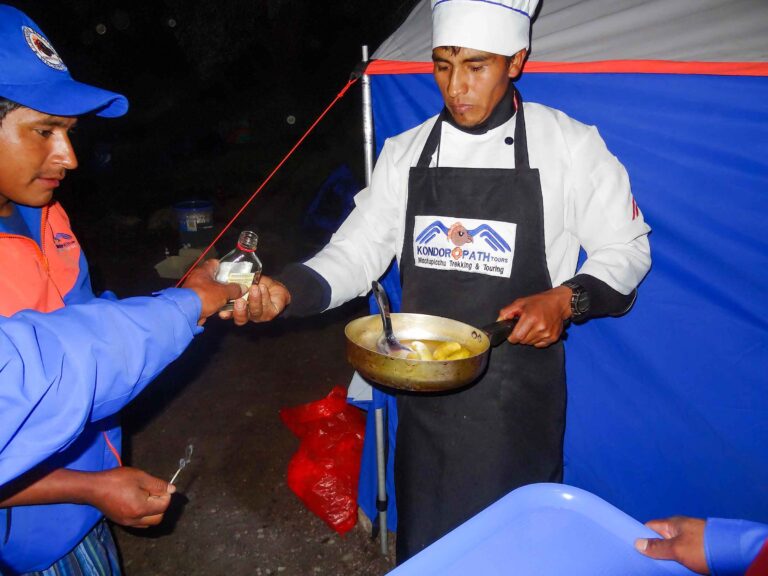

Inca Trail in Peru: A Scenic Andean Journey

Inca Trail in Peru: A Scenic Andean Journey


Exploring the Wonders of the Inca Trail Peru

The Inca Trail is more than just a hike; it is a journey through history, culture, and breathtaking landscapes. As one of the most famous treks in the world, it attracts adventurers and history enthusiasts alike. But what makes the Inca Trail so special? In this article, we’ll explore the archaeological sites along the trail, delve into its history, and understand why it holds such significance.

The Inca Trail is a network of ancient pathways that were part of the extensive road system of the Inca Empire, which spanned across modern-day Peru, Ecuador, Chile, Argentina, Colombia, and Bolivia. These roads were meticulously planned and constructed to connect the vast regions of the empire, facilitating communication and control.

The most popular section of the trail, often called the “Classic Inca Trail,” is in Peru and leads to the majestic ruins of Machu Picchu. This iconic route is renowned for its historical significance and stunning vistas, drawing countless trekkers each year who are eager to experience its magic.

This trail is approximately 26 miles long and takes hikers through diverse terrains, including lush cloud forests, alpine tundra, and sub-tropical jungle. The journey usually spans over four days and three nights, culminating in the awe-inspiring sight of Machu Picchu at sunrise. This experience not only rewards trekkers with a sense of accomplishment but also with a profound connection to the Inca heritage.

The Inca Trail holds a deep historical significance as it was part of the Qhapaq Ñan, the ancient Inca road system built over 500 years ago. This network was the backbone of communication, trade, and governance in the Inca Empire, facilitating the movement of armies, goods, and information across vast distances. It showcased the Incas’ advanced understanding of engineering and logistics.

The trail to Machu Picchu was likely a pilgrimage route used by the Incas for religious and ceremonial purposes.

Pilgrimages were an integral part of Inca spiritual life, connecting people to their gods and ancestors. The route to Machu Picchu was sacred, with travelers participating in rituals and ceremonies along the way.

Machu Picchu itself is believed to have been a royal estate or religious site, and the trail leading to it was an important spiritual journey for the Incas. This enigmatic site, perched high in the Andes, was likely a retreat for Inca nobility and a place of worship, where the natural beauty of the surroundings enhanced its spiritual significance.

The Inca Trail is not just a path to Machu Picchu; it is an archaeological treasure trove that provides insight into the engineering prowess and cultural practices of the Inca civilization. The trail’s construction, with its precise stonework and integration with the natural landscape, is a testament to the Incas’ architectural genius.

  1. Llactapata: This site is a collection of terraced fields and stone structures that was likely an agricultural and administrative center. It offers a glimpse into the Incas’ farming practices, showcasing their skillful use of terraces to maximize crop yields on challenging terrain.
  2. Runkurakay: A circular ruin thought to have been a tambo, or a rest stop, for Inca messengers and travelers. Its strategic location provided a vantage point for monitoring the surrounding area. The tambo system was crucial for maintaining the flow of information and ensuring the empire’s cohesion.
  3. Sayacmarca: Known as the “Inaccessible Town,” this site is perched on a cliff, providing stunning views of the Aobamba Valley. It features intricate stonework and remnants of an ancient aqueduct system, reflecting the Incas’ sophisticated approach to water management and settlement planning.
  4. Phuyupatamarca: Often called the “Town in the Clouds,” this site features a series of baths, terraces, and stone structures. The complex water system here showcases the Incas’ advanced engineering skills, highlighting their ability to harness natural resources for the well-being of their communities.
  5. Wiñay Wayna: Meaning “Forever Young,” this site is a marvel of agricultural terraces and ceremonial fountains. It is one of the largest and most impressive sites on the trail, offering a peek into the religious and farming life of the Incas. The site’s name reflects the Incas’ reverence for nature and the cycles of life.

While Machu Picchu is undoubtedly the crown jewel of the Inca Trail, the journey itself is an integral part of the experience. The trail traverses stunning landscapes, from misty mountains to vibrant forests, providing an ever-changing backdrop that enhances the adventure. Each step along the trail is a step back in time, offering travelers a connection to the ancient world.

Traveling the Inca Trail is not just about reaching a destination; it’s about immersing oneself in the natural beauty and historical richness of the Andean region. The trail offers moments of solitude and reflection, allowing hikers to ponder the legacy of the Inca civilization and their harmonious relationship with the environment.

The Inca Trail is situated in the Andean mountains of Peru, within the boundaries of the Machu Picchu Sanctuary.

This region is renowned for its dramatic landscapes, characterized by towering peaks, deep valleys, and lush vegetation, creating a breathtaking setting for the trail.

The trail begins near the town of Ollantaytambo and winds its way through the mountains to Machu Picchu. The starting point, known as Kilometer 82, is accessible by train or bus from the city of Cusco, which serves as the gateway to many of Peru’s historical sites. Cusco itself is a city steeped in history, offering visitors a taste of the Inca and colonial past.

Cusco, once the capital of the Inca Empire, is the ideal starting point for those embarking on the Inca Trail. Its rich cultural heritage, combined with modern amenities, makes it a perfect base for acclimatizing to the altitude and exploring the surrounding Sacred Valley before tackling the trail.

Embarking on the Inca Trail requires preparation and planning.

The Peruvian government regulates the trail, and permits are limited to preserve the environment. It’s essential to book your trek several months in advance to secure a spot and ensure compliance with conservation efforts.

The trail reaches elevations of over 13,000 feet, making altitude acclimatization crucial for a safe and enjoyable experience. Spend a few days in Cusco to acclimate to the altitude before starting the trek. Engage in light activities, stay hydrated, and avoid alcohol to support acclimatization.

Pack wisely to ensure a comfortable journey. Bring essential gear, including a sturdy backpack, trekking poles, comfortable hiking boots, and layers for varying weather conditions. High-altitude trekking can be unpredictable, so be prepared for both sunshine and rain.

While you can hike the trail independently, hiring a licensed guide or joining a tour group can enhance your experience. Guides provide valuable insights into the region’s history and culture, ensuring you don’t miss the nuances of the Inca Trail’s rich heritage.

Respect the environment by practicing Leave No Trace principles. The Inca Trail is a precious natural and cultural resource, and it’s vital to preserve it for future generations. Carry out all trash, minimize campfire impact, and respect wildlife and cultural sites along the way.

Inca Trail Peru

Inca Trail Peru

Why does the Inca Trail lead to Machu Picchu?

  • The Inca Trail to Machu Picchu is the best hike in the world.
  • Explore the ancient Inca ruins located in the cloud forest.
  • Cross the Sun Gate and arrive early at Machu Picchu.
  • Learn about the history of the Incas’ last days and the legendary lost cities.

Why book the Inca Trail with Kondor Path Tours?

  • Walk with a trekking expert; we know our country best.
  • Get the best deals by booking directly with us.
  • Support social projects and the well-being of the porters
  • Enjoy the panoramic train ride on the way back (Vistadome or 360°, extra payment)
  • Kondor Path Tours has the SAFE TRAVEL seal.
  • All of our tours are organized in accordance with safety standards.
  • Small group tours
  • 100% online payment.
  • Book with confidence and flexibility
  • Inca Trail Permit Availability

Book your Inca Trail tour

  • Mon
  • Tue
  • Wed
  • Thu
  • Fri
  • Sat
  • Sun
  • 1
    No Spaces
  • 2
    No Spaces
  • 3
    No Spaces
  • 4
    No Spaces
  • 5
    No Spaces
  • 6
    No Spaces
  • 7
    No Spaces
  • 8
    No Spaces
  • 9
    No Spaces
  • 10
    No Spaces
  • 11
    No Spaces
  • 12
    No Spaces
  • 13
    No Spaces
  • 14
    No Spaces
  • 15
    No Spaces
  • 16
    No Spaces
  • 17
    No Spaces
  • 18
    No Spaces
  • 19
    No Spaces
  • 20
    No Spaces
  • 21
    No Spaces
  • 22
    No Spaces
  • 23
    No Spaces
  • 24
    No Spaces
  • 25
    No Spaces
  • 26
    No Spaces
  • 27
    No Spaces
  • 28
    No Spaces
  • 29
    No Spaces
  • 30
    No Spaces
  • 31
    No Spaces

When will Inca Trail permits be released?

Inca Trail permits for the season will be released on October 1, 2026. In other months, sales sell out more quickly, so it is advisable to book early to avoid disappointment.

Is the Inca Trail open year-round?

The spectacular Inca Trail is only available from March 1 to January 31 of the following year; it is closed all of February for maintenance. During the rainy season, we have daily departures.

Why do I have to secure Inca Trail permits early?

The Inca Trail is the most famous trek in South America and the first in Peru’s ranking. Only 500 permits, including those for travelers, porters, cooks, and guides, are available daily. Only about 200 travelers will climb Machu Picchu. Book your tour early to avoid missing this incredible hike.

Booking your tour in advance will allow you to travel on your preferred date.

Can I change the tour departure date?

The Inca Trail availability policies are strict, so no date changes are allowed. At Kondor Path Tours, we constantly work to improve our services and provide you with an unforgettable experience.

Is the personal porter included?

To make the Inca Trail, you must carry a small backpack with all your essentials, such as water, snacks, rain gear, sun protection, a passport, money, and other equipment you may need during the day.

Kondor Path Tours will also provide you with a duffel bag to store your clothes, sleeping bags, spare shoes, and other equipment for the four days of hiking. The weight of these bags should not exceed 7 kg per person and should be carried by our Inca Trail super porters. The duffel bags are only available at the campsites. If you need them during the day, you cannot access them and put them in your duffel bag.

How do I book the Inca Trail?

If you would like to make a reservation and organize the tour, email us at info@kondorpathtours.com or call our Peru number, +51 991 391 255. A specialist will then assist you.

If you are traveling alone, you can also make your reservation.

Do you have any questions, or can’t find your preferred date? Contact us at info@kondorpathtours.com

To book the Inca Trail route, you must pay $450 USD to secure your permits. If you are ready to book, follow the steps below:

Go to the booking page and click the “Book Now” button.
Choose the number of participants.
Select “Down payment” or “Full Payment.”
Choose a departure date.
Fill in all required information (name, passport number, date of birth, nationality, gender).
Please wait for the final manual confirmation from our team, and you will be ready to go.

Conclusion

The Inca Trail is a journey of discovery, whe

Inca Trail Peru

re history, nature, and adventure intertwine. From the fascinating archaeological sites to the breathtaking landscapes, every aspect of the trail offers something unique. Whether you’re a history buff, an adventure seeker, or simply looking to connect with the past, the Inca Trail promises an unforgettable experience. As you hike the ancient paths, you’ll gain a deeper appreciation for the remarkable achievements of the Inca civilization and the enduring beauty of the Peruvian Andes. Each step brings you closer to understanding the world of the Incas, inviting you to become a part of their legacy.

Inquire Now

Contact form footer
Need help? Speak with us