
What It’s Really Like to Hike Rainbow Mountain in Peru

What It’s Really Like to Hike Rainbow Mountain in Peru


Rainbow Mountain Trek a Hikers Guide

Peru’s Rainbow Mountain, also known as Vinicunca, is a breathtaking destination for adventurous hikers. This natural wonder, with its vibrant striations of colors, is a must-see for anyone visiting Peru. However, its high altitude and challenging terrain require careful preparation. This guide will help you understand the trek and how to prepare for it.

Understanding the Rainbow Mountain Trek

rainbow-mountain-tour

The Geological Marvel of Rainbow Mountain

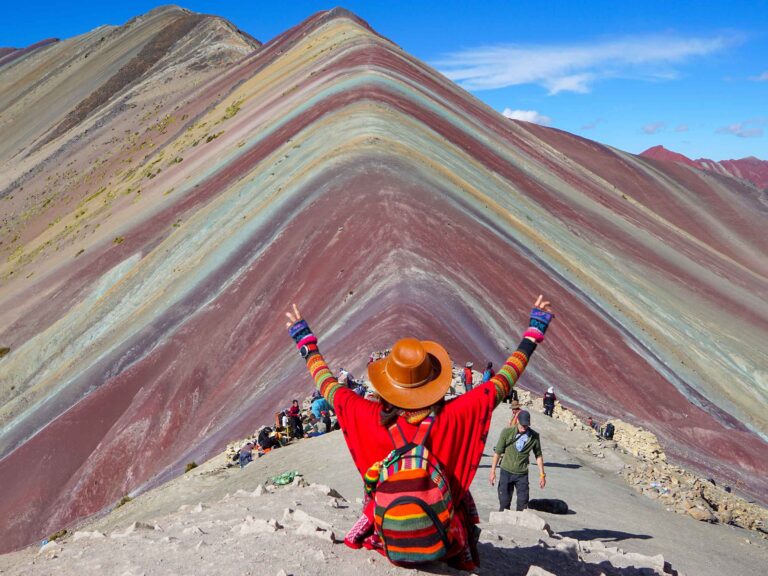
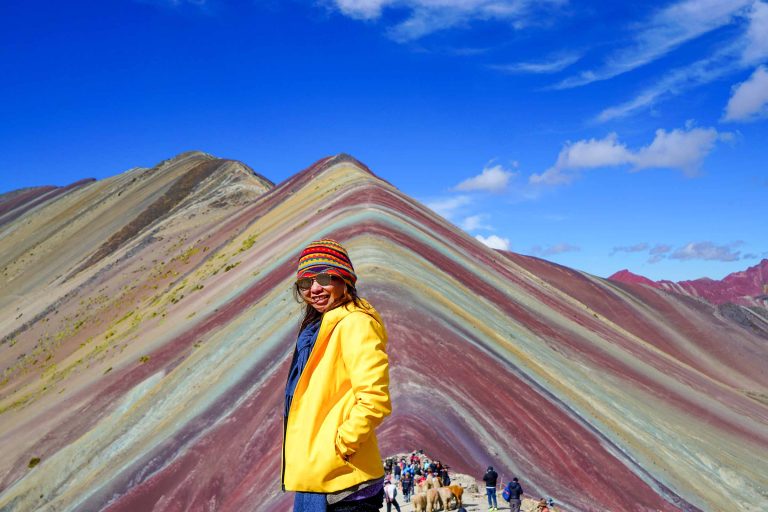
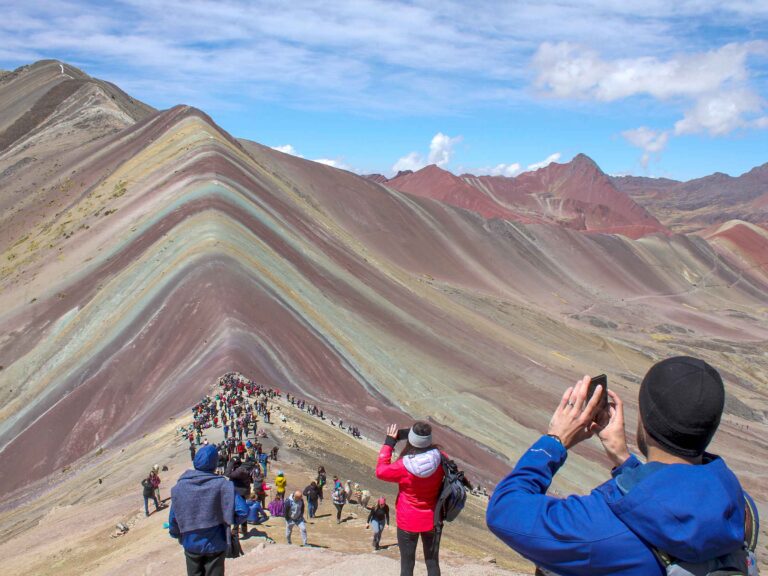
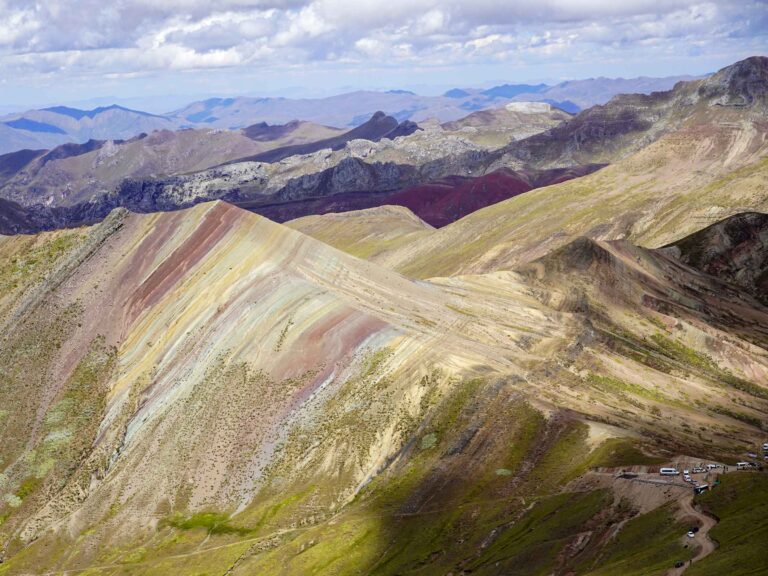
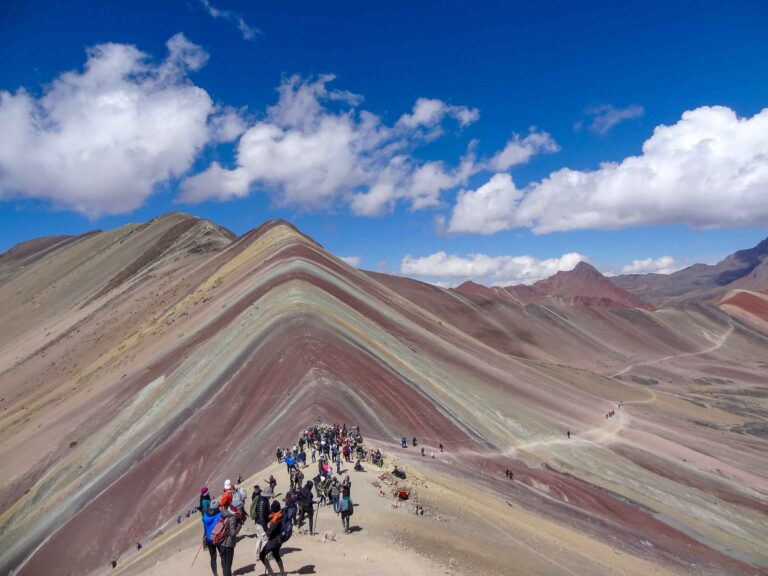
Rainbow Mountain is renowned for its unique mineralogical composition, which gives rise to its stunning array of colors. These vibrant hues of red, orange, yellow, and green are the result of mineral deposits that have accumulated over millions of years. Iron oxide gives the mountain its reddish tint, while sulfur lends the yellow shades. The greens and blues are due to the presence of chlorite and other minerals. This spectacular natural palette, shaped by geological forces, offers hikers a visual feast that is both mesmerizing and educational.

Additionally, the mountain’s geological significance extends beyond its colors. It offers insights into Earth’s history and the processes that shaped the Andes. Geologists and hikers alike find Rainbow Mountain a fascinating destination for exploration and study.

Geographic Location and Accessibility

Rainbow Mountain is situated in the Andes of Peru, standing at a majestic altitude of approximately 5,200 meters (17,060 feet) above sea level. It is located in the Cusco region, about 100 kilometers southeast of Cusco. This proximity to a major tourist hub makes it accessible for travelers, many of whom use Cusco as a base for their explorations.

The journey to Rainbow Mountain typically involves a combination of road travel and a trek. Tours often depart from Cusco early in the morning, taking visitors on a scenic drive through the Peruvian countryside. The trek itself begins at the trailhead, which is reached after a few hours of driving. This approach allows hikers to experience the region’s diverse landscapes, from lush valleys to rugged mountain terrain.

Challenges and Rewards of the Trek

The trek to Rainbow Mountain is categorized as moderate to difficult, primarily due to its high altitude. The ascent involves navigating steep paths and uneven terrain, which can be physically demanding. Hikers need to be prepared for the challenges posed by thin air and reduced oxygen levels, which can lead to fatigue and shortness of breath.

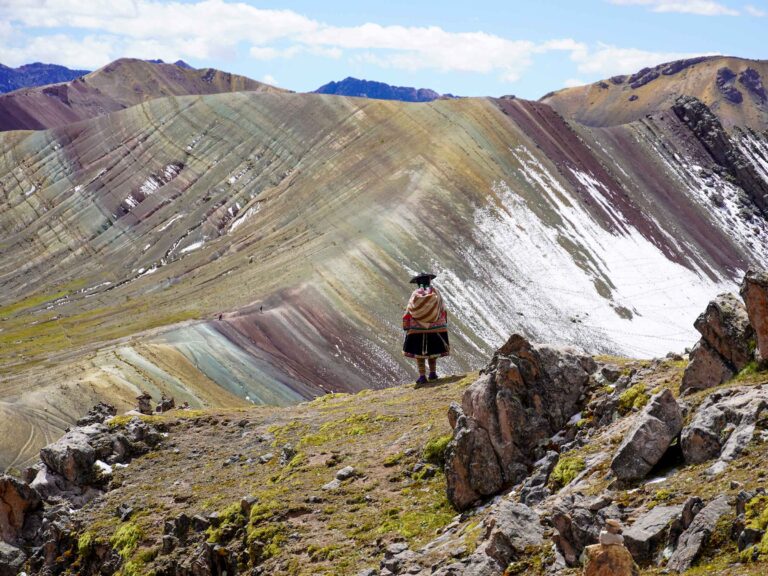
Despite these challenges, the rewards of the trek are immense. As hikers ascend, they are treated to panoramic views of the Andes, with snow-capped peaks and verdant valleys stretching into the distance. The sense of accomplishment upon reaching the summit, combined with the breathtaking beauty of Rainbow Mountain, makes the effort worthwhile. The trek offers a unique opportunity to connect with nature and experience Peru’s awe-inspiring landscapes.

Preparing for the Rainbow Mountain Hike

Comprehensive Training for High Altitude Adventures

Preparing physically for the high altitude of Rainbow Mountain is crucial. Cardiovascular training is essential to build the endurance needed for the trek. Engaging in aerobic activities such as running, cycling, or swimming can significantly improve your cardiovascular fitness. These activities help your body utilize oxygen more efficiently, which is vital at high altitudes.

In addition to cardiovascular fitness, strength training is important. Focus on building leg muscles through exercises such as squats, lunges, and step-ups. These exercises enhance the strength and stability needed for uphill climbs and uneven terrain. Incorporating a mix of strength and endurance training into your routine will ensure you’re well-prepared for the trek’s physical demands.

To simulate trek conditions, practice hiking on similar terrain and at similar elevations, if possible. This will help you get accustomed to the type of ground and inclines you might encounter. It also allows you to test your gear and make adjustments before the actual trek.

Gear Essentials for the Trek

Proper gear is a cornerstone of a successful hike. Invest in quality hiking boots that offer good ankle support and traction. The terrain can be rocky and slippery, so footwear that provides stability is crucial. Layered clothing is important for managing varying temperatures, as conditions can change rapidly at high altitudes. A base layer for moisture wicking, an insulating layer for warmth, and a waterproof outer layer for protection against rain are recommended.

A good backpack is another essential piece of gear. It should be comfortable to carry and have enough capacity for your essentials, including water, snacks, and extra clothing. Trekking poles can also be beneficial, providing stability and reducing strain on your knees during the ascent and descent.

Nutrition and Mental Preparation

Nutrition plays a vital role in preparing for the hike. Maintain a healthy diet in the weeks leading up to the trek to ensure your body is well-nourished. Staying hydrated is equally important, as dehydration can exacerbate the effects of altitude. On the day of the hike, carry high-energy snacks like nuts, energy bars, or dried fruits to keep your energy levels up.

Mental preparation is often overlooked but is equally important. Visualize the trek, set realistic goals, and mentally prepare for the physical challenges you may face. Positive visualization can enhance your determination and resilience, helping you push through difficult moments during the hike. A positive mindset, combined with physical readiness, can significantly improve your overall experience.

Acclimatization Tips for Vinicunca

Rainbow Mountain Trek A Hikers Guide

Rainbow Mountain Trek A Hikers Guide

Why Acclimatization Matters

Acclimatization is a critical aspect of preparing for high-altitude treks like Rainbow Mountain. It allows your body to adjust to lower oxygen levels, reducing the risk of altitude sickness. Spending time in Cusco, which sits at a high altitude itself, is a great way to start this process. Aim to spend at least 2-3 days in Cusco before embarking on the trek. This period allows your body to gradually acclimate, making the higher altitude of Rainbow Mountain more manageable.

Hydration is a key component of acclimatization. Drinking plenty of water helps your body adapt to changes in altitude. Dehydration can worsen symptoms of altitude sickness, so it’s important to stay well-hydrated. Additionally, consider reducing alcohol and caffeine intake, as they can contribute to dehydration.

Traditional Remedies and Modern Solutions

Coca leaves have been used for centuries by indigenous peoples of the Andes to combat the effects of altitude sickness. Chewing coca leaves or drinking coca tea is a traditional remedy that many hikers find helpful. Coca leaves contain alkaloids that can aid in oxygen uptake and help alleviate some symptoms of altitude sickness. While not a cure, they can provide relief and support during your acclimatization process.

In addition to traditional remedies, modern medications can also be considered. Consult with a healthcare provider about medications like acetazolamide (Diamox), which can help prevent altitude sickness. These medications work by improving your body’s ability to adjust to high altitudes. However, they should be used under medical supervision and in conjunction with other acclimatization strategies.

Strategies for Preventing Altitude Sickness

Preventing altitude sickness involves a combination of proper acclimatization, gradual ascents, and listening to your body. If possible, incorporate gradual ascents into your itinerary to allow your body to adjust slowly to higher altitudes. Avoid rushing the hike, and take breaks as needed to catch your breath and rest.

Pay attention to your body’s signals. Symptoms of altitude sickness can include headaches, nausea, dizziness, and fatigue. If you experience these symptoms, it’s important to rest and, if necessary, descend. Pushing through severe symptoms can be dangerous. By taking a proactive approach to acclimatization and being mindful of your body’s needs, you can significantly reduce the risk of altitude sickness and enjoy your trek to the fullest.

Fitness Level for Rainbow Mountain Hike

rainbow mountain trek 2 days

Evaluating Your Physical Readiness

Before embarking on the Rainbow Mountain trek, it’s important to honestly assess your fitness level. The hike is demanding due to both its physical and altitude challenges. Consider your endurance—can you handle prolonged physical activity without excessive fatigue? Hiking at high altitudes requires sustained energy levels and the ability to cope with lower oxygen availability.

Strength is another key factor. Are your legs strong enough to handle steep, uphill climbs? The trek involves significant elevation gain, and strong leg muscles are essential for navigating the terrain. Evaluate your stamina as well. Are you able to hike for several hours, maintaining a steady pace without feeling overly exhausted?

Tailored Training Regimens

To prepare for the demands of the trek, incorporate a variety of exercises into your training regimen. Interval training, which alternates short bursts of high-intensity activity with periods of rest, can enhance cardiovascular fitness and build stamina. This type of training improves your body’s ability to recover quickly, which is beneficial during the hike.

Practicing hiking with a loaded backpack is another effective training strategy. This simulates trek conditions and helps you get accustomed to carrying your gear. Start with a lighter load and gradually increase the weight to build endurance and strength.

Deep breathing exercises can also be beneficial. Practicing controlled, deep breathing techniques improves lung capacity and oxygen intake, both crucial for hiking at high altitudes. These exercises help you maintain a steady breathing pattern, reducing the risk of fatigue and shortness of breath during the trek.

Building a Supportive Training Community

Training for a high-altitude trek can be more enjoyable and motivating when done with others. Consider joining a hiking group or finding a training partner. Sharing the experience with others can provide encouragement and accountability, making it easier to stay committed to your training plan.

Additionally, connecting with experienced hikers can offer valuable insights and tips for the trek. They can share their experiences, recommend effective training techniques, and provide advice on gear and preparation. A supportive training community can enhance your preparation process and boost your confidence as you get ready for the Rainbow Mountain adventure.

Rainbow Mountain Altitude Explained

Navigating the Challenges of High Altitude

The altitude of Rainbow Mountain is a significant factor in the trek’s difficulty. At over 5,000 meters, the air is thinner, and oxygen levels are significantly reduced. This can make breathing more challenging, particularly for those who are not acclimatized. Understanding how altitude affects your body is crucial for preparing for the trek.

As you ascend, you may experience physical effects such as increased fatigue and shortness of breath. These symptoms are common as your body adjusts to the reduced oxygen levels. It’s important to pace yourself and take breaks as needed to allow your body to adapt.

Adapting to high altitudes involves physiological changes, such as an increase in red blood cell production, which enhances oxygen transport in your body. However, these adaptations take time, which is why acclimatization before the trek is essential. By giving your body time to adjust, you can minimize discomfort and enhance your overall trekking experience.

Understanding the Impact on Performance

At high altitudes, your physical performance may be affected. Reduced oxygen levels can reduce endurance and strength, making physical exertion more challenging. It’s important to adjust your expectations and pace during the trek. Listen to your body and avoid pushing yourself too hard, especially in the early stages of the hike.

Proper hydration and nutrition can help mitigate some of the effects of altitude on performance. Staying well-hydrated supports your body’s acclimatization process and helps maintain energy levels. Consuming high-energy snacks during the hike can provide the fuel you need to sustain your performance.

Strategies for a Successful Trek

To navigate the challenges of high altitude successfully, focus on gradual acclimatization and maintaining a steady pace. Start the trek slowly, allowing your body to gradually adapt to the altitude. Incorporate regular breaks to rest and catch your breath, particularly during steep sections of the trail.

Mindful breathing techniques can also support your performance. Focus on taking deep, controlled breaths to maximize oxygen intake and maintain a steady rhythm. This can help reduce feelings of breathlessness and fatigue, allowing you to enjoy the trek more fully.

Finally, approach the trek with a positive mindset. Embrace the challenges as part of the adventure and appreciate the unique experience of hiking at high altitudes. By preparing thoroughly and adopting the right strategies, you can overcome the challenges of Rainbow Mountain and savor its stunning views.

Rainbow Mountain Treks

Conclusion: Ready to Tackle the Rainbow Mountain Trek?

The Rainbow Mountain trek is an unforgettable experience that requires careful preparation. By understanding the challenges and following these training and acclimatization tips, you’ll be well-equipped to enjoy the vibrant beauty of Vinicunca.

Conquering the Rainbow Mountain Trek is a rewarding experience that offers a unique blend of natural beauty, physical challenge, and cultural immersion. By following this guide and preparing adequately, you can ensure a safe and enjoyable journey through one of Peru’s most spectacular landscapes. Embrace the adventure and create lasting memories on your trek to Rainbow Mountain.

Remember, the key to a successful hike is preparation. Respect the mountain’s challenges, take your time, and savor the spectacular views. Safe travels and happy hiking!

Inquire Now

Contact form footer
Need help? Speak with us