
Exploring the Wonders of Peru’s Rainbow Mountain
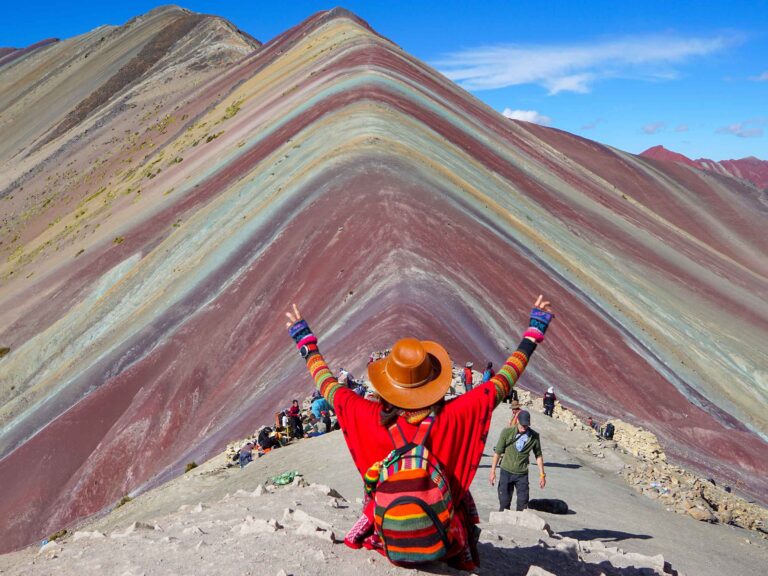
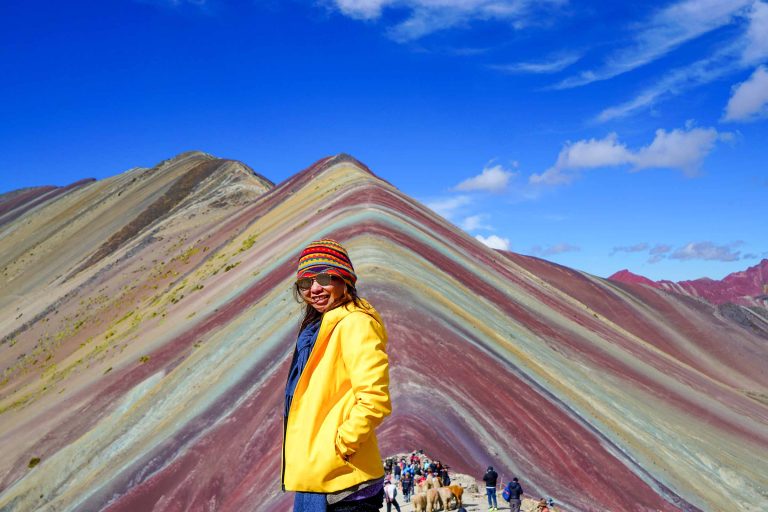
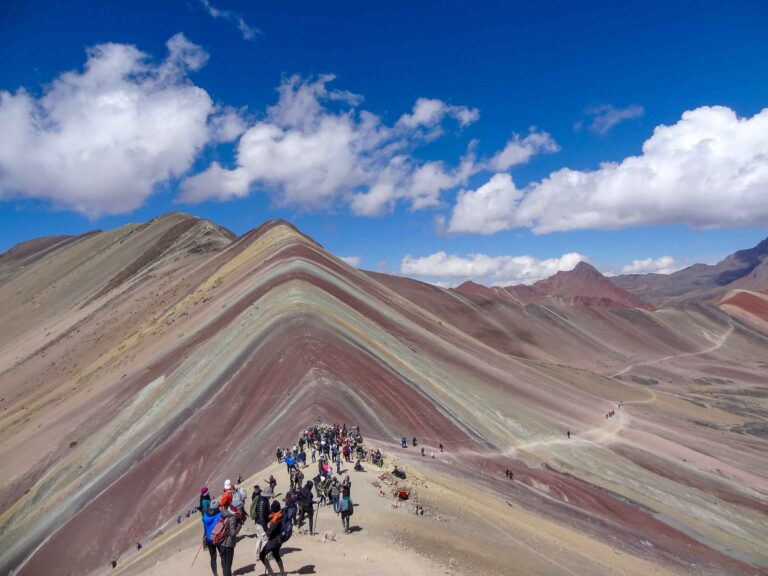
Peru’s Rainbow Mountain is a marvel of nature. Known locally as Vinicunca, it captivates with its vibrant hues. This colorful mountain in Peru is a must-see for travelers.
The mountain’s striking colors are due to mineral deposits. Reds, yellows, and greens create a breathtaking landscape. It’s a natural wonder that draws visitors from around the globe.
Located in the Andes, Rainbow Mountain stands at 5,200 meters. Its high altitude presents a challenge for hikers. Yet, the reward is an unforgettable view.
The journey to Rainbow Mountain is an adventure. It offers a glimpse into Peru’s rich culture and history. Local communities add to the experience with their traditions.
Visiting Rainbow Mountain requires planning. The best time to go is during the dry season. This ensures clear skies and vibrant colors.
Travelers should prepare for the trek. Acclimatization in Cusco is essential to avoid altitude sickness. Proper gear and guidance enhance the experience.
Rainbow Mountain is more than a destination. It’s a testament to nature’s beauty and cultural heritage. A visit here is a journey into the heart of Peru.

The Origins and Geology of Rainbow Mountain Peru
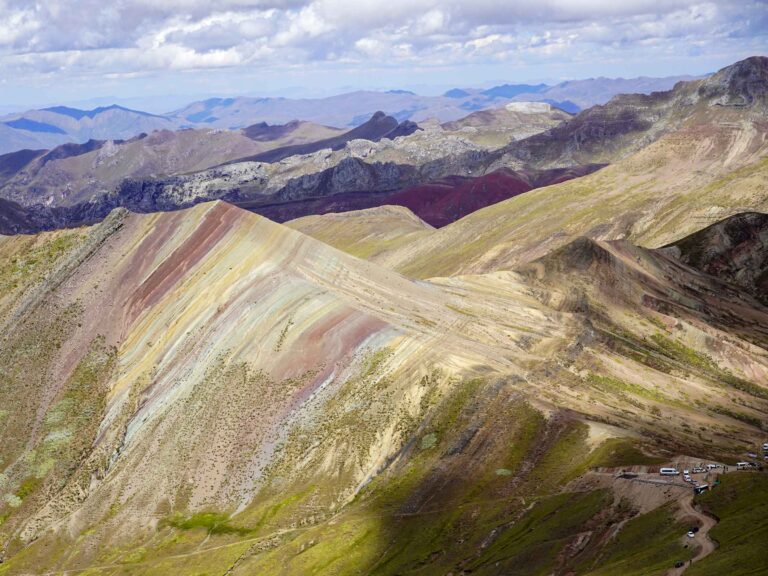
Rainbow Mountain, or Vinicunca, is a geological masterpiece. Its kaleidoscopic colors captivate visitors. But what creates this spectacle?
The mountain’s colors are due to mineral layers. These layers have formed over millions of years. Erosion has brought them to the surface, dazzling all who see them.
Key minerals include:
- Red: from iron oxide
- Green: from copper oxide
- Yellow: from sulfur
These minerals contribute to the mountain’s unique palette. Other elements add to the complexity, weaving a colorful tapestry.
- Before becoming a tourist hotspot, the mountain was buried under ice. As the ice melted, these vibrant stripes were revealed. This process is a testament to nature’s artistry.
- Located in the Vilcanota mountain range, Rainbow Mountain shares an ecosystem with the Ausangate peak. This entire area is sacred to the local communities. The land is embedded with both geological and cultural importance.
- In recent years, Rainbow Mountain has garnered worldwide attention. Visitors marvel at its breathtaking colors, a rare phenomenon on Earth. Each stripe tells a story of geological processes in constant transformation.
- Yet, the landscape is fragile and delicate. Human impact can easily disturb this natural wonder. Efforts are underway to preserve its pristine beauty.
- The mountain’s unique geology offers more than visual appeal. It provides a window into the Earth’s dynamic history. Examining the layers allows scientists to understand past climates and changes.
- Rainbow Mountain is not just a feast for the eyes. It’s a natural laboratory revealing the planet’s secrets. Each color enhances our understanding of Earth’s intricate geophysical processes.
- Vinicunca’s story is a reminder of nature’s creative power. It’s a vivid illustration of the geological forces that shape our world. A journey to Rainbow Mountain is thus a voyage into Earth’s vibrant narrative.

Cultural Significance and Local Communities
Rainbow Mountain is more than a natural wonder. It holds deep cultural value for the local Quechua communities. This vibrant landmark plays a pivotal role in their traditions and beliefs.
The indigenous people view Vinicunca as a sacred site. It stands as a symbol of their rich heritage. For centuries, they have woven their majesty into their stories and rituals.
Local communities depend on the mountain in several ways:
- Spiritual activities and pilgrimages
- Seasonal livestock grazing
- Cultural festivals and gatherings
Their lives are intricately linked to this colorful peak. The mountains provide both spiritual sustenance and economic support. Tourism has brought new opportunities to the region.
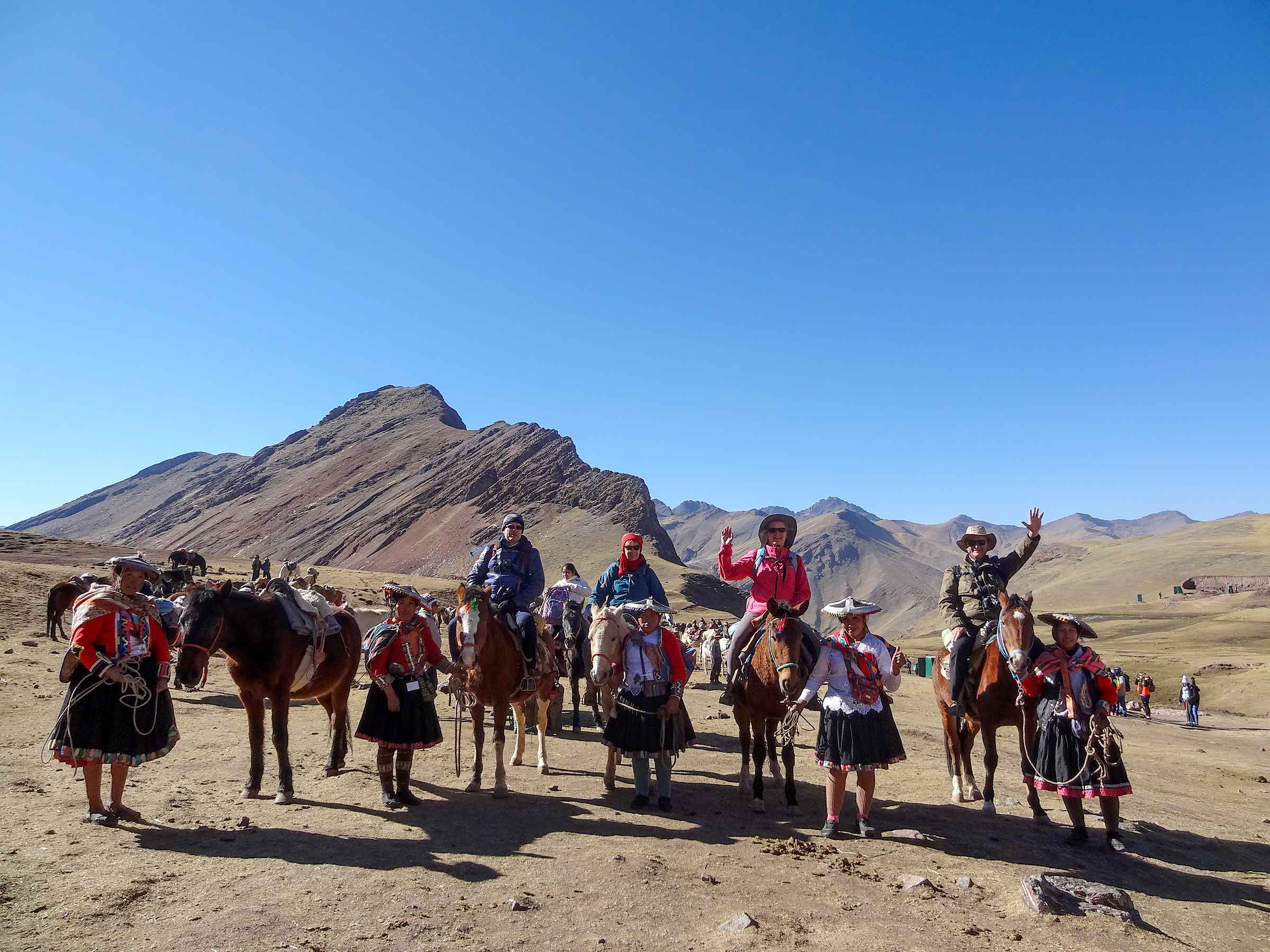
Local guides offer treks, sharing their knowledge and passion. Tourists learn about Quechua customs and traditions. Thus, visitors contribute directly to the community’s livelihood.
However, increased tourism also presents challenges. Protecting the area’s ecology and cultural integrity is vital. Sustainable tourism practices are necessary to ensure the longevity of tourism.
By respecting local customs and helping conserve the environment, travelers can make a positive contribution. This support safeguards the communities’ way of life. It ensures that Rainbow Mountain remains a treasured cultural site.
In essence, visiting Vinicunca is an immersive cultural experience. Travelers enrich their understanding by engaging with native traditions. This exchange fosters respect and appreciation between tourists and the local population.
Planning Your Visit: When and How to Go
Visiting Peru’s Rainbow Mountain requires thoughtful planning. A successful trip hinges on selecting the optimal time and preparing for the trek’s challenges.
The dry season, from May to September, is ideal. These months offer clear skies and minimal rain. Hiking conditions are optimal during this period.
Acclimatization is crucial before heading to the trail. Spend a few days in Cusco to adjust to the high altitude. This helps mitigate altitude sickness on the trek.
Organizing your itinerary in advance is wise. Many local operators offer guided tours, often including transportation and meals. It’s convenient and ensures support throughout your journey.
Here are some tips when planning your trip:
- Book tours early to secure spots
- Check weather forecasts before your visit
- Factor in rest days for acclimatization
Prepare for unexpected weather changes, which are common in the Andes. Lightweight, waterproof gear is beneficial. Dress in layers to adapt to temperature shifts.
Finally, ensure adequate travel insurance. Choose policies covering high-altitude treks. This protects you against unforeseen circumstances.

Best Time to Visit Rainbow Mountain
Deciding the best time to visit is essential. Rainbow Mountain’s beauty shines brightest during certain months. Optimal conditions make a huge difference.
Visit between May and September for the best experience. It’s the dry season, with fewer chances of rain. This period offers clearer vistas for breathtaking photos.
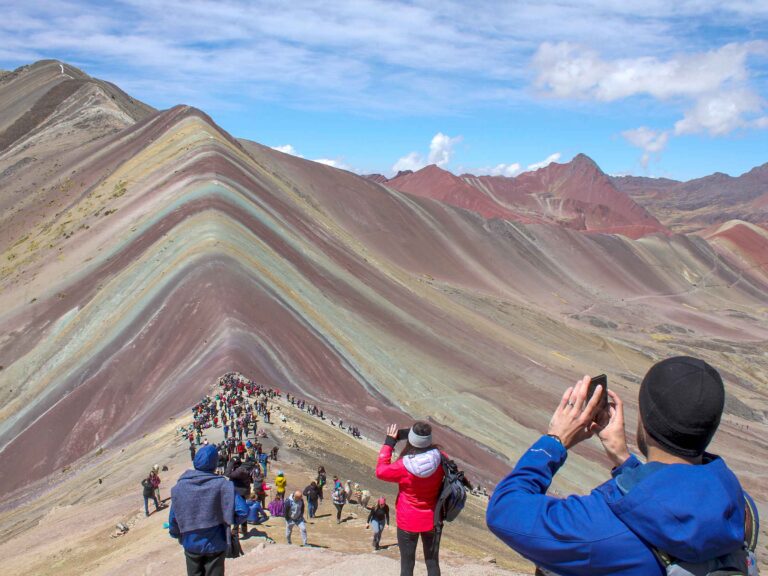
However, this season is also the most crowded. Plan to visit early in the day to avoid large groups. Early morning hikes provide a quieter, more private exploration.
List of best visiting months:
- May: Pleasant weather, start of the dry season
- June to August: Peak season, excellent visibility
- September: End of the dry season, fewer visitors
During these months, trails are less muddy and more manageable. This makes the adventure safer and more enjoyable.
How to Get There: Routes and Transportation
Reaching Rainbow Mountain involves several steps. Your journey begins in Cusco, a city full of charm. From there, you can choose from transport options to get the trail’s starting point.
Most visitors join organized tours. These tours often include a bus ride from Cusco to the starting village, Cusipata. This drive takes around three hours.
DIY travelers can rent a car or use public transport. Buses and collective taxis run regularly from Cusco. They connect to nearby towns closest to the trailhead.
Here are your primary travel options:
- Organized tours: Convenient and comprehensive
- Car rentals: Flexibility to adjust your schedule
- Public transport: Cost-effective but less predictable
Upon reaching the starting point, the hike itself begins. The trail is well-marked and frequently used. Most treks follow a standard route leading to the mountain.
Make sure to verify transportation times and availability. Conditions can affect the schedules. Double-check routes with local advice for the best experience.
Choosing the right travel option is crucial for a smooth trip. Ensure all logistics are arranged in advance to focus on the trek itself.
The Trekking Experience: What to Expect on the Trail
Embarking on a trek to Peru’s Rainbow Mountain is an adventure filled with natural beauty and challenges. The path starts at an altitude of over 4,300 meters and ascends to approximately 5,200 meters at the summit. The journey is about a three- to four-hour hike one way.
Prepare for varied terrain and stunning views. The trail is mostly uphill, with a few flat sections to catch your breath. The final stretch is the steepest and most demanding, requiring a steady pace. Trekking poles can offer additional support on these inclines.
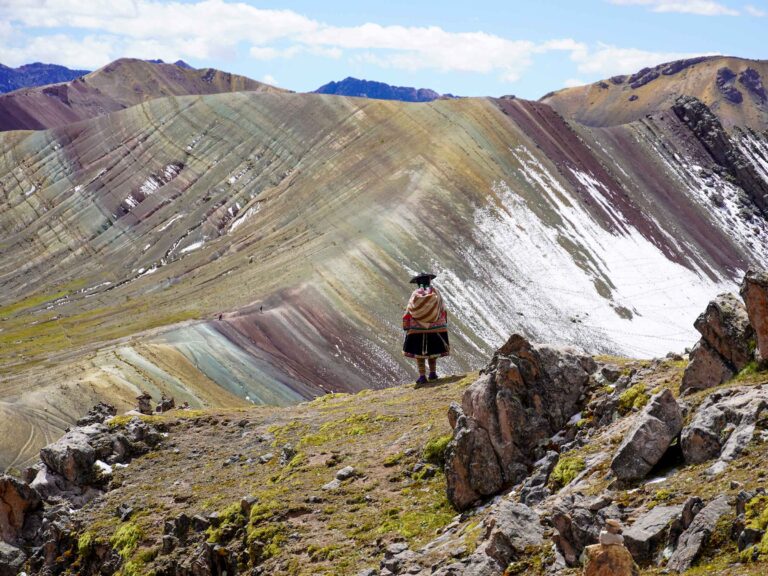
You’ll encounter diverse fauna and vistas of the Andean landscape. Spot llamas, alpacas, and sometimes even vicuñas as companions along the way. These animals are native to the region and add to the trek’s unique charm.
Here’s what to expect along the trail:
- Varied terrains: from smooth paths to rugged slopes
- Sudden weather changes: sun, wind, and sometimes light snow
- Spectacular vistas around every corner
The weather can shift quickly, bringing sudden winds and cooler temperatures. Dress in layers to adjust to the fluctuating climate. Sunscreen and sunglasses are essential, as UV exposure is high.
Many tour operators provide knowledgeable guides. They offer insights into the area’s geography, history, and culture, enriching the trekking experience. Listening to their stories and advice adds depth to your visit.
List of common guide insights:
- Geological formations of Rainbow Mountain
- Historical significance to indigenous communities
- Local flora and fauna explanations
The journey is not only physical but also mental, demanding focus and willpower. Each step toward the summit strengthens your resolve and spirit. Reaching the peak, you’re rewarded with breathtaking views and a feeling of triumph.
Altitude and Acclimatization Tips
Altitude plays a significant role in the Rainbow Mountain trek. The high elevation can take a toll on your body if you’re unprepared. Proper acclimatization is essential for a safe and enjoyable hike.
Spend time acclimating in Cusco before the trek. This helps your body adjust to reduced oxygen levels. A stay of at least two to three days is recommended to prevent altitude sickness.
In Cusco, engage in light activities. Explore local attractions while your body gradually adapts. Drink plenty of water and avoid heavy meals and alcohol during this period.
List of acclimatization tips:
- Rest adequately: Prioritize good sleep
- Stay hydrated: Drink water frequently
- Eat light: Favor smaller, nutritious meals
While on the trail, listen to your body. Headaches, dizziness, or nausea can signal altitude sickness. If symptoms worsen, it’s vital to descend and seek assistance.
What to Pack for Rainbow Mountain Peru
Packing correctly is crucial for a comfortable trek. Proper gear ensures safety and enhances the hiking experience. Focus on essentials that cater to the changing weather and terrain.
Dress in moisture-wicking layers to manage temperature effectively. A thermal base layer, fleece, and waterproof shell are advisable. These items shield against cold, rain, and wind.
Other clothing essentials include:
- Wide-brimmed hat: Protects against sun exposure
- Gloves and scarf: Offers warmth in chilly weather
- Comfortable trekking boots: Crucial for handling rough terrain
Bring snacks like energy bars or nuts to sustain energy levels. The high-altitude trek requires constant nourishment. Also, pack a reusable water bottle to stay hydrated throughout.
Essential gear to pack:
- Sunblock and lip balm: Guard against UV rays
- Sunglasses: Protect eyes from glare and snow blindness
- Trekking poles: Provide balance and stability on steep climbs
Don’t forget to carry a compact first-aid kit. Include any personal medications you might need. Being prepared for minor injuries or ailments can be a lifesaver on remote trails.
Proper planning and packing lead to a safer and more enjoyable trek. Ensure everything is ready well in advance so you can fully immerse yourself in the beauty of Rainbow Mountain.
Wildlife and Natural Beauty Along the Way
The trek to Rainbow Mountain offers a feast for the senses. The Andean landscape is alive with vibrant colors and unique wildlife. The region is home to a range of native species and breathtaking natural beauty.
Throughout your journey, you may encounter llamas grazing on the mountainsides. These charming creatures are part of the local Andean culture. Alpacas and the occasional vicuña also make appearances, dotting the high-altitude terrains.
Besides the fauna, flora thrives along the trail. The diversity of plant life showcases nature’s adaptability to harsh conditions. Be on the lookout for:
- Wild herbs: Used traditionally by locals
- Resilient grasses: Clinging to the rugged slopes
- Seasonal flowers: Adding bursts of color
The trail winds through awe-inspiring landscapes, each view more magnificent than the last. You’ll witness towering peaks, hidden valleys, and pristine lakes reflecting the sky. These sights make the effort of the trek worthwhile.
Surround yourself with the serenity of untouched wilderness. Let the natural elements refresh your spirit and inspire your journey to the Rainbow Mountain summit.
Exploring the Red Valley and Other Nearby Attractions
Beyond Rainbow Mountain, the Red Valley awaits. This striking destination is known for its vivid red soils. These landscapes form dramatic, contrasting backdrops to the surrounding peaks. The hues are mesmerizing and offer photographers an incredible palette to capture.
Accessible from Rainbow Mountain, the Red Valley is less crowded. This allows for a more intimate experience with nature. The trail leads adventurers through serene, untouched terrains. The quiet beauty of this area offers a peaceful escape from bustling tourist spots.
While in the area, consider exploring other nearby attractions. These destinations showcase the richness of the region:
- Ausangate: A sacred peak revered by local communities.
- Hidden Lakes: Tranquil waters reflecting mountain vistas.
- Traditional Villages: Offering a glimpse into Andean life.
These spots provide a deeper understanding of the Peruvian Andes. Each has its charm and allure, enhancing your journey beyond Rainbow Mountain itself. Embrace the opportunity to explore. Let these unique landscapes and cultural sites enrich your adventure.
The diversity of attractions around Rainbow Mountain ensures that your trip is varied and fulfilling. Every turn reveals something new and enchanting, making your exploration unforgettable.
Sustainable Tourism and Responsible Travel
Rainbow Mountain’s popularity brings both opportunities and challenges. Sustainable tourism is crucial to preserving this natural wonder. Visitors must respect the environment and local culture to minimize their impact.
Responsible travel means leaving no trace. This includes carrying out all trash and staying on designated paths. By doing so, you help protect the fragile ecosystem. It’s essential for maintaining the area’s beauty for future generations to enjoy.
Supporting local communities is another aspect of responsible tourism. Choose guides and services that benefit the local economy. Consider these sustainable practices:
- Respect local customs and traditions.
- Opt for eco-friendly tour operators.
- Support artisanal crafts and local food producers.
These simple actions make a significant difference. They ensure that the wonder of Rainbow Mountain remains intact. Responsible travel enhances your experience, creating meaningful connections with the land and its people. By practicing sustainability, you help ensure this magical destination’s enduring allure and significance.
Photography Tips for Capturing the Colorful Mountain Peru
Photographers find endless inspiration in Rainbow Mountain’s vibrant hues. To make the most of your shots, consider the early morning light. It enhances the mountain’s colors, giving your photos a magical glow.
Another key aspect is composition. Capture the mountain from different angles to highlight its unique formations. Experiment with framing using the surrounding landscape to add depth and context to your images.
When planning your photography expedition, keep the following tips in mind:
- Bring a wide-angle and a zoom lens for diverse perspectives.
- Use a tripod to stabilize your shots, especially in low light.
- Adjust exposure settings to effectively manage bright and shadow areas.
These strategies will help you capture the essence of this colorful mountain in Peru. Patience and creativity are your best tools. As you photograph, immerse yourself in the beauty, allowing the natural wonder to guide your artistic vision. Each shot will serve as a vibrant memory of your adventure.
Frequently Asked Questions About Rainbow Mountain Peru
Is a guide necessary for the trek?
Hiring a guide isn’t required, but it’s recommended. Guides provide insights about the mountain and local culture. They also ensure safety on the challenging trail.
How difficult is the trek?
The trek to Rainbow Mountain is moderately complex. High altitude and steep paths pose challenges. Proper acclimatization is crucial for an enjoyable experience.
What should I wear on the trek?
Dress in layers due to changing weather. Include a waterproof jacket and warm clothing. Hiking boots with a good grip are advisable.
Are there restrooms along the trail?
Restroom facilities are limited. Portable toilets are available at some points. Prepare to be resourceful during the trek.
Do I need a permit to visit Rainbow Mountain?
No permits are required, but you need an entrance fee. It supports the site’s maintenance and conservation.
Are there food options on the trek?
Local vendors offer snacks along the trail. Bringing your own provisions is also a wise choice.
Here’s a quick checklist for your trek essentials:
- Layered clothing
- Snacks and water
- Cash for entrance fees and local purchases
And keep these tips in mind:
- Acclimatize in Cusco before trekking.
- Start early to enjoy the vibrant colors.
- Respect the environment and local customs.
These answers will help you prepare for a memorable adventure to Rainbow Mountain Peru. Enjoy the breathtaking journey!
Final Thoughts: Why Rainbow Mountain Belongs on Your Bucket List
Peru’s Rainbow Mountain is a natural marvel that captivates travelers. Its vibrant colors and stunning landscape are unforgettable. A visit there offers a unique adventure filled with awe-inspiring vistas.
The journey to the mountain isn’t just about the destination. It’s an immersive experience in the heart of the Andes. Trekking the trail connects you with nature and ancient cultures, enriching your travel story.
Incorporating Rainbow Mountain into your travel plans means witnessing a unique geological wonder. It’s a chance to see one of Earth’s most colorful landscapes. This adventure offers memories and insights that will last a lifetime.