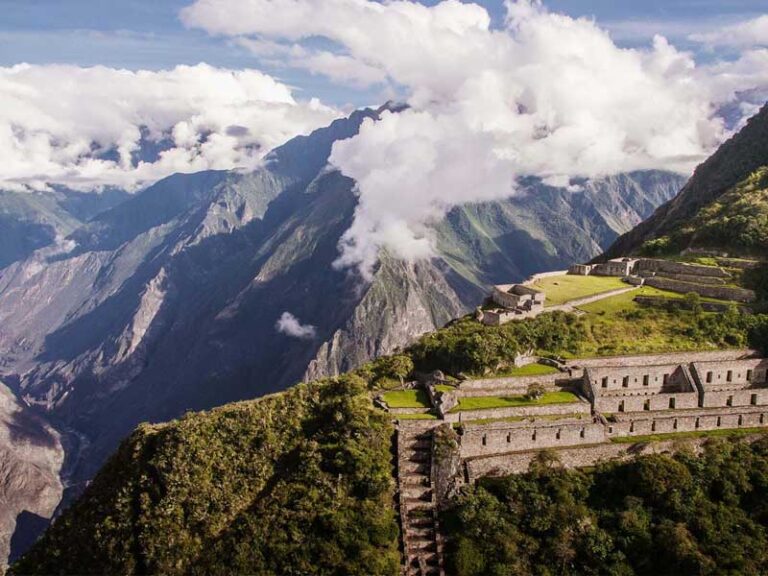

Embarking on the Choquequirao Trek is an adventure like no other. Nestled in the stunning Andes, Choquequirao is often called the “sister city” of Machu Picchu, but it is far less visited. This trek is not for the faint of heart; it demands both physical and mental resilience. However, those who complete it are rewarded with breathtaking views and a profound sense of achievement.
The Choquequirao Trek is a challenging and rewarding journey that takes adventurers through the rugged terrain of the Peruvian Andes to the lesser-known Incan ruins of Choquequirao. While the trek offers breathtaking views and a unique historical experience, being well-prepared for the journey is essential. Here are some tips to help you survive and thrive on the Choquequirao Trek.
The Choquequirao Trek is considered one of the most challenging hikes in South America. It offers a unique blend of altitude, climate, and terrain challenges that test even experienced hikers. But why is it so demanding?

Surviving The Choquequirao Trek
One of the primary challenges is the altitude. The trek takes you to elevations above 3,000 meters (9,800 feet), where the air is thin. Altitude sickness can affect anyone, regardless of fitness level, and it can make the trek significantly more difficult. Symptoms can range from mild headaches and nausea to severe dizziness and shortness of breath. Being aware of these symptoms and knowing how to manage them is crucial for a successful trek.
Understanding how altitude affects the body is essential for preparation. The body needs time to acclimate to the reduced oxygen levels at higher elevations. This acclimatization process is crucial to prevent more severe altitude illnesses. Spending a few days at a higher altitude before starting the trek can help your body adjust, reducing the risk of complications.
The climate varies greatly during the trek. You might start in the warm, humid valleys and end up in the cold, windy heights. This requires trekkers to be prepared for sudden weather changes, carrying layers of clothing to adjust as needed. The drastic temperature shifts can be challenging, especially when the warm sun turns to chilly winds in a matter of hours.
Rain is another factor to consider. The region can experience sudden downpours, making waterproof clothing and gear essential. Staying dry is important not only for comfort but also for preventing hypothermia in the colder sections of the trek. Understanding the seasonal weather patterns can help in planning and packing appropriately.
The terrain is rugged and steep, with long ascents and descents. The trails can be narrow and rocky, demanding concentration and surefootedness. It’s crucial to have good trekking boots and be prepared for physically taxing days. The varying terrains require different skills; ascending requires endurance, while descending demands control and balance.
Navigating the trails can be tricky, with sections that may be poorly marked or overgrown. Having a map, compass, or GPS device can be invaluable for staying on track. Additionally, the physical toll of carrying a backpack over such terrain should not be underestimated. Proper packing and weight distribution can help manage fatigue and prevent injuries.
The Choquequirao Trek requires both physical stamina and mental resilience. Here’s why:
The trek spans approximately 60 kilometers (37 miles) over several days. Each day involves hours of hiking through difficult terrain. Proper preparation, including cardiovascular and strength training, is essential to handle the physical strain. Building endurance through regular hikes and cardiovascular exercises such as running or cycling can significantly improve your trekking experience.
Strength training is equally important, focusing on muscles that support the knees and back, which are critical during ascents and descents. Incorporating exercises like squats, lunges, and core workouts can help build the necessary strength. Flexibility exercises, such as yoga, can also enhance balance and reduce the risk of injury.
The trek is as much a mental challenge as it is a physical one. The isolation, coupled with the demanding environment, requires mental toughness. You might experience moments of doubt, but pushing through these challenges is what makes reaching Choquequirao so rewarding. Mental preparation involves setting realistic expectations and developing coping strategies for difficult times.
Staying motivated throughout the trek can be difficult, especially during tough stretches. Setting small, achievable goals each day can help maintain focus and provide a sense of accomplishment. Practicing mindfulness and positive thinking can also boost morale and keep spirits high during challenging moments.
The emotional rewards of completing the trek are immense. The sense of achievement upon reaching Choquequirao and witnessing its ancient splendor is unparalleled. This feeling of success is amplified by the beauty of the surrounding landscapes and the knowledge that you have conquered a formidable challenge. The trek also offers moments of introspection and personal growth that can be transformative.
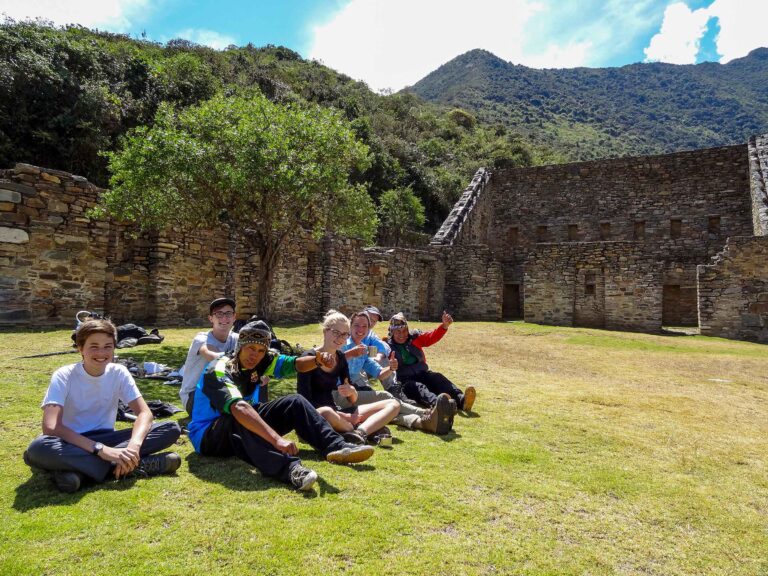
Sharing the experience with fellow trekkers can create lasting bonds. The camaraderie developed through shared challenges and triumphs adds a social dimension to the emotional rewards. These connections, along with the memories of the stunning vistas, make the trek an unforgettable experience.
Reaching the ancient ruins of Choquequirao after days of strenuous hiking is a triumph. The site is often less crowded than Machu Picchu, offering a more intimate connection with history. The sense of accomplishment and the stunning vistas make the journey worthwhile.
Choquequirao offers a unique historical experience, as it remains relatively untouched by tourism. This allows for a more personal exploration of its ruins, providing insight into the Inca civilization. Unlike Machu Picchu, Choquequirao feels like a hidden gem, offering a glimpse into a world that few have seen.
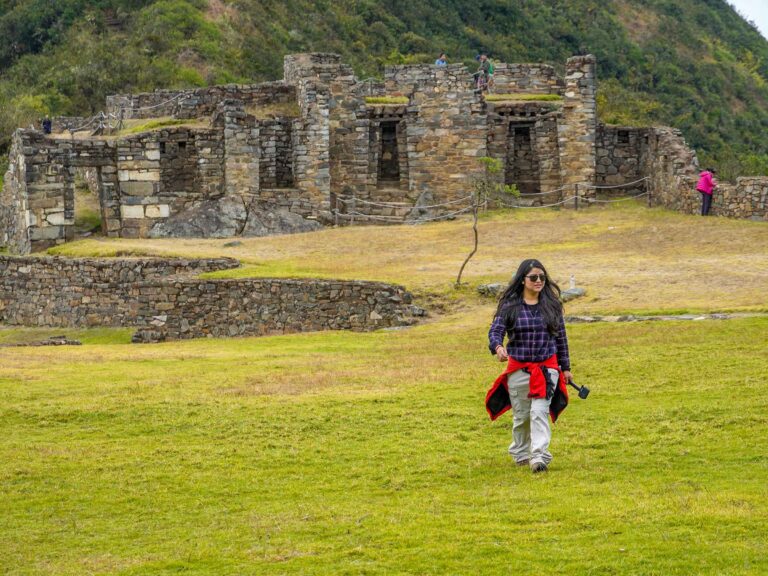
Exploring the ruins at your own pace enhances the experience. Without the hustle and bustle of large crowds, you can take time to appreciate the intricate stonework and the ingenuity of the Inca architects. This solitude adds a layer of mystique and wonder to the visit.
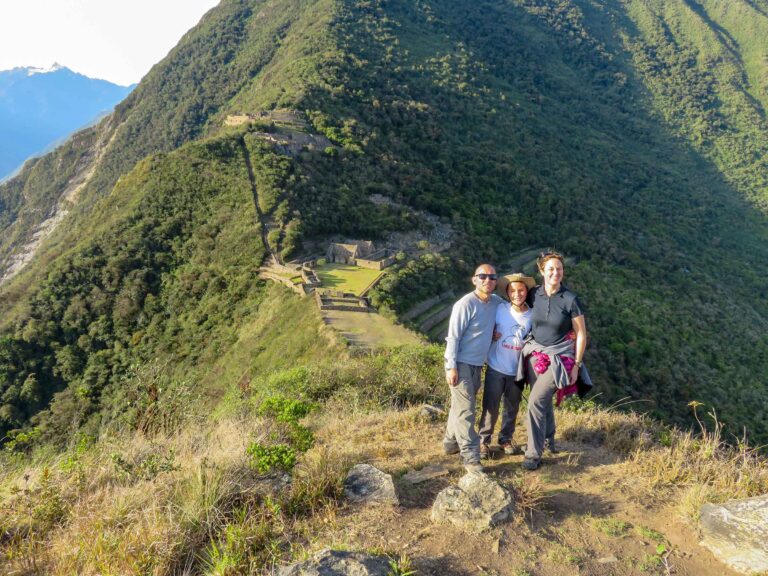
The trek to Choquequirao is not just about reaching the ruins; it’s about the journey through some of the most breathtaking landscapes in the Andes. The diverse ecosystems, from lush valleys to towering peaks, offer ever-changing vistas that captivate the soul. The natural beauty encountered along the way is a constant reminder of the power and majesty of nature.
The flora and fauna of the region add to the trek’s allure. Spotting rare orchids, colorful birds, or even a fleeting glimpse of the elusive Andean condor can be highlights of the journey. These encounters with nature enrich the trek, providing moments of awe and wonder.
Completing the Choquequirao Trek is a testament to personal resilience and determination. The challenges faced and overcome during the trek foster a deep sense of achievement. This accomplishment can boost confidence and provide a new perspective on life’s challenges.
The trek offers opportunities for self-reflection and introspection. The time spent in nature, away from the distractions of modern life, allows for a deeper connection with oneself. This personal growth is one of the most rewarding aspects of the trek, leaving a lasting impact long after the journey ends.
Avoiding common mistakes can significantly enhance your trekking experience. Here are some pitfalls to watch out for:
Many underestimate the difficulty of the trek. It’s essential to research and prepare adequately. Training beforehand and understanding the challenges can prevent unpleasant surprises. Overconfidence can lead to discomfort and potentially dangerous situations.
A lack of preparation can result in physical exhaustion and mental fatigue. Understanding the trek’s demands and preparing accordingly can make the journey more enjoyable and less taxing. Speaking with experienced trekkers or guides can provide valuable insights into what to expect.
Failing to acclimate to the altitude is a common mistake. Spending a few days at a high elevation before starting the trek can help your body adjust and reduce the risk of altitude sickness. Rushing into the trek without adequate acclimatization can lead to serious health issues.
Listening to your body and recognizing symptoms of altitude sickness is crucial. Taking rest days and staying hydrated can aid acclimatization. Consulting with a physician before the trek can also help in understanding personal health risks related to altitude.
Investing in quality gear is crucial. Proper footwear, clothing for varying climates, and reliable camping equipment can significantly improve comfort and safety. Ill-fitting or inappropriate gear can lead to discomfort and injury.
Testing gear before the trek is essential to ensure it performs well under different conditions. Breaking in boots, checking the functionality of camping equipment, and packing strategically can prevent issues during the trek. Quality gear provides peace of mind, allowing you to focus on the trek itself.
Preparation is key to surviving and enjoying the trek. Here’s how you can get ready:
Start training at least a few months in advance. Focus on cardio workouts, strength training, and long hikes. This builds endurance and prepares your body for the physical demands. Gradually increasing the intensity of workouts can help prevent injury and improve fitness levels.
Incorporating a variety of exercises keeps training interesting and comprehensive. Mixing different cardio activities, such as cycling and swimming, can improve cardiovascular health. Strengthening core and leg muscles is crucial for managing the trek’s physical challenges.
Pack smart. Include layers of clothing, a reliable backpack, a first aid kit, and plenty of water and snacks. Ensure your footwear is broken in to prevent blisters. Packing light while ensuring you have all essentials can make the trek more comfortable.
Consider the weight and functionality of each item. Multi-purpose gear can save space and reduce pack weight. Understanding the climate and terrain helps in selecting the right clothing and equipment, ensuring you are prepared for all conditions.
Mentally preparing for the trek is just as important. Understand that there will be tough days, but also know that the experience is enriching. Positive thinking and determination will help you overcome challenges. Visualization techniques can help mentally prepare for difficult sections of the trek.
Practicing mindfulness and stress management techniques can enhance mental resilience. Setting realistic goals and maintaining a positive attitude contribute to a successful trek. Building a support network of fellow trekkers or guides can provide encouragement and motivation.
The Choquequirao Trek is demanding, with steep ascents and descents, high altitudes, and long hiking days. To prepare, focus on cardiovascular exercise and leg and core strength training, and practice hiking with a loaded backpack to simulate trekking conditions.

choquequirao trek 4 days
Altitude sickness can be a significant challenge on the trek, as the trail reaches elevations over 3,000 meters (9,842 feet). Before starting the trek, spend a few days in Cusco or another high-altitude area to allow your body to adjust to the elevation.

Bring layers to accommodate the varying temperatures, a sturdy pair of hiking boots with good ankle support, and a comfortable backpack with a rain cover. Essentials include a high-SPF sunscreen, insect repellent, a hat, sunglasses, a headlamp, and a water purification system.

choquequirao trek 5 days
Drink plenty of water throughout the trek to stay hydrated, and consider using electrolyte supplements to replenish lost minerals. Pack high-energy snacks like nuts, dried fruit, and energy bars, and enjoy the hearty meals provided by your trekking company to keep your energy levels up.

A knowledgeable guide and support team can significantly improve your trekking experience. Choose a reputable company that provides experienced guides, porters to carry gear, quality camping equipment, and delicious meals.

The Choquequirao Trek takes you through pristine natural environments. Practice Leave No Trace principles by packing out all trash, staying on designated trails, and respecting wildlife and plant life.
Listen to your body and pace yourself during the trek. Take regular breaks, enjoy the scenery, and don’t rush. It’s not a race; taking your time will help you avoid exhaustion and altitude sickness.
The Choquequirao Trek is an adventure of a lifetime. Embrace the challenges, enjoy the camaraderie with your fellow trekkers, and immerse yourself in the region’s stunning landscapes and rich history.

The Choquequirao Trek is a challenging but rewarding journey. It tests your physical limits and mental resilience, offering stunning views and a unique glimpse into ancient history. With proper preparation and the right mindset, you can conquer the trek and enjoy one of the most memorable adventures in the Andes. The journey is as much about self-discovery as it is about exploring new horizons, leaving a lasting impression, and a wealth of cherished memories.
Surviving the Choquequirao Trek requires preparation, determination, and a sense of adventure. Following these tips ensures a successful and enjoyable hike to one of Peru’s hidden archaeological gems. Prepare to embark on a journey that will test your limits and reward you with unforgettable memories.
The Choquequirao Trek is a spectacular journey through the Peruvian Andes, leading to the lesser-known but equally captivating…
Nestled deep in Peru’s Andean wilderness lies the ancient ruins of Choquequirao. This site rivals Machu Picchu’s magnificence but is enveloped…
Choquequirao Trek A Hikers Guide Embarking on the Choquequirao Trek is like stepping into a world of history,…
For avid trekkers and history enthusiasts, choosing between the Choquequirao Trek and the journey to Machu Picchu can…
Chochequirao Trek at a Glance When it comes to exploring the breathtaking landscapes of Peru, the Choquequirao Trek…
Choquequirao Trek A Journey through Time and Nature. As you begin your trek, the Apurímac Canyon unfolds its…
Choquequirao Unveiling the Secrets of the Inca Civilization Perched high on a ridge overlooking the Apurímac River, Choquequirao…
Trek Choquequirao Peru If you’re seeking an adventure that combines breathtaking scenery, rich history, and solitude, the Choquequirao…
Cusco Amazing Treks and Trails Cusco is a gem for trekkers, offering a rich blend of history, culture,…
Apurímac Canyon: Choquequirao Full The Ultimate Hiking Guide Choquequirao, which means “Cradle of Gold” in Quechua, is a…