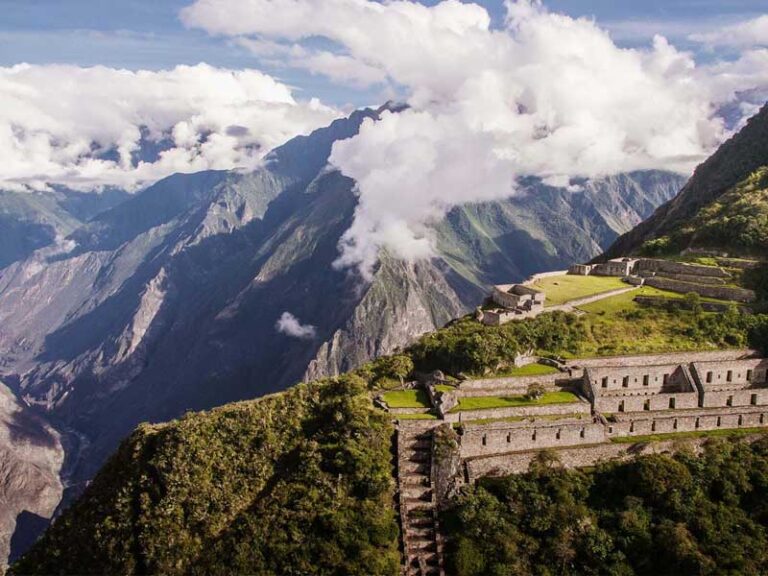

Choquequirao Trek A Hiker’s Guide

Choquequirao Trek A Hiker’s Guide


Choquequirao Trek A Hikers Guide

Embarking on the Choquequirao Trek is like stepping into a world of history, nature, and solitude. Known as the sister city to Machu Picchu, Choquequirao offers an equally stunning, yet less crowded, adventure. This guide will cover everything you need to know about this incredible trek—from the terrain and challenges to preparation tips and the unique solitude it offers.

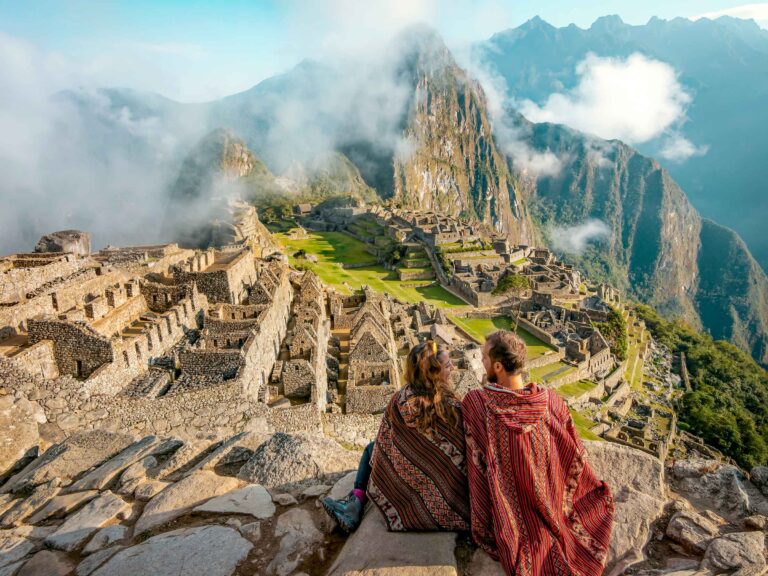
The Choquequirao Trek is an exhilarating journey through the Peruvian Andes. It leads adventurers to the majestic ruins of Choquequirao, often called the “sister city” of Machu Picchu. Unlike its more famous counterpart, Choquequirao offers a more secluded and raw experience, making it a must-visit for hikers seeking an off-the-beaten-path adventure. Here’s a comprehensive guide to help you conquer the Choquequirao Trek.

The Choquequirao Trek leads you through diverse terrains, from lush cloud forests to rugged mountain paths.

This trek spans approximately 58 kilometers (36 miles) and typically takes four to five days to complete. The path is steep and requires a good level of fitness.

  • Diverse Landscapes: The trek offers a variety of landscapes, including high-altitude grasslands, dense forests, and river valleys. You will experience dramatic changes in scenery, which is one of the trek’s many appeals. The transition from one environment to another is often breathtaking, with each section offering its unique flora and fauna. From the vibrant greens of the forests to the stark beauty of the highlands, every part of the trail tells its own story.
  • Elevation Changes: The trek involves significant elevation gains and losses. You’ll descend from high-altitude passes down into river valleys, only to climb back up again. This can be physically demanding, so being prepared is key. The constant ups and downs require not only physical strength but also mental endurance. Along the way, you’ll encounter viewpoints that make the climbs worthwhile, offering sweeping vistas of the Andes.
  • Remote Paths: The trails are less trodden than those at Machu Picchu. This means you get to enjoy the serenity and untouched beauty of the region. The isolation provides a sense of adventure and discovery, as each twist in the path reveals untouched landscapes. The trails are narrow and winding, with sections that can be challenging, but they reward with unspoiled natural beauty.
  • Flora: The trek is home to a variety of plant species, including orchids and bromeliads. These plants add splashes of color and intrigue to the landscape. The diversity of plant life reflects the varying climates and elevations you will traverse. As you hike, keep an eye out for unique plant formations and the subtle changes in vegetation as you move between ecosystems.
  • Fauna: Wildlife sightings are common, with opportunities to see Andean condors, spectacled bears, and hummingbirds. These animals thrive in the diverse habitats along the trek. The presence of these creatures adds an element of excitement and unpredictability to the journey. Birdwatchers, in particular, will find the trek rewarding, with numerous avian species to observe.
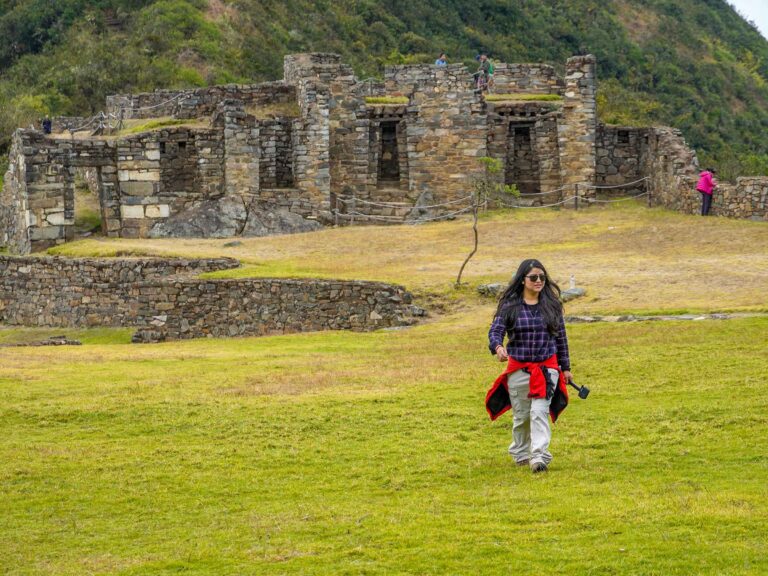
  • Incan Heritage: The path is dotted with Incan ruins, offering a glimpse into the past. These sites provide context and depth to the trek, enriching the experience. As you explore the ruins, you’ll gain insight into the engineering marvels of the Inca civilization. Each structure tells a story of a time when these trails were bustling with activity and trade.
  • Cultural Insights: Interacting with local communities along the way offers a deeper understanding of the region’s culture. Engaging with locals provides firsthand experiences of their traditions and daily lives. These interactions can be among the most memorable parts of the trek, as they offer a human connection to the region’s history and present.

Preparation is crucial for tackling the Choquequirao Trek.

With its challenging paths and elevation changes, being physically ready can make a significant difference.

  • Cardiovascular Endurance: Incorporate activities like running, cycling, or swimming into your routine to build cardiovascular endurance. These exercises help improve your body’s ability to deliver oxygen to your muscles, which is crucial on long days of hiking. Aim for at least three to four sessions per week, gradually increasing intensity and duration to build stamina.
  • Strength Training: Focus on strengthening your legs and core. Exercises like squats, lunges, and planks can be particularly beneficial. Building muscle strength helps you handle the trek’s physical demands, especially on steep climbs and descents. Consistent strength training, combined with flexibility exercises such as yoga, can enhance your overall physical resilience.
  • Hiking Practice: If possible, go on practice hikes that include elevation changes. This will help your body adapt to the kind of terrain you’ll encounter on the trek. Simulating trek conditions with a loaded backpack can further prepare you for the weight you’ll carry. Practicing hikes also fine-tunes your pacing and endurance, reducing the risk of injury on the actual trek.

Since the trek reaches high altitudes, acclimatization is essential.

Spend a few days in Cusco or another high-altitude location before starting the trek to help your body adjust. Gradual exposure to high altitudes helps your body adapt to lower oxygen levels, reducing the risk of altitude sickness. Hydration and nutrition are also crucial during this period, as they support your body’s acclimatization process.

  • Balanced Diet: Prioritize a balanced diet rich in carbohydrates, proteins, and fats to fuel your training and trek. Carbohydrates provide quick energy, while proteins and fats support recovery and long-term energy needs. Incorporating fruits and vegetables ensures you receive essential vitamins and minerals.
  • Hydration: Maintaining proper hydration is crucial, especially at high altitudes. Drink plenty of water throughout your training and trek. Electrolyte supplements can also help replace lost minerals and maintain hydration balance. Pay attention to your body’s signals and adjust your fluid intake accordingly, particularly in varying weather conditions.
  • Mindset: Developing a positive attitude is as important as physical preparation. Mental endurance helps you push through challenging sections of the trek. Visualization techniques and mindfulness practices can enhance your mental resilience, allowing you to stay focused and motivated.
  • Stress Management: Incorporate stress-reduction techniques, such as meditation or breathing exercises, into your routine. These practices help maintain mental clarity and reduce anxiety, ensuring you approach the trek with confidence and composure.

The Choquequirao Trek is considered challenging due to its steep ascents and descents, high altitudes, and the length of the journey.

However, with the proper preparation, it is manageable and gratifying.

  • Steep Trails: The trails can be pretty steep, requiring strong legs and good balance. The inclines test your physical limits, demanding both muscular and cardiovascular strength. The descents are equally demanding, requiring careful foot placement and control to prevent injury.
  • Altitude: The high altitudes can affect breathing and stamina, making acclimatization important. Altitude sickness can pose a significant challenge if not adequately managed. Recognizing symptoms early and taking preventive measures, such as acclimatization and hydration, are crucial for a safe trek.
  • Weather Conditions: Be prepared for variable weather, including hot days and cold nights. The weather can change rapidly, with clear skies turning into rain or fog in a matter of hours. Packing appropriate clothing and gear for all conditions ensures comfort and safety throughout the trek.
  • Pacing: Finding and maintaining a comfortable pace is essential to managing the trek’s demands. Rushing can lead to fatigue and increase the risk of injury. Listening to your body and taking regular breaks helps conserve energy and prevents burnout.
  • Fatigue Management: Fatigue is a common challenge on long treks. Implementing rest days and managing energy expenditure are key strategies. Adequate rest and recovery allow your body to recharge, ensuring you can continue the trek effectively.
  • Sense of Achievement: Completing the Choquequirao Trek provides a profound sense of accomplishment. Overcoming the challenges of the trail builds confidence and resilience. The journey becomes a testament to your physical and mental strength.
  • Scenic Beauty: The trek’s challenges are balanced by the stunning scenery encountered along the way. Each viewpoint and landscape serves as a reward, inspiring awe and appreciation for the natural world.

One of the most alluring aspects of the Choquequirao Trek is the solitude it offers.

Unlike the busy trails of Machu Picchu, Choquequirao provides a sense of peace and connection with nature.

  • Undisturbed Nature: Enjoy the pristine landscapes without the crowds. This allows for a more personal and meaningful experience. The tranquility of the environment fosters a deep connection with the natural world, promoting relaxation and reflection.
  • Reflective Journey: The solitude offers a chance for reflection and introspection, making the trek not only a physical journey but also a mental one. The quiet moments along the trail allow for self-discovery and contemplation, enriching the overall experience.
  • Connection with Nature: The absence of crowds enhances your ability to connect with the environment. The sounds of nature, from bird calls to rustling leaves, become more pronounced and immersive. This connection fosters a sense of belonging and appreciation for the natural world.
  • Mindful Hiking: Practicing mindfulness while hiking enhances the experience, allowing you to engage more fully with your surroundings. Focus on each step and breath, immersing yourself in the present moment. This practice deepens your connection to the trail and heightens your awareness of the environment.
  • Journaling: Keeping a journal during the trek can be a powerful way to capture thoughts and experiences. Reflecting on your journey through writing helps solidify memories and insights gained along the way. Journaling provides a tangible record of your adventure, preserving moments for future reflection.
  • Cultural Exchange: The solitude of the trek provides opportunities for meaningful interactions with local communities. Engaging with locals offers a unique perspective on their way of life and traditions. These exchanges enrich your understanding of the region’s culture and history.
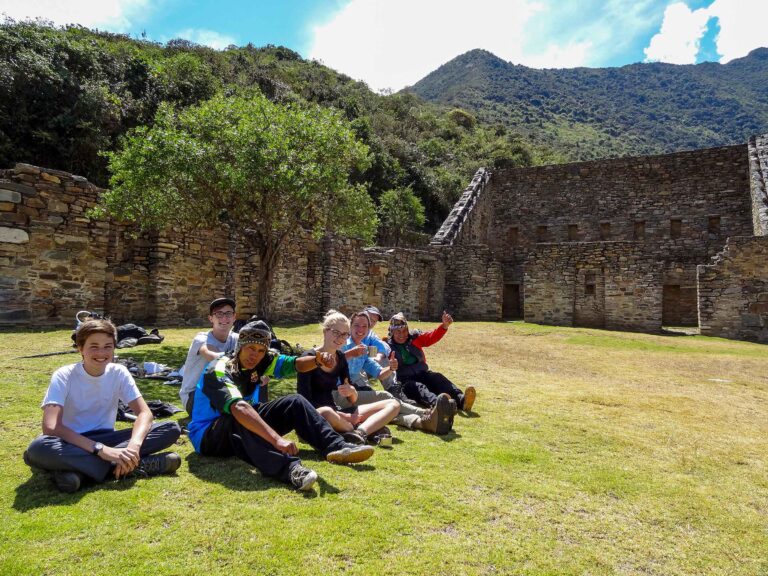
  • Shared Experiences: While the trek offers solitude, shared experiences with fellow trekkers can create lasting bonds. The challenges and triumphs of the journey foster a sense of camaraderie and connection. Sharing stories and experiences with others enhances the sense of community on the trail.
  • Pack Smart: Bring essentials like a reliable backpack, sturdy hiking boots, layered clothing for varying temperatures, a first-aid kit, and plenty of snacks and water. Packing strategically ensures you have everything you need for comfort and safety. Prioritize lightweight, functional gear to optimize your load.
  • Hire a Guide: Consider hiring a local guide. They provide valuable insights into the region’s history and help navigate the trails safely. A guide’s expertise enhances your understanding of the area’s cultural and historical significance. Their knowledge of the terrain and conditions ensures a safer and more informed trek.
  • Respect the Environment: Leave no trace. Preserve the beauty of Choquequirao for future hikers by packing out all waste and respecting nature. Following ethical hiking practices protects the environment and maintains its pristine condition. Respecting local customs and regulations ensures a positive impact on the region.
  • Emergency Preparedness: Familiarize yourself with emergency procedures and carry essential safety gear. Knowing how to respond to emergencies ensures you can handle unexpected situations. A well-stocked first-aid kit and basic first-aid knowledge are crucial components of your safety plan.
  • Weather Awareness: Stay informed about weather conditions and adjust your plans accordingly. Monitoring weather forecasts helps you prepare for changing conditions. Being adaptable and ready for weather changes enhances your safety and comfort.
  • Respect Local Customs: Understanding and respecting local customs and traditions enrich your experience. Engaging with local culture respectfully fosters positive interactions and mutual understanding. Being mindful of cultural norms enhances your connection with the region and its people.
  • Support Local Communities: Choose to support local businesses and services during your trek. Contributing to the local economy benefits the communities you visit and helps sustain their way of life. Supporting local guides, accommodations, and artisans strengthens the economic ties between trekkers and locals.

The Choquequirao Trek is not just a hike; it’s an adventure into the heart of the Andes, filled with history, beauty, and solitude. With the proper preparation and mindset, this trek can be one of the most rewarding experiences for any avid hiker. Whether it’s the challenge of the terrain, the allure of solitude, or the breathtaking views, Choquequirao promises an unforgettable journey.

Embark on the Choquequirao Trek, and discover a hidden gem of Peru that offers a unique blend of challenge and peace. Prepare well, respect the trail, and enjoy every moment of this incredible adventure. The memories and insights gained from this trek will stay with you long after you’ve returned home, serving as a testament to the power of nature and the human spirit.

What is Choquequirao?

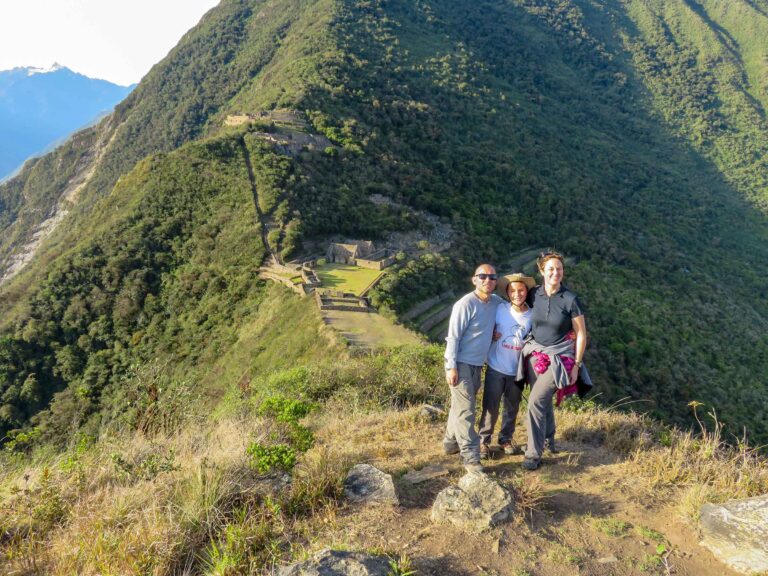
Choquequirao, meaning “Cradle of Gold” in Quechua, is a remote Incan site in the Salkantay mountain range. Often referred to as the “sister city” of Machu Picchu, Choquequirao is larger but remains relatively undiscovered. The ruins are perched on a ridge overlooking the Apurimac River, offering spectacular views of the surrounding mountains and valleys.

The Trek Overview

The Choquequirao Trek typically takes 4 to 5 days and covers approximately 64 kilometers (40 miles) round trip. The trail starts in the villages of Cachora or Capuliyoc and descends into the Apurimac Canyon, then ascends steeply to the archaeological site. The trek is demanding, with significant elevation changes, but the reward is an intimate encounter with one of Peru’s hidden treasures.

Best Time to Go

The best time to embark on the Choquequirao Trek is during the dry season, from May to October. During these months, the weather is more stable, with clear skies and cooler temperatures. From November to April, the rainy season can make the trail more challenging, with slippery paths and muddy conditions.

Preparing for the Trek

Physical Fitness

The Choquequirao Trek is challenging, with steep ascents and descents, high altitudes, and rugged terrain. Good physical condition is essential, so start training several months in advance. Focus on cardio, strength training, and long hikes to build endurance.

Acclimatization

Altitude sickness can be a significant issue on the trek, as elevations reach over 3,000 meters (9,842 feet). To acclimate your body before starting the trek, spend a few days in Cusco or another high-altitude area.

The Trek Itinerary

Day 1: Cachora/Capuliyoc to Chiquisca

The trek begins with a descent from Cachora or Capuliyoc, offering stunning views of the Apurimac Canyon. Camp at Chiquisca for the night.

Day 2: Chiquisca to Marampata

Cross the Apurimac River and begin the steep ascent to Marampata, where you’ll get your first glimpse of Choquequirao in the distance.

Day 3: Marampata to Choquequirao

Continue to Choquequirao, exploring the expansive ruins and taking in the breathtaking views of the surrounding mountains.

Day 4: Choquequirao to Chiquisca

Begin your descent back to Chiquisca, retracing your steps and reflecting on the incredible journey.

Day 5: Chiquisca to Cachora/Capuliyoc

Complete the trek’s final leg back to Cachora or Capuliyoc, where your trekking adventure ends.

choquequirao trek 5 days

choquequirao trek 5 days

Choquequirao Trek a Hikers Guide

Choquequirao Trek a Hikers Guide

Conclusion

The Choquequirao Trek is a challenging but rewarding adventure that offers a unique glimpse into the heart of the Incan Empire. You can conquer this incredible trek and create memories that will last a lifetime with proper preparation, respect for the environment, and a sense of adventure.

Other Choquequirao Treks Alternative

Inquire Now

Contact form footer
Need help? Speak with us